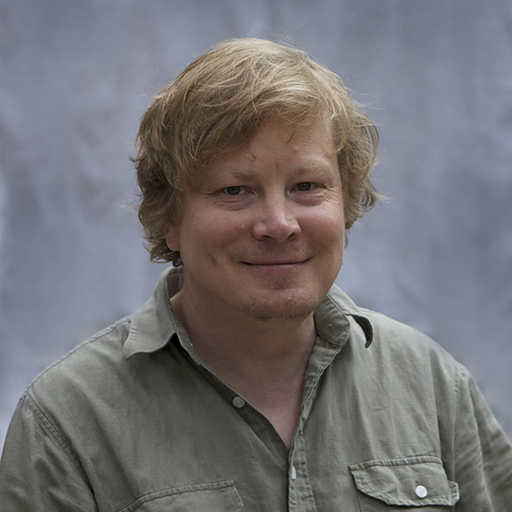
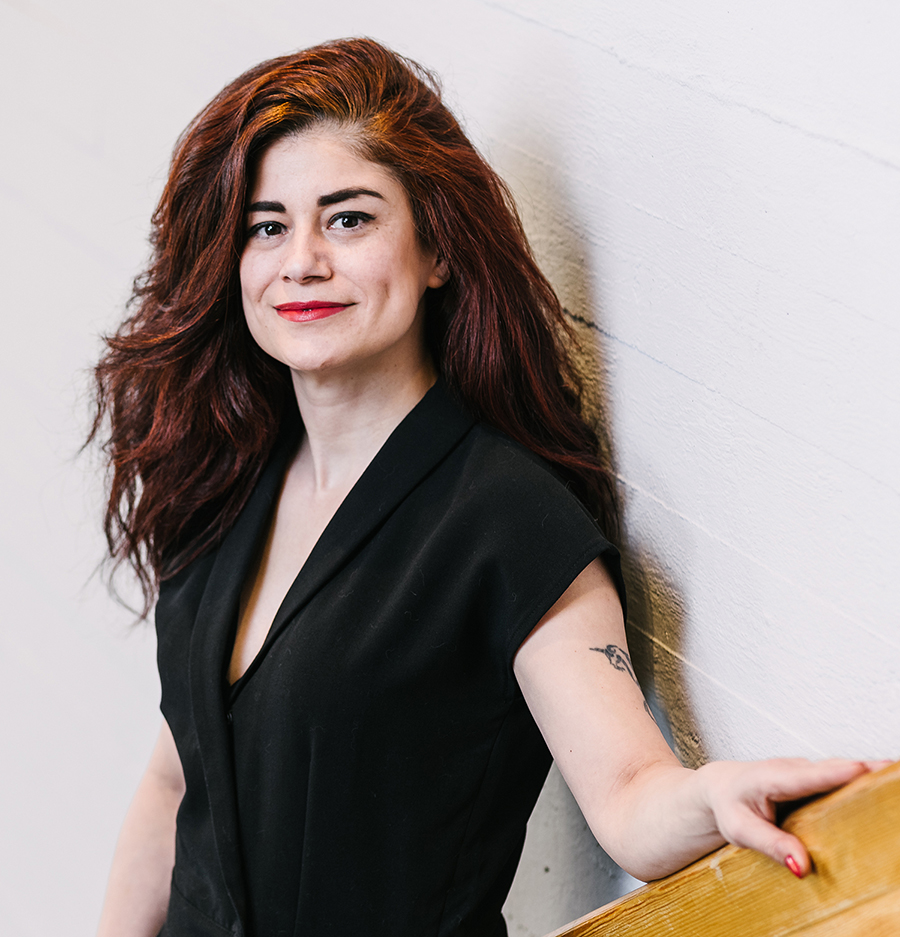
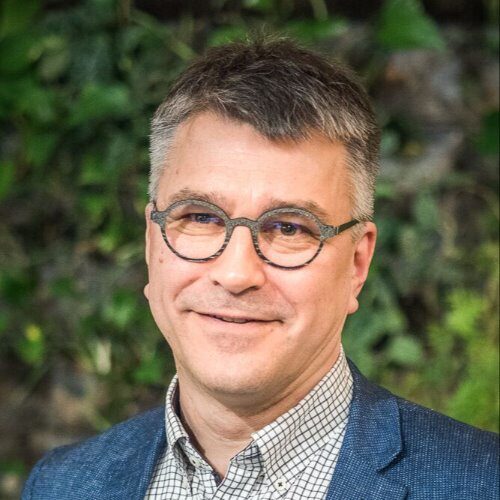
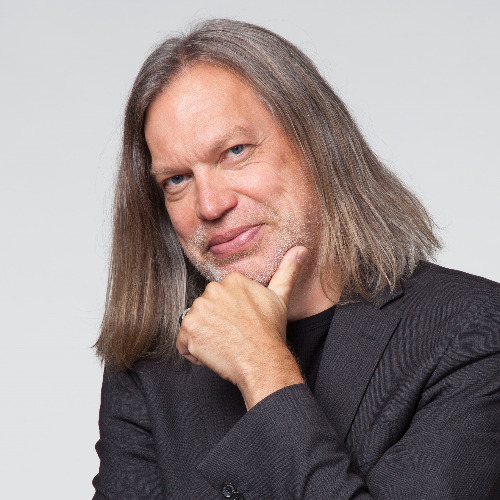
Tuuli Toivonen is a Professor of Geoinformatics at the Department of Geosciences and Geography, University of Helsinki. She leads the transdisciplinary Digital Geography Lab , which addresses human-scale spatial analytics for sustainable societies. She serves as Vice-Director of Geography Degree Programs (post-2022) and previously held the Director role (2020-2022). After receiving the ERC Consolidator Grant in 2022, she continues advancing open science through active memberships in HELSUS and URBARIA . PhD in Geography (University of Turku, 2006) Specialist Vocational Qualification in Leadership (2023) Life Member, Clare Hall, University of Cambridge (since 2021) Her research focuses on Human-Place Interactions through accessibility/mobility lenses, combining Open Data , Machine Learning , and Spatial Analytics . Key application areas include Urban Geography , Conservation Science , and Governance Policy . Recent publications address Dynamic Cities (2018), Social Media for Conservation (2019), and Environmental Exposure During Travel (2021). Her lab produces datasets like the Helsinki Region Travel Time Matrix series (2014-2023). Scientific Awards: European Open Data Champion (2017) Open Science Price (2017) University of Helsinki Geography Award (2018) She supervises Master's thesis work and serves as Opponent for doctoral defenses across Europe. Her teaching portfolio includes Advanced Geoinformatics and Digital Geographies courses.
Eric Coatanea is a Professor at Tampere University, affiliated with the Automation Technology and Mechanical Engineering department within the Faculty of Engineering and Natural Sciences. His research focuses on manufacturing systems, causal graph networks, multi-disciplinary optimization, and AI integration in engineering design. He holds a BSc from University of West Brittany (1990), MSc from INSA Toulouse (1993), and teaching certification from Ecole Normale Supérieure (1994). Research interests include modeling manufacturing systems, additive manufacturing (e.g., Directed Energy Deposition), causal graphs for decision-making, and systems engineering. Notable awards include the Chevalier des Palmes Académiques (2018) and Marie-Curie Fellowship (2006–2008). Recent publications emphasize optimization algorithms combining AI (e.g., L-ANN-GWO), viscosity effects in 3D printing, and causal graph applications in MDO. His work bridges theoretical frameworks with practical engineering challenges, focusing on early design synthesis and sustainable manufacturing. Commitments include editorial roles (Journal of Integrated Design & Process Science), NSERC Canada advisory, and board memberships (Dynavio Cooperative Oy, Selko Oy). Current projects include LILIAM, ÄVE, and DIGITBrain initiatives.
Maria Mäkelä is a Senior Lecturer in Comparative Literature and Head of the Literary Studies Degree Programme at Tampere University's Faculty of Social Sciences. She holds a PhD and is a Docent in Narrative Theory. Her research focuses on narrative theory, digital media storytelling, and the interplay between personal experience and collective narratives in social media environments. She leads the Authors of the Story Economy consortium (2024–2028), funded by the Research Council of Finland. Her expertise includes comparative literature, narratology, and the analysis of viral storytelling dynamics. She co-founded the Narrare Centre for Interdisciplinary Narrative Studies and has published widely on topics like climate change narratives, political storytelling, and the ethics of personal experience sharing. Key projects include the Dangers of Narrative initiative, which critiques the risks of instrumental storytelling in public discourse. Mäkelä's work bridges literary theory with social science, emphasizing the societal impact of narrative forms. Her articles explore how social media transforms storytelling into a didactic force, often distorting intended ethical and political messages. She also investigates medieval exempla in contrast to modern digital narratives, highlighting enduring patterns of narrative authorization. Grants and leadership roles include the Research Council of Finland’s 2024–2028 consortium, academic board memberships, and editorial roles in journals like Style and Partial Answers . Her interdisciplinary approach has influenced fields from information systems to welfare studies, emphasizing narrative’s role in shaping collective understanding. Lab/Team affiliations include the Narrare Centre and collaborations with institutions like the University of Turku and IULM University. Her research underscores the need for story-critical approaches to address narrative pitfalls in contemporary media environments.
Elina Mäkinen serves as Professor of Science, Technology, and Organization at Tampere University's Faculty of Management and Business. She concurrently holds a docentship at the University of Helsinki's Faculty of Social Sciences and serves on editorial boards including the Journal of Organizational Change Management. Her institutional affiliations reflect deep engagement with organizational studies across Nordic academic networks. Her academic background includes a B.Sc. and M.Sc. in Sociology from the University of Helsinki and a Ph.D. in Organization Studies from Stanford University. This foundation supports her research at the intersection of institutional theory and scientific practice. Mäkinen's research centers on interdisciplinary knowledge production, examining how academic careers evolve at disciplinary boundaries. She investigates ethical regulation in science, academic entrepreneurship, and team science dynamics, with particular focus on boundary work and knowledge integration processes. Her work reveals how researchers navigate institutional constraints while pursuing translational science. Analysis of her publication trajectory shows consistent focus on boundary phenomena in science, evolving from early work on clinical recruitment to recent studies of ethical governance. The corpus demonstrates methodological diversity across ethnographic, interview-based, and network analysis approaches within organizational sociology frameworks. As principal investigator, she leads two major projects: The Emergence of Health and Life Science Innovations (HeLSI) and Competing Imaginaries of Ethical Science (IMAGES), funded by the Foundation for Economic Education (2020-2023) and Emil Aaltonen Foundation (2023-2025). These projects examine structural and ethical dimensions of contemporary science. Her laboratory work centers on transdisciplinary collaboration, particularly through the New Social Research unit, where she investigates how researchers build shared epistemic frameworks across disciplinary divides. Current efforts focus on ethical regulation systems in non-medical research contexts.
Lassi Heininen is a prominent academic focused on Arctic geopolitics and international political science. He leads the UArctic Thematic Network on Geopolitics and Security and has served as Principal Investigator for projects like 'The Global Arctic' funded by Nordregio and OPM. His research emphasizes climate change impacts, Arctic state relations, and the evolution of security frameworks in the region. He has authored over 133 publications, including contributions to the Arctic Yearbook and comparative studies on polar regions. His work bridges theoretical analysis with practical policy dialogues, notably through initiatives like the Calotte Academy and Northern Research Forum. Heininen frequently participates in international conferences, delivering keynote lectures on topics such as Arctic stability and geopolitical challenges. Key research areas include post-Cold War Arctic dynamics, the interplay between environmental and military security, and the implications of globalization for regional governance. He advocates for sustained international cooperation in the Arctic amid global tensions, emphasizing the region's unique role in fostering peaceful diplomatic engagement. Heininen's activities span organizing academic events, editorial roles, and media contributions, highlighting his commitment to disseminating knowledge on Arctic affairs. His projects often involve cross-border collaborations, reflecting his belief in transnational solutions to environmental and security challenges.
Christopher Raymond is a Professor of Sustainability Science at the University of Helsinki, where he is based at the Ecosystems and Environment Research Program within the Helsinki Institute of Sustainability Science (HELSUS). He is also affiliated with the Department of Economics at the University of Helsinki and leads the transdisciplinary Human-Nature Transformations Research Group. Raymond serves as Executive Director of the International Association of Society and Natural Resources and Director of the Enabling Multispecies Transitions of Cities and Regions (MUST) Strategic Research Council Project. His research group hosts over 15 researchers committed to "Transforming human-nature relationships for a just, healthy and sustainable future." PhD in Philosophy, University of South Australia (2012) BAppSc (Honours) in Environmental Management, University of South Australia (2005) Guest Professor, Swedish University of Agricultural Sciences (2019-2021) Professor Raymond's research focuses on conceptualizing and assessing the diverse values of nature and finding new ways to embed them into sustainability transformations. His work examines innovative approaches to represent and engage diverse communities (including other species) in nature-based solutions planning in urban areas. He has authored seminal works on Senses of place, socio-cultural valuation of Ecosystem services, and served as Coordinating Lead Author of the IPBES Values Assessment, where his team co-created "an inclusive typology of values for navigating Transformations towards a just and sustainable future." His research contributes significantly to urban and regional planning, biodiversity conservation, restoration planning, Sustainability science, and human geography. Raymond's recent publications demonstrate a strong focus on multispecies justice, urban nature-based solutions, and the integration of diverse values into sustainability governance. His work increasingly examines the temporal dimensions of urban green infrastructure, the role of listening in interdisciplinary scholarship, and the application of role-playing for justice awareness in educational contexts. A consistent theme across his recent work is the exploration of how to better incorporate relational values and justice considerations into environmental policy and planning, particularly in urban contexts where climate, biodiversity, and human health intersect. World's Most Cited Scholar (2019) World's Most Cited Scholar (2020) Professor Raymond serves as Supervisor in the Doctoral Programme in Interdisciplinary Environmental Sciences and has supervised Master's theses for students including Juulia Lehtinen and Anna Ahdekivi. His research is supported by numerous grants including GREEN TALENT (2025-2029), GoGreenNext (2024-2028), MUST (2023-2026), and CO CARBON (2023-2026) projects. These projects focus on urban sustainability transitions, carbon sequestration in urban green infrastructure, and multispecies justice in nature-based solutions. Raymond leads the Human-Nature Transformations Research Group, which actively engages in the Helsinki Institute of Sustainability Science (HELSUS) and carries out research through collaborative projects including MUST, Transformative Cities, RECONNECT, GO GREEN NEXT, GREEN TALENT and SusTra Doctoral Pilot. The group utilizes acoustic recorders for long-term socio-ecological monitoring across Finland as part of their research infrastructure.
Harri Laakso is an Associate Professor of Photography Research and Head of the Department of Art and Media at Aalto University. An artist-researcher and curator, his work explores photographic images and theory, artistic research, and the relations between images, words, and performative actions within contemporary visual culture. His educational background includes: BFA in Film, Photography and Visual Arts from Ithaca College, New York (1991) MA in Photography from University of Art and Design Helsinki (1996) Graduate Certificate in Art History, Theory and Criticism from the School of the Art Institute of Chicago (1999) Doctoral degree from the University of Art and Design Helsinki (2003) Laakso's research centers on the theoretical and practical dimensions of photography, examining how images interact with language and performance. He investigates artistic research methodologies and the role of photography in contemporary art, with a focus on meaning construction and performative aspects of image-making. His recent publications (2021-2025) focus on artistic research, photographic theory, and narrative structures, exploring themes such as parafiction, divination, and mythological metaphors. This body of work bridges academic discourse with artistic practice, emphasizing temporal and relational aspects of photography. His notable scientific awards include: Aalto University Annual Excellence Award in Teaching (2017) for contributions to the University-Wide Art Studies program, which fostered transdisciplinary education across Aalto's schools. Laakso has supervised 14 completed doctoral students in photography, contemporary art, and visual culture. He has led significant research projects including "Figures of Touch" (2009-2012) and "Floating Peripheries" (2017-2021), and curated major exhibitions such as the Backlight Photography Triennials and the Finnish Pavilion at the 2013 Venice Biennale. His leadership roles encompass: Chair of the Editorial Board of RUUKKU Journal of Artistic Research (since 2014) Member and Chair of the Academic Board of The Artistic Research Doctoral School (AREA) Co-chair of the Art of Research Conference 2023 Organizing chair for the Helsinki Photomedia Conference 2024 Through his roles in the Department of Art and Media and AREA, Laakso fosters interdisciplinary collaboration. His work with RUUKKU and conference organization creates dynamic platforms for artistic research, connecting artists, researchers, and curators in exploring the evolving landscape of visual culture.
İdil Gaziulusoy is an Associate Professor of Sustainable Design at Aalto University's Department of Design . As a sustainability scientist and design researcher, she focuses on developing frameworks for sustainable, equitable, and resilient future systems through design interventions in socio-technical and socio-ecological contexts, particularly in urban and production-consumption systems. Her research explores design for sustainability transitions , emphasizing co-creation, multispecies ethics, and systemic stakeholder analysis. Recent work includes climate data dashboards , feminist futures in music , and bioinclusive design methodologies . Her publications highlight collaborative approaches to urban sustainability, with a trajectory toward more-than-human flourishing and relational design . Articles demonstrate interdisciplinary engagement across design science , urban transformations , and policy innovation .
Rauno Sairinen is Professor of Environmental Policy at the University of Eastern Finland's Department of History and Geography, Faculty of Social Sciences and Business Administration. He directs the RESOURCE research community focused on sustainable resource societies and serves as Adjunct Professor at the University of Queensland's Centre for Social Responsibility in Mining. His work spans environmental governance, mining sustainability, and social impact assessment, leading 36 projects and currently serving as Work Package leader in EU-funded initiatives like GOVERMAT, IMP@CT, and CORE. Research Groups: CEMMS (Center for Social Science Mining Research), Global Development, SOBIO (Social Science Bioeconomy Research Network), Environmental Culture Research Network Current Projects: MILESTONE (2022-2026), SUMET (2024-2027) His research integrates mining governance, circular economy transitions, and social sustainability. Recent publications examine critical raw materials in electric vehicles, small-scale mining in post-conflict regions, and industrial heritage transformations. Key themes include stakeholder engagement, policy harmonization, and sustainable resource extraction frameworks. Sairinen's 15 most recent articles (2024-2018) span environmental policy, mining governance, and social sustainability. Topics include battery metal recycling, bioeconomy transitions, and cultural heritage preservation, with methodologies ranging from case studies to transdisciplinary reviews. He has collaborated with researchers across Finland, Australia, and Europe, focusing on policy development for responsible mining. Current affiliations include the Geological Survey of Finland's Board (2017-2019) and leadership in academic networks addressing sustainability transitions.
Arto O. Salonen is a Professor of Social Pedagogy with a focus on sustainable well-being at the University of Eastern Finland. He leads the SISU consortium and the Sustainability Transformations Doctoral Education Pilot , while also serving as an Adjunct Professor at the University of Helsinki, Finnish National Defence University, and the University of Eastern Finland. His work bridges social pedagogy, sustainability science, and societal transformation, particularly through the lenses of consumerism, digitalization, and planetary citizenship. Research Focus: Social change, sustainability transformations, climate crisis education, and the cultural dynamics of consumerism. Key Projects: Sustainability transformation from the margins , Heritage in working life , and Shared autonomous mobility . Labs/Teams: RESOURCE Research Community, Finnish Expert Panel for Sustainable Development, and interdisciplinary consortia.
Viola Tuulia Hakkarainen is a Researcher at the Helsinki Institute of Sustainability Science (HELSUS) and the Natural Resources Institute Finland (Luke) , specializing in interdisciplinary environmental research. She serves as a Supervisor for the Doctoral Programme in Interdisciplinary Environmental Sciences and a Visiting scholar in the Ecosystems and Environment Research Programme at the University of Helsinki. Her research focuses on entanglements between knowledge and action in sustainability science, exploring reflexivity , governance frameworks , and educational transformations . Key thematic areas include urban biodiversity governance , social-ecological systems , and online sustainability education . Recent publications analyze reflexive methodologies (2025), urban biodiversity action spaces (2025), and place-mobility integration in environmental governance (2024). She participates in international collaborations like the RECONNECT project (2023-2026) funded by the European Commission and the Finnish Academy. Her professional activities include organizing the Mistra Sport and Outdoors-RECONNECT workshop (2024) and presenting on value shifts in sustainability education (2023). Contact: viola.hakkarainen@helsinki.fi
Marko Keskinen serves as an Associate Professor in the Department of Built Environment at Aalto University's School of Engineering, specializing in integrated approaches to water resources management, sustainability, and science-policy-stakeholder interactions through multi-, inter-, and transdisciplinary frameworks. His research centers on transformative water governance under climate change, interdisciplinary engineering education, and the socio-technical dimensions of environmental management. Keskinen actively develops methodologies for bridging scientific knowledge with policy implementation, emphasizing participatory processes and equity in resource-constrained contexts globally. Analysis of his 2024-2025 publications reveals dominant trends in climate-water conflict resolution, flood risk governance using social network analysis, and reimagining engineering pedagogy through interdisciplinary curriculum design. His work consistently applies transdisciplinary lenses to address complex water security challenges across Finland, the EU, and global case studies like Kenya. Scientific awards received include: Young Water Professionals (YWP) of Finland Award 2021 for advancing young water professionals' careers Aalto Pioneering Excellence Award 2021 for the Majakka doctoral education project Aalto Excellence Award 2018 for research-based innovation Aalto Education Excellence Recognition 2017 for Master's Programme development AaltoENG Teaching Award 2015 Aalto Research Impact Award 2024 for the Digital Waters flagship Best Research Paper 2023 Award Keskinen leads the Majakka doctoral education initiative and contributes to the Digital Waters flagship program, demonstrating sustained leadership in educational innovation and research translation. His projects integrate cross-sectoral collaboration to transform water management education and practice. He is embedded within Aalto's Water and Environmental Engineering research group and the Digital Waters flagship team, driving collaborative initiatives that connect hydrology, policy analysis, and sustainable development through robust academic-industry-stakeholder networks.
Pia Sjöblom is a Lecturer at Åbo Akademi University's Faculty of Education and Welfare Studies, specializing in Education. Her work focuses on Outdoor Education, Climate Change Education, and Science Education, contributing to UN Sustainable Development Goals (SDGs) related to quality education and climate action. Current Principal Investigator in EU-funded project "Food education for the future" (2024-2026) Active in Nordic educational symposia and journal editorial work since 2017 Recipient of Åbo Akademi's Teacher of the Year award in 2019 Research trends show sustained focus on climate change education, with recent work emphasizing crosscurricular approaches, socio-scientific issues, and sustainability frameworks in teacher training. She has collaborated extensively with Nordic institutions on educational innovation. Her publications span empirical studies with primary school students in Finland/Tanzania to theoretical frameworks for environmental education. Key networks include collaborations with Swedish and Norwegian institutions. Scientific Awards Årets handledare (Teacher of the Year) at Åbo Akademi University (2019) Current research explores educational responses to climate change, teacher training for outdoor education, and EU-funded food education initiatives. She maintains active roles in editorial boards and Nordic educational symposia.
Niko Soininen is Professor of Environmental Law at the University of Eastern Finland's Law School and a leading researcher at the Center for Climate Change, Energy and Environmental Law (CCEEL). His work focuses on the intersection of law, sustainability transitions, and complex systems, with specializations in water law, marine environmental law, and adaptive governance frameworks. Primary Affiliation: University of Eastern Finland, Law School Research Groups: CCEEL, Sustainability Law, Water and Marine Environmental Law Key Projects: RELIEF (2023-2026), SusHydro (2020-2024) His research synthesizes legal theory with practical governance challenges, particularly in: Sustainability law and transformation Hydropower and offshore wind regulation Marine spatial planning Legal interpretation in environmental contexts Resilience of legal systems His recent publications analyze the tension between renewable energy expansion and ecological protection in EU law, with a focus on hydropower's legal trade-offs (2024), adaptive governance models (2023), and water-security frameworks (2023). He has contributed extensively to journals like Environmental Innovation and Societal Transitions , Transnational Environmental Law , and Science of the Total Environment .
Sirkka Tuulikki Ukkonen-Mikkola serves as University Lecturer and Docent at the Department of Educational Sciences, University of Helsinki. Holding a Doctor of Education degree, she maintains active research and teaching commitments in early childhood education with 12 publications spanning 2022-2025. Education: Doctor of Education Her research centers on early childhood education with specialized focus on teacher expertise development, pedagogical leadership, and university-practice collaborations. She investigates how cultural contexts shape teacher supervision practices, team leadership discourses, and playful learning implementation within Finland's ECEC system. Her work integrates eye movement studies with pedagogical research to understand teacher decision-making processes and professional knowledge construction. Recent publications demonstrate consistent thematic focus on relational expertise in teacher education (2025), cultural leadership frameworks (2025), and contextualized analysis of Finnish early childhood practices (2025). These works reveal growing emphasis on collaborative knowledge creation between universities and ECEC institutions, examining how shared understanding develops through supervised teaching practice and team leadership activities. Scientific Awards: No awards documented in source materials. Advising & Research: Doctoral thesis supervisor since May 2023 Extensive collaboration network across Finnish research institutions Current projects focus on teacher supervision competence and pedagogical leadership discourses She participates in multi-institutional research teams examining early childhood education practices, particularly through university-ECEC partnerships that investigate knowledge transfer mechanisms and professional development pathways for educators.