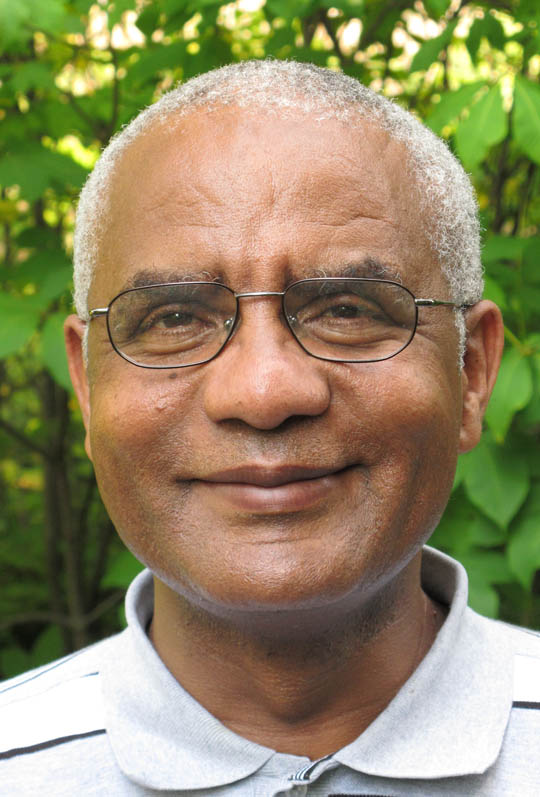
Prof. Zerihun Tadele is a Professor and Group Leader in the Department of Crop Breeding and Genomics at the University of Bern's Institute of Plant Sciences. His research focuses on improving the orphan African cereal Eragrostis tef (tef) through genomic, agronomic, and biotechnological approaches. Key areas include drought tolerance, genetic diversity, and sustainable agricultural practices. He leads projects on tef variety development, mutant breeding, and mycorrhizal symbiosis effects. Research emphasizes Genetic improvement of tef and other underutilized crops Omics technologies for crop resilience Climate-smart agricultural techniques Seed systems and policy for orphan crops Recent work highlights innovations like somatic embryogenesis for Ethiopian potato and nitrogen-use efficiency studies. His team collaborates on global initiatives to enhance food security through underutilized crops. Publications (2022–2025) span over 50 peer-reviewed articles, focusing on tef genetics, breeding strategies, and environmental adaptation. He actively promotes tef as a strategic crop for Africa's food systems.
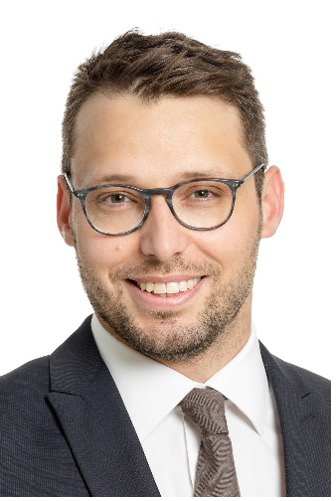
Prof. Dr. Joel Zindel is a faculty member at ETH Zurich's Institute of Molecular Health Sciences, leading a translational research group focused on tissue repair and scarring. He previously established his lab at the University of Bern (2023) before migrating to ETH Zürich in August 2025. His work bridges clinical surgery and immunology, targeting post-surgical complications like adhesions and fibrosis. Education: Medical Degree & MD, University of Bern PhD in Immunology, University of Bern SNSF-sponsored Research Fellowship, Canada Research Focus: The Zindel Lab investigates three key areas: (i) peritoneal macrophage biology in injury detection, (ii) mesothelial-to-mesenchymal transition in scarring, and (iii) foreign body responses in body cavities. Using intravital microscopy and clinical cohort studies, the lab explores immune-mesothelial interactions and druggable pathways. Publication Trends: Recent work emphasizes macrophage roles in regeneration, EGFR signaling in fibrosis, and technological innovations in surgical skill assessment. Key methodologies include spatial transcriptomics and multiphoton imaging. Scientific Awards: Max Cloëtta Research Fellowship SNSF Starting Grant Advising & Collaborations: Leads a team including PhD students (John Li Flores Alvarez, Agnes Huber, Brooke Slade) and postdoc Tea Kocijan. Collaborates with (bio)material engineers like Prof. Inge Herrmann and Prof. Mark Tibbitt.
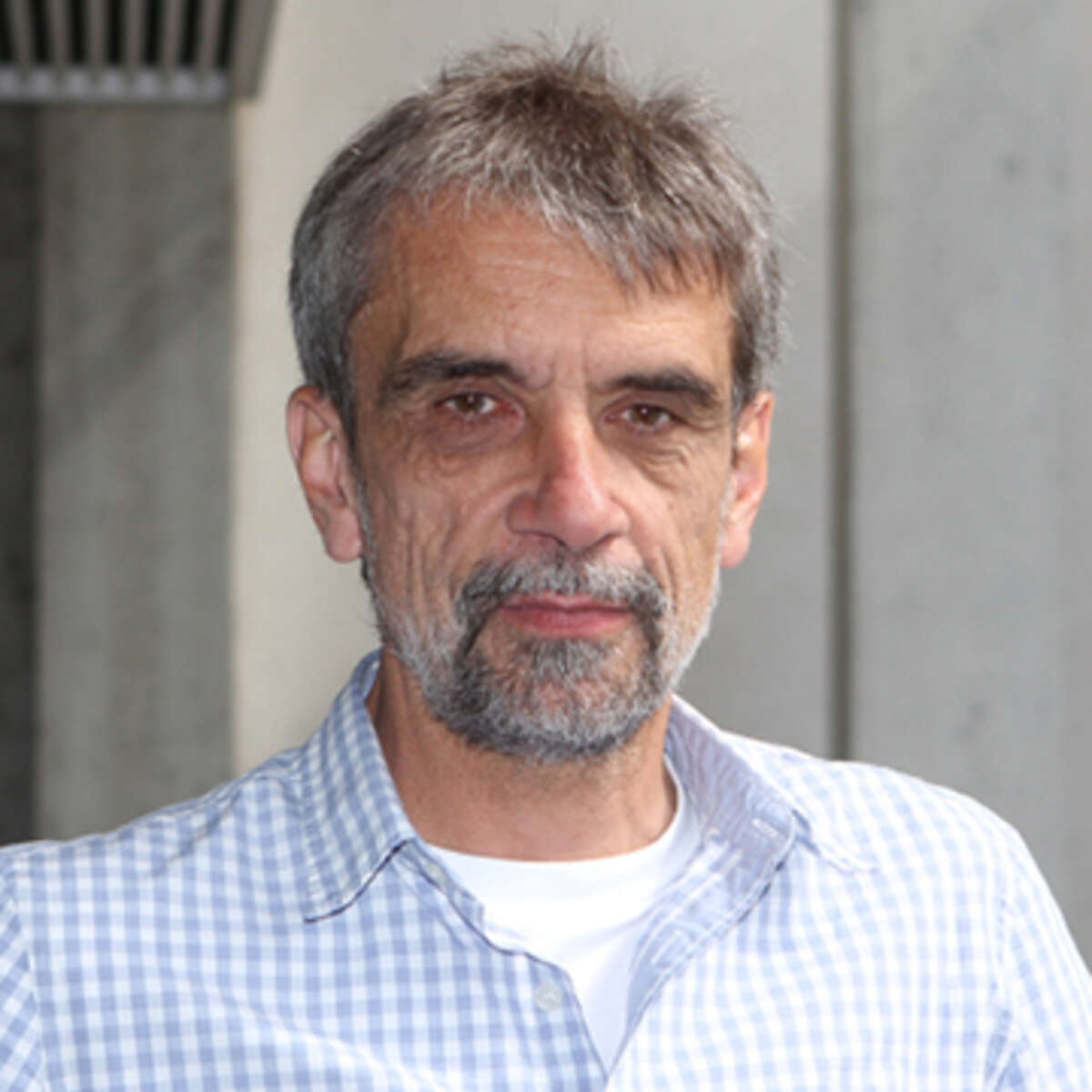
PD Dr. Ronald Dijkman is Group Leader of the Experimental Virology Research Group within the Institute for Infectious Diseases (IFIK) at the University of Bern Medical Faculty. His laboratory is located at the Multidisciplinary Center for Infectious Diseases (MCID) , underscoring his central role in Swiss infectious-disease research infrastructure. Education & Training: While the supplied pages do not list explicit degrees, the title PD Dr. indicates that he has completed a PhD, post-doctoral training, and the Germanic Habilitation, qualifying him as an Associate Professor-level faculty member. Research Focus: Dr. Dijkman’s team investigates host–pathogen interactions in the respiratory epithelium , concentrating on three pillars: Innate immunity triggered by influenza and coronaviruses in human and animal airway epithelial cells. Viral genetic determinants that modulate immune evasion and cross-species transmission. Host determinants that either restrict or facilitate infection across species barriers. To dissect these questions, the group has pioneered genetically-tractable, well-differentiated primary airway epithelial cell (AEC) cultures derived from humans, pigs, cattle and bats, creating a unique comparative platform for zoonotic-risk assessment. Funding & Collaborative Networks: His research is currently supported by: Swiss National Science Foundation (SNF) – project on Molecular characterization of Influenza D virus–host interactions . EU Marie Skłodowska-Curie ITN “HONOURs” – a multi-partner training network on host-switching pathogens and zoonoses. Federal BLV grant – implementation of nanopore sequencing for rapid identification of OIE-notifiable animal viruses. These grants enable a team of one post-doc and four PhD students, together with technical staff. Scientific Output & Impact: Since 2010, Dr. Dijkman has authored >60 peer-reviewed articles. His work on SARS-CoV-2 reverse genetics (Nature, 2020), MERS-CoV receptor usage (Nature, 2014) and single-cell influenza pathogenesis (bioRxiv, 2020–22) has been highly cited, reflecting broad scientific impact. Laboratory & Team: The Experimental Virology group occupies BSL-2 and BSL-3 laboratories equipped with state-of-the-art live-cell imaging, lentiviral genetic engineering, and nanopore sequencing pipelines. The group presently comprises: Larise Oberholster – Early Post-doc Alina Baltensperger – PhD student Jean-Claude Makangara – PhD student Mike Javan Mwanga – PhD student Karen Stevers – PhD student Cinzia Moscardelli – laboratory technician
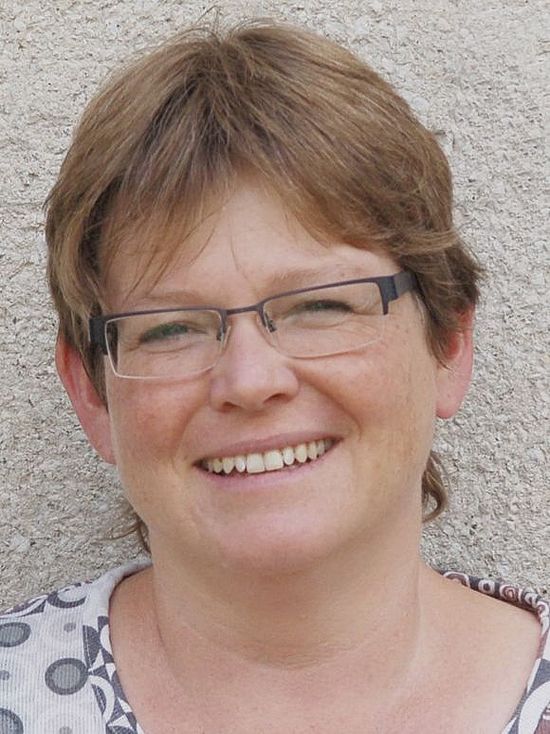
Markus Rüegg is a Full Professor of Neurobiology at the Biozentrum, University of Basel, where he leads a research group focused on skeletal muscle aging, neuromuscular junction (NMJ) maintenance, and muscular dystrophies. He has held academic positions since 1992, progressing from Assistant to Full Professor, and remains an active researcher and educator. Full Professor of Neurobiology, University of Basel (2004–present) Co-founder and CEO, SEAL Therapeutics Ltd. (2021–present) Vice-President, Swiss Foundation for Research and Muscle Diseases (FSRMM) President, Animal Ethics Commission of Basel-Stadt, Basel-Landschaft, and Aargau Education: Graduate Studies in Biochemistry and Neurobiology, University of Zurich (1985–1988) Studies in Biochemistry, University of Zurich (1979–1985) Matura Typus B, Kantonsschule Aarau (1975–1979) His research investigates the molecular mechanisms underlying muscle aging and neuromuscular diseases, with a focus on mTORC1 signaling, NMJ stability, and gene therapy for muscular dystrophies. His lab uses genetically modified mouse models, CRISPR/Cas9 gene editing, and viral vector delivery to explore disease mechanisms and therapeutic strategies. A key finding is that hyperactivity of mTORC1, while essential for muscle growth, drives sarcopenia when chronically activated. The recent publications and ongoing projects reflect a strong trend in translational neuroscience, particularly in developing linker protein-based therapies for LAMA2-related muscular dystrophy and understanding the role of transcriptional networks in aging muscle. These works span molecular, cellular, and systemic levels, integrating advanced imaging, transcriptomics, and proteomics. Scientific Awards: Lelio Orci Award, Life Sciences Switzerland (2021) Robert Bing Prize, Swiss Academy of Medical Sciences (2000) Distinction for Ph.D. Thesis, University of Zurich (1989) Prof. Rüegg has advised multiple PhD and master’s students and leads a vibrant research team including postdoctoral fellows and technical associates. His research is funded by SNSF, Innosuisse, EJP RD, and the Novartis Research Foundation. He serves as Co-Editor-in-Chief of Skeletal Muscle and holds editorial roles in Current Opinion in Physiology and Journal of Neuromuscular Diseases . He also chairs scientific advisory boards and contributes to ethics and policy in animal research. His laboratory, the Rüegg Lab, is embedded within the Biozentrum’s interdisciplinary neuroscience network and collaborates internationally. The lab actively works on translating basic findings into clinical applications, particularly through SEAL Therapeutics AG, highlighting a strong commitment to bridging science and medicine.
Monika Maurhofer is a Professor at the Department of Environmental Systems Science, ETH Zurich , specializing in multitrophic interactions within the rhizosphere. Her research bridges plant pathology, microbial ecology, and biological control of plant diseases and insect pests. 1988: Dipl. sc. nat., ETH Zurich 1993: Dr. sc. nat., ETH Zurich Research focuses on biocontrol pseudomonads and their molecular interactions with plants, fungi, and insects. Key projects include: Understanding Pseudomonas protegens mechanisms in rhizosphere colonization Comparative genomics of entomopathogenic bacteria Developing disease-suppressive compost diagnostics Investigating microbial consortia for pest control 2024-2025 publications highlight her work on entomopathogenic pseudomonads and nematode-bacteria symbiosis , with applications in sustainable agriculture. She received the Golden Owl Award for teaching excellence in 2014 and 2017. Current collaborations include Syngenta Crop Protection and interdisciplinary teams at University of Zurich and University of Basel.
Marie Schölmerich is an Assistant Professor of Environmental Microbiology at ETH Zurich's Department of Environmental Sciences , affiliated with the Institute of Biogeochemistry and Pollutant Dynamics. Her research focuses on anaerobic microorganisms and their roles in greenhouse gas cycling, particularly the Wood-Ljungdahl pathway in anoxic ecosystems. She employs metagenomics, fieldwork, and biochemical methods to study microbial physiology and biogeochemical processes. Education: B.Sc. Biochemistry (Leipzig University, 2011), M.Sc. Molecular Biosciences (Frankfurt University, 2013), Ph.D. Biology (Frankfurt University, 2018). Postdoctoral training included positions at Hamburg University (2018–2020) and UC Berkeley (2021–2023). Research Interests: Anaerobic microbiology, environmental metagenomics, microbial physiology, and protein biochemistry. Her lab investigates methane and CO₂ conversion mechanisms in anaerobic archaea, leveraging extrachromosomal elements and genomic diversity. Awards: SNSF Starting Grant (2025) Walter Benjamin Fellowship (DFG, 2020) Postdoc Plus Stipend (Claussen-Simon Foundation, 2019) Advising & Grants: Leads the Schölmerich Lab at ETH Zurich, mentoring students and securing grants like the SNSF Starting Grant. Her work bridges environmental microbiology with applied biotechnology. Labs/Teams: Schölmerich Lab, ETH Zurich. Focus areas include anaerobic metabolism, microbial symbiosis, and biogeochemical modeling.
Marc Robinson-Rechavi is a Professor at the University of Lausanne, Faculty of Biology and Medicine, Department of Ecology and Evolution. He leads the Evolutionary Bioinformatics Group , focusing on genome evolution and developmental biology (Evo-Devo) through the creation of databases like Bgee and MoultDB . Core projects: Bgee (gene expression database), MoultDB (arthropod molting genetics), SelectomeDB (positive selection) Collaborations: Paleontology, genome biology, and experimental Evo-Devo groups Research interests include linking developmental processes to genome evolution , with emphasis on gene duplication, regulatory sequence evolution, and molecular convergence. His work has significant applications in cancer research , agriculture , and biomedical studies . The group's publications (2020-2025) demonstrate expertise in single-cell transcriptomics , ontologies , and computational methods . Projects often involve ray-finned fishes , amphioxus , and arthropod diversity , with tools like OMAmer and Bio-SODA expanding bioinformatics capabilities. Current students and former group members have contributed to diverse projects including: Arthropod molting mechanisms Venom gland evolution Sex-biased gene expression Positive selection in human evolution
Vera Slaveykova is a full professor in Environmental Biogeochemistry and Ecotoxicology at the Department of F.A. Forel for Environmental and Aquatic Sciences and the Institute for Environmental Sciences at the University of Geneva. She has held leadership roles including Director of the Department and President of the School of Earth and Environmental Sciences. She currently serves on the National Research Council of the Swiss National Science Foundation and represents the University of Geneva in the UNEP Global Mercury Partnership. She is also the Specialty Chief Editor for Biogeochemical Dynamics in Frontiers in Environmental Science. Research Interests: Her work centers on the behavior and impacts of trace elements, nanoparticles, and microplastics in aquatic systems. Key areas include: Speciation and bioavailability of trace elements and nanoparticles Aquatic toxicology of inorganic contaminants, nanoparticles, and microplastics Transcriptomics and metabolomics in environmental stress responses Community ecotoxicology and biodiversity in aquatic ecosystems Publication Trends: Her recent articles (2023–2025) show a strong focus on mercury speciation and transformations, nanoplastic and nanoparticle toxicity, eco-corona formation, and advanced analytical techniques like single-cell Raman spectroscopy and asymmetric flow field-flow fractionation. There is a clear emphasis on mechanistic understanding of pollutant-organism interactions across multiple biological levels. Scientific Leadership: She plays a major editorial and advisory role in environmental science, particularly in mercury research and nanoparticle ecotoxicology. Advising and Grants: She has supervised numerous doctoral students whose theses focus on mercury cycling, nanoparticle bioaccumulation, and ecotoxicological methods. Her research is likely supported by Swiss and international funding bodies, given her leadership in national science councils and global partnerships. Labs and Teams: She leads a research group focused on biogeochemical dynamics and ecotoxicology, collaborating with experts in analytical chemistry, microbiology, and environmental engineering, particularly through the Institute for Environmental Sciences and the F.A. Forel Department.
Michel C Milinkovitch is a Full Professor in the Department of Genetics and Evolution at the University of Geneva, leading the Laboratory of Artificial & Natural Evolution (LANE) . His research merges biology, physics, and computational modeling to unravel the developmental and evolutionary mechanisms behind life's complexity, focusing on reptiles and mammals. Institution: University of Geneva Contact: Sc3 4024B | +41 22 379 33 38 Research Interests span evolutionary developmental biology, biomechanics of skin appendages, reaction-diffusion systems, mechanical instabilities in morphogenesis, and computational modeling. He investigates how physical constraints interact with genetic networks to generate patterns in scales, feathers, and pigmentation. Scientific Contributions include groundbreaking work on mechanical vs. chemical patterning in crocodile scales, snake scale organization via somitic cues, and the role of the sonic hedgehog pathway in avian feather development. His team employs advanced imaging, CRISPR-Cas9, and 3D simulations to bridge micro- and macro-scale biological phenomena. Collaborators & Alumni include Senior Lecturer Athanasia Tzika and researchers like Pierre-Yves Helleboid and Gabriel N. Santos-Durán. The lab maintains strong ties with interdisciplinary institutions and contributes to open-access protocols in reptilian genome assembly.
PD Dr. Jochen Klumpp is a Senior Lecturer in the Department of Health Sciences and Technology (D-HEST) at ETH Zurich. His research focuses on bacteriophage biology, bacterial pathogenesis, and antimicrobial strategies. He leads studies on phage-host interactions, phage-based diagnostics, and phage therapy applications, particularly targeting pathogens like Campylobacter, Salmonella, and Mycobacterium tuberculosis. Key research areas include phage resistance mechanisms, genomic analysis of bacterial pathogens, and development of broad-spectrum phage cocktails. His work spans food safety, clinical microbiology, and evolutionary virology. Recent studies emphasize engineering phages for rapid pathogen detection in clinical samples and exploring phage diversity in environmental and clinical settings. Publications highlight innovations in phage taxonomy, CRISPR-Cas9 systems in bacteria, and structural biology of phage-tail components. Collaborations with global institutions, including Thailand and Kenya, underscore his commitment to addressing global health challenges through phage research. Awards: None explicitly listed. Advising/Grants: No student names or grant details provided. Research is supported through institutional and collaborative funding. Labs/Teams: Part of D-HEST's microbiology and biotechnology research groups, focusing on applied and fundamental phage research.
Dr. Fen Long is a Researcher affiliated with the Professorship for Translational Nutrition Biology at ETH Zürich. Their work focuses on metabolic disorders, nutritional physiology, and molecular mechanisms underlying metabolic diseases. Key research interests include histone modifications, inflammation, and their roles in cardiovascular and metabolic pathologies. Dr. Long’s research integrates genomic approaches (e.g., single-nucleus transcriptomics) with biochemical studies to dissect mechanisms of obesity, insulin resistance, and vascular dysfunction. Recent studies highlight their expertise in epigenetic regulators like JMJD3 and SMYD3, linking histone modifications to fibrosis, inflammation, and autoimmune responses. They also investigate dietary interventions (e.g., low-carbohydrate diets) and pharmacological targets (e.g., histone methyltransferase inhibitors) in metabolic and cardiovascular contexts. Publications span metabolic signaling (e.g., glucagon, cAMP/PKA pathways), lipid metabolism (ATGL regulation), and cellular stress responses (unfolded protein response). Their work bridges basic molecular mechanisms to translational applications in therapies for metabolic-associated fatty liver disease, rheumatoid arthritis, and post-myocardial infarction recovery. No scientific awards or current advising roles are explicitly listed. Their research is conducted within the Translational Nutrition Biology group at ETH Zürich, leveraging interdisciplinary collaborations in systems biology and clinical translation.
Lijing Xin is an Assistant Professor at the Department of Physics and a research staff scientist at the Center for Biomedical Imaging (CIBM) at Ecole polytechnique fédérale de Lausanne (EPFL), Switzerland. She teaches courses on Biomedical Imaging and Translational MR Neuroimaging, while also contributing to academic administration. PhD in Physics (2010, EPFL) Master's Project (2002-2005) on MRI instrumentation Her research focuses on high-field magnetic resonance spectroscopy (MRS) and MRI for studying brain function and neurological diseases. She develops novel acquisition and quantification methods for 1 H, 13 C, and 31 P nuclei, particularly on 7T clinical platforms . Her work bridges preclinical and clinical research , with collaborations in psychiatry to explore pathophysiology and biomarkers for disorders like schizophrenia and mood disorders. Recent publications include studies on epilepsy , Alzheimer's disease , brain energy metabolism , and neurochemical profiling using advanced MRS and deep learning for psychosis classification. She has contributed to RF coil design , macromolecule suppression , and metabolic pathway analysis across multiple disciplines. She advises PhD students and collaborates on interdisciplinary projects involving neuroimaging hardware , metabolic disease research , and psychiatric biomarker identification . Her lab at EPFL CIBM-AIT develops cutting-edge techniques for high-resolution brain metabolism analysis and clinical translation .
Professor Zinn Manfred serves as a Professor HES Ordinaire and leads the Biotechnology and Sustainable Chemistry research group at HES-SO Valais-Wallis, specifically within the Haute Ecole d'Ingénierie (School of Engineering) in the Department of Chemistry and Life Sciences. His work focuses on developing sustainable biopolymer solutions with emphasis on biodegradable materials that can replace conventional plastics. Professor Zinn's primary research interests center around biotechnology and sustainable chemistry, particularly in the field of polyhydroxyalkanoates (PHA) and other bioplastics. His work spans microbial biosynthesis of biopolymers, process analytical technology for bioreactor monitoring, biocompatibility testing, and the development of sustainable production methods using renewable resources. His research addresses critical environmental challenges related to plastic pollution by developing biodegradable alternatives with applications in biomedical engineering, packaging, and other industrial sectors. He investigates both fundamental microbial metabolism and applied industrial scale-up challenges, working at the intersection of microbiology, polymer science, and process engineering. Analysis of Professor Zinn's publication record reveals a strong focus on advancing biodegradable polymer technology, particularly polyhydroxyalkanoates (PHA). His work spans fundamental research on microbial biosynthesis mechanisms, enzyme engineering for improved polymer production, and practical applications of bioplastics in industrial settings. A significant portion of his recent work addresses the challenges in scaling up bioplastic production and bringing these materials to market, including metallization techniques for biodegradable plastics, continuous production methods, and value chain analysis for commercialization. His research demonstrates an integrated approach that combines microbiology, polymer chemistry, and process engineering to develop sustainable materials solutions. Prime de soutien au montage de projets Innosuisse - projet "Biosynthesis of Chlorella" (2019-2024) FNS IZJFZ2_185638 / 1 Electroplating processes for biodegradable materials (2019-2023) ITV19socle_Online flow cytometry analysis of microbial bioplastic production (2019) BIOFLEX, HES-SO Interdisciplinary Programme (2013-2015) Professor Zinn has secured significant research funding from multiple sources including Innosuisse, the Swiss National Science Foundation (FNS), and internal HES-SO grants. His projects typically involve interdisciplinary collaboration with researchers across Switzerland and internationally, such as with the Frauenhofer Institute and Chulalongkorn University Bangkok. He has supervised numerous research projects focusing on bioplastic production, characterization, and application development. His laboratory, the Biotechnology and Sustainable Chemistry research group, employs advanced techniques including flow cytometry for bioprocess monitoring, bioreactor systems for microbial cultivation, and polymer characterization methods. The group actively develops methods for producing PHA from various carbon sources, including waste streams and synthesis gas, with applications ranging from medical devices to sustainable packaging solutions.
Prof. Dr. Erik van Nimwegen is a Professor at the Biozentrum of the University of Basel, where he leads a research group focused on computational and systems biology. His laboratory is housed in Room 08.012 at the Biozentrum, with contact information including phone number +41 61 207 15 76 and email erik.vannimwegen@unibas.ch. His administrative support is provided by Rita Ruppen and Jonila Vladi. Van Nimwegen's research centers on understanding the function and evolution of genome-wide regulatory networks. His group investigates how cells control gene expression using both theoretical and experimental methods, with particular interest in deciphering the genome's regulatory code, analyzing gene expression dynamics from single cells to genome-wide regulatory programs, and uncovering quantitative laws of genome evolution. His interdisciplinary approach combines computational predictions with experimental data to model regulatory networks across organisms from E. coli to humans. His work has significant implications for understanding cellular behavior, developing evolutionary theory based on measurable quantities, and potential applications ranging from taming pathogens to engineering human tissue. Analysis of his recent publications reveals a consistent focus on gene regulatory networks, with increasing emphasis on single-cell analysis, computational modeling of biological systems, and the evolutionary aspects of gene regulation. His work spans bacterial systems (particularly E. coli) to higher eukaryotes, with recent publications showing expansion into visualization techniques for single-cell data, cancer research related to RNA processing, and even virology with work on COVID-19 origins. A notable trend is the integration of multiple data types (multiomics) and the development of sophisticated computational tools for analyzing complex biological systems. Van Nimwegen's group has developed numerous software tools and web services for regulatory and comparative genomics, including ISMARA (Integrated System for Motif Activity Response Analysis), CRUNCH (for ChIP-seq data analysis), SwissRegulon database, Phylogibbs, and others. These resources reflect his commitment to creating practical tools that advance the field of computational biology. His laboratory operates as an interdisciplinary team with researchers from diverse backgrounds including theoretical physics, computer science, and molecular biology. The group actively recruits postdocs and engineers, as evidenced by a 2018 posting seeking researchers for computational analysis of bioimages. His work has established important theoretical frameworks for understanding gene regulatory networks and their evolution, with significant contributions to the field of systems biology.
Svantje Tauber is a biologist and researcher at the University of Zurich (UZH) within the Faculty of Medicine and affiliated with the UZH Space Hub . She works in the field of gravitational biology, focusing on how altered gravity impacts cellular mechanisms, particularly in the immune system and gene regulation. Her work bridges fundamental research with applied science through the UZH Innovation Hub. Research focus: Gravitational Biology, Biomechanics, Space Life Sciences Key initiatives: UZH Space Hub, Digital Society Initiative (DSI) Community Mobility Roles: Research Associate, Point of Contact for Space Life Science Projects Her research explores cellular adaptation to microgravity , including cytoskeletal changes, oxidative stress pathways, and epigenetic modifications in immune cells. She has contributed to understanding T cell and macrophage responses to gravitational alterations using parabolic flights, clinostats, and space station experiments. Current projects include the UZH Innovathon: Digitalization of Mobility , an interdisciplinary teaching format combining space research with mobility challenges. Her work emphasizes translational applications for spaceflight and Earth-based health.