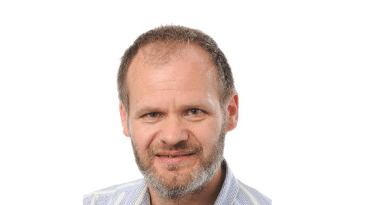
Tomasz Krzysztof Stokowy serves as Vice-Chancellor for Digitization and Process Management at Medical University of Gdańsk, holding the academic credential of Dr. Habil. Previously, he was Assistant Professor at University of Bergen, Norway in 2022. His research expertise spans: Medical Genomics and Tumor Analysis RNA Sequencing and Transcriptomics Biomarker Discovery in Oncology AI Applications in Healthcare Cohort Studies and Population Genetics As a member of Research Team IV: Artificial Intelligence and Big Data (POB 1_Team IV) at Medical University of Gdańsk, Dr. Stokowy bridges administrative leadership with computational medicine research. His work focuses on genetic analysis of tumors, gene expression patterns, and blood-related biomarkers with particular attention to gender differences in disease presentation. With 10 publications and 1 patent documented in institutional records, his research has achieved a MEiN Score of 875, reflecting significant scholarly impact within the Polish academic evaluation system. His keyword profile reveals strong emphasis on breast neoplasms, blood platelets, and molecular diagnostics through advanced sequencing techniques.
Iwona Bogacka is a Professor at the Department of Animal Anatomy and Physiology , Faculty of Biology and Biotechnology , University of Warmia and Mazury in Olsztyn. Her research primarily focuses on reproductive endocrinology and animal physiology , with recent emphasis on the impact of environmental pollutants like dietary microplastics on ovarian transcriptomics and proteomics in pigs. Key research areas: Reproductive endocrinology, environmental pollution effects, molecular biology techniques, and metabolic/inflammatory responses in porcine models. Her recent publications analyze the molecular mechanisms of PET microplastics in inducing oxidative stress and immune responses in piglets, along with PPAR ligand interactions in endometrial and luteal inflammation. She supervises 2 doctoral students and promotes interdisciplinary projects requiring specialized laboratory infrastructure.
Jakub Sawicki , a Professor at the University of Warmia and Mazury in Olsztyn , is affiliated with the Faculty of Biology and Biotechnology and the Department of Botany and Nature Conservation . His research focuses on plant genetics, particularly the genomic and molecular mechanisms in bryophytes. Specializes in genomic adaptation of liverworts to aquatic habitats Investigates sex determination mechanisms in thallose liverworts Utilizes organellar genome sequencing and DNA barcoding for species discrimination Secured funding via the OPUS Project for genomic research His work emphasizes evolutionary biology and conservation genetics, leveraging advanced sequencing techniques to address cryptic speciation and adaptive traits in endangered plant species.
Prof. Dr. hab. Nina Smolińska is a leading academic at the University of Warmia and Mazury in Olsztyn , affiliated with the Faculty of Biology and Biotechnology and the Department of Animal Anatomy and Physiology . Her research focuses on the intersection of animal physiology , reproductive endocrinology , and transcriptomics/proteomics in pigs. Key research themes: Hormonal regulation of reproductive processes, adipokine function in fertility, and neuroendocrine mechanisms Active in supervising 3 doctoral students and having promoted 6 doctors Specialized in in vitro studies of reproductive tissues and advanced omics techniques Research Trends : Recent publications analyze metabolic hormones (irisin, visfatin, omentin) and their effects on reproductive tissues (pituitary, ovary, endometrium) using transcriptomic, proteomic, and signaling pathway analyses. Key Techniques : Utilizes in vitro cell culture models, RNA-sequencing , LC-MS/MS proteomics , and molecular signaling pathway analysis (MAPK/ERK, AKT, AMPK) to investigate hormone-receptor interactions.
Marcin Piotr Grąz is a Professor at the Department of Biochemistry and Biotechnology, Faculty of Biology and Biotechnology, University of Maria Curie-Skłodowska. His academic profile includes extensive research on fungal enzymes, oxalic acid metabolism, and environmental applications of biotechnology. Research Interests: His work focuses on fungal enzymology, particularly oxalate oxidase and versatile peroxidases. Key areas include metal tolerance mechanisms in fungi, biodegradation of organic dyes, and transcriptomic responses to environmental stressors like oxalic acid and heavy metals. Article Trends: His publications highlight fungal metabolism, enzymatic characterization, and biotechnological applications in environmental science and industrial processes. Papers from 2015–2024 emphasize Abortiporus biennis as a model organism for studying oxalic acid degradation and metal detoxification. Teaching: He teaches advanced biochemical methods and protein analytics to undergraduate and graduate biology students, including courses in bioanalytics and medical biology specializations. ORCID: 0000-0002-9899-8707 Scopus Author ID: 12647517300
Professor Graham Lieschke is a distinguished clinical and research haematologist at Monash University with a dual appointment as a clinical haematologist at the Royal Melbourne Hospital. Internationally recognized for his innovative research using zebrafish and mice models, he specializes in blood disorders and cancer, particularly focusing on leukocyte biology in inflammation and infection. His educational background includes: Medical science and medical degrees from the University of Melbourne (1983) Specialist clinical training in medical oncology at the Royal Melbourne Hospital (FRACP 1991) PhD at the Ludwig Institute for Cancer Research (Melbourne Branch) Postdoctoral training at the Whitehead Institute in Cambridge, Massachusetts, USA Professor Lieschke's research program centers on blood cell development and function, with particular emphasis on leukocytes (neutrophils and macrophages). His work exploits the unique strengths of the zebrafish model in genetics, embryology, and in vivo cell behavior visualization. Key research areas include developmental haematology, genetic causes of neutropenia, leukocyte dysfunction, and leukocyte functional biology in inflammation and infection. His clinical work involves multiple phase 1-3 clinical studies in the treatment and supportive care of leukaemia and lymphoma patients. Analysis of Professor Lieschke's recent publications reveals a strong focus on neutrophil and macrophage biology using zebrafish models. His research spans immunology, microbiology, and hematology, with particular emphasis on host-pathogen interactions, inflammatory responses, and genetic mechanisms of blood cell development. The work demonstrates an interdisciplinary approach combining genetics, cell biology, and clinical applications. Professor Lieschke has received numerous prestigious awards: John Maynard Hedstrom Research Fellowship of the Cancer Council of Victoria Howard Hughes Postdoctoral Research Fellowship for Physicians Wellcome Trust Senior Research Fellowship NHMRC Senior Research Fellowship Ludwig Institute's inaugural George Hodgson Medal for Medical Science 2004 Dame Roma Mitchell Churchill Fellowship As a laboratory head and principal investigator, Professor Lieschke has secured significant research funding through fellowships including NHMRC and Wellcome Trust awards. His research group has made substantial contributions to understanding granulopoiesis and leukocyte function. He has also been actively involved in clinical trials related to haematological malignancies and has co-edited influential books including "Zebrafish: Methods and Protocols" (2009). Professor Lieschke leads a research team focused on zebrafish models of blood disorders and has been instrumental in developing this model system for haematological research. He served as President of the International Zebrafish Society (2018-2019) and is actively involved in multiple professional societies including the Haematology Society of Australia and New Zealand and the American Society of Hematology.