Prof. Eleftherios H. Drosinos is a Professor at the Agricultural University of Athens , specializing in Food Safety and Quality Management Systems . He teaches undergraduate and postgraduate courses in these areas and leads research initiatives focused on microbial quality control, HACCP systems, and ISO 9000 series standards. Education: Graduated from the Agricultural University of Athens; Ph.D. from Bath University (UK). His research explores microbial interactions in food systems, particularly pathogenic and spoilage microorganisms, with a strong emphasis on Lactiplantibacillus plantarum and Listeria monocytogenes dynamics across various substrates. He has published extensively on topics like sourdough microbiota, cheese safety, and antimicrobial strategies under the One Health framework. Recent publications (2024) highlight advancements in food spoilage detection, GMO monitoring, and microbial ecology. His work spans both experimental studies and reviews, addressing food safety in retail, fermented products, and fresh-cut vegetables. He directs the Laboratory of Food Quality Control and Hygiene , contributing to standardization and regulatory compliance in the food sector.
Eleni Tani is an Assistant Professor in the Department of Crop Science at the Agricultural University of Athens, affiliated with the Faculty of Crop Science and the Laboratory of Plant Breeding and Biometry. Her research focuses on molecular breeding for stress tolerance in crops, epigenetic mechanisms underlying environmental adaptation, and genetic variability in cultivated species and their wild relatives. Her work emphasizes the application of '-omics' technologies to improve crop resilience against abiotic and biotic stresses, including drought, salinity, and parasitic weeds like broomrape. She collaborates extensively on projects such as BENEFIT-Med and ZeroParasitic , targeting sustainable solutions for agricultural challenges. Dr. Tani has authored over 49 peer-reviewed articles and edited volumes, contributing to journals like Agronomy , Frontiers in Plant Science , and International Journal of Molecular Sciences . Her research trends highlight interdisciplinary approaches, integrating genomics, epigenetics, and AI-driven methodologies for crop improvement. She supervises 4 PhD candidates and has mentored over 10 postgraduate and 30 undergraduate students. Her teaching portfolio includes courses on plant breeding techniques, biotechnology, and experimental design. Office hours are held daily between 12:00 and 15:00 by appointment. Dr. Tani’s laboratory focuses on translational research bridging basic science and agricultural practice, with ongoing collaborations in Mediterranean crop sustainability and orphan legume revitalization.
Zervakis Michalis is a full Professor at the Technical University of Crete (TUC), serving as Rector and Director of the Digital Image and Signal Processing Laboratory (DISPLAY). He holds a Ph.D. in Electrical Engineering from the University of Toronto (1990) and has been a faculty member at TUC since 1995. His expertise spans Digital Image/Signal Processing, biomedical applications, and neural network implementations in automation. Education: Ph.D., Electrical Engineering, University of Toronto (1990) M.Sc., Electrical Engineering, University of Toronto (1985) B.Sc., Electrical Engineering, Aristotle University of Thessaloniki (1983) Research Interests: Signal/image processing for biomedical applications Machine learning for healthcare diagnostics EEG/ECG analysis and seizure detection Neural network architectures for automation Multi-sensor systems and aerial surveillance His research emphasizes clinical applications like epilepsy monitoring and cardiovascular diagnostics, leveraging deep learning and multimodal data fusion. He has led over 20 international projects and published >90 papers in image/signal processing. Current work focuses on AI-driven medical systems and UAV-based infrastructure monitoring. Labs/Teams: Director of the DISPLAY Lab, collaborating on projects like the BorderUAS semiautonomous surveillance platform and the Pulsense cardiovascular monitoring system. Grants/Contributions: Extensive involvement in EU-funded initiatives and industry partnerships, advancing smart farming, power line inspection, and emergency response systems.
Alexandros Dimopoulos is an Assistant Professor at the Department of Informatics and Telematics, Harokopio University of Athens, with expertise in reliable embedded systems, FPGA design, and bioinformatics applications. He graduated from the National Technical University of Athens (NTUA) in 2004 with a degree in Electrical and Computer Engineering and earned his PhD in 2009 in intelligent embedded systems. Current academic roles: Assistant Professor at Harokopio University (since 2012), Lecturer at the Naval Academy (2020–2025). Collaboration: Alexander Fleming Biomedical Sciences Research Center (since 2012). His research focuses on: Reliable embedded systems for biomedical applications FPGA-based solutions in bioinformatics Machine learning for RNA-Seq data analysis Internet of Things (IoT) architecture Energy systems fault detection via pattern recognition His publications demonstrate interdisciplinary work bridging computer engineering, bioinformatics, and electrical systems. He coordinates the Greek national hub ELIXIR-GR and has extensive teaching experience in both undergraduate and postgraduate programs, with a focus on course modernization.
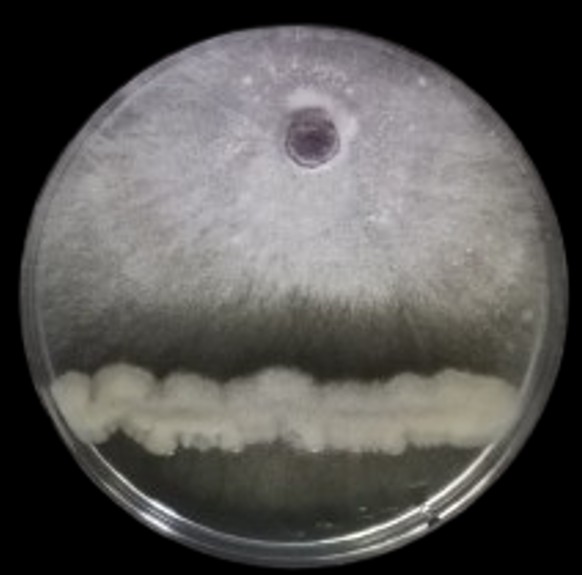
Sotiris Tjamos is a Professor in the Phytopathology Laboratory at the Agricultural University of Athens (AUA), within the Faculty of Crop Science. He specializes in biological control of plant diseases and plant-pathogen interactions, focusing on developing sustainable agricultural strategies. His research emphasizes microbial biocontrol agents like Paenibacillus alvei K165 and their role in combating diseases such as Verticillium wilt and Fusarium infections. He teaches courses including Principles of Plant Disease Management and Phytopathology . His work integrates molecular biology, microbial ecology, and agronomy to address critical challenges in crop protection. Recent studies explore volatile organic compounds from Bacillus species, rocket plant extracts, and epigenetic mechanisms in grapevines. He serves on the editorial boards of BioControl and the European Journal of Plant Pathology . Key research themes include understanding plant defense mechanisms, optimizing biocontrol agent applications, and enhancing disease resistance through novel approaches like microbial carbon feeding. His contributions span from lab-based molecular analyses to field-scale disease management strategies in Mediterranean crops. Collaborative efforts focus on olive, grapevine, and vegetable crops, addressing pathogens such as Verticillium dahliae , Botrytis cinerea , and Fusarium oxysporum . He advocates for sustainable practices, including soil solarization and integrated pest management. His lab’s innovations aim to reduce reliance on chemical pesticides while improving crop resilience.
Emmanouil Roditakis is an Associate Professor in Agricultural Entomology and Pharmacology at the Department of Agriculture, Hellenic Mediterranean University . His research focuses on pest resistance, integrated pest management (IPM), crop protection, and pesticide safety. He serves as Chairman of the Department of Agriculture and contributes to agricultural policy as a member of the Plant Protection Committee of the Regional Administration of Crete and Vice President of the Hellenic Geotechnical Engineering Association. Specializes in insecticide resistance diagnostics Develops holistic pest management strategies Publishes extensively on tomato leafminer and olive pests His work combines molecular biology with field studies to improve sustainable agricultural practices in Mediterranean ecosystems.
Michalis Zervakis is a Professor at the Technical University of Crete , affiliated with the School of Electronic and Computer Engineering and its Department of Electronic and Computer Engineering. He serves as a laboratory director at the Digital Signal and Image Processing Laboratory since 1990 and teaches courses on Digital Signal Processing and Digital Image Processing. Education Ph.D. in Electrical Engineering, University of Toronto (1990) M.Sc. in Electrical Engineering, University of Toronto (1985) B.Sc. in Electrical Engineering, Aristotle University of Thessaloniki (1983) His research focuses on digital image and signal processing , with applications in biomedicine and telecommunications. He explores pattern recognition , neural networks , and machine learning for medical diagnostics (EEG, ECG, MRI), industrial monitoring, and aerial surveillance systems. Recent publications reveal trends in biomedical signal processing (EEG/MEG/MRI), medical AI , and computer vision for UAV applications . Key subfields include seizure detection, traumatic brain injury analysis, cardiovascular monitoring, and interpretable machine learning frameworks. Leadership Roles Former Laboratory Director (University of Minnesota, Technical University of Crete) Associate Editor for IEEE Transactions on Signal Processing Collaborations Participation in Greek/European/international scientific programs Conference organization (e.g., IEEE IMS Technical Committees)
Professor Vasileios Papasotiropoulos is a faculty member at the Agricultural University of Athens, Department of Crop Science, leading the Laboratory of Plant Breeding and Biometry. He specializes in plant breeding, biotechnology, and agricultural experimentation. His research focuses on crop resilience, genetic diversity of endemic plants, and molecular tools for crop improvement. He teaches courses such as "Breeding Field Crops" , "Biotechnology and Plant Breeding" , and "Agricultural Experimentation II" . His research programs include the PlantUP initiative aimed at leveraging Greek biodiversity through advanced breeding techniques. He collaborates actively with students and has published extensively on topics like volatile compound analysis in strawberries, genetic diversity of eggplant cultivars, and climate change resilience in Mediterranean crops. His work integrates AI, genomics, and traditional breeding methods to address agricultural challenges. Key contributions include molecular authentication of oregano and sage varieties, and the conservation of threatened plant species like Limonium and Asperula. He holds a PhD and maintains an office in the Papadaki building, offering student consultations via预约.
Konstantinos Sotiropoulos is an Associate Professor at the University of Ioannina's Department of Biology, leading the Research Laboratory of Molecular Ecology & Conservation Genetics . His work bridges evolutionary biology, population genetics, and conservation, focusing on genetic diversity in animal populations, particularly amphibians, reptiles, and migratory birds. Key research themes include phylogeography, conservation genetics of endangered species, and the impact of environmental changes on wildlife. Research interests: Evolutionary processes, molecular ecology, biodiversity conservation, and climate change adaptation in migratory species. Laboratory expertise includes genetic marker development, population genomics, and landscape genetics. Conducts fieldwork in protected areas like Mount Chelmos and studies introduced species in Mediterranean ecosystems. Key Research Contributions Dr. Sotiropoulos has pioneered studies on the genetic structure of Greek endemic species (e.g., Karpathos water frog, Macedonian crested newt) and migratory birds (Egyptian vultures, lesser kestrels). His work integrates genomic approaches to inform conservation policies, such as population reinforcement strategies and habitat management. Professional Affiliations Member of the Hellenic University of Technology's biology faculty. Collaborates with international conservation organizations on biodiversity protection.
Vassilopoulos Ioannis is an Assistant Professor of Genetics at the Department of Cell & Developmental Genetics Biology, University of Patras. His research focuses on the interplay between genome, epigenome, and metabolome in autoimmune diseases and drug response. Specializes in Medical Genetics and Pharmacogenetics Teaches Genetics , Molecular Genetics , and Medical Genetics at undergraduate and postgraduate levels Active in molecular genetics research related to inflammatory diseases Research Highlights : Psoriasis genetic architecture and pharmacogenetic biomarkers Obesity and type 2 diabetes genetic epidemiology Gene-environment interactions in autoimmune conditions Multi-omics approaches to disease pathogenesis Contact : iovasilop@upatras.gr
Roditakis Emmanouil is an Associate Professor at the Hellenic Mediterranean University (HMU), serving as Head of the Department of Agricultural Entomology and Pesticide Science. He holds a PhD in Biology and Biochemistry from the University of Bath (UK) and an MSc in Agronomy from the Agricultural University of Athens. His academic discipline focuses on Agricultural Entomology and Pesticide Science, with expertise in integrated pest management, insecticide resistance, and novel pest identification. Emmanouil’s research emphasizes sustainable pest control strategies, including evaluating new pest control practices and managing insecticide resistance. He has contributed to understanding pest invasions like Etiella zinckenella in soybeans and Cryptoblabes gnidiella in grapes. His work bridges ecological, chemical, and genetic approaches to address agricultural challenges. Key roles include membership in the Plant Protection Committee of Crete’s Prefecture and Vice-Chair of GEOTEE-Crete. His publications span pesticide safety, molecular diagnostics for resistance, and pest lifecycle biology. Emmanouil teaches advanced courses in agricultural entomology and holistic pest control at both undergraduate and postgraduate levels.
Professor Μήλιου-Μπαρσάκη Ελένη is a leading academic in Applied Hydrobiology at the Agricultural University of Athens (AUA), where she serves as Head of the Laboratory of Applied Hydrobiology (LAH). With a BSc (1981), MSc (1984), and PhD (1990) in Biology, her expertise spans aquaculture sustainability, aquatic organism physiology, and environmental toxicology. She teaches undergraduate and postgraduate courses in Animal Science and leads research on fish metabolism, stress responses, and pollution effects. As WP4 Leader in the EU-CONEXUS project, she focuses on integrated multi-trophic aquaculture (IMTA) and molecular identification of aquatic species. Her 50+ peer-reviewed articles and 60+ conference papers address topics like fatty acid profiles, biofilm dynamics, and genetic authentication of seafood. Research priorities include sustainable aquaculture practices, biomarker development for environmental pollutants, and optimizing feed formulations for marine organisms. She coordinates multiple EU-funded projects and serves as scientific lead for studies on Mediterranean fish diseases and bycatch mitigation. Her work bridges fundamental biology with applied solutions for fisheries and aquaculture challenges. Key contributions include pioneering studies on octopus nutrition, rotifer culture optimization, and the ecological impacts of antifouling chemicals. Current initiatives explore microbial community dynamics in recirculating systems and the use of pigmented fungi in sustainable feed additives. Her lab collaborates internationally on projects ranging from sponge disease recovery to genomic analysis of threatened fish species.
Ioannis Stringlis is an Assistant Professor of Phytopathology at the Agricultural University of Athens, affiliated with the Laboratory of Phytopathology within the Faculty of Crop Science. He completed his BSc (2003–2008) and MSc (2010–2012) at the Agricultural University of Athens and conducted his PhD and postdoctoral research at Utrecht University (2012–2023). His research focuses on plant-microbiome-pathogen interactions, induced systemic resistance, iron deficiency-pathogen interplay, and plant defense mechanisms. His current research explores how beneficial microbes and environmental factors modulate plant immunity. Key topics include coumarin signaling in root-microbe communication, microbiome-assisted disease suppression, and iron homeostasis in plant-pathogen dynamics. He has contributed over 30 peer-reviewed articles since 2009, with recent work emphasizing root transcriptional responses to beneficial bacteria and soil microbiome engineering. Dr. Stringlis advises PhD candidate Dafni Paraskevopoulou, whose work examines tomato resistance to Verticillium dahliae. His lab is situated in the Central Building of Agricultural University of Athens, actively collaborating with institutions like Utrecht University and CIHEAM-Mediterranean Agricultural Institute of Chania. His research integrates molecular biology, transcriptomics, and microbiome ecology to advance sustainable agricultural practices. Current projects aim to harness microbial communities for enhanced crop resilience against biotic and abiotic stresses.
Maria Goufa is a Lecturer at the Agricultural University of Athens (AUA), affiliated with the Faculty of Crop Science and the Department of Plant Breeding and Biometry. She teaches courses such as Breeding Field Crops, Biotechnology and Plant Breeding, Vegetable Breeding, Agricultural Experimentation, and Plant Breeding I. Her research focuses on plant breeding methodologies, biotechnology applications, and stress resilience in crops under drought conditions. She has contributed to studies on autochthonous grapevine cultivars' responses to drought and drought tolerance mechanisms in Medicago species. Her recent work includes analyses of genetic and epigenetic adaptations in crops under environmental stress. She oversees the Plant Breeding and Biometry Team's activities, emphasizing practical laboratory and theoretical training for students. Her expertise spans experimental design in agriculture, plant defense mechanisms, and genetic improvement strategies.
Evangelos Topakas is a Professor of Industrial Biotechnology at the School of Chemical Engineering, National Technical University of Athens (NTUA), where he leads the Industrial Biotechnology and Biocatalysis (IndBioCat) research group. He also holds a concurrent position as Visiting Associate Professor at Luleå University of Technology, Sweden, fostering international collaboration in sustainable bioprocesses. Research Interests: His work spans industrial enzyme discovery, biocatalysis, biorefineries, and biomass valorization for second-generation biofuels and high-value chemicals. He pioneers the application of plant cell wall-degrading enzymes in plastic upcycling, integrating omics, genetic engineering, and protein engineering. His interdisciplinary research unites chemical engineers, biochemists, molecular biologists, and physicists in advancing the bioeconomy. Publication and Editorial Leadership: With over 170 peer-reviewed publications and participation in more than 35 national and European research programs, Dr. Topakas is a leading voice in environmental and industrial biotechnology. His recent articles reflect strong trends in enzyme engineering, microbial systems, waste valorization, and sustainable production. He serves as Editor-in-Chief for Biotechnology for the Environment (Springer Nature) and the Biocatalysis section of Catalysts (MDPI), and as Associate Editor for Biotechnology for Biofuels , Frontiers in Biotechnology and Bioengineering , and Frontiers in Microbiology . Editor-in-Chief, Biotechnology for the Environment (Springer Nature) Editor-in-Chief, Biocatalysis Section, Catalysts (MDPI) Associate Editor, Biotechnology for Biofuels (Springer Nature) Associate Editor, Frontiers in Biotechnology and Bioengineering - Industrial Biotechnology Associate Editor, Frontiers in Microbiology - Systems Microbiology Advising and Grants: Dr. Topakas has supervised numerous BSc, MSc, and PhD researchers and has co-authored 35+ national and European research grants, reflecting extensive success in securing competitive funding and mentoring early-career scientists. Labs and Teams: He leads the Industrial Biotechnology and Biocatalysis (IndBioCat) group at NTUA, a dynamic team advancing cutting-edge research in enzyme technology, microbial engineering, and sustainable bioprocesses, inspiring the next generation of chemical engineers and biologists.