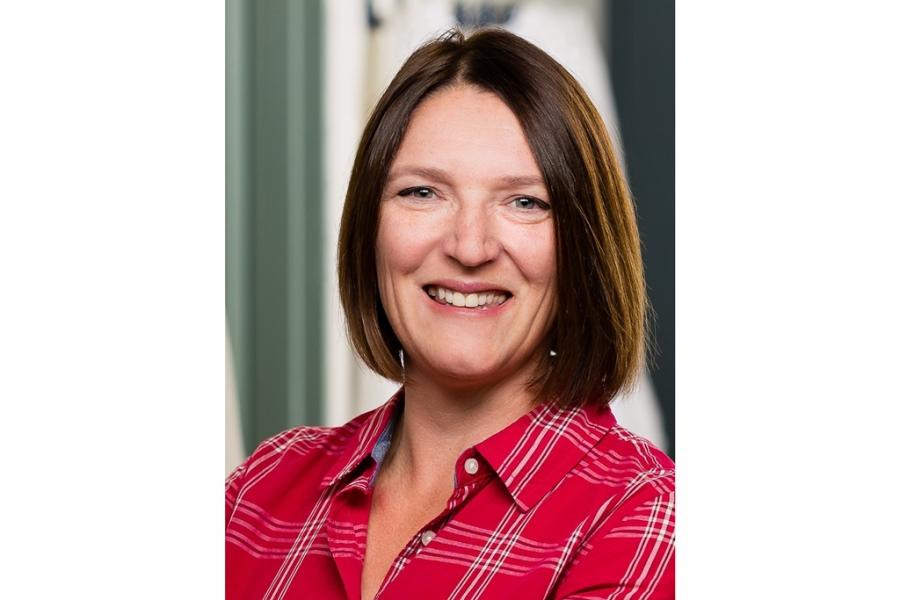
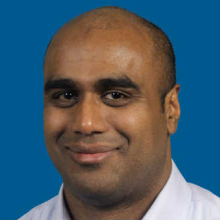
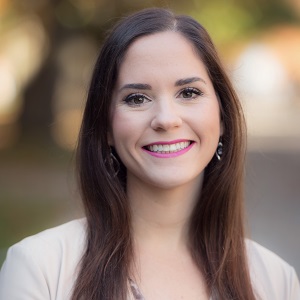
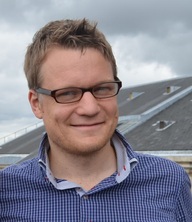
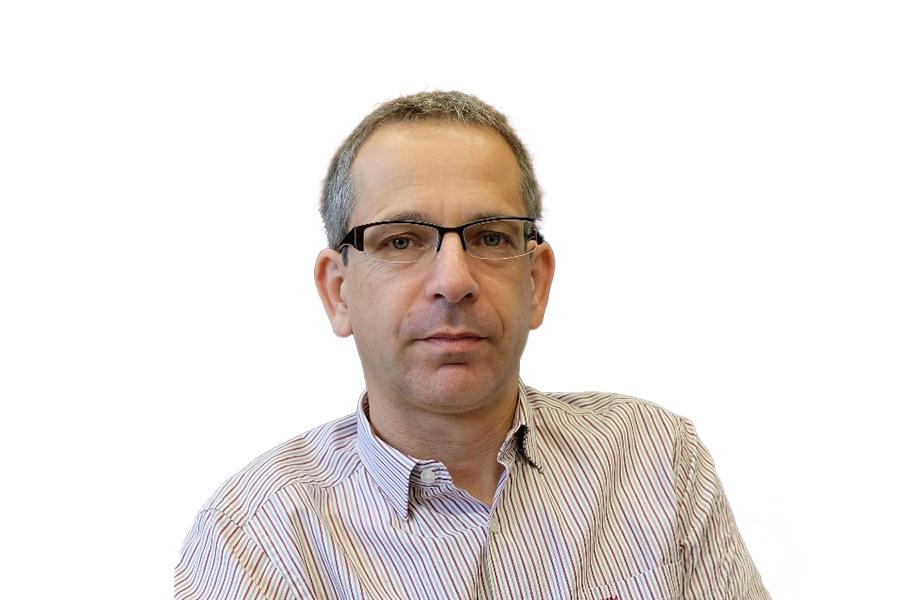
Stephanie Booth is an Assistant Professor in the Department of Medical Microbiology and Infectious Diseases at the Max Rady College of Medicine, University of Manitoba. She holds a D.Phil. in Virology and Biochemistry from the University of Oxford and a B.Sc. in Microbiology from University College London. Her research focuses on prion diseases, specifically investigating public health risks, developing molecular techniques for detection, and understanding how prions damage brain cells. She leads the prion research team at the National Microbiology Laboratory, Public Health Agency of Canada. Education: Doctor of Philosophy (D.Phil.), Virology and Biochemistry, University of Oxford Bachelor of Science (B.Sc.), Microbiology, University College London Research Interests: Dr. Booth’s work includes biomarker identification for early prion disease diagnosis, development of animal/cell culture models, and transcriptomic analysis to uncover molecular mechanisms of neurodegeneration. Her studies bridge basic science and public health applications. Awards: Dr. Lester Janoff Award for Writing Excellence (2013) University of Manitoba Rh Award (2010) University of Manitoba Merit Award for Research and Scholarship (2010) Lab & Affiliations: Principal Investigator at the National Microbiology Laboratory. No cross appointments listed.
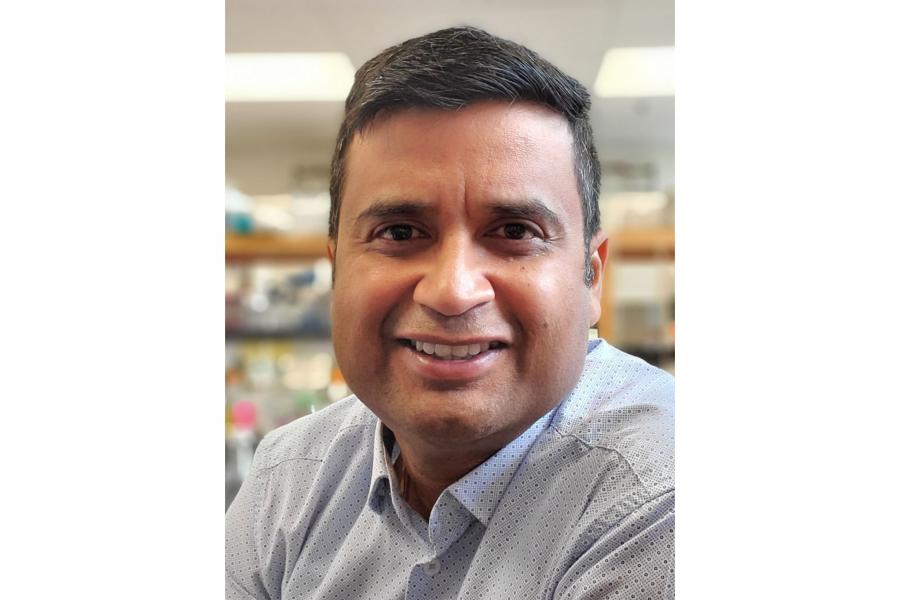
Ayush Kumar, PhD, FRSB is a Professor in the Department of Medical Microbiology and Infectious Diseases at the University of Manitoba and serves as the Equity, Diversity, and Inclusion Lead for the Faculty of Science. He holds a primary appointment as Associate Dean, Strategic Initiatives in the Faculty of Science. His research focuses on antibiotic resistance mechanisms in bacteria like Acinetobacter baumannii and Pseudomonas aeruginosa , environmental antibiotic resistance, and microbiological water quality in First Nations communities. Education: PhD in Microbiology, University of Manitoba (2004) MSc in Microbiology, Dr. R.M.L. Awadh University, India (1999) BSc in Microbiology and Biochemistry, Dr. R.M.L. Awadh University, India (1997) Research Interests: Mechanisms of multidrug resistance and virulence in Acinetobacter baumannii Environmental and clinical prevalence of antibiotic resistance Molecular pathways of RND efflux pumps in Pseudomonas aeruginosa Microbiological quality of drinking water in Manitoba First Nations Awards: 2024 – Elected Fellow of the Royal Society of Biology 2022 & 2019 – Professor of the Year (3000-level courses), Science Students’ Association 2017 – Mid-Career Researcher Award, Faculty of Science Outstanding Teacher Award, University of Manitoba Nominated for the Dr. and Mrs. Ralph Campbell Outreach Award Labs and Teams: Head of the Kumar Lab, focusing on antibiotic resistance research with collaborations in environmental microbiology and clinical diagnostics.
Yongjin Park Yongjin Park is an Assistant Professor in the Department of Statistics at the University of British Columbia (UBC) . He is affiliated with the Causal Path Lab , focusing on computational biology and genomics. His research integrates statistical methods with large-scale genomic data to understand complex diseases like multiple sclerosis (MS) and Alzheimer’s, particularly through single-cell analysis and epigenomic studies. Affiliations: Faculty of Science, UBC; BC Cancer Research Research Interests: Single-cell RNA sequencing, immune cell dynamics, epigenomics, and regulatory genomics in disease contexts. Key projects include analyzing T-cell subtypes in MS patients and developing scalable computational tools for genomic data (e.g., CoCoA-diff, pseudobulk projection methods). His lab emphasizes translating genomic insights into clinical applications. Awards & Honors Data Science Award Dr. John and Barbara Petkau Scholarship Killam Graduate Teaching Assistant Award Margaret Wylie Memorial Scholarship in Statistics Lab & Collaborations The Causal Path Lab collaborates on projects involving Alzheimer’s disease progression, placental methylation, and cancer genomics. Recent work includes single-nucleus transcriptomic analysis of brain vasculature and epigenetic drivers of disease.
Javier Orlandi is an Assistant Professor in the Department of Physics and Astronomy at the University of Calgary, where he leads the Complex Neural Systems Lab as a Canada Research Chair. His research bridges systems neuroscience, complexity science, and statistical physics, focusing on understanding distributed coding principles in the brain and their impact on perception and learning. He employs computational and experimental approaches, including large-scale calcium imaging and optogenetic manipulation, in collaboration with institutions such as the Hotchkiss Brain Institute and the Computational Neuroscience Platform. Orlandi earned his Ph.D. in Physics from the University of Barcelona (2015), studying spontaneous activity in neuronal cultures. Subsequent postdoctoral research included work at the University of Barcelona (2015–2016) on Huntington’s disease, followed by the University of Calgary (2016–2019) and RIKEN Center for Brain Science in Japan (2019–2022), where he explored cortical processing during decision-making. His research has addressed criticality in neural systems, network inference, and the impact of genetic mutations on brain activity. Key areas of interest include self-organized criticality, neuro-glia communication, and the development of tools like NETCAL for analyzing calcium imaging data. Orlandi has organized challenges to advance connectomics and holds the Eyes High Postdoctoral Fellowship and Canada Research Chair awards. His work integrates theoretical models with experimental data to uncover fundamental principles of neural computation. Affiliations: Complexity Science Group, Hotchkiss Brain Institute, Computational Neuroscience Platform Education: Ph.D. in Physics (University of Barcelona, 2015) Grants: Canada Research Chair, Eyes High Postdoctoral Fellowship Labs: Complex Neural Systems Lab at University of Calgary
Martin Smith is an Assistant Professor at the Université de Montréal in the Department of Biochemistry and Molecular Medicine . His research focuses on harmonizing genomic technologies and artificial intelligence for precision medicine and functional genome annotation , particularly using single-molecule sequencing and computational biology approaches. PhD in Genomics from University of Queensland (2012) Postdoctoral work at Garvan Institute of Medical Research Director of Genomic Technologies Program at Kinghorn Centre for Clinical Genomics (2017) His research initiatives include transcriptomic profiling using real-time nanopore sequencing , with projects funded by the NSERC , FRQS , Génome Québec , and the Cole Foundation . He supervises M.Sc. student Kristina Atanasova and collaborates with interdisciplinary teams in pediatric acute leukemia and COVID-19 research. Research Highlights : Clonal and transcriptional landscape of lymphocytes Real-time classification of leukemias Evolutionary RNA structure analysis AI-enhanced immunopeptidomics High-resolution RNA sequencing methods Scientific Awards : CSIRO Pre-Incubator Performance Award Palmer Foundation Innovation Award Megabase DNA Sequencing Prize Robert Cedergren Bioinformatics Poster Prize Martin Smith is recognized for developing bioinformatics tools like DotAligner and SLOW5 , and will direct the Ramaciotti Centre for Genomics at UNSW Sydney starting 2024. His work bridges biotechnology and high-performance computing to advance precision medicine applications for conditions including Leishmania and acute leukemia .
Isaac-Jacques Kadoch, MD, FRCSC, is an Associate Clinical Professor at the University of Montreal's Department of Obstetrics and Gynecology. He serves as Director of the Gynecologic Reproductive Endocrinology and Infertility (EGRI) Program, Head of the Department of Gynecological Endocrinology, Reproduction and Infertility at NCHUM, and Director of the NCHUM Assisted Reproductive Medicine Clinic. Externally, he co-founded and serves as Vice-President of the International Francophone Society for Assisted Human Reproduction (SIFRAH). His clinical activities focus on reproductive endocrinology, infertility management, reproductive surgery, obstetrics, and general gynecology. Dr. Kadoch obtained his medical education at the University of Paris VI-Pierre-et-Marie-Curie (MD 2000, DES in Obstetrics-Gynecology 2000), completed specialized training in Reproductive Medicine at University of Paris XI-Kremlin-Bicêtre (2002), and a Fellowship in Gynecological Endocrinology at the University of Montreal (2005). He holds additional diplomas in abdomino-pelvic anatomy, breast diseases, ultrasound diagnostics, and vulvar surgery from various Parisian institutions. His research focuses on reproductive endocrinology, infertility treatments, natural cycle IVF, and reproductive biology mechanisms. He investigates endometrial receptivity, ovarian stimulation protocols, implantation failure, and innovative fertility treatments. His work spans clinical trials, molecular biology, and reproductive health policy, consistently addressing fundamental questions in human reproduction. Kadoch has authored impactful publications on IVF optimization, endometrial receptivity, reproductive immunology, and fertility preservation. His recent work demonstrates a strong focus on evidence-based fertility treatments, including randomized trials on growth hormone and probiotic interventions, alongside investigations into implantation failure mechanisms and metabolic influences on fertility. Honors include his FRCSC designation. He directs the NCHUM Assisted Reproductive Medicine Clinic and leads research teams investigating endometrial biology and IVF outcomes.
Mallar Chakravarty is an Associate Professor in the Department of Psychiatry at McGill University's Faculty of Medicine and an Associate Member of the Department of Biomedical Engineering. He serves as Director of the Brain Imaging Centre at the Douglas Research Centre and leads the Computational Brain Anatomy (CoBrA) Laboratory. His work bridges computational neuroscience, psychiatry, and biomedical engineering to advance understanding of brain structure and function. Dr. Chakravarty received his Bachelor's Degree in Electrical Engineering from the University of Waterloo and his PhD in Biomedical Engineering from McGill University. He completed postdoctoral fellowships in Aarhus, Denmark and jointly at the Rotman Research Institute, Mouse Imaging Centre (MICe), and Hospital Sick Children in Toronto, Canada. Between fellowships, he worked at the Allen Institute for Brain Science in Seattle, WA, USA. His research focuses on computational neuroanatomy, specifically examining how brain anatomy changes through development, aging, and in illness. The CoBrA Lab investigates brain maturation through adolescence, the normal aging process, and alterations in brain anatomy related to neurodegenerative disorders such as Alzheimer's and Parkinson's disease, as well as neurodevelopmental disorders like schizophrenia. The lab develops sophisticated computational techniques to automatically analyze the geometric complexity of brain anatomy using MRI and other imaging modalities. Analysis of Dr. Chakravarty's recent publications reveals a strong emphasis on hippocampal and striatal morphology, brain development across the lifespan, and computational methods for neuroanatomical analysis. His work consistently bridges basic neuroscience with clinical applications, particularly in psychiatric and neurodegenerative disorders. The publications demonstrate expertise in multi-atlas segmentation, high-resolution MRI atlas development, and longitudinal neuroimaging analysis. Fonds de recherche du Québec – Santé (FRQS) Research Scholar, Junior 2 Fonds de Recherche Santé Québec – Young Investigator Award Junior 1 Sertuener Award for best scientific work in pain research in Germany 2016 CCNP Young Investigator Award 2023 Member to the College of New Scholars, Artists, and Scientists Dr. Chakravarty actively mentors a diverse team of researchers including neuroscientists, computer scientists, engineers, and physicists. His lab has secured significant funding from multiple sources including FRQS, CIHR, and private foundations such as the TD Ready Commitment for Digital Mental Health research. The lab is known for its commitment to open science, publicly disseminating algorithms and atlases to promote reproducible research. The Computational Brain Anatomy (CoBrA) Laboratory operates within the Cerebral Imaging Centre at the Douglas Mental Health University Institute. The lab's multi-disciplinary approach combines expertise from neuroscience, computer science, engineering, and physics to understand brain structure-function relationships through health and illness. Their work has contributed significantly to the field of computational neuroanatomy and its applications in mental health research.
Dr. Steven J. Jones is a Professor in the Department of Medical Genetics at the University of British Columbia (UBC) and Associate Director/Head of Bioinformatics at the Genome Sciences Centre, BC Cancer Research Centre. He serves as Director of the CIHR/MSFHR Bioinformatics Training Program and the UBC Bioinformatics Graduate Program, with associate memberships at the Peter Wall Institute for Advanced Studies and Michael Smith Laboratories. Dr. Jones' research focuses on computational genomics and cancer bioinformatics , analyzing mutational landscapes and epigenetic targets in oncology. His work includes next-generation sequencing , structural variant detection , and long-read sequencing applications for resolving complex genomic architectures. He has extensive experience with transcriptome analysis , gene regulation , and comparative genomics across diverse organisms including C. elegans , conifers, and human pathogens. His 15 most recent publications highlight expertise in long-read sequencing for cancer genomics , imprinting disorders , and structural variation analysis. Key contributions include developing the Circos visualization tool for comparative genomics and pioneering bioinformatics approaches for epigenetic modifier discovery in oncology. Scientific Awards : Spencer Award for IT innovation (2005) 2007 Medical Genetics teaching award (UBC) 2011 Fellow of the Royal Society of Canada 2012 UBC Killam teaching prize 2014 Distinguished Achievement Award (UBC Faculty of Medicine) 2014 Fellow of the Canadian Academy of Health Sciences Clarivate Analytics Highly Cited Researcher (2016, 2018) Dr. Jones actively advises graduate students and serves as a data analysis center for the Canadian Epigenetics, Environment and Health Research Consortium (CEEHRC). He co-founded Ifowonco Bioinformatics Inc. and Alamya Health, PBC, and consults for Apotheca Systems Inc.
Patricia Hingston is an Associate Professor in the Faculty of Land and Food Systems at the University of British Columbia , specializing in Food Microbiology . She earned her PhD (2018), MSc (2013), and BASc (2010) in Food Science disciplines from UBC and Dalhousie University. Education PhD in Food Microbiology (UBC, 2018) MSc in Food Microbiology (Dalhousie University, 2013) BASc in Food Science (Dalhousie University, 2010) Her research focuses on Listeria monocytogenes adaptation mechanisms to environmental stressors (cold, salt, acid, desiccation), integrating transcriptomics, genomics, and molecular genetics. Key areas include RNA sequencing, biofilm formation, and gene function analysis in food processing contexts. Her publications highlight the interplay between microbial physiology and food safety, emphasizing stress tolerance genes and surface survival. Awards include prestigious NSERC scholarships and a University Medal in Food Science, underscoring her academic excellence. Scientific Awards NSERC CGS Alexander Graham Bell PhD Scholarship (2013) UBC Four Year Fellowship for PhD students (2013) NSERC Julie Payette Masters Research Scholarship (2010) University Medal in Food Science (Dalhousie University, 2010) Patricia teaches undergraduate courses in food microbiology and science laboratories, contributing to practical and theoretical training in her field.
Hugh Clarke, PhD is a Senior Scientist at the RI-MUHC, Glen site and a Professor in the Department of Obstetrics and Gynecology at McGill University 's Faculty of Medicine and Health Sciences. His research focuses on oocyte development within ovarian follicles. Research Interests: Oocyte growth and maternal molecule storage Germ cell-somatic cell communication Environmental toxin effects on oocyte quality Intercellular signaling mechanisms mRNA regulation during maturation Chromatin remodeling at fertilization Publications (2015-2024) reveal expertise in reproductive biology, with key projects examining: EGFR signaling in follicular decoupling mTOR pathway in follicle communication CNOT6-mediated mRNA deadenylation Transzonal projection architecture Epigenetic inheritance patterns Actin's role in meiotic processes Location: Lab F3-50, Royal Victoria Hospital, Montreal, QC H3A 1A1
Jan Mennigen is an Associate Professor at the University of Ottawa's Department of Biology, Faculty of Science. Their research focuses on environmental influences on metabolic traits in teleost fishes, using integrative approaches from molecular to organismal levels. Key models include rainbow trout and zebrafish, with emphasis on epigenetic mechanisms like microRNAs, aquatic toxicology, and metabolic responses. Research interests span fish physiology, energy metabolism, endocrinology, molecular biology, and epigenetics. Recent work explores the impact of environmental contaminants (e.g., microplastics, PFOS alternatives) on fish development and metabolism, alongside social status effects on metabolic pathways. Experimental models include studies on hypoxia tolerance, drug toxicity, and neuroendocrine disruption. Key areas: Epigenetic regulation of metabolism, environmental toxicology, comparative physiology Models: Rainbow trout, zebrafish, goldfish Publications highlight contributions to understanding how pollutants and environmental stressors affect fish physiology, with a focus on translational implications for aquaculture and environmental health.
Dr. Dongsheng Tu is a Professor in the Departments of Public Health Sciences and Mathematics & Statistics at Queen's University, Canada. He serves as a Senior Biostatistician at the Canadian Cancer Trials Group (CCTG) and holds cross-appointments in the Queen's Cancer Research Institute. His primary roles include designing, managing, and analyzing cancer clinical trials, alongside methodological research in statistical procedures for clinical trial design and analysis. Education: Ph.D. in Biostatistics (1994) – Medical University of South Carolina B.Sc. in Mathematics (1983) – University of Science and Technology of China Research Interests: Dr. Tu's work focuses on statistical methodologies for cancer clinical trials, including longitudinal data analysis, biomarker development, and survival analysis. He collaborates internationally on trials evaluating new drugs and treatments, particularly in colorectal, ovarian, and breast cancers. His methodological contributions include innovative approaches to subgroup identification, missing data handling, and quality-of-life metrics integration. Grants & Awards: Not explicitly listed in the text. Advising & Collaborations: Dr. Tu oversees numerous clinical trials and collaborates with clinicians globally. He has contributed to pivotal trials such as the CO.17, CO.20, and SOC-1 studies, evaluating treatments like cetuximab and immunotherapies. Labs/Teams: He leads the Biostatistics team at the Canadian Cancer Trials Group and is part of the Queen's Cancer Research Institute, fostering interdisciplinary research in oncology and biostatistics.
Dr. Andrew Craig is an Associate Professor in the Department of Biomedical and Molecular Sciences at Queen's University, affiliated with the Faculty of Health Sciences and the Queen’s Cancer Research Institute. He holds cross appointments in the Cancer Biology & Genetics division and the Translational Institute of Medicine (TIME). He earned his PhD in Biochemistry from McGill University (1998) and completed postdoctoral training at Queen's University before joining the faculty in 2002. His research focuses on molecular mechanisms of cancer progression, immune suppression, and metastasis, with a particular emphasis on tumor suppressor miRNAs, actin-driven metastasis, and immunotherapy strategies. Education: PhD in Biochemistry, McGill University (1998) BSc in Biochemistry, Queen's University (1993) Research Interests: Dr. Craig’s work spans immunology, oncology, and cellular biology. Key areas include: Inflammatory mechanisms and inflammasomes Cancer immunotherapy and metastasis TGF-β signaling pathways MicroRNA biomarkers in lung cancer Actin-targeting compounds for cancer treatment Research Highlights: His lab has developed novel synthetic antibodies targeting TGF-β to improve chemotherapy efficacy in ovarian cancer models. Recent studies focus on functional genomic screening to identify vulnerabilities in inflammatory breast cancer and defining miRNA biomarkers in immunotherapy-treated patients. His work integrates advanced techniques like confocal microscopy and flow cytometry. Awards: Canadian Cancer Society Young Investigator Award (2011) Grants & Funding: Dr. Craig maintains continuous external funding for his research, supported by grants from agencies such as the Canadian Cancer Society and the Canadian Institutes of Health Research (CIHR). Labs & Affiliations: He leads the Craig Lab within the Department of Biomedical and Molecular Sciences and collaborates with the Queen’s Cancer Research Institute and Translational Institute of Medicine (TIME). His research bridges basic science and clinical translation, emphasizing preclinical models of disease and precision medicine approaches.
Dr. Yoav Keynan is an Associate Professor and Head of the Section of Infectious Diseases at the Max Rady College of Medicine, University of Manitoba. He holds cross-appointments in Medical Microbiology, Community Health Sciences, and is an Ad Honorem professor at Universidad Pontificia Bolivariana in Colombia. His research focuses on HIV immunogenetics, influenza immune responses, and tuberculosis dynamics. As Scientific Lead of the National Collaborating Centre for Infectious Diseases (NCCID), he emphasizes knowledge translation for vulnerable populations. Education: MD, Ben-Gurion University of the Negev (1994) Residency in Internal Medicine, Carmel Medical Center, Israel (2004) PhD in Infectious Diseases/Medical Microbiology, University of Manitoba (2014) Research Interests: HIV progression and anti-inflammatory interventions Influenza immune mechanisms Tuberculosis transition from latent to active states Pyogenic liver abscess and HIV care management Awards: 2020 Doctors Manitoba Scholastic Award 2019 Mentorship Award by Canadian Foundation for Infectious Diseases 2017 Faculty Educator of the Year (Medical Microbiology) Advising & Grants: Currently not accepting students. Collaborates internationally, particularly in Colombia, focusing on tuberculosis and HIV epidemiology. Labs/Teams: Leads NCCID’s research on infectious disease policy and collaborates with global cohorts in Medellín.
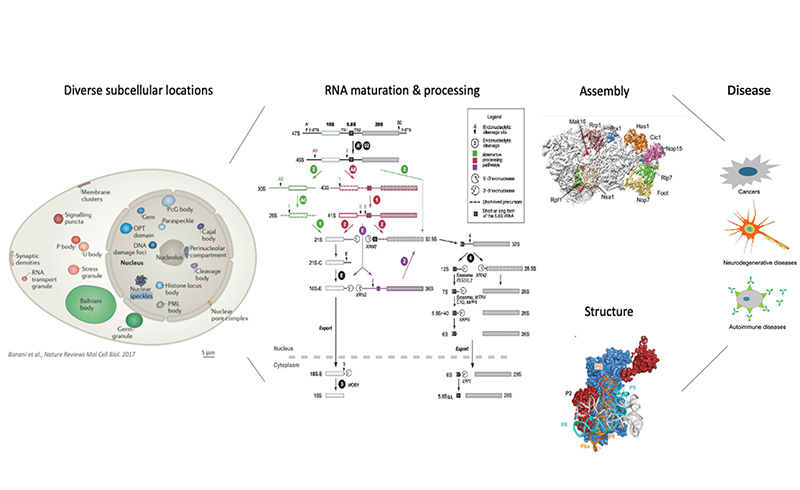
Marlene Oeffinger is an Associate Professor at the Faculty of Medicine, University of Montreal and holds a cross-appointment at the Division of Experimental Medicine, McGill University . She serves as Research Director of the Ribonucleoprotein Biochemistry Research Unit at the Montreal Clinical Research Institute (IRCM). Her research focuses on RNA maturation pathways, ribosome biogenesis, and their links to neurodegenerative diseases like Alzheimer's and ALS through RNA-protein complex dynamics. Education : Master's in Cell Biology (University of Vienna), PhD in Molecular Biology (University of Edinburgh). Training : Postdoctoral work in David Tollervey's lab (Edinburgh) and Mike Rout's lab (Rockefeller University). Her work combines proteomics , biochemical assays , and computational approaches to map RNA maturation networks and their connections to DNA damage repair. Recent articles highlight discoveries in archaeal ribosome evolution, mRNA export mechanisms, and RNA structure probing in yeast. She has received prestigious awards including the CIHR New Investigator Award , FRQ-S Junior Scholar Fellowships , and Revson Foundation Biomedical Fellowship . Marlene's lab trains students and researchers in RNA biology, with current members like Master's student Mauricio Hernandez Magana. Her affiliations span multiple platforms at the IRCM, including bioinformatics , proteomics , and molecular biology . She leads grants from CIHR , FRQNT , and Brain Canada , advancing understanding of RNA's role in disease etiology.