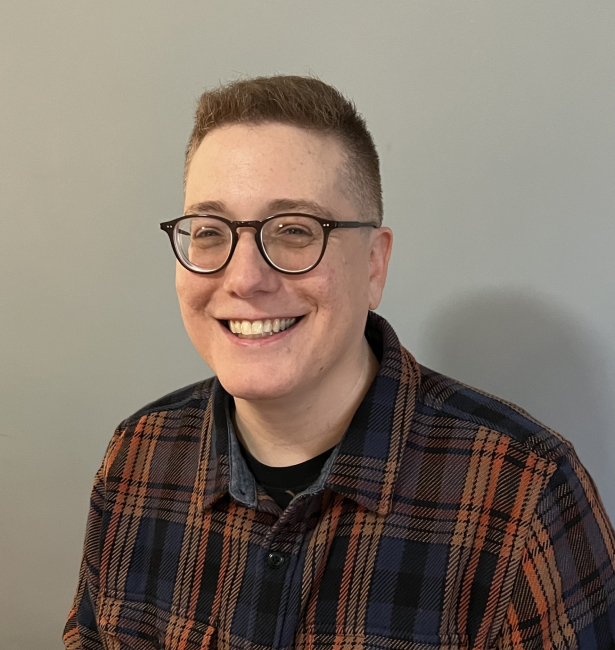
Adrian Sawyer is a Professor in the Department of Accounting and Information Systems at the University of Canterbury's UC Business School, where he has served since 1993. His international affiliations include roles as Extraordinary Professor at the University of South Africa and International Fellow at the University of Exeter's Tax Administration Research Centre. He previously contributed as a Board Trustee for Avonhead School (2016–2019). Professor Sawyer's research centers on: Tax compliance and administration Taxpayers' rights and policy development International taxation and digital economy challenges Personal insolvency frameworks His recent publications (2025) critically examine digital tax reforms, data privacy conflicts in revenue collection, and comparative policy analysis. He actively supervises 25+ graduate students investigating tax literacy, compliance behavior, and international tax policy. With no dedicated lab mentioned, his work emphasizes theoretical and policy-driven scholarship. Professional credentials include Fellow Chartered Accountant (FCA), Fellow Certified Practising Accountant (FCPA), and Barrister/Solicitor of New Zealand's High Court.
Samuel Singer is an Associate Professor at the University of Ottawa’s Faculty of Law, specializing in tax law and trans legal justice. His academic background includes a BA from Concordia University, BCL/LLB and LLM from McGill University, and an LLM in Tax from Osgoode Hall Law School. His research examines tax administration, dispute resolution, non-profit regulation, and critical tax theory, alongside pioneering work on trans rights and courtroom equity. Recent publications explore tax policy innovation, charity law modernization, and mechanisms to prevent misgendering in judicial settings. Awards include the SOGIC Hero Award (2022), multiple teaching honors, and the Canadian Law and Society Article Prize (2021) for his work on trans legal strategies. He leads grants from SSHRC and the Canadian Foundation for Legal Research, focusing on taxpayer remedies and trans equity in the legal profession. As a steering committee member for the Law Commission of Canada’s Charity and Law project, he contributes to national policy reform. His advocacy includes co-plaintiff roles in landmark trans rights cases and founding Montreal’s Trans Legal Clinic.
Marcelo da Costa Pinto Neves is a Professor W-3 at the University of Brasilia (UnB) in Brazil, affiliated with the Faculty of Law. He is a leading international scholar in the Sociology of Law with significant contributions to Constitutional Theory and the Theory of Democracy, having received the prestigious Humboldt Research Award in 2019. His research focuses on fundamental aspects of law and jurisprudence, particularly examining concepts such as world society, democratic theory, transdemocracy, central versus peripheral modernity, and constitutional theory. Professor Neves is renowned for developing the concepts of trans-constitutionalism and peripheral modernity, which have significantly influenced the Sociology of Law and legal regulation theory. His work bridges legal philosophy with sociological perspectives to analyze how legal systems function within complex global societies. Analysis of his publications reveals a consistent scholarly trajectory examining the philosophical foundations of law and its relationship to democracy. His research explores the tension between justice (Themis) and state power (Leviathan), investigates legal systems through systems theory (autopoiesis to allopoiesis), and develops frameworks for understanding democracy beyond traditional Western models, particularly through his concept of peripheral modernity. Humboldt Research Award (2019) Professor Neves has maintained strong international collaborations since 1996 through the Humboldt Foundation, working with scholars at Goethe University Frankfurt am Main, Bielefeld University, and Free University Berlin. His research has inspired scholars globally in the Sociology of Law and legal regulation theory. His current work continues the comparative sociological study of constitutions on a global level, examining how different legal systems navigate democratic challenges in both central and peripheral contexts of modernity. His academic approach represents a significant integration of legal theory with sociological analysis, offering frameworks for understanding constitutional development outside traditional Western centers of legal thought. This comparative perspective on constitutionalism across different cultural and political contexts forms a distinctive contribution to contemporary legal scholarship.
M. Killian Kinney, PhD, MSW (they/them) serves as Assistant Professor and Online Advanced Standing MSW Associate Director at Pacific University's Claire Argow Social Work Program. They also hold appointments as Adjunct Professor at the University of Utah College of Social Work and Clinical Research Coordinator at Indiana University School of Medicine. As Co-Director of the Queer Social Work Lab, Dr. Kinney leads community-driven research initiatives focused on LGBTQ health equity. Dr. Kinney's research specializes in transgender and nonbinary wellbeing through participatory action research methodologies. Their work includes legal epidemiology tracking LGBTQIA-related legislation across all 50 states and D.C., PhotoVoice studies examining community belonging, and development of practical tools like the Transgender Equity Impact Assessment. This research consistently follows the 'by, with, and for the community' ethos to ensure community-centered knowledge production. Recent publications demonstrate strong output in both academic journals and practical resources, including the 2025 authored book 'Gender identity and expression' and the award-recognized 2020 edited volume on transgender healthcare. Their scholarly work shows increasing impact with Google Scholar citations reaching 343 and an h-index of 9. Distinguished Alumni Award from Indiana University School of Social Work Alumni Association (2022) Postdoctoral fellowship at Wayne State University School of Social Work (2021-2022) Honorable mention for the 2022 SSWR book award Excellence in Teaching from Indiana University School of Social Work (2018) Leadership Education in Adolescent Health (LEAH) Fellowship (2017-2018) Dr. Kinney actively mentors students through research projects and serves as a bridge between academic research and clinical practice. Their dual roles as Clinical Research Coordinator at Indiana University School of Medicine and academic faculty enable direct translation of research findings into healthcare practice. The Queer Social Work Lab provides students with hands-on experience in community-based participatory research while addressing critical gaps in LGBTQ healthcare provision.
Sylvie Morel is a Lecturer in Sociology at the University of Nantes, affiliated with the Nantes Center for Sociology (CENS). With approximately 15 years of research experience, she specializes in the sociology of health and social inequalities, conducting fieldwork across diverse healthcare settings including emergency departments, ambulance services, oncology units, and reproductive medicine clinics. Her research focuses on understanding how social inequalities are reproduced in healthcare access, examining factors such as social class, age, ethnicity, disability, gender, and sexual orientation. Dr. Morel's work critically analyzes public policies, professional practices, and patient experiences to reveal the mechanisms through which healthcare systems create and maintain disparities. Dr. Morel's publication record demonstrates consistent scholarly output across multiple domains of health sociology. Her most recent work (2023-2024) focuses on trans men's access to reproductive care, while her earlier research examined emergency care access, HIV treatment for migrants, and the sociology of ambulance work. Her publications appear in leading sociology and health journals, reflecting her interdisciplinary approach that bridges medical sociology, public health, and social theory. Key Research Contributions: Conceptualization of healthcare systems operating at multiple 'social speeds' Ethnographic documentation of four socially differentiated emergency care pathways Critical analysis of medical triage systems and their role in producing healthcare inequalities Research on the intersection of gender identity and reproductive healthcare access Examination of how professional practices in healthcare settings reinforce social stratification Dr. Morel currently leads multiple research projects including studies on trans men's reproductive healthcare access and traumatic brain injury outcomes. Her work combines rigorous ethnographic methods with critical theoretical analysis to illuminate the social production of healthcare inequalities.
Professor Therese Wilson serves as Head and Dean of Griffith Law School at Griffith University, where she is also affiliated with the Law Futures Centre (2008-2024) and Arts Education and Law Group. Admitted as a solicitor of Queensland's Supreme Court, she combines academic leadership with practical legal expertise. Her research focuses on international commercial arbitration, consumer protection, and financial regulation, with particular emphasis on credit accessibility for vulnerable populations. She examines regulatory frameworks through empirical studies like her 2023 consumer survey on 'Treating Customers Fairly' regimes and policy analyses of Buy Now Pay Later services. Her work consistently bridges doctrinal law and real-world impact, addressing Sustainable Development Goals 1 (Poverty), 10 (Inequality), and 16 (Justice). Recent publication trends (2023-2025) reveal deepening engagement with fintech regulation and investor-state dispute settlement reform, while maintaining strong output in CISG case analysis. Her scholarship shows increasing policy relevance, with direct contributions to Australian regulatory debates. Professor Wilson actively supervises six doctoral students across topics including DeFi tokenisation, tax avoidance, and cross-jurisdictional data management. Her funded research includes: Consumer Policy Research Centre's $50,905 project on off-the-plan property disclosure (2019-2020) Findex consultancy on retirement village payment regulations (2020) Consumer Affairs Victoria's credit code evaluation for low-income consumers (2007-2009) While not leading a traditional laboratory, she shapes research through Griffith's Law Futures Centre and external leadership roles including Chair of the Australian Financial Inclusion Network and Foresters Community Finance Limited, demonstrating commitment to translating academic work into community impact.
Professor Emily Grabham is Professor of Law & Society at Loughborough University, where she joined in January 2025. Previously, she was Professor of Law at the University of Kent. She also holds a position as Senior Advanced Research Fellow at the Institute for Advanced Legal Studies, University of London. Professor Grabham serves on the UKRI Talent Panel College and UKRI Future Leaders Fellowships Panel, and is an advisory board member for The Literary Consultancy. Professor Grabham's educational background is highly interdisciplinary: BA in Law from Cambridge University LLM from Queen's University, Canada MSc in Gender, Society & Culture from Birkbeck MFA in Creative Writing from the University of British Columbia PhD in Law from the University of Kent Before entering academia, she worked as an employment and human rights solicitor, providing practical legal experience that informs her scholarly work. Professor Grabham's research centers on the relationship between law and time, investigating how temporal frameworks shape legal experiences and rights. She is particularly interested in how time affects women's experiences of precarious work and care responsibilities, as evidenced by her monograph 'Women, Precarious Work and Care: The Failure of Family-Friendly Rights.' Her feminist legal scholarship intersects with gender studies, sexuality law, and creative writing approaches to legal scholarship. She co-founded the 'A Day At A Time' project, which explores people's everyday experiences of time during the early Covid-19 pandemic through interdisciplinary collaboration with scholars from cultural studies, environmental humanities, sociology, and organization studies. Professor Grabham has received significant recognition for her work: Philip Leverhulme Prize in Law (2020) SLSA Legal Theory and History Book Prize for 'Brewing Legal Times' (2017) SLSA Articles Prize for 'Time and Technique: The Legal Lives of the 26 Week Qualifying Period' (2018) Canadian Law and Society English Language Article Prize Her research has been consistently funded by major bodies including the Arts and Humanities Research Council, the Economic & Social Research Council, and the Leverhulme Trust. Professor Grabham's interdisciplinary approach, combining legal scholarship with creative writing and arts-led methodologies, has positioned her as a leading voice in socio-legal studies and feminist legal theory. Her current work focuses on developing arts-led collaborations on time, law and social justice, building on her extensive publication record that includes monographs, edited collections, and numerous high-impact journal articles.
Natale Seron Arizmendi serves as Professor in the Department of Public Law at the University of Deusto's Faculty of Law, Spain. Her research bridges human rights law, international legal theory, and environmental justice with significant focus on climate litigation mechanisms and individual agency within international systems. Her primary research domains include Human Rights Law, International Law, and Environmental Law, with specialized investigations into climate justice through the European Court of Human Rights (notably the Duarte Agostinho case), democratic backsliding in the EU, reproductive rights ethics, and migration law challenges. She examines how legal frameworks can drive structural societal change while addressing gaps between theoretical doctrine and practical implementation. Analysis of her 2021-2025 publications reveals three dominant trajectories: 1) Climate litigation as a catalyst for environmental justice through international courts, 2) Democratic resilience against backsliding in European institutions, and 3) Ethical-legal intersections in reproductive rights and gender identity. Her work consistently emphasizes the evolving legal capacity of individuals to shape international human rights norms. Scientific recognition includes: Research Merit for reviewing article on Theoretical and practical issues of sexual crimes against children (2025) Dr. Seron Arizmendi actively engages in academic knowledge transfer through guest lectures at institutions including University of Cincinnati and Xavier University on human rights impact litigation and democratic theory. Her institutional contributions extend to inclusive education initiatives like the 'Aulas inclusivas' project (2024-2025) addressing trans rights in educational settings, demonstrating commitment to translating research into practical social frameworks.
Martin Gramc is a Max Weber Fellow at the Department of Political and Social Sciences at the European University Institute (EUI), specializing in interdisciplinary approaches to medical sciences and gender studies with particular expertise in intersex and transgender issues. They earned their PhD from the University of Zürich, where they were awarded a prestigious Marie Skłodowska-Curie Fellowship. Their doctoral research focused on collaboration between healthcare professionals, peer support groups, children, and parents in intersex care contexts. At the EUI, Martin is investigating how the intersection of medical and legal frameworks in intersex and gender-affirming care impacts visibility and autonomy of intersex and transgender individuals, particularly examining how sex and gender-based evidence is utilized in medical guidelines amid increasingly hostile political climates in Western countries. Previously, Martin held research fellowships at the Peace Institute (Ljubljana, Slovenia), Liverpool John Moores University, and the University of Ljubljana, contributing to projects centered on human rights, political philosophy, and trans and queer studies. Scientific Awards: Marie Skłodowska-Curie Fellowship Beyond academia, Martin has been actively involved in LGBTI+ activism and migration advocacy, bringing practical experience to their academic work. Their research is mentored by Juho Härkönen and Silvia Suteu, providing guidance as they develop their academic career and research agenda.
Leigh S. Goodmark is a law professor at the University of Maryland Francis King Carey School of Law, specializing in domestic violence, the carceral state, and abolition feminism. Professor Goodmark's research interests include: Domestic Violence Carceral State Gender-Based Violence Abolition Feminism Criminal Law Family Law Law and Gender Professor Goodmark's scholarship critically examines how the legal system's response to gender-based violence has paradoxically led to the criminalization of survivors, particularly women of color and trans and gender-nonconforming individuals. Her interdisciplinary work connects legal scholarship with feminist theory and critical race studies to analyze systemic failures in domestic violence interventions. Professor Goodmark's notable publication is "Imperfect Victims: Criminalized Survivors and the Promise of Abolition Feminism" (2023), which argues that the criminal justice system fundamentally cannot remedy harm from gender-based violence and that only dismantling the carceral system will end the punishment of survivors. Professor Goodmark's work spans Civil Rights and Discrimination, Criminal Law, Family Law, Human Rights Law, Juvenile Law, and Law and Gender disciplines, offering both theoretical frameworks and practical guidance for advocates seeking alternatives to police and prison-based responses to intimate partner violence.
Dr. Andrew Grainger serves as a Lecturer in Sport Development, Leisure, and Recreation within the School of Health Sciences at Western Sydney University, with dual affiliation through the Translational Health Research Institute (THRI). His academic work critically examines the sociocultural and sociohistorical dimensions of sport, physical culture, and physical activity, focusing on power dynamics in global sport governance and representation. His educational background includes a PhD from the University of Maryland (USA) and a Master of Physical Education from the University of Otago (Aotearoa New Zealand), providing transnational expertise that informs his comparative analyses. Professional affiliations span the Australian Society for Sports History (ASSH), North American Society for Sociology of Sport (NASSS), and The Australian Sociological Association (TASA). Dr. Grainger's research program centers on five interconnected domains: the political economy of sport, gender equality in sport contexts, cultural geopolitics of mega-events, sport migration and diasporic citizenship, and globalization's relationship to national identity. His current projects critically dissect the 2023 FIFA Women's World Cup through lenses of indigenous sovereignty, legacy myths, and gender politics, challenging superficial narratives of progress while documenting structural inequities. Analysis of his 15 most recent publications (2023-2025) reveals concentrated scholarly engagement with the FIFA Women's World Cup across multiple critical dimensions. His work consistently employs postcolonial and feminist frameworks to interrogate power structures, with particular attention to indigenous representation, commercialization of gender equality, and the gap between policy rhetoric and substantive change in global sport governance. As an active scholar in critical sport studies, Dr. Grainger contributes to ongoing debates about decolonizing sport institutions, authentic indigenous partnerships, and meaningful gender equity beyond performative recognition. His transnational perspective bridges Pacific and global contexts, offering nuanced analyses of how sport mega-events intersect with national identity, cultural politics, and social justice imperatives.
Joy Michael Ellison serves as Assistant Professor in the Department of Gender and Women’s Studies at the University of Rhode Island, where they bridge academic scholarship with public history through their influential blog If We Knew Trans History . Recognized for groundbreaking work on transgender history and children's literature, Ellison's career exemplifies commitment to making marginalized histories accessible while advancing LGBTQIA2 scholarship. Professor Ellison's research centers on transgender history in the Midwestern United States (1945-2000), with particular focus on Sylvia Rivera and Marsha P. Johnson's foundational activism. Their scholarship explores intersections of gender identity, race, legal systems, and social movements, contributing significantly to trans feminist theory and historical recovery methodologies. This work manifests both in academic publications and the acclaimed children's book Sylvia and Marsha Start a Revolution! , which uses accessible storytelling to educate youth about trans history and social justice. Ellison's recent publications reveal consistent thematic focus on historical representation and legal activism within transgender communities. The 2023 Feminist Studies article examines the emergence of trans feminism through legal advocacy, while the 2019 Medieval Feminist Forum piece innovatively analyzes Rivera/Johnson's legacies through medieval frameworks. Both works demonstrate interdisciplinary approaches connecting historical analysis to contemporary social justice movements. Scientific recognition includes: Yuyi Morales Merit Scholarship from the Children’s Picture Book Academy As an early-career scholar, Professor Ellison prioritizes public engagement over traditional lab structures, offering virtual workshops and educational resources through their blog and book initiatives. They actively collaborate with organizations like Family Equality Council to develop materials helping parents discuss gender diversity with children, positioning historical knowledge as essential for healing and resistance. While not maintaining a formal research laboratory, Ellison's If We Knew Trans History platform functions as a dynamic knowledge hub, complemented by their children's literature work. This integrated approach transforms academic research into community resources, particularly through the Sylvia and Marsha Start a Revolution! project which includes lesson plans and conversation guides for educators seeking to incorporate transgender history into youth education.