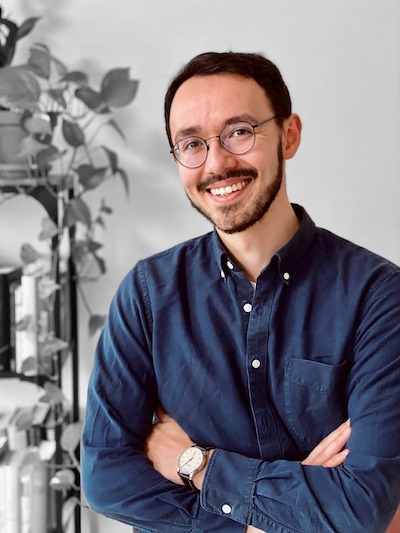
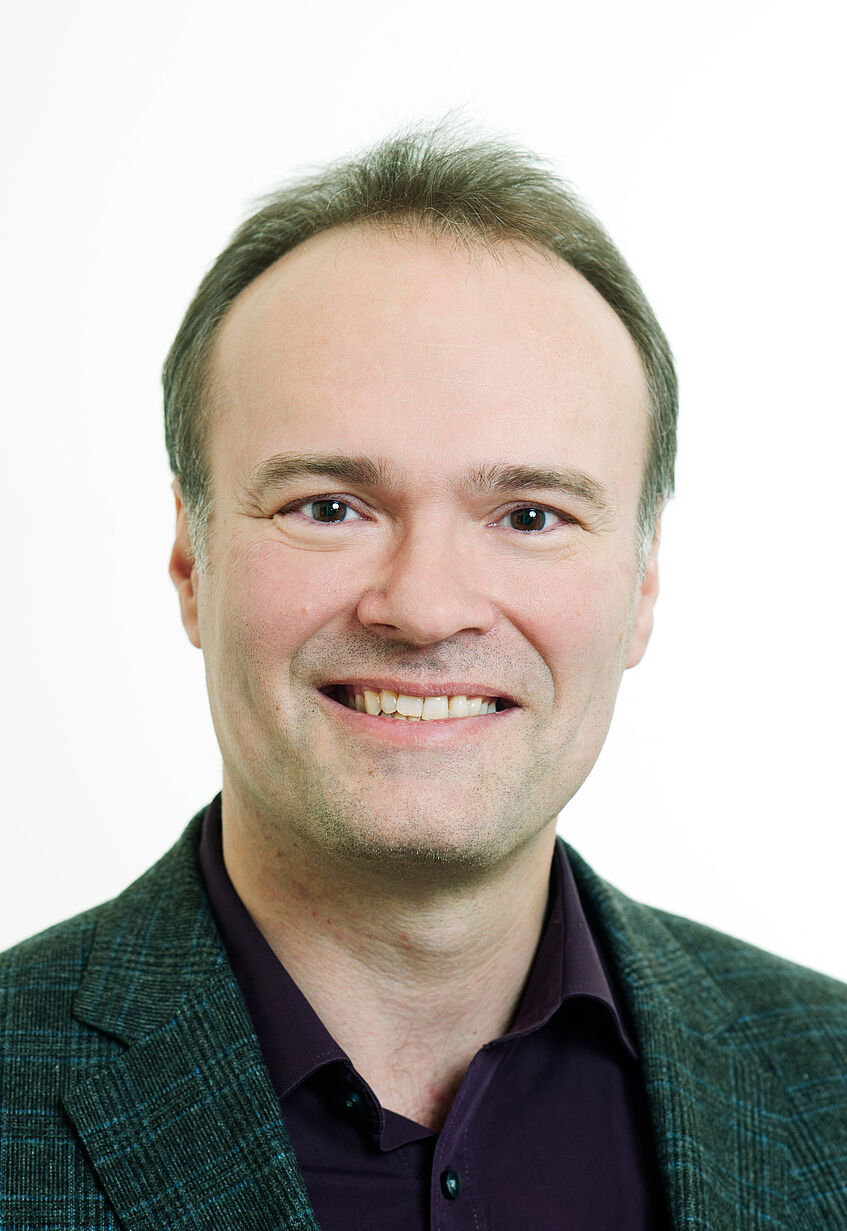
Yuki M. Asano is a full Professor at the University of Technology Nuremberg , leading the Fundamental AI (FunAI) Lab . Previously, he led the QUVA Lab at the University of Amsterdam and earned his PhD at the Visual Geometry Group (VGG) of the University of Oxford under Andrea Vedaldi and Christian Rupprecht. University of Technology Nuremberg (2024–present) University of Amsterdam (prior to 2024) University of Oxford (PhD, 2020) His research spans Artificial Intelligence , Machine Learning , and Computer Vision , with a focus on Causal Representation Learning , Self-Supervised Learning , and Efficient Model Adaptation . He pioneered techniques like BISCUIT (causal variable identification) and VeRA (parameter-efficient fine-tuning). His work extends to Medical Imaging and Environmental Monitoring through applications in fetal ultrasound analysis and marine debris detection. Recent publications (2023–2025) highlight advancements in Self-Supervised Learning , Vision-Language Models , and 3D Understanding . Notable papers include TWIST & SCOUT (multimodal LLM grounding), SIGMA (masked video modeling), and GeneralAD (anomaly detection). His ICCV 2023 work on Self-Ordering Point Clouds and MoSiC (optimal-transport motion trajectories) underscores his interdisciplinary approach. He received the JUPITER compute grant (2025) and an Outstanding Paper Award at ICLR 2024 . His collaborations span institutions like MIT-IBM Watson AI Lab, Qualcomm AI Research, and University of Amsterdam.
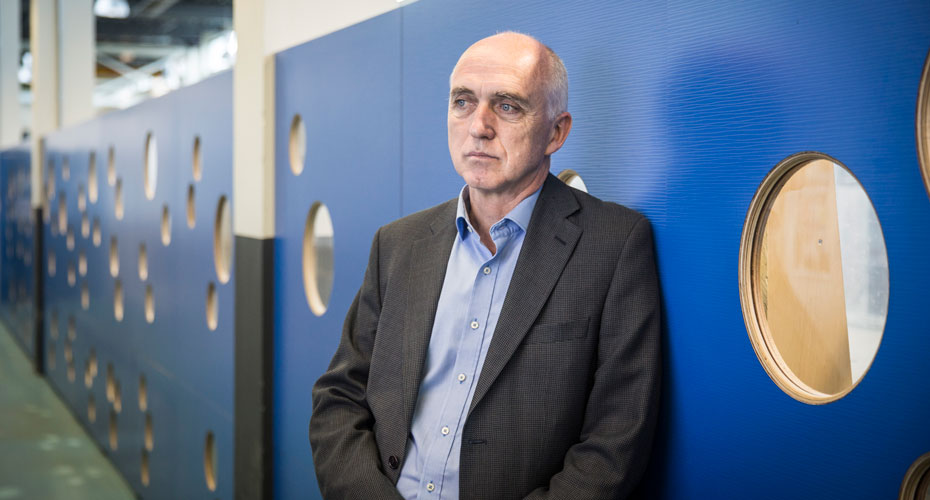
Professor Eugene O'Brien serves as Professor of Civil Engineering within the School of Civil Engineering at University College Dublin's College of Engineering and Architecture. His research focuses on critical structural assessment methodologies for long-span bridges, with particular expertise in traffic load modeling and bridge safety evaluation. His research interests center on structural engineering challenges related to bridge infrastructure, specifically traffic load assessment for long-span bridges , structural health monitoring systems , and sustainable infrastructure management . Professor O'Brien pioneered camera-based monitoring techniques to overcome limitations of traditional Weigh-in-Motion sensors during congested traffic conditions, enabling more accurate safety assessments of aging bridge infrastructure. His work addresses the critical gap in quantifying traffic loading on bridges with spans up to 2 kilometers, where conventional methods fail during stop-and-go traffic scenarios. Analysis of his 15 most recent publications reveals a consistent research trajectory focused on probabilistic modeling of traffic loads, with increasing sophistication in handling extreme events and long-term infrastructure performance. His work spans fundamental statistical methods for load effect prediction, practical applications in real-world bridge assessments, and environmental considerations regarding infrastructure carbon footprints. The research demonstrates strong methodological evolution from basic traffic modeling to comprehensive lifetime assessment frameworks incorporating sustainability metrics. As co-founder and director of Roughan O'Donovan's subsidiary Innovative Solutions (ROD-IS), Professor O'Brien has translated research into practice through significant projects including the Malahide Railway Viaduct assessment (2009), EU-funded bridge lifespan simulation tools (2011), vibration reduction systems for bridge cables, and structural assessments for major international projects including the Ting Kau Bridge in Hong Kong, the Forth Road Bridge in Scotland, and the Chacao Channel Bridge in Chile. His consultancy work demonstrates direct application of academic research to critical infrastructure challenges worldwide. Professor O'Brien's research group operates at the intersection of structural engineering and sustainable infrastructure management, with particular emphasis on extending bridge service life through accurate safety assessment. Their work on the Chacao Channel Bridge demonstrates practical implementation of traffic monitoring systems using toll data to manage truck loads, while their environmental impact analysis shows how accurate safety assessments reduce unnecessary bridge replacements, thereby lowering the carbon footprint of transportation infrastructure through extended service life of carbon-intensive materials like concrete and steel.
Juho Lee is an Associate Professor at the Kim Jaechul Graduate School of AI, Korea Advanced Institute of Science and Technology (KAIST). Previously, he worked as a research scientist at AITRICS and completed his PhD in Computer Science & Engineering at Pohang University of Science and Technology (POSTECH) under Professor Seungjin Choi, followed by postdoctoral research at University of Oxford with Professor François Caron. His research focuses on: Bayesian deep learning Bayesian inference Meta learning Generative models Uncertainty quantification Graph representation learning Professor Lee's work bridges theoretical Bayesian methods with practical deep learning applications. His recent publications demonstrate significant contributions to neural processes, Bayesian optimization, and scalable inference methods. He has developed novel architectures like Set Transformer for permutation-invariant modeling and advanced techniques for uncertainty quantification in deep networks. His research shows a clear trajectory toward making Bayesian principles applicable to large-scale, real-world machine learning problems. Notable contributions include: Set Transformer: A framework for attention-based permutation-invariant neural networks (ICML 2019) Bootstrapping neural processes (NeurIPS 2020) Deep amortized clustering (NeurIPS 2019 workshop) Learning to pool in graph neural networks for extrapolation Professor Lee actively mentors graduate students and has advised numerous PhD candidates who co-author papers with him across NeurIPS, ICML, and ICLR. His research group SIML@KAIST develops scalable and interpretable machine learning methods with strong theoretical foundations.
Eva Gerdts is a Professor at the Clinical Institute 2, University of Bergen, and is affiliated with Haukeland University Hospital. She is a Member of the Norwegian Academy of Sciences and leads the Bergen Hypertension and Cardiac Dynamics Group. Her work is central to the Center for Research on Heart Disease in Women, established in 2020 with support from the Heart Foundation, Bergen Women's Health Association, and the Grieg Foundation. University: University of Bergen Affiliation: Clinical Institute 2 Research Group: Hypertension and Cardiac Dynamics Center: Center for Research on Heart Disease in Women Email: eva.gerdts@uib.no Her research focuses on heart disease in women , particularly as influenced by hypertension, aortic valve stenosis, obesity, and autoimmune diseases. She investigates sex-specific differences in cardiac strain, arterial stiffness, and myocardial remodeling. Her work emphasizes how male-based data cannot be extrapolated to women, advocating for gender-specific cardiovascular guidelines. Her recent publications span population studies like the Tromsø and Hordaland Health Surveys, clinical trials, and international collaborations. Key trends include sex differences in hypertension outcomes , cardiac effects of bariatric surgery , cryptogenic stroke in young adults , and inflammatory markers in autoimmune diseases . Her research integrates echocardiography, longitudinal data, and public health implications. Scientific recognition includes: Member of the Norwegian Academy of Sciences National Heart Association's Heart Research Prize 2022 She supervises multiple PhD and Master’s students, including Ester Kringeland, Sahrai Saeed, and Arleen Aune. She leads the PhD course NORHEART901 in Cardiovascular Imaging and teaches in medical education on hypertension, cardiac ultrasound, and women's heart health. Her research is supported by large-scale population studies and clinical collaborations, particularly through the NOR-SYS and SECRETO projects. She also organizes professional education on valvular disease and dyspnea. She leads or collaborates with several research teams: Bergen Hypertension and Cardiac Dynamics Group Center for Research on Heart Disease in Women NOR-SYS (Norwegian Stroke in the Young Study) SECRETO (Searching for Explanations for Cryptogenic Stroke in the Young) FATCOR Study (Fitness, Adiposity, and Cardiovascular Risk)
David Smith is a Professor of Applied Mathematics at the University of Birmingham and Deputy Director of Research and Knowledge Transfer at the Engineering and Physical Sciences Healthcare Technologies Institute. He is renowned for his interdisciplinary research applying mathematical modeling to medicine and biology, particularly in microscale fluid dynamics of fertility, sperm motility, cilia mechanics, and mathematical endocrinology. Research Interests: Microfluid dynamics of fertility and reproduction, especially sperm motility and embryonic nodal cilia Mathematical endocrinology, including pharmacokinetics of cortisol and thyroid disease Development and application of regularized Stokeslets methods for biological flows Bayesian modeling for spectroscopic biomedical diagnostics Multiscale modeling in reproductive health and cell motility His recent publications span computational tools for viscous flow, dinoflagellate swimming, kinetic modeling of biochemical reactions, and Bayesian diagnostics using Raman spectroscopy, reflecting a broad and impactful interdisciplinary portfolio. Projects & Grants: Principal Investigator, EPSRC project on rapid sperm capture using imaging and machine learning (2016–2022) Co-Investigator, US Army and UK Ministry of Defence projects on traumatic brain injury biomarkers (2021–2028) Alan Turing Institute Turing Fellowship (2019–2020) EPSRC and Proctor & Gamble supported parameter estimation projects Smith chairs the editorial board of Mathematics in Medical and Life Sciences , has organized major conferences on bioactive fluids, and delivered keynote lectures on regularized Stokeslets methods. He currently supervises four PhD students and a postdoctoral fellow, welcoming new doctoral applicants.
William Schonberg is a Professor in the Department of Civil, Architectural and Environmental Engineering at Missouri University of Science and Technology, specializing in aerospace engineering applications within civil infrastructure frameworks. His research bridges terrestrial engineering disciplines with space exploration challenges, particularly in spacecraft protection systems and lunar resource utilization. His primary research domains include: Micrometeoroid and Orbital Debris (MMOD) risk analysis and mitigation strategies Development and refinement of ballistic limit equations for spacecraft shielding Lunar regolith processing for in-situ resource utilization (ISRU) Space law frameworks addressing orbital debris accountability Electrostatic and magnetic separation techniques for regolith beneficiation Aluminum extraction from lunar materials via molten salt electrolysis Analysis of his 2023-2025 publications reveals a dual research trajectory: advancing Mars Sample Return mission safety through MMOD risk uncertainty modeling for Earth Entry Systems, and pioneering lunar resource processing technologies. His MMOD work focuses on probabilistic risk assessment methodologies for spacecraft shielding, while his ISRU research demonstrates practical approaches for sustainable lunar exploration through regolith beneficiation and metal extraction. No scientific awards were documented in the source materials. Information regarding graduate student advising, grant funding, or laboratory facilities was not explicitly provided in the available texts.
Olle Häggström is a Professor of Mathematical Statistics at Chalmers University of Technology, specifically in the Department of Applied Mathematics and Statistics. His academic career spans several decades with a significant shift in research focus over time. Häggström's research interests have evolved from traditional probability theory to encompass broader future-oriented topics. Initially focused on mathematical statistics and probability theory, including percolation theory and stochastic processes, he has increasingly turned his attention to futurology, existential risk, and AI safety in recent years. His work demonstrates a unique interdisciplinary approach, bridging rigorous mathematical analysis with philosophical considerations about humanity's technological trajectory. The trends in Häggström's publications reveal a clear evolution from purely mathematical research toward interdisciplinary studies examining the societal implications of emerging technologies. His recent work focuses heavily on AI safety, existential risk assessment, and long-term futures thinking, while still maintaining connections to his mathematical foundations. This shift is evident in publications ranging from technical mathematical papers to broader philosophical discussions about technology's impact on civilization. Häggström has received research funding from notable sources including the FTX Foundation Future Fund for his project "Topics in the theory of xrisk and longtermism" (2022-2025), indicating recognition of the importance of his work in the existential risk community. His book "Here Be Dragons: Science, Technology and the Future of Humanity" (2016) represents a significant synthesis of his thinking on these topics. While specific details about his advising activities are not provided in the source material, his research projects suggest engagement with interdisciplinary teams working at the intersection of mathematics, computer science, and future studies. His work appears to influence both academic and policy discussions regarding technological risk and long-term planning.
Kenichi Oyaizu is a Professor in the Department of Applied Chemistry at the Faculty of Science and Engineering, Waseda University, Tokyo. His research spans polymer chemistry, energy storage, and materials science, with a focus on functional polymers for batteries, hydrogen storage, and high refractive index applications. He maintains active collaborations across academia and industry. Professor Oyaizu's research centers on designing polymers with tailored redox properties for energy storage systems, including organic radical batteries and hydrogen carriers. He pioneers high refractive index materials through molecular engineering of hydrogen-bonded networks and sulfur-rich frameworks. His group integrates machine learning with experimental synthesis, utilizing lossless data platforms for materials discovery and optimization in electrochemistry and optical applications. Analysis of his 15 most recent publications (2020-2025) reveals three dominant research trajectories: (1) High-refractive-index polymers leveraging hydrogen bonding and sulfur incorporation for optical devices, (2) Energy storage systems using redox-active polymers for batteries and hydrogen carriers, and (3) Materials informatics approaches applying generative models and quantum-inspired algorithms to accelerate polymer design. These streams demonstrate consistent innovation in structure-property relationships for functional materials. No scientific awards or major honors are documented in the provided materials. Professor Oyaizu leads an active research group mentoring graduate students and postdoctoral researchers in polymer synthesis and characterization. His work receives funding from Japanese national agencies supporting sustainable energy materials and advanced polymer research, though specific grant details are not disclosed in the source text. Current projects emphasize machine learning-driven development of solid-state electrolytes and hydrogen storage polymers. His laboratory operates within Waseda University's advanced materials infrastructure, utilizing specialized facilities for polymer synthesis, electrochemical testing, and optical characterization. The team collaborates with international researchers on battery technologies and participates in university-industry consortia focused on sustainable materials development, with recent projects highlighted in Waseda University News and EurekAlert!.
Dr. Seongmin Lee is a researcher at the Max Planck Institute for Security and Privacy, specializing in software security and program analysis. Their work bridges theoretical and practical aspects of software testing, with a particular focus on automated testing techniques, dependency modeling, and genetic improvement. Research interests include: Software Security Software Testing and Fuzzing Program Analysis and Slicing Machine Learning Applications in Software Engineering Genetic Algorithms for Code Optimization Statistical and Causal Analysis of Code Behavior Recent publications (2016–2025) demonstrate a trajectory from foundational work on GPU parameter optimization to cutting-edge research on LLM-driven regression testing. Key trends include: Statistical modeling of software behavior Machine learning for bug classification and optimization Approximate analysis techniques for scalability Advancements in greybox fuzzing and coverage prediction Application of causal inference to mutation testing
Dr. Aretha Teckentrup is a Lecturer in the Mathematics of Data Science at the University of Edinburgh's School of Mathematics. Her research focuses on integrating mathematical models with observational data, particularly in areas like uncertainty quantification, Bayesian inverse problems, and computational methods for partial differential equations (PDEs). She holds a PhD in Mathematics from the University of Bath and has held postdoctoral positions internationally, including in Florida. Her work emphasizes interdisciplinary approaches, blending statistics, numerical analysis, and applied mathematics. Notably, she has contributed to advancing Gaussian processes, multilevel Monte Carlo techniques, and sparse grid methods for high-dimensional problems. Her academic journey reflects a strong commitment to bridging theoretical foundations with practical applications. She has published extensively on topics such as probabilistic numerical methods, error estimation in Bayesian inference, and adaptive sampling strategies. Dr. Teckentrup is an active member of the SIAM community, having received the prestigious SIAG/UQ Early Career Prize in recognition of her contributions to uncertainty quantification. Her research continues to explore innovative solutions for data-driven modeling challenges in science and engineering. Dr. Teckentrup’s work often addresses the growing importance of combining data with physical models, exemplified by her development of numerical methods for weather prediction and stochastic dispersion modeling. She advocates for collaboration across disciplines and emphasizes the transformative potential of integrating computational tools with real-world data. Her career trajectory underscores the dynamic and collaborative nature of modern academic research in applied mathematics and data science.
Nuno Alexandre De Sá Teixeira serves as Assistant Professor at the University of Aveiro's School of Psychology, where he is an Integrated Member of the Cognition Team. Previously, he held a PostDoc position at the University of Coimbra's Faculty of Psychology and Education Sciences from January 2013 to April 2016, while maintaining ongoing research collaboration with the Instituto de Psicologia Cognitiva at the same institution. His primary research focuses on three interconnected domains: event perception (spatial and temporal determinants, intuitive physics, cognitive representations of motion); multisensory perception of gravitational information (internal models of gravity, visual-vestibular interactions, representational gravity); and perception-action coupling (smooth pursuit eye movements, visuo-motor coupling). These interests manifest in his extensive publication record examining representational momentum and gravity phenomena through behavioral and neuroimaging methodologies. Analysis of his recent publications reveals consistent exploration of how gravity influences visual perception across multiple domains, from sports expertise to emotional face processing. His work demonstrates sophisticated integration of cognitive psychology principles with neuroscience techniques, particularly transcranial magnetic stimulation to investigate neural substrates of spatial perception. 3rd Best Poster Award at VI National Congress of Psychiatry (2010) Fecher Day: Young Researcher Fellowship for the 23rd Annual Meeting of the ISP (2007) Scholarship for research on representational momentum and gravity (SFRH/BPD/84118/2012, 2013) Scholarship for research on causal perception modeling (2007) As Principal Investigator, De Sá Teixeira has secured multiple research grants focused on representational phenomena and spatial cognition. His laboratory work integrates behavioral experimentation with neuroimaging techniques to investigate the neural mechanisms underlying visual perception of motion and gravity. Current research directions include extending representational momentum paradigms to social cognition domains and investigating individual differences in perceptual phenomena.
Dr. Shanaka Herath is a Senior Lecturer at the University of Technology Sydney's School of Built Environment, where he has been employed since January 2019, initially as a Lecturer and promoted to Senior Lecturer in January 2022. He previously served as Acting Course Director for the Master of Real Estate Investment and Master of Property Development & Investment programs from July to December 2021. His academic journey includes a Vice-Chancellor's Post-Doctoral Research Fellowship at the University of Wollongong (2016-2018) and research positions at UNSW Sydney and Vienna University of Economics and Business. Herath holds a PhD in Urban and Real Estate Economics from Vienna University of Economics and Business, complemented by a Graduate Certificate in Higher Education Teaching and Learning from UTS, an MS in Public Policy and Management from Carnegie Mellon University, and a BA (Honours) in Economics from the University of Colombo, Sri Lanka. His research expertise spans housing economics, urban economics, and urban policy , with particular focus on housing affordability, urban disadvantage, and willingness to pay for urban amenities. As a quantitative researcher, he is recognized for his innovative use of spatial analysis, datasets, mapping, and economic models to address social issues in the built environment. His work has been applied in projects for Landcom NSW, NSW Family and Community Services, Housing NSW, and the NHMRC Centre of Excellence in Health and Housing. Analysis of his recent publications reveals a strong focus on urban spatial dynamics, housing market modeling, and the intersection of urban planning with social equity concerns. His research increasingly incorporates climate resilience considerations, particularly examining how urban heat interacts with housing affordability and social disadvantage. His methodological approach combines sophisticated spatial econometrics with practical policy applications, often focusing on the Sydney metropolitan area while maintaining international relevance. Peter Harrison Memorial Prize (State of Australian Cities Conference, 2017) Vice-Chancellor's Post-Doctoral Research Fellowship (University of Wollongong, 2015) As an HDR supervisor (Category 1), Herath currently supervises one PhD project focused on pocket parks in Sydney and has successfully supervised another PhD to completion. His funded research portfolio demonstrates strong industry engagement, with projects including 'Urban house prices and housing affordability,' 'Willingness to pay for urban amenities,' 'Urban disadvantage,' and 'Urban/regional economic development.' He has secured multiple research contracts with government bodies including Landcom, NSW Department of Education, and NSW Department of Family and Community Services. Herath's collaborative work extends to international partnerships, particularly in European cities for comparative urban amenity analysis. His current NHMRC collaboration on housing overcrowding in Australian cities contributes to global UN-led research on the impact of overcrowding in the context of COVID-19.
Dr. Feliks Nüske is a Max Planck Group Leader at the Max Planck Institute for Dynamics of Complex Technical Systems in Magdeburg, leading the Data-driven Modeling of Complex Physical Systems research group. He also holds a position as Guest Professor at Freie Universität Berlin (2023-2024). His research bridges applied mathematics, data science, and molecular simulation to develop novel algorithms for understanding complex physical systems at the molecular level. Dr. Nüske's educational background includes: Ph.D. in Mathematics from Freie Universität Berlin (2012-2017) Postdoctoral research at Universität Paderborn (2019-2022) and Rice University (2017-2019) His research focuses on developing data-driven methods that combine physical insights with machine learning to extract meaningful information from molecular simulation data. Key areas include Koopman operator theory for analyzing nonlinear dynamical systems, dimensionality reduction techniques, tensor methods for efficient computation, and kinetically consistent coarse-graining approaches. His work enables more efficient modeling of complex molecular processes that would otherwise be computationally prohibitive. Dr. Nüske's publication record shows a consistent trajectory of advancing both the theoretical foundations and practical applications of data-driven modeling in molecular science. His recent work emphasizes error analysis for data-driven models, control of stochastic systems, tensor-based dimensionality reduction, and methods to preserve kinetic properties in coarse-grained models. These contributions address critical challenges in scaling molecular simulations to biologically relevant timescales and system sizes. Dr. Nüske actively collaborates with researchers worldwide and has established partnerships with leading institutions including Freie Universität Berlin, Rice University, and TU Ilmenau. His collaborative network spans multiple disciplines, connecting mathematicians, chemists, and computational scientists. Dr. Nüske advises several Ph.D. students at the Max Planck Institute, including Vahid Nateghi, Lei Guo, Minakshi Verma, and Hauke Sprink. He has organized workshops on Uncertainty Quantification for molecular systems and regularly presents at major international conferences including SIAM MS, MTNS, and IMSI workshops. His research group continues to push the boundaries of what's possible in computational molecular science through innovative mathematical approaches.
Gerhard Ecker is a Professor of Pharmacoinformatics and Head of the Pharmacoinformatics Research Group at the Division of Pharmaceutical Chemistry, Department of Pharmaceutical Sciences, Faculty of Life Sciences, University of Vienna. He serves as Director of Corporate Program and has held significant leadership roles including Dean of the Faculty of Life Sciences (2018-2022) and Vice-Dean (2014-2018). His educational background includes Pharmacy studies at the University of Vienna (1981-1986), Ph.D. in Medicinal Chemistry (1986-1991), a post-doctoral stay at the Research Center in Borstel, Germany (1995), and Habilitation for Pharmaceutical Chemistry at the University of Vienna (1998). He was appointed as full professor for Pharmacoinformatics at the University of Vienna in October 2009. Professor Ecker's research focuses on computational drug design with special emphasis on drug-transporter interactions and in silico safety assessment. His work spans ligand- and structure-based drug design , particularly focused on transmembrane transport proteins , prediction of on- and off-kinetics , and semantic data integration . His group employs advanced computational techniques including machine learning, neural networks, protein homology modeling, and molecular dynamics simulations to address challenges in pharmacology and toxicology. An analysis of his recent publications reveals a strong focus on solute carrier (SLC) transporters, with numerous studies on SLC6 family members and their role in disease. His work increasingly integrates machine learning approaches with structural biology to predict mutation pathogenicity, transporter inhibition, and drug safety profiles. The research demonstrates a clear trajectory toward more sophisticated computational models that combine chemical and biological fingerprints for improved prediction accuracy. Fellow of the Royal Society of Chemistry (2013) Professor Ecker has coordinated or participated in numerous significant research projects including the Open PHACTS project (semantic integration of public databases), and serves as Speaker of the FWF doctoral programme "Molecular Drug Targets." He has been involved in multiple EU-funded initiatives such as eTOX, K4DD, eTRANSAFE, TransQST, ReSOLUTE, and Risk-Hunt3r, as well as FWF projects like InSilify DrugTox and Vienna Business Agency's AI4HEALTH. He leads the Pharmacoinformatics Research Group at the University of Vienna, which focuses on developing computational methods for drug design and safety assessment. The group is actively involved in several major collaborative projects including RISK-HUNT3R (focusing on chemical risk assessment) and ReSOLUTE (research on solute carriers for drug discovery). Their work bridges computational approaches with experimental validation to address key challenges in pharmaceutical sciences.
Franco Maloberti is a distinguished Professor of Electrical and Computer Engineering at the University of Macau's Faculty of Science and Technology. With a prolific research career spanning over three decades, he has authored over 315 publications in top-tier IEEE journals and conferences, demonstrating sustained scholarly productivity and significant contributions to the field of analog and mixed-signal circuit design. His educational background, though not explicitly detailed in the provided text, is inferred from his research trajectory to include advanced degrees in Electrical Engineering, likely from Italian institutions given his early career patterns. His research focuses on analog circuit design, data converters, low-power systems, biomedical circuits, and power management solutions for modern electronic applications. Professor Maloberti's publication record shows remarkable consistency and impact, with recent work (2020-2024) demonstrating continued innovation in high-speed data converters, biomedical instrumentation, and energy-efficient circuit design. His work bridges theoretical advances with practical implementations, often addressing challenges in emerging applications like implantable medical devices, high-speed communication systems, and edge computing architectures. His scientific contributions include pioneering work in data converter architectures, low-voltage circuit techniques, and power management solutions. The breadth of his research is evident in publications spanning IEEE Journal of Solid-State Circuits, IEEE Transactions on Circuits and Systems, and major conferences like ISCAS, ISSCC, and ESSCIRC. Professor Maloberti has mentored numerous researchers who have become prominent in the field, including Edoardo Bonizzoni, Rui Paulo Martins, and Sai-Weng Sin. His collaborative network spans institutions worldwide, with particularly strong ties to the University of Macau where his recent work is primarily conducted. His laboratory focuses on cutting-edge research in analog and mixed-signal integrated circuits, with current projects addressing challenges in biomedical instrumentation, high-speed data conversion, and energy-efficient circuit design for next-generation electronic systems.