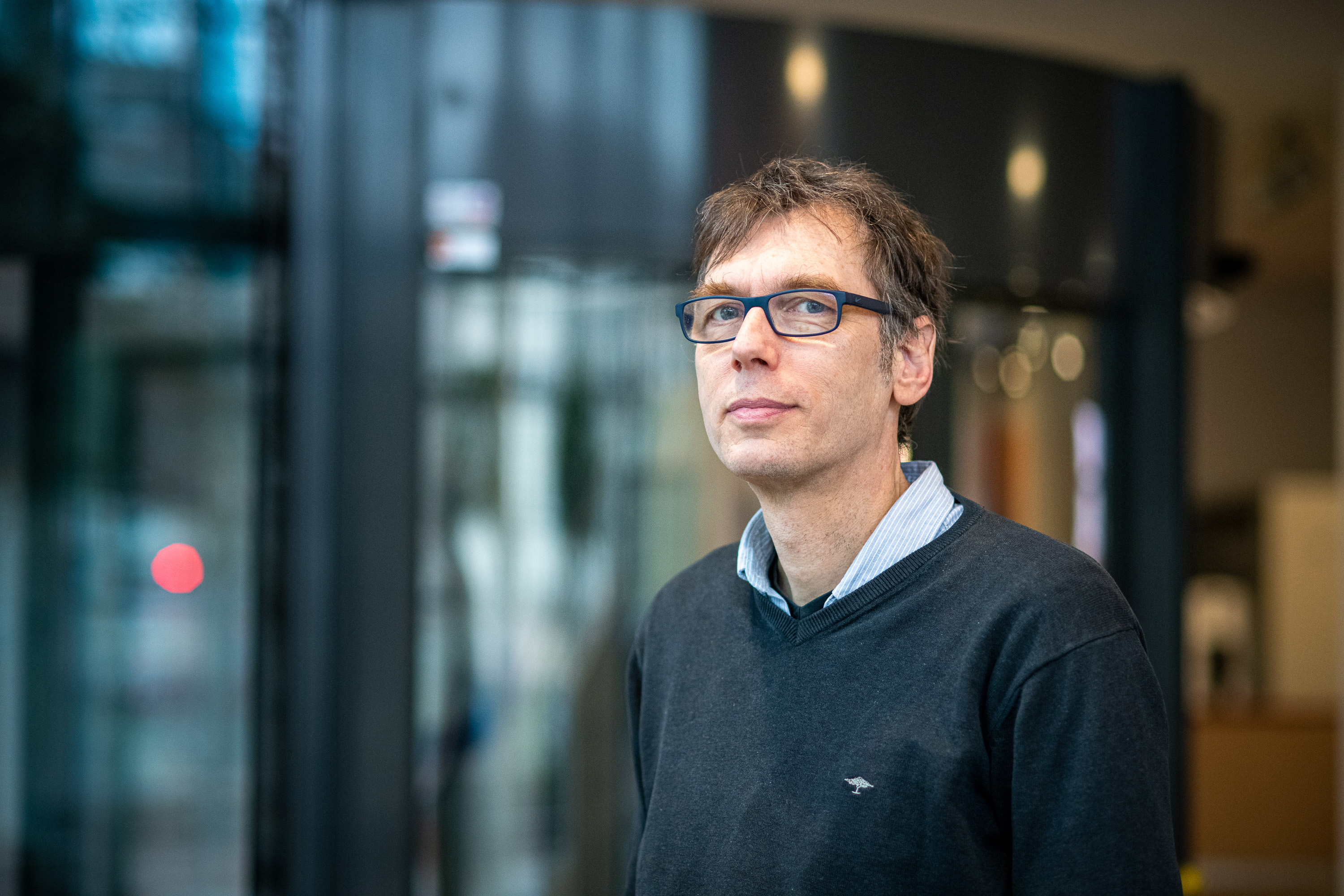
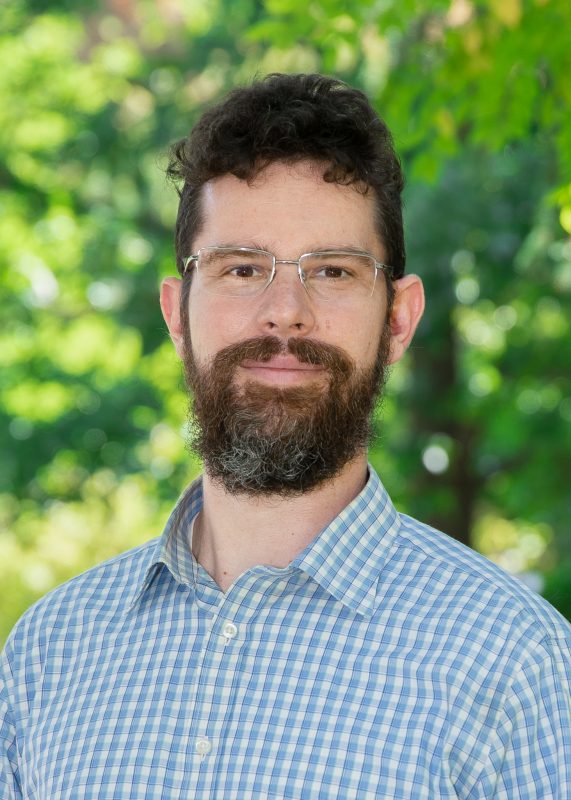
Ben DeVries is an Associate Professor in the Department of Geography, Environment & Geomatics at the University of Guelph's College of Social and Applied Human Sciences. His research focuses on satellite Earth observation, remote sensing of ecosystem dynamics, and land use/land cover change. He teaches courses such as Analysis in Geography, The Earth from Space, GIS and Spatial Analysis, and Applied Geomatics. His research interests span geospatial technologies, environmental monitoring, and ecosystem dynamics, with a strong emphasis on practical applications in conservation and land management. Dr. DeVries supervises multiple graduate students working on projects ranging from wetland classification using remote sensing to Arctic lake dynamics. His recent publications reflect a focus on global forest carbon patterns, erosion modeling, and advanced satellite data applications. Research trends show integration of machine learning, large-scale geospatial analysis, and climate impact assessments across diverse ecosystems. His work employs cutting-edge methodologies including cloud computing, time-series analysis of satellite imagery, and hybrid modeling approaches to address pressing environmental challenges.
Rex Wang Renjie is an Assistant Professor at VU University Amsterdam's School of Business and Economics, Department of Finance, with additional affiliation at the Tinbergen Institute in Rotterdam. His research spans corporate finance, investments, and sustainable finance, with publications in top-tier journals including the Journal of Finance. VU University Amsterdam, School of Business and Economics, Department of Finance Tinbergen Institute, Rotterdam Wang Renjie's research focuses on corporate governance mechanisms, bond market dynamics, and the emerging field of sustainable finance. His work examines how institutional investors influence corporate behavior, the pricing of green bonds, and corporate governance issues related to board composition and attention. His methodology typically employs large-scale empirical analysis of financial markets data. His publication trajectory shows progression from traditional corporate governance topics toward contemporary issues in sustainable finance and market structure. Recent work demonstrates increasing attention to environmental considerations in finance, particularly through studies of green bond markets and ESG investing. His research often involves multi-institutional collaborations, frequently with Shuo Xia and Patrick Verwijmeren. Wang Renjie has established a solid research profile with 6 scholarly papers accumulating over 19,500 downloads and 20 citations according to SSRN metrics. His co-authored paper 'Nonstandard Errors' in the Journal of Finance represents a significant contribution to methodological approaches in financial research. His advising activities and grant funding aren't explicitly detailed in available information, though his collaborative research pattern suggests involvement in multi-investigator projects. His work with the Tinbergen Institute indicates participation in broader economic research networks in the Netherlands.
GAO Yihang is a Research Fellow in the Department of Mathematics at the National University of Singapore (NUS), working under the supervision of Prof. Vincent Y. F. Tan. He obtained his Ph.D. in Mathematics from The University of Hong Kong (HKU) in 2024 under Prof. Michael K. Ng and holds a B.S. in Mathematics from Zhejiang University (2020). His educational background: Ph.D. in Mathematics, The University of Hong Kong, 2024 B.S. in Mathematics, Zhejiang University, 2020 GAO Yihang's research spans Scientific Machine Learning, Optimization, Large Language Models, Data Science, and Tensor Computation. His work bridges mathematical theory and machine learning applications, focusing on neural network architectures, optimization algorithms, and generative modeling for scientific computing. Key contributions include theoretical analyses of Kolmogorov-Arnold Networks and efficient transformer frameworks. His publication record (2022-2025) reveals a strong interdisciplinary trajectory across top mathematics journals and AI conferences. Research trends emphasize physics-informed neural networks, transformer optimization, and tensor methods, with notable work on length extrapolation techniques and Wasserstein-based uncertainty quantification. Collaborations frequently involve HKU and NUS researchers. Scientific Awards: No awards listed in the provided information No information is available regarding students advised or research grants. His current work appears integrated within Prof. Tan's research group at NUS, focusing on information-theoretic aspects of machine learning. GAO Yihang maintains active engagement with computational mathematics communities through publications in venues like IEEE Transactions and NeurIPS, with recent work addressing transformer efficiency and neural network convergence properties.
Hervé Le Ferrand is a Lecturer at the Université de Bourgogne within the Faculty of Science and Technology, Department of Mathematics . His research primarily focuses on the history of mathematics , numerical analysis , and applied mathematical methodologies , with particular emphasis on algebraic continued fractions , Padé approximants , and vector-valued rational interpolation . He has extensively documented the scientific contributions of Robert de Montessus de Ballore , notably analyzing the 1902 convergence theorem that remains influential in mathematical literature. Academic Leadership: Member of the Statistics, Probability, Optimization and Control team at the Institut de Mathématiques de Bourgogne. Teaching: Develops educational materials for advanced mathematics courses including Calcul Intégral , Mathématiques pour l'Informatique , and Expression Écrite et Orale at L1-L3 levels. Research Trajectory spans from foundational work in vector iteration functions (1995) to recent historical analyses of Paul Mansion's mathematical bibliography (2019). His publications demonstrate a unique blend of numerical algorithms and historiographical rigor , particularly in tracing the evolution of algebraic continued fractions and their modern applications. Scientific Recognition includes: Inclusion of his 2016 article on Paul Appell in The Best Writing on Mathematics 2017 (Princeton University Press) Co-organizer of the 2017 Les sciences dans la famille de Montessus colloquium at Académie des Sciences de Dijon Publication Trends reveal expertise in: Numerical Analysis (QD algorithm, vector iterations, convergence acceleration) Historical Mathematics (Montessus de Ballore's theorem, Belgian mathematicians like Paul Mansion) Matrix Theory (Gram determinants, orthogonal polynomials) Academic Journey reflects comprehensive training through: 1980: Baccalauréat C 1985: CAPES de Mathématiques 1989: DEA (M2) at Lille 1992: PhD in Numerical Mathematics under J. Van Iseghem at Université de Lille 1
Dr. Stefan Scholz serves as Senior Scientist and Deputy Head of the Department Bioanalytical Ecotoxicology at the Helmholtz Centre for Environmental Research - UFZ in Leipzig, Germany. Having joined UFZ in 2002 as a PostDoc and senior scientist, he has steadily advanced within the institution, serving as Acting Head of his department from 2022-2023 before assuming his current leadership role. His research program focuses on developing and applying innovative methods in ecotoxicology, with particular emphasis on zebrafish embryo models for chemical safety assessment and the development of alternatives to animal testing. Dr. Scholz's primary research interests center around mechanisms of chemical action, high-content analysis and automation of bioassays, and the development of alternative testing methods for effect assessment of chemicals and biomonitoring. His work spans neurotoxicity assessment through behavioral endpoints like spontaneous tail coiling and photomotor response, developmental toxicity assessment with focus on vascular disruption, and the application of Adverse Outcome Pathways in chemical risk assessment. He has pioneered advanced imaging techniques, transcriptomics, and metabolomics approaches to investigate chemical effects at molecular and organismal levels, establishing robust methodologies for data-driven toxicology. Analysis of Dr. Scholz's recent publications (2023-2025) reveals a strong progression toward increasingly sophisticated, integrated approaches in toxicological assessment. His work demonstrates a clear trajectory from basic mechanistic understanding toward practical regulatory applications, with significant contributions to developing quantitative Adverse Outcome Pathways, implementing high-content screening workflows, and establishing zebrafish embryo models as regulatory testing tools. A unifying theme across his research is the development of data-rich, mechanistically informed approaches that enhance the predictive power of chemical safety assessment while reducing reliance on traditional animal testing. OECD Cooperative Research scholarship (2015) Scholarship of the University of Nagoya, Japan (2004) Throughout his career, Dr. Scholz has been actively involved in numerous collaborative research projects, including major initiatives like the Eco-exposome research program (2021-2027), Proxies of the Eco-exposome (2018-2022), InCeTo (2019-2023), and several recently launched projects including MibiTox (2020), nanoINHALE (2024), and SafePol (2025). His work has been supported by various national and international funding mechanisms, including collaborations with regulatory agencies like the US-EPA. He has contributed significantly to the development of standardized testing guidelines, particularly for zebrafish embryo toxicity testing, through participation in OECD validation studies. Based in the UFZ facilities in Leipzig (Permoserstr. 15, Building 6.0, Room 327), Dr. Scholz leads a research team that operates state-of-the-art laboratories for zebrafish husbandry, automated imaging systems, and molecular analysis. His group has developed specialized software tools like EmbryoMotion for analyzing spontaneous tail contraction and photomotor response of zebrafish embryos. The research environment emphasizes interdisciplinary collaboration, with strong connections to computational biology, environmental chemistry, and regulatory science groups both within UFZ and across international networks.
Dr. Evan Brooks is a Researcher in the Department of Forest Resources and Environmental Conservation at Virginia Tech's College of Natural Resources and Environment. His work focuses on leveraging remote sensing and big data to monitor and model landscape changes, particularly in forests. He specializes in analyzing land cover and land use dynamics at regional to continental scales, with a strong emphasis on temporal trajectory analysis using satellite imagery. Brooks holds a Ph.D. in Forestry (Remote Sensing specialization) from Virginia Tech (2013), an M.S. in Statistics (2010), an M.A. in Mathematics (Probability) from the University of North Texas (2007), and B.A. degrees in Physics and Mathematics from the University of North Texas (2004). His research interests include landscape ecology, human-natural system interactions, and the development of advanced algorithms for forest monitoring. Notable projects include contributions to the Resource Planning Act 2020 Assessment (2016–present) and the USDA-funded PINEMAP project (2013–2016), where he worked on climate and soil data integration for growth modeling. His publications emphasize innovative applications of Landsat data, statistical quality control, and ensemble methods for forest change detection. He collaborates widely on topics like carbon cycle predictions, forest productivity under climate change, and algorithmic approaches to environmental monitoring.
Georgios Pitselis is an Assistant Professor in the Department of Statistics and Insurance Science at the University of Piraeus, Greece, where he has held academic positions since 1999, obtaining tenure in 2011. His career includes visiting professorships at KU Leuven (via BF Senior Fellowship), Concordia University, and the Catholic University of Rio de Janeiro, alongside editorial roles for leading actuarial journals including Insurance Mathematics and Economics . His educational background features a PhD in Statistics and Actuarial Sciences (1998) from the University of Montreal, an MSc in Statistics and Mathematics (1986), and a BSc in Mathematics with Statistics specialization (1983), both from Concordia University. Pitselis' research centers on credibility theory applications in insurance and risk management, with emphasis on robust estimation techniques, Solvency II compliance, mortality/longevity modeling, and non-life risk quantification. His work bridges theoretical statistics with practical insurance challenges, particularly through quantile regression frameworks and multi-population mortality forecasting. Recent publications (2016-2022) demonstrate a cohesive trajectory integrating credibility models with modern statistical methods for insurance applications. Key trends include hierarchical credibility approaches for multi-population mortality, robust loss reserving under data scarcity, and risk measure development within quantile regression frameworks – often applied to Greek insurance markets and pension systems. BF Senior Fellowship (awarded for KU Leuven visiting positions in 2014 and 2015) As an active conference organizer and editorial board member, Pitselis has contributed to the academic infrastructure of actuarial science through workshops on Solvency II, the International Congress on Insurance Mathematics and Economics, and special journal issues. His professional service includes referee roles for major journals and research councils, though specific grant funding isn't documented in the source material. While no dedicated research labs are mentioned, his collaborative work with institutions like KU Leuven and involvement in Greek actuarial workshops indicate participation in broader research networks focused on insurance risk quantification and regulatory compliance.
Jacek Jagodziński is a Lecturer at the Department of Control Systems and Mechatronics within the Faculty of Information and Communication Technology at Wrocław University of Science and Technology. His office is located in building C-3, room 317A at ul. Janiszewskiego 11/17, 50-372 Wrocław, with office hours on Monday 7:00-8:00, Tuesday (even weeks) 12:45-15:00, and Wednesday (odd weeks) 10:45-13:00. His research spans Control Theory , Industrial Networks , Logistics , and Decision-Making Systems , with significant contributions to Lean Management methodologies including Kaizen and Total Quality Management. Early work focused on mathematical control systems (nilpotent approximations, Chen-Fliess-Sussmann equations), while recent publications demonstrate a strategic pivot toward applied logistics, fashion industry analytics, and sustainable transportation systems. Analysis of his 15 most recent publications reveals an evolving research trajectory: initial focus on theoretical control systems (2008-2014) transitioned to logistics decision theory (2014-2017), then expanded into interdisciplinary domains including fashion forecasting (2019-2022) and zero-emission transportation (2020-2024). Current work emphasizes practical applications of fractional-order systems in building automation and Padé approximations for industrial control. Professional Contributions: Active research in industrial network optimization and game-theoretic logistics applications Specialized expertise in B-Spline identification methods for cascade control systems Developed frameworks for forecasting fashion demand with cost-optimization models Contributed to EU-focused studies on zero-emission bus fleet implementation His methodological approach combines rigorous mathematical modeling with empirical validation in industrial settings, particularly within Polish manufacturing and logistics sectors. Recent work shows increasing engagement with sustainability challenges in urban transportation and circular economy systems.
Zihan Zhou is an Assistant Professor at the College of Information Sciences and Technology, Penn State University, specializing in computer vision, machine learning, and 3D reconstruction. His research bridges geometric modeling, image processing, and human-computer interaction, with applications in assistive technology and creative design. Email: zuz22@psu.edu His work focuses on robust face recognition, sparse representation, and vision-language approaches for converting 2D CAD drawings into 3D parametric models. Recent projects include neural rendering for wireframe-to-image translation and data-driven 3D scene modeling. The 15 most recent publications highlight his contributions to end-to-end floorplan generation, depth estimation, trajectory prediction, and structured 3D modeling. These works integrate convolutional neural networks, graph construction, and optimization algorithms. Projects like Building Energy Savings by Tuning Indoor Lighting underscore his interdisciplinary approach, combining computer vision with environmental sustainability.
Somdatta Goswami serves as Assistant Professor in Civil and Systems Engineering and Applied Mathematics and Statistics at Johns Hopkins University, with dual affiliations at the Institute for Data Intensive Engineering and Science (IDIES) and Hopkins Extreme Materials Institute (HEMI). She leads the Centrum IntelliPhysics research group developing AI-driven methodologies for scientific discovery. Her educational trajectory includes: Bachelor's in Civil Engineering from Birla Institute of Technology, Mesra (2011) Master's in Structural Engineering from Indian Institute of Engineering Science and Technology (2013) PhD in Civil Engineering and Structural Mechanics from Bauhaus University-Weimar, Germany (2020) funded by DAAD Dr. Goswami's research pioneers Scientific Machine Learning at the intersection of computational mechanics and AI, focusing on neural operator architectures that accelerate physics-based simulations. Her group develops methods for long-time horizon prediction, multiscale multiphysics modeling, and real-time inference in complex systems through latent space representations and physics-informed learning. Current emphases include cardiac digital twins, structural response under natural hazards, and RNA electrophoresis modeling. Analysis of her 2024-2025 publications reveals dominant trends in latent operator learning, physics-informed neural networks, and hybrid solvers combining traditional numerical methods with deep learning. These innovations enable breakthroughs in computational efficiency across engineering and biological domains, particularly in multiscale modeling and uncertainty-aware simulation. Her scientific recognition includes: National Science Foundation’s National Artificial Intelligence Research Resource (NAIRR) Pilot Johns Hopkins University Discovery Award 2024 Dr. Goswami mentors PhD candidates including Dibakar Roy Sarkar (Creel Family Engineering Fellow), Sharmila, and Maryam. Major research funding comprises: NSF grant for "Cardiac Digital Twins" with Kevrekidis, Trayanova, and Maggioni NSF grant for exascale AI-integrated simulations with UT Austin DOE grant for uncertainty-informed latent operators with Shields, Graham-Brady, and Kevrekidis Johns Hopkins Discovery Award for biological systems modeling The Centrum IntelliPhysics group operates within JHU's Latrobe Hall, collaborating with IDIES and HEMI on interdisciplinary projects spanning computational mechanics, materials science, and biological systems. Their work integrates high-performance computing with novel neural architectures to solve previously intractable scientific problems.
Robert Haller is a Professor in the Faculty of Mathematics at Darmstadt University of Technology, where he specializes in analysis with a focus on partial differential equations and operator theory. His teaching portfolio includes core courses such as Analysis I and Mathematics for Civil Engineering, with upcoming courses scheduled for Winter semester 2025/26. Professor Haller's academic journey includes a PhD thesis titled "Methoden der Banachraum-wertigen Analysis und Anwendungen auf parabolische Probleme" (2004) and a Habilitation "Lp-Regularity Theory for Linear Elliptic and Parabolic Equations" (2008), both completed at TU Darmstadt. His educational background demonstrates deep expertise in mathematical analysis and its applications to parabolic problems. His research program centers on regularity theory for elliptic and parabolic partial differential equations, with particular emphasis on maximal parabolic regularity, divergence form operators with mixed boundary conditions, and non-smooth coefficients and domains. He has made significant contributions to the Kato square root problem and related areas in harmonic analysis and operator theory. His work bridges theoretical mathematics with practical applications in physics and engineering, particularly in areas like sea ice modeling and wave propagation. Analysis of his recent publications reveals a consistent research trajectory focused on boundary value problems and operator theory in non-smooth settings. His work spans pure mathematical theory to applications in climate science, with a recurring theme of establishing regularity properties for solutions to partial differential equations under challenging conditions. Professor Haller actively contributes to the academic community through organizing the International Internet Seminar (ISem27/28) on Harmonic Analysis Techniques for Elliptic Operators, where he serves as a virtual lecturer alongside other leading mathematicians. This seminar provides a platform for master's students, PhD candidates, and post-docs to engage with cutting-edge techniques in harmonic analysis. His research collaborations include prominent mathematicians such as S. Bechtel, R.M. Brown, P. Tolksdorf, H. Meinlschmidt, and J. Rehberg, resulting in publications in prestigious journals including Journal of Evolution Equations, Advances in Mathematics, and Annales de l'Institut Fourier. These collaborations demonstrate his integration within the international mathematical community and his leadership in advancing the field of PDE analysis.
Gokhan Serhat is a tenure-track Assistant Professor at the Department of Mechanical Engineering , KU Leuven, stationed at the Bruges Campus. He conducts research within the Mecha(tro)nic Systems Dynamics Group and the M-Group and maintains a guest-scientist affiliation with the Max Planck Institute for Intelligent Systems. Education: Ph.D. in Mechanical Engineering, Koç University, 2018 (Marie Curie Fellow) M.Sc. in Computational Mechanics, Technical University of Munich, 2013 B.Sc. in Mechanical Engineering, Middle East Technical University, 2011 Research interests span computational mechanics, numerical methods, design & topology optimization, structural dynamics, composite materials, fiber-path optimisation, functionally graded structures, and bio-mechanical/haptic modelling. His work integrates high-fidelity simulation, laminate-parameter techniques, and additive-manufacturing constraints to create lightweight, variable-stiffness composite structures and tactile/biomechanical devices. Recent articles (2022-2025) reveal a strong trajectory in composite optimisation (anisotropic topology, lamination parameters, manufacturability) alongside interdisciplinary forays into biomechanics & haptics (fingertip dynamics, tactile displays, skin simulation). The portfolio is evenly split between computational-method development and application-oriented studies in aerospace, automotive, and human-interaction domains. Scientific recognition: Marie Curie Early-Stage Research Fellow (doctoral training grant) Research funding & leadership: Promoter, Flemish project “Fiber path and topology optimization of 3D printed composites” (2023-2027) Promoter, FWO/Flemish project “Concurrent fiber path and topology optimization of 3D printed composites” (2022-2024) He teaches three courses at KU Leuven Bruges: Structural Dynamics , Aerospace Structures & Lightweight Design and Mechatronic Design , and is an active member of the Faculty Council and the Department Council.
Sergey Vladimirovich Samsonov is an Associate Professor at the Faculty of Computer Science of the National Research University Higher School of Economics (HSE), where he also serves as Head of the International Laboratory of Stochastic Algorithms and Multidimensional Data Analysis within the Institute of Artificial Intelligence and Digital Sciences. He is affiliated with the Department of Big Data and Information Retrieval and the Joint Department of the A.A. Kharkevich Institute for Information Transmission Problems of the Russian Academy of Sciences. Samsonov began his tenure at HSE in 2018 and has accumulated 7 years of scientific and teaching experience. His educational background includes a PhD from HSE (2024) and a Bachelor's degree in Applied Mathematics and Computer Science from Lomonosov Moscow State University (2017). Samsonov's research focuses on stochastic approximation, reinforcement learning, sampling techniques, Markov chain Monte Carlo (MCMC) methods, and multivariate statistics . His work bridges theoretical mathematics with practical machine learning applications, particularly in developing algorithms with strong theoretical guarantees. He has made significant contributions to understanding convergence properties of stochastic algorithms and developing variance reduction techniques. Analysis of his recent publications reveals a consistent focus on the mathematical foundations of machine learning, particularly in stochastic approximation methods, reinforcement learning theory, and generative modeling. His work often combines rigorous theoretical analysis with practical applications, demonstrating expertise in both pure mathematics and applied machine learning. The publication venues (including top conferences like NeurIPS, ICLR, and AISTATS) reflect the high impact and quality of his research in the machine learning community. Young Scientist Badge (December 2024) Letter of gratitude from the First Vice-Rector of HSE (March 2023) Letter of gratitude from the Faculty of Computer Science at HSE (September 2021) Rector's personal allowance (2022-2023) Numerous bonuses for high-impact publications (2021-2027) Best Teacher award (2024-2025, 2022, 2020) Segalovich Scientific Prize (2022) National Prize 'Leaders in AI - 2024' Samsonov teaches advanced courses including Markov Chains, Sampling and Generative Modeling, and Matrix Computations. His laboratory work focuses on developing stochastic algorithms for machine learning applications. He has been involved in HSE's collaboration with Sber, which has resulted in 19 successfully implemented AI projects since 2021. His research has gained significant recognition, with multiple papers accepted at top-tier conferences including 12 papers presented at NeurIPS in recent years.
Marina Evgenievna Sheshukova serves as a Junior Research Fellow at the Faculty of Computer Science, National Research University Higher School of Economics (HSE), specifically within the Institute of Artificial Intelligence and Digital Sciences and the International Laboratory of Stochastic Algorithms and Multidimensional Data Analysis. She also holds a teaching position in the Department of Big Data and Information Retrieval. Dr. Sheshukova joined HSE in 2021 and has been actively contributing to both research and educational activities. Faculty of Computer Science Institute of Artificial Intelligence and Digital Sciences International Laboratory of Stochastic Algorithms and Multidimensional Data Analysis Department of Big Data and Information Retrieval Dr. Sheshukova completed her Bachelor's degree in 2023 at the National Research University Higher School of Economics, majoring in Applied Mathematics and Computer Science. Her academic journey reflects a strong foundation in mathematical and computational disciplines, which has shaped her current research trajectory. Dr. Sheshukova's primary research interests focus on statistics, particularly Markov chains and related stochastic processes. Her work bridges theoretical mathematics with practical applications in machine learning and data analysis. She has made significant contributions to the understanding of stochastic gradient descent methods, optimization algorithms with Markovian noise, and statistical properties of Markov chain models. Her research demonstrates a strong mathematical foundation with applications to modern computational challenges in artificial intelligence. Dr. Sheshukova's publication record shows a clear focus on theoretical aspects of machine learning and statistical methods. Her recent work examines nonasymptotic properties of optimization algorithms, particularly those involving stochastic gradient descent with extrapolation techniques. She has also made contributions to the theory of first-order optimization methods with Markovian noise and established important inequalities for statistics of Markov chains. These publications reflect her expertise at the intersection of probability theory, optimization, and machine learning theory. Letter of gratitude from the Faculty of Computer Science at HSE (July 2025) Bonus for publication in a journal from List A (2025–2026) Dr. Sheshukova has received recognition for her scholarly contributions, including a letter of gratitude from the Faculty of Computer Science and a publication bonus for her work in high-impact venues. While specific grant information isn't detailed in the available materials, her participation in conference publications at premier venues like ICLR and NeurIPS suggests successful competitive funding. She serves as a teacher for multiple courses, indicating her involvement in academic mentoring and instruction. Dr. Sheshukova is affiliated with the International Laboratory of Stochastic Algorithms and Multidimensional Data Analysis, where she conducts research under the supervision of Naumov A. A. This laboratory appears to focus on theoretical aspects of data science, stochastic processes, and algorithm development, providing a collaborative environment for her research in Markov chains and statistical learning theory.
Dr. Nikolaos Bakas serves as an Assistant Professor in the Information Technology Department at the School of Liberal Arts and Sciences, The American College of Greece, Deree. His academic profile centers on bridging theoretical mathematics with practical machine learning implementations through rigorous algorithmic development. His research program focuses on fundamental mathematical modeling of machine learning systems , with specialized expertise in Numerical Methods and High-Performance Computing (HPC) . Key contributions include stochastic optimization algorithms (notably the ITSO framework), gradient-free neural network training techniques, and computational mechanics applications. This interdisciplinary work connects theoretical mathematics with engineering solutions in structural analysis and environmental risk assessment. Analysis of his 2019-2023 publications reveals a clear trajectory toward practical HPC implementations of machine learning frameworks, with increasing emphasis on domain-specific applications. His research consistently addresses computational efficiency challenges while maintaining mathematical rigor, particularly in stochastic search methods and partition-based approximation systems. As Principal Investigator for multiple industry and academic projects, Dr. Bakas demonstrates active research leadership with direct organizational consulting experience. His project portfolio indicates strong translation of theoretical research into real-world AI and HPC adoption, though specific grant details remain undisclosed.