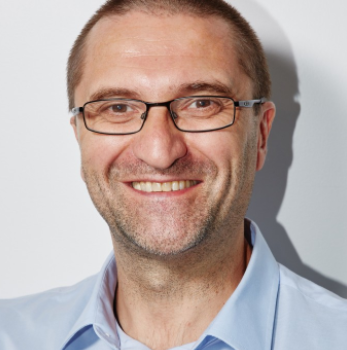
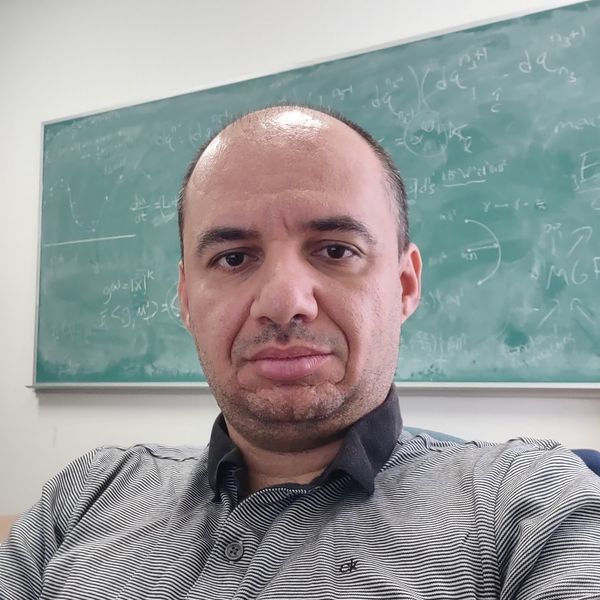
Calin Belta is a Professor in the College of Engineering at Boston University , with joint appointments in Mechanical Engineering, Systems Engineering, and Electrical and Computer Engineering. His research bridges control theory and formal methods, focusing on controller synthesis and automatic verification of hybrid systems with applications in robotics and systems biology . Education: Ph.D. in Control Theory, University of Pennsylvania His work emphasizes temporal logic specifications for ensuring safety and correctness in autonomous systems, particularly through control barrier functions (CBFs) , reinforcement learning , and model predictive control . Applications span from microrobotics to autonomous driving and biomolecular modeling . His recent articles (2025–2024) highlight advancements in safe control algorithms for autonomous vehicles, adaptive CBFs , temporal logic-guided learning , and microrobotics for cell manipulation. Common themes include formal verification , robustness , and human-in-the-loop safety . Scientific Awards: AFOSR Young Investigator Award (2008) NSF CAREER Award (2005) He also contributes to academia as a Senior Member of IEEE and Associate Editor for journals like SIAM Journal on Control and Optimization and IEEE Transactions on Automatic Control . His lab develops computational tools for safety-critical control in complex environments.
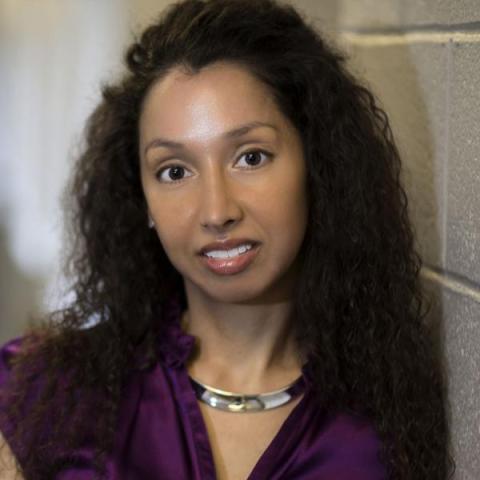
Noelle Hurd is a Professor of Psychology at the University of Virginia and co-Director of Diversity, Equity, and Inclusion Initiatives (co-DDEI). She leads the Promoting Healthy Adolescent Development (PHAD) Lab, focusing on marginalized youth development through intergenerational relationships and systemic oppression disruption. Her research integrates clinical and community psychology to address adolescent development, racial discrimination, and mental health disparities. Key interests include natural mentoring as protective factor, anti-racist frameworks, and leveraging community strengths to counteract systemic barriers for Black and Latinx youth. Her work emphasizes youth agency in social justice movements and resilience through familial and community support networks. Recent publications (2023-2025) reveal concentrated exploration of natural mentoring dynamics across marginalized populations, with methodological diversity spanning qualitative analyses of immigrant youth experiences and longitudinal studies of college adjustment. Recurring themes include anti-immigration policy impacts, youth-led anti-racism initiatives, and the intersection of discrimination with mental health outcomes. Dr. Hurd's scientific contributions have earned significant recognition: William T. Grant Scholar and Spencer/National Academy of Education Postdoctoral Fellow Rising Star Award (Association for Psychological Science, 2015) Outstanding Professor Award (UVA Psychology, 2017) Faculty Excellence in Diversity, Inclusion, and Equity Award (2021) Fellowships in American Psychological Association and Society for Community Research and Action As PHAD Lab director, she mentors emerging researchers in community-engaged scholarship funded by NIH, NSF, William T. Grant Foundation, and Institute of Education Sciences. Her team examines mentoring relationships, discrimination mechanisms, and intervention development for youth thriving in oppressive contexts. The PHAD Lab operates as an interdisciplinary research collective developing evidence-based approaches to dismantle systemic barriers through youth-adult partnerships and natural mentoring frameworks.
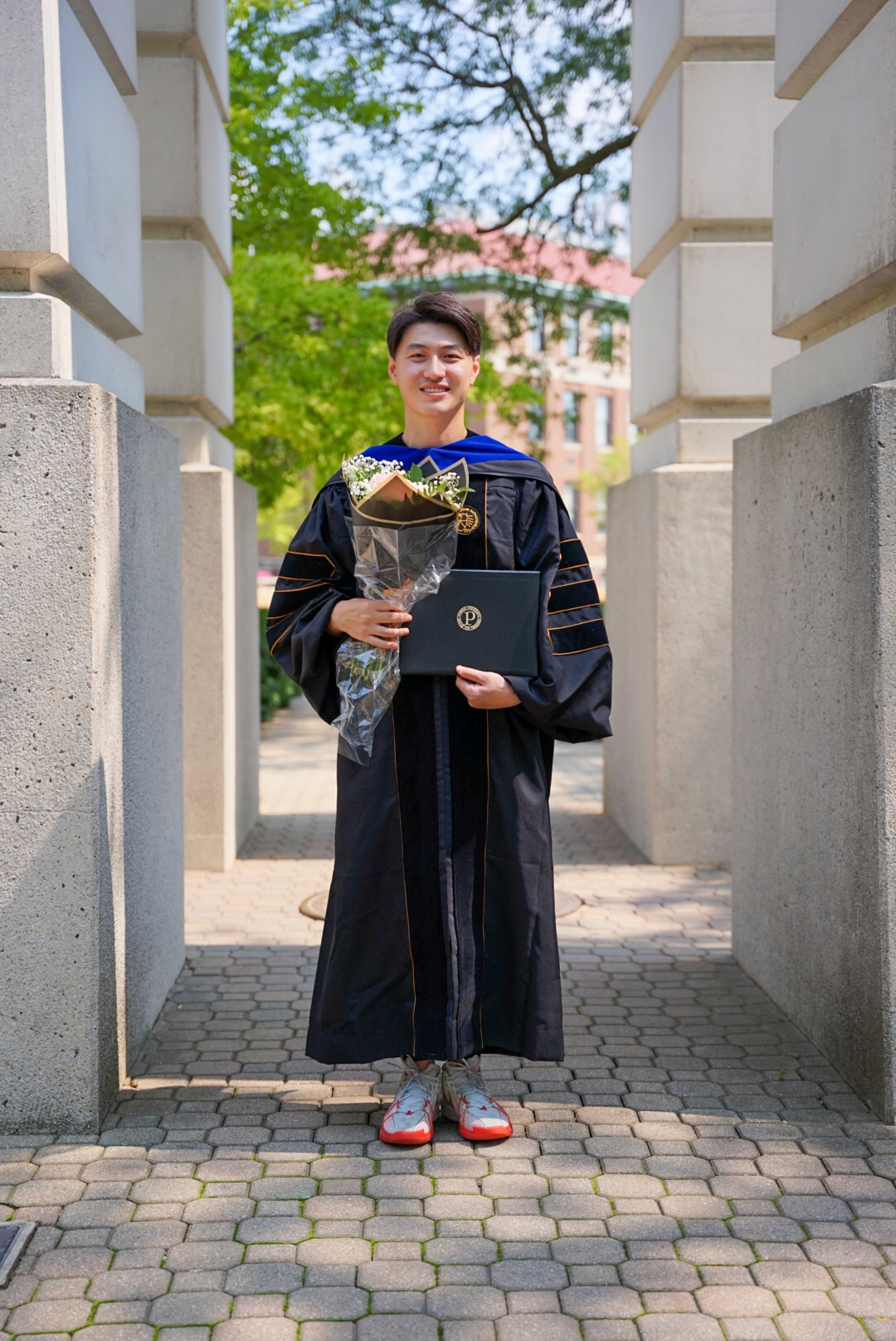
HaoYu Wang is an Assistant Professor of Computer Science at SUNY Albany. His research focuses on parameter-efficient and data-efficient deep learning, particularly in natural language processing and machine learning, aiming to democratize AI access. He holds a Ph.D. from Purdue University's School of Electrical and Computer Engineering, a B.Eng. from the University of Electronic Science and Technology of China, and an MS from SUNY Buffalo. His work includes innovations like RoseLoRA (sparse low-rank adaptation for knowledge editing), LightLT (lightweight quantization for long-tail data), and FedKC (federated knowledge composition for multilingual NLU). He has received awards such as the Future Leaders in Data Science (2024) and Bilsland Dissertation Fellowship. Key research areas include parameter efficiency, cross-lingual NLU, and model fairness. Recent publications span topics like federated learning optimization, robust retrieval-augmented generation, and mitigating token overfitting in LLMs. He advises students on Ph.D. and intern roles, emphasizing CVs and research interests in applications.
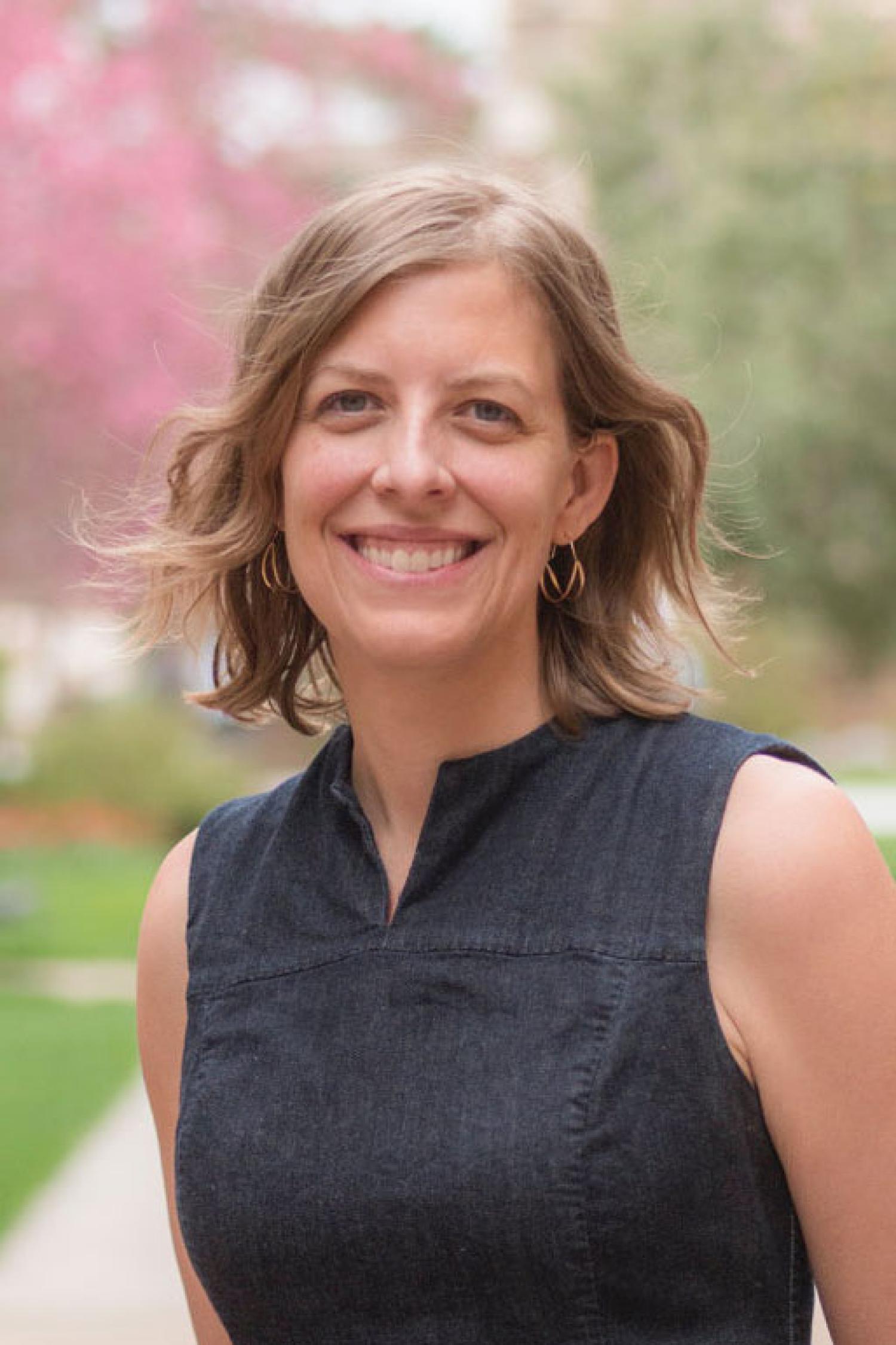
Erin Marie Furtak is a Professor of STEM Education at the University of Colorado Boulder, School of Education. She transitioned from high school teaching to academic research, focusing on formative assessment in science education and equitable classroom practices. Her work emphasizes how teachers design and use assessments to improve student engagement and learning outcomes. Education: PhD in Curriculum and Teacher Education, Stanford University (2006) MA in Education, University of Denver (2001) BA in Environmental, Population, and Organismic Biology, University of Colorado Boulder (1999) Research Interests: Formative assessment design, equity in STEM education, teacher professional development, and learning progressions. She leads the Aspire Partnership (NSF-funded) and Elevate Project , studying teacher-student interactions and equitable assessment practices. Her work bridges educational theory with classroom application, particularly for emergent bilingual learners. Selected Awards: 2011 Presidential Early Career Award for Scientists and Engineers (PECASE) German Chancellor Fellowship (Alexander von Humboldt Foundation, 2006) Teaching & Service: Courses include EDUC 4060/5060: Classroom Interactions and EDUC/MCDB 4811/5811: Teaching & Learning Biology . She serves as Associate Dean of Faculty at the School of Education and advises national initiatives like the Sandra K. Abell Institute and National Academies' Updating America’s Lab Report . Labs/Teams: Aspire Partnership, Elevate Project, and collaborations with school districts nationwide to integrate formative assessment into science curricula.
Sarah L. Keller is a Professor of Chemistry at the University of Washington, holding the Duane and Barbara LaViolette Endowed Chair. She earned her Ph.D. in Physics from Princeton University and completed postdoctoral research at UC Santa Barbara and Stanford University. Her research focuses on self-assembling soft matter systems, particularly lipid membrane biophysics and prebiotic chemistry. She investigates how lipid mixtures form complex phases and their biological implications. Education: Ph.D. in Physics, Princeton University (1995); postdoctoral training at UC Santa Barbara (Presidential Fellow) and Stanford University (NIH NRSA Fellow). Research Interests: Keller's lab explores phase behavior in lipid membranes, prebiotic vesicle formation, and membrane-driven cellular processes. They employ interdisciplinary approaches combining physics, chemistry, and bioengineering to study systems like yeast vacuoles and protocell models. Awards: Biophysical Society Avanti Award, Cottrell Scholar, NSF CAREER Award, Fellow of the American Physical Society, and recognition for mentoring and teaching excellence. Her students frequently win NSF Graduate Fellowships and international awards. Advising & Grants: Keller has mentored over 50 students/postdocs, many of whom hold academic or industry roles. Her lab emphasizes interdisciplinary collaboration, with funding from NSF, NIH, and private foundations. The Keller Lab also supports career development resources for early-career researchers. Labs/Teams: The lab is part of the UW Chemistry Department and collaborates with the UW Biophysics program. Research is conducted in the Bagley Hall laboratory, with access to advanced microscopy and simulation tools.
Christopher Storie is a Professor of Geography at the University of Winnipeg, specializing in GIS, Remote Sensing, and Urban Geography. He holds an office in Lockhart Hall (5L03) and teaches courses such as Introduction to GIS, Remote Sensing, and Urbanization in the Developing World. His research focuses on Deep Learning applications for automated land use/land cover mapping, informal settlement mapping, and urban-rural fringe detection. Key research interests include leveraging neural networks for geospatial analysis, urban dynamics in regions like Mexico City, and collaborative international fieldwork. He has contributed to over 20 peer-reviewed articles since 2000, emphasizing satellite imagery analysis and environmental monitoring. His work bridges technical geospatial methods with socio-environmental challenges in urban and developing regions.
Teresa Faucon is an Associate Professor and HDR researcher at Sorbonne Nouvelle University (Paris 3), affiliated with the IRCAV research institute. She specializes in cinema and audiovisual aesthetics, montage theory, and postcolonial film studies. Her roles include director of the Cinema and Audiovisual Master's program (2021–2023), and leadership in disability and professional training initiatives. She co-founded key research groups like Indian Cinemas (2012), CREAViS (2015), and Exotismes en champ-contrechamp (2018), focusing on decolonial cinema and exoticism analysis. Her work bridges academic research with creative projects, including the interactive Maps of Film Analysis platform. Research interests span Indian and Southeast Asian cinemas, dance-cinema interactions, and experimental film forms. She has organized 7 international conferences and co-edited major texts like Chorégraphier le film (2019). Recent publications include studies on exoticism's sonic dimensions and non-European cinema. Her digital platform Les cartes de l'analyse de film innovates in nonlinear film analysis through heuristic maps. She co-directs the Formes filmiques and Cinémas en champ-contrechamp book series, promoting global cinema scholarship.
François Peeters is a Full Professor of Physics at the University of Antwerp, Belgium, holding the position since 2000 (with Dutch title 'gewoon hoogleraar' since 2003). He previously served as Research Director (FWO-VI) at the University of Antwerp (1996-1999), Research Leader (NFWO) (1992-1996), and Senior Research Assistant (NFWO) (1988-1992), establishing a distinguished academic career spanning over three decades. His educational background includes a Ph.D. in Physics from the University of Antwerp (1982), followed by a Habilitation (Hoger aggregaat) from the same institution (1987), and a postdoctoral fellowship at Bell Laboratories in Murray Hill, New Jersey (1982-1983). His academic journey also featured research periods at prestigious institutions including the High Magnetic Field Laboratory in Grenoble, University of California Berkeley, Oxford University, and several Brazilian and Australian universities. Peeters' research focuses on theoretical condensed matter physics , specializing in the electronic, optical, and magnetic properties of nanostructured systems. His work encompasses semiconductors , superconductors , graphene , and hybrid quantum systems , with particular emphasis on strong correlations in both classical (colloids, dusty plasma) and quantum (quantum dots) environments. His theoretical frameworks bridge fundamental quantum mechanics with practical nanotechnology applications, driving innovations in spintronics and quantum device design. Analysis of his publication record reveals a clear evolution from foundational work on polaron physics and quantum Hall systems in the 1980s-1990s toward contemporary research on graphene, topological materials, and programmable quantum nanodevices. His most cited works demonstrate consistent leadership in mesoscopic physics, with recent publications showing increased focus on spin-dependent transport phenomena and two-dimensional material systems. His scientific recognition includes: Fellowship in the American Physical Society (2005) APS Outstanding Referee award (2008) Doctor Honoris Causa from University of Szeged, Hungary (2009) Peeters has supervised 26 completed PhD theses and currently leads the Condensed Matter Theory research group comprising 3 ZAP researchers, 16 PhD students, and 8 postdocs. His grant portfolio includes coordination of an EU Marie Curie Training site on 'Electrons on helium', participation in multiple EU projects, COST actions, and ESF networks, demonstrating sustained success in securing competitive international funding. The Condensed Matter Theory group maintains extensive international collaborations, evidenced by Peeters' research visits to over 10 institutions worldwide and regular hosting of 3-4 international visitors at postdoc or professorial levels. The group's output of over 770 refereed publications with 12,000+ citations reflects its position at the forefront of theoretical condensed matter physics research.
Dr. Yar Muhammad is a Principal Lecturer in Computer Science at the University of Hertfordshire's School of Physics, Engineering & Computer Science. His research develops Brain-Computer Interface applications using AI/ML techniques for healthcare. He holds a PhD in ICT (Tallinn University of Technology) and dual master's degrees. Research Leadership: Supervised PhD students: Nimra Memon (fault-tolerance in web services), Dmytro Zabolotnii (agent behavior prediction), Mahir Gulzar (context-aware modeling) Accepts self-funded PhD candidates in BCI/AI applications Awards: Young Investigator Award (Springer/IFMBE, 2014) Best Paper Award Runner-up (26th ISSC 2015) Professional Recognition: Fellow of Higher Education Academy IEEE Senior Member Editorial board member for multiple journals
Todd Collins is a Professor of Political Science and Public Affairs at the University of Western Carolina’s College of Arts and Sciences. He holds a Ph.D. in Political Science from the University of Georgia, a JD from the University of North Carolina at Chapel Hill, and a BA from the same institution. His research focuses on judicial decision-making, legal system biases, and the intersection of religion, politics, and policy. Key research interests include racial and gender disparities in legal contexts, media’s role in shaping public perception of courts, and religious influences on legislative behavior. Collins has extensively studied Supreme Court dynamics, appellate processes, and the interplay between public opinion and judicial rulings. His work bridges empirical legal studies with sociological and political frameworks, addressing issues such as courtroom fairness, attorney collaboration barriers, and the impact of religious affiliations on policymaking. Notable projects include analyses of case salience metrics and the role of precedent in judicial reasoning.
Dr. Angelina Vernetti is a Research Scientist at Yale University's Child Study Center, affiliated with the Social and Affective Neuroscience of Autism (SANA) Program. She holds a PhD in Developmental Neuropsychology from Birkbeck, University of London, and completed postdoctoral training at Yale. Her research focuses on social attention, reinforcement learning, and emotional regulation in children with autism, using advanced methodologies like eye-tracking and physiological recordings. Education: PhD in Developmental Neuropsychology, Birkbeck, University of London (2018) MSc in Neurosciences and Neuropsychology, University of Toulouse (2010) BSc in Cell Biology, University of Angers (2008) Research Interests : Dr. Vernetti investigates the neural and behavioral foundations of social difficulties in autism, including social attention mechanisms, emotional regulation abnormalities, and language processing deficits. Her work integrates experimental paradigms with neuroimaging and physiological measures to identify biomarkers for early intervention. Collaborations: She collaborates with prominent researchers like Katarzyna Chawarska and Suzanne Macari, focusing on neurodevelopmental mechanisms and translational research. Her team explores innovative approaches to autism assessment, including live eye-tracking and puppet-based interventions. Labs & Affiliations: Member of the Chawarska Lab and the Center for Brain & Mind Health. Active in training undergraduate, postgraduate, and doctoral students in autism research methodologies.
Karen Thornber is the Harry Tuchman Levin Professor in Literature and Professor of East Asian Languages and Civilizations at Harvard University’s Faculty of Arts and Sciences. She holds leadership roles as Richard L. Menschel Faculty Director of the Derek Bok Center for Teaching and Learning and President of Phi Beta Kappa Alpha Iota. Her research spans environmental humanities, medical/health humanities, gender justice, climate justice, and transculturation, with expertise in over a dozen languages. Thornber earned her Ph.D. in East Asian Languages and Civilizations from Harvard (2006) and an A.B. from Princeton. She has authored six major monographs, including Ecoambiguity (2012) and Global Healing (2020), co-edited volumes, and over 80 articles. Her translation of Toge Sankichi’s atomic bomb poetry won the 2012 Sibley Prize. Her awards include the Charles Bernheimer Prize and John Whitney Hall Book Prize. Leadership roles include Director of Harvard’s Asia Center, Chair of Comparative Literature, and co-chair of FAS strategic planning. Thornber teaches courses on gender justice, environmental literature, and medical humanities, advising graduate students in Comparative Literature and East Asian Studies. Her recent projects include books on climate justice and global mental health, with research emphasizing transnational frameworks for Asian and global literatures.
Konstantinos Spiliopoulos is a Professor and Director of Statistics at Boston University's Department of Mathematics and Statistics, part of the College of Arts & Sciences. He leads research in Applied Mathematics and Probability and Statistics groups, focusing on stochastic processes, machine learning, and mathematical finance. His research interests include stochastic analysis of complex systems, multiscale phenomena, and their applications to neural networks, PDEs, and financial modeling. Notable areas of study involve mean-field limits, rare event simulation, and asymptotic methods in stochastic differential equations. He has received grants such as DMS-EPSRC funding for analyzing online training algorithms in recurrent and deep neural networks. His work bridges theoretical advancements with practical applications in data science and computational methods. Spiliopoulos maintains an active presence in interdisciplinary research, addressing challenges in systemic risk, network dynamics, and optimization. His contributions span from fundamental probability theory to applied problems in engineering and finance.
Overview Catherine O'Neill Buck is an Assistant Professor in the Department of Pediatrics, Division of Neonatal-Perinatal Medicine at Yale School of Medicine. She is a neonatologist and clinical researcher focused on maternal metabolic health during pregnancy and its influence on infant growth, body composition, and neurodevelopment. Her work bridges clinical care and translational research, with a particular emphasis on preterm infants and obesity prevention. Education & Training MD: University of Connecticut School of Medicine BS: University of Connecticut (Molecular/Cell Biology and Spanish) Pediatric Residency: University of Texas Southwestern Medical School (2015) Neonatal-Perinatal Medicine Fellowship: Brown University/Women and Infants Hospital (2019) MHS (Clinical Investigation): Yale School of Medicine (2025) Research Focus Dr. Buck's research investigates how maternal metabolic conditions (e.g., diabetes) and early neonatal nutrition affect preterm and term infants' growth trajectories, adiposity, and long-term cardiometabolic health. Key areas include: Adipokine and metabolite profiling in newborns Ultrasound-based body composition assessment in preterm infants Optimizing nutritional protocols for preterm growth Impact of maternal diabetes on neonatal morbidities Clinical Trial Principal Investigator for the trial Preventing Obesity in Preterm Infants (HIC ID 2000031084), exploring strategies to mitigate obesity risks in preterm populations. Labs/Teams Leads the Yale Neonatal NOuRISH Team , focusing on nutritional and metabolic interventions for neonates.
Markus Friedrich is a Professor in the Department of Biological Sciences at Wayne State University, affiliated with the College of Liberal Arts and Sciences. His research focuses on insect development, gene family evolution, and arthropod visual systems, with a particular interest in cave-adapted species. He has held roles including Editor-in-Chief of the Molecular Biology and Genomics Section for the journal Insects and advised on the Australian Research Council project DP230100731 (2023-2024). Education: PhD in Zoology from Ludwig-Maximilians-Universität München (1995), postdoctoral training at Caltech (1996–1999). His research interests span comparative genomics, evolutionary developmental biology, and the genetic basis of sensory adaptations. Notable work includes studies on opsin gene evolution, cave animal adaptations, and the genomic basis of arthropod diversification. Recent publications highlight discoveries in harvestmen relict eyes, horseshoe crab Pax6 homologs, and cave beetle sleep behavior. Teaching includes courses like BIO4220 Biological Dimensions of Evolutionary Psychology and BIO1500 Basic Life Diversity . He has supervised numerous students and volunteers, fostering a dynamic research lab environment. His work integrates genomic, developmental, and evolutionary approaches to unravel mechanisms of trait evolution in insects. Grants/Awards: Australian Research Council funding, editorial leadership in entomology journals. Labs/Teams: The Friedrich Lab focuses on evolutionary genetics, with projects involving Tribolium beetles, cave organisms, and comparative genomics.