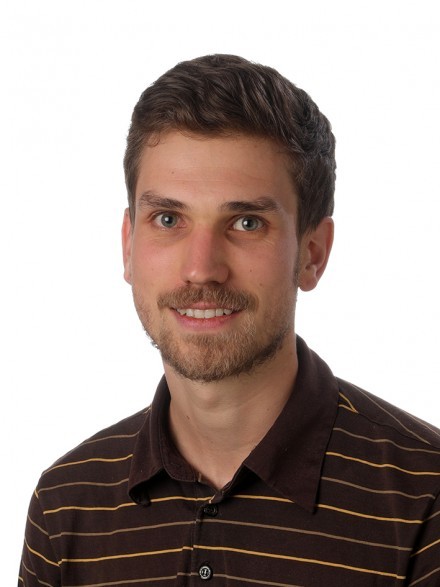
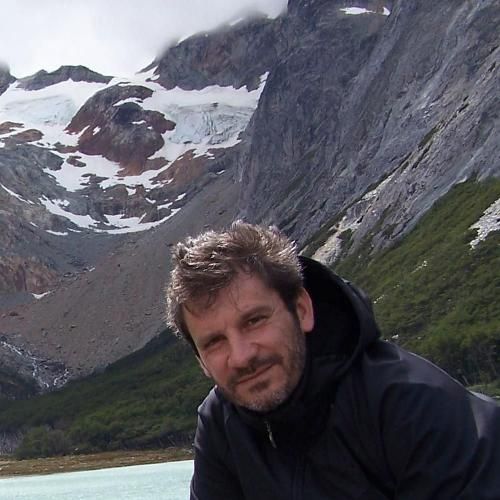
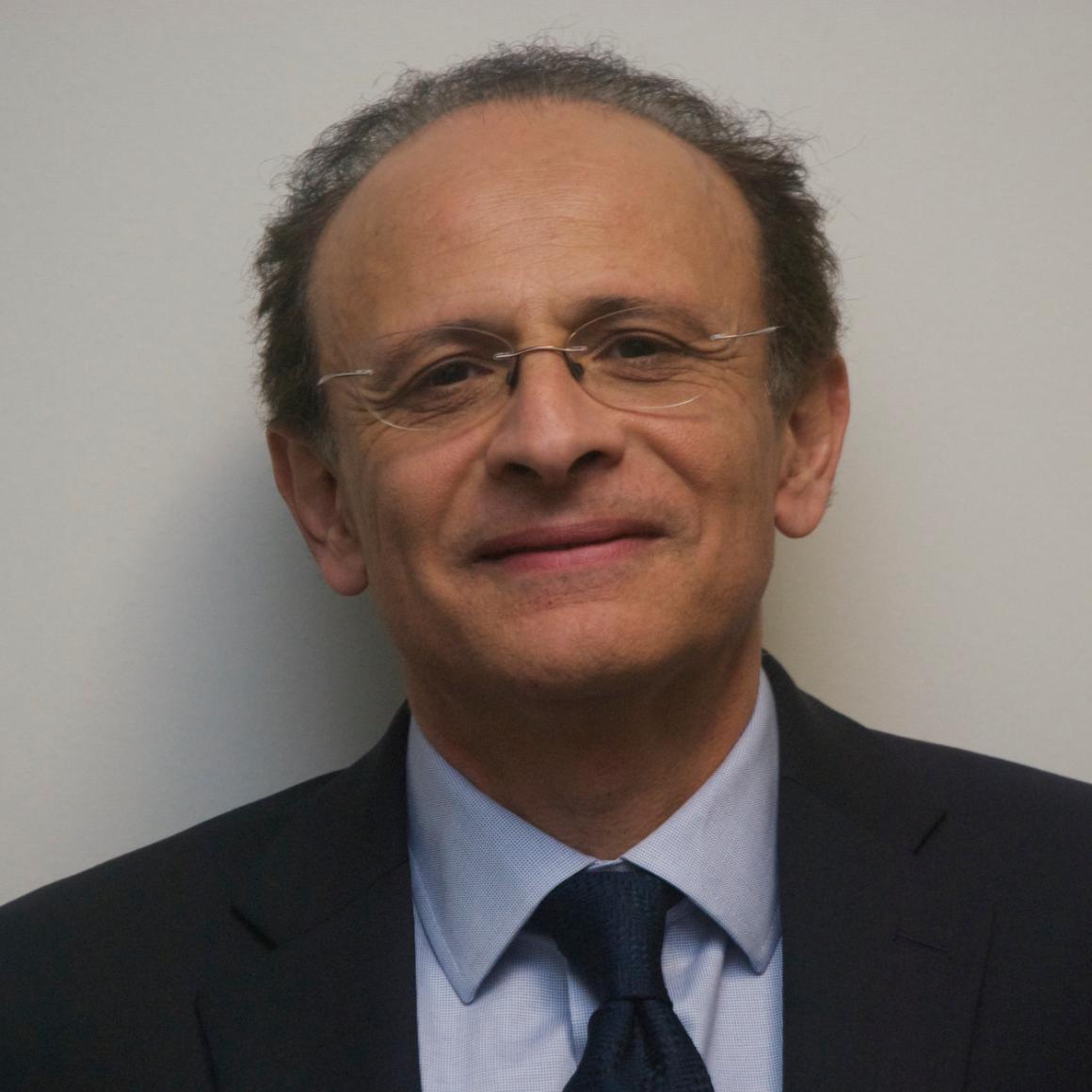
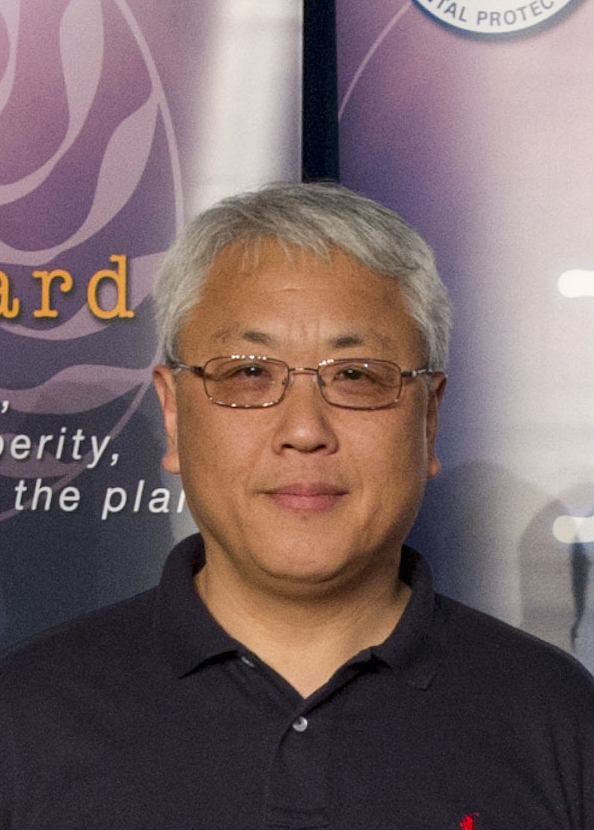
Andreas Oschlies is a Professor of Marine Biogeochemical Modeling at the University of Kiel and GEOMAR Helmholtz Centre for Ocean Research Kiel. He holds affiliations with both institutions and contributes to interdisciplinary research in oceanography and climate science. Education: Theoretical Physics at Heidelberg and Cambridge, PhD in Oceanography from Kiel University Previous Positions: Toulouse, Southampton His research focuses on global biogeochemical cycles, particularly carbon, nitrogen, and oxygen dynamics in marine environments. Key areas include climate modeling, ocean deoxygenation, and marine ecosystem responses to anthropogenic interventions. Recent publications highlight his work on artificial upwelling systems, carbon dioxide removal frameworks, and biogeochemical feedbacks in oxygen minimum zones. These studies span Earth system modeling, nutrient cycle sensitivity analyses, and microbial dynamics under resource limitation. No scientific awards or student advising details are explicitly listed in this profile.
Ainhoa Sarmiento Garcia is an Assistant Professor at the University of León, affiliated with the Faculty of Veterinary's Department of Animal Production. Her research focuses on poultry nutrition, mineral supplementation, meat quality, and sustainable feed strategies using agricultural byproducts. Education: PhD in Animal Production (2019, Universidad de Salamanca) with thesis on rearing conditions affecting organic chicken production and meat quality. Her work investigates nutritional interventions to improve egg quality and antioxidant capacity, optimize bone health, and reduce mineral excretion in quails. She also explores innovative feed additives like mushroom powder, lemon peel, and insect-based diets for poultry and pigs. Recent research trends include hydroxychloride mineral sources, phytogenic supplements (thyme, purple carrot), and cryopreservation techniques for Iberian pork. She has been recognized with the III Premio Grupo Omega de Nutrición Animal (2022). Scientific Awards: III Premio Grupo Omega de Nutrición Animal (2022) Her publications span meat science, feed optimization, and functional ingredient applications in livestock, with particular emphasis on quail and Iberian pig systems.
Jean-Alix BARRAT is a University Professor at the University of Western Brittany and a researcher at the LEMAR Laboratory. His work focuses on geochemistry, planetary science, and environmental pollution, particularly through the study of rare earth elements, meteorites, and isotopic compositions. University of Western Brittany LEMAR Laboratory His research interests include: Trace element analysis in environmental systems Geochemical studies of Martian and other planetary meteorites Isotopic variations in primitive planetary bodies Environmental contamination by rare earth elements Impact processes and tektite formation Mantle plume geochemistry Recent publications highlight his contributions to understanding: Rare earth element dynamics in beers and biological systems New meteorite discoveries (CI1, aubrites, H-chondrites) Isotopic constraints on solar system evolution Trace element redistribution in marine and terrestrial environments Volatiles and noble gas signatures in planetary bodies Contact: barrat@univ-brest.fr
Athanasios Pappas is an Associate Professor at the Agricultural University of Athens (AUA), specializing in Animal Nutrition with a focus on Poultry Nutrition and Selenium Biochemistry. He holds a BSc from AUA (2002) and a PhD from the University of Glasgow (2006). His work integrates nutritional science with sustainable practices, emphasizing food waste utilization, trace element interactions, and antioxidant systems in livestock. Education: BSc in Agricultural Sciences, Agricultural University of Athens (2002) PhD in Poultry Nutrition, University of Glasgow (2006) Research Interests: His research spans selenium supplementation strategies in poultry, antioxidant mechanisms, food waste valorization in animal diets, and rare earth element profiling in dairy products. He investigates how maternal nutrition influences progeny health and explores circular economy models for agricultural by-products. Advising & Grants: Supervised 2 PhD students and participated in 10 doctoral committees Directed 3 research programs and contributed to 22 projects Supervised over 150 undergraduate students Labs & Teams: Based in the Laboratory of Nutritional Physiology & Feeding , he collaborates with interdisciplinary teams on elemental metabolomics and sustainable livestock nutrition. His work addresses global challenges in food security and environmental sustainability.
Wolfram Buss is a Research Fellow at the Australian National University (ANU), affiliated with the Borevitz Group in the Research School of Biology. He holds a PhD from the University of Edinburgh (2016) and has held roles including postdoctoral researcher at the University of Edinburgh (2017), independent consultant, casual academic at ANU's Fenner School (2018–2019), and CSIRO Ag and Food researcher (2018–2019). Currently, his research focuses on land-based carbon sequestration, biochar applications, and sustainable agricultural solutions. Education : PhD in Environmental Sciences, University of Edinburgh (2016) Research Interests : His work integrates soil science, plant biology, and environmental chemistry to address climate change challenges. Key areas include carbon sequestration via biochar, nutrient cycling optimization, and mitigating environmental pollutants. He emphasizes interdisciplinary approaches to develop sustainable solutions for agriculture and energy sectors. Key Projects : Enhanced weathering via mineral-soil interactions Biochar engineering for carbon capture and nutrient delivery Climate-resilient crop adaptations under drought conditions Grants & Collaborations : Principal investigator for projects on biochar production from ACT biosolids Collaborator on Net Zero frameworks and nutrient-sequestration analysis Labs/Teams : Leads the Carbon Removal Research Group and contributes to the Agricultural Sustainability Team at ANU's Institute for Climate, Energy & Disaster Solutions (ICEDS).
Maite Maldonado is an Associate Professor in the Department of Earth, Ocean & Atmospheric Sciences at the University of British Columbia (UBC). She holds a Canada Research Chair II and has been a faculty member since 2003. Her research focuses on trace metal acquisition mechanisms in marine phytoplankton and bacteria, and their role in regulating oceanic primary productivity and climate. Education: B.A., Smith College (1991) Ph.D., McGill University (1999) Postdoctoral training at UC Santa Cruz, Princeton University, and University of Maine Research Interests: Physiological mechanisms of trace metal (Fe, Cu, Zn) utilization in marine microbes Biogeochemical cycles of trace elements in oceans Climate impacts of phytoplankton metal physiology Trace metal interactions with harmful algal blooms Recent Article Trends: Recent work emphasizes Arctic Ocean trace metal dynamics, microplastic pollution quantification via radiocarbon methods, and aerosol effects on phytoplankton communities in Fe-limited regions. Her studies bridge lab experiments with field observations in critical zones like the Northeast Pacific and Subarctic. Grants & Advising: Supervised 15+ doctoral/master's students since 2012 Extensive fieldwork in Line P transect, Beaufort Sea, and Strait of Georgia Collaborations with Fisheries and Oceans Canada, Metro Vancouver Labs & Teams: Member of UBC's Climate Crisis Committee Active in Bamfield Marine Sciences Centre programs Canada Research Chair in Marine Biogeochemistry
Hanane Perrein-Ettajani is a Lecturer at the University of Angers (UCO), affiliated with the BIOSSE research team within the Faculty of Sciences. Her research focuses on ecotoxicology, particularly the biological impacts of pollutants—including metals, endocrine disruptors, and emerging contaminants like microplastics and nanoparticles—on marine and estuarine organisms. She holds a doctorate in ecotoxicology from the University of Tours (1994). Key research themes include pollutant bioavailability, ecotoxicological risks of nanoparticles, and the effects of microplastics on key species such as Scrobicularia plana, Corbicula fluminea, and Hediste diversicolor. Her work spans molecular responses, biomarker analysis, and mesocosm studies to assess environmental contamination impacts. Her recent articles (2024–2014) explore topics like aging effects on microplastic toxicity, nanoplastic trophic transfer, and the influence of salinity on nanoparticle behavior. She collaborates on projects such as PLASTERA (microplastic risk assessment) and NanoInformaTIX (nanoinformatics modeling). No scientific awards are explicitly mentioned in the text. Professionally, she contributes to programs like the Seine estuary microplastic study (PLASTIC-Seine) and serves on the Regional Entomological Atlas association. Her work integrates field and laboratory approaches to address contemporary environmental challenges, emphasizing ecological and human health impacts of pollutants.
FRANCISCO XABIER PONTEVEDRA POMBAL is an Associate Professor at the Department of Edaphology and Agricultural Chemistry, Faculty of Biology, University of Santiago de Compostela. He holds a Ph.D. from the same institution with a thesis on peatlands of Galicia (2002). His research focuses on environmental geochemistry, paleoenvironmental reconstruction, and soil dynamics, particularly in Iberian wetlands, peatlands, and mountainous regions. Key interests include climate change impacts, heavy metal distribution (especially mercury), and the interplay between soil properties and vegetation. He leads the GEMAP research group studying environmental applications to natural and cultural heritage preservation. Publications emphasize Holocene climate dynamics, soil pedology, and anthropogenic pollution effects. Notable projects include peatland mapping in Europe, geochemical analysis of historical environmental changes, and mercury cycling in forest soils. He collaborates with the Interuniversity Research Center for Atlantic Cultural Landscapes (CISPAC). His work bridges geology, ecology, and environmental management, contributing to both academic and conservation initiatives in Atlantic Europe and beyond.
William Johnson is a Professor in the Department of Geology & Geophysics at the University of Utah's College of Engineering, with a 30-year track record in colloid transport research and trace element biogeochemistry. He directs advanced facilities including ICP-MS and light scattering laboratories while maintaining active collaborations in environmental engineering, hydrology, and contaminant dynamics. Current research focuses on multi-scale colloid transport mechanisms in porous media Investigates mercury and selenium cycling in aquatic systems like Great Salt Lake Develops groundwater remediation strategies for mining-impacted environments His recent publications demonstrate theoretical advances in colloid filtration theory, including interception history models and nanoscale heterogeneity impacts. Over $5M in research grants from NSF, EPA, and state agencies support his work on contaminant transport, with particular emphasis on mercury isotope tracing and polymer-modified remediation materials. Mentoring 12 PhD and 34 MSc students, he maintains active teaching roles in graduate geochemistry and contaminant hydrology courses. Fundamental contributions to non-exponential transport behavior Established mercury source apportionment frameworks for saline lakes Developed lateral channel filtration for placer mining mitigation His research website (www.wpjohnsongroup.utah.edu/research.html) provides additional details about current projects and instrumentation capabilities.
Aria Amirbahman is a Professor and Chair of the Department of Civil, Environmental and Sustainable Engineering at Santa Clara University's School of Engineering since 2022. Prior to SCU, he served at the University of Maine from 1997-2020 and held visiting positions at ETH-Zürich and the U.S. Geological Survey. His research focuses on aquatic chemistry, contaminant transport, and water treatment, particularly studying metal and nutrient cycling in natural/engineered systems. Ph.D., University of California, Irvine M.S., San Jose State University B.S., San Jose State University His work integrates environmental science with engineering approaches, examining topics like phosphorus dynamics in lakes, mercury reduction kinetics, and advanced water treatment technologies. Publications highlight interdisciplinary applications in hydrology, biogeochemistry, and pollution control. Scientific contributions include: Sukhmander Singh Endowed Professor Registration as a Professional Engineer (California) He collaborates with institutions like the U.S. Geological Survey and has translated academic research into practical applications through patents and environmental engineering consulting.
Agata Szymańska-Pulikowska is a Researcher at the Department of Water Supply and Sewage Systems of Wrocław University of Science and Technology. Her work focuses on environmental engineering, particularly in landfill leachate treatment , groundwater contamination , and heavy metal remediation in soils. Specializes in constructed wetlands and activated sludge processes Uses FTIR spectroscopy for substrate and contaminant analysis Studies Phragmites australis and Ceratophyllum demersum phytoremediation potential Recent publications (2022-2025) emphasize: Heavy metal contamination in Polish soils Long-term monitoring of arable soil fertility Comparative analysis of biochar/zeolite substrates Bacterial biocenosis in activated sludge Biodegradable packaging decomposition mechanisms Her research integrates physicochemical indicators, toxicity testing, and plant-based remediation strategies to address municipal waste management challenges.
Gordana Jovanovic is an active Assistant Professor at Singidunum University's Faculty of Informatics and Computing, specializing in environmental chemistry with strong computational focus. Her research bridges atmospheric pollution dynamics and machine learning applications, evidenced by 15+ annual publications in high-impact journals. Research interests emphasize explainable AI applications for environmental systems, particularly: Atmospheric fate modeling of PM2.5-bound polycyclic aromatic hydrocarbons (PAHs) Volatile organic compound (VOC) behavior prediction using XGBoost/SHAP frameworks Marine pollution monitoring in the Adriatic Sea ecosystem Biomonitoring techniques for soil-plant-air pollution transfer Her publication trajectory shows significant methodological evolution from traditional environmental chemistry (2016-2021) to AI-integrated approaches since 2022, with recent work featured in Science of the Total Environment and Chemosphere . She co-authored the 2023 textbook 'Environmental Chemistry' and has contributed book chapters on AI applications in environmental science. Research collaborations span multiple institutions: University of Belgrade (doctoral alma mater and ongoing partnership) Croatian research groups (Adriatic Sea pollution studies) International co-authors from Montenegro, Russia, and Turkey Her advising approach emphasizes practical data science skills, with students typically contributing to conference presentations and journal publications. Current work focuses on advancing explainable AI frameworks for pollution source identification and health risk assessment, aligning with Singidunum University's new Applied Artificial Intelligence programs.
Marcin Czop, MD, PhD is an Assistant Professor at the Department of Clinical Genetics within the Faculty of Medicine at Medical University of Lublin. With a doctoral degree obtained in 2017, he maintains an active research profile with 136 publications, 1 research project, and 2 infrastructure items documented in institutional records. His research focuses on medical genetics, immunology, and stem cell research, with particular emphasis on molecular diagnostics, oncology, and biochemical analysis of various biological systems. The research tag cloud from institutional records indicates strong focus areas including B cells, multiple CD stem cells, immunology, phenotype analysis, and tumor research. Dr. Czop's recent publications demonstrate interdisciplinary work spanning medical genetics, nutrition science, phytochemistry, and critical care medicine. His research output shows consistent focus on biomarker discovery (particularly microRNAs), bioavailability studies of minerals and phytochemicals, and clinical investigations in areas like sepsis, diabetes, and ophthalmological conditions. ORCID: 0000-0002-8113-5841 Achievement: 1 documented institutional achievement His collaborative work includes international research efforts, particularly evident in safety climate studies of emergency care personnel across multiple countries. The research demonstrates strong methodological diversity including in vitro models, murine studies, clinical biomarker analysis, and phytochemical characterization.
Margaret Mars Brisbin is an Assistant Professor in the Biological Oceanography department at the University of South Florida College of Marine Science . As Principal Investigator of the MICO Lab , she specializes in marine microbial interactions, phytoplankton community dynamics, and harmful algal blooms (HABs) in coastal and open ocean systems. Her research integrates high-throughput RNA/DNA sequencing with advanced imaging techniques to investigate how microbial symbioses influence large-scale ecosystem processes like primary production and carbon sequestration. Ph.D. from Okinawa Institute of Science and Technology (Japan) Office: 727.553.1106 | Email: mmarsbrisbin@usf.edu Research Focus : The MICO Lab studies mechanisms of microbial interactions in aquatic systems, host-symbiont recognition in phytoplankton, resource mediation in symbiotic relationships, and evolutionary resilience of microbial communities. Key systems include: Acantharia-Phaeocystis endosymbioses Phaeocystis colony-microbiome interactions Bacterial interactions with Pyrodinium bahamense (HAB-forming dinoflagellate) Using meta'omics, microscopy, and environmental sampling, Dr. Brisbin's team investigates how climate change and extreme events (hurricanes, heatwaves) alter microbial community dynamics and ecosystem feedback mechanisms. Their work addresses critical questions about carbon fixation, nutrient cycling, and microbial relationship stability under environmental stress. Lab & Outreach Activities : The MICO Lab actively engages in community education through initiatives like: St. Pete Science Festival exhibits with live plankton imaging USF CMS Art & Science Exhibit with plankton block prints Oceanography Camp for Girls mentorship Virtual science sessions with elementary school students
Zhi-Qing Lin is a Professor of Environmental Resources and Policy at Southern Illinois University Edwardsville (SIUE) and a Cooperative Faculty member with Southern Illinois University Carbondale (SIUC) . He has held leadership roles such as Chair of the Department of Environmental Sciences and Director of the Environmental Sciences Program at SIUE. His research is centered on phytoremediation , biogeochemical cycling of contaminants , and plant-soil interactions , with a particular emphasis on selenium and trace elements . Education: Postdoctoral Research Fellow, University of California at Berkeley, USA (1996–2000) Ph.D., McGill University, Canada (1996) M.S., Chinese Academy of Sciences, China (1986) B.S., Liaoning University, China (1983) Research Focus: His interdisciplinary research program integrates laboratory, field, and theoretical approaches to develop phytoremediation technologies for cleaning up trace element-contaminated water and soil. He investigates phytoextraction , phytostabilization , phytovolatilization , and constructed wetland treatment systems . His work also delves into the biogeochemical cycles of contaminants and their transport, fate, and transformation in ecosystems , as well as ecosystem responses to phytoremediation . Publications & Contributions: His extensive publication record includes over 100 peer-reviewed journal articles, multiple edited books on selenium research, and chapters in environmental science texts. He has co-edited several influential volumes on selenium in the environment and human health , and his work has been featured in prominent journals such as Environmental Science & Technology , Journal of Environmental Quality , and Geochimica et Cosmochimica Acta . Professional Service & Leadership: Vice President , International Society of Environmental Indicators (2009–2015) Secretary , International Society for Selenium Research (2020–present) Treasurer , International Society for Selenium Research (2012–2019) Chair , Environmental Science Division, Illinois State Academy of Science (2004–2006) Editorial Board Member , Journal of Environmental Indicators and Current Bioactive Compounds Theme Editor , Encyclopedia of Life Support Systems (EOLSS) , UNESCO Conference Chair/Co-Chair for multiple international conferences on selenium and phytoremediation Grants & Funding: He has served as an invited reviewer for funding agencies including the U.S. National Science Foundation, USDA, Swiss National Science Foundation, and Qatar National Research Fund, indicating his significant role in shaping environmental research funding priorities. Laboratory & Teaching: He teaches courses such as Applied Ecology , Toxicants in Environment: Sampling and Analysis , Environmental Sampling , and Pollution Ecology , and leads an active research group focused on environmental remediation and sustainability.