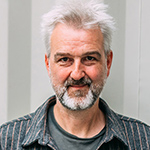
Professor Marcin Szwed serves at the Department of Psychophysiology within the Faculty of Philosophy at Jagiellonian University in Kraków, Poland. His office is located at Ingardena 6, room 6.11, with contact email m.szwed@uj.edu.pl and phone number 12 663 24 40. His research focuses on brain plasticity mechanisms , particularly investigating cross-modal reorganization in sensory-deprived populations (blind and deaf individuals) and environmental impacts on neurodevelopment. His work spans multiple domains including tactile reading (Braille), interoception in blindness, auditory processing in deafness, and the effects of air pollution on children's cognitive development through the NeuroSmog project. His publication record shows consistent research output since 2000, with recent work increasingly focusing on environmental neuroscience (air pollution effects) while maintaining his core interest in sensory substitution and brain plasticity. His 2023-2025 publications demonstrate a strong emphasis on methodological rigor with advanced neuroimaging techniques and large-scale cohort studies. Prof. Szwed actively supervises research through the Szwed Lab, which is currently recruiting two PhD students for October 2025 to work on NeuroSmog project data using machine learning and advanced statistical methods for analyzing critical periods of smog exposure.
Niklas Ravaja is a Professor in the Department of Psychology at the University of Helsinki, where he serves as a Supervisor in multiple doctoral programs including Human Behavior, Cognition, Learning, Teaching and Communication, Social Sciences, and Population Health. He is also affiliated with the Helsinki Information Technology Research Institute. His research spans interdisciplinary domains connecting psychology with technology and neuroscience. Professor Ravaja's research focuses on the intersection of psychological processes, physiological responses, and technological interfaces. His work examines how social interactions manifest in physiological arousal, particularly in face-to-face versus mediated communication contexts. He investigates time perception alterations under different emotional and intentional states, exploring how cognitive processes influence temporal experience. His research on virtual reality environments examines emotional responses during intergroup encounters and the impact of haptic feedback on social interaction. Ravaja's work consistently integrates neuroscience methodologies with social psychology questions, creating innovative approaches to understanding human behavior in technologically mediated environments. Analysis of his recent publications reveals a strong trend toward neuroadaptive interfaces and physiological measurement in social contexts. His work increasingly focuses on comparing in-person versus mediated interactions, particularly examining how video communication alters physiological responses during self-disclosure. There's a clear progression from basic research on emotional responses to applied work on health behavior change through biofeedback applications. The integration of virtual reality with physiological measurement represents a significant methodological innovation across his recent work. Professor Ravaja has secured substantial research funding from the Academy of Finland, currently leading three active projects: Meta (focusing on programmable metasurface networks), EngIne (examining engagement in remote social interactions), and PREventive Care Infrastructure. His previous projects have included investigations of mediated haptic communication during social decision making. These projects demonstrate his ability to secure competitive funding for interdisciplinary research bridging psychology, neuroscience, and technology. His academic activities include extensive peer review work (17 instances documented), conference participation and organization (4 instances), editorial work, and academic visits to institutions including University Rennes 1 Graduate School of Management. He has also contributed to media discussions through interviews with Tietoviikko and Hämeen Sanomat, demonstrating his engagement with public discourse around psychological research.
Dr. Elliot Pirie serves as the Associate Dean for Academic Development and Student Engagement for Robert Gordon University's School of Computing, Engineering and Technology (SoCET), with overarching responsibility for taught provision, student experience, and international partnerships. His academic career spans multiple leadership roles including Academic Strategic Lead for International Developments, Postgraduate Provision, Commercialization, and Subject Team Lead for Marketing. He is a Fellow of the Higher Education Academy and serves on the university's Quality Assurance and Enhancement Committee. Dr. Pirie's research interests align with RGU's priority themes of Pedagogy; Living in a Digital World; and Inclusive and Creative Societies. His work spans online consumer psychology (with his PhD focusing on haptic information's influence on consumer decision making), pedagogical developments in both online and offline contexts, and heritage storytelling. Recent publications demonstrate his expertise in digital marketing education, foodstagramming behavior, and intangible cultural heritage preservation. Pedagogy and educational innovation Online consumer behavior and digital marketing Use and acceptance of technology in retail environments Experiential marketing and events management Heritage storytelling and cultural preservation Dr. Pirie's extensive publication record includes 15 significant outputs from 2015-2025, with recent work focusing on collaborative online international learning, digital marketing curriculum development, and heritage storytelling methodology. His research demonstrates consistent engagement with contemporary issues in digital education, consumer behavior, and cultural preservation. Dr. Pirie has received recognition through his external examiner roles at multiple universities and his leadership in developing Scotland's first BA(Hons) Digital Marketing program. His work with accrediting bodies including the Chartered Institute of Marketing (CIM), Digital Marketing Institute (DMI) and Digital Marketing Association demonstrates industry recognition of his expertise. As a supervisor, Dr. Pirie currently guides 9 doctoral students across Computing, Marketing, Media Studies, Consumer Behavior, and Creative and Cultural Business disciplines. His leadership extends to coordinating RGU's Swiss partner programs with the Benedict Schule in Zurich and Lucerne and developing innovative experiential learning approaches that blend theory and practice to advance student professional development.
Erin Cornelsen serves as a Faculty Instructor in the Department of Accounting and Finance at the Beacom School of Business, University of South Dakota, teaching financial accounting, data analytics, and auditing. Her industry background includes Audit and Assurance Services at Deloitte and Touche with specialization in Insurance Industry and Higher Education compliance. Educational background: Master of Public Accountancy in Accounting, University of Nebraska - Lincoln (2002) BS in Business, University of Nebraska - Lincoln (2001) Research centers on Financial Accounting, IFRS, Auditing, and Teaching Pedagogy, with emphasis on internal control weaknesses, audit committee dynamics, and technology integration in accounting education. Her work bridges theoretical frameworks with practical applications in regulatory compliance and pedagogical innovation. Publication trends reveal consistent focus on internal control systems and auditing practices, featuring empirical analyses of material weaknesses and management disputes. Recent work incorporates data analytics in decision support systems, while her forthcoming 2026 publication addresses ethical crises in the CPA profession through the EY cheating scandal case study. Secured Beacom School of Business funding for the 2016 project "Impact of Internal Control Mandates of SOX on US Companies." Collaborates with students on research publications but maintains no formal advisee listings in her academic profile.
Jenny Faucheu is a Full Professor at Mines Saint-Étienne specializing in Materials for Design and the Creative Industries. With 53 publications and over 35,000 reads on ResearchGate, she has established herself as a leading researcher at the intersection of materials science, tactile perception, and design. Her work bridges engineering principles with human sensory experience to inform better product design. Professor Faucheu's research focuses on understanding how humans perceive and emotionally respond to textures through touch. Her expertise spans tactile aesthetics, smart materials, polymer nanocomposites, and graphene-based materials. She investigates the relationship between physical surface properties and subjective emotional responses, particularly examining how textures elicit 'liking' versus 'beauty' judgments. Her recent work explores multimodal perception, studying how visual information influences tactile experience and how cognitive factors like working memory affect texture evaluation. Analysis of her 15 most recent publications reveals a consistent focus on the psychophysical aspects of texture perception, with increasing attention to crossmodal interactions and individual differences in sensory processing. Her research has evolved from fundamental studies of friction-induced vibrations to more complex investigations of emotional responses and cognitive mechanisms underlying tactile aesthetics. The work demonstrates strong connections between materials engineering and human-centered design principles. Professor Faucheu's approach emphasizes the importance of interdisciplinary collaboration, combining expertise from mechanical engineering, psychology, and design to create a comprehensive understanding of material perception. Her educational work focuses on developing tools to teach design students about smart materials and their dynamic behaviors, reflecting her commitment to advancing design education through materials knowledge. Her research on VO2-polymer nanocomposites for thermochromic windows represents an important application area, with studies examining both technical performance and environmental impact through life cycle assessments. This work demonstrates her ability to connect fundamental materials research with practical, sustainable applications for energy-efficient building technologies.
Dr. Stacey Smith serves as Associate Professor and Director of the Tourism and Hospitality Management Program within the Department of Applied Business Studies at Fort Hays State University's College of Business and Leadership. Her industry background in event planning and hotel operations provides practical grounding for her academic leadership. Dr. Smith's educational credentials include: Ph.D. in Hospitality and Tourism Management from Purdue University M.S. in Hotel, Restaurant, and Travel Administration from University of Massachusetts - Amherst B.B.A. in Management from Fort Hays State University B.S. in Information Networking and Telecommunications from Fort Hays State University Her research program centers on crisis preparedness for tourism industries, with significant contributions to understanding meeting planners' risk perceptions and operational resilience strategies. Additional investigations explore social media applications in tourism marketing, customer service training in lodging, and conventions management. Dr. Smith's work consistently bridges academic theory with operational practice through industry collaboration. Publications spanning 2002-2010 reveal evolving research trajectories from hospitality education evaluation to contemporary crisis management frameworks, demonstrating sustained scholarly engagement with critical industry challenges. Her work appears in specialized journals including Journal of Convention & Event Tourism and Journal of Hospitality & Tourism Education. As program director, Dr. Smith oversees curriculum development for tourism and hospitality degrees while teaching core courses in management, marketing, and operations. Her professional activities include active participation in I-CHRIE, AHLA, and Eta Sigma Delta, maintaining strong industry-academia connections. Students benefit from her dual expertise in academic research and frontline hospitality operations, particularly in crisis management applications.
David Mahns is an Associate Professor in Integrative Physiology at the School of Medicine, Western Sydney University. His academic journey began with doctoral work in Cardiovascular Physiology completed in 1999, followed by post-doctoral work in sensory physiology under Professor Mark Rowe as an NHMRC research officer. He served as Lecturer & Course coordinator from 2003-2006, and was appointed Senior Lecturer in Integrative Physiology in 2007 before advancing to his current position as Associate Professor. Dr. Mahns specializes in quantifying the contribution of sensory nerves arising from skin and deep structures such as muscle and bone to perception. His research addresses how we distinguish between non-painful (e.g., innocuous touch) and painful stimuli using psychophysical observations and detailed electrophysiological recording. In collaboration with Professor Macefield, he examines the contribution of different sensory nerves to allodynia, where gentle touch is perceived as painful. His work spans integrative physiology, microneurography, neuroscience, pain mechanisms, and sensory physiology. Dr. Mahns holds the following qualifications: Bachelor of Science (Physiology and Pharmacology, UNSW) Bachelor of Science Honours (Physiology, UNSW) Doctor of Philosophy (Neurophysiology, UNSW) His research publications demonstrate expertise in sensory nerve mechanisms, pain perception, neural coding of tactile stimuli, and the physiological basis of allodynia. Recent work has focused on understanding how C-tactile fibers contribute to cutaneous allodynia, how Pacinian corpuscles contribute to frequency discrimination, and the neural mechanisms underlying the nociceptive withdrawal reflex. Dr. Mahns has made significant contributions to understanding the peripheral and central mechanisms of sensory processing, with particular attention to the crossover between innocuous touch and pain perception. His work bridges basic neuroscience with clinical applications, particularly in understanding pathological pain conditions. As an active researcher with 108 publications and extensive citation record, Dr. Mahns supervises students in the field of sensory physiology and neuroscience. His research group provides opportunities to investigate the neural mechanisms underlying tactile perception and pain using both human psychophysical approaches and electrophysiological techniques.
Dr. I. Aulika is a Senior Researcher at the Institute of Solid State Physics, University of Latvia, where she leads research in the Thin Films Laboratory. Her work focuses on optical tactile sensing (particularly the OptoSkin technology), OLED materials, and smart window materials. Dr. Aulika has over 64 publications with more than 8,000 reads and 346 citations, demonstrating significant impact in her field. She actively participates in major European research projects including Sestosenso and SWEB, and serves as a representative for ISSP UL's industry collaboration platform Materize across several European countries. Dr. Aulika's research interests span multiple cutting-edge areas in materials science and optical engineering. She specializes in spectroscopic ellipsometry for material characterization, optical modeling , and the development of innovative materials including rare-earth metal oxy-hydrides (Y, Gd, Dy and Er), YO, Y2O3, Ga2O3, and ZnO2. Her work on Direct ToF tactile sensing aims to revolutionize touch perception in robotics, while her research on OLED materials contributes to advancements in display technology. Additionally, she investigates photochromic materials and transparent conducting oxides for smart window applications, demonstrating a versatile research portfolio that bridges fundamental science with practical applications. Dr. Aulika's publication record shows a consistent focus on thin film characterization and optical properties, with recent work increasingly centered on optical tactile sensors and OLED materials. Her most recent articles (2024-2025) demonstrate expertise in spectroscopic ellipsometry applied to organic thin films, phase transitions in OLED stacks, and material effects in direct Time-of-Flight sensing systems. She has made significant contributions to understanding yttrium-based photochromic materials and transparent conducting coatings, with applications ranging from robotics to energy-efficient windows. Dr. Aulika has received notable recognition for her work, including: UNESCO L'ORÉAL Latvian National Fellowship for Women in Science (2008) Multiple European Social Funds Scholarships (2006-2008) As a Project Manager at the Institute of Solid State Physics, Dr. Aulika is involved in new R&D idea development, project writing and evaluation, and establishing industrial and academic partnerships. She serves as a local contact point for proposal writing and execution, and represents ISSP UL's industry collaboration platform Materize in Italy, France, Spain, and Switzerland. Her leadership extends to developing lecture materials for MSc physics students on applications of piezoelectric materials, demonstrating her commitment to education alongside research. Dr. Aulika leads the Thin Films Laboratory at the Institute of Solid State Physics, University of Latvia, where her team focuses on point of darkness modeling for biomedical sensor applications, spectroscopic ellipsometry, optical modeling, and thin film technologies. The laboratory's work on innovative materials, particularly rare-earth metal oxy-hydrides, supports cutting-edge research in optical tactile sensing, OLEDs, and smart windows. Through projects like Sestosenso and SWEB, her lab bridges fundamental research with practical applications in robotics, display technology, and energy-efficient building materials.
Gavin R Rumbaugh is a Professor in the Department of Neuroscience at Scripps Research/UF Scripps, where he leads the Rumbaugh Laboratory. His research focuses on molecular and genetic mechanisms that shape synapse and circuit biology within the mammalian nervous system, with particular emphasis on understanding how neurodevelopmental disorder genes impact cognitive processing and behavioral adaptation. Dr. Rumbaugh's laboratory employs cutting-edge technologies to investigate how mutations in genes like SYNGAP1 disrupt neural circuit function and contribute to conditions such as autism spectrum disorder. Dr. Rumbaugh received his Ph.D. in Biophysics and Pharmacology from Georgetown University in 2000, followed by a postdoctoral fellowship at Johns Hopkins School of Medicine (2000-2006) under Richard Huganir. His academic career at Scripps Research progressed from Assistant Professor (2010-2012), to Associate Professor (2012-2019), and currently Professor (2019-present). He also served as an Adjunct Assistant Professor at the University of Alabama at Birmingham (2006-2009). The Rumbaugh laboratory investigates how major neurodevelopmental risk genes disrupt synapse function and circuit connectivity through three collaborative working groups: the Neuronal Cell Biology Group (focusing on molecular mechanisms within neuronal subtypes), the Systems Neurobiology Group (using rodent models to understand neural circuit connectivity), and the Small Molecule Discovery Group (seeking drug-like molecules to regulate gene expression). Research employs advanced techniques including Neuropixels, two-photon microscopy, patch clamp, DeepLabCut, whole-brain software, high-throughput screening, and miniscope imaging to study neural circuits and develop potential therapeutic interventions. Dr. Rumbaugh's publication record demonstrates consistent focus on SYNGAP1-related mechanisms in neurodevelopmental disorders, with recent work exploring cortical sensorimotor dynamics, synaptic plasticity, and therapeutic approaches. His research shows a clear trajectory from basic molecular mechanisms to translational applications, with increasing emphasis on circuit-level understanding and potential therapeutic interventions for neurodevelopmental conditions. Dr. Rumbaugh has received numerous prestigious awards: Member of National Advisory Mental Health Council (2024, NIMH) Kavli Fellow, Frontiers of Science (2015-2019) NARSAD Faculty Research Award (2009) Alabama Health Sciences Foundation Scholar (2006) National Research Scholar Award (2002) Multiple Faculty of 1000 Selections recognizing significant contributions As Principal Investigator, Dr. Rumbaugh oversees multiple NIH-funded research projects totaling millions of dollars. His current grants focus on synaptic actin-myosin dynamics, control of synaptic circuits, precision therapy development for monogenic mental health disorders, and understanding the impact of autism genetic risk on cortical sensorimotor dynamics. The laboratory maintains strong collaborations with the Miller Lab at Scripps Florida, as well as researchers at Johns Hopkins, Baylor College of Medicine, Max Planck Florida Institute, and other institutions, combining expertise from basic scientists, clinicians, and families of patients with neurodevelopmental disorders.
Dr. Lili Zheng is a Professor and Researcher in Marketing at Excelia, La Rochelle, France, specializing in consumer behavior in the digital age, technology adoption, and digital business transformation. Her work bridges academic research and practical applications in digital marketing and e-commerce. Her educational credentials include: Habilitation à diriger des recherches (HDR), Sciences de Gestion, Université Paris Nanterre (2022) PhD in Management Sciences, Marketing, Université de Grenoble (2013) Master of Science in Marketing, Université de Rennes 1 (2010) Professor Zheng's research centers on consumer psychology in digital environments, examining how emotions, cultural factors, and risk perception influence online decision-making, satisfaction, and loyalty. Her methodologies integrate cross-cultural comparative studies with advanced survey techniques, yielding insights applicable to global e-commerce strategies and technology design. Recent work explores AI-driven gamification in cultural institutions and mobile application engagement dynamics. Her publication trajectory (2014-2025) reveals evolving focus from foundational cross-cultural risk perception studies to contemporary investigations of AI in museums and mobile app psychology, consistently emphasizing emotional drivers in digital consumer behavior across diverse contexts including banking, tourism, and recycling. She has received significant recognition including: Eiffel France Excellence Scholarship China Excellence Scholarship Mobility grant from Auvergne-Rhône-Alpes Region Professor Zheng actively supervises doctoral research on blue tourism and mobile payment adoption while coordinating international projects with institutions like UQAM. She serves on scientific committees for conferences including IBIMA and co-organizes the International AI Research Day, demonstrating leadership in knowledge dissemination. Her editorial contributions to journals like Journal of Business Research and conference proceedings further establish her influence in marketing sciences. As a member of AIM, FNEGE, AFM, and AFREN, she actively shapes research discourse through peer review and collaborative initiatives focused on digital transformation in business contexts.
Professor Frank Jacob is a Professor of Interface Design at the Muthesius Academy of Art and Design in Kiel, where he has been developing this specialized focus within the Industrial Design program since 2005. He is also a member of the Cluster of Excellence for Inflammation Research 'Inflammation at Interfaces' since 2011, conducting interdisciplinary research with students in medical and bioinformatics fields. Frank Jacob's research interests center around interface design, user experience, usability, and interaction design, with particular expertise in motion graphics, affordance theory, and the relationship between aesthetics and usability. His work bridges design theory with practical applications in medical informatics and bioinformatics. His research demonstrates a consistent focus on how design principles can enhance user interaction with technology across various domains from consumer products to medical applications. His publications from 2005-2011 reveal a strong trajectory in understanding the intersection of usability and aesthetic design, with particular emphasis on motion graphics, touch interfaces, and conceptual design frameworks. The publications show progression from foundational work on affordances and usability in industry toward more specialized applications in mobile interfaces and natural user interfaces. 2012 red dot communication design award, category: Mobile & Apps 2011 Nomination for the Design Award of the Federal Republic of Germany 2012 (4x) 2011 iF communication design award, category: Product Interfaces (2x) 2010 red dot award for highest design quality: 'red dot: best of the best' (2x) 2010 iF communication design award, category: Product Interfaces 2009 Best Session Award from the Usability Professionals Association UPA 2009 Nomination for the Design Award of the Federal Republic of Germany 2010 2008 red dot award for highest design quality: 'red dot: best of the best' 2006 Best Session Award from the Usability Professionals Association UPA Professor Jacob has been actively involved in advising students through his research projects, particularly within the Cluster of Excellence for Inflammation Research. His professional activities extend to numerous international conferences where he has presented on topics ranging from multitouch interaction to the innovation potential of interaction design for product design. He maintains his own design office 'human interface.design' in Hamburg, which specializes in user-centered design of technical devices and interactive media. He is an active member of several professional organizations including the Usability Professionals Association (UPA), the German Society for Design Theory and Research (DGTF), the German Informatics Society (GI), and the Association for Computing Machinery (ACM). He also serves on the advisory board of iCom – Journal for Interactive and Cooperative Media.
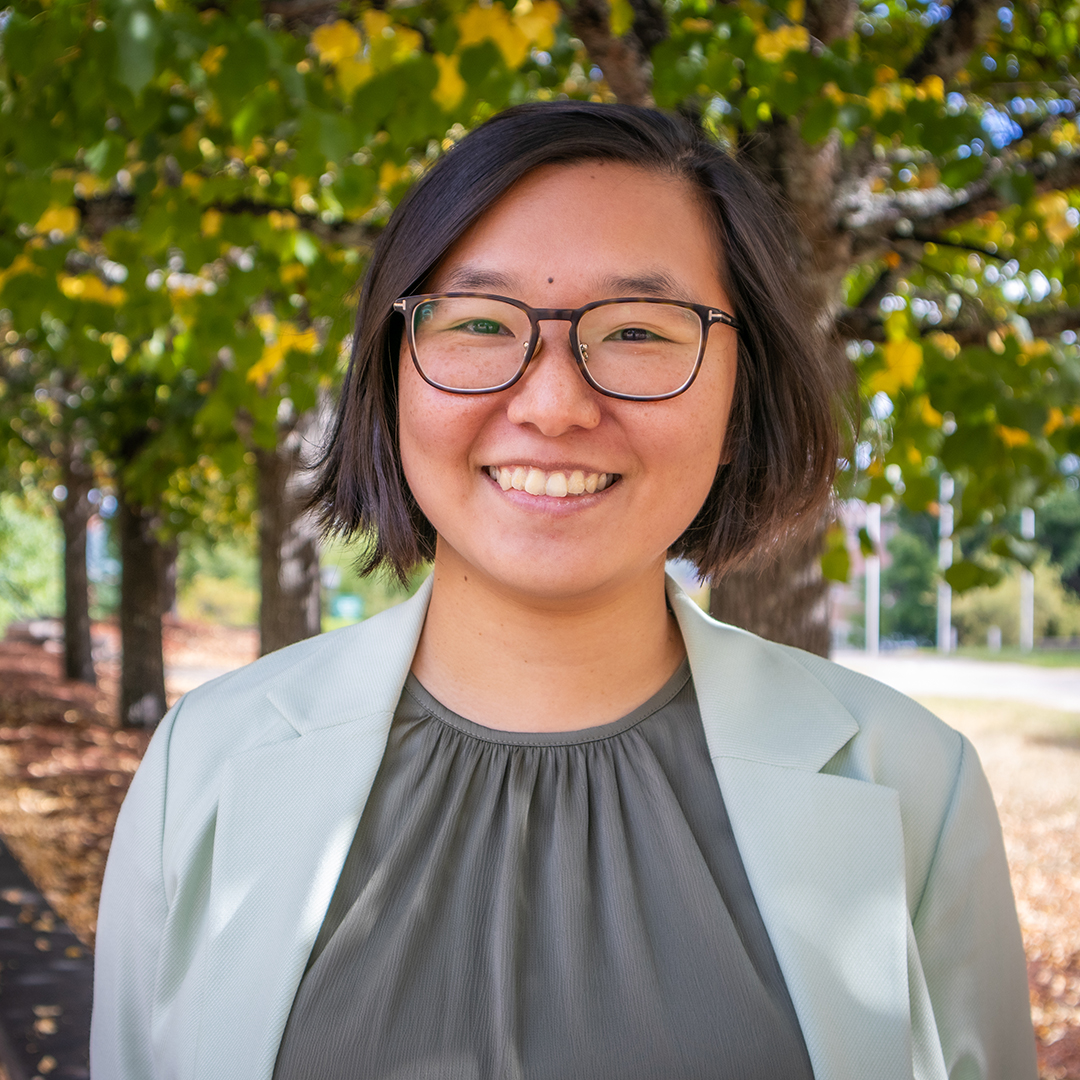
Doris Chow is an active Assistant Professor of Psychology at St. Thomas University (STU), where she has served on faculty since 2022. Her research laboratory focuses on multisensory perception and cognition, investigating how humans integrate sensory information across the lifespan through experimental studies with human participants. She teaches core psychology courses including Introduction to Psychology, Perception, and Visual Perception, while mentoring undergraduate researchers in experimental design and scientific communication. Her educational background spans a Bachelor of Social Sciences and Master of Philosophy from the University of Hong Kong, followed by a Ph.D. in Developmental and Brain Sciences from the University of Massachusetts Boston and postdoctoral training at the University of British Columbia Vancouver. Dr. Chow's research examines the neural mechanisms of multisensory integration, with emphasis on how perceptual abilities evolve from infancy through adulthood and the consequences when these processes malfunction. Her work bridges experimental psychology, vision science, and developmental neuroscience through controlled laboratory experiments. Current research trends in her publications reveal consistent focus on cross-modal interactions (particularly audio-visual and audio-tactile), developmental trajectories of perception, and the neural underpinnings of sensory integration. Recent work increasingly incorporates infant studies and computational approaches to understanding perceptual organization. Scientific recognition includes: NSERC Discovery Grant (awarded summer 2024) Harrison McCain Foundation research funding Dr. Chow maintains an active mentoring program where students develop research skills through honors theses and NSERC-funded projects. Her lab has produced multiple conference presentations at venues like Vision Sciences Society and Science Atlantic, with recent graduates accepted into competitive graduate programs including the Max Planck School of Cognition. She collaborates with community partners such as the Museum of Science in Boston (2014-2018) and continues this outreach approach at STU. The Multisensory Perception and Cognition Laboratory involves undergraduate researchers in all stages of experimental work, from participant recruitment to data analysis. Current projects examine haptic exploration strategies, sound-shape correspondences, and optic flow perception, with strong emphasis on developing students' academic writing and technical skills for research careers.