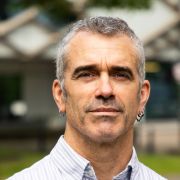
Dr. Ramzi Abou-Arraj is a tenured Professor and Interim Associate Dean at the University of Alabama at Birmingham School of Dentistry , where he has served since 2012. His academic appointments span Periodontology, the Global Center for Craniofacial Oral and Dental Disorders (GC-CODED), and the School of Medicine's Center for Clinical and Translational Science (CCTS). Education : Doctor of Dental Surgery (DDS) from Saint-Joseph University (2003), Certificate in Periodontics (2012), and Master of Science in Dental Clinical Sciences from UAB (2012). Dr. Abou-Arraj's research focuses on periodontal regeneration , bone augmentation techniques , and soft tissue grafting around dental implants. His work evaluates biomaterials (e.g., acellular dermal matrix, rh-FGF-2/β-TCP), anatomical factors in sinus surgery, and patient-centered outcomes in mucogingival procedures. Recent publications (2015-2023) demonstrate trends in bone particle size effects , wound dressing modalities , and peri-implant tissue management . He has secured extramural funding from NIH, Straumann, and Medtronic for clinical trials on implant complications and regenerative therapies. Scientific Awards : AADR William B. Clark Fellowship and AAPF Richard Lazzara Fellowship in Advanced Implant Surgery. As an educator, Dr. Abou-Arraj has taught graduate implantology, periodontology, and clinical integration courses since 2012. He has served on thesis committees for students researching implantology and mucogingival surgeries, while maintaining active roles in interdisciplinary clinical decision-making and curriculum development.
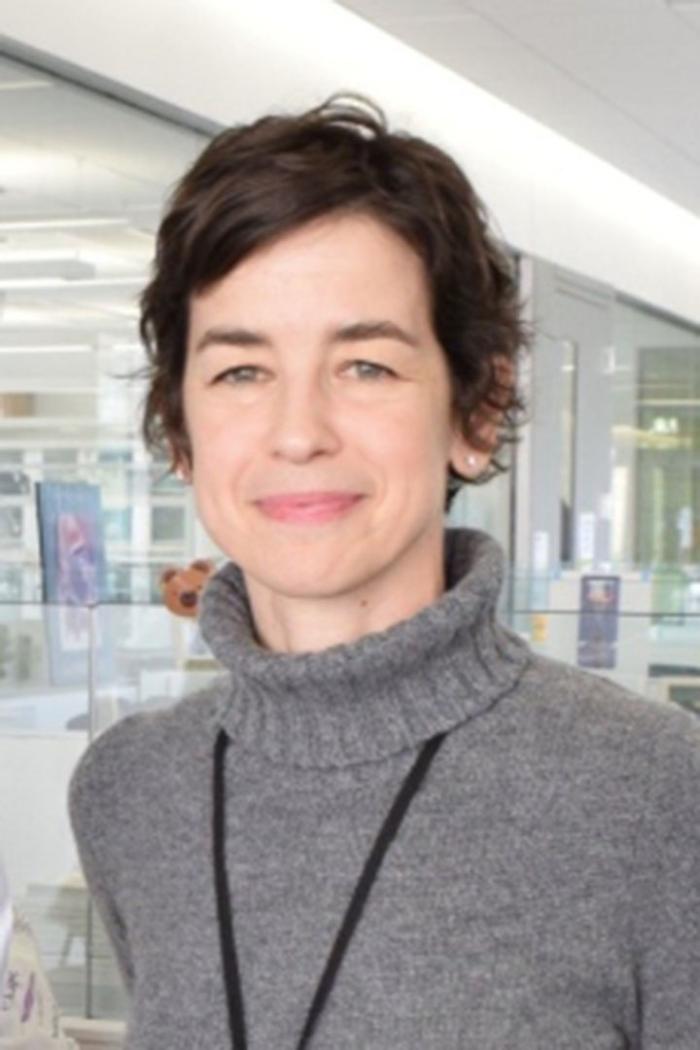
Kyra E. Stull is an Associate Professor in the Department of Anthropology at the University of Nevada, Reno and a Faculty Member at Idaho State University . Her research bridges biological anthropology, forensic anthropology, and quantitative methods, with a focus on subadult age and sex estimation, modern human variation, and skeletal trauma analysis. She earned her Ph.D. from the University of Pretoria, South Africa, in 2014 , under the supervision of Dr. Ericka L'Abbé and Dr. Stephen Ousley. Her work is supported by federal grants from the National Institute of Justice (NIJ) and National Science Foundation (NSF) . Key Research Areas Forensic identification of subadults Craniofacial and postcranial sexual dimorphism Impact of population history on skeletal variation Development of virtual anthropology databases Blunt force trauma analysis 3D imaging for forensic reference data Stull leads the Stull Lab @ UNR , which created the Subadult Virtual Anthropology Database (SVAD) and tools like KidStats and KSCollect for age/sex estimation. She consults on forensic anthropological cases and is a member of the American Association of Forensic Sciences , American Association of Physical Anthropologists , and Anatomical Society of Southern Africa .
Patrick Roberts is a W2 research group leader and senior scientist at the Max Planck Institute for Geoanthropology, where he directs the Department of Coevolution of Land Use and Urbanization. He also holds an honorary professorship at the Australian National University and is a visiting professor at the University of the Philippines. Roberts leads the ERC Starting Grant project 'PANTROPOCENE', which investigates precolonial and colonial impacts on tropical forests and their effect on Earth systems. Roberts specializes in using multidisciplinary methods to investigate historical interactions between humans and tropical forest landscapes. His research focuses on applying stable isotope analysis to study human paleoclimate, paleoenvironment, and paleomobility, with fieldwork conducted across Africa, South Asia, and the Middle East. His work bridges archaeological science with contemporary environmental concerns, particularly regarding tropical forest conservation and policy. His recent publications demonstrate a strong focus on tropical forest archaeology, human adaptations to diverse environments, and the application of advanced biomolecular techniques. The research spans multiple continents and time periods, from Pleistocene human-environment interactions to colonial-era ecological transformations, showing consistent methodological innovation in stable isotope analysis and interdisciplinary approaches. Heinz Maier-Leibnitz Prize (2021) - Germany's highest honor for young researchers Thuringian Research Prize (2024) ERC Starting Grant for PANTROPOCENE project Humanitarian Award from Sri Lanka's indigenous Vedda community (2023) Roberts is actively engaged with indigenous communities and policymakers, serving on UNESCO panels addressing natural and cultural heritage. His Stable Isotope Laboratory applies cutting-edge methods to archaeological questions while maintaining strong connections with local stakeholders in research regions. He has authored the book 'Jungle: How Tropical Forests Shaped the World and Us' and is a National Geographic Explorer.
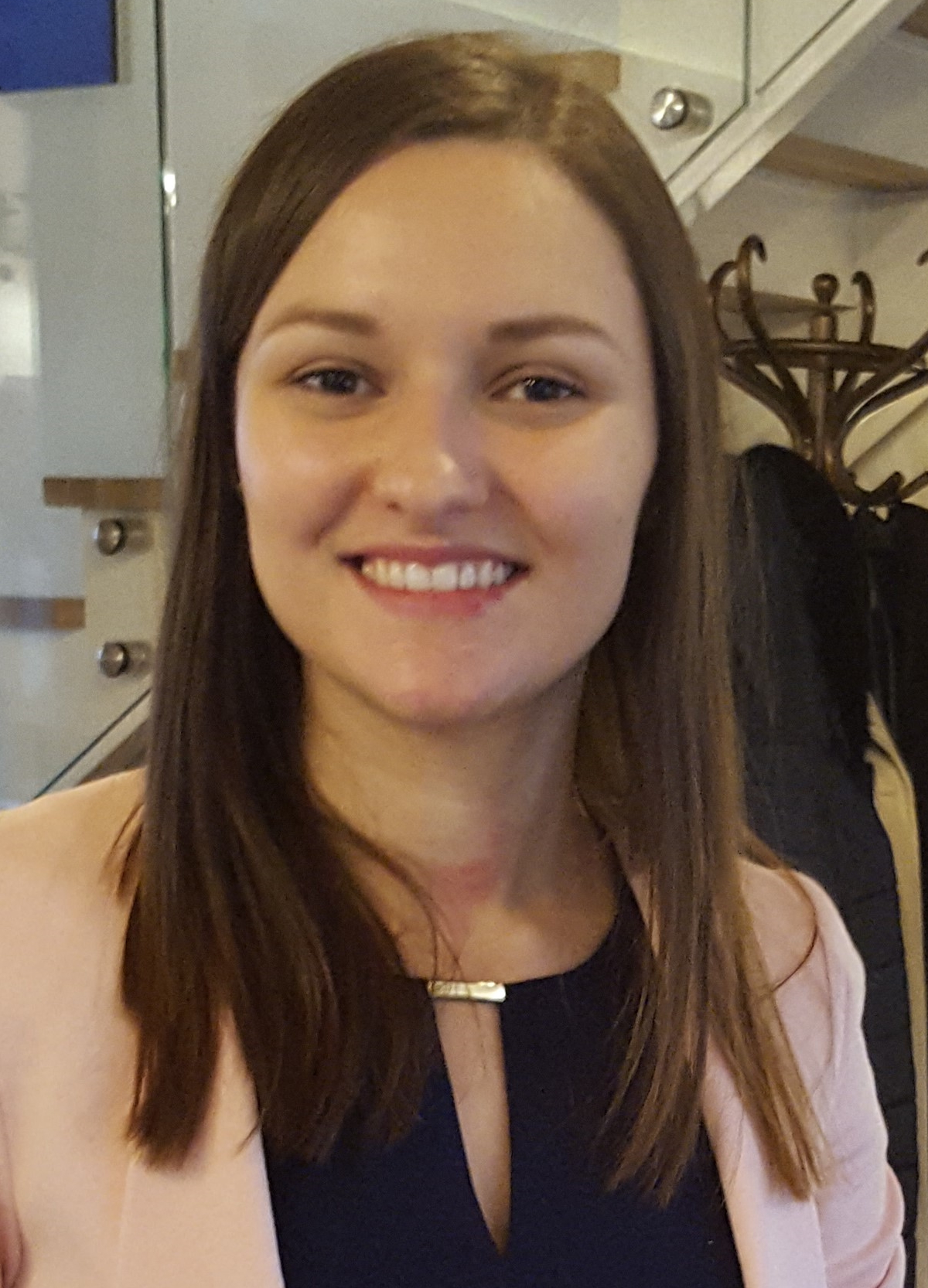
Dr. Daniela E. Winkler is a Postdoc (Assistant) at Kiel University's Zoological Institute and Museum, working within the Böhmer Group focused on Zoology and Functional Morphology of Vertebrates. She conducts research on dental microwear texture analysis across various vertebrate species, both extant and fossil, to reconstruct dietary patterns and ecological adaptations. Her position includes teaching responsibilities and she is currently working on her habilitation. Dr. Winkler earned her doctorate from the University of Hamburg on the functional morphology of ungulate dentition (magna cum laude). Her academic journey includes postdoctoral research at the University of Mainz (2016-2020) in the ERC project 'Vertebrate Herbivory' with Prof. Thomas Tütken, followed by a JSPS Postdoctoral Fellowship at the University of Tokyo (2020-2022) with Dr. Mugino O. Kubo. Since December 2022, she has been working at Kiel University on her habilitation while serving as an elected member of the CAU Postdocs' Interest Group (2023-2025). Her research primarily focuses on functional morphology and dental wear analyses across diverse vertebrate groups including mammals, lepidosaurs, and archosaurs. Through dental microwear texture analysis, she investigates how wear patterns can reveal information about diet, habitat, and paleoecology. Her experimental approach combines feeding experiments with analysis of collection material, examining both microscopic and macroscopic wear patterns. She is particularly interested in how internal (phytoliths) and external (mineral dust) abrasives affect dental wear formation, and how these patterns can be used for dietary reconstruction in both extant and extinct species. Dr. Winkler has expressed interest in expanding her research to include invertebrate mouthparts, recognizing that all feeding structures show signs of wear. Analysis of Dr. Winkler's recent publications (2023-2025) reveals a strong methodological focus on dental microwear texture analysis (DMTA), with particular attention to instrument comparability and standardization across different optical profilometers. Her work spans diverse taxa including sauropod dinosaurs, crocodyliforms, small mammals, and even invertebrates like crickets, demonstrating the broad applicability of DMTA across vertebrate systems. A significant portion of her research involves controlled feeding experiments with model organisms like guinea pigs and rats to establish baseline relationships between diet composition and resulting microwear patterns, with applications in paleontology, ecology, and evolutionary biology. CAU DenkRaum Fellowship (2024-2026) for interdisciplinary work on 'Energy in the Changing Times and the World' Dr. Winkler serves as an active member of the CAU Postdocs' Interest Group and has been involved in several collaborative research projects. Her teaching responsibilities include practical exercises and lectures in fundamental zoology (biol102), biodiversity identification (biol104), and vertebrate evolution courses (biol-261/biol-261b), including outdoor excursions to locations like the Wadden Sea. She has supervised student research projects within the Böhmer Group and collaborates extensively with researchers across multiple institutions in Germany, Japan, and Switzerland. As part of the Böhmer Group at Kiel University, Dr. Winkler works within a multidisciplinary team that includes Prof. Christine Böhmer, Dr. Ghislaine Cárdenas Posada, and other researchers. Her laboratory work involves advanced imaging techniques and dental microwear texture analysis using optical profilometers, with applications spanning paleontology, ecology, and evolutionary biology. Her research has received media attention including coverage in Spiegel online (October 6, 2024), DER SPIEGEL 41/2024, and Kieler Nachrichten (October 24, 2024).
Dr. Kevin Kuykendall is a Senior Lecturer in Palaeoanthropology at the School of Biosciences, University of Sheffield. He serves as Course Director for the MSc Palaeoanthropology programme and Postgraduate Research Programmes Admissions Tutor. His career spans academic roles at the University of the Witwatersrand and fieldwork across South African palaeocave sites. Education: BA in Archaeology, University of Arizona (1984) PhD in Dental Development, Washington University, USA (1992) Research Focus: Specializes in Plio-Pleistocene hominin evolution, dental development in primates, CT analysis of fossil crania, and GIS-based landscape approaches to palaeoanthropology. Current projects include UK limestone cave surveys for Neanderthal sites and dental development studies in extant apes. Academic Contributions: Over 15 publications since 2003, emphasizing dental evolution, cave taphonomy, and environmental isotopes. Collaborates with institutions like Creswell Crags Museum and Wessex Archaeology. Professional Memberships: European Society for the study of Human Evolution American Association of Physical Anthropologists Palaeoanthropology Society Advising: Supervises postgraduate research on topics ranging from Neanderthal stone tool use to historical skeletal disease analysis. Teaches courses on human evolution, digital cultural heritage, and quantitative methods in anthropology. Labs/Teams: Leads the South African Palaeocave Survey Project and contributes to public engagement initiatives at Creswell Crags Museum.
Dr. Shannon McFarlin is a Research Professor in the Department of Anthropology at George Washington University and Science Director at the Dian Fossey Gorilla Fund. She holds a PhD from the CUNY Graduate Center and focuses on primate growth, skeletal biology, and life history evolution. Her work integrates field studies of mountain gorillas in Rwanda with lab-based analyses of bone microstructure, dental development, and morphological variation. Key research themes include environmental impacts on growth patterns, evolutionary adaptations in primate skeletal systems, and the application of 3D imaging techniques to study primate behavior and ecology. Dr. McFarlin teaches courses such as Biological Anthropology, Human Functional Anatomy, and Primate Evolution at GW. Her lab, affiliated with the Center for the Advanced Study of Human Paleobiology, emphasizes interdisciplinary approaches to understanding primate biology. Recent projects include studies on gorilla dietary variability, skeletal responses to early-life adversity, and acoustic signaling in male gorillas. Her research has led to over 60 publications, with a focus on gorilla ontogeny, dental microwear, and biomechanical adaptations. She collaborates with global conservation organizations and employs cutting-edge methodologies like confocal microscopy and photogrammetry to advance primate studies.
Prof. Dr. Abdulvahit ERDEM is a full Professor in the Department of Clinical Sciences at the Faculty of Dentistry, Atatürk University, Turkey, where he has maintained continuous academic service since 1987. He currently serves as Dean of the Faculty of Dentistry (2016-present) and Head of the Orthodontics Division (1996-present), with prior terms in these administrative roles dating to 1993. His academic progression includes Assistant Professor (1987-1990), Associate Professor (1990-1996), and Professor (1996-present), all at Atatürk University. His academic credentials include: PhD in Clinical Sciences (Orthodontics), Atatürk University Faculty of Dentistry (1980-1983) Bachelor's Degree in Dentistry, Atatürk University Faculty of Dentistry (1974-1979) Dr. ERDEM's research centers on orthodontic biomechanics and biological responses to treatment , with emphasis on cephalometric evaluation of dentofacial morphology, bone remodeling during tooth movement, and appliance efficacy. Key themes include comparative analysis of functional appliances versus headgear for Class II correction, face mask therapy with/without maxillary expansion for Class III malocclusions, and the relationship between orthodontic treatment and oral health. His work frequently employs cone-beam computed tomography and longitudinal study designs to assess skeletal changes. His publication history (2006-2021) reveals consistent focus on treatment outcome evaluation using cephalometric indices like ICON and ABO-MGS. Major contributions involve 3D assessment of palatal expansion effects, hormonal influences on pubertal growth during orthodontics, and heritability studies of facial features. All articles integrate clinical orthodontics with biological and imaging sciences to address malocclusion management. Scientific Awards: No scientific awards or honors are documented in the provided materials Advising and Grants: He has supervised 21 graduate students (14 PhD, 7 Dental Specialist) from 1998-2024, with recent theses on mandibular arch changes and oral flora impacts. As Principal Investigator for 5 TÜBA/TÜBİTAK projects and Researcher for 3, his grant work spans 2002-2014. Key projects include prostaglandin effects on bone metabolism, palatal implant-supported distalization appliances, and facial asymmetry analysis in Class III adults using CBCT. Labs and Teams: Dr. ERDEM leads orthodontic research at Atatürk University's Dental Faculty, collaborating with 22 domestic scholars including Nihat Kılıç (6 joint publications), İbrahim Yavuz (5), and Mevlüt Çelikoğlu (4). His team has conducted rabbit model studies on bone remodeling, clinical trials on expansion appliances, and cephalometric assessments across Turkish universities, maintaining active partnerships with Erciyes, Akdeniz, and Biruni Universities.
Zachary Cofran is an Associate Professor of Anthropology at Vassar College, specializing in biological anthropology. He runs the Human Evolution and Development (HEAD) Lab, where students engage in hands-on research about human origins through fossil analysis and comparative primate studies. University of Michigan PhD (2012) Vassar College faculty since 2016 His research focuses on evolutionary developmental biology, particularly examining: Brain evolution in hominins Homo naledi fossil species Modern gibbon biology and behavior Primate developmental patterns Publications show expertise in Neanderthal cranial volumes (2021), Australopithecus brain endocasts (2023), and Homo naledi skeletal development (2022, 2024). Recent media appearances include explaining evolutionary misconceptions to CNN and Discover Magazine. Mary Clark Rockefeller Chair Quoted in 2022 CNN piece about human-ape evolutionary relationships
Dr Alexandra Papadopoulou is an Honorary Senior Lecturer in the Discipline of Orthodontics and Paediatric Dentistry at the University of Sydney’s School of Dentistry , Faculty of Medicine and Health. She teaches and supervises graduate and postgraduate students, co-ordinates continuing professional development courses for dental professionals, and conducts impactful clinical and translational research in orthodontics and craniofacial biology. Education & Training Dental Degree – Aristotle University of Thessaloniki, Greece 3-year full-time Postgraduate Course in Oral Surgery, Implantology & Dental Radiology – Aristotle University of Thessaloniki 40-month full-time Postgraduate Specialty Program in Orthodontics (ERASMUS-accredited) – Aristotle University of Thessaloniki PhD – "Effects of orthodontic forces in guided tissue regeneration" – Aristotle University of Thessaloniki Research Focus Dr Papadopoulou’s research spans the biological and clinical spectrum of orthodontics. Her work interrogates orthodontic root resorption , periodontal ligament regeneration , temporary anchorage devices (TADs) , clear aligner biomechanics , maxillary expansion , accelerated tooth movement , laser-assisted orthodontics , and craniofacial growth modification . She employs systematic reviews, randomized controlled trials, micro-CT imaging, CBCT, smartphone-based 3D facial scanning, and molecular analyses to translate laboratory insights into improved patient care. Scientific Awards & Recognition European Orthodontic Society (EOS) Houston Award – 2006 (invited oral presentation) Grants & Collaborative Projects 2017 – "Changing faces, changing lives: A preliminary investigation of the social outcomes of orthognathic surgery" – ANZAOMS Research Grant (Co-Investigator) Professional Associations Dr Papadopoulou is an active member of the Australian Society of Orthodontists , World Federation of Orthodontics , European Orthodontic Society , American Association of Orthodontists , and several national orthodontic societies in Greece and Italy, underscoring her global engagement in research, education, and clinical standards.
Dr. Eng. Zuzanna Buchwald is an academic staff member at the Poznań University of Technology, Faculty of Chemical Technology, Institute of Chemical Technology and Engineering, Department of Organic and Bioorganic Chemistry. She obtained her doctoral degree in 2017 from Poznań University of Technology in the field of chemical sciences (discipline: chemical technology) with a dissertation entitled "Preparation and characterization of dental composite materials," which was distinguished and awarded by the Committee of Analytical Chemistry of the Polish Academy of Sciences as the best doctoral thesis related to analytical spectrometry. Dr. Buchwald's primary research interests focus on the chemical modification and characterization of fillers for dental composites, as well as the characteristics of dental composites themselves. Her work bridges materials science, chemistry, and dentistry, with particular emphasis on developing biomaterials with remineralizing potential for dental applications. She has conducted extensive research using various analytical techniques including Raman spectroscopy, inverse gas chromatography, and other surface analysis methods to characterize dental materials and their interactions with tooth tissues. Dr. Buchwald's publication record demonstrates a consistent focus on dental biomaterials, with recent work examining novel fillers such as calcium-rich zeolites, hydroxyapatite modified with polyhedral oligomeric silsesquioxane (POSS), and other bioactive materials for dental composites. Her research spans materials development, characterization of physical and chemical properties, and evaluation of biological performance. She has also expanded her research to include studies on maternal nutrition and dental development in children, showing interdisciplinary collaboration beyond traditional materials science. Dr. Buchwald has received recognition for her doctoral work, which was awarded by the Committee of Analytical Chemistry of the Polish Academy of Sciences. Her ongoing research has resulted in numerous publications in high-impact journals across materials science, dentistry, and analytical chemistry fields. She teaches courses including Organic Chemistry calculation exercises and laboratory classes, Technological process control methods laboratory classes, and Methods of analysis of organic compounds. Dr. Buchwald has engaged in scientific cooperation with the Department of Biomaterials and Experimental Dentistry of the Karol Marcinkowski Medical University in Poznań and completed a research internship at Delft University of Technology. Dr. Buchwald's laboratory work focuses on developing and characterizing novel dental composite materials with enhanced properties, particularly those with remineralizing potential. Her research group investigates various filler systems including zeolites, hydroxyapatite, and clay materials modified for improved performance in dental applications.
Dr. Faisal Rehan serves as a Lecturer in Clinical Dentistry within the Department of Dentistry and Health Sciences at the School of Dentistry and Medical Sciences, Charles Sturt University. With over 15 years of academic experience, including prior roles as Assistant Professor and Senior Lecturer at Baqai Medical University in Pakistan, he currently supervises undergraduate dental students in clinical subjects such as endodontics, prosthodontics, pedodontics, and periodontics at the CSU Orange campus. His educational qualifications include a Bachelor of Dental Surgery (BDS) from Sardar Begum Dental College, Baqai Medical University (1996-2001), a Master of Philosophy (MPhil) in Oral Pathology/Periodontics from Baqai Medical University (2009-2014), and a Bachelor of Commerce (B.Com) from the University of Sindh (1994-1996). BDS: 1996-2001, Sardar Begum Dental College, Baqai Medical University MPhil: 2009-2014, Baqai Medical University (Focus: Periodontology/Oral Pathology) B.Com: 1994-1996, University of Sindh Dr. Rehan's primary research interests center on the application of herbal extracts, particularly Neem (Azadirachta indica) and Miswak (Salvadora persica), in managing gingival and periodontal inflammation. He investigates their antimicrobial effects against causative organisms and explores the role of Platelet-Rich Fibrin (PRF) in periodontal defect healing and bone regeneration. His work aims to develop natural, cost-effective alternatives for periodontal therapy, contributing to improved oral health outcomes. Analysis of his 15 most recent publications (2012-2024) reveals a strong focus on periodontics, dental materials, and oral pathology. Key research themes include the antibacterial properties of herbal extracts in dental cements, the prevalence and impact of smokeless tobacco (gutka) on oral health, patterns of dental extractions correlated with sociodemographic factors, and the management of temporomandibular joint disorders. His methodological approaches span in vitro studies, clinical surveys, and radiographic analyses. Dr. Rehan has secured the Tri-Faculty-Research Grant in 2024 and applied for the Faculty ECR Scheme (2024, unsuccessful). He actively mentors undergraduate dental students in clinical settings and has been a member of the Australian Dental Association since 2019. His research contributes to UN Sustainable Development Goals, particularly in health and well-being (SDG 3). He conducts his research within the Department of Dentistry and Health Sciences at Charles Sturt University, collaborating with colleagues on projects related to dental biomaterials and periodontal regeneration.
Dr. Mark Moss is an Associate Professor in the Department of Foundational Sciences at East Carolina University (ECU) School of Dental Medicine. He serves as Chair of Foundation Sciences and Division Director of Public Health Dentistry. His work focuses on improving access to oral healthcare for underserved populations, addressing social determinants of health, and reducing health disparities through complex systems approaches. Dr. Moss holds adjunct faculty roles at New York University and the University of Wisconsin School of Medicine and Public Health. Dr. Moss earned his DDS from Marquette University, an MS in Preventive Medicine (Epidemiology) from the University of Wisconsin-Madison, and a PhD in Epidemiology from the University of North Carolina at Chapel Hill. He completed residencies in General Practice and Dental Public Health in New York. His research emphasizes racial disparities in dental fluorosis, caries prevention in children, and the intersection of systemic diseases like diabetes with oral health outcomes. He advocates for integrating oral health into broader healthcare systems, particularly within Medicare frameworks. Dr. Moss is committed to community-based education and has held leadership roles in public health institutions. His expertise bridges clinical practice, academic research, and policy development to advance equitable oral healthcare delivery.
William Philbrick, PhD is a Senior Research Scientist at the Yale School of Medicine and Director of the Diabetes Endocrinology Research Center Molecular Core. He holds appointments in Endocrinology, the Diabetes Research Center, Internal Medicine, and the Yale Genome Editing Center. Philbrick earned his PhD from SUNY at Buffalo (1985) and completed postdoctoral training at Yale. His research focuses on diabetes, endocrinology, and parathyroid hormone-related protein (PTHrP), with contributions to understanding metabolic disorders, viral interactions (e.g., HIV/HSV-2), and molecular mechanisms in skeletal and pancreatic development. Notable collaborations include work with John Wysolmerski, Paula Preston-Hurlburt, and Smita Krishnaswamy. Key publications span topics like genetic variants in MC4R, inflammasome biology, and PTHrP's role in osteoclast formation and tooth eruption. Philbrick has been involved in studies linking fatty liver disease to diabetes and insulin's thermogenic effects. His lab is affiliated with the Diabetes Research Center and YGEC, contributing to translational research in endocrinology and molecular medicine.
Aviva Must holds the Morton A. Madoff, M.D., M.P.H., Professorship in Public Health and Community Medicine at Tufts University School of Medicine. Her roles include Professor in Public Health and Community Medicine, and former Dean of Public Health and Professional Degree Programs (2009–2023). She earned a PhD from Tufts University Friedman School of Nutrition Science and Policy (1991), an MS from Tufts (1987), and a BA from NYU (1976). Research focuses on obesity epidemiology across the lifespan, particularly in children and adolescents. Key interests include bidirectional associations between child mental health and obesity, effects of early obesity on tooth eruption, and health promotion for children with special needs. She co-directs the Healthy Weight Research Network (HRWN), funded by HRSA/Maternal and Child Health Bureau. Recent work addresses disparities in obesity among populations such as children with autism, underserved immigrant families, and those with intellectual disabilities. Funded projects include exergaming interventions for autistic youth (GamerFit-ASD), community-based obesity prevention programs for immigrant mothers, and studies on dietary resemblance in families with children with disabilities. Grants come from NIH, HRSA, and others. Professional activities include journal editorships, advisory roles at the Public Health Museum, and leadership in translational research initiatives.
Lisa Bowdin serves as a Senior Lecturer in the Oral Developmental and Behavioural Sciences department at the Dental School of The University of Western Australia. Her academic role integrates clinical dental education with research focused on pediatric oral health conditions. Her research specialization centers on developmental dental anomalies in children, particularly supernumerary teeth, hypodontia/hyperdontia combinations, and trauma-induced pathologies like dentigerous cysts. She investigates the interplay between tooth development disorders and clinical management strategies in primary dentition, with emphasis on rare pre-maxillary conditions and traumatic dental injuries. Analysis of her publications (2018-2021) reveals consistent focus on case-based studies of developmental anomalies in pediatric patients. Her work bridges clinical dentistry with pathological analysis, particularly examining how trauma to primary teeth triggers cyst formation and how hypohyperdontia manifests in the pre-maxillary region. Bowdin contributed as co-investigator to the Australian Dental Research Foundation-funded project 'Evaluation of Biodentine as a restorative material in primary teeth: in vitro' (2017), demonstrating engagement with innovative pediatric dental materials research. This project examined restorative techniques for primary dentition through in vitro methodologies.