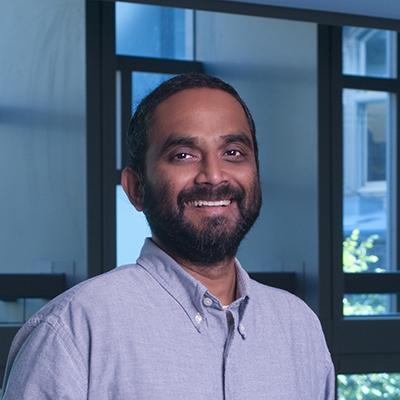
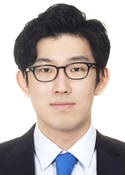
Pascal Frossard is a Full Professor at the Department of Electrical Engineering in the School of Engineering (STI) at EPFL, with a courtesy appointment in the School of Computer and Communication Sciences. He founded and directs the LTS4 laboratory since 2003, co-leads the EPFL AI Center and Swiss Data Science Center, and serves as Associate Dean for Research at STI. Research Focus: Machine Learning, Graph Signal Processing, AI Applications in Healthcare, Computer Vision Academic Leadership: IEEE Fellow, ELLIS Fellow, Conference Chair roles Key Projects: Digital Pathology for Oncology, Cardiac Digital Twins, Robust Machine Learning Research Interests: His work bridges signal processing, machine learning, and applied mathematics, emphasizing biomedical applications. Recent research includes adversarial robustness in classifiers, network representation learning, and 360-degree video analysis. Scientific Awards: IEEE Fellow ELLIS Fellow Leadership in IEEE technical committees Advising & Grants: Supervised 20+ PhD students and postdocs. Secured major grants from PHRT, Hasler Foundation, FNS-Sinergia, Armasuisse, Google, and Cisco.
Romain Lopez is an Assistant Professor of Computer Science and Biology at New York University, with a joint appointment in the Courant Institute of Mathematical Sciences and the Department of Biology. He will be joining NYU in September 2025, bringing expertise at the intersection of machine learning and computational biology. Prior to joining NYU, he was a Postdoctoral Fellow at Genentech and Stanford Medicine from 2021 to 2025, working with Jonathan Pritchard and Aviv Regev. Dr. Lopez received his educational training at prestigious institutions: PhD in Computer Science (2021) from the University of California, Berkeley, advised by Mike Jordan and Nir Yosef M.S. in Applied Mathematics (2016) from École polytechnique, Palaiseau, France Dr. Lopez's research focuses on developing machine learning methods to understand biological systems at the cellular level. His work bridges computational techniques with biological applications, particularly in single-cell and spatial omics analysis. He pioneered probabilistic approaches for single-cell analysis with scVI and co-developed scvi-tools, now widely adopted tools in the field. His research spans deep generative models, causal inference, perturbation modeling, and representation learning for biological data. His publication record demonstrates a consistent trajectory of innovation in computational biology, with recent work focusing on spatial biology, disentangled representations of cellular perturbations, and causal modeling of cellular responses. He has made significant contributions to the field of single-cell analysis, developing methods that help scientists interpret complex cellular data and predict how cells respond to various perturbations. Dr. Lopez has received numerous honors and awards for his research: Best Paper Award from the ICML Workshop on AI for Science (2024) Best Paper Award Honorable Mention from the AAAI Conference on Artificial Intelligence (2021) Best Student Poster Award from the ICML Workshop on Computational Biology (2019) UC Berkeley EECS Departmental Graduate Fellowship (2016) Carnot Foundation Fellowship (2016) Monahan Foundation Fellowship (2016) French National Defence Medal, Bronze Echelon (2014) At NYU, Dr. Lopez will lead the Biological Machine Learning group, which develops probabilistic machine learning methods to uncover biological mechanisms governing cellular behavior and disease. His lab focuses on creating tools that transform complex cellular data into biological insights, with applications in understanding cancer, immune responses, and fundamental cellular processes. His work has significant implications for precision medicine and drug discovery.
Daniel Goldman is a Professor at the School of Physics within the College of Sciences at Georgia Institute of Technology. He directs the Complex Rheology And Biomechanics (CRAB) Lab and leads interdisciplinary research bridging physics, biology, and robotics. His work focuses on locomotion principles in organisms and robots interacting with complex media like granular materials. Research areas include robophysics, biomechanics, and nonequilibrium systems Co-founder of startup Ground Control Robotics Research Trends : His publications emphasize principles of locomotion, interaction with complex substrates (sand, bark, etc.), and robotics applications, using experimental, computational, and robophysical modeling approaches. Scientific Awards Dunn Family Professor (2017-2023) APS Fellow (2014) Georgia Power Professor of Excellence (2014) PECASE (2014) DARPA Young Investigator Award (2012) NSF CAREER Award (2012) Blanchard-Milliken Fellowship, Georgia Tech (2010) Sigma Xi Young Faculty Award, Georgia Tech (2010) Burroughs Wellcome Fund Career Award (2006) Outstanding Dissertation Award, UT Austin (2003) Advising & Grants : While specific students aren't listed, he leads a research group studying organism-robot interactions. His grants include NSF CAREER, DARPA Young Investigator, and Burroughs Wellcome Fund Career Award. He also participates in IRI's Robotics and Bioengineering and Bioscience initiatives.
Jun Hyung Lee is a Visiting Assistant Professor in the Department of Environmental Biology at SUNY College of Environmental Science and Forestry (ESF). His research focuses on advancing forest tree improvement and conservation through molecular and synthetic biology approaches, with a particular emphasis on enhancing plant resilience to environmental stresses via beneficial microbial interactions. He teaches courses in plant biotechnology and tissue culture methods. Education includes a Ph.D. in Forest Genetics from Purdue University (USA), and M.S. and B.S. degrees in Plant Science from Seoul National University (South Korea). His work integrates cutting-edge genetic engineering techniques with ecological studies to address challenges in plant stress tolerance, symbiosis, and epigenetic regulation. Recent projects include identifying novel symbiosis pathways for thermotolerance and analyzing flooding tolerance in hybrid poplars. Publications highlight contributions to plant-microbe interaction research, synthetic biology applications, and genome editing epigenetic impacts. Collaborations span institutions like Oak Ridge National Laboratory and the University of Georgia, reflecting his transdisciplinary approach to plant science. Lee’s teaching emphasizes practical skills in biotechnology, bridging laboratory innovation with field applications.
Adam Runions is a researcher in the Department of Computer Science at the University of Calgary, leading the MPG Partner Group in computational analysis of leaf development through collaborative work with Miltos Tsiantis. His group is embedded in the Graphics Cluster, focusing on interdisciplinary problems at the intersection of computer science and developmental biology. University of Calgary - Department of Computer Science MPG Partner Group (2022) Graphics Cluster affiliation His research explores computational modeling and analysis of plant form and development across multiple scales, integrating geometric modeling, physically-based simulation, and computer-aided design. Key themes include plant morphogenesis, self-organization of natural forms, and cross-disciplinary applications in computer graphics and animation. Recent publications emphasize plant development (leaf shape, bark patterning), mathematical modeling (auxin-driven patterning), and geometric techniques (subdivision surfaces, PUPs). Collaborations span institutions like the Max Planck Institute for Plant Breeding Research. Scientific Awards Marie Sklodowska-Curie Fellowship Best Paper Award (International Conference on Cyberworlds 2015) Best Student Paper Award (Computer Graphics International 2011) The group actively recruits BSc, MSc, and PhD students with backgrounds in computer science and mathematics for projects on plant form simulation and digital content creation. Research integrates evolutionary biology, biomechanical modeling, and computational techniques.
Megan Valentine is a Professor of Mechanical Engineering at the University of California, Santa Barbara (UCSB), affiliated with the College of Engineering. She leads an interdisciplinary research group focused on biological and bioinspired materials, investigating how forces are generated and transmitted in living systems to design responsive synthetic materials. Her work bridges engineering, physics, chemistry, and biology. Education: PhD in Physics from Harvard University, MS in Physics from the University of Pennsylvania, and BS in Physics from Lehigh University. Affiliations include the California NanoSystems Institute (CNSI), Materials Research Laboratory (MRL), Neuroscience Research Institute, and the Center for Stem Cell Biology and Engineering. Research interests span soft material mechanics, bioengineering, and systems biology, with applications in marine-inspired materials, mechanobiology, and soft robotics. Her lab employs advanced experimental techniques to study biophysical and biochemical mechanisms in living systems and translate them into engineered materials capable of self-healing, movement, and environmental responsiveness. Notable awards include the NSF Early CAREER Award, Fulbright Scholarship, and election as Fellow of the American Physical Society and American Institute for Medical and Biological Engineering. Her contributions emphasize creativity, collaboration, and diversity, with a focus on addressing societal challenges through interdisciplinary innovation.
John Oakey is a Professor and Graduate Coordinator in the Department of Chemical and Biomedical Engineering at the University of Wyoming, with additional affiliations to the INBRE Program, Molecular and Cellular Life Sciences Program, and Materials Science and Engineering Program. Education Postdoctoral Fellow, Center for Engineering in Medicine, Massachusetts General Hospital & Harvard Medical School (2007–2010) Ph.D. Chemical Engineering, Colorado School of Mines (2003) M.S. Chemical Engineering, Colorado School of Mines (1999) B.S. Chemical Engineering, Penn State University (1997) Research Interests Oakey’s laboratory integrates fluid dynamics, colloidal science and materials science to understand how biological systems behave under flow, on surfaces and within complex 3-D geometries. A unifying theme is the use of microfabrication and microfluidics to create new diagnostic, prognostic and therapeutic platforms. Current thrusts include: Heterogeneous biomaterials: self-assembled particulate tissue scaffolds whose mechanical and transport properties can be temporally programmed. Inertial microfluidics: exploiting lift forces for membrane-free particle sorting, enrichment and diagnostics. Multi-temporal analysis by flow cytometry: development of closed-loop, high-throughput microfluidic cytometers for longitudinal single-cell studies. Publication Trends From 2025 back to 2010, Oakey’s articles reveal a consistent trajectory that marries fundamental physics (microtubule mechanics, inertial focusing) with translational applications (cell encapsulation, tissue scaffolds, drug delivery). Recent work (2023-2025) increasingly targets injectable granular hydrogels, single-cell therapeutic delivery and sustainable carbon-sequestering living materials, demonstrating an evolution from microscale transport phenomena to macroscopic biomedical and environmental impact. Scientific Awards No named awards are listed in the supplied text. Advising & Coordination Roles As Graduate Coordinator for the Department of Chemical and Biomedical Engineering, Professor Oakey oversees graduate program development and student mentoring. While no individual students are named, his role implies active supervision of M.S. and Ph.D. advisees in chemical and biomedical engineering. Laboratory & Teams The Oakey Research Group operates from the Energy and Environmental Research Building (EERB 435A) at the University of Wyoming. The lab enjoys R1-level research infrastructure and collaborates broadly with the Wyoming INBRE network, the Molecular and Cellular Life Sciences Program, and the Materials Science and Engineering Program.
Dr. Saree Alnaghy is an Honorary Associate Professor at the University of Wollongong's Faculty of Engineering and Information Sciences, affiliated with the Centre for Medical Radiation Physics. She holds a Bachelor of Medical and Radiation Physics (Honours) and a PhD in Physics from the University of Wollongong (2009–2017). Her research focuses on advanced medical imaging and radiation therapy technologies, including photon counting detectors, dosimetry systems, and robotic motion phantoms for quality assurance. Key research areas include: Development of novel X-ray detectors for radiotherapy guidance High-resolution dosimetry techniques using silicon and polymer-based systems Integration of real-time imaging in radiation therapy Robotic systems for motion management in oncology Her work has been supported by grants such as 'Sharper Targeting, Brighter Future' (2024) and 'Bringing Colour to Radiotherapy' (2021–2025). She currently supervises PhD and MRes students on projects involving photon counting CT scanners and radiotherapy imaging. Alnaghy also serves as a Radiation Oncology Medical Physics Registrar at the Nelune Comprehensive Cancer Centre.
Andrew Holle is an Assistant Professor at the Mechanobiology Institute , National University of Singapore , where he leads the Confinement Mechanobiology Lab within the Department of Biomedical Engineering . His work spans mechanobiology, stem cell differentiation, cancer mechanobiology, and microfluidics, with a focus on understanding how physical confinement influences cellular behavior. Education: B.S.E. in Bioengineering (Minor in Statistics), Arizona State University (2008) Ph.D. in Bioengineering, University of California San Diego (2013) Research in the Confinement Mechanobiology Lab centers on the hypothesis that stem cell differentiation is driven by mechanical cues during migration through confined extracellular matrix (ECM) environments. The lab develops microfluidic systems to mimic ECM confinement and studies its impact on osteogenic differentiation , cancer cell migration , and cellular condensates . Recent publications highlight interdisciplinary approaches combining mechanobiology , nanotechnology , and microfluidics to explore nuclear morphological changes, volume regulation, and ligand signaling in confined cellular environments. Laboratory Members: Privita Edwina (Research Fellow) Vaishnavi Rangaraj (Research Assistant) Sriram Muthukumar (Research Fellow) Chang Ye Ji (PhD Student) Gao Xu (PhD Student) Lim Yuan Bin (PhD Student) Shinny Sunny (PhD Student) Lee Jia Wen Nicole (PhD Student) Li Yixuan (PhD Student)
Vivek Shenoy is the Eduardo D. Glandt President's Distinguished Professor at the University of Pennsylvania, with primary appointments in the Department of Materials Science and Engineering and secondary appointments in Bioengineering and Mechanical Engineering and Applied Mechanics. He leads the Multiscale Mechanobiology and Biomaterials Laboratory, which focuses on developing theoretical frameworks and numerical methods to understand complex biological and engineering systems across multiple length scales. Shenoy's research spans mechanobiology, chromatin organization, cell mechanics, and biomaterials. His work addresses the fundamental challenge of modeling how small-scale cellular phenomena couple with long-range tissue-level interactions across micrometers to centimeters. By integrating insights from soft matter physics, solid mechanics, chemistry, and applied mathematics, his group develops multiphysics continuum and mesoscale theories to elucidate mechanisms controlling both biological and engineering systems. His recent publications demonstrate an increasing focus on nuclear mechanics, chromatin organization, and the interplay between mechanical forces and gene regulation. Analysis of Shenoy's publication record reveals a strong interdisciplinary approach, with high-impact papers spanning biophysics, materials science, and cell biology. His work shows consistent evolution from fundamental mechanics of materials to complex biological systems, with recent emphasis on the mechanical regulation of chromatin architecture, cell migration dynamics in 3D environments, and mechanotransduction in development and disease. His publications appear regularly in top journals including Nature, Science, and their affiliated publications, demonstrating significant influence across multiple fields. Eduardo D. Glandt President's Distinguished Professor Multiple publications in Nature, Science, and PNAS Active research program with publications through 2025 Shenoy actively mentors students and postdocs through his laboratory, with numerous co-authored publications indicating strong mentorship. His research program appears to be well-funded through multiple grants supporting his work in mechanobiology and biomaterials. The Multiscale Mechanobiology and Biomaterials Laboratory maintains active collaborations across disciplines and institutions, reflecting the interdisciplinary nature of his research. The Multiscale Mechanobiology and Biomaterials Laboratory, housed within the Department of Materials Science and Engineering at the University of Pennsylvania, serves as the primary research hub for Shenoy's work. The lab maintains an active presence on social media (Twitter: @ShenoyLab) for updates on activities and publications. Their research approach combines theoretical modeling with experimental validation to address fundamental questions at the interface of mechanics, materials science, and biology.
Matthew O'Toole is an Associate Professor at Carnegie Mellon University's School of Computer Science, holding joint appointments in the Robotics Institute and Computer Science Department. His research focuses on computational imaging, integrating optics, electronics, and computational processing to innovate visual information capture and display. Education: PhD (Computer Science, University of Toronto, 2016), MSc (2009), BSc (Honors Computer Science and Mathematics, University of British Columbia, 2007). Prior roles include Banting Postdoctoral Fellow at Stanford University and visiting scholar at MIT Media Lab's Camera Culture group. Research interests emphasize programmable imaging systems, transient imaging, non-line-of-sight sensing, and holographic displays. Key innovations include vibration sensing via dual-shutter optics and radar super-resolution for autonomous vehicles. Awards include runner-up best paper recognitions at ICCV 2007, CVPR 2014, and SIGGRAPH 2017 dissertation honors. Advisees include Dorian Chan and Arjun Teh. Grants supported by Canadian Banting Fellowships. Active in workshop organization (CVPR Computational Cameras 2016-2017) and course development on computational imaging at SIGGRAPH 2014. Labs/Teams: Leads research in computational imaging and robotics at CMU, collaborating with industry partners like NVIDIA and MDA. Current projects explore LiDAR-radar fusion, holographic projection systems, and dynamic scene reconstruction.
James B. Kaper is a Professor and Chair of the Department of Microbiology & Immunology at the University of Maryland School of Medicine. He serves as Vice Dean for Academic Affairs and previously held leadership roles as Senior Associate Dean (2014–2019) and Chair (2007–present). His research focuses on the molecular pathogenesis of diarrheagenic Escherichia coli and Vibrio cholerae , including vaccine development and bacterial-host interactions. Education: BS (1973) and PhD (1979) in Microbiology from University of Maryland; Postdoc in Molecular Pathogenesis at University of Washington (1979–1981) Dr. Kaper’s work has led to the creation of live attenuated cholera vaccines, including CVD 103-HgR, the first licensed recombinant bacterial vaccine. His lab investigates bacterial genetics, intestinal colonization, and immune system activation, particularly TLR5 response to V. cholerae flagellin. He has authored 303 peer-reviewed articles and 68 book chapters. His research has been funded continuously by NIAID since 1982. Key publications include foundational work on V. cholerae vaccines (1984), genomic structure (1998), and quorum sensing in EHEC/EPEC (1999). His lab’s recent studies focus on phosphotyrosine proteomics (2013) and pathogenicity island regulation (2007). Scientific awards: Fellow, American Academy of Microbiology (1994); NIH Merit Award (2004); ASM DC White Award (2019) Editorial roles: Editor-in-Chief, EcoSal (2006–present); Associate Editor, International Journal of Medical Microbiology (2000–present) As an academic leader, Dr. Kaper has mentored over 60 graduate students and postdoctoral fellows. He holds multiple patents for cholera vaccines and E. coli diagnostics, including U.S. Patents 4,935,364; 5,399,494; and 6,204,004. His lab at UMSOM combines basic science with translational applications for enteric disease prevention.
Prof. Jean-Philippe Thiran is a Full Professor at École Polytechnique Fédérale de Lausanne (EPFL), where he serves as Director of the Signal Processing Laboratory (LTS5) and Director of the Institute of Electrical and Micro Engineering. He also maintains a part-time Associate Professor position with the Department of Radiology of the University Hospital Center (CHUV) and University of Lausanne (UNIL). Born in Namur, Belgium in 1970, he received his Electrical Engineering degree and PhD from the Université catholique de Louvain (UCL), Belgium, in 1993 and 1997 respectively. He joined EPFL in 1998 and has established himself as a leading researcher in computational imaging. His research focuses on computational imaging , with significant contributions to medical image analysis (particularly diffusion MRI, ultrasound imaging, and digital pathology) and computer vision . His recent work integrates advanced modeling, simulation, and machine learning techniques to extract microscopic tissue information from macroscopic MRI signals. This approach combines hyper-realistic synthetic tissue models, advanced Monte-Carlo simulations, and ML-based estimation techniques for brain microstructure analysis with potential applications to other tissues. Senior Member of IEEE Fellow of the European Association for Signal Processing (EURASIP) Prof. Thiran has authored or co-authored 1 book, 9 book chapters, 250 journal papers and over 270 peer-reviewed conference papers, and holds 12 international patents. He previously served as Co-Editor-in-Chief of the Signal Processing journal (2001-2005) and associate editor of IEEE Transactions on Image Processing. He has chaired major conferences including EUSIPCO 2008 and IEEE ICIP 2015. His laboratory at EPFL brings together interdisciplinary researchers to develop innovative imaging techniques that bridge macroscopic measurements and microscopic tissue properties, with significant potential for medical diagnostics and treatment planning applications.
Karen Piper Hanley is Professor of Molecular Medicine and Head of Division in the Division of Diabetes, Endocrinology & Gastroenterology at the University of Manchester. She serves as the fibrosis lead in the Wellcome Trust Centre for Cell-Matrix Research and previously served as Director of Core Research Technologies (2019-2022). She is also an editorial board member for Scientific Reports. Her research focuses on fibrosis (scarring) mechanisms across multiple organs, particularly liver, kidney, and lung fibrosis. Her lab investigates the cellular and molecular basis of fibrotic disease, with emphasis on how pathological scar components are produced and how they signal to surrounding cells. Key areas include the role of SOX9 transcription factor, integrin beta-1 signaling, Group 1 PAKs, and YAP1 in fibrosis progression. Her recent publications reveal trends toward increased clinical translation of fibrosis research, with studies on health inequalities in liver cancer care, post-COVID diabetes incidence, and innovative approaches to liver disease detection. Her work increasingly integrates spatial transcriptomics and advanced omics technologies to understand cellular transitions in liver disease. Career-track postdoctoral fellowship from the University of Southampton (2006) As senior postgraduate tutor, she has mentored numerous PhD students who have presented at key conferences and authored high-quality manuscripts. All her PhD students have submitted and been awarded their degrees within 4 years. She has successfully guided previous Academic Clinical Fellows to win MRC clinical training fellowships. Her teaching extends to undergraduate Personal & Professional Development and supervision of MRes and BSc students, many of whom have achieved first-class degrees and prestigious awards. Her lab maintains active collaborations with Professor Neil Hanley's group on human development, stem cells, and regenerative medicine, bridging developmental biology with fibrosis research to understand why regeneration is impaired in chronic diseases.
Dr. Sungjin Kim is an Assistant Professor in the Department of Chemical and Biological Engineering at The University of New Mexico (UNM). He earned his Ph.D. in Materials Science and Engineering from MIT (2020) as a Samsung Scholarship Fellow, with prior degrees from KAIST (M.S. 2011, B.S. 2009) and exchange experience at Georgia Tech (2008). His research focuses on bioinspired, energy-efficient materials design for sustainability and healthcare. Education: Ph.D., MIT (2020) M.S. and B.S., KAIST (2011, 2009) Exchange Student, Georgia Tech (2008) Research Interests: Dynamic crosslinking in polymers, bioinspired mineralization for CO2 utilization and hard-tissue engineering, vitrimers for recyclable composites, and sustainable additive manufacturing. His work bridges fundamental chemistry (e.g., metal-coordinate bonds) and applied engineering (e.g., 3D printing). Notable Publications (2025-2022): Explore polyisocyanurate foams, dynamic vitrimer composites, and bioinspired mineralization strategies. Common themes include sustainable materials, dynamic bonding, and hybrid organic-inorganic systems. Awards: Samsung Scholarship Fellow (2014-2019) Government Scholarship (Korea, 2009-2011) Research Report of the Year Award (2012, SKC Co., Ltd.) Outstanding New Researcher Award (2011, SKC Co., Ltd.) Students: Advisees include graduate students Leila Shahriari and Michael Nelwood, and undergraduates Tyrus Antonson and Jacqueline Buenviaje. Former members include Catherine Biju (M.S. candidate) and Lillian Elam (undergraduate).