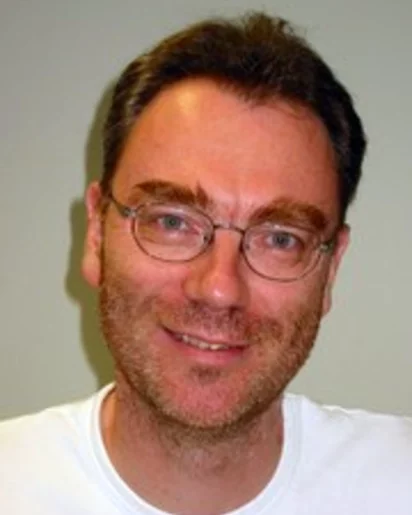
Thomas Huthwelker is a Senior Scientist and Group Leader at the Paul Scherrer Institute (PSI), Switzerland, within the Photon Science Division. He leads the 'In-situ spectroscopy for environmental science' group, operating the PHOENIX beamline at the Swiss Light Source (SLS). His research focuses on synchrotron-based techniques to study environmentally relevant materials like ice and inorganic minerals across multiple scales. University of Bonn, Germany: PhD in Physics (HCl uptake on ice studies) Postdoctoral work at ETH Zurich, Switzerland, with adjunct faculty position at SUNY, Albany, USA Current roles: group leadership, beamline development, supervision of PhD students His work drives advancements in tender/soft X-ray spectroscopy, including liquid microjet systems and 2D chemical imaging. Key research areas involve carbonate nucleation for carbon capture, aerosol synthesis of amorphous materials, and synchrotron emission spectroscopy development. Collaborations span electrochemistry, solid-state batteries, and geological carbon cycling. Recent publications highlight applications in cultural heritage analysis, corrosion science, and catalytic OER mechanisms. Institutional roles include membership in PSI Research and Safety Commissions. Facilities utilized include SLS beamlines and SwissFEL.
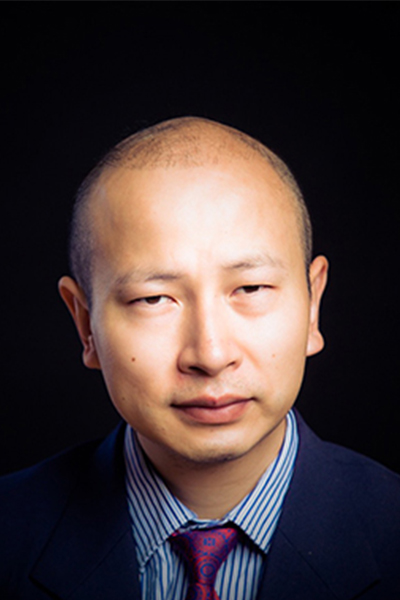
Yu Huang is an Associate Professor in the Department of Biological Engineering at Utah State University's College of Engineering, where he leads the MicroBrain Laboratory. His research focuses on BioMEMS and microtissue engineering of neurons, tumors, and stem cells with applications in neuroscience, regenerative medicine, and cellular therapy. Dr. Huang earned his educational credentials from prestigious institutions: PhD in Materials Science, University of Wisconsin-Madison, 2011 MS in Materials Science, University of Wisconsin-Madison, 2010 BS in Chemistry, Beijing University, 2001 Dr. Huang's research interests center on BioMEMS (microfabrication technology for biomedical applications), biomaterials, microfluidics, and tissue engineering. His laboratory specializes in microtissue engineering of neurons, tumors, and stem cells, with applications spanning neuroscience, neuro-engineering, regenerative medicine, cell assay development, and cellular therapy. His work bridges engineering principles with biological systems to create innovative solutions for healthcare challenges. His publication record demonstrates consistent focus on neural tissue engineering, organoid development, and microfabrication technologies. Recent work emphasizes brain organoid modeling, 3D-printed biomaterials, and microfluidic platforms for neural and cancer research. His publications appear in high-impact journals including Nature Biotechnology, ACS Nano, and NanoScale, reflecting the interdisciplinary nature of his work at the intersection of engineering and biology. Dr. Huang has received numerous prestigious awards recognizing his research and teaching excellence: NSF CAREER Award (2022) NIH MIRA Award (2021) Multiple Faculty Research Excellence Awards from USU (2022-2023) Outstanding Graduate and Undergraduate Mentor Awards Young Investigator Award from Society for Biomaterials (2022) As an educator and mentor, Dr. Huang has guided numerous graduate and undergraduate students through research projects in his MicroBrain Lab. His teaching portfolio includes BioMEMS, Engineering Properties of Biological Materials, and Graduate Seminar courses. His lab actively recruits students interested in neural engineering, cancer research, and biomaterials development, providing hands-on research experience in state-of-the-art facilities. The MicroBrain Laboratory maintains active collaborations across disciplines, focusing on engineering micro-environments for neural tissue development, cancer migration studies, and therapeutic applications of engineered tissues. Current projects include organoid engineering, anti-inflammatory compound studies, and development of novel biomaterials for neural applications.
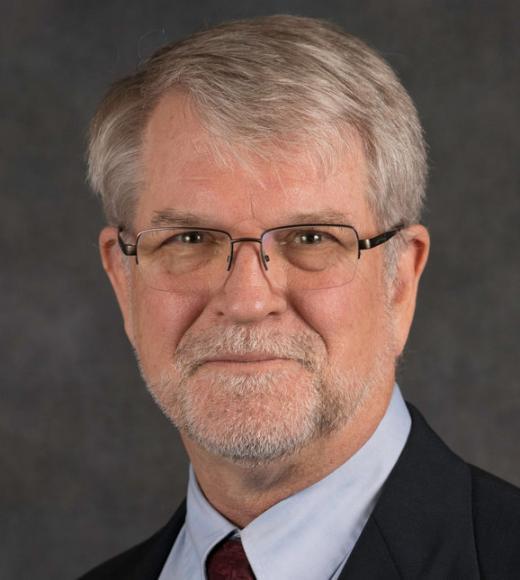
Michael Sherratt is a Senior Lecturer in Molecular Biochemistry at the University of Manchester, affiliated with the Division of Cell Matrix Biology & Regenerative Medicine. His research focuses on the mechanical properties of tissues and their changes during aging, particularly in elastic fibers and cardiac proteins like titin. He holds a BSc from Manchester University (1989), an MSc from UMIST (1992), and a PhD (1997) from Cay Kielty’s lab at the Wellcome Trust Centre for Cell-Matrix Research. His work bridges the physical and life sciences, using techniques like atomic force microscopy and scanning acoustic microscopy. He has contributed to studies on fibrillin microfibrils, the impact of environmental factors on tissue elasticity, and the role of titin in heart function. Awards include an Age UK Fellowship and recognition for outstanding research papers. Active collaborations span multiple universities and institutes, including the School of Materials for tissue elasticity studies. He also contributes to teaching, supervising PhD students and medical projects. His research addresses UN Sustainable Development Goals related to health and aging. Research Interests: Mechanical properties of elastic fibers and titin in aging Environmental influences (UV, smoking, diabetes) on tissue structure Nano/micro-mechanical analysis of ECM proteins Development of scanning acoustic microscopy Awards: Age UK Fellowship (2005) AgeUk Senior Fellowship (2008) Best research image award (2011) Outstanding paper award (2012) Teaching & Mentorship: Supervises industrially funded PhD students and medical projects, participates in first-year medical degree programs. Collaborates widely with researchers in dermatology, cardiology, and materials science. Labs/Teams: Works with the Manchester Institute for Collaborative Research on Ageing and Manchester Regenerative Medicine Network, leveraging interdisciplinary approaches to study tissue mechanics and aging.
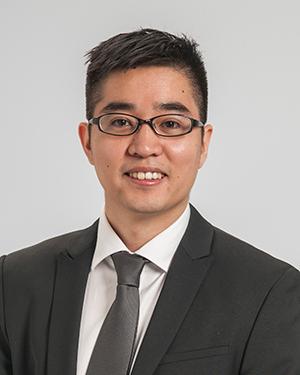
Shuqiao Xie is a Visiting Researcher in the Department of Bioengineering at Imperial College London's Faculty of Engineering. His work focuses on computational biomechanics, medical device prototyping, and statistical shape models. He leads a translation project developing a smartphone-based navigation system for orthopaedic implant positioning, collaborating with surgeons, investors, and entrepreneurs. This project has secured funding from the Wellcome Trust, EPSRC IAA, SET Squared ICURe, MedTech SuperConnector, and Innovate UK Biomedical Catalyst. Shuqiao earned his PhD from the University of Edinburgh under Professors Pankaj Pankaj, Hamish Simpson, and Dr. Robert Wallace, researching novel constitutive models for trabecular bone viscoelasticity and finite element algorithms. His expertise bridges computational techniques and clinical applications, emphasizing patient outcome improvements through medical technology innovation. His research interests span biomedical engineering, mechanical engineering, clinical sciences, human movement sciences, materials engineering, and nursing applications. Key projects include trabecular bone mechanics, medical device validation, and 3D bone reconstruction using statistical models. Funding sources include EPSRC, Innovate UK, and the Wellcome Trust. He actively collaborates with industry and academic partners to translate research into clinical tools. No specific awards are explicitly listed, but his work reflects significant industry and governmental support.
David P. Fyhrie is a Professor in the Department of Biomedical Engineering at the University of California, Davis, and holds a joint appointment in Orthopedic Surgery. His primary research focuses on bone and cartilage biomechanics, particularly investigating how mechanical loading influences tissue behavior, damage, and cellular signaling. The Fyhrie Lab studies orthopedic tissues in the context of aging, disease, and pharmacological interventions, with applications to equine and human musculoskeletal systems. Research interests include bone remodeling, fracture mechanics, finite element modeling, and the mechanical properties of cartilage. His work integrates experimental and computational methods to understand tissue responses under physiological and pathological conditions. Key areas of application include equine limb mechanics (e.g., proximal sesamoid bone fractures in racehorses) and the effects of surface materials on ground reaction forces. Recent publications explore topics such as SARS-CoV-2-induced bone loss in mice, race surface compaction effects, and computational modeling of equine limb injury risk. His research bridges biomechanical engineering, veterinary science, and clinical orthopedics, with an emphasis on translational applications. Lab: Fyhrie Lab at UC Davis Medical Center. Collaborations span biomechanical engineering, veterinary medicine, and computational modeling. No awards explicitly listed in provided texts.
Kunio Nakamura, PhD , serves as a Research Scientist and Principal Investigator at the Cleveland Clinic's Lerner Research Institute within the Department of Biomedical Engineering. His work focuses on developing advanced imaging techniques to better understand and monitor Multiple Sclerosis (MS) progression through innovative MRI analysis approaches. Nakamura leads the Kunio Nakamura Laboratory, where his team develops specialized software for automatic measurement of brain MRIs and investigates new imaging methodologies specifically tailored for MS patients. Dr. Nakamura's primary research interests center on overcoming limitations in standard MRI techniques for MS assessment. His laboratory focuses on developing methods to quantify different MS pathological processes, measure subtle changes over time, and assess damage in both gray and white matter. This work addresses critical challenges in MS imaging, where traditional methods cannot distinguish between various tissue damage types and fail to detect certain pathological processes entirely. His research has significant implications for improving patient monitoring, treatment decisions, and evaluation of new drug therapies. Analysis of Dr. Nakamura's recent publications reveals a strong focus on quantitative MRI techniques for MS, with particular emphasis on cortical lesion detection, brain atrophy measurement, and advanced imaging biomarkers. His work spans multiple subfields including deep learning applications for lesion segmentation, high-field MRI techniques, longitudinal change analysis, and comparative studies between MS and related autoimmune disorders. A notable trend in his research is the development of more sensitive imaging markers that can detect subtle pathological changes before they become clinically apparent. Dr. Nakamura actively collaborates with leading MS researchers and clinicians across multiple institutions, contributing to major clinical trials and multi-center studies. His laboratory participates in training programs at the Lerner Research Institute, offering hands-on experience with cutting-edge biomedical research techniques. The laboratory's work has direct translational applications, with the goal of developing imaging tools that can be implemented in clinical practice to improve MS patient care.
Professor Pawan Singh Takhar holds dual appointments in the Department of Food Science and Human Nutrition and the Department of Agricultural and Biological Engineering at the University of Illinois Urbana-Champaign's College of Agricultural, Consumer and Environmental Sciences. His research bridges food engineering principles with biological material science. His research focuses on moisture transport phenomena , glass transition in food systems, and pore-scale modeling of food microstructures. Key areas include frying technology, drying processes, and antimicrobial treatments using advanced computational methods. His work combines hybrid mixture theory with experimental validation through techniques like X-ray microtomography and NMR imaging. Analysis of his 76 research outputs reveals strong emphasis on food microstructure characterization (52% fingerprint weight), transport mechanisms (49%), and moisture dynamics (58%). His recent publications demonstrate increasing integration of computational modeling with experimental food engineering, particularly in pore-scale antimicrobial gas flow and real-time deformation monitoring during drying processes. Professor Takhar collaborates extensively with researchers across food safety, flavor chemistry, and agricultural engineering domains. His work has significant implications for improving food preservation techniques, reducing oil content in fried foods, and developing non-destructive quality assessment methods.
Parthasarathi Mandal is a Professor (Reader) in Bioengineering and Structural Mechanics at the University of Manchester. He leads the Bio-engineering research theme in the School of Mechanical, Aerospace and Civil Engineering and serves as Head of Equality, Diversity, Inclusion, and Access for the School of Engineering. His expertise spans structural mechanics, biomechanics, and bio-engineering, with a focus on interdisciplinary research addressing societal challenges. Education: BE and MTech from NIT Durgapur and IIT Kanpur, followed by a PhD from the University of Cambridge. Professional roles include former Director of Civil Engineering Undergraduate Programmes (2012–2017) and co-director of Manchester Institute for Collaborative Research on Ageing (MICRA). He is an Associate Editor of Research on Biomedical Engineering and has secured ~£1.5M in research grants. Research Interests: Bio-engineering, computational mechanics, thin-walled structures, and cell/tissue engineering. Key projects include stability of large-scale structures, micro-mechanics of human cells, and novel biomechanical models for medical devices. His work contributes to UN SDGs, particularly in advancing healthcare and sustainable infrastructure. Supervised 24 PhD students and published over 80 peer-reviewed articles. Notable contributions include developing a theoretical framework for cylindrical shell buckling and advancing friction stir welding techniques. Active in teaching innovation,他曾领导战略教学工作组以提升学生学习体验.
Zhenmin Zou is a Lecturer in Mechanical and Aerospace Engineering at Nanjing University of Aeronautics & Astronautics (NUAA), China. He holds a BEng, MEng, and PhD from NUAA. His career includes roles as a Research Associate and Research Fellow at UMIST and the University of Manchester. His research focuses on composite materials, structural fracture mechanics, thermomechanical behavior of hybrid composites, and biomechanical systems. Key areas include fiber hybrid composites, microstructural analysis, and advanced manufacturing techniques for biomedical applications. Education: BEng (Aircraft Engineering, NUAA), MEng (Solid Mechanics, NUAA), PhD (Aircraft Engineering, NUAA). Research Interests: Composite materials and structures Structural dynamics and fracture High strain rate material response Biomechanics and bioinspired designs Finite element modeling Thermomechanical behavior of composites Recent work emphasizes fiber hybridization effects, micro-stress fields in composites, and fatigue characterization of joints. His contributions to the Manchester Biomanufacturing Centre and Structural and Fire Engineering themes align with UN Sustainable Development Goals. Collaborations include international institutions and industry partners in materials science and biomedical engineering.
Professor Lynne Bilston is a leading academic in Biomedical Engineering at UNSW Sydney, affiliated with the Graduate School of Biomedical Engineering and Neuroscience Research Australia. Her research focuses on biomechanics of nervous system injury, neurotrauma mechanisms, and imaging techniques such as MRI/MR elastography. She explores how mechanical loading affects neural tissues across scales—from molecular to whole-body dynamics—to inform injury prevention and treatment. Expertise: Biomechanical engineering, neural tissue mechanics, obstructive sleep apnea, pediatric biomechanics. Affiliations: Chair of Australian Standards Committee for Child Restraints, Fellow of Academy of Health and Medical Sciences. Her work integrates clinical imaging (e.g., tagged MRI, MR elastography) with computational modeling to study conditions like syringomyelia, hydrocephalus, and spinal fluid dynamics. She also investigates child restraint safety, publishing extensively on injury prevention and restraint design. Key contributions include over 150 peer-reviewed articles, focusing on injury mechanisms, imaging innovations, and public health interventions. Awards include a Fellowship from the Academy of Health and Medical Sciences.
Razvan Marinescu is an Assistant Professor in the Department of Computer Science and Engineering at the University of California Santa Cruz, where he leads a research lab focused on machine learning for healthcare, biomolecular systems, and neuroimaging. He is also the co-founder and CTO of GiwoTech Inc., a drug screening startup. Education: PostDoc, MIT CSAIL, Polina Golland’s Lab PhD in Computer Science, 2019, Center for Medical Image Computing, University College London MEng in Computer Science, 2014, Imperial College London BSc in Computer Science, 2013, Imperial College London Razvan's research spans machine learning, Bayesian inference, generative models, and their applications in medicine and molecular biology. His work includes modeling neurodegenerative diseases like Alzheimer’s and Posterior Cortical Atrophy, developing differentiable simulators for MRI, and advancing generative AI for medical image reconstruction and drug discovery. He has a strong interest in the mathematical foundations of statistical inference in machine learning. His recent publications demonstrate a strong trend toward using deep generative models, diffusion models, and Bayesian frameworks for solving inverse problems in medical imaging and simulating biological systems. Key themes include super-resolution MRI, microstructure reconstruction, and applying Malliavin calculus to diffusion models. Scientific Awards: Best Paper Award, NeurIPS Deep Generative Models and Downstream Applications Workshop (2021) Razvan advises a large group of PhD and master’s students and has secured significant research visibility through community challenges like TADPOLE. He has also contributed to open-source tools such as BrainPainter and actively collaborates with institutions worldwide. His lab receives support through academic grants and entrepreneurial funding via his startup. Labs and Projects: He leads a research group at UC Santa Cruz focusing on projects including AI for Material Science, Simulating a Virtual Cell, ML Compositionality, Image Reconstruction, Generative Modeling, ML Benchmarks, Disease Progression Modeling, Differentiable Simulators, ML for Molecular Dynamics, and Medical Visualization.
Jamie Foster McMaster is an Adjunct Associate Professor in the Department of Mathematics and Statistics at McMaster University. His scholarly activity integrates mathematical modeling, computational physics, and interdisciplinary applications in energy storage, biomedical engineering, and astrophysical phenomena. He has collaborated extensively on studies related to lithium-ion battery optimization, perovskite solar cells, and respiratory disease research. Key Research Areas: Mathematical modeling of electrochemical systems, computational fluid dynamics, astrophysical jets, and biomedical applications. Notable Contributions: Development of fast solvers for battery models, studies on adherence behavior in asthma patients, and experimental-validation frameworks for energy materials. Recent Publications: Focused on lithium-ion battery degradation, espresso brewing dynamics, and perovskite solar cell performance optimization. While no explicit awards or student advisement information is available in the provided data, his extensive publication record across diverse fields highlights his interdisciplinary expertise. His work bridges theoretical mathematics with practical applications in renewable energy and healthcare diagnostics.
Professor Anasavarapu Srikantha Phani is affiliated with the Department of Mechanical Engineering at the University of British Columbia within the Faculty of Applied Science. His research focuses on the mechanics of lattice materials and devices, dynamics and vibrations, and mechanics of small-scale systems. He serves as a Tier 2 Canada Research Chair in Dynamics of Lattice Material and Devices and is a Fellow of the Cambridge Commonwealth Society. Tier 2 Canada Research Chair (CRC) in Dynamics of Lattice Material and Devices Member of ASME and ASA Fellow of Cambridge Commonwealth Society Professor Phani's research bridges lattice materials, biomedical applications, and nanoscale heat transport. His work includes modeling complex systems like cellulose fiber networks and analyzing biomechanics of vascular diseases. He also contributes to understanding thermal transport in carbon nanotubes and the mechanical behavior of polymer brushes. His recent publications highlight interdisciplinary research spanning materials science , biomechanics , and nanoengineering , with applications in medical diagnostics , microstructured materials , and low-dimensional thermal systems . Key collaborations include researchers from biomedical and computational fields. Top Journals: Applied Physics Letters, Journal of Vascular Surgery, Physical Review series, Macromolecules, ACS Nano Research Trends: Multi-scale modeling, biomechanical analysis, phonon transport, and nonlinear material behavior
Mona Nystad is an Associate Professor at the Department of Medical Biology, UiT The Arctic University of Norway. Her research focuses on reproductive biology, medical genetics, and advanced microscopy techniques. She is affiliated with research groups including Vascular Biology and Women's Health and Perinatology, contributing to projects like 'Morkake og FNAIT' and infertility studies. Research Interests: Dr. Nystad's work integrates microscopy innovations (e.g., chip-based super-resolution imaging) with investigations into placental biology, sperm motility, and genetic disorders. Her recent studies (2024) explore biomarkers for HPA-1a alloimmunization and sperm motion analysis using nanoscale tracking. She also develops antimicrobial delivery systems and epigenetic mechanisms in human development. Publications Highlight: Over 15 publications (2021–2024) span topics like chitosan-enhanced antimicrobial agents, placental pathology, and embryo engineering. Her 2023 work introduced quantitative phase contrast microscopy for IVF applications. Awards & Grants: No explicit awards listed, but her lab's projects indicate active research funding. She teaches courses on medical genetics, cytogenetics, and embryology, emphasizing practical applications of genetic testing and assisted reproduction. Labs/Teams: Active in UiT's Vascular Biology and Women's Health groups, collaborating on placenta function and infertility solutions. Her lab employs cutting-edge optical imaging and molecular techniques for translational research.
Alessandro Silvestri is an Assistant Professor of Analytical Chemistry at the Department of Molecular Sciences and Nanosystems, Ca' Foscari University of Venice. He holds a PhD in Chemistry from the University of Milan and has held postdoctoral positions at the Max Planck Institute of Colloids and Interfaces (Germany) and CIC biomaGUNE (Spain). His research focuses on nanomaterials synthesis, 2D materials, biosensing, and biomineralization processes. Education: B.Sc. in Chemical Sciences (2011), University of Milan M.Sc. in Chemical Sciences (2013), University of Milan Ph.D. in Chemistry (2017), University of Milan Research Interests: Functionalization and application of 2D materials Development of wearable electrochemical sensors for biomarkers Biomineralization studies in marine organisms Green synthesis of carbon nanodots Electrochemical analysis of biological/environmental molecules Awards: Juan de la Cierva-Formación Fellowship (2020) Current Projects: Development of microneedle biosensors for pyroptosis monitoring in 3D skin models (funded by the Ministry of Research) Teaching: Teaches Analytical Techniques for Biomolecules and General Analytical Chemistry at undergraduate and graduate levels.