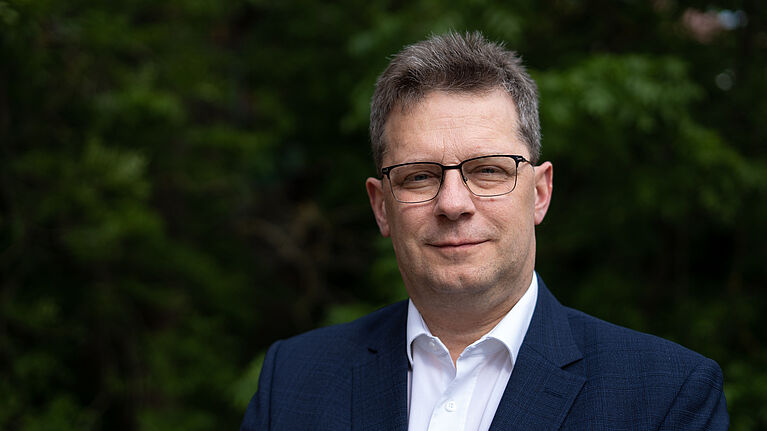
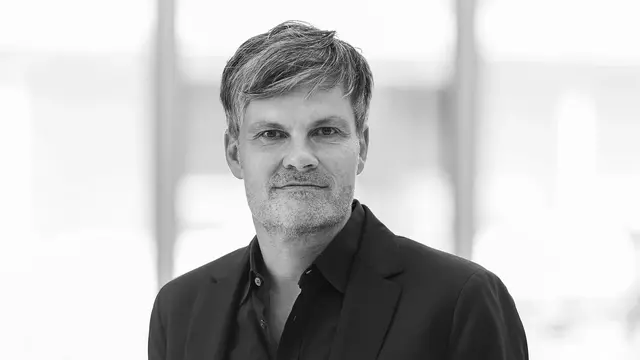
Prof. Dr. Charlotte Achilles-Pujol is a full Professor at the Faculty of Tourism (Faculty 14) of Munich University of Applied Sciences, where she holds dual leadership roles as Dean of Studies (focusing on Quality of Teaching and Scholarship) and Bachelor's Program Director for Tourism. Based in Room S 121 at Schachenmeierstraße 35, Munich, she shapes curriculum standards and academic quality for tourism education. Her research spans Commercial law, private international law, European law, travel law, employment law, and tourism law, emphasizing legal intersections within global tourism operations. Current publications and projects are accessible via her ORCID profile , reflecting sustained scholarly engagement in these specialized legal domains. Students interact with her through institutional channels, primarily via the Fk14 Moodle platform for office hours and timetables. As an academic leader, she drives program coordination and quality assurance while advancing research that informs tourism law pedagogy and industry practice.
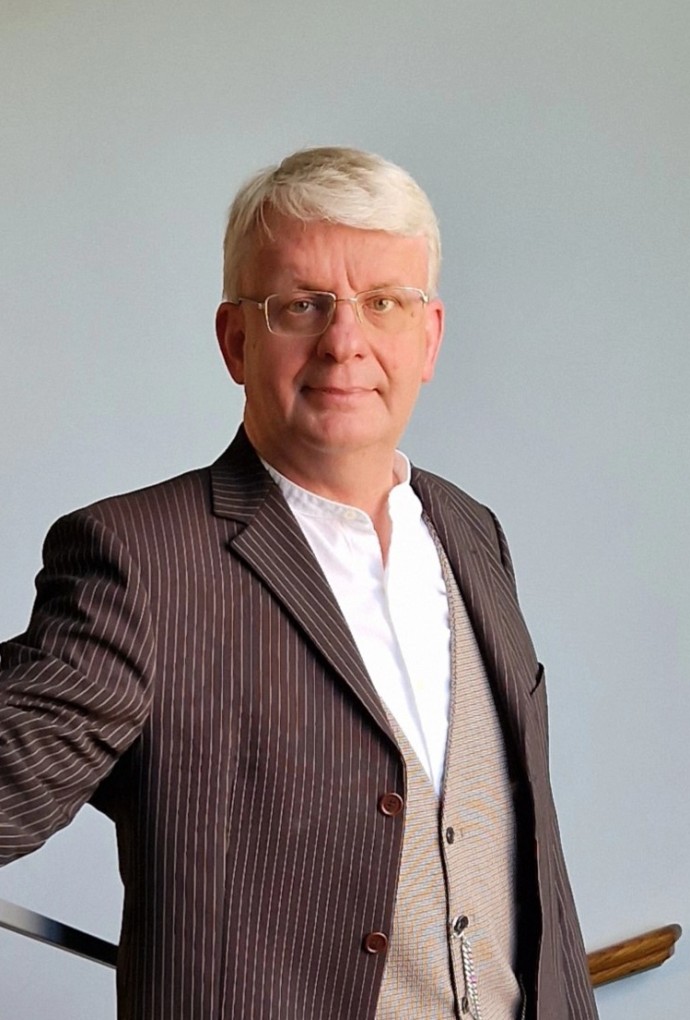
Prof. Dr. Felix Kolbeck serves as a Professor at Munich University of Applied Sciences within the Faculty of Business and Social Sciences (Faculty 14). Based in Room S 215 at Schachenmeierstraße 35, Munich, his academic responsibilities center on Accounting, Controlling, and Tourism disciplines. His institutional affiliation demonstrates integration within Bavaria's professional education framework for business and social sciences. Research interests focus on practical intersections between financial management systems and tourism operations, particularly examining sustainable travel choices within political contexts. His work emphasizes actionable industry applications rather than theoretical frameworks, targeting hospitality sector professionals through trade publications and media engagement. Key themes include consumer decision-making in tourism, policy impacts on travel behavior, and operational accounting practices for hospitality businesses. Recent publications reveal an applied research trajectory oriented toward Bavarian tourism industry needs. The 2023 Gastgeber Bayern article analyzes political dimensions of travel choices, while the 2020 TV BAYERN contribution addressed tourism summit outcomes during pandemic recovery. These outputs demonstrate consistent focus on contemporary tourism challenges with emphasis on practical business implications rather than scholarly journal contributions. Students access scheduling information through the FK14 Moodle platform, with office hours and timetables managed via this institutional system. Direct contact is available through university-provided telephone (+49 89 1265-2172), though email communication channels remain unspecified in public materials. His position reflects integration within Munich's professional education ecosystem serving Bavaria's business community.
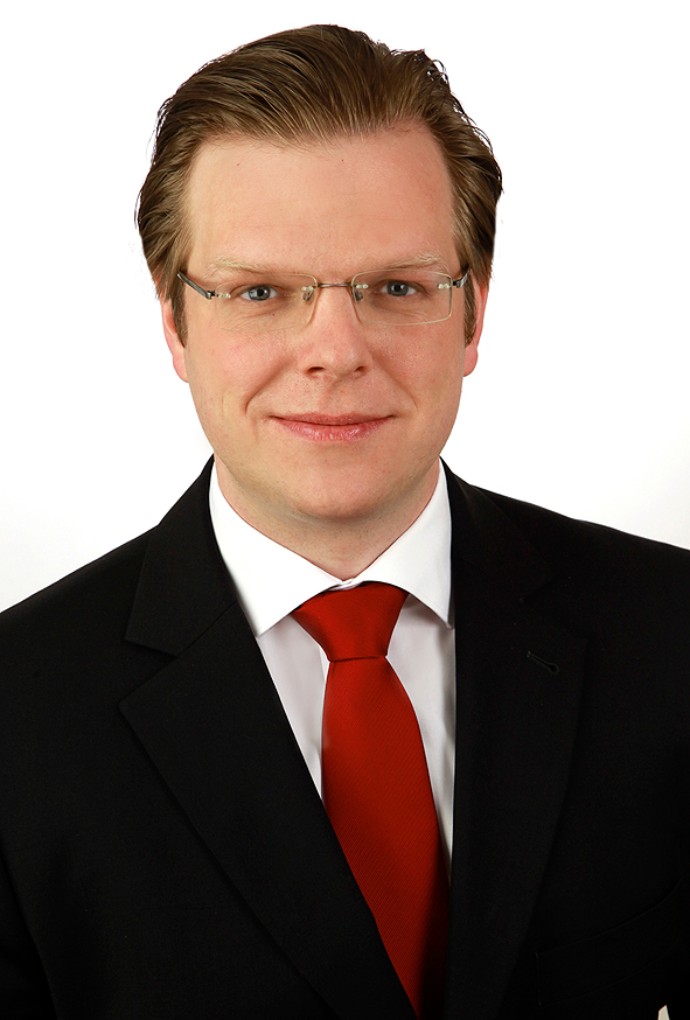
Lukas Schönberger serves as a Professor at the Faculty of Business, Law and Social Sciences (Faculty 14) of Munich University of Applied Sciences, with his office located in Room S 222 at Schachenmeierstr. 35, 80636 Munich, Germany. His contact includes telephone +49 89 1265-2118 and fax +49 89 1265-2108, with timetable and office hours accessible via Moodle screen FK14. His research and teaching focus centers on Business Management & Administration, Live Communication & MICE (Meetings, Incentives, Conferences, Exhibitions), and Travel Security. This interdisciplinary work bridges corporate administration with event management practices, emphasizing real-time communication strategies and risk mitigation in global tourism operations. His expertise particularly addresses security protocols within international travel frameworks and experiential event design.
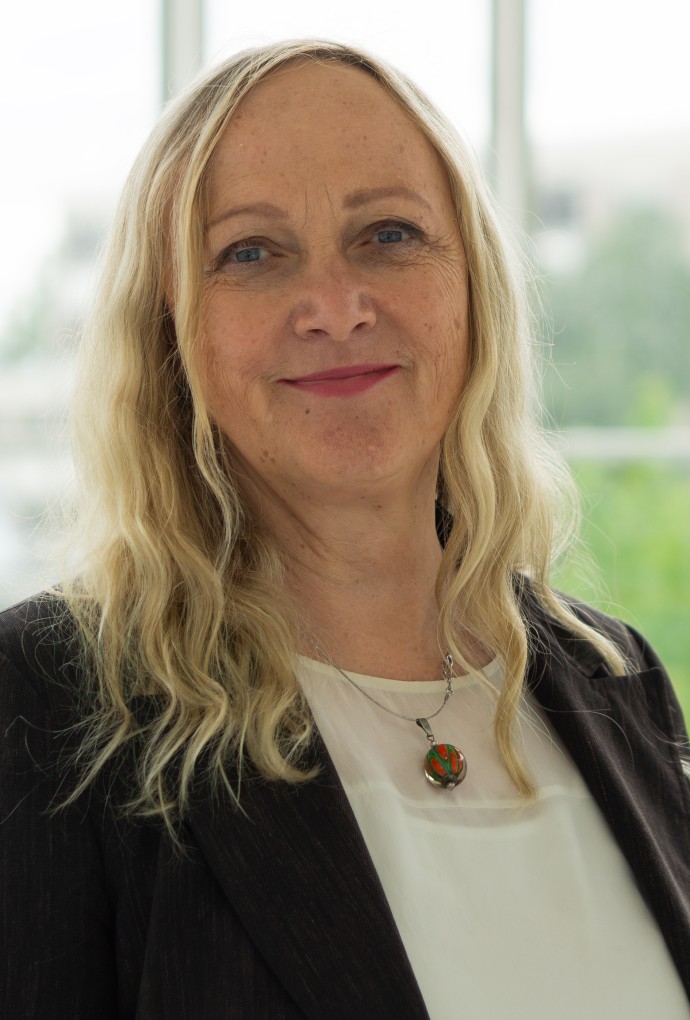
Prof. Dr. Ines Nikolaus serves as a Professor in the Faculty of Physics at Ludwig Maximilian University of Munich (LMU), based in room C 301 at the central campus address (Loristr. 19, 80335 Munich). Her academic responsibilities include teaching and research within the specialized domain of technical optics. Her research expertise centers on Optics Design and Technical Optics , with significant focus on applied implementations. She leads the Laboratory for Technical Optics where practical work includes deployment planning for optical systems and laboratory timetable management. This laboratory serves as the operational hub for developing real-world optical instrumentation solutions and training students in hands-on optical engineering. As a full Professor, she maintains regular consultation hours requiring advance email registration and oversees laboratory operations critical to optics education at LMU. Her work bridges theoretical optical principles with practical engineering applications, particularly in designing functional optical systems for scientific instrumentation. The Laboratory for Technical Optics represents her primary research infrastructure, providing specialized facilities for optical system development and student training in applied optics methodologies.
Michael Hofmann is a Professor at Faculty 03 in Munich, specializing in Electrical Drives, Electronics, Mechatronics, and Energy Management. His office is located at Dachauer Straße 98b (Room B 263b), with phone contact at +49 89 1265-1255 and fax at +49 89 1265-3308. His research at the MEC Laboratory focuses on practical applications in: Electrical drives systems Electronics design and implementation Mechatronics integration Energy management solutions He teaches courses identified by the timetable abbreviation HofEM , covering his core technical domains.
Markus Würtz serves as an external lecturer at the University of Applied Sciences Erfurt while holding a full-time position as Head of Sales at Jenaer Nahverkehr GmbH (Jena Local Transport GmbH). He teaches within the Bachelor's degree programs for Industrial Engineering in Railway Engineering and Traffic, Transport, Logistics. His research and teaching expertise centers on public transport operations, with specific focus areas including: Service planning, quality standards, and evaluation methodologies Vehicles and operating facilities management Timetable development and vehicle routing optimization Duty scheduling, sequencing, and personnel dispatch systems Intermodal Transport Control Systems (ITCS) Public transport acceleration techniques Fare structures and business economics Würtz has developed specialized teaching scripts covering Public Transport Operations and Working Hours Law, reflecting his practical industry experience in German local transport systems.
Corinne LUCET-VASSEUR is a University Professor at Université de Picardie Jules Verne (UPJV), leading Research Unit UR 4290 (OCIA - Optimisation Combinatoire, Images et Applications). Her office (Room 302, Tel: 5900) serves as the hub for her research group focused on combinatorial optimization and artificial intelligence applications. Her research spans: Combinatorial Optimization : Developing metaheuristics for NP-hard problems Healthcare Logistics : Patient flow optimization, facility location, simulation training Logistics Engineering : Parcel distribution, vehicle routing with time windows Algorithm Design : Ant Colony Optimization, Adaptive Large Neighborhood Search, portfolio methods She applies these methodologies to solve complex real-world problems, particularly in healthcare systems where resource constraints and scheduling complexity demand innovative optimization approaches. Her work bridges theoretical advances with practical implementation through industrial partnerships. Current research projects include: SMILE PICK UP (CIFRE industrial partnership) Simusanté (healthcare simulation) LORH (logistics optimization) These projects secure ongoing funding and provide doctoral training opportunities through industry collaboration. Her publication record demonstrates consistent methodological innovation applied to healthcare and logistics challenges across multiple European conferences and journals. Professor Lucet-Vasseur actively mentors junior researchers through co-authorship on conference papers and journal articles. Her supervision style emphasizes practical problem-solving with industry relevance, preparing students for both academic and industrial careers in optimization. The OCIA research unit provides a collaborative environment for tackling complex combinatorial problems with real-world impact. The OCIA laboratory serves as UPJV's center for combinatorial optimization research, specializing in metaheuristic development for healthcare and logistics applications. The lab maintains strong industry connections through CIFRE contracts and applied projects, ensuring research relevance while providing students with exposure to real business challenges. Current focus areas include adaptive algorithm selection using reinforcement learning and fitness landscape analysis for optimization problems.
Dr. Ciprian Zavoianu is an academic researcher at Robert Gordon University (RGU) in the School of Computing, Engineering & Technology. He leads the Net Zero Operations research programme at the National Subsea Centre and is affiliated with the Complex Optimisation Research Group. His work focuses on applying artificial intelligence, particularly evolutionary computation algorithms, to solve complex real-world optimization problems with practical engineering applications. Dr. Zavoianu earned his academic qualifications from West University of Timisoara, Romania (BSc and MSc in Computer Science) and Johannes Kepler University Linz, Austria (PhD in Computer Science, 2015). His doctoral research focused on enhancing multi-objective evolutionary algorithms for computationally-intensive optimization problems. His primary research interests include: Evolutionary Computation Multi-Objective Optimization Data Mining & Machine Learning (particularly for surrogate modeling) Timetabling and Rostering Parallel/Distributed Computing Dr. Zavoianu's recent publications (2021-2025) demonstrate a strong focus on applying optimization techniques to transportation systems, electrical machine design, and sustainable energy solutions. His work consistently addresses the challenge of computationally expensive optimization through innovative surrogate modeling approaches, enabling practical applications of evolutionary algorithms to real-world engineering problems. He has secured multiple research grants including 'Data For Net Zero' and 'Ferry Passenger and Freight Modelling for Shetland,' demonstrating the practical relevance and industry applicability of his research. Dr. Zavoianu actively supervises five PhD/EngD students across diverse topics including predictive analytics for subsea installations, optimization of electrical machines, and operations optimization for harbor operations. His supervision approach emphasizes bridging theoretical algorithm development with practical implementation in engineering contexts. His laboratory work is centered around the National Subsea Centre, where he leads the Net Zero Operations research programme, focusing on sustainable solutions for the energy transition through advanced computational methods.
Dr Chris Young is a Senior Lecturer in Biomedical Science and Enterprise Lead for the School of Allied Health Sciences at De Montfort University's Faculty of Health and Life Sciences. He also serves as a long-term visiting scientist at the Li Ka Shing Cancer Research UK Research Institute, Addenbrookes, Cambridge, and maintains research collaborations with the University of Portsmouth. Dr Young completed his PhD in Molecular Medicine at the University of Portsmouth (2007-2011), an MSc in Genetic Manipulation and Molecular Cell Biology with Distinction from the University of Sussex (2006-2007), and a BSc in Biochemistry and Organic Chemistry with First Class Honours from The Open University (2003-2006). He also holds a PG-Cert in Learning and Teaching in Higher Education with Distinction (2019) and is a Fellow of the Higher Education Academy. Dr Young's research focuses on skeletal muscle pathologies and in vitro/in vivo modeling of human pathologies, with two main themes: elucidating the role of autophagy in skeletal muscle stem cells, and developing next-generation wound dressings for trauma and disaster medicine. His work on autophagy has therapeutic potential extending to muscle disease, muscle aging, soft tissue injuries, rhabdomyosarcoma, diabetes, and liver disease. His expertise in muscle pathology underpins his co-founded company, Chromar Research & Development Ltd., which customizes IP and technology for human and veterinary markets. Analysis of Dr Young's publication record reveals a strong focus on muscle pathology, particularly Duchenne Muscular Dystrophy, with significant contributions to understanding autophagy mechanisms and purinergic signaling. His recent work has expanded into cancer research, particularly colorectal cancer biomarkers, and medical education innovations, reflecting his diverse research interests and interdisciplinary approach. ICURe Discover, Explore & Exploit awardee for Chromar Research and Development Ltd. (2024-2025) VentureVersity selected case study for success in Enterprise and Innovation (2024) Shortlisted for Academy of Medical Sciences Early Career Award (2023) Blavatnik Award Nominee (2022) Elected Member of the Fisheries Society of the British Isles (2022-present) Member of the Royal Society of Biology (2021-present) Future Research Leader Scholarship (2020) Innovation for International Education Award from Nanolive (2019) Dr Young successfully supervises PhD students including Michal Kozielecki, Kyle Gordon, and Divine Derefaka, and has secured four successive externally funded innovation grants to support Chromar in the last two years. His teaching portfolio includes Chemistry for the Biosciences, Biochemistry and Molecular Cell Biology, Cyto & Histopathology, Clinical Biochemistry, Clinical Genetics, and Cancer Biology, where he serves as Module Lead for Research Projects and as 1st Year Coordinator and Timetabling Coordinator for Biomedical Science. Dr Young maintains an active laboratory focused on skeletal muscle pathologies with two main research themes. He is collaborating with Dr Omar Qutachi to spin out Chromar Research & Development Ltd. with Innovate UK ICURe funding support, demonstrating his commitment to translating research into practical applications for human and veterinary markets.
Roman Vladimirovich Lisov is a Research Fellow at the National Research University Higher School of Economics (HSE), working within the Faculty of Computer Science and the Institute of Artificial Intelligence and Digital Sciences. He is affiliated with the Project-based Learning Laboratory "Artificial Intelligence in Mathematical Finance" and began his position at HSE in 2025. Dr. Lisov holds a Master's degree in Applied Mathematics and Physics from the Moscow Institute of Physics and Technology (National Research University), completed in 2023. His research interests include: Data Analysis Artificial Intelligence applications in finance Mathematical modeling Quantitative methods He also serves as a visiting lecturer at the Faculty of Computer Science. His academic supervision is provided by Professor Sokolov E. A. His office is located at AUK "Pokrovsky Boulevard", Pokrovsky Boulevard, Building 11, with consultation hours scheduled according to the class timetable.
Fang He is a Lecturer in the Department of Computer Science at the University of Westminster. Her research interests include the application of operational research techniques to healthcare and financial portfolio management problems, with a focus on nurse scheduling and portfolio optimization under uncertainty.
Kian Pokorny serves as Professor of Computing at McKendree University, maintaining an office in Clark Hall 200 with contact phone (618) 537-6440. His academic foundation includes a Ph.D. from Louisiana Tech and dual degrees (M.S., B.S.) from Central Missouri State University. Education background: Ph.D., Louisiana Tech M.S., Central Missouri State University B.S., Central Missouri State University His research spans Artificial Intelligence , Soft Computing , Data Science , and Computer Science Education , driven by the philosophy: "My highest priority as an educator is to produce lifelong learners with strong critical thinking skills. This I hope to accomplish by creating a non-threatening, student-centered environment within my classroom that allows students to achieve the highest possible levels of learning." This commitment manifests in curriculum innovations and educational tool development. Analysis of his 15 most recent publications reveals consistent focus on computer science pedagogy evolution. Key trends include: integration of data science into traditional curricula (2022), machine learning applications for institutional analysis (2021), and sustained development of the Frances tool suite for computer architecture education (2009-2012). His work bridges theoretical computer science with practical educational implementation, demonstrating particular strength in constraint satisfaction problems and fuzzy logic applications. Scientific recognition: ACI Grant for Intelligent Tutoring Systems Design: An Empirical Approach (2005-2006) While specific student advisees aren't documented, his extensive publication record in educational methodology suggests significant mentorship impact. The ACI grant specifically supported research into adaptive learning systems, indicating early recognition of his contributions to educational technology innovation. No laboratory facilities or research teams are referenced in available materials.
Jesus Gonzalez Feliu is a Professor of Supply Chain Management at Excelia Business School in La Rochelle, France. He holds a PhD in Computer and Systems Engineering from the Politecnico di Torino (Italy) and an Habilitation à Diriger des Recherches from the University of Paris Est. His academic journey includes positions as Research Engineer at CNRS, Assistant Professor at Ecole des Mines de Saint-Etienne, and current Professor at Excelia Business School since 2020. Habilitation à diriger des recherches, Université Paris Est, France (2016) Doctorat en Génie informatique et des systèmes, Politecnico di Torino, Italie (2008) Master en Transport et mobilité durable, Politecnico di Torino, Italie (2004) Professor Gonzalez Feliu specializes in sustainable urban logistics, demand modeling and forecasting, transport optimization, sustainable food logistics, humanitarian logistics and resilience, and group decision-making processes. His research often focuses on data production and demand estimation, interactive problem solving, and scenario evaluation in logistics contexts. He has made significant contributions to understanding urban freight systems, particularly in developing sustainable solutions for cities in both developed and developing countries. His extensive publication record includes over 75 peer-reviewed journal articles, 2 monographs, and guest editorship of more than 10 special journal issues. His most recent work demonstrates a continued focus on spatial accessibility in logistics warehouses, urban goods transport demand estimation, and sustainable supply chain solutions, with particular attention to applications in developing countries and humanitarian contexts. Chair of Urban Logistics Lab Scientific Committee, Deakin University, Melbourne (2019-2023) Member, Urban Mobility Observatory, Universidad del Pacifico, Lima (2020-present) Professor Gonzalez Feliu has supervised numerous research projects and collaborations across Europe, Latin America, and Australia. His work bridges theoretical modeling with practical applications, particularly in developing decision support systems for urban logistics planning and management. His international perspective is reflected in his research on logistics systems in diverse contexts, from European cities to developing economies in Latin America.
Professor Markus Emde serves as Dean of Studies and timetable planner at the Faculty of Architecture of OTH Regensburg (Ostbayerische Technische Hochschule Regensburg). As a Diplom-Ingenieur (Dipl.-Ing.) Architect with additional expertise as an interior designer and woodturner, he brings practical industry experience to his academic leadership role. The Faculty of Architecture at OTH Regensburg offers three bachelor's and three master's programs that combine design excellence with technical expertise. The faculty is internationally recognized, having received top evaluations in the CHE University Ranking across 15 out of 16 criteria, particularly in studio workspace, design projects, and IT infrastructure. Research activities focus on sustainable construction, historical building research, and preservation of architectural heritage in Regensburg's World Heritage site and surrounding rural areas. Prof. Emde's teaching specialization in design and construction aligns with the faculty's research cluster in Sustainable Construction and Historical Building Research. His role as Dean of Studies places him at the center of academic administration, curriculum development, and timetabling for all architecture programs at the university. As part of the faculty's leadership, Prof. Emde contributes to initiatives like the Halle-A-Lectures series that brings international architectural perspectives to students and the community, and supports the development of new programs such as the upcoming Design M.A. program launching in October 2025.