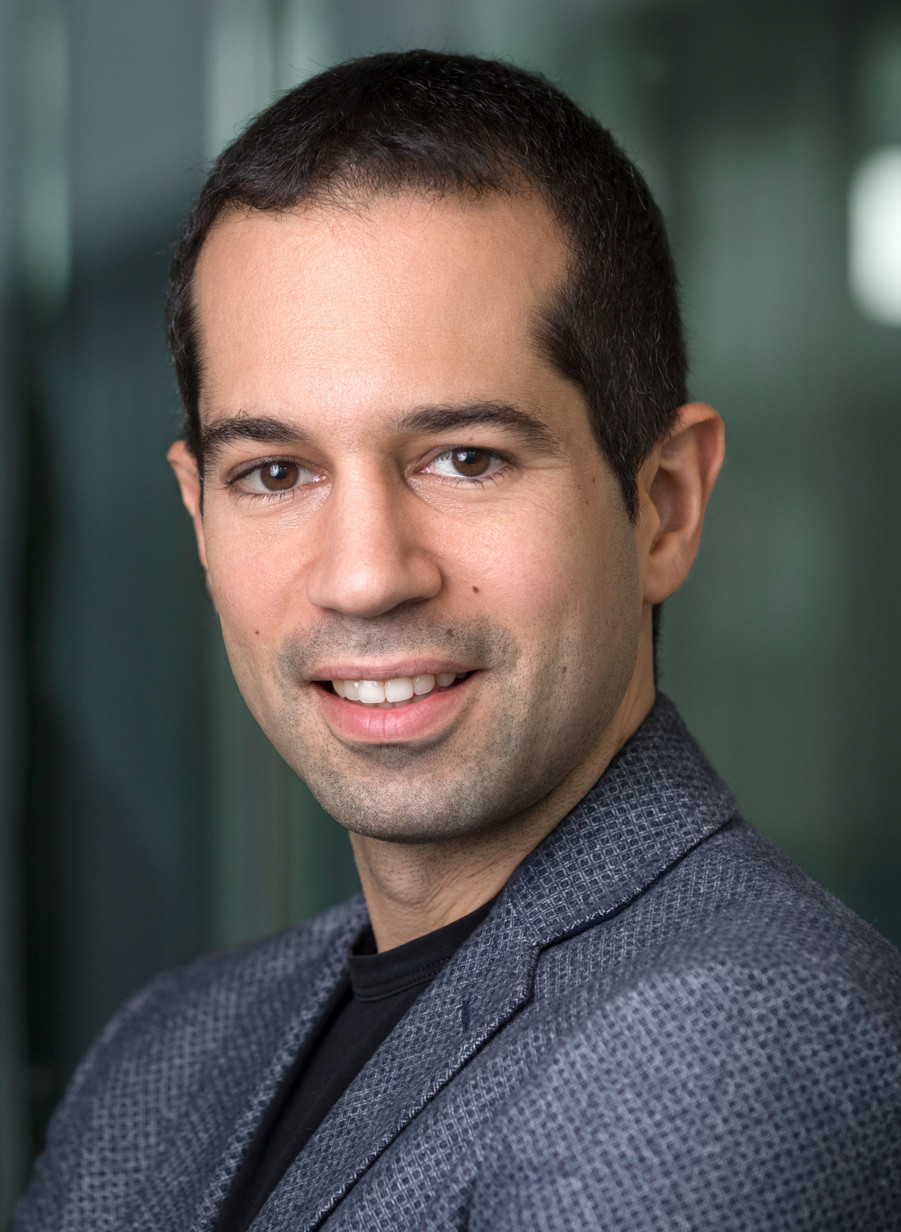
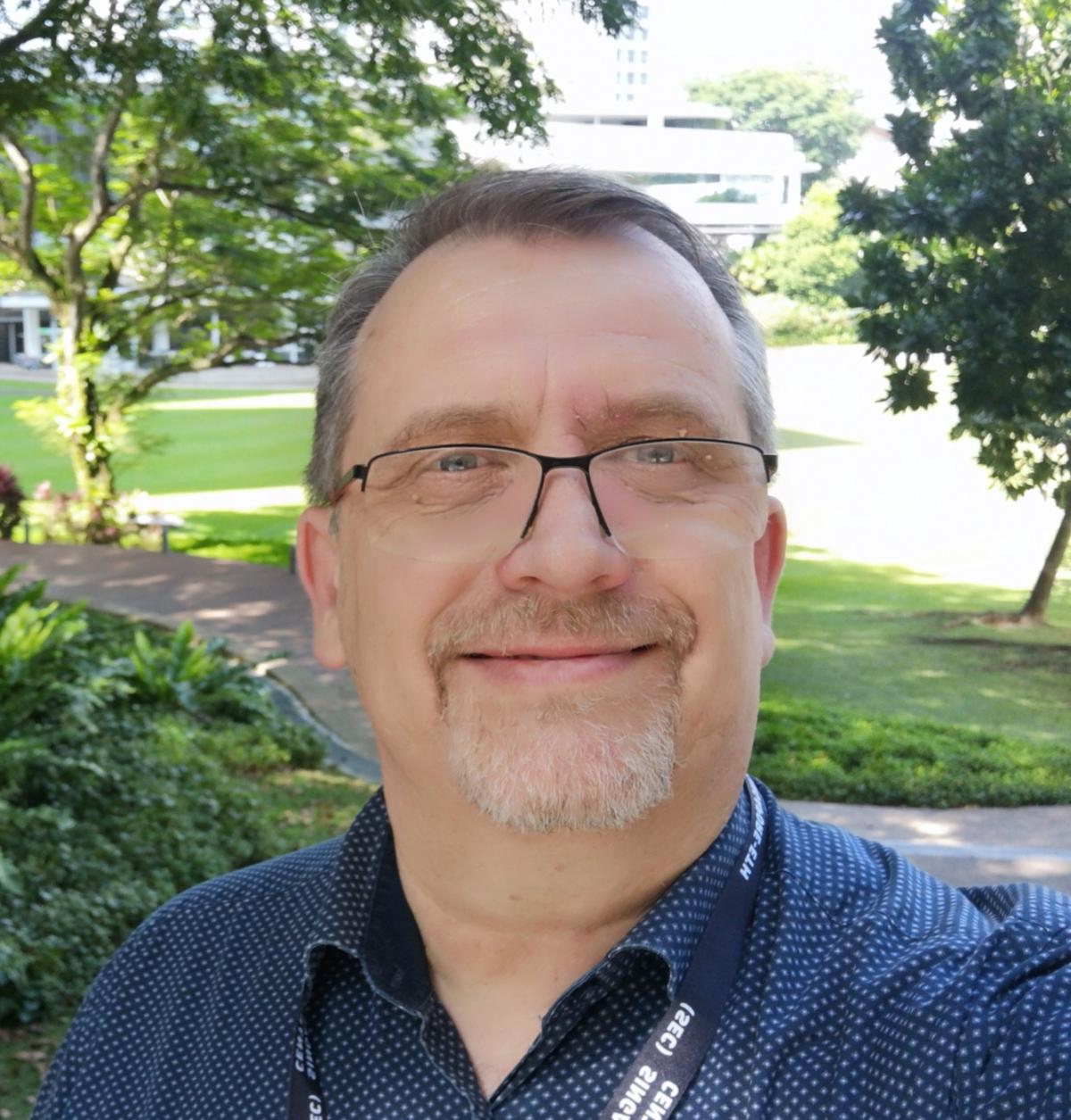
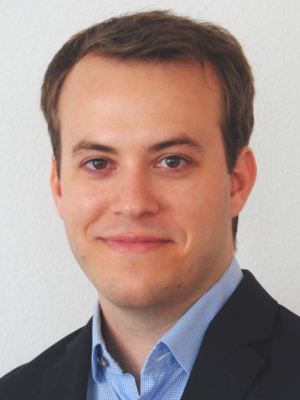
Dr. Seyyed Hamed Hosseini Nasab is a Lecturer at the Department of Health Sciences and Technology at ETH Zürich, affiliated with the Institute for Biomechanics and the Laboratory for Movement Biomechanics. His research focuses on biomechanical analysis of musculoskeletal systems, particularly knee mechanics, implant design, and ligament behavior in total knee arthroplasty. He integrates experimental, computational, and clinical approaches to improve surgical techniques and prosthetic design. Key research interests include knee joint loading, ligament elongation patterns, and the influence of implant conformity on post-surgical outcomes. He has contributed to standardized methods for measuring tibiofemoral implant loads and kinematics, earning the European Society of Biomechanics SM Perren Award in 2022. His publications emphasize computational modeling, in vivo testing, and finite element analysis to address challenges in orthopedic engineering. Recent work explores artificial neural networks for real-time knee contact force estimation and the biomechanical implications of surgical procedures like posterior cruciate ligament substitution.
Andrea Cavallaro is a Full Professor at the École Polytechnique Fédérale de Lausanne (EPFL) and Director of the Idiap Research Institute. He holds dual appointments in the School of Engineering (STI) within the Institute of Electrical Engineering and Measurements (IEM) and the School of Engineering's Education Unit (SEL-ENS). His research focuses on machine learning for multimodal perception, privacy-preserving AI, and autonomous systems. Cavallaro earned his PhD in Electrical Engineering from EPFL in 2002 and has held leadership roles including Director of Research at Queen Mary University of London and Turing Fellow at The Alan Turing Institute. Education: PhD in Electrical Engineering (EPFL, 2002) Leadership: Idiap Director, Affiliate at ELLIS Society Editorial Roles: Editor-in-Chief of Signal Processing: Image Communication (2020–2023), Senior Area Editor for IEEE Transactions on Image Processing Research Interests: Machine learning for audio-visual sensing, privacy in AI, autonomous systems perception, and ethical AI frameworks. Key projects include AlignAI (trustworthy AI alignment) and CORSMAL (multimodal object manipulation). Recent articles explore privacy-aware AI models, adversarial attacks, and multimodal perception systems. His work bridges theoretical advancements with practical applications in robotics, healthcare, and education. Awards include the Royal Academy of Engineering Teaching Prize and IAPR Fellowship. Teaching: Leads courses on deep learning ethics and multimodal AI at EPFL. Advising: Supervises 11 PhD students in areas like privacy-preserving algorithms and autonomous systems. Labs/Teams: Coordinates Idiap’s Audiovisual Intelligence and Learning Lab (LIDIAP) and collaborates on projects like GraphNEx (explainable AI via graph neural networks).
Georg Fantner is an Associate Professor at the Swiss Federal Institute of Technology Lausanne (EPFL) with dual appointments in the School of Engineering (STI) within the Institute of Bioengineering and the School of Life Sciences (SV) for teaching. He directs the Laboratory for Bio- and Nano-Instrumentation (LBNI) and holds leadership roles including President of the Open Science Strategic Committee and the Association des Professeurs de l'EPFL. Research Focus: Bioinstrumentation, Nanotechnology, Scanning Probe Microscopy, and Metrology Teaching: Structural Mechanics for Life Sciences, Metrology, and Metrology Practicals His research pioneers advanced instrumentation for nanoscale characterization, emphasizing data-driven approaches to enhance microscopy techniques. Recent work integrates deep learning with scanning probe microscopy for real-time biological imaging and develops novel MEMS devices for fluid-compatible nanoscale manipulation. Key innovations include hermetically sealed sample chambers for pathogen studies and deterministic nanotopography engineering. Professor Fantner actively mentors 7 current PhD students and has supervised 14 graduates. His laboratory fosters interdisciplinary collaboration across engineering, physics, and life sciences to advance nanoscale measurement technologies and instrumentation development.
Christiane Barz is a Professor of Mathematics at the University of Zurich's Institute for Business Administration since 2016. Previously, she held academic roles at the UCLA Anderson School of Management, the Chicago Booth School of Business, and the Technical University (TU) Berlin. Her research focuses on stochastic dynamic systems, Markov decision processes, and their applications in revenue management. She emphasizes making mathematical tools accessible and practical for real-world problem-solving, particularly in optimizing decision-making under uncertainty. Education includes a degree in industrial engineering and a doctorate from the University of Karlsruhe (TH), Germany. Her career path includes postdoctoral research at the University of Chicago's Booth School of Business and roles as an Assistant Professor at UCLA. She combines academic excellence with balancing family life, advocating for gender equity in STEM fields. Her research explores risk-sensitive decision-making frameworks, dynamic pricing models for transportation and healthcare, and optimizing resource allocation in complex systems. Recent work includes applications in FlixBus, air cargo networks, and improving patient admission scheduling in hospitals. Barz's teaching philosophy prioritizes demystifying mathematics for students, encouraging critical engagement rather than fear of complexity. She collaborates with industry partners to apply operations research methods to real-world challenges, emphasizing both theoretical rigor and practical relevance.
Davide Scaramuzza is a Professor and Director of the Robotics and Perception Group at the University of Zurich. He holds a Ph.D. from ETH Zurich and has conducted postdoctoral research at the University of Pennsylvania and Stanford. His research focuses on autonomous drone navigation using visual and event-based sensors, leading to breakthroughs like AI drones outperforming human pilots in racing (Nature 2023). He pioneered algorithms for Mars helicopter navigation and developed the PX4 autopilot system. Key awards include the Kiyo-Tomiyasu IEEE Technical Field Award (2024), ERC Consolidator Grant (2019), and multiple best paper awards. His entrepreneurial ventures include co-founding Zurich-Eye (later Meta Zurich) and SUIND for agricultural drones. He co-authored the textbook Introduction to Autonomous Mobile Robots , widely used in academia. Research spans event camera algorithms, visual-inertial SLAM, and reinforcement learning for agile flight. His lab's work is featured in IEEE Spectrum, The Guardian, and Forbes. He advises UN initiatives on AI for disaster response and nuclear safety. Current projects include Graph-Generating State Space Models (CVPR 2024) and event-based vision for automotive systems (Nature 2024).
Chen Liu is an Assistant Professor in the Department of Computer Science at City University of Hong Kong and the Principal Investigator (PI) of the Machine Learning and Optimization (MLO) group. His research focuses on building reliable machine learning models, particularly studying robustness and privacy properties of deep neural networks from an optimization perspective. University: City University of Hong Kong Academic Rank: Assistant Professor Students: Supervises multiple PhD, MPhil, and postdoctoral researchers. Education: Holds a Ph.D. (2022) and MSc (2017) in Computer Science from École Polytechnique Fédérale de Lausanne (EPFL), and a BSc (2015) in Computer Science from Tsinghua University. Research Interests: Adversarial robustness, privacy-preserving machine learning, optimization algorithms, dataset distillation, generative models, and theoretical analysis of loss landscapes. His work addresses challenges like catastrophic overfitting, architecture overfitting in distilled data, and stable adversarial training methods. Article Trends: Recent publications explore adversarial robustness under l0/l1 norms, gradient inversion for data reconstruction, evolutionary factor searching in finance, and meta-tuning for out-of-domain few-shot learning. These works emphasize optimization techniques to enhance model reliability and generalization. Scientific Awards: Microsoft Research Ph.D. Scholarship Programme (2017–2019) Advising and Grants: Supervises a diverse team of current and former students, with collaborations across institutions like George Mason University and Zhejiang University. Research supported by academic and industry grants. Labs and Teams: Leads the MLO group, which investigates fundamental ML theory and algorithms to improve system reliability. The group's work spans adversarial training, dataset distillation, and generative model optimization.
Peter Molnar is a Professor at ETH Zürich's Department of Civil, Environmental and Geomatic Engineering, where he leads research in hydrology, geomorphology, and environmental engineering. His work spans river basin dynamics, sediment transport, precipitation modeling, and climate-water interactions, with field sites focused on Alpine systems. His research interests center on river basin water and sediment dynamics , precipitation analysis and stochastic modeling , fluvial systems including river networks and riparian zones , and geomorphic processes in mountain streams . Key projects include the Maggia River Experimental Site, basin sediment cascade modeling, and hydroclimatic analysis of rainfall intensity-temperature relationships. His publication record shows consistent high-impact work in journals including Nature , Nature Climate Change , and Water Resources Research , with recent focus on climate change impacts, sensor development, and sustainable agriculture. Golden Owl Award for best teaching (2011) Organizer of international workshops on geomorphology complexity and urban precipitation Patron of CometX initiative Molnar actively mentors PhD students including current candidates working on droughts in Ethiopia, Alpine Rhine sediment budgets, and mountain ecohydrology. His research is supported by Swiss National Science Foundation grants, ETH funding, and international collaborations. He leads experimental work at the Maggia River site and develops warning systems for rainfall-triggered landslides.
Ralf Hiptmair is a Full Professor at ETH Zürich, serving as Head of the Seminar for Applied Mathematics and Deputy Head of the Department of Mathematics. He also holds the position of Director of Studies for ETH BSc and MSc in Computational Sciences and Engineering (CSE). His research spans computational mathematics, numerical analysis, finite element methods, boundary element methods, computational electromagnetism, multigrid methods, discrete differential forms, shape optimization, wave propagation, and kinetic equations. Hiptmair's work on auxiliary space methods was recognized as a breakthrough in computational science in the 2008 DOE Report on recent significant advancements in computational science. His research focuses on developing and analyzing numerical methods for partial differential equations, with particular emphasis on structure-preserving discretizations, computational electromagnetism, and boundary integral equations. His work has significant applications in engineering, physics, and computational science. Hiptmair's publications demonstrate a strong focus on advancing numerical techniques for electromagnetic problems, wave propagation, and shape optimization. His recent work shows increasing interest in computational topology, geometric numerical integration, and interdisciplinary applications of numerical methods. Featured as breakthrough in computational science in the 2008 DOE Report on recent significant advancements in computational science (for Auxiliary space methods) Hiptmair has supervised numerous doctoral, master's, and bachelor's students across mathematics, computational science and engineering, and related fields. His research group has received funding for developing advanced numerical methods with applications in electromagnetism, fluid dynamics, and computational physics. He is actively involved in teaching numerical methods courses at both undergraduate and graduate levels. Hiptmair leads research efforts in the Seminar for Applied Mathematics, collaborating with industry partners like ABB Corporate Research and Siemens on practical applications of computational methods. His work bridges theoretical numerical analysis with real-world engineering challenges.
Prof. Dr. Georgia Salanti serves as Associate Professor in Biostatistics and Epidemiology and Head of the Evidence Synthesis Methods Research Group at the Institute of Social and Preventive Medicine (ISPM) , University of Bern, Switzerland. Previously, she held academic positions at the University of Ioannina School of Medicine (Greece) from 2006–2015 and postdoctoral/research associate roles at MRC Biostatistics Unit (UK) and Technical University of Munich (Germany). Research Focus: Statistical modeling for evidence synthesis, methodology of systematic reviews, publication bias, network meta-analysis, and applications to mental health. Key Applications: Major depressive disorder, schizophrenia, antipsychotic drugs, stroke with atrial fibrillation, PTSD, and pharmacological interventions. Recent Publications emphasize network meta-analysis advancements, dose-response modeling (e.g., aripiprazole, antidepressants), and real-world clinical questions via projects like the MHCOVID Initiative . Her work spans 2003–2025 with over 289 PubMed-indexed articles. Collaborations: ELAN Investigators, Cochrane Network, MRC Biostatistics Unit, CIBIO (Spain).
PD Dr. Ronald Dijkman is Group Leader of the Experimental Virology Research Group within the Institute for Infectious Diseases (IFIK) at the University of Bern Medical Faculty. His laboratory is located at the Multidisciplinary Center for Infectious Diseases (MCID) , underscoring his central role in Swiss infectious-disease research infrastructure. Education & Training: While the supplied pages do not list explicit degrees, the title PD Dr. indicates that he has completed a PhD, post-doctoral training, and the Germanic Habilitation, qualifying him as an Associate Professor-level faculty member. Research Focus: Dr. Dijkman’s team investigates host–pathogen interactions in the respiratory epithelium , concentrating on three pillars: Innate immunity triggered by influenza and coronaviruses in human and animal airway epithelial cells. Viral genetic determinants that modulate immune evasion and cross-species transmission. Host determinants that either restrict or facilitate infection across species barriers. To dissect these questions, the group has pioneered genetically-tractable, well-differentiated primary airway epithelial cell (AEC) cultures derived from humans, pigs, cattle and bats, creating a unique comparative platform for zoonotic-risk assessment. Funding & Collaborative Networks: His research is currently supported by: Swiss National Science Foundation (SNF) – project on Molecular characterization of Influenza D virus–host interactions . EU Marie Skłodowska-Curie ITN “HONOURs” – a multi-partner training network on host-switching pathogens and zoonoses. Federal BLV grant – implementation of nanopore sequencing for rapid identification of OIE-notifiable animal viruses. These grants enable a team of one post-doc and four PhD students, together with technical staff. Scientific Output & Impact: Since 2010, Dr. Dijkman has authored >60 peer-reviewed articles. His work on SARS-CoV-2 reverse genetics (Nature, 2020), MERS-CoV receptor usage (Nature, 2014) and single-cell influenza pathogenesis (bioRxiv, 2020–22) has been highly cited, reflecting broad scientific impact. Laboratory & Team: The Experimental Virology group occupies BSL-2 and BSL-3 laboratories equipped with state-of-the-art live-cell imaging, lentiviral genetic engineering, and nanopore sequencing pipelines. The group presently comprises: Larise Oberholster – Early Post-doc Alina Baltensperger – PhD student Jean-Claude Makangara – PhD student Mike Javan Mwanga – PhD student Karen Stevers – PhD student Cinzia Moscardelli – laboratory technician
Dr. Vincent Humphrey is a Lecturer at ETH Zurich's Department of Environmental Systems Science, specializing in climate dynamics and Earth system modeling. His research focuses on climate change impacts, satellite observations, and machine learning applications in environmental science. He holds a PhD in Land-Climate Dynamics from ETH Zurich (2017) and completed postdoctoral fellowships at institutions including Caltech and the University of Zurich. Education PhD (2014-2017): ETH Zurich, Land-Climate Dynamics MSc (2011-2014): University of Lausanne, Environmental Geosciences BSc (2008-2011): University of Lausanne, Geosciences and Environment Research Interests Humphrey’s work addresses climate feedback mechanisms, terrestrial water and carbon cycles, and the integration of satellite data (e.g., GRACE, GPS) into Earth system models. He develops machine learning tools to analyze time series data and improve model accuracy. Key projects include CONSTRAIN (constraining climate projections) and GRUN (global runoff dataset). Awards ETH Medal (2018) Advising & Grants Humphrey has contributed to major initiatives like the Global Sea Level Budget Group and collaborated on datasets such as GRACE-REC and GRUN. His research bridges observational and modeling approaches to understand climate system interactions. Labs/Teams He is affiliated with ETH Zurich’s Climate Physics group and collaborates with institutions like NASA’s Jet Propulsion Laboratory (via Caltech).
Esther Hänggi is a Professor and Co-Head of the Applied Cyber Security Research Lab at Lucerne University of Applied Sciences and Arts (HSLU), within the Lucerne School of Computer Science and Information Technology. She holds a Dr. sc. ETH Zurich in quantum information and cryptography and a MSc in Physics from EPF Lausanne. Her research focuses on cyber security, quantum cryptography, and quantum computing, with emphasis on practical applications like quantum-safe cryptography and post-quantum algorithms. She has led projects such as the Quantum-safe Hardware Security Module and contributed to initiatives like the IFZ FinTech. Her work bridges theoretical advancements and real-world implementations, including privacy amplification libraries and quantum key distribution systems. Notable awards include the ETH Medal for her doctoral thesis. She actively collaborates with institutions like the Swiss Quantum Initiative and the European Cyber Security Organisation, promoting quantum resilience in security systems.
Jean-Yves Le Boudec is a Professor at École Polytechnique Fédérale de Lausanne (EPFL), affiliated with the School of Computer and Communication Sciences and the Institute of Electrical Engineering. He has been a key figure in advancing the theory and application of network calculus and deterministic networking, contributing significantly to standards such as IEEE Time-Sensitive Networking (TSN) and IETF DetNet. His research focuses on network calculus , time-sensitive and deterministic networking , traffic regulation , worst-case delay analysis , and cyber-physical systems , with cross-cutting applications in smart grids , real-time communication , and network security . He has co-authored foundational texts on network calculus and developed theoretical frameworks for traffic regulators, service curves, and delay bounds in complex networked systems. The recent publications highlight a strong trend in analyzing and improving performance guarantees in deterministic networks, including scheduling mechanisms like Deficit Round-Robin and Cyclic Queuing and Forwarding, traffic shaping via interleaved regulators, and security against time-synchronization attacks in power systems. The work spans theoretical modeling using stochastic and min-plus/max-plus algebra, practical algorithm design, and application to critical infrastructure. IEEE Fellow Le Boudec has advised numerous researchers and PhD students, including Ehsan Mohammadpour, Ludovic Thomas, and Seyed Mohammadhossein Tabatabaee. His collaborative projects often involve grants related to European and Swiss research initiatives in networking and smart grid technologies. He leads a research group focused on networked systems at EPFL, contributing to both theoretical advances and real-world implementations in industrial and energy-critical networks. His lab work centers on modeling and verification of time-sensitive network behaviors, integrating formal methods with practical experimentation. The team investigates regulators, shapers, and synchronization mechanisms, aiming to ensure robustness, predictability, and security in next-generation communication infrastructures. Future work continues to explore the interplay between communication, control, and energy systems in highly reliable environments.
Qi Tang is a Research Fellow in the Department of Environmental Science at the University of Basel and concurrently serves as Coordinator of the Swiss Water Earth Systems PhD School at the University of Neuchâtel. His expertise spans hydrogeology, data assimilation, and Earth system modeling. He holds a PhD in Hydrogeology from RWTH Aachen University (2017) and has held postdoctoral positions at institutions including the Alfred Wegener Institute (Germany), the University of Basel, and the Chinese Academy of Sciences. Education: PhD in Hydrogeology, RWTH Aachen University, Germany (2012–2017) MSc in Hydrology and Water Resources, Beijing Normal University (2009–2012) BSc in Applied Mathematics, China Agriculture University (2005–2009) Research Interests: Qi Tang focuses on advancing coupled Earth system models through data assimilation techniques. His work integrates hydrological, oceanographic, and climatic processes to improve predictive accuracy. Key areas include river-aquifer interaction dynamics, satellite data integration in ocean-atmosphere models, and cloud computing for real-time water resource management. His research bridges theoretical modeling with practical applications in environmental monitoring and climate prediction. Publications: His articles emphasize data-driven approaches to environmental systems. Recent work highlights coupled model improvements using satellite data (e.g., ocean-atmosphere interactions), ensemble Kalman filtering for flood simulations, and Bayesian networks for precipitation modeling. These studies underscore his expertise in both computational methods and field applications. Advising & Grants: While no formal advisees are listed, his postdoctoral roles suggest involvement in mentoring junior researchers. No specific grants are mentioned in the provided texts. Labs/Teams: Affiliated with the Hydrogeological Processes group at the Center for Hydrogeology and Geothermal Energy (CHYN), University of Neuchâtel. This group specializes in geothermal energy, hydrochemistry, and stochastic hydrogeology.
Federica Bianchi is a Researcher at the Institute of Computing at Università della Svizzera italiana (USI), where she contributes to the SNSF-funded project on 'The Dynamics of Innovation: Latent Space Modelling of Patent Citations'. She holds a PhD in Economics from USI (2019) and an MSc in Economics from the University of Pavia. Previously, she was an Early Postdoc.Mobility research affiliate at the University of Glasgow (2019–2020), focusing on financial markets as evolving relational systems. Education : PhD in Economics, USI (2019) MSc in Economics, University of Pavia Research Interests : Federica's work centers on social networks in economic systems, particularly their role in coordinating activities in financial markets and innovation dynamics. She develops methodological tools to analyze relational structures in continuous time, such as relational event modeling. Her recent focus on patent citations explores innovation as evolving in latent spaces, while earlier work examined micro-relational structures in financial markets. Articles : Her recent publications span pandemic impacts on social networks in public health, financial market dynamics, and methodological advancements in network analysis. Key themes include non-linear effects in interbank systems and the translation of network ties into event-based frameworks. Affiliations : Federica is affiliated with the Social Network Analysis Research Center (SoNAR-C) and has collaborated on projects funded by SNSF and the University of Glasgow. She teaches quantitative methods for social sciences and contributes to interdisciplinary research on relational systems.