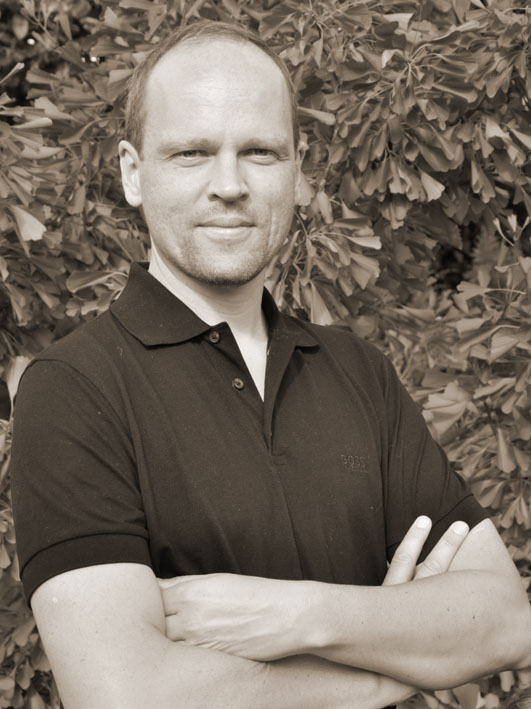
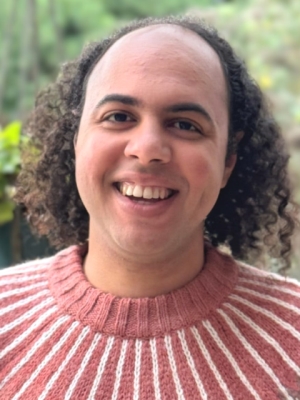
Prof. Friedrich Eisenbrand is a Professor at the Institute of Mathematics, EPFL, Lausanne, Switzerland. His research focuses on discrete optimization, algorithms and complexity, integer programming, and geometry of numbers. Heinz Maier-Leibnitz award (2004) Otto Hahn medal (2001) Alexander von Humboldt professorship (2011) His work includes efficient algorithms for integer programming in fixed dimension and the theory of cutting planes. Recent publications explore advancements in integer programming, discrete optimization algorithms, computational geometry, and machine learning applications. He leads the DISOPT laboratory at EPFL, mentoring a team of junior researchers.
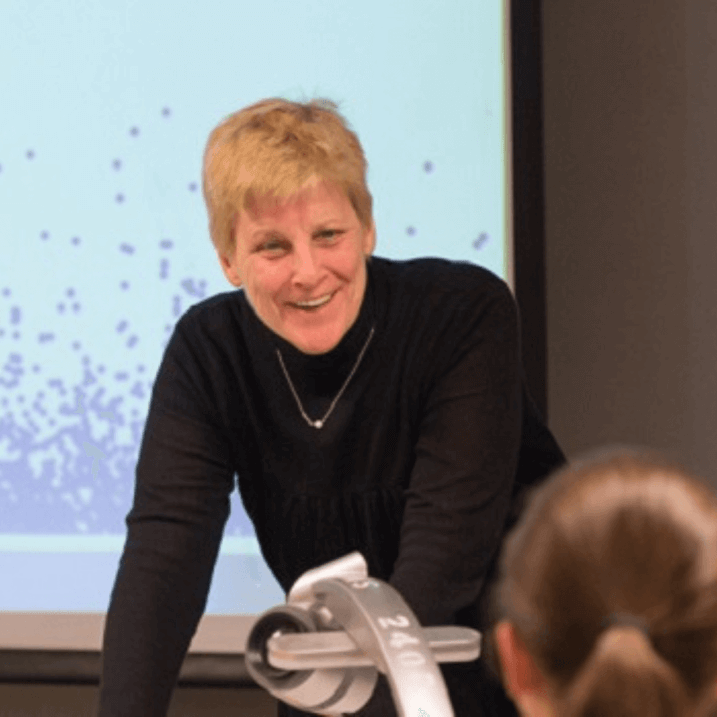
Zarek Brot is an Assistant Professor at the University of Chicago Harris School of Public Policy , with affiliations at the National Bureau of Economic Research , HMR Lab at Harvard , Gilbert Center at UC Berkeley , and the Federal Reserve Bank of Chicago . His research focuses on antitrust , regulatory policy , and consumer behavior in healthcare markets. Education: Ph.D. in Economics from UC Berkeley (2019), Postdoc at Yale's Tobin Center for Economic Policy (2019–2020). Research Interests include: Antitrust enforcement in healthcare markets Cost-sharing mechanisms and consumer responsiveness Medicare policy and administrative burdens Vertical integration in healthcare services Scientific Awards : ASHEcon Program Chair Award (2023) NIHCM Foundation Research Award (2018) Current Projects examine hospital mergers, insulin coverage, and Medicare defaults, with media coverage in outlets like the Wall Street Journal , New York Times , and Vox .
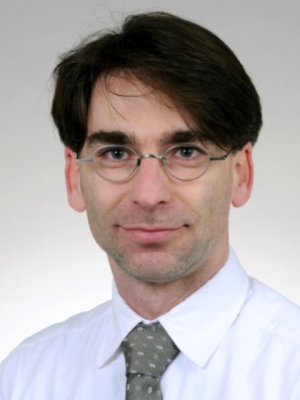
Dr. Guy Matmon Dr. Guy Matmon is a tenure-track scientist in the Quantum Technologies Group at the Paul Scherrer Institute (PSI) , Switzerland, within the PSI Center for Photon Science . He holds a BSc and MSc in Physics/Mathematics from the Hebrew University of Jerusalem, and a PhD in Physics from the Cavendish Laboratory at Cambridge University. Research Focus: Quantum coherent control of single donors in silicon, THz quantum cascade lasers, Si/SiGe heterostructures, and optical metamaterials. His work bridges semiconductor physics, quantum optics, and terahertz technology with applications in quantum computing and biomedical sensing. Key Contributions: Pioneered THz-driven quantum control of donor states in silicon, developed broadband terahertz metamaterial absorbers, and advanced metrology techniques for high-index solids. Supervises PhD students in quantum technologies and manages the IR beam line (X01DC) at the Swiss Light Source SLS. Patents: Co-inventor of 28 patents on optical communication systems and integrated optics beam deflection technologies, including methods for precise optical element alignment and cylindrical lens configurations. Lab Affiliations: Leads the Laboratory for X-ray Nanoscience and Technologies optical laboratory and contributes to the Quantum Technologies Group at PSI.
Dr. Weronika Potok-Szybinska is a Lecturer at the Department of Health Sciences and Technology at ETH Zürich. Her work focuses on neurophysiological mechanisms of sensory and motor systems, with particular emphasis on the effects of non-invasive brain stimulation techniques such as transcranial random noise stimulation (tRNS) and transcranial alternating current stimulation (tACS). She investigates how these interventions modulate visual contrast sensitivity, motor cortex responsiveness, and neural plasticity across various brain regions. Her research integrates neuroimaging (e.g., fMRI), electrophysiological recordings, and behavioral assessments to explore topics like handedness-related brain lateralization, praxis-language network interactions, and pandemic-era guidelines for clinical neurostimulation safety. Key areas of expertise include transcranial stimulation protocols, sensory-motor integration, and neuroplasticity mechanisms. Research Themes: Transcranial Stimulation Effects, Neuroplasticity, Visual-Motor Systems, Cerebral Lateralization Methodologies: fMRI, TMS/tES, Electrophysiology, Behavioral Testing Recent publications highlight advancements in understanding how tRNS acutely lowers motor circuit thresholds, enhances visual contrast detection, and interacts with brain regions such as the primary visual cortex and supramarginal gyrus. Collaborative projects include exploring the neural basis of manual praxis and language production networks in left-handed individuals.
Dr. Lalasia Bialic-Murphy is a Lecturer in the Department of Environmental Systems Science at ETH Zurich, Switzerland. Her research focuses on understanding ecological systems through interdisciplinary approaches combining remote sensing, plant physiology, and biodiversity conservation. She specializes in ecosystem resilience, forest dynamics, and the impacts of climate change on global ecosystems. Her work bridges macroecological patterns with micro-scale processes, particularly in island ecosystems and endangered species conservation. Notable projects include studying wood density global patterns, functional trait trade-offs, and the application of large language models in scientific research. Recent studies highlight her contributions to understanding alternative stable states in forest phenology, biodiversity-productivity relationships, and invasive species impacts. She advocates for standardized biodiversity assessment frameworks and integrates AI tools to enhance ecological data interpretation. Awards and grants are not explicitly listed, but her extensive publication record reflects active engagement in global environmental science networks. Collaborations include fieldwork in Hawaii on endangered plant species and long-term experiments on mycorrhizal fungal communities in invaded ecosystems.
Dr. Mikko Tiusanen is a Researcher at ETH Zürich's Department of Plant Ecology, focusing on plant communities and ecosystem responses to global changes. His work integrates ecological field studies with advanced data technologies, such as computer vision algorithms for tracking alpine meadow phenology via deployed cameras. He investigates how environmental conditions shape species distributions and interactions, particularly in Arctic and alpine regions. Current research explores phenological shifts, plant-fungal symbiosis dynamics, and pollination network stability under climatic changes. Research interests include understanding environmental drivers of species performance, phenological timing effects on interspecific interactions, and predictive modeling of community changes based on traits and distributions. Methodological innovations include high-resolution ecological data acquisition through automated imaging and DNA metabarcoding for foraging analysis. Recent articles highlight work on plant-pollinator disruption, Arctic microbial networks, and agroecological disease management. While no scientific awards are listed, his contributions to ecological methodology and Arctic-Alpine systems are notable. No advising or grant details are provided here, though his projects likely involve interdisciplinary collaborations within ETH Zürich's ecological research groups.
Julien Nembrini is a Lecturer and Senior Researcher at the Department of Informatics within the Interfaculty of Informatics at the University of Fribourg. His roles include affiliations with the Human-IST (Human-centered Interaction Science and Technology) group and the Department of Informatics. He holds a PhD in Mechanical Engineering and focuses on interdisciplinary research at the intersection of human-computer interaction, robotics, and sustainable architecture. His research interests span human-building interaction , energy-efficient lighting systems , swarm robotics , and computational design tools . Notable projects include developing smart lighting systems that balance energy efficiency with user comfort, and exploring emergent behaviors in wireless robotic swarms. He has collaborated on projects like VOILES/SAILS (self-assembling lighter-than-air robotic structures) and Source Studio (teaching programming to architects). Recent work emphasizes user-centered approaches to technology integration, such as no-code programming for industrial robots and visual analytics for building management systems (BMS). His publications highlight interdisciplinary methods, combining simulation, machine learning, and human factors analysis. He has contributed to book chapters on topics like low-carbon building design and swarm engineering, and has taught courses integrating computational methods with architectural and engineering practices. His work often bridges academic research with practical applications in sustainability and human-centered technology.
Florian Habermacher is a Lecturer and Project Leader at the Institute of Business and Regional Economics (IBR) at Lucerne School of Business (HSLU). He also serves as Director of suissenergy since 2019 and is a Research Associate at the Swiss Institute for International Economics (SIAW), University of St. Gallen since 2014. His academic roles include a visiting fellowship at the University of Oxford's Institute for New Economic Thinking (2016–18) and Head of Modelling at Aurora Energy Research (2013–18). Education: PhD in Economics and Finance, University of St. Gallen (2009–13) MSc in Environmental Engineering and Science, ETH Lausanne (2001–06) Visiting Student, Indian Institute of Technology Delhi (2003–04) Research Focus: Habermacher specializes in environmental and energy economics, particularly the economics of the energy transition, climate policy design, and quantitative modeling. His work integrates AI, agent-based simulations, and game theory to address complex policy challenges. Key areas include carbon pricing, renewable energy incentives, and the intersection of effective altruism with economic decision-making. Key Projects: PFM4CA: Public Financial Management for Climate Action WindCoEconomy: Economic Impact Analysis of Wind Energy Renowave Fuel-Switch Business Models: Financial Innovations for Building Retrofits Publications Trends: His recent work emphasizes innovative pricing systems for energy, policy commitment dynamics in climate governance, and interdisciplinary approaches to sustainability. Earlier research tackled carbon leakage mechanisms, the green paradox, and basic income feasibility. Awards & Activities: CESifo Research Network Fellow (2020–present) Associate Fellow, Institute for New Economic Thinking, Oxford (2016–18) Advising & Grants: Habermacher leads multiple grant-funded initiatives, including SECO Partnerships for Macroeconomic Support and domestic revenue mobilization projects. His advisory roles span energy policy, regional development, and sustainable finance. Labs/Teams: Central to his work is the IBR Centre for Regional Economics, where he coordinates research on regional economic resilience and energy transition strategies.
Prof. Ralph Müller is a Full Professor of Biomechanics at ETH Zürich's Department of Health Sciences and Technology (D-HEST). He leads research in musculoskeletal tissue engineering, bone regeneration, and mechanobiology using advanced imaging and computational techniques. His work focuses on structure-function relationships in tissues, with applications in genetics, regenerative medicine, and biomaterials. Educated at ETH Zurich (PhD 1994), he held roles at Harvard Medical School before returning to ETH. His research has produced over 1,400 publications and an h-index of 113. Key areas include spatial transcriptomics, 3D bioprinting of bone organoids, and osteocyte mechanosensitivity. Research Highlights: Development of novel hydrogels for tissue engineering, multimodal imaging approaches, and mechanoregulation analysis in aging and disease. His lab pioneered spatial μProBe imaging and correlative multimodal techniques. Awards: ERC Advanced Grant, Huiskes Medal, Muybridge Award, and Mike Horton Award. He is an elected member of SATW and Fellow of WCB, EAMBES, and ASBMR. Grants & Industry: Over 70 grants managed, including EU and Swiss National Science Foundation funding. Co-founded Pearl Technology AG, b-cube AG, and compagOs, commercializing ETH-derived technologies. Labs & Leadership: Directed ETH's Institute for Biomechanics (2008–2013, 2021–2023) and headed D-HEST (2014–2016). Organizes international conferences and chairs editorial boards for major journals.
Prof. Dr. Sebastian Kozerke is Full Professor at ETH Zürich's Department of Information Technology and Electrical Engineering, leading the Professorship for Biomedical Imaging. His research program develops advanced magnetic resonance imaging methods for cardiac applications, focusing on ultra-fast dynamic imaging of perfusion, cardiac mechanics, and microstructure analysis. Key innovations include k-t undersampling techniques and parallel imaging methods that significantly advance spatiotemporal resolution in medical imaging. Professor Kozerke's research spans multiple domains including perfusion imaging, diffusion tensor imaging for myocardial microstructure, and real-time metabolic imaging using dynamic nuclear polarization. Current investigations explore hyperpolarized 13 C pyruvate metabolic imaging, neural network applications for cardiac analysis, and low-field MRI techniques. His work consistently bridges fundamental physics with clinical translation. Publications demonstrate leadership in cardiovascular MRI innovation. Recent work establishes consensus standards for hyperpolarized MRI studies (2025), develops deep learning frameworks for flow quantification (FlowMRI-Net), and advances microstructure analysis in cardiomyopathy (2025). Earlier foundational work includes contributions to diffusion imaging, parallel MRI methods, and cardiac DTI techniques. Professor Kozerke teaches core courses including 'Biomedical Imaging' (227-0385-10L), 'Biomedical Engineering' (227-0386-00L), and leads the 'Seminar on Biomedical Magnetic Resonance' (227-0980-00L). He founded EXCITE Zurich, a joint center for experimental and clinical imaging technologies. Career progression includes: PhD and Venia legendi from ETH Zurich, research at King's College London, co-founding GyroTools (2003), professorship at King's College London (2008), University of Zurich (2010), and ETH Zurich dual appointment (2014).
Michele Magno is a Senior Lecturer and Privatdozent at ETH Zürich's Department of Information Technology and Electrical Engineering (D-ITET), leading the D-ITET Center for Project-based Learning (pbl.ee.ethz.ch). He holds a PhD in Electronic Engineering from the University of Bologna (2010) and has held visiting roles at institutions like the University of Nice and Mid Sweden University. His research focuses on low-power systems, wearable devices, energy harvesting, and IoT applications. Magno has authored over 350 peer-reviewed papers, with a Google H-index of 49. Notable awards include the 2024 Best Paper Award at ECCV and multiple best poster/demo recognitions at IEEE conferences. His industrial collaborations include projects with STMicroelectronics, Texas Instruments, and Logitech. Teaching contributions include courses on embedded systems, FPGA programming, and machine learning on microcontrollers. Magno's innovations span smart sensors for wind turbines, bio-medical monitoring, and autonomous racing systems, with patents in touch communication and energy-neutral devices. Recent work emphasizes ultra-low-power solutions for AI-integrated wearables, energy-efficient IoT nodes, and real-time embedded vision systems. His labs and teams pioneer technologies like TinyssimoRadar for in-ear gesture recognition and WakeMod for ultra-low-power IoT connectivity.
Tianyi Zhang is a Researcher at the Professorship for Theoretical Computer Science, ETH Zurich, located at OAT Z 29, Andreasstrasse 5. His research focuses on advancing fundamental algorithms in graph theory, with particular expertise in dynamic graph problems, efficient spanner constructions, edge coloring optimizations, and shortest-path computations. Dr. Zhang develops both theoretical frameworks and practical implementations for complex computational challenges. His core research areas include the design of near-linear and subquadratic time algorithms for graph optimization problems, fault-tolerant network structures, streaming-optimized graph coloring, and geometric graph embeddings. Recent work emphasizes breakthroughs in Vizing's theorem implementations, dynamic set cover deamortization, and space-efficient distance oracles. Dr. Zhang's publications demonstrate consistent innovation in algorithm efficiency for planar graphs, Euclidean spaces, and dynamic network settings. His 2023-2025 articles reveal concentrated efforts on: 1) Optimizing edge coloring through multi-step Vizing chains and streaming adaptations, 2) Enhancing spanner constructions for doubling metrics and planar environments, and 3) Developing failure-resistant path algorithms with improved time/space complexity. These contributions address scalability challenges in large-scale network processing. He collaborates within the Theoretical Computer Science research group at ETH Zurich, contributing to the institution's leadership in algorithmic innovation. No information about awarded grants, supervised students, or educational background is available in the source materials.
Dr. Evren Mert Turan is a Lecturer at ETH Zürich's Department of Energy and Process Systems Technology. His academic background includes a Bachelor's and Master's in Chemical Engineering from the University of Cape Town, followed by a PhD in Process Systems Engineering at the Norwegian University of Science and Technology. His research focuses on integrating machine learning and optimization techniques to address decision-making challenges under uncertainty in energy systems and process engineering. Evren's expertise spans model predictive control, real-time optimization, and data-driven approaches for complex systems. He has contributed to advancements in semi-infinite programming, feedback control policies, and steady-state detection algorithms. His work emphasizes practical applications in sustainable energy systems and industrial process optimization. Key research trends include the development of neural network-based control strategies, convex optimization methods for reduced computational complexity, and experimental validation of novel algorithms. His publications highlight interdisciplinary approaches blending machine learning with traditional engineering methodologies. Evren currently teaches the course 'Introduction to Modeling and Optimization of Sustainable Energy Systems' and actively engages in collaborative research at ETH Zürich. His contributions to scientific machine learning aim to enhance robustness and reliability in dynamic systems analysis.
Dr. Xiang-Zhao Kong is a Lecturer at the Institute of Geophysics, ETH Zurich, within the Department of Earth and Planetary Sciences (D-EAPS). He holds a PhD in Environmental Engineering from ETH Zurich (2010), where he was awarded the ETH Medal for his dissertation. His career includes postdoctoral research at the University of Minnesota and a Research Fellowship at the University of Queensland before returning to ETH Zurich in 2015. His research focuses on geothermal energy, flow and transport processes in porous media, reactive transport modeling, and subsurface engineering. Key areas include fractured formations, geothermal reservoir optimization, and CO₂ sequestration. He employs advanced computational methods like lattice-Boltzmann solvers and machine learning for subsurface flow modeling and reservoir characterization. Dr. Kong’s work bridges experimental and theoretical approaches, with notable contributions to mineral precipitation dynamics, fluid-rock interactions, and phase transition fracturing. His publications span geothermal systems, carbon capture, and subsurface energy storage. Recent efforts emphasize de-risking CO₂-Plume Geothermal (CPG) technologies and advancing fracture modeling via neural networks. Awards: ETH Medal for PhD Dissertation (2011) Teaching: Leads the 'Groundwater' course (Autumn Semester 2025).
Naima Chabouni serves as a Postdoctoral Fellow at Switzerland's Paul Scherrer Institute (PSI), embedded within the Energy Economics Group of the Laboratory for Energy Systems Analysis under the PSI Center for Nuclear Engineering and Sciences. Her work forms part of the SCENE project, a Center of Excellence dedicated to net-zero emissions research and cross-institutional collaboration. Her academic credentials include: Dr.-Ing. from the National School of Statistics and Applied Economics (ENSSEA) M.Sc. from the National School of Management (ENSM) Chabouni specializes in energy economics, modeling/optimization, and statistical analysis with emphasis on integrating variable renewable energy technologies into energy systems. Her research advances the Swiss TIMES model through enhanced temporal/spatial resolution and refined flexibility measures for supply/demand-side management. She particularly addresses energy transition challenges in hydrocarbon-dependent economies like Algeria, examining policy pathways for sustainable development. Her publication trends reveal consistent focus on Algeria's energy landscape through TIMES-based modeling, covering shale gas strategies, renewable integration, green hydrogen potential, and climate impacts on electricity demand. These studies employ rigorous econometric and statistical frameworks to evaluate decarbonization scenarios while balancing energy security and economic constraints. As an active contributor to the SCENE project and reviewer for organizations like the Mediterranean Energy Observatory and IRENA, Chabouni engages in shaping regional energy perspectives. While no formal student advising or specific grants are documented, her collaborative work across PSI, Mines Paris-PSL, and Algerian institutions demonstrates significant involvement in international energy research networks. She operates within PSI's Energy Economics Group, which concentrates on developing and applying energy system models to inform evidence-based policy decisions for sustainable energy transitions, particularly in European and North African contexts.