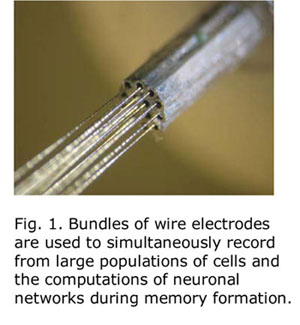
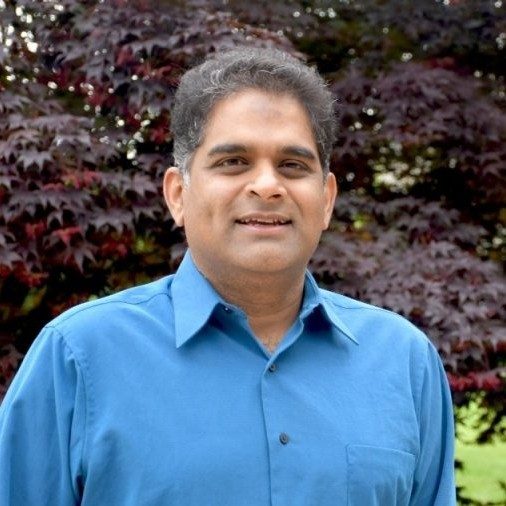
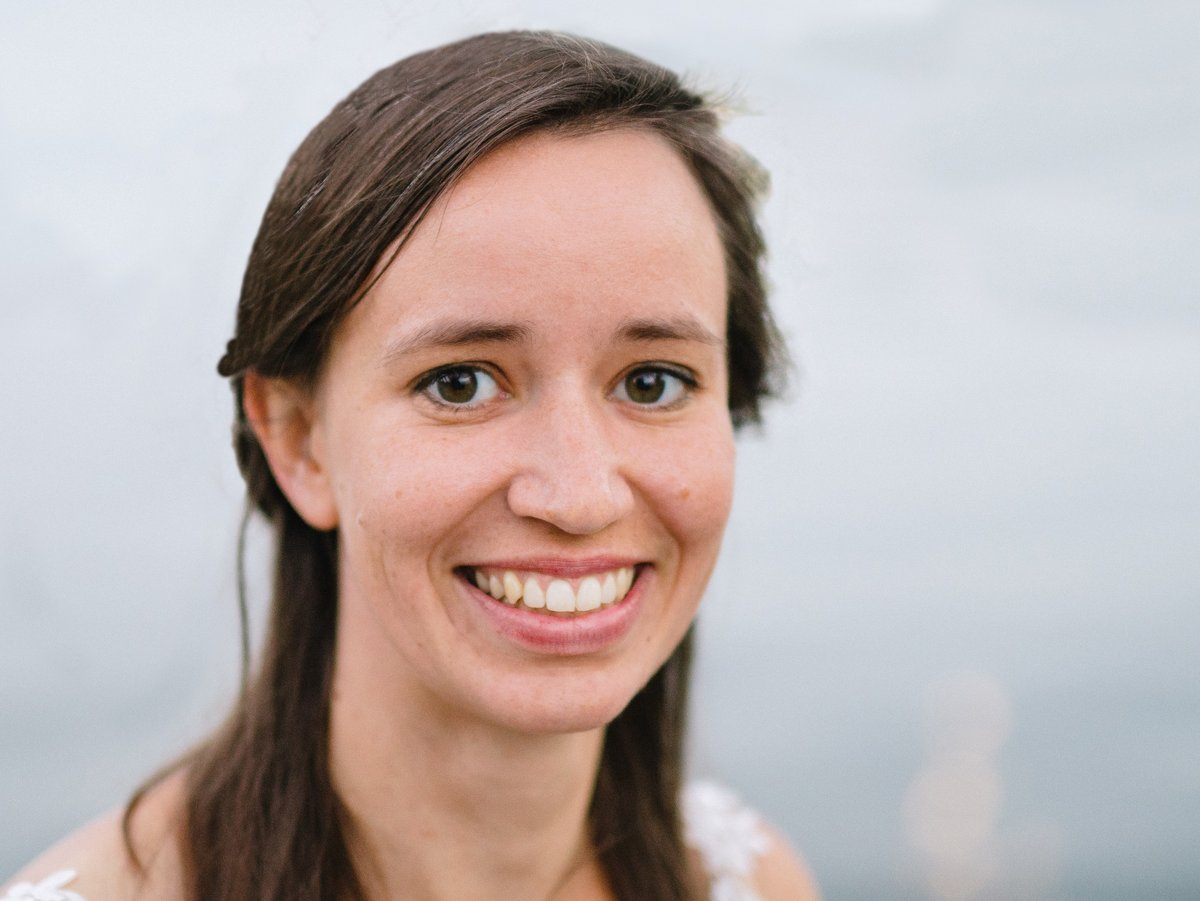
Mayank R. Mehta is a Professor at the University of California, Los Angeles (UCLA), holding joint appointments in the Departments of Physics & Astronomy, Neurology, and Neurobiology. He is a member of the Brain Research Institute and the W. M. Keck Center for Neurophysics at UCLA. His research bridges experimental and theoretical neuroscience, focusing on how neuronal networks encode space-time, the role of brain rhythms in learning and memory, and the impact of sleep and virtual reality on neural dynamics. His recent publications highlight breakthroughs in understanding hippocampal spatiotemporal selectivity, dendritic activity during behavior, and the causal influence of visual cues on memory neurons. Notable findings include the discovery that dendrites generate ten times more spikes than neuronal cell bodies and the modulation of hippocampal theta rhythms in virtual reality. Research Themes: Neurophysics of spatial-temporal coding Dendritic contributions to learning Virtual reality and brain plasticity Neural oscillations in memory consolidation Key Collaborators: Bert Sakmann (Max Planck Florida Institute) Thomas Hahn (Bernstein Center Heidelberg/Mannheim) Maryam Ghorbani (UCLA) Mehta's lab at UCLA trains graduate and postdoctoral researchers in cutting-edge techniques combining hardware development, electrophysiological recordings, and biophysical modeling. His work has significant implications for treating learning and memory disorders like Alzheimer's disease.
Jeffrey Schall is a Full Professor of Biology and Program Director of the Visual Neurophysiology Centre at York University. He holds the Canada Research Chair in Translating Neuroscience. His research focuses on neural mechanisms underlying behavior, integrating neurophysiological and computational approaches across multiple scales. Schall is a core member of the Centre for Vision Research and the Canada First Research Excellence Fund Connected Minds initiative. Education: PhD in Anatomy (University of Utah School of Medicine, 1986), postdoctoral training at MIT. Awards include the Troland Research Award, Sloan Foundation Fellowship, and AAAS Fellowship. He served as Vision Science Society President in 2019. Research interests include visual attention, executive control, error monitoring, and translational neuroscience applications in law. His work bridges basic science with applied studies in clinical populations like schizophrenia patients. Collaborative projects involve EEG/MEG analysis, cortical microcircuitry modeling, and neuromodulation techniques. Teaching: YU_NRSC 2100 Systems, Behavioral, and Cognitive Neuroscience. Active in interdisciplinary initiatives linking neuroscience with legal systems through scholarship and policy engagement.
Aidan J Horner is a Professor in the Department of Psychology at the University of York. He holds a BSc in Psychology (2005) and MSc in Cognitive Neuroscience (2006) from the University of York, followed by a PhD in Cognitive Neuroscience from the University of Cambridge (2010). His career includes postdoctoral research at Otto-von-Guericke University (2010–2011) and University College London (2011–2016), and a visiting scholar position at Stanford University (2008). He returned to York as a Lecturer in 2016, advancing to Senior Lecturer and his current Professorship. Research Focus: Horner’s work examines how the brain encodes and retrieves long-term memories, particularly spatial and event-based information. He employs experimental psychology, virtual reality, neuroimaging (e.g., fMRI, MEG), and computational modeling to study hippocampal and cortical mechanisms underlying memory formation, consolidation, and forgetting. His recent studies explore the role of theta oscillations in memory binding, the impact of emotion on memory coherence, and forgetting dynamics. Publications & Awards: Over 50 peer-reviewed articles, including high-impact work in Current Biology , Nature Communications , and Cognition . Recognized with the Annual Cognitive Paper Prize Award (2022) for groundbreaking contributions to memory research. Grants & Projects: Lead investigator on ESRC-funded projects (e.g., "Promoting rapid and sustained learning of novel information" , 2018–2022). Collaborates with institutions like the York Neuroimaging Centre (YNiC) to advance neuroimaging techniques in cognitive studies. Labs & Teams: Affiliated with the York Neuroimaging Centre (YNiC), integrating neuroimaging with behavioral and computational approaches to memory systems. Active in interdisciplinary teams studying memory plasticity and cognitive neuroscience.
Zsofia Zavecz is a Research Associate at the University of Cambridge Department of Psychology. Her work focuses on the neurophysiological mechanisms underlying sleep and memory consolidation, with particular emphasis on electrophysiological correlates of lucid dreaming and sleep-dependent learning. Research highlights include: Investigation of EEG functional connectivity during statistical learning Study of transcranial stimulation effects on probabilistic learning Analysis of sleep restriction impacts on hormonal regulation Exploration of cognitive reserve mechanisms in sleep disorders Her neuroscientific investigations span procedural memory systems, neural oscillations, and cross-population studies in both healthy individuals and pediatric sleep-disordered breathing patients.
Professor David Dupret is a Professor of Neuroscience and MRC Investigator at the University of Oxford, where he also serves as a Tutorial Fellow in Biomedical Sciences at St Edmund Hall. His work takes place within the MRC Brain Network Dynamics Unit, part of the Nuffield Department of Clinical Neurosciences, and he is affiliated with the Department of Physiology, Anatomy and Genetics. David completed his Ph.D. in Neuroscience at the Institute François Magendie (INSERM, University of Bordeaux, France), receiving the French Neuroscience Association's 2007 Ph.D. Year Prize. He joined the MRC Anatomical Neuropharmacology Unit in 2007 as a Visiting Fellow, funded by the Institute of France and the International Brain Research Organisation. In 2009, he became an MRC postdoctoral scientist and Junior Research Fellow at St Edmund Hall, progressing to MRC Programme Leader Track scientist in 2011 and tenured MRC Programme Leader in 2014. Professor Dupret's research focuses on the circuit-level mechanisms of memory-guided behavior, with particular emphasis on neural dynamics of memory circuits during active waking behavior and sleep. His laboratory employs in vivo multichannel recordings and optogenetic manipulation of neuronal ensembles to investigate how hippocampal networks organize memory processes. His work has revealed fundamental insights into how memory circuits operate during both waking behavior and sleep states, particularly regarding hippocampal ripple activity, dentate spikes, and offline reactivation processes. Analysis of Professor Dupret's recent publications reveals a consistent focus on hippocampal network dynamics and memory processes. His work spans from basic neural circuit mechanisms to applications in neurodegenerative conditions like Alzheimer's disease. A notable trend is the integration of computational approaches with experimental neuroscience to understand how neural assemblies encode and retrieve memories. His team has made significant contributions to understanding how dentate spikes support memory flexibility and how hippocampal ripple diversity organizes neuronal reactivation during offline states. French Neuroscience Association's 2007 Ph.D. Year Prize Foundation Louis D. Research Fellowship (2007) International Brain Research Organisation Fellowship (2008) FENS-Kavli Network of Excellence Scholar (2016) Boehringer Ingelheim-FENS Research Award (2018) Elected to membership of Academia Europaea (2024) Professor Dupret has secured substantial research funding through his MRC Programme Leader position and has mentored numerous researchers who appear as co-authors on his publications. His laboratory, the Dupret Group, operates within the MRC Brain Network Dynamics Unit, collaborating extensively with other research groups including the Sharott Group, Magill Group, and Denison Group. Current research directions include investigating how memory circuits maintain flexibility while resisting extinction, exploring the relationship between neural coactivity patterns and memory organization, and developing computational models of hippocampal function. His team is actively pursuing future work on the mechanisms underlying memory persistence and the neural basis of flexible memory recall.
Professor Tim Denison FREng holds a joint appointment in the Department of Engineering Science and Nuffield Department of Clinical Neurosciences at the University of Oxford, where he serves as the Royal Academy of Engineering Chair in Emerging Technologies and an MRC Investigator. His research focuses on the fundamentals of physiologic closed-loop systems and developing next-generation neural interface technologies for treating chronic neurological diseases. Professor Denison received his A.B. in Physics from The University of Chicago, followed by M.S. and Ph.D. degrees in Electrical Engineering from MIT. He later completed an MBA at The University of Chicago, where he was named a Wallman Scholar. His research spans neural engineering, closed-loop neuromodulation systems, and computational neuroscience, with particular emphasis on deep brain stimulation, neural oscillations, and adaptive neurostimulation techniques. His work integrates engineering principles with clinical neuroscience to develop innovative treatments for neurological disorders. Professor Denison's approach combines computational modeling with experimental validation to optimize brain stimulation parameters for individual patients. Professor Denison has received numerous prestigious awards, including membership in the Bakken Society (2012, Medtronic's highest technical honor), the Wallin leadership award (2014), election to the College of Fellows for the American Institute of Medical and Biological Engineering (2015), and recognition as a Fellow of the Royal Academy of Engineering (FREng). As a former Technical Fellow at Medtronic PLC and Vice President of Research & Core Technology for the Restorative Therapies Group, Professor Denison brings significant industry experience to his academic work. His research group focuses on developing advanced neurostimulation technologies that incorporate chronobiology principles and adaptive algorithms to improve treatment outcomes for neurological conditions.
Professor Charlotte Stagg is based at the Nuffield Department of Clinical Neurosciences (NDCN) within the University of Oxford . She serves as Associate Director of the Oxford Centre for Integrative Neuroimaging and holds a Beale Fellow in Medicine position at St Hilda's College. Her research focuses on the physiological mechanisms of motor learning and stroke recovery, utilizing multimodal neuroimaging and brain stimulation techniques. Research Interests : GABA signaling, neuroplasticity, transcranial ultrasound, stroke neurorehabilitation Techniques : 7T MRI, MEG, non-invasive brain stimulation, neurochemistry Selected Scientific Awards : Wellcome Trust Senior Research Fellow Beale Fellow in Medicine, St Hilda's College Collaborations : Leads the Physiological Neuroimaging Group (PiNG), part of the Neuroplastics Collaborative Network with groups led by Heidi Johansen-Berg and Jacinta O'Shea. Current advisees include DPhil student Birtan Demirel and visiting researchers from HEC Montréal and The University of Manchester.
Stefan Leutgeb is a Professor in the Department of Neurobiology at the University of California San Diego (UCSD), affiliated with the School of Biological Sciences. His research focuses on the neural mechanisms underlying long-term memory storage, particularly the role of coordinated neuronal activity and synaptic plasticity in hippocampal and cortical networks. His work investigates how spatial and nonspatial information is encoded, how memory systems degrade in aging and neurodegenerative disorders like dementia, and the translational implications of these findings. Key research areas include hippocampal ensemble dynamics, temporal organization of neuronal activity, and the impact of Alzheimer’s-related proteins (e.g., APP) on neural networks. Leutgeb employs multi-electrode recordings, optogenetics, and computational modeling to study these processes. His lab has discovered critical mechanisms such as pattern separation in the dentate gyrus and the role of theta oscillations in memory encoding. Notable recent contributions include studies on how hippocampal network dysfunction due to APP expression disrupts spike timing ( 2022 ), theta oscillation roles in memory phases ( 2021 ), and the necessity of dentate gyrus activity for spatial working memory ( 2018 ). Despite no explicitly listed awards, his prolific publication record reflects significant contributions to systems neuroscience. Leutgeb’s research also explores cognitive aging and cross-species comparisons of neural processes. His lab emphasizes translational research, aiming to bridge basic neuroscience discoveries with clinical applications for neurodegenerative diseases. Current projects include investigating hippocampal ensemble dynamics during memory retention and developing biomarkers for cognitive flexibility.
Dong Wang, PhD, is an Assistant Professor in the Department of Neurobiology & Anatomy at Drexel University College of Medicine. His research focuses on neural circuit mechanisms underlying learning, memory consolidation, and emotional processing. Using multidisciplinary approaches including in vivo electrophysiology, optogenetics, and calcium imaging, Dr. Wang investigates hippocampal-prefrontal interactions and amygdala circuitry related to fear/anxiety. His work aims to develop therapies for memory disorders and pathological anxiety. Education includes a PhD from East China Normal University with research at Boston University and Augusta University (2007-2011), and a Bachelor's degree from East China Normal University (2000-2004). Research interests center on neural ensemble dynamics during memory consolidation, fear/anxiety circuitry in the amygdala, hippocampal-prefrontal communication, sleep neurobiology, and dopamine-mediated motivational processes. Current projects examine retrosplenial-hippocampal coordination during sleep and basolateral amygdala encoding of emotional states. Publication analysis reveals strong focus on hippocampal ripple dynamics (37%), amygdala function (24%), dopaminergic regulation (19%), and prefrontal-thalamic interactions (20%). Recent work demonstrates increasing use of calcium imaging and circuit manipulation techniques to study memory consolidation mechanisms. Awards include multiple NIH Fellows Awards for Research Excellence (2013-2014), travel grants, and mentoring recognition. Current funding includes NIH R01 MH119102 (2019-2023) and Pennsylvania CURE grants. Dr. Wang leads a neurophysiology laboratory employing electrophysiology, optogenetics, and viral tracing techniques. The team includes one postdoctoral fellow and three PhD students investigating neural circuit dynamics. Current projects focus on memory consolidation circuits and fear/anxiety neurobiology.
Robert Vertes is a Professor at Florida Atlantic University's Charles E. Schmidt College of Science, based in Boca Raton (BS-12 521) with contact number 561-297-2362 and email rvertes@fau.edu. He holds a Ph.D. from The New School in New York, NY. Vertes's research centers on the midline thalamus (particularly nucleus reuniens and supramammillary nucleus) and its critical roles in learning, memory, affective behavior, and sleep-wake regulation . His work examines brainstem-diencephalic-septohippocampal systems controlling hippocampal EEG states (theta/non-theta), functional interactions between hippocampus-medial prefrontal cortex-ventral midline thalamus, and serotonergic systems of the brainstem. He actively challenges theories about sleep's role in memory consolidation. Analysis of his 15 most recent publications reveals consistent focus on nucleus reuniens as a critical bridge between hippocampus and prefrontal cortex, with demonstrated roles in anxiety, spatial working memory, and attentional signaling during sleep. His methodology combines electrophysiology, anatomical tracing, and behavioral assays in rat models, increasingly incorporating Cre+ strains for serotonergic pathway studies. No scientific awards were documented in the source material. Vertes maintains active mentorship through co-authored publications with researchers including Linley, S.B. and Viena, T.D. His lab conducts NIH-relevant neuroscience using lesion studies, electrophysiological recordings, and behavioral paradigms to investigate thalamic contributions to cognition. Current work emphasizes serotonergic regulation of limbic thalamic nuclei in affective processing. The laboratory operates within FAU's College of Science, specializing in thalamic circuitry with particular expertise in nucleus reuniens physiology and its modulation of hippocampal-prefrontal networks during cognitive and emotional tasks.
Mehdi Khamassi is a Research Director at the French National Center for Scientific Research (CNRS), assigned to the Institute of Intelligent Systems and Robotics (ISIR) at Sorbonne University in Paris, France. He holds an engineering background in computer science (specializing in AI and statistical modeling) from the National School of Computer Science for Industry and Business (2003), a Cogmaster in cognitive science from Pierre and Marie Curie University (2003), and a PhD in cognitive neuroscience from UPMC/Collège de France (2007). Recruited by CNRS in 2010, he co-organizes the Symposium of Biology of Decision-Making (SBDM) and co-directs the modeling major for the Cogmaster program. His research integrates computational modeling , neuroscience experiments , and robotic systems to study decision-making and learning mechanisms. Key interests include: Reinforcement learning in biological and artificial systems Role of social/non-social rewards in adaptive behavior Ethical implications of autonomous decision-making in AI Neuro-robotic models of hippocampal-prefrontal interactions Recent publications (2023-2025) demonstrate strong focus on reinforcement learning paradigms, AI alignment with human values, neurorobotics, and computational neuroscience. Work frequently bridges machine learning theory with empirical validation in biological systems or robotic platforms. He leads research within the ACIDE team at ISIR, exploring adaptive coordination of learning strategies in brains and robots. Current collaborations include NTUA (Greece), University of Oxford, and University of Trento.
Sujith Vijayan is an Associate Professor at the School of Neuroscience , part of the Virginia Tech College of Science . His research focuses on neural dynamics during sleep and active behavior , leveraging computational modeling , signal processing , and invasive/non-invasive recording to explore memory consolidation, emotional regulation, and therapeutic applications for neurological disorders. Research Interests include: Sleep-mediated memory processing Brain-computer interface (BMI) learning Pathological brain rhythms in PTSD and Parkinson’s Neural stimulation therapy development REM sleep emotional memory mechanisms His 15 most recent publications reveal a trajectory from anesthetic-induced neural oscillations (2013), through schizophrenia network analysis (2015), to targeted memory reactivation during sleep (2017). Key scientific contributions include the 2022 NSF CAREER award for BCI learning enhancement via sleep manipulation . Lab members include graduate students in Biomedical Engineering, TBMH, and Neuroscience programs, with alumni now at institutions like Barrow Neurological Institute and University of Arizona’s Sleep Lab.
Prof. Dr. Christian Leibold is a former faculty member of the Faculty of Biology at Ludwig-Maximilians-Universität München (LMU). His research focuses on theoretical and experimental neuroscience, particularly the hippocampal formation's role in spatial navigation and temporal coding. He investigated topics such as auditory processing, phase precession in hippocampal neurons, and the interaction between brain regions like the medial entorhinal cortex and hippocampus. Research Interests: Modeling hippocampal sequences and spatial navigation Temporal processing in auditory brainstem circuits Neuronal mechanisms of grid cells and place fields Data analysis of hippocampal activity patterns Collaborations: University of California San Diego (UCSD) Charité – Universitätsmedizin Berlin Bernstein Center for Computational Neuroscience (BCCN) Munich His work combines computational modeling with experimental approaches, addressing how neural circuits process spatial and temporal information. He contributed to understanding axonal myelination dynamics and the role of medial superior olive neurons in auditory localization.
Professor Maria Wimber is a faculty member in the School of Psychology & Neuroscience at the University of Glasgow. Her research focuses on understanding how the human brain reconstructs memories, with a particular emphasis on neural oscillations (e.g., theta rhythms) and the adaptive nature of memory. She employs techniques such as EEG, MEG, fMRI, and direct hippocampal recordings from epilepsy patients to study memory dynamics, interference, and reconsolidation. Key achievements include receiving an ERC Starting Grant and a British Academy Fellowship. Her work is funded by grants from the ESRC, BBSRC, and Stiftelsen Olle Enkvist. She supervises postgraduate students like Stratos Koukouvinis and Christopher Postzich, and collaborates with researchers on projects involving neuroimaging tools like the Brain Time Toolbox. Her research highlights how memory retrieval can both stabilize and disrupt competing memories, with findings published in journals like Nature Neuroscience and Current Biology. She explores mechanisms like theta phase separation, cortical pattern suppression, and the hippocampus's role as a 'switchboard' between perception and memory. Recent studies include reconstructing visual memory trajectories and investigating how theta oscillations coordinate memory reactivation. Her lab's work bridges cognitive psychology and neuroscience, with implications for understanding memory disorders and cognitive aging.
Dr. Antje Strauß is a Researcher at the Department of Linguistics, University of Konstanz, where she serves as Principal Investigator for a DFG-funded project on theta oscillations and prelexical abstraction since October 2018. Her work bridges speech processing, auditory cognition, and neural oscillations, with a focus on lexical and sublexical mechanisms in noisy environments. PhD in Neural Oscillatory Dynamics of Spoken Word Recognition (2011–2014, Max Planck Institute) Magistra Artium in German Philology and Philosophy (2004–2010, Albert Ludwig University) Her research explores how brain rhythms like alpha and theta oscillations support auditory selective inhibition, speech segmentation, and predictive processing. She has pioneered studies on cued speech applications for enhancing speech-in-noise perception and developed the Fharvard corpus—a phonemically-balanced resource for audiology research. Recent publications highlight her expertise in neural oscillations, auditory perception, and speech-in-noise intelligibility. Collaborative work spans institutions like CNRS, MPI CBS, and Freiburg Institute for Advanced Studies. Post-doctoral fellow at Zukunftskolleg, University of Konstanz (2016–2018) Post-doctoral fellow at CNRS, GIPSA-lab (2015–2016) She contributes to peer review for journals including Journal of Neuroscience , Cortex , and PLOS Biology , and maintains memberships in the Society for the Neurobiology of Language, European Society for Cognitive Psychology, and related organizations.

.jpg)