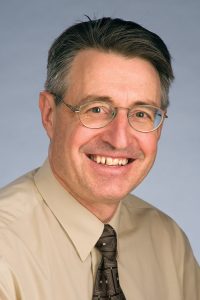
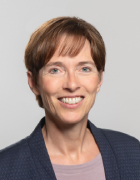
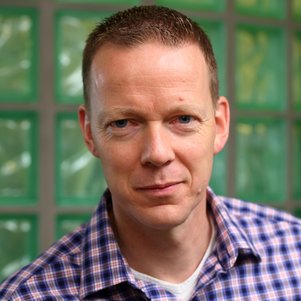
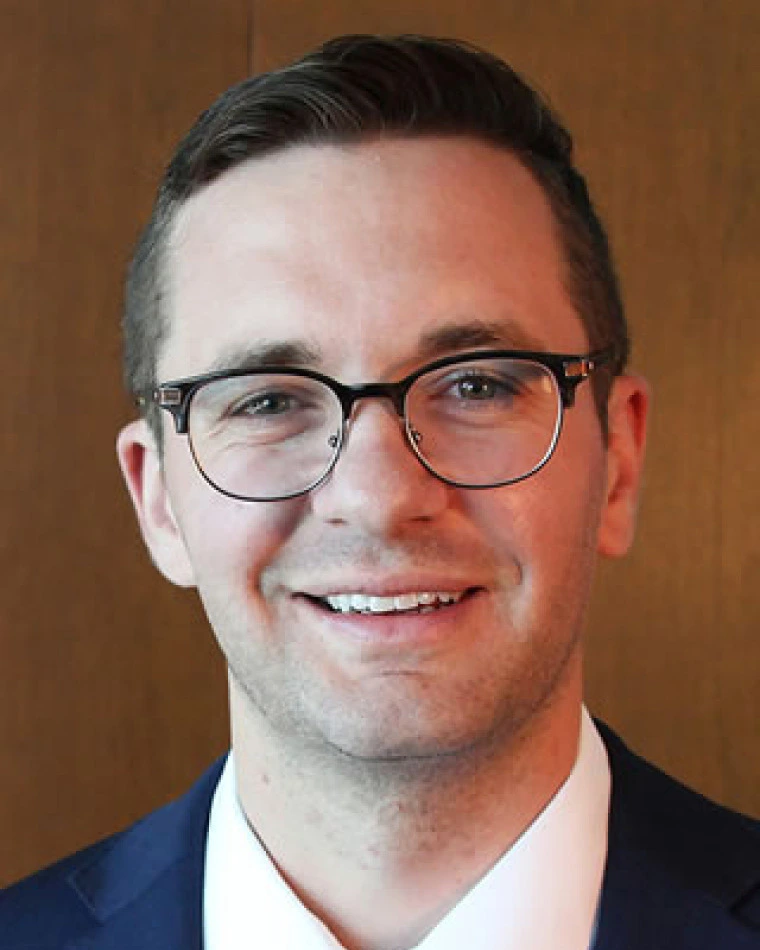
Marco Toffolon is a Full Professor at the University of Trento's Department of Civil, Environmental and Mechanical Engineering, where he leads the Physical Limnology Laboratory. He serves as Deputy Director for International Relations and previously directed the Environmental Engineering programs. His research spans ecohydraulics, sediment transport, lake hydrodynamics, and environmental modeling. He investigates physical limnology, tidal morphodynamics, and stratified flows using analytical and numerical approaches. His work integrates field measurements with machine learning for water quality prediction and climate impact assessment. His publications focus on lake dynamics, river morphodynamics, and sustainable water management, with recent emphasis on climate-driven changes in alpine systems. Research demonstrates strong interdisciplinary linkages between hydraulics, ecology, and climate science. Awards: 2016 Coastal Engineering Journal Award 2013 Enrico Marchi Lecture invitation He leads international collaborations with institutions like EPFL and Sun Yat-sen University, and organizes conferences including the Physical Processes in Natural Waters workshop series.
Gregory Lawrence is a Professor in the Department of Civil Engineering at the University of British Columbia (UBC), Faculty of Applied Science. Since 1987, he has held a Tier I Canada Research Chair in Environmental Fluid Mechanics and focuses on the fluid dynamics of inland and coastal waters, particularly their impact on water quality, chemistry, and biology. His work addresses waste discharge minimization, lake restoration, and water system rehabilitation. He also instructs in UBC’s Master of Engineering Leadership in Integrated Water Management program. Research Interests : Environmental Fluid Mechanics, Hydraulics, Hydrodynamic Stability and Mixing, Physical Limnology, and Water Quality Management. His studies bridge fluid dynamics with environmental stewardship, emphasizing hydrodynamic processes in lakes, reservoirs, and mine pit lakes. Selected Publications highlight his expertise in stratified flows, Kelvin-Helmholtz instabilities, baroclinic responses, and artificial circulation techniques. These works span journals like Limnology and Oceanography , Physical Review Fluids , and Environmental Fluid Mechanics . Scientific Awards : 2018-2020: 2nd Year Student Appreciation Award (UBC Civil Engineering Club) 2016: Visiting Research Fellow (University of Western Australia) 2013: Elected Fellow (Canadian Society for Civil Engineering) 2012: Elected Fellow (Canadian Academy of Engineering) 2011: Camille Dagenais Award (Canadian Society for Civil Engineering) 2010: Premier’s Award – Partnership Category (British Columbia) 2001: Tier I Canada Research Chair in Environmental Fluid Mechanics 2001: Journal of Environmental Engineering Editor’s Award (ASCE) Teaching : Courses include CIVL 215 Fluid Mechanics I , CIVL 541 Environmental Fluid Mechanics , and CIVL 598L Contemporary Topics in Physical Limnology . He has been recognized for teaching excellence multiple times, including the 2018-2020 Student Appreciation Award.
Prof. Gabriele Schrag holds the Professorship of Microsensors and Actuators at the Technical University of Munich (TUM), within the TUM School of Computation, Information and Technology. Her research focuses on MEMS (Micro-Electro-Mechanical Systems), including microsensors, actuators, and their applications in acoustics, microfluidics, and bioengineering. She has pioneered work in virtual prototyping for system-level modeling to enhance device robustness and performance. Education: PhD (summa cum laude) from TUM on 'Modeling coupled effects in microsystems' Habilitation in sensor systems technology (2018) Acting head of the Chair of Technical Electrophysics (2018-2023) Research emphasizes acoustic MEMS transducers , electrohydrodynamic printing , and physics-based modeling . Notable projects include developing piezoelectric MEMS microphones with corrugated membranes and integrated micropump systems. Awards include the Bavarian Prize for Good Teaching (2021) and Eurosensors Fellow Award (2019). Her work bridges virtual prototyping with real-world applications , addressing challenges in miniaturization, energy efficiency, and sensor integration for medical and industrial systems.
Prof. Aswin Gnanaskandan is an Assistant Professor in the Department of Mechanical & Materials Engineering at Worcester Polytechnic Institute (WPI), where he joined in August 2020. He directs the Computational Multiphase Transport Laboratory, focusing on developing high-fidelity models for multiphase flows with applications in engineering and biomedical fields. His research is funded by NSF, Office of Naval Research, NIH, and the Center for Advanced Research in Drying. Education: PhD, Aerospace Engineering & Mechanics, University of Minnesota (2015) MS, Aerospace Engineering & Mechanics, University of Minnesota (2012) BS, Aeronautical Engineering, Madras Institute of Technology (2006) Research Interests: Computational Fluid Dynamics (CFD), Multiphase Flow Modeling, Biomedical Acoustics, High-Performance Computing, and applications in underwater transportation, propulsion, and biomedical acoustics. His work bridges fundamental fluid mechanics with real-world challenges in energy, health, and environmental systems. Recent Research Trends: His articles focus on microbubble-enhanced ultrasound therapy, cavitation dynamics in propulsion systems, and multiphase flow modeling across scales. Key themes include improving thermal ablation precision in medical treatments and optimizing industrial processes like spray drying through advanced numerical techniques. Awards: Excellence in Research Award (WPI, 2024) NSF Engineering Research Initiation Award (2023) James Nichols Heald Research Award (WPI, 2022) Teaching & Advising: Teaches undergraduate/graduate courses in Fluid Mechanics, Thermodynamics, and Numerical Methods. Advises multiple Major Qualifying Projects and fosters interdisciplinary collaboration through lab activities. His lab actively engages with industry and academic partners on projects like HIFU therapy and sustainable energy solutions. Labs & Teams: Leads the Computational Multiphase Transport Lab, which collaborates on projects involving CFD solver development (MFC 5.0), exascale computing, and biomedical acoustics. Aligns research with UN Sustainable Development Goals (SDG 7, 9, 13).
Dr. Jessica Sunshine is a Professor in the Department of Geology at the University of Maryland. Her research focuses on planetary materials and processes, particularly using spectroscopy and morphological analysis to study comets, asteroids, meteorites, and lunar geology. She is a principal investigator on NASA missions such as the Double Asteroid Redirection Test (DART) and the Lucy Mission, contributing to breakthroughs in planetary defense and asteroid composition analysis. Dr. Sunshine holds a Ph.D. from Brown University (1994). Her work integrates field-based and remote sensing techniques, including thermal infrared spectroscopy, to explore topics like the origins of spinel-rich deposits on the Moon, the composition of Trojan asteroids, and the dynamics of impact ejecta. She leads the Lunar Vulkan Imaging and Spectroscopy Explorer (Lunar-VISE) mission to study non-mare volcanic regions on the Moon. Her recent studies include analyzing the DART mission's impact on Dimorphos, revealing insights into asteroid deflection mechanics and surface material responses. She has also contributed to understanding the geological history of Ceres and the compositional diversity of Jupiter Trojans through the Lucy mission's data.
Professor L.J. Sluys is a Full Professor and Chair of Computational Mechanics at the Faculty of Civil Engineering and Geosciences, Delft University of Technology (TU Delft). He has been a leading figure in computational mechanics since 1999, heading the Computational Mechanics group and serving as head of the Department of Materials, Mechanics, Management and Design (3MD) from 2018 to 2024. His research is centered on the computational modeling of material behavior, particularly focusing on failure processes and high-performance materials. His research interests include computational mechanics of materials, modeling of failure and fracture processes, multi-scale methods, and the computational modeling of high-performance materials such as composites and concrete. He employs advanced numerical techniques including the finite element method, extended finite element method (XFEM), level-set methods, and cohesive zone modeling to simulate complex mechanical behaviors under static and dynamic loading conditions. His work spans civil, mechanical, and materials engineering domains, with applications in infrastructure, energy, and sustainable materials. The recent publications highlight a strong trend in modeling fracture, fatigue, and degradation in heterogeneous materials such as composites, concrete, and geological formations. His work integrates multi-physics and multi-scale approaches, often coupling mechanical, thermal, and chemical effects. There is a consistent focus on numerical robustness, model validation, and the development of adaptive computational frameworks for simulating progressive damage and failure. Research Fellow of the Netherlands Academy of Arts and Sciences (KNAW) Professor Sluys has taught core courses such as Introduction to the Finite Element Method and Computational Methods in Non-linear Solid Mechanics for over a decade, indicating a strong commitment to academic education. He has supervised numerous students, though specific names are not listed in the provided texts. He leads an active research group in computational mechanics, contributing to both fundamental and applied research in solid mechanics. His work involves collaboration with international institutions and industry partners, particularly in the areas of infrastructure durability and advanced materials.
Kyle Hanquist is an Assistant Professor in the Department of Aerospace and Mechanical Engineering at the University of Arizona, where he is also a member of the Graduate Faculty. He directs the Computational Hypersonics and Nonequilibrium Laboratory (CHANL), focusing on advanced simulation techniques for high-speed flows. His academic journey includes a PhD and MSE in Aerospace Engineering from the University of Michigan and a BSE in Mechanical Engineering from the University of Nebraska. PhD, Aerospace Engineering, University of Michigan, Ann Arbor MSE, Aerospace Engineering, University of Michigan, Ann Arbor BSE, Mechanical Engineering, University of Nebraska, Lincoln Dr. Hanquist's research centers on hypersonics, aerothermodynamics, and nonequilibrium flows , with strong emphasis on computational fluid dynamics , low-temperature plasmas , and thermal management systems . His work involves modeling complex physical phenomena such as electron transpiration cooling, plasma-assisted flow control, and high-temperature gas effects in reentry environments. He also investigates molecular gas dynamics and finite-rate chemistry in extreme conditions. His recent publications reveal a strong trend in computational modeling of hypersonic boundary layers , plasma sheaths , and shock-tube validation of thermochemical models . The interdisciplinary nature of his work spans aerospace engineering, plasma physics, and materials response under extreme thermal loads. Much of his research integrates multi-physics simulations to address fluid-thermal-structural interactions critical for next-generation hypersonic vehicles. Dr. Hanquist has received several scientific honors, including: 2020 AIAA Plasmadynamics and Lasers Best Paper Award Editor's Choice, AIP Publishing - Physics of Fluids (Summer I 2020) Featured Article, AIP Publishing - Physics of Fluids (Summer I 2021) Frontiers in Physics – Plasma Physics (Spring 2020) As an advisor and lab director, he mentors graduate students in computational hypersonics and collaborates with institutions like NASA and the University of Michigan. His research is supported by grants from aerospace and defense agencies, though specific funding sources are not listed. He teaches courses in fluid mechanics, numerical methods, and nonequilibrium flows, contributing to both undergraduate and graduate education. He leads the Computational Hypersonics and Nonequilibrium Laboratory (CHANL) , which develops and applies high-fidelity simulation tools for hypersonic applications. The lab focuses on kinetic modeling, plasma interactions, and optimization of thermal protection systems, often using massively parallel CFD codes and multi-fidelity surrogate models.
Dr. Bronwyn Cahill is a Senior Scientist and Research Group Leader leading the Integrated Optical Remote Sensing Research Group at the Leibniz Institute for Baltic Sea Research Warnemünde (IOW), Germany. Her interdisciplinary research integrates optical remote sensing, in situ data, data science, and bio-optical process modeling to address challenges in coastal and marine ecosystems, with a focus on land-ocean connectivity, underwater lightscapes, and biogeochemical cycles. Education: Ph.D. in Oceanography (2006) – University of Rhode Island, USA BSc (Honours) in Ocean Science (1993) – University of Plymouth, UK BA (Honours) in French and Philosophy (1989) – Trinity College Dublin, Ireland Research Interests: Her work centers on understanding how changing light climates impact marine ecosystems and carbon cycles. Key themes include optical remote sensing applications, climate change effects on coastal seas, marine heatwaves, phytoplankton dynamics, and the development of advanced biogeochemical models for marginal seas like the Baltic. Publication Trends: Her 15 most recent articles (2011-2025) predominantly explore marine biogeochemistry, climate impacts on coastal systems, and ocean-atmosphere interactions. Over 60% focus on Baltic Sea dynamics, employing modeling, remote sensing, and field data to analyze carbon fluxes, algal blooms, and ecosystem responses to environmental stressors. Projects & Grants: She leads several major initiatives: SEAGUARD (2025-2027): AI-driven seagrass adaptation research (BMUKN-funded) ISOLUME (2025-2028): Lightscape indicators in marine ecosystems (BMFTR-funded) KIVib Küste (2025-2026): AI-based Vibrio risk assessment (EFRE-funded) SkaMix-WMT (2025-2028): Water mass transformation in Skagerrak (DFG-funded) Leadership: Heads the Integrated Optical Remote Sensing Research Group at IOW, fostering collaborations across physical, biological, and chemical oceanography to advance predictive capabilities for marine environmental change.
Assoc. Prof. Dietmar Pum is a leading researcher at the Institute of Biophysics, University of Natural Resources and Life Sciences, Vienna (BOKU). With a career spanning over three decades, he has pioneered work on S-layer proteins as nanobiotechnological tools and biomimetic surface functionalization. His research bridges microbiology, biophysics, and nanomaterials science. Education & Career Doctorate (1984) and Habilitation (1992) at Vienna University of Technology Awarded FEBS (1987) and EMBO (1982) fellowships Assoc. Univ. Prof. since 1997, Deputy Head of Biophysics Institute since 2014 Research Focus Dr. Pum's work centers on leveraging S-layer proteins for nanoscale fluid mechanics , molecular imprinting , and biohybrid materials . His projects explore: Self-assembly of 2D protein crystals Functionalization of carbon nanotubes Biomimetic sensor development Applications in diagnostics and environmental technology Publication Trends His recent publications (2025-2019) highlight interdisciplinary advancements in: Nanoscale biofluid dynamics Gold nanoparticle synthesis via microbial enzymes Archaeal S-layer characterization Protein-directed nanomaterials Biosensor platforms Lipid quantification via machine learning Scientific Recognition Philip Morris Research Prize (1998) Cardinal Innitzer Prize (1992) ÖAGM Prize (1986) Peer reviewer for Nature Materials , Advanced Materials , and Biophysical Journal Advising & Collaborations Dr. Pum has supervised over 15 theses, mentoring students in topics ranging from Caenorhabditis elegans imaging to nanomembrane fabrication. He leads international collaborations under EU Horizon and FWF grants, including the Stimuli Responsive Materials project (2020-2025). Labs & Networks As a core member of BOKU's Center for NanoBiotechnology and the Ludwig Boltzmann Institute for Molecular Nanotechnology , he develops bioinspired nanomaterials and contributes to global programs in molecular self-assembly.
Wouter Bos is a Research Director at CNRS working at the Laboratory of Fluid Mechanics and Acoustics (LMFA) at École Centrale de Lyon, France. He leads research within the Turbulence & Instabilities team, focusing on fundamental aspects of fluid dynamics with applications spanning from plasma physics to epidemiology. His academic journey reflects a deep engagement with theoretical and computational fluid mechanics, particularly in turbulence phenomena. Dr. Bos's research interests center on fluid dynamics, with particular emphasis on turbulence in various contexts including two-dimensional flows, magnetohydrodynamics, plasma physics, and statistical mechanics of fluids. His work explores fundamental questions about energy transfer, coherent structures, and statistical properties of turbulent flows. He has made significant contributions to understanding turbulence without vortex stretching, two-dimensional turbulence, and the application of fluid dynamics principles to epidemiological modeling. Analysis of his recent publications reveals a strong focus on theoretical and computational approaches to turbulence. His work spans from fundamental questions about equilibrium states in two-dimensional turbulence to practical applications in plasma confinement and epidemic modeling. The publications demonstrate consistent innovation in turbulence theory, with particular attention to statistical mechanics approaches, spectral analysis, and the development of reduced-order models for complex fluid phenomena. His research shows growing interdisciplinary connections, especially between fluid dynamics and epidemiology as evidenced by his work on modeling the spread of infectious diseases. Dr. Bos actively supervises doctoral students and postdoctoral researchers, with recent students including Tong Wu, Ryo Araki, Smiron Varghese, Wesley Agoua, and Bruce (Xi Yuan) Yin. He participates in collaborative research projects such as the ANR CM2E project (2021-2025) on Characteristic Mapping Method for the Euler Equations, working with researchers from Aix-Marseille University and McGill University. His laboratory work involves both theoretical analysis and computational simulations, with applications ranging from fundamental fluid mechanics to practical problems in energy research (particularly related to ITER and fusion plasma physics) and public health. The interdisciplinary nature of his research demonstrates the broad applicability of fluid dynamics principles across seemingly disparate scientific domains.
Clarity Ropafadzo Mapengo is a Lecturer in Food Science & Technology at Teesside University's School of Health and Life Sciences. She holds a PhD in Food Science from the University of Pretoria (2020) and joined Teesside in 2022 after serving as a Postdoctoral Researcher there. Education: PhD in Food Science (University of Pretoria, 2018–2020) Her research focuses on climate-resilient food systems, natural polymer applications, and innovative processing technologies like high-pressure processing (HPP) and infrared drying. She integrates green chemistry principles into functional food development, particularly low-glycemic-index products and nano-therapies. Recent work explores HPP's impact on meat quality, solar/infrared drying of crops, and xylan-based prebiotics. Collaborations include FAO initiatives and University of Cairo projects on sustainable agrifood systems. Salzburg Global Fellow (2024-2025) Innovation Ambassador, Global Biotech Revolution (2024) World Food Forum Young Scientist Group Representative (2022) She leads the Food Chain & Composition module and contributes to Biologics & Health Product Development. Her enterprise interests emphasize food waste reduction and value-added agrifood solutions.
Stephen W. Hoag is a Professor in the Department of Pharmaceutical Sciences at the University of Maryland School of Pharmacy. His research spans pharmaceutical formulation, process development, and analytical technologies, with a strong emphasis on solid oral dosage forms and controlled release systems. University: University of Maryland School: School of Pharmacy Department: Department of Pharmaceutical Sciences Email: shoag@umaryland.edu Phone: (410) 706-6865 Fax: (410) 706-0346 Address: 20 North Pine Street, Baltimore, MD 21201 Education: B.S. in Biochemistry, University of Wisconsin–Madison, 1982 Ph.D. in Pharmaceutics, University of Minnesota, Twin Cities, 1990 Dr. Hoag's research is centered on two primary areas: (1) the development of systematic methods for formulating immediate and controlled release tablets, utilizing instrumented tablet presses, shear cell analysis, and process analytical technology (PAT) such as Near-Infrared (NIR) and Raman spectroscopy; and (2) the application of mathematical models to understand mass transport in hydrogels, including calcium alginate and silk-elastinlike protein polymers. His work on folic acid supplementation and prenatal vitamins has important public health implications due to the role of folic acid in preventing neural tube defects. Although no recent publications are listed in the provided text, his research output is evident through his co-editorship of the widely used reference work Pharmaceutical Dosage Forms: Tablets (3rd edition, 2008), and his leadership in developing best practices for PAT in pharmaceutical manufacturing. Scientific Awards: No specific awards mentioned in the provided text. Dr. Hoag has actively mentored a large number of graduate students, postdoctoral fellows, and visiting scientists, contributing significantly to pharmaceutical education and workforce development. His laboratory is equipped with state-of-the-art instrumentation for preformulation, formulation, tableting, coating, dissolution testing, and analytical characterization. The lab supports both non-clinical and GMP-level manufacturing research, enabling translational development of dosage forms. He also leads a hands-on short course on tablets and capsules, further extending his educational impact. Research Facilities: Thermal analysis (DSC, MDSC) Solubility and viscosity measurement Moisture analysis (Karl Fisher, LOD) Mechanical testing (Instron) Flow characterization (shear cell, angle of repose) Particle size analysis (laser diffraction, SEM, sieve) Tablet presses (Stoke’s B2, Manesty Beta, fully instrumented) Coating systems (fluid bed, pan coaters) UV/Vis, HPLC, GC, MS instrumentation Environmental stability chambers Granulation, milling, blending equipment Dissolution testing with autosampler
Dr. Anwar Ali is a Lecturer in the Department of Electronic and Electrical Engineering at Swansea University's Bay Campus, affiliated with the School of Aerospace, Civil, Electrical and Mechanical Engineering. He holds an M.S. in Electronic Engineering (2010) and a Ph.D. in Electronic and Communication Engineering (2014) from Politecnico di Torino, Italy. His research focuses on: Power electronic converters and conditioning systems Embedded systems for aerospace applications Analog/mixed-signal circuit design Satellite technologies including power management Attitude determination and control systems Thermal modeling of aerospace systems Dr. Ali has authored over 50 publications with recent works concentrated in satellite power systems, thermal analysis of spacecraft, machine learning applications in healthcare/robotics, and energy harvesting techniques. His research demonstrates consistent innovation in small satellite technologies and cross-disciplinary applications of electrical engineering principles. He currently supervises PhD projects on: Wireless power transfer for implantable medical devices Integrated power and attitude control optimization for small spacecraft and teaches modules including Analogue Design, Software Engineering, Embedded System Design, and Integrated Circuit Design.
Professor Da-Wen Sun is a globally recognized authority in food and biosystems engineering at the UCD School of Biosystems & Food Engineering , University College Dublin. His research focuses on enhancing food preservation through innovative technologies like ultrasound-assisted freezing to minimize nutrient loss and structural damage in frozen foods. Key contributions: Developed ultrasound freezing methods to reduce ice crystal damage Editor of seminal texts including Handbook of Frozen Food Processing Founded the journal Food and Bioprocess Technology His work bridges computational modeling (e.g., CFD simulations , machine learning ) with industrial applications, particularly in freezing, drying, and vacuum cooling. Recent studies explore terahertz imaging for pest detection, deep eutectic solvents for moisture control, and cold plasma for allergen reduction. Scientific awards include: Frozen Food Foundation Freezing Research Award (2013) - First non-US recipient CIGR Honorary President title (2016) for leadership in agricultural engineering He leads the UCD Food Refrigeration & Computerised Food Technology group , collaborating internationally on technologies like nanosensors and green cryoprotectants to advance sustainable food systems.
Dr. David Evans is a Royal Society University Research Fellow at the University of Southampton with expertise in paleoclimate reconstruction and marine geochemistry. His research focuses on understanding climate-Earth surface interactions through geochemical proxies, experimental culturing of marine organisms, and numerical modeling. He leads several major projects funded by the Royal Society and UKRI aimed at refining paleoclimate reconstructions. Dr. Evans investigates Cenozoic warm periods (particularly the early Eocene) to evaluate climate model performance and understand climate-biosphere interactions. His work centers on: 1) Reconstructing boundary conditions affecting geochemical proxies, especially seawater composition; and 2) Understanding biomineralization processes in key archives like foraminifera to ensure accurate proxy applications through geologic time. His publications (2024-2025) predominantly focus on marine biomineralization, paleoclimate proxies, and carbonate geochemistry, with frequent applications of isotope techniques and experimental approaches. Research consistently emphasizes methodological improvements in geochemical analyses and proxy validation. He currently supervises four PhD students across biological sciences and oceanography. His research group is part of the Geochemistry unit and Southampton Marine and Maritime Institute. Major active projects include Horizon Europe's AMOEBA initiative and a correlative cryo-analytical center development.