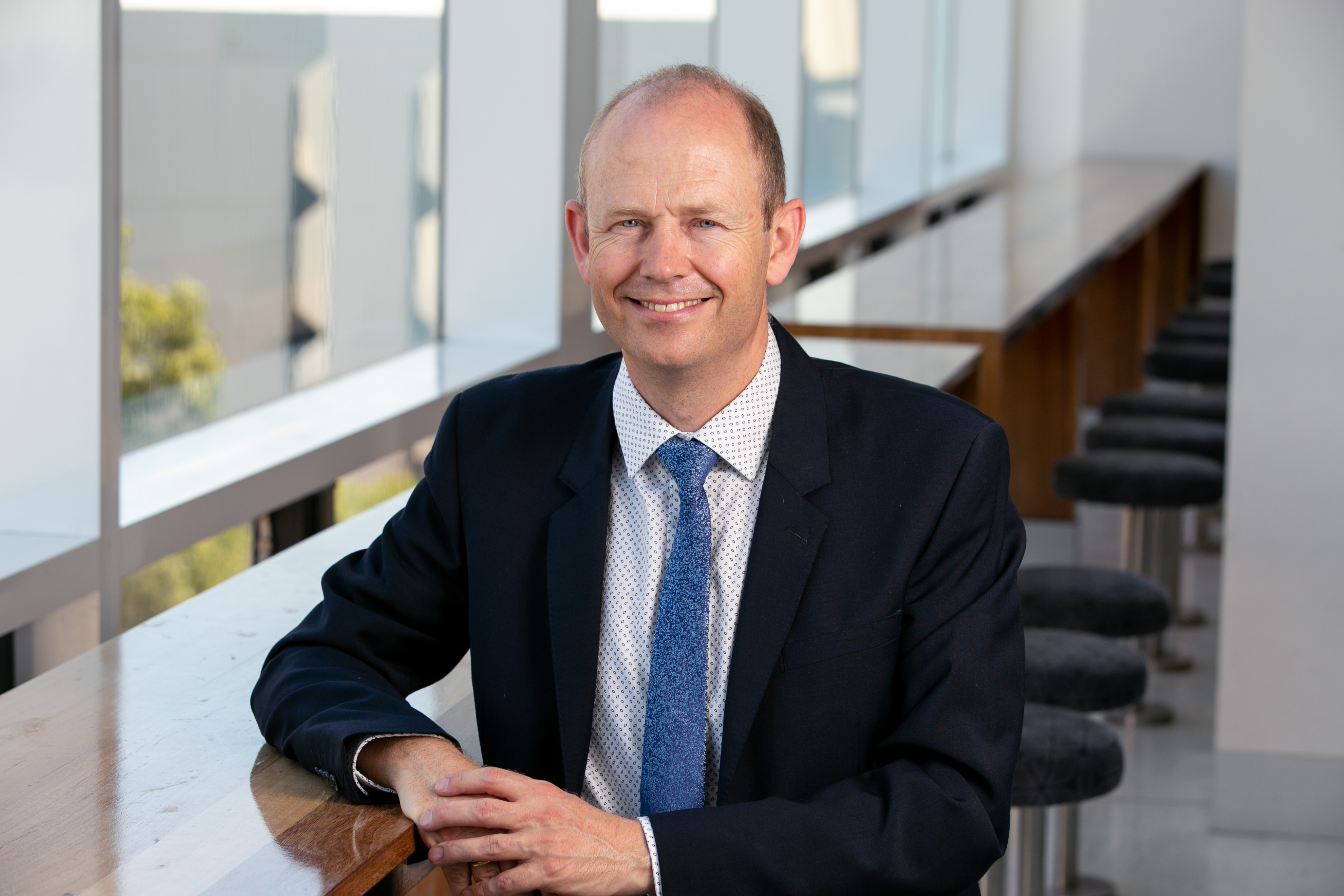
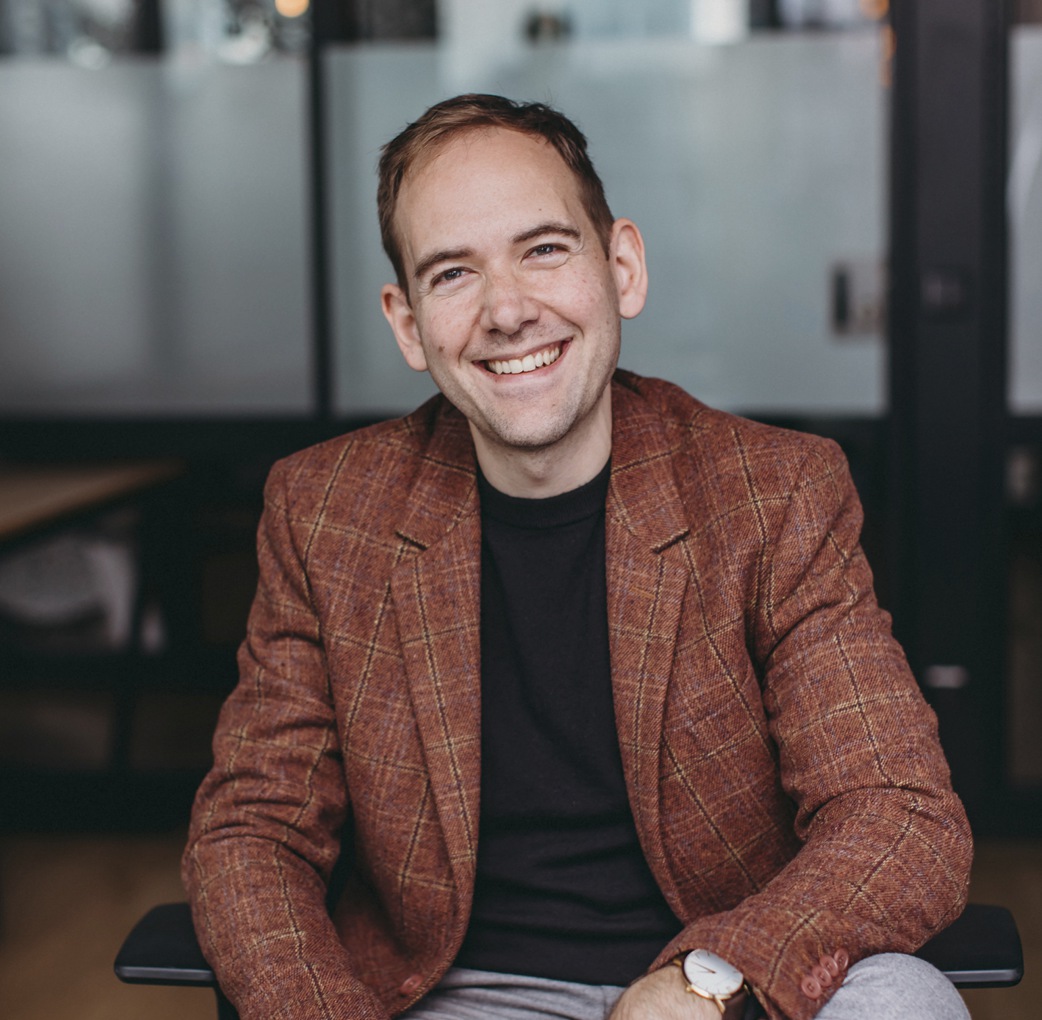
Sebastian Willen is a Researcher at the Chair of Empirical Social Research at the University of Duisburg-Essen. He is affiliated with the working group of Prof. Dr. Stein and contributes to interdisciplinary projects like ATMo² and InnaMoRuhr , focusing on sustainable mobility and social dynamics. Research Interests include family sociology, transport sociology, dyadic modeling, and empirical methods. His work examines partnership negotiation in family expansion, mobility behavior transformation, and plagiarism dynamics through advanced statistical analysis. Recent Publications highlight family formation processes, sustainable urban mobility, and ethical decision-making. Articles span journals like Kölner Zeitschrift für Soziologie und Sozialpsychologie , Demographic Research , and edited volumes on mobility. His work integrates quantitative methods with theoretical frameworks in social research. Scientific Activities involve empirical social research, teaching advanced statistical analysis, and presenting at conferences such as the Wissenschaftsforum Mobilität . He has contributed to projects addressing mobility transitions and social inequality.
Christos G. Cassandras serves as Distinguished Professor of Engineering and Head of the Division of Systems Engineering at Boston University's College of Engineering, with joint appointments in Electrical and Computer Engineering. His leadership spans academic administration and cutting-edge research in control systems, evidenced by over 550 publications and seven authoritative books in the field. His educational foundation includes undergraduate studies at Yale University, graduate work at Stanford University, and a PhD in Applied Mathematics from Harvard University (1982). This multidisciplinary background underpins his research approach. Dr. Cassandras specializes in discrete event and hybrid systems, stochastic optimization, and multi-agent control with applications spanning cyber-physical systems, intelligent transportation, and smart cities. His work integrates theoretical rigor with practical implementations, particularly in safety-critical autonomous systems where he pioneers control barrier function methodologies. Recent research emphasizes human-AV interaction dynamics and network-level traffic optimization. Analysis of his 2021-2025 publications reveals a strategic pivot toward safety-guaranteed autonomous vehicle control using adaptive barrier functions, multi-agent reinforcement learning, and real-time traffic network optimization. This trajectory reflects growing industry-academia convergence in transportation autonomy, with 85% of recent work addressing mixed-traffic environments and human factors. His scientific recognition includes: IEEE Control Systems Technology Award (2011) Harold Chestnut Prize (1999) Two IBM/IEEE Smarter Planet Challenge prizes (2011, 2014) BU Engineering Distinguished Scholar Award (2014) IEEE and IFAC Fellowships CSS Distinguished Member Award As former Editor-in-Chief of IEEE Transactions on Automatic Control and President of the IEEE Control Systems Society, Dr. Cassandras has shaped global research directions. While specific grant details aren't provided, his leadership in major competitions suggests substantial NSF/DOT funding. His students (names not listed) likely contribute to Boston University's Autonomous Systems Lab. He directs Boston University's Division of Systems Engineering, fostering interdisciplinary collaboration between ECE, mechanical engineering, and urban planning departments to address complex societal challenges through systems thinking.
Prof. Laura Vargas Koch serves as Junior Professor at RWTH Aachen University, leading the Teaching and Research Unit of Algorithmic Game Theory and Discrete Mathematics (GDM). Her interdisciplinary work bridges mathematics, computer science, and economics through rigorous theoretical frameworks. Her research focuses on: Algorithmic Game Theory : Analyzing fair pricing mechanisms and equilibrium structures in traffic flow systems Combinatorial Optimization : Developing approximation algorithms for clustering problems and graph-based optimization Analysis of her 2021-2025 publications reveals evolving expertise in dynamic traffic modeling, routing game equilibria, and auction mechanism design. Her work consistently addresses theoretical foundations while maintaining practical relevance to transportation networks and resource allocation systems. The GDM unit under her direction provides specialized coursework and fosters collaborative research at the intersection of discrete mathematics and economic modeling.
Professor Yusuf Karbhari is a Professor of Accounting at Cardiff Business School, Cardiff University. With a distinguished career spanning several decades, he has established himself as an expert in accounting, particularly in the areas of public sector accounting, Islamic finance, and corporate governance in emerging economies. His work bridges theoretical frameworks with practical applications across diverse economic contexts, from the UK public sector to Middle Eastern and Southeast Asian financial systems. Professor Karbhari holds a PhD and MBA from institutions in Wales, along with a BA (Hons) degree. His educational background has provided the foundation for his extensive research career focused on accounting practices in both developed and emerging economies. Professor Karbhari's research interests encompass a wide range of topics including Accounting and Accountability in government sectors across the Middle East and Malaysia, Accounting practices of UK Executive Agencies, International Government Accounting, Communicative Effectiveness of International Auditor's Reports, Financial Reporting and Performance Measurement in UK Central Government, and Managerial and Accounting Reforms in the Public Sector. His work particularly emphasizes the intersection of traditional accounting principles with cultural and religious contexts, especially in Islamic finance systems. His extensive publication record demonstrates a consistent focus on accounting practices in emerging economies, with particular attention to Islamic banking and finance, corporate governance structures, and public sector accounting. Over the past decade, his research has increasingly examined the role of Sharia boards in Islamic financial institutions, environmental disclosure practices, and the relationship between governance mechanisms and financial performance in diverse economic contexts. Professor Karbhari is available for postgraduate supervision and has research interests that align with his expertise in Accounting and Auditing in Emerging Economies, International Public Sector Accounting, Corporate Governance in emerging economies, and Islamic Banking and Finance. He teaches undergraduate courses in Accounting for Decision Making and Control (Year 2) and Public Sector Accounting (Year 3).
Phillip J Ansell is an Associate Professor in the Department of Aerospace Engineering at the University of Illinois. He serves as the Director of the Center for High-Efficiency Electrical Technologies for Aircraft (CHEETA), focusing on advancing sustainable aviation through innovative propulsion and energy systems. His research interests include aerodynamics optimization, hydrogen propulsion, electric aircraft integration, and cryogenic technologies. Ansell has received prestigious awards such as the AFOSR Young Investigator Award (2015), ARO Young Investigator Award (2017), and the Lawrence Sperry Award (2023), recognizing his contributions to sustainable aviation and flow control technologies. His work spans interdisciplinary areas like hydrogen fuel cell systems, airfoil design, and electrified aircraft architectures. Recent research emphasizes sustainable aviation frameworks, cryogenic hydrogen storage, and propulsion-airframe integration. Ansell has collaborated on projects involving distributed propulsion systems, wind energy optimization, and advanced plasma actuators for flow control. His leadership in CHEETA drives innovations in superconductivity and high-temperature superconducting components for next-generation aircraft. Notable contributions include studies on laminar flow control, transonic aerodynamics, and the technical challenges of integrating MW-scale hydrogen propulsion systems. His publications reflect a blend of theoretical modeling, experimental validation, and systems engineering approaches to address aviation's sustainability challenges.
Alexei Koulakov is a Professor at Cold Spring Harbor Laboratory (CSHL) and the Charles Robertson Professor of Neuroscience. His research focuses on applying mathematical and computational approaches to unravel the principles of brain organization, particularly in sensory systems like olfaction and vision. Koulakov's work explores how neural circuits form during development, the role of genetic and experiential factors, and the evolutionary basis of brain architecture. Education: PhD in Physics from the University of Minnesota (1998). Key Research Areas: Olfactory system development, neural network modeling, and AI inspired by biological computation. Koulakov's recent publications emphasize cross-disciplinary integration of neuroscience and AI, including NeuroAI initiatives and DeepNose models predicting olfactory percepts. His team investigates how innate abilities are encoded genomically and how experience shapes neural networks. Scientific contributions include studies on primacy coding in olfaction, stochastic learning mechanisms , and high-throughput neural mapping . Awards include the Charles Robertson Professorship , reflecting his leadership in theoretical neuroscience. Koulakov collaborates extensively, with notable work on genomic bottlenecks , odor mixture interactions , and neural integrator models . His lab at CSHL is at the forefront of NeuroAI research, leveraging brain circuit insights to advance artificial intelligence.
Antonino Vallesi is a Full Professor in Neuropsychology and Cognitive Neuroscience at the University of Padua. He holds a master's degree in Psychology (University of Padua, 2003) and a PhD in Neuroscience (SISSA, Trieste, 2007). He has held roles as Assistant and Associate Professor at SISSA and the University of Padua before achieving his current rank. His research focuses on executive functions, cognitive aging, and temporal processing, employing neuroimaging, EEG, and experimental psychology methods. He has supervised over 10 PhD students, 13 postdocs, and 65 trainees. Education: PhD in Neuroscience, SISSA, Trieste (2007) Master's in Psychology, University of Padua (2003) Research Interests: The anatomo-functional organization of executive functions, cognitive aging, temporal processing, and neuropsychological methodologies. His work explores these areas through advanced techniques like EEG, neuroimaging, and neuromodulation. Awards: Bertelson Award (2011) Outstanding Young Person Award (2011) SIPF Prize (2017) ERC Starting Grant (2013) Advising & Grants: Supervisor of over 10 PhD students and 13 postdocs. Secured significant funding including an ERC grant. Involved in grant reviewing for EU programs (e.g., Horizon 2020) and international agencies. Labs & Teams: Leads the Executive Function Lab at the University of Padua, focusing on cognitive neuroscience and clinical applications.
Ralph Luetticke is a Professor of Economics at the University of Tübingen, affiliated with the Centre for Economic Policy Research and the Stone Centre on Wealth Concentration at University College London. His research focuses on fiscal/monetary policy, business cycles, and computational methods, emphasizing household heterogeneity. Key contributions include analyzing liquidity channels of fiscal policy, military multipliers, and unconventional policy shocks. Recent work explores military spending multipliers, endogenous gridpoint methods for distributional dynamics, and the distributional impacts of monetary policy. His 2023 ERC Starting Grant ('AIRMAC') supports research into aggregate uncertainty in business cycles. Teaching includes advanced macroeconomics courses at UCL and Tübingen, emphasizing HANK models and policy analysis. Scientific awards include the ERC Starting Grant (2023). Research tools developed include the BASE for HANK toolbox (Julia) and open-source codes for heterogeneous agent modeling. His work bridges theoretical macroeconomics with empirical policy analysis, addressing modern challenges like inequality and pandemic stimulus effectiveness.
Harald Van Heerde is a Research Professor of Marketing at the University of New South Wales, Sydney, within the UNSW Business School's Department of Marketing. He holds roles as Editor of the Journal of Marketing and Executive Vice-Chairman/Program Director of the Marketing Science Hub at AiMark. His academic career includes positions at Maastricht University, the University of Waikato, Tilburg University, and Massey University. Education: Ph.D. in Economics (Cum Laude), University of Groningen, the Netherlands (1999) M.Sc. in Econometrics (Cum Laude), University of Groningen, the Netherlands (1995) Research Interests: Harald focuses on applying econometric models and large datasets to address critical marketing challenges. His work explores marketing mix effectiveness , brand equity , digital marketing strategies , consumer behavior in crises , and cross-industry applications such as retailing, healthcare, and entertainment. Methodologically, he emphasizes dynamic models, endogeneity correction, optimization techniques, and text mining. Articles Trends: Recent publications highlight analysis of inflation's impact on consumer spending , mobile app engagement , brand recovery post-crisis , and econometric frameworks in marketing decision-making. His work bridges theoretical advancements with practical business implications, particularly in stochastic cost industries and global market dynamics. Awards & Fellowships: 2024: AMA Fellow & Shelby/Hunt Best Paper Award 2021: Churchill Award (Lifetime Contributions) 2004–2023: 10+ paper awards including MSI/Root, Paul Green, and multiple long-term impact recognitions Advising & Grants: Currently supervising doctoral candidates Ayesha Hossain (Human Branding) and Ada Choi (consumer financial decision-making). Supervised 12 completed theses across branding, retailing, and digital marketing. Secured over AU$2 million in grants including ARC Discovery, MSI, and the Marsden Fund. His grants examine topics like brand crisis management, price war dynamics, and mobile marketing ROI. Labs & Teams: Leads the Marketing Science Hub at AiMark, a nonprofit connecting academics with household panel data. Consults for global firms including Unilever, Edeka, and AZTEC. His work emphasizes collaborative data-driven research with industry partners.
Yuning Jiang is a Visiting Professor at the École Polytechnique Fédérale de Lausanne (EPFL), affiliated with the Automatic Control Laboratory (LA3) within the School of Engineering (STI). He teaches the doctoral course Optimal Control for Dynamic Systems and contributes to research in distributed optimization, model predictive control (MPC), and smart grid technologies. His work bridges theoretical advancements in control systems with practical applications in power networks and autonomous systems. Current research emphasizes scalable solutions for AC optimal power flow, real-time MPC for embedded systems, and robust optimization under uncertainty. His research interests span Optimal Control , Power Systems , Smart Grids , and Federated Learning . Notable contributions include distributed algorithms for large-scale power systems and privacy-preserving co-simulation frameworks. Recent publications focus on microservice deployment in satellite-terrestrial networks and real-time pricing mechanisms for vehicle-to-grid (V2G) integration. Yuning holds a position in the EDEE-ENS unit under EPFL’s Academic Affairs division (VPA-AVP-DLE), reflecting his role in academic administration and teaching infrastructure. His lab, the Automatic Control Laboratory, focuses on cutting-edge research in control theory and its interdisciplinary applications.
Stefania Degaetano-Ortlieb is an Associate Professor of English Linguistics and Corpus Linguistics at Saarland University's Department of Language Science and Technology. She serves as Principal Investigator for the Collaborative Research Center (SFB 1102) 'Information Density and Linguistic Encoding,' leading Project B1 on diachronic information density in English scientific writing (17th century-present). Her interdisciplinary work bridges computational methods with sociolinguistics, focusing on register variation, language change, and digital humanities. Research interests center on text mining, data analytics, and probabilistic modeling of language variation. Key areas include: Diachronic evolution of scientific registers and linguistic densification Information-theoretic approaches to language efficiency Computational sociolinguistics and register diversification AI applications in humanities education (e.g., ChatGPT integration) Her publications show a strong trend toward quantitative diachronic analysis, with recent work emphasizing: interpretable AI models for linguistic change detection; propagandistic narrative analysis in conflict zones; and multi-word expression dynamics in scientific discourse. Cross-disciplinary collaborations frequently intersect with history, psychology, and media studies. Awards include the Fellowship Excellence Program for Young Female Scientists (2015-2018). Current grants: EU Horizon MSCA Doctoral Network 'CASCADE' (€521K to UdS, 2024-2027) Data-Pin Project for AI in education (€50K, 2023-2024) SFB 1102 Project B1 (€595K, 2022-2026) Advises PhD candidates in the EU CASCADE project on computational semantic change. Leads a research team exploring Russian media narratives, personality modeling in LLMs, and multi-word expressions. Directs teaching modules integrating AI tools for humanities students.
Prof. Dr. Heiko Paulheim is a Professor of Data Science and currently serves as University Vice President at the University of Mannheim. He leads the Data and Web Science Group (DWS), which focuses on Web Data Mining, Knowledge Graphs, and Semantic Web technologies. His research group contributes to open source knowledge graphs like DBpedia and develops new knowledge graphs such as WebIsALOD and DBkWik. As of October 1, 2024, he has limited teaching capacity due to his vice presidential duties. Prof. Paulheim's research interests span Knowledge Graphs, Semantic Web, Web Data Mining, Machine Learning, and Natural Language Processing. His work particularly focuses on knowledge graph refinement, embedding techniques (notably RDF2vec), and applications in various domains including news recommendation, biomedical informatics, and environmental monitoring. His group develops practical tools like the RapidMiner Linked Open Data Extension and RDF2vec for knowledge graph applications. His recent publications demonstrate a strong focus on knowledge graph embeddings, with particular attention to RDF2vec variants, applications in news recommendation systems, biomedical data integration, and spatio-temporal knowledge graphs for environmental monitoring. His work bridges theoretical advances in knowledge representation with practical applications across multiple domains. Among his notable achievements are a nomination for the Best Paper Award at CAiSE 2025 and securing an Open Science Grant for the SpatialBenchRAG project. His research has significant impact in both academic and industrial contexts, with multiple papers accepted at top conferences like ISWC and ESWC. Prof. Paulheim has supervised numerous PhD students including Alexander Brinkmann and Michael Schlechtinger, and has led several research projects including the DFG Project Mine@LOD, State of BW Project SyKoW², and BMBF Project DS4DM. His group maintains strong industry connections with partners like SAP AG, Daimler AG, and IDS.
Arslan Mazitov is a Researcher and Doctoral Assistant at the École Polytechnique Fédérale de Lausanne (EPFL) , affiliated with the School of Engineering (STI) and the Institute of Materials (IMX) . He is part of the Computational Science and Modelling Laboratory (COSMO) , focusing on computational materials science with an emphasis on van der Waals materials, optical properties, and machine learning applications. His research explores novel materials for photonics, energy storage, and nanotechnology. Mazitov's work bridges theory and experiment, employing advanced modeling techniques to predict material behavior and design innovative solutions. Key research areas include van der Waals heterostructures , optical anisotropy engineering , and AI-driven materials discovery . He has contributed to studies on semiconductors, 2D materials, and interfacial phenomena. His computational methods address challenges in predicting material stability, optical properties, and surface behavior under various conditions. Active in collaborative projects, Mazitov's work has practical implications for photonic devices, energy storage systems, and nanoscale engineering. His research emphasizes interdisciplinary approaches, combining computational modeling with experimental validation to advance material innovation.
John Leahy is the Allen Sinai Professor of Macroeconomics and Public Policy at the University of Michigan, holding dual appointments in the Department of Economics (College of Literature, Science, and the Arts) and the Gerald R. Ford School of Public Policy. As Chair of the Economics Department, he focuses on macroeconomic theory, monetary policy, and behavioral economics, particularly rational inattention models. His research emphasizes how cognitive limitations and information processing affect economic decisions, contrasting classical economic assumptions. Leahy has held positions at Harvard, NYU, and Boston University, and served as Coeditor of the American Economic Review and Editor of the American Economic Journal: Macroeconomics. He consults with Federal Reserve Banks, advocating for data-driven, question-first research methodologies. His work bridges theoretical rigor and practical applications, influencing policy analysis and academic discourse. Education: PhD in Macroeconomics from Princeton University; MSFS from Georgetown University; BA in Math and History. His research spans macroeconomic policy, structural change, and behavioral models of decision-making, with recent focus on wishful thinking and imperfect information processing. He collaborates widely, emphasizing interdisciplinary approaches and creative problem-solving. Key contributions include modeling rational inattention, analyzing age structure impacts on monetary policy, and exploring North-South economic disparities. His editorial leadership and academic mentorship reflect his commitment to advancing innovative economic inquiry.
Marc GENDRON-BELLEMARE is an Associate Professor at the Department of Computer Science and Operations Research, Faculty of Arts and Sciences, Université de Montréal. He is also a Chief Scientific Officer at Reliant AI, Adjunct Professor at McGill University, Canada CIFAR AI Chair at Mila, and Associate Fellow at CIFAR LMB Program. His research focuses on reinforcement learning, deep learning, and generative models, with notable contributions to the Atari 2600 benchmark and applications in robotics and stratospheric balloon navigation. He has advised multiple PhD and MSc students, including Pierluca D'Oro and Rishabh Agarwal. Education: PhD from University of Alberta under Michael Bowling and Joel Veness. Notable collaborations include work at Google Brain and DeepMind. Research Interests: Reinforcement Learning, Deep Learning, Probabilistic Models, Online Learning, Generative Models, and Information Theory. Awards: Best Paper Awards at NeurIPS 2021, ICLR 2020, and ICML Exploration Workshop 2019. His work on stratospheric balloon navigation using RL was published in Nature (2020). Grants and Labs: Core member of Mila, involved in projects like the Dopamine research framework and the Arcade Learning Environment (ALE). Active in open-source contributions and industry partnerships through Reliant AI.