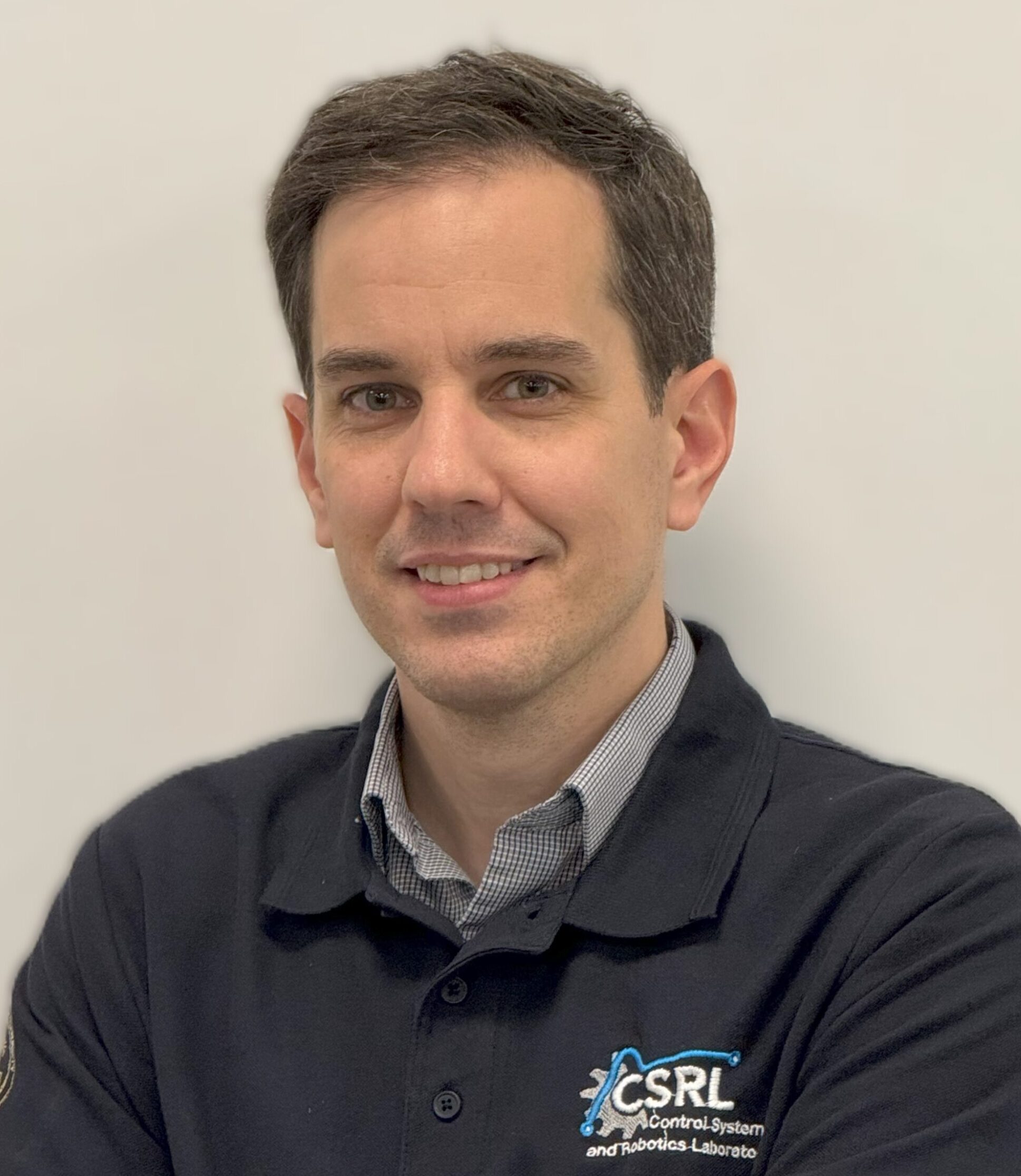
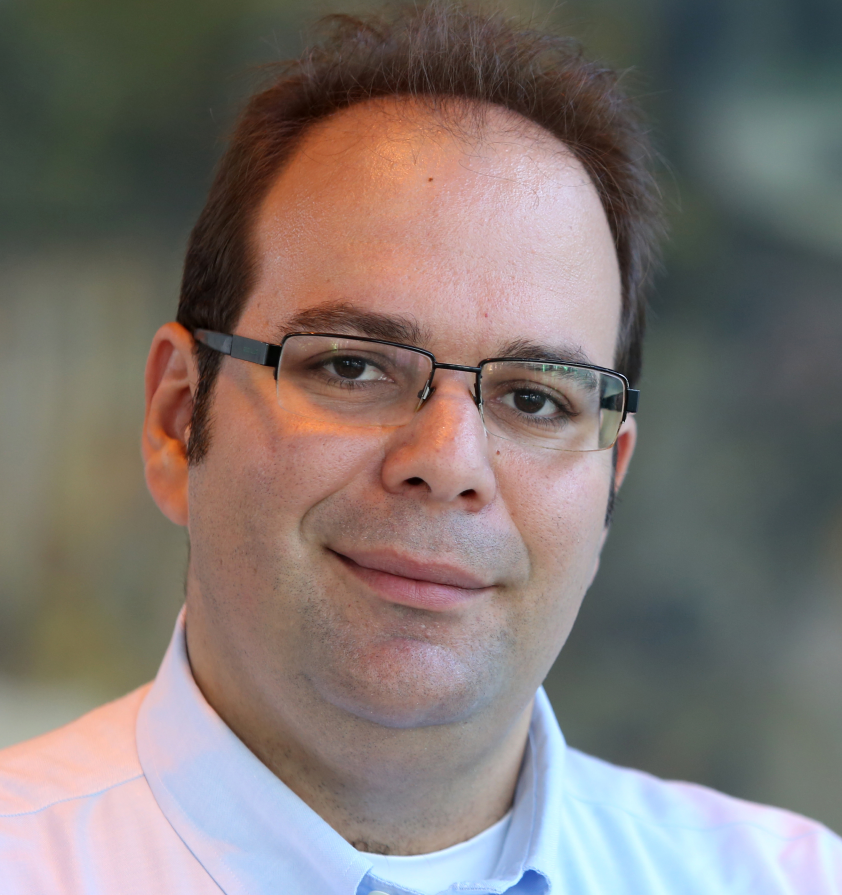
Konstantinos Tsagarakis is a Professor at the School of Production Engineering and Management, Technical University of Crete. His office is located at Δ5.107, DPEM Building (Δ5), 1st Floor, and he can be contacted via email at ktsagarakis@tuc.gr or by telephone at +302821037252. His research focuses on interdisciplinary sustainability solutions, with primary expertise in: Circular economy implementation and policy analysis Sustainable production systems and environmental management Renewable energy integration and prosumer models Data-driven approaches to sustainability using social media analytics Industry 4.0 applications for sustainable development Analysis of his recent publications reveals three dominant research streams: 1) Advanced data mining techniques applied to sustainability metrics across social media platforms, 2) Policy and institutional analysis of circular economy frameworks in various industrial sectors, and 3) Technological enablers (IoT, AI, cloud computing) for sustainable transformation. His work consistently demonstrates methodological innovation through mixed-methods approaches combining empirical analysis with computational techniques.
Nikolaos Efkolidis is an Assistant Professor at the University of Western Macedonia in the Department of Product and Systems Design Engineering . He is a member of the Computational Design and Digital Fabrication Research Lab ( codeplus.uowm.gr ) and co-founder of the design studio heptahedron.studio . Research Focus : Computational design, digital fabrication, AI-driven optimization, and sustainable product development. Key Techniques : Response Surface Methodology (RSM), Genetic Algorithms, Finite Element Analysis (FEA), and Additive Manufacturing. His recent publications highlight trends in multi-material 3D printing , machine learning for machining processes , and user-driven customization . Applications span footwear, marine robotics, and industrial design.
Michael Fountoulakis is an Associate Professor at the School of Chemical and Environmental Engineering, Technical University of Crete, specializing in biochemical engineering applications for environmental sustainability. Education: Ph.D. in Chemical Engineering (2005), University of Patras MSc in Energy and Environment (2005), University of Patras Diploma in Chemical Engineering (2001), University of Patras Research Interests: Anaerobic digestion for biogas production Membrane bioreactors in wastewater treatment Microalgae and fungal waste treatment systems Composting technologies Protein and biofertilizer production from purple bacteria Recent Research Trends: His work focuses on integrating advanced materials (e.g., granular activated carbon, conductive additives) into anaerobic digestion systems and innovating constructed wetland designs for greywater treatment using ornamental and climbing plants. Publications span biochemical engineering, environmental technology, and urban sustainability. Projects: LIFE22-ENV-EL-HIPPOCRATES (Scientific Coordinator) OLEONAS (Scientific Coordinator) KOTINOS (Scientific Director) Green4Grey (Scientific Director)
Marina Stergiou is a doctoral candidate at the Department of Product and Systems Design Engineering, University of the Aegean. Her research focuses on the intersection of traditional cultural practices—particularly dance and costume—with emerging technologies like virtual reality and sustainable fashion. She collaborates with the National and Kapodistrian University of Athens and the Athena Research Center on projects involving cultural technology and human-computer interaction. Education includes a BEng in Chemical Engineering (National Technical University of Athens, 2012), an MSc in Interactive and Industrial Product & System Design (University of the Aegean, 2016), and current PhD candidacy at the same institution focusing on using new technologies to preserve traditional dances and costumes as cultural heritage. Her research interests span dance technology, digital clothing, virtual/augmented reality, and sustainable fashion. Notable projects include motion-based learning systems for dance notation and VR experiences for music composition exploration. Articles highlight trends in VR/AR applications for cultural heritage preservation, extended reality for dance documentation, and data-driven artistic creation. Her work bridges technical innovation with cultural preservation through interdisciplinary collaborations. Labs/teams affiliation includes partnerships with the National and Kapodistrian University of Athens' Department of Informatics and Telecommunications and the Athena Research Center's cultural technology initiatives.
Georgia Heirchanteri is an Assistant Professor at the Department of Industrial Design and Production Engineering, School of Engineering, University of West Attica. She holds a PhD in Engineering from the National Technical University of Athens (2014) with a specialization in Industrial Archaeology, following postgraduate studies in Architecture-Spatial Design (2004). Her academic journey includes teaching roles at the Technical University of Athens and a retroactive appointment as University Lecturer in Graphic Design since 1992. Education: Graduate of Architecture (Aristotle University of Thessaloniki), Graphic Design (Technical University of Athens), Postgraduate in Architecture-Spatial Design (NTUA) Current Role: Assistant Professor (since 2020), Postdoctoral Researcher (2017-present), Supervising Architect (2019-present) Her research focuses on interdisciplinary intersections between Industrial Architecture, Cultural Heritage Preservation, and Environmental Graphic Design. Key areas include: Study of Greek Industrial Architecture (19th-early 20th century), particularly electricity production facilities Preservation strategies for industrial heritage as cultural assets Graphic Design applications in spatial communication and signage systems Industrial Design process from ideation to implementation Sustainable urban development and circular economy models Recent publications analyze topics spanning smart energy systems , heritage resilience , climate-responsive design , and nano-material innovations . She leads the 'Design and Development of Innovative Knitted Textile and Apparel Products - SAPKE' laboratory since 2021, contributing to textile engineering research.
Professor Manos J. Manos is a distinguished faculty member in the Department of Chemistry at the University of Ioannina, where he was promoted to full Professor in April 2024. Previously, he served as Associate Professor (2019-2024), Assistant Professor (2014-2019), and Lecturer (2012-2014). His academic journey began with a PhD in Chemistry from the University of Ioannina in 2003, followed by postdoctoral research at Northwestern University, Michigan State University, and the University of Cyprus. Dr. Manos's research focuses on the synthesis and characterization of advanced inorganic and metal-organic materials, particularly metal-organic frameworks (MOFs) and chalcogenides, with applications in environmental remediation, water purification, and sensing technologies. His work has led to significant breakthroughs in heavy metal ion removal, uranium capture from seawater, and the development of luminescent materials for pollutant detection. Analysis of his 15 most recent publications reveals a strong emphasis on practical environmental applications, particularly the development of MOF-based materials for water treatment. His research demonstrates a clear progression toward creating functional, scalable materials for real-world environmental challenges, with increasing focus on cotton fabric composites, continuous flow systems, and multifunctional sorbents that address multiple contaminants simultaneously. h-index of 38 with over 7,000 citations 7 patents related to heavy metal removal and water treatment technologies Principal Investigator for multiple significant research projects including HFRI Project 348 and HEAVYMOFs (Project code: TAEDK-06193) Extensive service as reviewer for top chemistry journals including Journal of American Chemical Society, Nature Nanotechnology, and Angewandte Chemie Professor Manos has successfully supervised numerous graduate students and postdoctoral researchers, with his group producing high-impact research in materials chemistry. His laboratory focuses on the synthesis of functional materials with practical applications in environmental remediation, particularly water purification technologies. Current projects include the development of MOF-cotton composites for oil spill cleanup, superhydrophobic materials for selective pollutant removal, and advanced sorbents for critical metal recovery.
Associate Professor Karagianni Ira is affiliated with the Department of Hydrobiology at the University of Ioannina. Her research focuses on microbial ecology in aquatic systems, including microbial food webs, protist interactions, and microbial diversity in aquaculture and natural ecosystems. She leads the Microbial Ecology Laboratory and has contributed extensively to understanding water quality, microplastic impacts, and eutrophication challenges in Mediterranean environments. Her work integrates field studies, experimental microcosms, and molecular techniques to assess microbial community dynamics. Notable contributions include quantifying microfiber pollution from domestic laundry, evaluating bacterial release from microplastics, and developing water quality indices using zooplankton biodiversity. She also investigates climate change effects on phytoplankton communities and sustainable solutions for aquaculture waste management. Dr. Karagianni collaborates on projects like the POMME experiment and has published widely in peer-reviewed journals. Her lab’s research informs ecological assessments under EU directives and highlights the role of microbial biodiversity in ecosystem health. Current projects explore microbiology literacy in Greece and the ecological impacts of emerging pollutants in aquatic systems. She can be contacted via hkaray@uoi.gr and is based at Building E4, University of Ioannina.
Michail Fountoulakis is an Associate Professor in the Environmental Applications of Biochemical Engineering at the School of Chemical Engineering, Technical University of Crete. He holds a Ph.D. (2005), MSc (2005), and Diploma in Chemical Engineering (2001) from the University of Patras, Greece. Current research focuses on anaerobic digestion, wastewater treatment systems (membrane bioreactors, constructed wetlands), and bio-based material production using microalgae and fungi Active projects include LIFE22-ENV-EL-HIPPOCRATES (hospital wastewater treatment), ELAIONAS (olive production residue utilization), and Zero-PM (persistent pollutant reduction) Key collaborations span HORIZON 2020, Interreg Greece-Cyprus, and Ministry of Rural Development and Food initiatives
Efstathia Ioannou is an Associate Professor in the Section of Pharmacognosy and Chemistry of Natural Products at the Department of Pharmacy, National and Kapodistrian University of Athens. Her research focuses on marine and terrestrial natural products, emphasizing their isolation, structural elucidation, and biological evaluation. She holds significant roles as Regional Representative of the Phytochemical Society of Europe and Meetings’ Secretary. Education: B.Sc. Agricultural Biotechnology, Agricultural University of Athens (2003) M.Sc. Pharmacognosy and Chemistry of Natural Products, National and Kapodistrian University of Athens (2005) Ph.D. Pharmacy, National and Kapodistrian University of Athens (2009) Postdoctoral Research, Scripps Institution of Oceanography, UC San Diego (2009–2010) Research Interests: Isolation of bioactive natural products from marine macroorganisms and microbes, development of analytical methodologies (LC-MS, NMR), and application of marine polysaccharides (e.g., ulvan) in biomedical materials. Her work explores anti-inflammatory, anticancer, and wound-healing properties of marine-derived compounds. Article Trends (2019–2025): Recent studies highlight marine polysaccharides' roles in drug delivery systems, anti-inflammatory mechanisms of algae-derived metabolites, and valorization of fishery by-products. Key themes include marine biotechnology, sustainable resource utilization, and translational applications in medicine and materials science. Awards: Scholarships for academic excellence (High School, Postgraduate, Postdoctoral) Leadership roles in the Phytochemical Society of Europe Labs/Teams: Active in interdisciplinary research groups focused on marine natural products, including collaborations with institutions in the Red Sea and Mediterranean regions.
Nikolaos Stathopoulos is a Professor in the Department of Electrical & Electronics Engineering at the University of West Attica since 2018, and previously held positions at the Technological Educational Institute of Piraeus (Assistant Professor from 1999, Associate Professor from 2003, and Professor from 2008). He serves as Head of the WaveComm Lab and Director of the Wireless-Optical Devices and Communication Networks Lab since 2019. His research focuses on optical waveguides, nonlinear optics, organic LEDs, and microwave pulse compression systems. Education: Received the Electrical Engineering diploma (1984) and Ph.D. (1995) from the National Technical University of Athens. Prior to academia, he worked as an RF Electronics Design Engineer and Research Engineer for over a decade. Research Interests: Explores fiber Bragg grating sensors, electromagnetic simulation, organic photovoltaics, and microwave systems. Recent work emphasizes pulse compression systems and advanced optical modeling techniques for perovskite solar cells and hybrid optoelectronic devices. Lab & Collaborations: Leads the WaveComm Lab and the Wireless-Optical Devices Lab, advancing research in optical communications and sensor technologies. His publications span over 30 years, addressing topics from nonlinear waveguides to textile-based antennas.
Panagiotis Polygerinos is an Associate Professor specializing in soft robotics and mechatronics. His research develops compliant robotic systems for medical and assistive applications, including soft actuators, rehabilitation exosuits, and minimally invasive surgical tools. His work integrates soft pneumatic actuators, fabric-based composites, and novel control systems to create devices such as inflatable exosuits for knee rehabilitation, soft robotic orthoses, and tactile surgical instruments. Recent projects include aerial robots with impact-resistant soft bodies and underwater gliders using muscle-actuated buoyancy control. Dr. Polygerinos' publications demonstrate consistent innovation in soft actuation methods with applications spanning rehabilitation, industrial automation, and medical interventions. His research group focuses on bio-inspired designs leveraging compliant materials for safe human-robot interaction.
Georgios Priniotakis is a Full Professor and Head of the Department of Industrial Design and Production Engineering at the University of West Attica in Athens, Greece. He holds a PhD in Textiles Sensors (2005) from Ghent University and a Master's in Fiber Science and Technology from the University of Leeds (1992). His research focuses on smart textiles for medical and military applications, wearable computing, sustainable materials, and industrial production optimization. He leads the lab of Innovative Textile Technologies for Multifunctional Garments and has coordinated numerous EU-funded projects, including TexModa and Smartex. Dr. Priniotakis is an active member of international organizations like AUTEX and COST Action CA17107, and has authored over 350 publications with an H-index of 12 (Google Scholar). His teaching spans courses like Wearable and Affective Computing and Artificial Intelligence , emphasizing sustainability and interdisciplinary collaboration. Education: PhD in Conductive Textiles (Ghent University, 2005) MSc in Fiber Science & Technology (University of Leeds, 1992) Key Roles: National Representative of Greece to EU Research Boards Scientific Director of EU Projects (e.g., Leonardo, Erasmus+, COST) Research interests include electroconductive textiles for medical diagnostics, environmental durability of composite materials, and upcycling industrial waste into functional textiles. His work bridges academia and industry via co-creation methodologies and digital tools for sustainable design. He chairs the AITAE conference and serves as a reviewer for multiple journals. Grants & Projects: Over 20 years of EU-funded projects, including roles as coordinator for TexModa (textile innovation), Texstra (sustainable logistics), and Difme (digital fashion). His labs develop smart garments for emergency response, healthcare monitoring, and ergonomic workplace solutions. Labs & Teams: Leads the Innovative Textile Technologies lab focusing on multifunctional garments, wearable sensors, and eco-friendly production. Collaborates internationally on circular economy initiatives for fibrous composites and technical textiles.
Anastasios Gotsopoulos is an Assistant Professor in the Department of Industrial Design and Production Engineering at the School of Engineering, University of West Attica (2018–present). His career spans academia and industry, with expertise in textile chemistry, fiber modification, and sustainable production systems. Education Textile Engineering, TEI Piraeus (1993) MSc in Textile Dyeing and Finishing (with distinction), University of Leeds (1995) PhD in Color Chemistry, University of Leeds (1999) Executive MBA, Athens University of Economics and Business (2008) His research focuses on designing management and production systems for fiber-based products , quality control of textiles, sustainable technologies, and improving dyeing processes with synthetic and natural pigments. He also explores eco-friendly solutions to reduce environmental impacts and develop antibacterial fabrics. His recent publications emphasize chemical modification of fibers, dyeing process optimization, and environmental sustainability. Key trends include enhancing dyeability of cotton, aftertreatment techniques, and natural pigment applications. He has previously worked as a postdoctoral researcher at the University of Leeds, Director of Chemical Laboratories for Textiles in the Hellenic Air Force, and part-time scientific associate at the University of Piraeus. He is affiliated with the Research Laboratory 'Technological Research, Design and Development of Fiber Structures – TESAI'.
Triantafyllou Savvas serves as an Assistant Professor in the Department of Structural Engineering at the School of Civil Engineering, National Technical University of Athens (NTUA), with his faculty appointment documented since October 2020. His academic work is centered within one of Greece's premier engineering institutions, contributing to both advanced structural analysis education and cutting-edge computational research. Professor Savvas's research program focuses on computational structural mechanics with emphasis on developing advanced numerical methods for complex engineering challenges. His expertise spans material point methods for contact and fracture problems, wave-structure interaction phenomena (particularly for dams and flexible structures), vibroacoustics in porous media, and the mechanical behavior of textile reinforced mortar (TRM) systems for masonry strengthening. His work bridges theoretical computational advances with practical applications in infrastructure resilience against extreme events like tsunamis and earthquakes. Analysis of his recent publications (2021-2025) reveals a cohesive research trajectory centered on computational innovation: he has pioneered high-fidelity material point formulations for contact mechanics, developed multiscale virtual element methods for poroelastic media, established empirical models for TRM-masonry interfaces, and explored machine learning integration in topology optimization. His work consistently addresses critical gaps in simulating dynamic structural failures and wave impacts. Scientific Awards: No scientific awards were documented in the provided source materials. Advising and Grants: While the source materials do not specify current students or grant awards, Professor Savvas's extensive publication record across high-impact journals indicates active graduate research supervision and likely involvement in competitive research funding. His collaborative work with institutions like NTUA's Department of Structural Engineering suggests participation in national and international research consortia focused on computational mechanics and structural safety.
Professor Stylianos Savaidis is affiliated with the University of West Attica, specializing in microwave engineering, plasma physics, and electromagnetic systems. His research focuses on high-power microwave pulse compression, plasma applications for exhaust gas treatment, and electromagnetic compatibility of automotive systems. He also explores optical modeling of photovoltaic and OLED devices, using transmission line methods for simulation. Key research themes include: Microwave pulse compressor design and efficiency optimization Plasma reactor development for environmental applications Electromagnetic shielding of conductive materials Advanced optoelectronic device modeling Recent work emphasizes hybrid methodologies combining deep learning with traditional engineering approaches, as seen in his 2021 papers on self-organizing maps for image clustering. His research bridges theoretical models with practical implementations in high-power systems and biomedical safety assessments. Publications span experimental validations and theoretical advancements, with a focus on microwave systems (2025-2020), optoelectronics (2021-2017), and material characterization (2020-2016). His work addresses both fundamental scientific questions and real-world applications in telecommunications, automotive engineering, and renewable energy.