Dr. Jose Len is an Associate Professor of Theriogenology in the Department of Veterinary Clinical Sciences at the LSU School of Veterinary Medicine, Louisiana State University, having joined the faculty in December 2023. His academic foundation includes a PhD and MS from LSU and a veterinary degree from Universidad de Guadalajara, complemented by board certification from the American College of Theriogenology. Research Focus : Dr. Len investigates assisted reproductive technologies for equine and canine species, with emphasis on in vitro embryo production, gamete cryopreservation, and infertility management. His work aims to enhance sperm viability post-thawing, optimize oocyte maturation protocols, and address clinical challenges in stallion and mare reproduction. Clinical & Teaching Roles : Clinically, he addresses mare/stallion infertility and gamete preservation. Pedagogically, he focuses on developing lifelong learning competencies in veterinary students. Grant Support : American Kennel Club (2023): $100,000 for Small Animal Theriogenology Residency (Grant No. 03079-E)
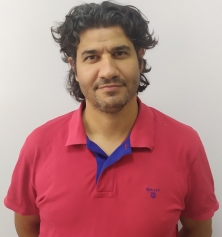
Dr. Abdullah Karadag is an Assistant Professor in the Department of Basic Medical Sciences at Adiyaman University Faculty of Medicine, specializing in Physiology. He has served in this position since November 1, 2022, after completing his Doctorate in Physiology from Eskişehir Osmangazi University Institute of Health Sciences. Dr. Karadag's educational background includes: Doctorate (2013-2019): Eskişehir Osmangazi University, Institute of Health Sciences, Physiology Medical Degree (2001-2006): Istanbul University Cerrahpaşa Faculty of Medicine, Department of Medical and Biological Sciences His primary research focuses on molecular physiology, particularly investigating microRNAs in cancer biology (especially prostate cancer), TNF-alpha signaling pathways, erythropoietin regulation, and the effects of various compounds on physiological processes. Dr. Karadag employs animal models extensively in his research to study disease mechanisms and potential therapeutic interventions, with a particular emphasis on molecular mechanisms underlying pathological conditions. Dr. Karadag has published numerous articles in reputable journals with his most recent work including research on adropin's protective effects against renal ischemia-reperfusion injury, evaluation of microRNAs in prostate cancer, and studies on ghrelin and kisspeptin levels in liver tissue. His publication record shows consistent output across multiple disciplines within physiology and molecular biology, with particular concentration on cancer mechanisms, inflammatory pathways, and hormonal regulation. His scientific contributions include: 16 peer-reviewed journal articles 13 conference proceedings Multiple research projects on microRNAs, prostate cancer, and physiological regulation mechanisms Dr. Karadag teaches Physiology courses across multiple health science programs at Adiyaman University, including courses for Pharmacy, Nursing, Midwifery, and Eye Physiology programs. He has been actively involved in academic instruction since joining the university in 2013, progressing from Research Assistant to his current position as Assistant Professor. His research group focuses on molecular mechanisms of disease, particularly examining how microRNAs regulate various physiological processes and their potential as therapeutic targets in conditions like prostate cancer. The laboratory utilizes various molecular biology techniques, animal models, and physiological assessment methods in their investigations, with current work expanding into the protective effects of compounds like adropin, quercetin, and vitamin D against tissue damage.
Guilherme Godoy, M.D., is an Assistant Professor in the Scott Department of Urology at Baylor College of Medicine in Houston, TX. He specializes in urologic oncology, with clinical and research expertise in bladder, kidney, prostate, and testicular cancers. His international training includes fellowships at Memorial Sloan Kettering Cancer Center (NY), University of British Columbia (Vancouver), and Baylor College of Medicine. Research Focus: Dr. Godoy's work spans surgical innovation, biomarker discovery, and outcome optimization in urologic cancers. Key areas include: Minimally invasive surgical techniques (robotic prostatectomy, nephron-sparing surgery) Urinary biomarkers for non-invasive cancer detection Risk stratification models for prostate and bladder cancers Management of radiation-recurrent prostate cancer Awards & Honors: Prof. Dr. João Fava Award (2004) 3× AUA Best Poster Awards (2008-2010) Aventis Fellowship Award (2009-2010) Best Clinical Research Paper, European Urology (2011) Professional Affiliations: Society of Urologic Oncology, SWOG Clinical Trials Consortium, International Bladder Cancer Network, and American Urological Association.
Mevlüt DOĞUKAN serves as an Associate Professor in the Department of Surgical Medical Sciences at Adiyaman University Faculty of Medicine. With an active academic career documented since at least 2016, he has established himself as a productive researcher in the field of anesthesiology and reanimation. Dr. DOĞUKAN's research spans multiple domains within anesthesiology, with particular emphasis on regional anesthesia techniques, pharmacology of anesthetic agents, pediatric anesthesia, and critical care medicine. His work explores both clinical applications and experimental models, investigating topics such as perfusion index in nerve blocks, organ protection strategies during surgery, and reversal of neuromuscular blockade. Analysis of his 37 journal articles and 19 conference proceedings reveals consistent productivity with significant output in the 2020-2023 period. His research shows strong collaboration patterns, frequently working with colleagues from Adiyaman University while also engaging in interdisciplinary projects across medical specialties. Dr. DOĞUKAN has authored two scientific books: 'ANESTHESIA BOOK FOR TECHNICIANS AND TECHNICIANS' (2019) and 'MIDWIFERY-NURSING AND ASSOCIATE DEGREE PHARMACOLOGY VOLUME 1' (2020), demonstrating his commitment to medical education. His clinical research addresses diverse challenges in anesthesia practice, from specialized techniques for rare conditions like Pompe disease to optimization of sedation protocols for pediatric procedures. The breadth of his work reflects comprehensive expertise across multiple subspecialties within anesthesiology.
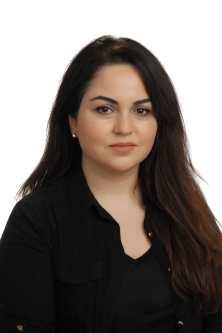
Dr. Elfide Gizem Kivrak serves as an Assistant Professor in the Department of Basic Medical Sciences at Adiyaman University Faculty of Medicine. She completed her academic training at Ondokuz Mayıs University, earning her undergraduate degree in Biology (2007-2011), followed by Master's (2012-2014) and PhD (2014-2019) degrees in Histology and Embryology. Her research expertise spans multiple areas of histological investigation with particular focus on the effects of electromagnetic fields on biological systems, stereological analysis methods, peripheral nerve regeneration, hippocampal studies, and ovarian research. Dr. Kivrak has developed significant expertise in electron microscopy (SEM-TEM) techniques and has published extensively on the protective effects of various compounds including melatonin, omega-3 fatty acids, folic acid, and N-acetylcysteine against environmental and pharmaceutical stressors. Analysis of her publication record reveals a strong emphasis on stereological and histopathological methods applied to rat models, with recent work (2021-2025) showing continued productivity across multiple research areas. Her publications appear in high-impact journals including Journal of Chemical Neuroanatomy, International Journal of Radiation Biology, and Journal of Microscopy and Ultrastructure, demonstrating the interdisciplinary nature of her work bridging histology, neuroscience, and environmental health. Dr. Kivrak is actively involved in multiple research projects investigating protective compounds against various physiological stressors, with current work focusing on natural compounds for tissue healing, gastroprotection, and neuroprotection. She serves as a researcher on several funded projects examining the effects of coconut oil, flaxseed oil, phenylthioisocyanate, and apigenin on various tissue systems. As an educator in the medical faculty, she contributes to teaching foundational histological concepts to medical students while maintaining an active research program that bridges basic science and clinical applications. Her methodological expertise in stereology has led to contributions to scientific literature on quantitative histological analysis techniques.
Anders Juul is a Clinical Professor at the University of Copenhagen's Faculty of Health and Medical Sciences, holding a dual appointment with the Capital Region of Denmark. He serves as Head of Department and Senior Physician (klinikchef og overlæge) at the Department of Growth and Reproduction, Rigshospitalet. His work spans clinical practice, research, and academic leadership in the field of pediatric endocrinology and reproductive medicine. Dr. Juul's primary research interests focus on Paediatric Endocrinology, Male reproduction, Growth and puberty disorders, Timing and regulation of normal puberty, Disorders of Sex Development, and Klinefelter syndrome. His research has significantly advanced understanding of reproductive hormone physiology throughout life stages, particularly in the areas of puberty regulation and testicular function. His work has demonstrated declining secular trends in male serum testosterone levels in Denmark and the association between impaired Leydig cell function and increased morbidity and mortality. His current research initiatives include The COPENHAGEN Puberty study, The CPH minipuberty study, and The North European SGA Study, where he serves as principal investigator on this multicenter study. His research also explores genetic, epigenetic and environmental factors involved in testicular function, with particular attention to endocrine disrupting chemicals and their impact on reproductive health. Dr. Juul has received notable recognition including The European Society of Paediatric Endocrinology Research Award in 2015. His research profile shows extensive scholarly output with over 726 research publications and an H-index of 63 (Web of Science). As a clinical professor, he supervises numerous PhD students and has been instrumental in organizing major research workshops including the Copenhagen Workshop on Endocrine Disruptors and the Copenhagen Workshop on Testicular Germ Cell Cancer. His work has significant clinical implications for understanding and treating growth disorders, puberty abnormalities, and reproductive health issues.
Peter Schwarz is a Clinical Professor at the University of Copenhagen's Department of Clinical Medicine with a specialization in Endocrinology. He holds a dual appointment between the Capital Region of Denmark and the University of Copenhagen, and is affiliated with the Center of Organ and Cancer Center at Copenhagen University Hospital – Rigshospitalet as a consultant. His academic journey includes earning his medical doctor (MD) degree from the University of Copenhagen in 1987 and his Doctor of Medical Sciences (DMSc; dr.med.) in 1996. Dr. Schwarz is board-certified in Clinical Biochemistry, General Internal Medicine and Endocrinology. His research primarily focuses on calcium metabolic diseases, particularly rare conditions such as hypoparathyroidism and genetic calcium and bone disorders. He investigates calcium and bone homeostasis with emphasis on ionized calcium regulation by PTH and vitamin D, bone markers of turnover, and receptors CASR and P2X7 in primary hyperparathyroidism, FHH, breast cancer and rare bone diseases. His work spans both clinical and translational research areas within endocrinology and metabolic disorders. Dr. Schwarz's recent publications demonstrate a strong focus on endocrine disorders, particularly calcium metabolism, hypoparathyroidism, and related conditions. His research output shows collaboration across multiple disciplines including oncology, diabetes research, and bone health. He has been actively involved in clinical trials, systematic reviews, and population-based studies with significant contributions to understanding rare endocrine disorders and their treatments. Chair of the Grant Committee in the LEO Foundation (2017-) Research funding from Greater Copenhagen Research Foundation, Novo Nordisk Foundation, and multiple other Danish foundations Author of several editions of major Danish medical textbooks including Medicinsk Kompendium and Medicin Dr. Schwarz serves as principal investigator in multiple industry collaborations with pharmaceutical companies including Ascendis Pharma (2019-2025) and Amolyt (2024-), and has previously worked with Abbott, Amgen and MSD. His research profile reflects substantial contributions to endocrinology with over 130 peer-reviewed publications and significant involvement in both clinical practice and academic research. He maintains active laboratory work focused on calcium metabolism and related disorders, with collaborations spanning multiple institutions in Denmark and internationally.
Sandra Kathrin Goericke-Pesch serves as Associate Professor for Reproduction at the Department of Veterinary Clinical Sciences, Section for Veterinary Reproduction and Obstetrics, University of Copenhagen, Denmark, holding this permanent position since October 1, 2013. Previously, she worked as a Scientific Assistant at Justus-Liebig-University in Giessen, Germany from 2002 to 2013. Her academic credentials include: Veterinary medicine studies at Justus-Liebig-University, Giessen (1996-2001), graduating with "good" (1.68) results Dr. med. vet. (2005) on "Light and electron microscopic examinations of stallion semen and biochemical analyses of the seminal plasma" German Diplomate for Animal Reproduction (2006) Diplomate of the European College of Animal Reproduction (ECAR) (2010) Habilitation (Dr. habil.) (2014) on "Downregulation of testicular function in the male dog and tom cat" Dr. Goericke-Pesch's research program centers on spermatogenesis and contraception in companion animals, with extensive work in canine reproductive physiology. Her investigations explore the molecular mechanisms behind uterine inertia, hormonal regulation of reproduction, and immune-mediated reproductive disorders in dogs and cats. She has pioneered research on hormonal castration methods using GnRH agonists like Suprelorin® in companion animals. Analysis of her recent publications reveals a strong concentration on uterine inertia pathophysiology, with particular focus on prostaglandin systems (PGF2α, PGE2), oxytocin and progesterone signaling, and cytoskeletal components affecting myometrial contractility. Her work bridges basic science with clinical applications, addressing practical challenges in small animal reproductive medicine. Her significant scientific recognition includes: Winner of the Award of the Dres. Jutta & Georg Bruns-Foundation for innovative Veterinary Medicine (2013) Winner of the poster award of the German Society for small animal medicine (2012) Winner of the European Veterinary Award of the Schlütersche Verlagsgesellschaft (2011) Dr. Goericke-Pesch has secured substantial research funding from industry partners including Virbac and Minitube Germany, as well as research foundations like Agrias och SKKs Forskningsfond and gkf (Society for cynological research). She serves as a Board member of the European Veterinary Society for Small Animal Reproduction (EVSSAR) since 2013 and reviews for over 20 major veterinary and reproductive science journals. Her Section for Veterinary Reproduction and Obstetrics conducts both clinical services and fundamental research, maintaining international collaborations focused on advancing reproductive medicine for companion animals.
Sarah L. Kerns, PhD, is an Associate Professor in the Department of Radiation Oncology at the Medical College of Wisconsin. She holds a BS from the University of Wisconsin-Madison, PhD from Northwestern University, and MPH from Johns Hopkins. Her affiliations include former faculty positions at the University of Rochester and Icahn School of Medicine at Mount Sinai, with active roles in the International Radiogenomics Consortium (Co-Lead) and NCI steering committees. Her research integrates radiogenomics, toxicity prediction modeling, and cancer survivorship, with emphases on: Genetic biomarkers for radiation-induced injury Cisplatin toxicity mechanisms in testicular cancer Inflammatory pathways in cancer-related symptoms Multi-ancestry genomic equity in risk assessment Her publications focus on translating genomic discoveries into clinical tools for personalizing radiotherapy, with recent work on extracellular vesicle proteomics, epigenetic regulators of fibrosis, and polygenic risk scores. Research trends show strong emphasis on prostate cancer toxicity mechanisms, large-scale GWAS meta-analyses, and imaging-genomic correlations. Awards include: NIH Clinical Loan Repayment Award (2017-2021) ASTRO Annual Meeting Award (2010) Predoctoral Fellowship, Chicago Baseball Cancer Charities (2004-2007) She mentors junior faculty and leads NIH-funded projects on biobanking and omega-3 supplementation mechanisms. She directs collaborative initiatives at the Center for Cancer Discovery and oversees genomic components of national consortia like REQUITE.
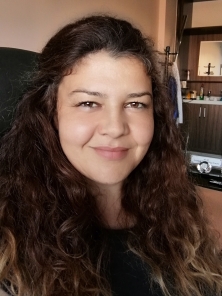
Professor Deniz TAŞTEMİR KORKMAZ is a distinguished academic at Adiyaman University's Faculty of Medicine, Department of Medical Biology. She was promoted to Professor in 2023 after serving as Associate Professor from 2019-2023, and previously held positions as Doctor Lecturer at Adiyaman University Health Services Vocational School (2009-2019) and Research Assistant at Çukurova University Faculty of Medicine (2002-2008). Her primary research interests focus on Medical Genetics, Cytogenetics, Chromosomal Abnormalities, Psychiatric Genetics, Pharmacogenetics, Cancer Genetics, Thalassemia Research, and Microchimerism . She has established herself as a leading researcher in understanding the genetic basis of various disorders and the protective effects of natural compounds against drug-induced toxicity. Professor TAŞTEMİR KORKMAZ's recent publications (2020-2025) demonstrate a strong focus on thymoquinone's protective effects against valproic acid-induced organ damage (liver, kidney, testis, brain, muscle, and pancreas), microchimerism in cancer, and genetic studies of thalassemia. Her research employs molecular biology, cytogenetic, and histopathological approaches to investigate mechanisms of toxicity and protection. First Prize award recipient Multiple Scientific Research and Publication Incentive Awards from TUBITAK Publication Encouragement Award from Çukurova University Second Place Poster Award at the VI. National Prenatal Diagnosis and Medical Genetics Congress She serves as Institute Director (2024-present), Member of the Institute's Board of Directors (2020-present), and has held various other administrative roles including Deputy Director of the Institute and Head of Department. Her extensive publication record (61 articles) and 37 conference proceedings demonstrate significant scholarly impact in her field.
Peter Busch Østergren serves as a Clinical Associate Professor in the Department of Clinical Medicine at the Faculty of Health and Medical Sciences, University of Copenhagen, with clinical affiliations in Urology at Region H (Capital Region of Denmark). His work bridges academic research and hospital-based clinical practice in Copenhagen. His research concentrates on urological oncology and men's health, specifically: Prostate cancer diagnostics, treatment outcomes, and exercise interventions for metastatic disease The cardiovascular implications of erectile dysfunction Testicular cancer screening methodologies and long-term risk assessment He employs advanced imaging techniques (MRI, PET/CT) and clinical trial frameworks to investigate patient outcomes. Analysis of his recent publications reveals a strong emphasis on translational urology research. His 2024-2025 output demonstrates consistent focus on prostate cancer management—from robotic surgery outcomes to bone metastasis imaging—and explores the critical link between erectile dysfunction and cardiac health. Methodologically, he favors prospective clinical trials and large-scale observational studies within Denmark's public healthcare system. No scientific awards were documented in the provided materials. While student advising details are absent from the source text, his collaborative publication pattern (33 total outputs) indicates active mentorship within multidisciplinary research teams. Grant involvement is implied through clinical trial protocols but not explicitly detailed. Dr. Østergren operates within Copenhagen's integrated academic-clinical ecosystem, collaborating extensively with Region H departments and university research units. His work shows particular alignment with prostate cancer research groups and cardiovascular-urology interdisciplinary initiatives.
Michael S. Leapman, MD, MHS is an Associate Professor of Urology at Yale School of Medicine with secondary appointment in Chronic Disease Epidemiology. He serves as Clinical Program Leader for the Prostate & Urologic Cancers Program at Yale Cancer Center and maintains a joint appointment at the West Haven VA Medical Center. Dr. Leapman specializes in urologic oncology with focus on prostate, bladder, kidney, and testicular cancers. Education includes: B.A. in Neurobiology & Behavior, Cornell University (2005) M.D., University of Maryland School of Medicine (2009) Residency in General Surgery & Urology, Mount Sinai Medical Center (2014) Fellowship in Urologic Oncology, University of California San Francisco (2016) M.H.S., Yale University (2022) His research program examines: Prostate cancer management strategies including active surveillance and robotic surgery Health services outcomes in urologic oncology Imaging stewardship and guideline-concordant care Healthcare disparities in diagnostic access Environmental sustainability in urologic practice He has pioneered work in single-port robotic prostatectomy and MRI-guided biopsy techniques. Honors and awards: John N. Forrest Jr. Prize for Mentorship (2022) Best Poster, European School of Oncology (2016) Conquer Cancer Foundation Merit Award (2015) First Place Essay, AUA Western Section (2015) Outstanding Abstract Award, UCSF (2015) Dr. Leapman participates in clinical trials including the SIMCAP trial for metastatic prostate cancer and serves as mentor through Yale's research training programs. His collaborative work appears in high-impact journals including Journal of the National Cancer Institute, European Urology, and JAMA Oncology.
C.L. Mulder is a Professor of Public Mental Health and Social Psychiatry in the Department of Psychiatry at Erasmus MC in Rotterdam, Netherlands. The researcher leads the Applied Social and Forensic Psychiatry group, which focuses on epidemiology and intervention studies to advance community-based mental healthcare. Dr. Mulder's educational background includes a PhD in PsychoImmunology of HIV Infection (1994, Cum Laude) and psychiatric training at Parnassia Psychiatric Institute (1999). In 2007, Dr. Mulder was appointed Professor of Public Mental Health at the Department of Psychiatry, Erasmus MC. Research interests focus on public mental health, social psychiatry, emergency psychiatry, prevention of coercion, assertive outreach, recovery, network psychiatry, and medication adherence. Dr. Mulder's work examines epidemiology and prevention of coercion, emergency psychiatry, medication adherence, and determinants of clinical, social and personal recovery. The research portfolio demonstrates significant contributions across two primary domains: mental health services research and reproductive medicine/fertility preservation. Recent publications show increasing interdisciplinary work bridging psychiatry with reproductive medicine, particularly in fertility preservation for patients undergoing cancer treatments. President of European Assertive Outreach Foundation Chair 'Generieke Module Drang en Dwang' Supervisory Board of Mind Chair of Quality Committee NVvP Board member FACT Nederland Board member Stichting HIC Board member Stichting Resourcegroepen Advisory board CCAF Board member Phrenos Dr. Mulder supervises medical students, PhD students, and psychiatry residents. Research projects include studies on difficult-to-engage patients, the iBerry study on adolescent development, and the UP'S study assessing recovery determinants in psychotic disorder patients. Multiple research grants support this work across the various research domains. Dr. Mulder leads the Applied Social and Forensic Psychiatry research group, which employs epidemiology and intervention studies to advance community-based mental healthcare. The group collaborates with mental health institutions, the municipal health center of Rotterdam, and Erasmus MC as part of the Epidemiological and Social Psychiatric Research institute.
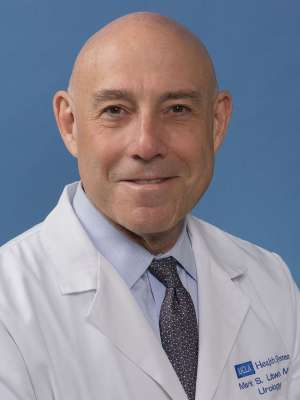
Mark S. Litwin is Professor and Chair of the Department of Urology at the David Geffen School of Medicine at UCLA. He also holds appointments in health policy & management and nursing, reflecting his interdisciplinary approach to healthcare. Trained at Harvard, Dr. Litwin specializes in testicular, bladder, prostate and kidney cancer, with a particular focus on improving quality of care, quality of life, and equitable access to care in urologic oncology. Dr. Litwin's research spans multiple domains including Health Care Access, Health Care Quality, Quality-of-life Measurement, Medical Outcomes Research, Health Policy, Resource Utilization, Medical Decision Making, and the Epidemiologic Burden of Illness of Urologic Diseases. His work has significant implications for patient care, particularly in prostate cancer treatment and LGBTQ+ health services. He created and directs IMPACT, a state-funded program providing free medical care for low-income, uninsured men with prostate cancer in California. His publication portfolio demonstrates expertise across urologic oncology, healthcare policy, and quality improvement. Recent articles focus on prostate cancer diagnostics (including AI applications), global treatment variations, graphical representations of symptoms for underserved populations, and the impact of the COVID-19 pandemic on gender-affirming care. His work consistently emphasizes patient-centered outcomes and healthcare accessibility. Super Doctors® Southern California, 2013-2025 Sherman M. Mellinkoff Faculty Award, David Geffen School of Medicine at UCLA, 2021 Top Doctors, Los Angeles Magazine, 2018-2021 UCLA Community Service and Praxis Award for Diversity, Equity and Inclusion, 2017 Barringer Medal, American Association of Genitourinary Surgeons, 2016 As Founder and Co-Director of the UCLA Gender Health Program, Dr. Litwin has expanded his leadership beyond traditional urology into gender-affirming care. He directs an NIH-funded fellowship training program in outcomes research in urologic oncology and previously led Urologic Diseases in America, the NIH's largest effort documenting the burden of urologic diseases. His clinical work spans multiple UCLA-affiliated medical centers including Ronald Reagan UCLA Medical Center, Harbor-UCLA Medical Center, and UCLA Santa Monica Medical Center.
Lena Wettergren is a Professor in the Department of Public Health and Caring Sciences within Uppsala University's Faculty of Medicine. She maintains dual clinical-academic roles as both a registered nurse at Uppsala University Hospital's Hematology and Oncology department and a leading researcher in sexual and reproductive health for young cancer patients. Her work bridges clinical practice, education across Bachelor's and Master's nursing programs, and international research collaborations in East Africa. Her primary research focus centers on the Fex-Can (Fertility and Sexuality following Cancer) program, which investigates fertility preservation, sexual dysfunction, and psychosocial impacts in young adult cancer survivors. Current projects include developing and validating web-based psychoeducational interventions for fertility distress and sexual health rehabilitation, with longitudinal studies tracking anxiety and depression trajectories up to five years post-diagnosis. Her methodology emphasizes participatory research, actively involving cancer survivors as co-researchers in intervention design. Geographically, her work spans Sweden, Uganda, and Ethiopia, addressing global health disparities through cross-cultural studies on cancer care quality, nursing practices, and quality of life in resource-limited settings. Recent publications demonstrate strong emphasis on digital health solutions, with multiple randomized controlled trials testing internet-delivered interventions for sexual and fertility issues among cancer survivors. Her research portfolio reveals consistent thematic concentration on: Long-term sexual and reproductive health outcomes after cancer Development and validation of digital therapeutic tools Cross-cultural comparisons of cancer care experiences Integration of patient perspectives in intervention design Quality of life metrics in adolescent and young adult oncology In academic leadership, she mentors doctoral students in Sweden and supervises international research capacity building in East Africa. Her clinical operations at Uppsala University Hospital directly inform her research priorities, creating a translational pipeline from bedside observations to population-level interventions.