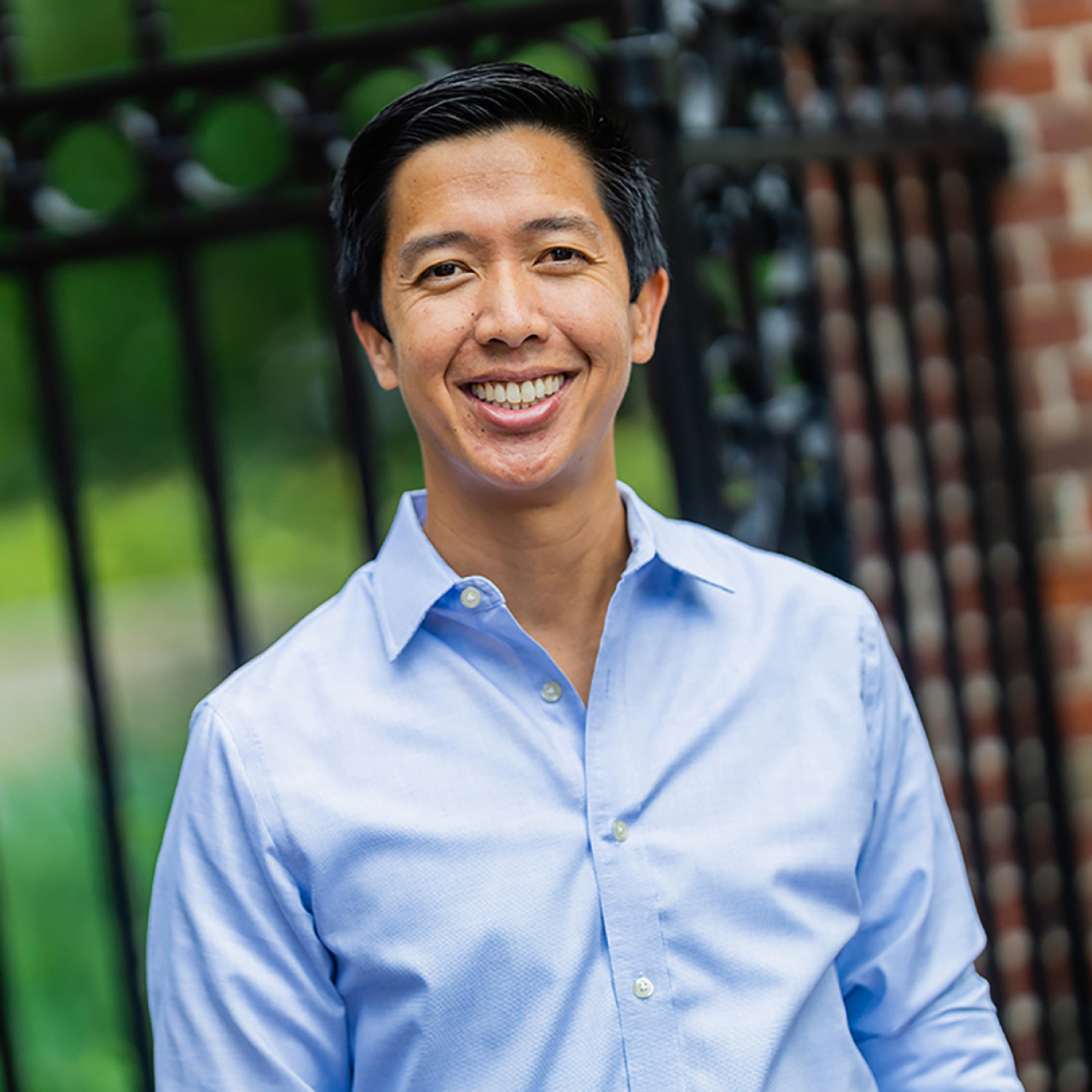
Bao-Zhu Yang is a Researcher at Yale School of Medicine , specializing in the Department of Psychiatry . With a PhD from University at Albany (2001), his work focuses on genetic mechanisms underlying psychiatric disorders. Positions: Research Scientist in Psychiatry Labs: Gelernter Lab, Division of Human Genetics His research explores gene-environment interactions , admixture mapping , and comorbid substance use-depression using linkage/association methods. Supported by NIH K01 funding, he investigates genetic bases for conditions including childhood depression , alcoholism , and PTSD . Recent publications highlight: Microbiome studies in methamphetamine use disorder (2023-2025) Genetic polymorphism analyses in NGF and GABAergic pathways (2020-2024) Network approaches to nicotine-alcohol comorbidity (2019) Epigenetic research on child maltreatment effects (2020) Scientific Recognition: Young Investigator Award (2011) from NARSAD Brain and Behavior Research Foundation Active grant support includes NIH K01 career development award for gene-mapping in comorbid disorders. Collaborates with leading researchers including Joel Gelernter and Hongyu Zhao across 30+ joint publications. His work spans 15+ years with recent focus on integrative -omics approaches to addiction psychiatry. Based at 300 George St, New Haven, CT , Yang's laboratory work involves genetic epidemiology , transcriptomic integration , and neurogenetic mapping of substance use disorders.
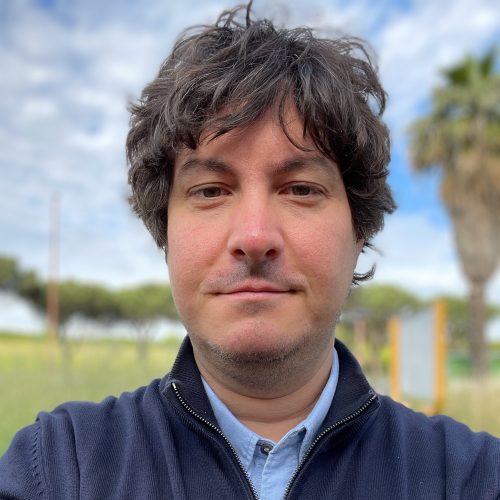
Lambertus (Bart) Kiemeney is a Professor of Cancer Epidemiology and Chair of the Department for Health Evidence at Radboud University Medical Center (Radboudumc). As Scientific Director of the Radboud Institute for Health Sciences since 2012, he leads one of Radboudumc’s three major research institutes. His career spans clinical epidemiology, genetic epidemiology, and urological cancer research, with over 500 peer-reviewed publications and 25 book chapters. MSc in Biomedical Sciences (1988), PhD in Epidemiology (1992) from Radboud University Postdoctoral training at Johns Hopkins University and Fred Hutchinson Cancer Research Center (1992-1994) Kiemeney’s research focuses on the genetic and clinical epidemiology of bladder and prostate cancer , emphasizing genome-wide association studies (GWAS) and environmental risk factors. His work has identified key genetic loci (e.g., FGFR3, SLC14A1) and challenged assumptions about hereditary cancer screening and biomarker validity. Publications highlight his leadership in genetic epidemiology , including the first bladder cancer GWAS (2008) and large-scale replication studies (2014-2016). Trends include mechanistic research on urine concentration effects (2011), antioxidant risk factors (2012), and clinical translation of biomarkers (2015). Scientific Awards: 2014: Thomson Reuters’ “World’s Most Influential Scientific Minds” 2013: Dominique Chopin Distinguished Researcher Award (ESUR) 2012: Eminent Scholar at COMSATS Institute 2003-2004 & 2002: Multiple “Lecturer of the Year” awards 1992: Netherlands Cancer Society Fellowship 1983-1988: Cum Laude degrees in Physiotherapy and Biomedical Sciences As coordinator of the EU 7th Framework Programme project on renal cell cancer, Kiemeney has shaped international research collaborations. His work on coal tar safety (2010) resolved long-standing clinical concerns in dermatology.
Andrew Ho is the Charles William Eliot Professor of Education at Harvard University's Graduate School of Education (HGSE). He holds a Ph.D. in Educational Psychology and an M.S. in Statistics from Stanford University. His research focuses on improving educational assessment design, particularly in measuring educational progress and inequality. He developed the Stanford Education Data Archive (SEDA), a national repository of student achievement data, and advocates for low-stakes assessment use in policy. Ho has held leadership roles including Immediate Past President of the National Council on Measurement in Education and trustee of the Carnegie Foundation. He advises seven U.S. states' testing programs and teaches graduate courses in statistics and psychometrics at HGSE. His work emphasizes the importance of accurate assessment during crises like the pandemic, advocating for standardized testing as part of a multi-measure 'census' approach to identify learning disparities and allocate resources effectively. Education: Ph.D. in Educational Psychology (Stanford, 2005), M.S. in Statistics (Stanford) Affiliations: Harvard Graduate School of Education, Technical Advisory Committees for 7 states Key Projects: SEDA, Assessment Literacy initiatives, pandemic-era testing advocacy His research bridges psychometrics with policy, emphasizing equitable assessment practices. Notable contributions include frameworks for interpreting test scores in multi-measure systems and critiques of 'learning loss' terminology favoring actionable 'learning lag' perspectives. Ho's recent work addresses pandemic-era education challenges through rigorous data analysis and policy recommendations.
Stephen Bustin is a Professor of Molecular Medicine at Anglia Ruskin University , UK. He has held multiple academic positions, including Professor of Molecular Science at Queen Mary University of London (2004-2012) and Senior Lecturer/Reader at Barts and The London School of Medicine & Dentistry. Academic Ranks: Professor (Molecular Medicine, Anglia Ruskin University, 2014-present) Education: PhD in Molecular Genetics, Trinity College Dublin Research Interests: Bustin's work focuses on improving molecular diagnostic techniques, particularly PCR, with applications in infectious disease testing (e.g., SARS-CoV-2) and cancer biomarkers (e.g., colorectal cancer). He pioneered the MIQE guidelines for standardized qPCR reporting and developed rapid diagnostic assays like CoV2-ID for point-of-care testing. Publication Trends: Recent articles emphasize PCR standardization, reproducibility challenges, and rapid diagnostic solutions for SARS-CoV-2. His work spans molecular diagnostics, assay design, and scientific integrity, with a strong focus on clinical applications. Awards: 2010 : Fellow of the Society of Biology (FSB) 2006-2013 : Visiting Professor of Molecular Biology, University of Middlesex Expert Testimony: Bustin served as an expert witness in high-profile trials, including the MMR vaccine-autism class action (2003-2007) and the Lundy murders (2015), where he critiqued flawed molecular evidence. Grants & Collaborations: While no specific grants are listed, he led international consortia for MIQE guidelines and collaborated with institutions like TATAA Biocenter and Kim-Il-Sung University. His work includes developing rapid PCR assays and debunking misinformation about diagnostic techniques. Labs & Teams: Bustin's research has been conducted at Anglia Ruskin University, with collaborations in the UK, Switzerland, and New Zealand. He actively promotes transparency in molecular research through his publications and advocacy.
Dr. Matt Bonney is a Lecturer in Space Engineering at Swansea University, affiliated with the School of Aerospace, Civil, Electrical and Mechanical Engineering. He holds a position in the Department of Aerospace Engineering and is actively involved in postgraduate supervision. His research focuses on digital twin technology, nonlinear structural dynamics, mechanical joint modeling, seismic reliability, and uncertainty quantification, with recent emphasis on digital twin security and thermo-mechanical coupling in assembled structures. Dr. Bonney's expertise spans multi-physics joint modeling and multi-disciplinary development of digital twins, with international collaborations. He teaches modules such as 'Advanced Space Systems' (EG-M334) and 'Aerospace Systems' (EGA220), emphasizing space system design, orbital mechanics, and cyber-physical security. His research highlights include the development of a Python Flask-based digital twin operational platform, contextualization of information in digital twin processes, and experimental studies on frictional interfaces. His work on uncertainty quantification and seismic reliability has applications in nuclear reactor systems and civil engineering structures. Dr. Bonney currently supervises a PhD student focusing on nonlinearities in thermal-mechanical joints. His research outputs include over 30 peer-reviewed publications, with contributions to journals like Mechanical Systems and Signal Processing and Data-Centric Engineering .
Giulio Cimini is Associate Professor of Theoretical Physics in the Department of Physics at the University of Rome Tor Vergata and a Research Associate at the 'Enrico Fermi' Research Center. He is a statistical physicist with a strong interdisciplinary focus on complex networks and their applications in socio-economic systems. His research interests include: Statistical Physics of Complex Networks Reconstruction and Validation of Economic Networks Social Network Interactions and Financial Markets Systemic Risk and Financial Contagion Scientific Success, Fitness, and Complexity Adaptive Social Recommendation Codon Usage Bias and Protein Interaction Networks His recent publications reveal a strong trend in applying statistical physics to real-world networks, particularly in finance and social systems. Key themes include the modeling of systemic risk in supply chains and financial networks, the dynamics of collective action on platforms like Reddit (e.g., the GameStop short squeeze), and the development of network reconstruction methods using maximum entropy and optimal transport frameworks. His work often combines empirical analysis with theoretical modeling. Scientific awards and recognitions include: Associate Editor, Frontiers in Physics – Interdisciplinary Physics Board Member, Network Science Society Member, Council of the Complex Systems Society Steering Committee, CCS/Italy He has advised or collaborated with numerous researchers, particularly in projects related to economic networks and complex systems. His work has been supported by Italian national grants such as PRIN and PNRR. He leads or co-leads research projects including RENet and C2T. His research is conducted within interdisciplinary teams involving physicists, economists, and computer scientists, often in collaboration with institutions like ISC-CNR, IMT Lucca, and the Network Science community.
Carey Barry is an Associate Clinical Professor and Chair of the Department of Medical Sciences at Northeastern University. With over two decades of clinical experience in surgical specialties like vascular, cardiac, and plastic surgery, she transitioned from a career as a medical technologist into physician assistant education. Her research focuses on surgical training, professional behavior, and predictors of success in PA programs. MS, Physician Assistant, Quinnipiac University, Hamden, CT BSc, Medical Laboratory Science, University of New Hampshire, Durham, NH Barry’s work bridges clinical practice and education, emphasizing interprofessional collaboration and equity in PA admissions. Her recent studies investigate language barriers, veteran transitions, and gender minority representation in PA programs, alongside validating statistical methods for assessing clinical competency. Carey Barry’s publications span surgical wound infections, immunohematology, and educational outcomes. Key trends include disparities in PA program admissions, the role of professionalism in licensing, and data-driven approaches to clinical training evaluation. Distinguished Fellow, American Academy of PAs (AAPA) MCPHS University 2016 Faculty Scholarship Showcase Award – Teaching Category As an educator, she teaches courses in surgical principles and clinical diagnostics. Her certifications include NCCPA Physician Assistant Special Recognition in Surgery and Medical Technologist (ASCP). Barry’s contributions highlight the intersection of clinical excellence and evidence-based medical education.
Professor Matthew Simpson is a leading figure in applied mathematics at the School of Mathematical Sciences, Faculty of Science, Queensland University of Technology (QUT). He holds the position of Professor of Applied Mathematics and is an Australian Research Council (ARC) Future Fellow, reflecting his sustained research excellence. His work bridges mathematical theory and biological applications, particularly in cell migration, tissue invasion, and multiscale modeling. BE (Environmental) Honours 1, University of Newcastle (1995–1998) PhD (with Distinction), Environmental Engineering, University of Western Australia (2000–2003) Research Fellow, Department of Mathematics and Statistics, University of Melbourne (2003–2006) ARC Postdoctoral Fellow, University of Melbourne (2006–2009) Lecturer (2010–2011) and Senior Lecturer (2011–2013), QUT Associate Professor (2013–2014), QUT Professor and ARC Future Fellow (2014–present), QUT Matthew Simpson’s research focuses on mathematical and computational modeling of biological systems , particularly collective cell motion, diffusion processes, and reaction-diffusion dynamics. His interests span multiscale modeling , random walk processes , cell biology , and numerical and computational mathematics . He develops and analyzes models to understand phenomena such as wound healing, cancer progression, and tissue engineering. His recent publications (2023–2025) demonstrate a strong trend toward integrating data-driven modeling , likelihood-based inference , and equation learning with traditional mechanistic models. These works emphasize parameter identifiability , uncertainty quantification , and prediction robustness in biological contexts. Themes include sharp-fronted wave propagation, mechanical cell interactions, tumor spheroid formation, and generalized diffusivity in food drying, showcasing the breadth and depth of his modeling expertise. Among his key accolades are: J.H. Michell Medal (2012) – Awarded by ANZIAM for distinguished research by an early-career applied mathematician in Australia and New Zealand. ARC Future Fellowship (2013–2017) – For the project 'New data-driven mathematical models of collective cell motion' (FT130100148). Professor Simpson has also played significant editorial and leadership roles, including: Executive Associate Editor, Journal of Engineering Mathematics Academic Editor, PLoS ONE Editorial Board Member, ANZIAM Journal Co-chair of the 2015 ANZIAM meeting He has supervised PhD students on topics such as moving boundary problems, first-passage times, stochastic simulations, and curvature-dependent growth in biological systems. His research projects have been funded by competitive Australian grants (ARC DP and FT schemes), including studies on 3D cell migration, ghrelin’s role in cell invasion, and epithelial-to-mesenchymal transition in cancer and wound healing. He is actively involved in developing computational tools for biological modeling and promoting best practices in scientific publishing.
Prof. Dr. Jörg Hackermüller is a computational biologist with expertise in Omics data integration Toxicology Environmental risk assessment Non-coding RNA biology . He serves as Head of the Department of Computational Biology and Chemistry at the Helmholtz Centre for Environmental Research (UFZ) since 2024 and holds a Professorship at the Faculty of Mathematics and Computer Science at Leipzig University since 2021. His research focuses on Developing AI methods for chemical toxicity prediction Multi-omics integration for mechanistic toxicology Data standardization in environmental monitoring Non-coding RNAs as biomarkers in disease and toxicity and has produced 15+ recent publications spanning tools like multiGSEA and deepFPlearn+ . He collaborates with teams across UFZ Leipzig University Novartis Fraunhofer Institute and leads projects like InCeTo and SafePol , integrating exposome research with systems biology.
Irene Duranczyk is an Associate Professor of Mathematics Education in the Department of Curriculum and Instruction at the University of Minnesota's College of Education. Her work focuses on advancing mathematical literacy at the undergraduate level, with particular attention to creating equitable educational opportunities through community engagement and multicultural perspectives. As a first-generation college student from a working-class family, she brings personal experience to her commitment to addressing educational inequalities. Her educational background includes an EdD from Grambling State University's College of Education, with a focus on Developmental Education: Higher Education Administration and Management, and a cognate in Mathematics Education. Duranczyk's research centers on understanding institutional barriers and cognitive/affective blocks students face in college mathematics, with particular emphasis on community college mathematics education. She employs a multicultural equity pedagogy framework and integrates universal instructional design principles into her work. Her research aims to develop pedagogical processes and assessment practices that prepare students for success in college-level mathematics, thereby expanding opportunities for students to complete college education and pursue degrees requiring advanced mathematical skills. Her recent scholarly output reveals a strong focus on measuring and improving the quality of algebra instruction at community colleges. Through NSF-funded research, she has developed instruments to assess mathematical knowledge for teaching college algebra and investigated conditions under which algebra courses improve student learning. Her work spans multiple methodologies including video analysis of classroom instruction, cognitive interviews with faculty, and psychometric analysis of assessment tools. National Science Foundation Principal Investigator (2020-2023, $501,852) National Science Foundation Supplemental Funds (2024-2025, $100,370) 2007 National Association for Developmental Education (NADE) Outstanding Research Conducted by a Developmental Education Practitioner Award Duranczyk has secured significant grant funding, most notably a three-year, $2.3 million NSF grant (as co-PI with Nidhi Kohli, Vilma Mesa, April Strom, and Laura Watkins) to study algebra instruction at community colleges. This project investigates conditions under which algebra courses improve student learning across six community colleges in three states, focusing on linear equations, rational equations, and exponential equations. She has also been involved in international collaborations with educators in Russia and China, and participates in faculty learning communities focused on international and multilingual student success. Her work extends to the development of Integrated Multicultural Instructional Design (IMID) frameworks for postsecondary settings and Multicultural Equity Pedagogy for online education, reflecting her commitment to creating inclusive learning environments that address diverse student needs.
Professor Jonna Kuntsi is a leading researcher in developmental disorders and neuropsychiatry at King's College London's Institute of Psychiatry, Psychology & Neuroscience, where she holds a professorship in the Social, Genetic & Developmental Psychiatry Centre. With extensive training including BSc, MSc, and PhD from University College London and clinical experience at Great Ormond Street Hospital for Children, she has established herself as a prominent figure in ADHD research globally. Her research primarily focuses on attention deficit hyperactivity disorder (ADHD) and related conditions, with particular expertise in neurodevelopmental disorders, remote measurement technology applications, developmental trajectories, preterm birth associations, and the effects of physical activity on cognition and ADHD symptoms. Professor Kuntsi has pioneered the ADHD Remote Technology (ART) research programme, securing substantial funding including £4 million from the UK Medical Research Council and European Commission for innovative projects like ART-transition and ART-CARMA. Her publication record demonstrates consistent high-impact research across multiple domains of ADHD investigation, with recent work emphasizing digital phenotyping, remote monitoring technologies, and the developmental aspects of ADHD across the lifespan. This research portfolio shows a clear trajectory toward increasingly sophisticated technological approaches to understanding and managing ADHD. Co-Chair of EUNETHYDIS - the European Network for ADHD Member of the European ADHD Guideline Group (EAGG) Principal Investigator in International Multi-centre Persistent ADHD Collaboration (IMpACT) Steering committee member of ECNP ADHD across the Lifespan Network Steering committee member of ECNP Digital Health Applied to Clinical Research Network Professor Kuntsi actively collaborates with patient support organizations including ADHD Europe and the UK ADHD Information and Support Service (ADDISS), and with technology companies like Empatica and The Hyve. She serves as Chair of the PhD Subcommittee across Departments of Social, Genetic & Developmental Psychiatry and Biostatistics & Health Informatics, demonstrating her commitment to mentoring the next generation of researchers while leading multiple international research networks that advance both scientific understanding and clinical practice in ADHD.
Patricia Wallace serves as a Professor in the Department of Accounting and Information Systems at The College of New Jersey's School of Business. Her office is located in the Business Building with contact information including email pwallace@tcnj.edu and phone (609) 771-2220. During Spring 2023, she held office hours on Mondays and Thursdays from 3:30-4:50pm via Zoom. Her educational background includes: Business Education, B.A., Shippensburg University (1972) Business Education, M.A., Rider College (1975) Business Education, Ed.D., Temple University (1980) Information Science, M.S., Pennsylvania State University (2000) Wallace's research focuses on the intersection of information systems and educational technology, with particular expertise in computer-based assessment methodologies, gender differences in technology adoption, and innovative curriculum development for information systems education. Her work bridges theoretical knowledge structures with practical classroom applications, emphasizing how technology transforms learning outcomes in business education. She has pioneered approaches to virtual internship experiences and developed frameworks for measuring knowledge acquisition in technology-driven environments. Her publication history reveals a consistent trajectory from foundational records management research toward contemporary studies on digital assessment and technology integration. Early work established her expertise in information systems applications, while her most recent publications demonstrate evolving focus on pedagogical innovation, particularly in developing technology minors to enhance student employability and examining structural knowledge elicitation methods. Professional recognition includes: Outstanding Adviser Award for the State of New Jersey for 25 years of service to TCNJ PBL Phi Beta Lambda National Adviser Service Recognition Award Throughout her career, Wallace has maintained active service commitments including chairing the IST Minor Development Committee (2016-2018), serving on the Promotion and Retention Committee (2021-present), and currently leading the DEI Committee (2023-2024). Her advising work with Phi Beta Lambda demonstrates sustained commitment to student development beyond the classroom. While specific grant details aren't provided, her committee leadership on curriculum development and academic affairs suggests significant contributions to institutional advancement.
Debbi Marais is a Professor (Teaching Focussed) at the University of Warwick within the Warwick Medical School and Health Sciences department. She serves as the Director of Postgraduate Education and is a Principal Fellow of the UK Higher Education Academy , demonstrating strategic leadership in enhancing teaching quality, curriculum development, and student mentorship. With over 25 years of experience in higher education, she has held academic positions at Stellenbosch University , University of Aberdeen , and University of Warwick . Her expertise spans teaching, assessment, program coordination, quality assurance, and reflective practice. Marais’ research interests include pedagogical innovation , with a focus on technology-enhanced teaching and employability & professionalism , as well as public health nutrition covering infant and young child feeding , nutrition transition , and global health . She employs mixed methods in her research and has contributed to understanding exclusive breastfeeding barriers , maternal obesity trends in Africa, and Arabic weight-loss app design . Her work often intersects with technology-enhanced health education and interdisciplinary collaboration . Her recent publications highlight qualitative studies on food-based dietary guidelines in Kenya and South Africa, mobile health interventions for weight loss, and educational innovations in medical and nutrition training. These works reflect her commitment to global health equity and digital pedagogy , with recurring themes in African and Southeast Asian health contexts. She emphasizes participatory research methods and policy translation in maternal and child nutrition. Scientific Awards Principal Fellow of the UK Higher Education Academy Marais has supervised postgraduate research students (PhD and Masters) and contributed to curriculum reform through collaborative international projects. She has secured external funding for research and demonstrated interdisciplinary expertise in nutrition , public health , and health education .
Rainald Loehner is a Distinguished Professor of Fluid Dynamics at George Mason University's Center for Computational Fluid Dynamics. Since 2003, he has led the Center for Computational Fluid Dynamics at George Mason University. He is currently a Hans Fischer Senior Fellow at the Technical University of Munich's Institute for Advanced Study (TUM-IAS) for 2023, hosted by Professors Kai-Uwe Bletzinger and Roland Wüchner in the 'Adjoint-Based System Identification of Large-Scale Structures' Focus Group. Loehner received his Diplom Ingenieur (Maschinenbau) degree from the Technical University of Braunschweig, and his PhD and a DSc in civil engineering from the University College of Swansea, Wales. After teaching at Swansea for a year, he worked at the Naval Research Laboratory in Washington, DC, followed by a research professorship at George Washington University. He joined George Mason University as an associate professor and was promoted to full professor in 1995 and distinguished professor in 2004. With over 35 years of experience, Professor Loehner's research spans the complete pipeline of numerical solvers and simulation tools. His expertise includes pre-processing, grid generation, numerical methods, field solvers, parallel computing, adaptive mesh refinement, fluid-structure interaction, shape optimization, system identification, and computational crowd dynamics. His current work focuses on developing advanced field solvers for compressible and incompressible flows, acoustics, electromagnetic wave propagation, heat and mass transfer, structural mechanics, and fluid-structure interaction. Key application areas include blast mitigation, ship hydrodynamics, blood flow, contaminant transport, and pedestrian safety. Loehner's recent research output (2020-2024) shows a strong trend toward digital twin technology and adjoint-based methods for structural analysis and optimization. His publications focus on high-fidelity digital twins for detecting structural weaknesses, risk assessment in engineering systems, and optimization of sensor placement. His work bridges computational mechanics with machine learning approaches, particularly in system identification and inverse problems, demonstrating how computational methods can solve complex real-world engineering challenges. 2020: Ranked #15119 in the Stanford List of Most Influential Scientists of the World; #8 in Aerospace and Aeronautics 2010: Distinguished International Career Award, Argentine Association of Computational Mechanics 2008: Fellow, International Association for Computational Mechanics 2006: Associate Fellow, AIAA 2005: Honorary Professor, University of Wales Swansea 2005: Advisory Professor, Shanghai Jiao Tong University 2004: Distinguished Professor of Fluid Dynamics, George Mason University 1999: Computational Mechanics Achievements Award, Japan Society of Mechanical Engineering 1993: Doctor of Science in Civil Engineering, University College of Swansea 1979-1983: Studienstiftung des Deutschen Volkes (Top 1% of German Students) Professor Loehner has mentored numerous students through his work at George Mason University and has supervised research in computational fluid dynamics, structural mechanics, and related fields. His research has been supported by various grants from government agencies and industry partners, enabling the development of advanced simulation tools applied in aerodynamics, hydrodynamics, shock-structure interaction, and medical applications. His codes and methods have been widely adopted in industry and academia for applications ranging from aircraft and ship design to medical simulations and urban pathogen transmission modeling. Loehner leads the Center for Computational Fluid Dynamics at George Mason University, which focuses on developing cutting-edge computational methods for fluid dynamics and related multiphysics problems. The center works on strategic application areas including blast mitigation, ship hydrodynamics, blood flow simulation, and pedestrian movement modeling. As a TUM-IAS Fellow, he collaborates with the Chair of Computational Modeling and Simulation at TUM on adjoint-based system identification of large-scale structures, bringing together expertise in computational mechanics and digital twin technology to address complex engineering challenges.
José António Ferreira Machado is a Full Professor at the Nova School of Business and Economics, Universidade Nova de Lisboa. He currently serves as Vice-Rector of the university and previously held director roles at the Nova School of Business and Economics (2005-2015) and Angola Business School (2010-2015). His academic career includes consultancy at the Bank of Portugal (1992-2015) and teaching Econometrics, Statistics, and Macroeconomics. Research Interests: Machado's work focuses on Econometrics, Quantile Regression, Wage Distributions, Firm Size Analysis, and Macroeconomic Modeling. His most cited paper (2005) introduced counterfactual decomposition methods for wage distribution analysis. Recent publications examine quantile regression extensions, trade margins, and moment-based statistical inference. His research spans both theoretical and applied economics, with collaborations including J. M.C. Santos Silva and Roger Koenker.