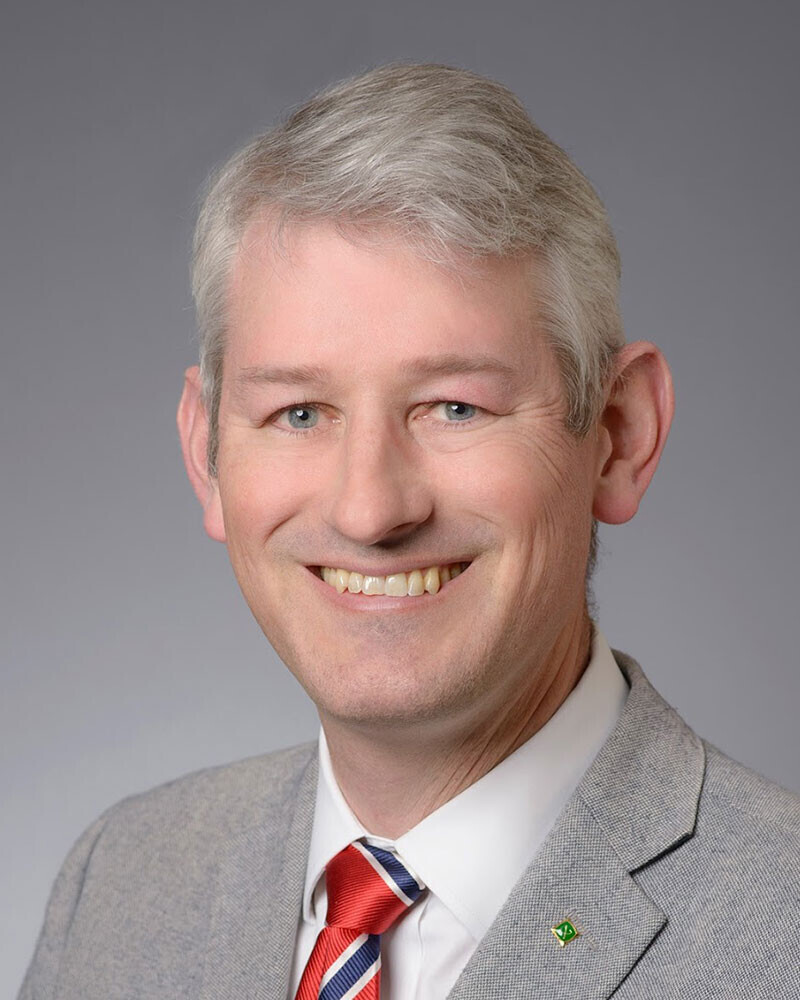
Jonathan Sprinkle is Chair and Professor of Computer Science at Vanderbilt University's School of Engineering, with additional roles as Professor in Civil and Environmental Engineering and Electrical and Computer Engineering. Previously, he was Litton Industries John M. Leonis Distinguished Associate Professor at the University of Arizona and Interim Director of the Transportation Research Institute. His research focuses on model-based cyber-physical systems, autonomous systems, and traffic control, emphasizing industry impact. He holds a Ph.D., M.S., and B.S. in Electrical Engineering from Vanderbilt University and Tennessee Technological University. Key awards include the NSF CAREER Award (2013), UA Distinguished Scholar (2020), and NSF I-Corps Best Team (2012). His work spans traffic wave dissipation, autonomous vehicle safety, and large-scale field experiments like the CIRCLES consortium's 100-AV test. He leads initiatives in data-driven control systems and smart infrastructure through collaborations with NSF and industry. Research highlights include developing control barrier functions for automated vehicles, integrating LLMs for traffic analysis, and deploying ROS-based frameworks for vehicle communication. His contributions aim to bridge theoretical models with real-world applications, addressing challenges in energy efficiency, safety, and scalability.
Prof. C (Chen) Li is a Professor of Behavioural Economics at the Erasmus School of Economics, Erasmus University Rotterdam. Her research focuses on decision making under uncertainty and over time, with particular emphasis on ambiguity attitudes, experimental methods, and gender stereotypes. She has collaborated extensively with scholars like Han Bleichrodt and Peter Wakker, contributing to top-tier journals such as Econometrica and Management Science . Her work bridges theoretical frameworks and empirical evidence, addressing real-world questions like how ambiguity aversion influences social interactions or gender disparities in competitive fields. Key research themes include the dynamics of ambiguity learning, the role of gender stereotypes in risk-taking, and the application of axiomatic models to behavioral economics. Her recent work explores bifurcation questions in multi-component decision optimization and the impact of ambiguity on gender inequality in STEM fields. Li’s experimental designs often incorporate behavioral experiments to measure uncertainty preferences, such as belief hedges and Bayesian updating deviations. Prof. Li’s academic contributions span theoretical advancements (e.g., Source Theory) and applied insights into societal issues. She maintains an active research agenda with ongoing projects on the interplay between ambiguity attitudes and gender representation, as well as the foundational aspects of multi-dimensional decision models. Her work underscores the importance of integrating psychological insights into economic theory to better understand human behavior under uncertainty.
Dr. Martin Hoffmann is a former research staff member at the Department of Computer Science 4 (Distributed Systems and Operating Systems) at Friedrich-Alexander-University Erlangen-Nuremberg (FAU). He now works at Brose Fahrzeugteile in Bamberg. His research focuses on dependability, fault tolerance, and real-time systems, with emphasis on embedded systems and safety-critical applications. He taught courses such as Echtzeitsysteme (Real-Time Systems) and Verlässliche Echtzeitsysteme (Reliable Real-Time Systems) across multiple semesters. His work includes projects like dOSEK (a dependability-oriented RTOS), DanceOS (fault-tolerant OS design), and CoRed (software-based redundancy for mixed-criticality systems). He also contributed to the I4Copter interdisciplinary quadrocopter project. His research interests span fault-injection frameworks, static kernel analysis, and soft-error mitigation. Notable contributions include Fail* (a versatile fault-injection tool) and dOSEK (RTOS for automotive safety). He has advised multiple students on topics like fault-tolerant garbage collectors and modular OS service frameworks. No scientific awards are explicitly mentioned in the provided text. His work emphasizes interdisciplinary collaboration, with projects bridging embedded systems, robotics, and safety-critical applications.
Dr. Stephanie Kulesza is an Assistant Professor at North Carolina State University (NC State), specializing in nutrient management and animal waste research. She is affiliated with the Animal Waste Management Lab, focusing on optimizing the use of animal manures in North Carolina's diverse cropping systems. Her work emphasizes maximizing crop yield and quality while minimizing environmental impacts, particularly through nutrient management strategies. Dr. Kulesza serves on critical state committees: the Senate Bill 1217 Interagency Committee (regulatory guidance for animal waste) and the Interagency Nutrient Management Committee (technical guidance). She teaches the annual Nutrient Management Training, a five-day certification course required for technical specialists writing nutrient management plans in North Carolina. Her research spans manure utilization in crop rotations, optimal application rates, and environmental risk mitigation. Key areas include soil phosphorus dynamics, poultry litter effects on weed emergence, and ammonia volatilization from manure injection. Recent studies also address antibiotic fate in soils and swine/slurry waste management. Her publications highlight themes in sustainable agriculture, environmental chemistry, and precision farming. She collaborates on applied research to bridge agricultural practices and environmental stewardship in North Carolina's agroecosystems.
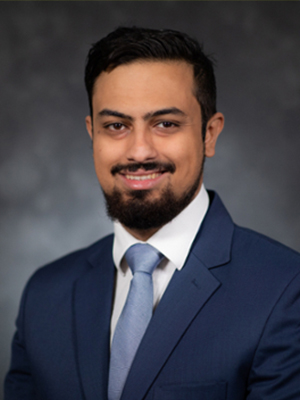
Amir Tofighi Zavareh is an Assistant Professor in the Department of Engineering Technology and Industrial Distribution at Texas A&M University, specializing in Electronic Systems Engineering Technology. He is affiliated with the Center for Remote Health Technologies and Systems and Biomedical Engineering. His research focuses on analog and mixed-signal bioelectronic design, biomedical imaging, and wearable technology for healthcare applications. Dr. Tofighi Zavareh earned his Ph.D. in Electrical and Electronics Engineering from Texas A&M University in 2019. His work bridges biomedical engineering and signal processing, with a strong emphasis on developing innovative medical devices and wearable systems for real-time health monitoring. His research interests include wearable biosensors, machine learning-driven diagnostics, and improving mental health support in educational settings through technology. Notable projects involve eye-tracking metrics for online learning accessibility and stress-alleviation systems using emotion recognition. His publications span advancements in optical coherence tomography (OCT), retinal imaging systems, and AI-powered mental health tools. He collaborates across disciplines to address challenges in healthcare technology and education equity.
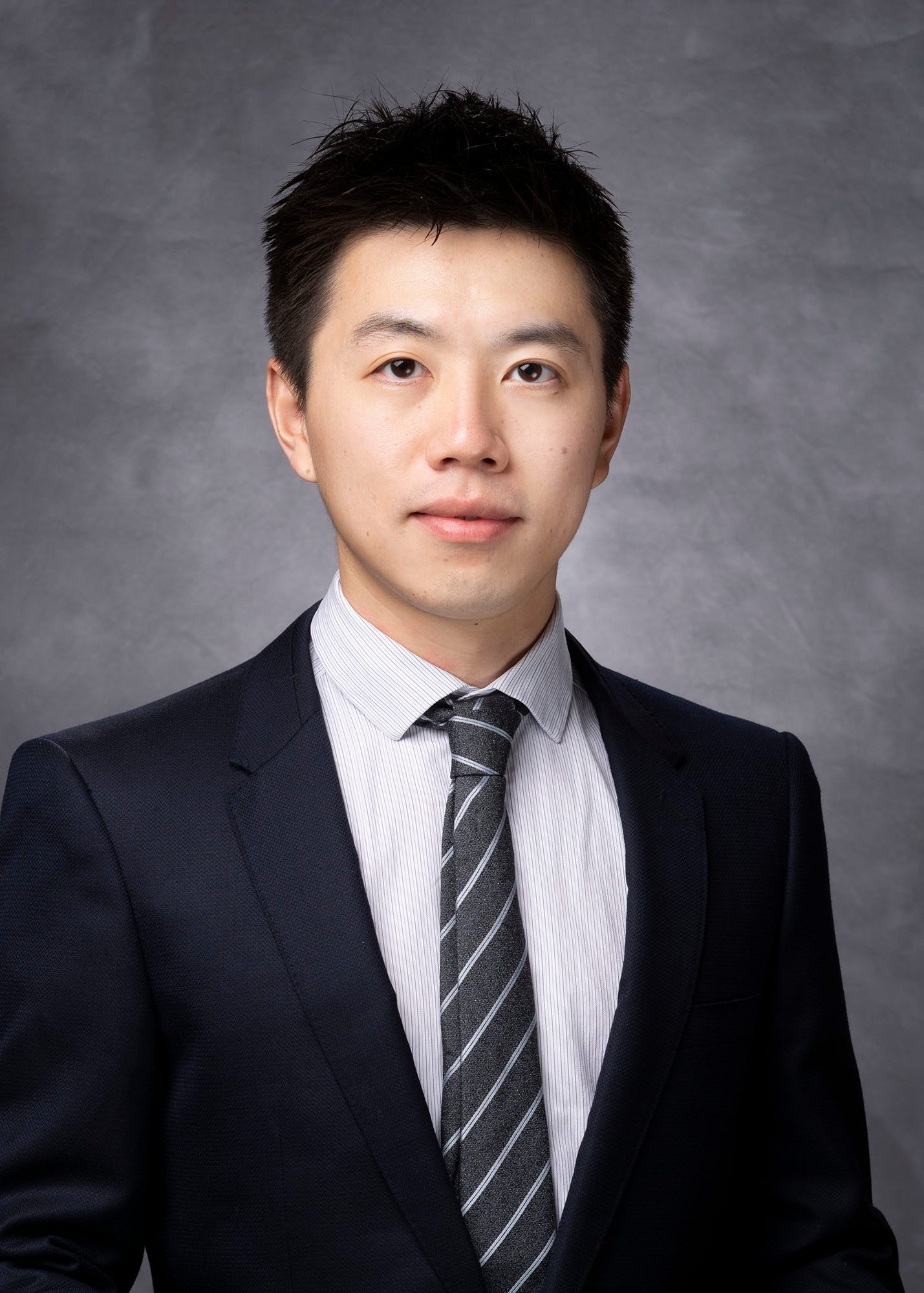
Dr. Ruitao Lin is an Assistant Professor in the Department of Biostatistics at The University of Texas MD Anderson Cancer Center and an Adjunct Assistant Professor at Rice University. He holds a PhD in Biostatistics from The University of Hong Kong (2012–2016) and completed postdoctoral training at the University of Washington and MD Anderson. His research focuses on Bayesian adaptive designs, robust statistical methods, and clinical trial methodologies, particularly in oncology and precision medicine. He leads the development of novel Bayesian approaches for dose-finding in phase I/II trials, meta-analytic trial designs, and high-dimensional data analysis. Dr. Lin is an Associate Editor for Contemporary Clinical Trials , Biometrical Journal , and Pharmaceutical Statistics , and has contributed to software tools like the BOIN design suite and TITE-BOIN12. His work bridges statistical innovation with practical clinical challenges, including late-onset toxicities in immunotherapy and heterogeneous treatment effects. He has secured NIH funding (e.g., R01CA261978) and collaborated with academic and industry partners to advance trial design and analysis. His software platforms, including R packages and Shiny apps, enable clinicians to implement cutting-edge statistical methods in real-world settings. Education : PhD, Biostatistics, The University of Hong Kong (2016); Postdocs at University of Washington (2016–2017) and MD Anderson (2017–2019). Grants : NIH/NCI R01CA261978 (2021–2025), focusing on Bayesian methods for precision oncology trials. Teaching : Teaches clinical trial design courses at Rice University and UTHealth. Labs/Software : Developed the BOIN design suite, TITE-BOIN12, and other tools for dose-finding and phase I/II trials.
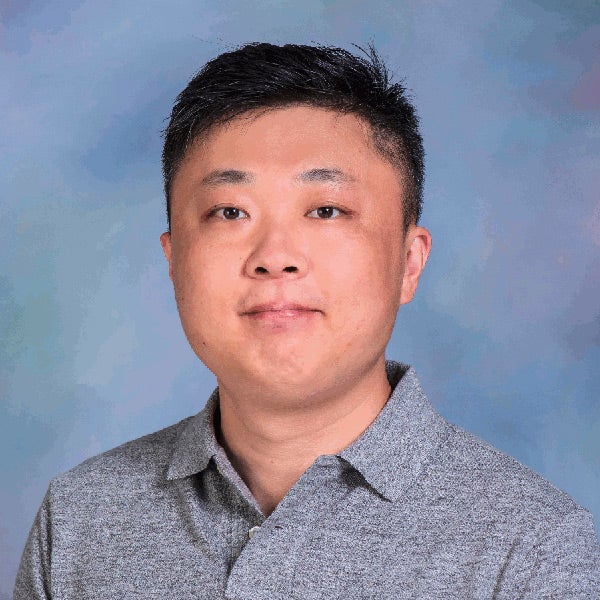
Kaiyu Hang is an Assistant Professor of Computer Science at Rice University, directing the Robotics and Physical Interactions Lab (RobotΠ Lab). He holds a PhD and MSc from KTH Royal Institute of Technology and a B.Eng. from Xi’an Jiaotong University. His postdoctoral research was conducted at Yale University. His research focuses on robotic systems capable of physically interacting with the environment and humans, emphasizing algorithms in optimization, learning, and control. Key areas include manipulation systems (small-scale grasping to large-scale multi-robot manipulation), robust control, and energy-efficient UAV perching mechanisms inspired by nature. His work has been featured in MIT Technology Review, Science Robotics, and NPR. Hang has received notable awards such as the NSF CAREER Award (2023) and ASME Rising Star (2024). He serves on editorial boards for IEEE Robotics and Automation Letters (2019–present), ICRA (2021–present), IROS (2020–present), and Humanoids (2019). He also organizes the 10th Robotic Grasping and Manipulation Competition (RGMC) at ICRA 2024. As a faculty advisor for the Rice Robotics Club and on the CS Graduate Admission Committee, Hang actively mentors students and promotes inclusivity in robotics through initiatives like Inclusion@RSS. His lab’s projects aim to enhance manipulation robustness, develop novel UAV landing gear, and advance nonprehensile manipulation via motion planning and control.
Dr. Agathoklis Giaralis is a Senior Lecturer in Structural Engineering within the Department of Civil Engineering at the School of Engineering and Mathematical Sciences, City, University of London. He earned his PhD in Civil & Environmental Engineering from Rice University, USA, in 2008, following an MSc and a 5-year Diploma (Ptychion) in Structural Engineering from Aristotle University of Thessaloniki, Greece. He is a Fellow of the Higher Education Academy, UK. PhD, Civil & Environmental Engineering, Rice University, USA (2008) MSc, Seismic Design of Structures, Aristotle University of Thessaloniki, Greece (2004) Ptychion (5 yr Diploma), Civil/Structural Engineering, Aristotle University of Thessaloniki, Greece (2003) Dr. Giaralis's research is centered on nonlinear stochastic dynamics and time-frequency signal analysis , applied to critical areas such as earthquake engineering , seismic structural design and assessment , structural health monitoring (SHM) , and passive vibration control . His work is pioneering in the development and application of inerter-based vibration control systems, such as the Tuned Mass-Damper-Inerter (TMDI), for enhancing the resilience of structures. He also explores compressive sensing and low-power wireless sensors for sustainable SHM, as well as digital twinning and machine learning in wind engineering. His recent research has significant implications for offshore wind turbines and urban wind comfort. An analysis of his 15 most recent publications reveals a consistent and cutting-edge research trajectory focused on the optimization and application of inerter-based devices for structural control. The work spans from developing analytical tuning formulas for TMDIs to conducting experimental validation on shaking tables and exploring novel applications in offshore wind turbines and composite floors. A strong emphasis is placed on performance-based design , uncertainty quantification , and practical implementation for real-world infrastructure. His scientific contributions have been recognized by prestigious awards, including the Fulbright Exchange Student Program scholarship for his PhD studies and a Fellowship from the Higher Education Academy . He is also a member of several leading professional organizations such as the American Society of Civil Engineers (ASCE) and the Society for Earthquake and Civil Engineering Dynamics (SECED). Dr. Giaralis is actively involved in research funding and academic mentorship. He has secured significant grants from Innovate UK and the EPSRC to support his work on machine learning-based design and optimal inerter configurations. He supervises a cohort of PhD students whose theses focus on advanced topics like adaptive control of bridge joints, inerter-based energy harvesting, and seismic assessment using digital twins. He also leads the Smart Structures and Structural Health Monitoring Research Unit , driving collaborative research in smart infrastructure technologies.
Simaan Abourizk, PhD, PEng, is the Dean of the Faculty of Engineering at the University of Alberta and holds the rank of Professor in Construction Engineering and Management. He also served as the NSERC/Alberta Construction Industry Research Chair (1997–2011) and Canada Research Chair in Operations Simulation (2001–2008). His roles include Executive Board membership at the Construction Research Institute of Canada. Education: Doctor of Philosophy in Construction Engineering and Management from Purdue University (1990), Master of Science and Bachelor of Civil Engineering (Honors) from Georgia Institute of Technology (1985 and 1984). Research focuses on advancing simulation technologies for construction and natural resource industries, including: Development of the Simphony simulation environment and COSYE framework Integration of AI, visualization, and scheduling tools (e.g., SmartEst, MTRACK) Optimization of tunneling, modular assembly, and industrial fabrication processes Key awards include the E. Whitman Wright Award (2002), E.W.R. Steacie Memorial Fellowship (2001), and Walter Shanly Award (2001). Current projects emphasize synthetic environments, safety analytics, and data-driven decision support systems in construction. He leads initiatives on risk simulation, resource allocation, and industrial automation.
April L. Zenisky is a Research Professor and Director of Computer-Based Testing Initiatives at the Center for Educational Assessment, University of Massachusetts Amherst. She specializes in psychometrics, large-scale assessment, and computer-based testing. Her work focuses on improving test designs, score reporting, and innovative item types for credentialing and educational programs. She leads projects like the Massachusetts Adult Proficiency Tests (MAPT-CCR) and has contributed to NAEP evaluations. Currently, she is the Associate Editor of the International Journal of Testing. Education: B.A. in English and Psychology from Amherst College (1997) Ed.D. in Educational Research from University of Massachusetts Amherst (2004) Research Interests: Dr. Zenisky’s work emphasizes practical applications of psychometric principles to real-world testing challenges, including adaptive testing paradigms, cross-cultural assessment, and actionable score reporting. She advocates for user-centric design in score reports and has pioneered methods for integrating technology into testing environments. Lab/Team: She directs the Center for Educational Assessment, collaborating with institutions globally on large-scale assessment projects. Her team develops tools for validating test designs and improving stakeholder communication of assessment outcomes.
Dr. Jennifer Ruttle is an Assistant Professor (limited term) in the Department of Psychology at Toronto Metropolitan University, Faculty of Arts. She earned her PhD in Psychology from York University and specializes in experimental psychology with a focus on the neural mechanisms underlying visuomotor adaptation and proprioception. Her research integrates behavioral experiments and neuroimaging techniques to explore how humans adapt motor actions in response to sensory discrepancies. Her research interests center on sensory-motor systems, motivation, memory, and cognition. She investigates how the brain processes visual and proprioceptive feedback during motor tasks, particularly focusing on the time course of implicit and explicit adaptation. This work contributes significantly to understanding motor learning, neural plasticity, and sensorimotor integration. Using techniques such as behavioral testing and MRI, Dr. Ruttle’s lab explores the functional organization of the brain’s dorsal and ventral pathways in shape perception and motor control. The recent publications highlight a strong trajectory in motor neuroscience, particularly examining the dynamics of proprioceptive recalibration and implicit learning. Her work consistently addresses fundamental questions about how quickly the brain adapts to altered sensory input and how different components of motor learning interact. These studies employ rigorous experimental designs and contribute to both theoretical models and practical applications in rehabilitation and human-computer interaction. Dr. Ruttle has taught across multiple institutions including York University, Seneca Polytechnic, and the University of Guelph-Humber, delivering courses ranging from introductory psychology to advanced seminars in memory, cognition, and neuroscience. While no formal advisees are listed, her active research program suggests engagement with graduate students and collaborators. She has presented her work at major conferences such as the Society for Neuroscience, reflecting her integration into the broader scientific community. Her research has been published in high-quality, peer-reviewed journals including eNeuro , Journal of Neurophysiology , Scientific Reports , and PLoS ONE . Although no specific awards or grants are mentioned in the provided text, her publication record indicates sustained scholarly productivity and scientific impact.
Theodosia Stratoudaki is a Senior Lecturer in the Department of Electronic & Electrical Engineering at the University of Strathclyde, Faculty of Engineering. She joined the university in 2017 as a Strathclyde Chancellor’s Fellow and has since become a leading researcher in laser ultrasonics and remote sensing. She holds a PhD from the University of Warwick and completed postdoctoral research at the University of Cambridge and the University of Nottingham. Her research interests lie at the intersection of optics, acoustics, and materials engineering, focusing on laser-induced phased arrays (LIPAs) for remote ultrasonic imaging, non-destructive evaluation (NDE), and in-process monitoring in extreme environments. She applies these techniques to advanced manufacturing, including additive manufacturing and nuclear applications, collaborating with industrial partners such as the UK Atomic Energy Authority, Sellafield, and Hitachi. The trends in her recent publications show a strong emphasis on improving the resolution, efficiency, and adaptability of laser ultrasound systems—particularly through innovations in array design, grating lobe suppression, signal processing, and machine learning integration. Her work increasingly incorporates robotics and deep learning for automated inspection and tomography. She has received multiple scientific awards, including: EPSRC DTA PhD studentship (2018) BINDT Annual Conference Paper Award (2018) Best Paper Award (2018) Best Paper Award (2015) Dr. Stratoudaki is actively involved in research leadership and mentoring. She is currently recruiting PhD students and supervising multiple funded projects, such as the Robotic Laser Ultrasonic Inspection System and Impact Enhancement for Adaptive Laser Induced Phased Arrays (ALIPA). She also contributes to professional service as co-chair of the departmental Equality, Diversity and Inclusion (EDI) committee, chair of the Institute of Physics’ Physical Acoustics group, and a member of the British Standards Institute’s ultrasonics committee (EPL/87). She leads a research team focused on laser ultrasonics and is part of collaborative networks involving the University of Strathclyde’s Centre for Ultrasonic Engineering and industrial partners. Her lab develops advanced optical systems for non-contact ultrasonic inspection, often integrating robotics and AI for real-time, in-process evaluation.
Dr. Aenor Sawyer is an Associate Professor in the Department of Orthopaedic Surgery at the University of California, San Francisco (UCSF) School of Medicine. She leads the Skeletal Health Service and serves as Director of Innovator Enrichment and Manager in Strategic Alliances at UCSF Innovation Ventures while directing the UC Space Health Program. Education: MD from University of California, Davis (1993), Orthopaedic Surgery residency at Stanford University, Pediatric Orthopaedic and Sports Medicine fellowships at Boston Children's Hospital Research Focus: Combines orthopaedics, space health innovation, and digital medicine through AI-driven diagnostics, remote monitoring, and skeletal health optimization across lifespans Her scholarly output spans 2025's npj Microgravity work on AI-based bone density assessment to 2021 rural SARS-CoV-2 transmission studies, with key contributions in: Spaceflight-associated neuro-ocular syndrome monitoring Digital health applications in orthopaedics Bone health in extreme environments Leadership roles include: Co-Founder/Director, UCSF Center for Advanced 3D+ Technologies Co-Founder, UCSF Center for Digital Health Innovation Chair, Murdoch Children's Research Institute Health Technology Advisory Board
Renata Borovica-Gajic is an Associate Professor in Data Analytics and an ARC DECRA Fellow at the School of Computing and Information Systems (CIS), University of Melbourne. She also serves as Associate Dean (Diversity and Inclusion) for the Faculty of Engineering and IT, demonstrating leadership in both research and academic community development. Her research lies at the intersection of database systems, machine learning, and artificial intelligence, with a vision of creating adaptive, self-driving database engines that optimize query execution in real-time. Her work spans learned indexes, query optimization, data quality, and data-driven traffic optimization, aiming to reduce costs and improve performance in data analytics. The recent publications reflect a strong trend toward integrating machine learning into core database operations—particularly through learned indexes, bandit-based tuning, and reinforcement learning for traffic systems. These works emphasize automation, provable guarantees, and real-time adaptation, showcasing a cohesive research agenda focused on intelligent, self-optimizing data systems. Her scientific excellence is recognized by numerous awards, including: L'Oréal-UNESCO for Women in Science Fellowship (2023) Victorian Young Tall Poppy (2024) Test of Time Award at SIGMOD 2022 Multiple Research and Teaching Excellence Awards from the University of Melbourne Google Research Inclusion Award (2021) She actively mentors PhD students and leads significant research projects funded by the Australian Research Council, Google, and Telstra. Her service includes roles as Associate Editor for SIGMOD Record, conference organization (e.g., aiDM, ADC, VLDB), and leadership in diversity and inclusion initiatives. She has also contributed to influential publications such as a chapter in the 7th edition of Database System Concepts . Her research lab focuses on AI-powered databases, traffic optimization via reinforcement learning, and self-healing data systems, positioning her at the forefront of next-generation data management.
Peter Jax is a Full Professor at RWTH Aachen University , leading the Chair of Communication Systems . His research focuses on speech and audio processing , with expertise in active noise control , spatial audio , and machine learning applications for acoustic systems. Diploma in Electrical Engineering (1997), RWTH Aachen University PhD (2002), RWTH Aachen University Research areas include binaural direction-of-arrival estimation , MIMO acoustic system identification , and adaptive filtering for consumer and medical audio applications. Recent articles highlight innovations in ambisonics upscaling , noise control for UAVs , and data-driven uncertainty modeling in headphones. Scientific honors : Distinguished Member of Technicolor Fellowship Network (2010) Johann-Philipp-Reis Preis Borchers Medal E-Plus Award for Best Dissertation With over 25 patents in speech/audio processing and leadership roles in industry (Deutsche Thomson OHG, 2005–2015), he bridges academic research and industrial innovation.