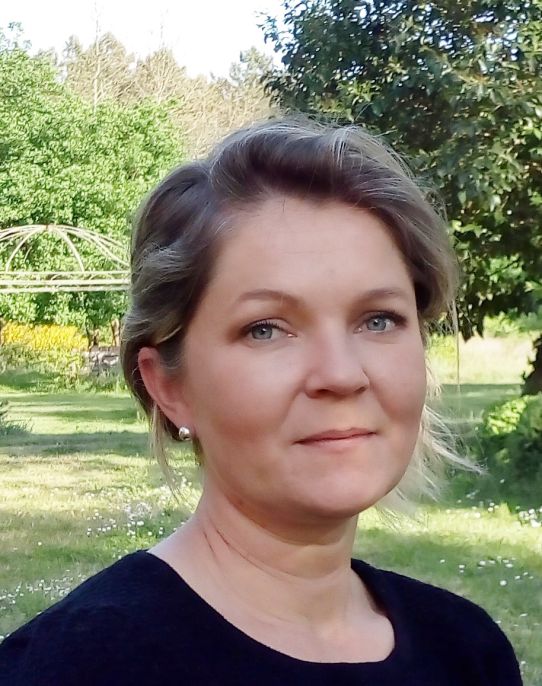
Esther van den Berg is a Professor at Erasmus MC, with a focus on cognitive disorders, frontotemporal dementia, and neuropsychological assessment. She collaborates with international researchers and leads multicenter studies. Research Interests: Cognitive Disorders, Frontotemporal Dementia, Alzheimer's Disease, and Diabetes Mellitus. Her recent publications highlight trends in white matter hyperintensities, genetic dementia profiles, and social cognition research. She contributes to journals like Journal of Neurology, Neurosurgery and Psychiatry and PLoS ONE . Supervision: Esther has supervised 8 students, as indicated by her research network. She is involved in the YOD-INCLUDED Consortium for young-onset dementia studies.
Filippo Gabriele Pratticò is a researcher at Politecnico di Torino , Department of Control and Computer Engineering (DAUIN). His work focuses on Virtual Reality (VR) , Mixed Reality (MR) , and Extended Reality (XR) systems, particularly in applications for rehabilitation, robotic training, and autonomous vehicle communication. Key Research Areas : VR/AR/MR systems, haptic interfaces, digital twinning, immersive training platforms. Recent Trends : Design of multimodal interfaces for AV safety, MR exergames for neurological disorders, and 6G-enabled telepresence systems. Scientific Awards : Not explicitly mentioned in available records. Advising & Collaborations : Frequently collaborates with Fabrizio Lamberti and Davide Calandra on projects involving robotic gaming , prosthetic limb simulation , and XR training systems .
Dr. Darrell Worthy is an Associate Professor in the Department of Psychology at Texas A&M University, affiliated with the Neuroscience & Personality Processes research cluster. His work integrates behavioral, computational, and neuroscience methods to study learning and decision-making. Key research areas include reinforcement learning, decision-making under uncertainty, and the impact of clinical issues like substance abuse and depression on cognitive processes. He explores both basic cognitive mechanisms and individual differences, bridging sub-disciplines through neuroscientific approaches. His research employs formal mathematical models and fMRI to test hypotheses about cognitive processes. Notable contributions include studies on frequency-based decision-making, the inverse base-rate effect, and the effects of acute stress on decision strategies. He is actively involved in mentoring students, with current openings for 2024-2025 academic year. Scientific achievements include the 2016 Best Article award in Cognitive, Affective, and Behavioral Neuroscience. His lab (Worthylab) focuses on strategic decision-making models, with recent work on reward segmentation and category learning. Collaborative projects address topics like zoonotic disease communication and dopamine's role in decision-making.
Heath Demaree is a Professor of Psychology at Case Western Reserve University, specializing in the intersection of emotional and cognitive processing. His research focuses on decision-making mechanisms, particularly exploration-exploitation dynamics, and how personality traits and emotions influence these processes. He leads the Demaree Lab, exploring topics like risk-taking behavior, affect regulation, and cognitive neuroscience methods. Education details are not explicitly provided, but his academic career spans over two decades with a strong focus on empirical research. He advises graduate students Amanda Merner, Rock Lim, and Kyle LaFollette. Research interests include: Emotion-cognition interactions Risk learning and decision-making Neurophysiological correlates of affect Computational modeling (e.g., diffusion decision models) Individual differences in behavioral outcomes His work bridges psychology and neuroscience, employing methods like EEG, psychophysiological measurements, and behavioral experiments. Over 50 publications demonstrate contributions to understanding emotional processing in decision contexts. He collaborates on tools like the FlexDDM Python package for diffusion decision modeling. Notable projects include: Impact of incidental emotions on reinforcement learning Physiological correlates of emotion regulation Cognitive load in medical decision-making
Professor Cristina Atance is a faculty member in the Department of Psychology at Carleton University, specializing in cognitive development, future thinking in children, theory of mind, and executive functioning. Her research explores how children conceptualize and plan for future events, integrating insights from developmental psychology and cognitive science. Education: Ph.D. in Psychology, University of Waterloo (2001) B.Sc. (Honours) in Psychology, University of Toronto (1996) Research Interests: Professor Atance investigates the development of future-oriented reasoning in children, including the interplay between memory, theory of mind, and decision-making. Her work examines how psychological distance (e.g., temporal, social) influences children’s predictions and choices, with a focus on episodic foresight and saving behaviors. Publications: Her recent work spans topics like children’s saving frameworks, the impact of temporal distance on emotional judgments, and methodological advances in measuring episodic future thinking. She emphasizes translational research, linking cognitive findings to real-world interventions. Teaching: She teaches courses on developmental psychology and perspective-taking across the lifespan, including PSY6191 , PSY5114 , and bilingual versions of foundational developmental psychology modules.
Meghan Morean is a Research Scientist in the Department of Psychiatry at Yale School of Medicine, Yale University. Her research focuses on factors influencing initiation, maintenance, and cessation of substance use (e.g., nicotine, alcohol, cannabis), with expertise in electronic nicotine delivery systems (ENDS), smoking cessation, and survey methodology. She leads studies on adolescent and adult ENDS use, including flavor preferences, device modifications, and health outcomes. Education: PhD in Psychology from Yale University (2011); ScB in Psychology from Brown University (2004). She collaborates with institutions like the Yale Tobacco Center of Regulatory Science (funded by a $20M federal grant) and the Tobacco Research in Youth (TRY) group. Research interests emphasize public health implications of vaping trends, including LGBTQ-targeted marketing, dual nicotine/cannabis use, and flavor regulation. Her work bridges epidemiology and behavioral science, addressing gaps in understanding adolescent and young adult substance use behaviors. Key contributions include developing validated assessment tools (e.g., Self-Report Habit Index) and evaluating vaping cessation strategies. Her interdisciplinary approach integrates clinical, social, and policy perspectives to inform public health interventions.
Yeungjeom Lee is an Assistant Professor of Criminology at the University of Texas at Dallas (UTD), affiliated with the School of Economic, Political and Policy Sciences. His research focuses on developmental life-course criminology, juvenile delinquency, victimization, and comparative criminology. He holds a Ph.D. in Criminology from the University of Florida (2018). Lee has held academic appointments at UTD since 2021 and previously at the University of Alaska Anchorage (2018–2021). His work examines the interplay between victimization experiences, mental health, and criminal behavior, with a focus on gender differences and longitudinal dynamics. Key areas of investigation include cyberbullying, peer influences on delinquency, and the developmental pathways of youth offending. His research has been recognized through awards such as the Early Career Award from the American Society of Criminology (2022) and the Tory J. Caeti Memorial Award (2023). He actively contributes to academic journals as a reviewer for Criminal Justice Behavior , Justice Quarterly , and others. Current funding includes a grant on hate crime consequences from UTD (2022–2024). Lee’s presentations span conferences like the American Society of Criminology and Academy of Criminal Justice Sciences, addressing topics such as bullying victimization’s impact on sexual health and the role of parental abuse in violent delinquency. His interdisciplinary approach integrates criminological theory with developmental psychology and public policy implications.
Jie Cai is an Associate Professor in the Finance Department at LeBow College of Business, Drexel University. His academic career has been centered on corporate governance, executive compensation, and mergers & acquisitions. He holds a PhD from the University of Iowa and has been a faculty member at Drexel since 2005. His research interests lie primarily in Corporate Governance , Executive Compensation , Board of Directors , and Mergers & Acquisitions . His work explores how governance structures influence firm behavior, executive incentives, and shareholder value. He investigates the role of social networks in director appointments, the impact of CEO stock ownership on risk-taking, and the consequences of shareholder voting policies. The analysis of his recent publications reveals a consistent focus on governance mechanisms, incentive alignment, and information asymmetry in corporate finance. His work bridges theoretical models with empirical evidence, often using large datasets to test hypotheses related to board behavior, executive decisions, and market reactions. The keywords across his articles highlight recurring themes in financial economics, corporate leadership, and strategic decision-making. 2012 Best Paper Award (Financial Management Association Asia Meetings) 2012 William F. Sharpe Award for Scholarship in Financial Research (Journal of Financial and Quantitative Analysis) 2011 Best Paper Award (Southern Finance Association meetings) Jie Cai has advised numerous students and presented his research at top international conferences including the American Finance Association, Financial Management Association, and China International Finance Conference. His research has been supported through academic engagement and institutional affiliations, though specific grant details are not mentioned. His work has been cited by major media outlets such as the Wall Street Journal, New York Times, Forbes, and CNBC, indicating broad impact beyond academia. While no specific lab or research team is mentioned, his collaborative research with scholars like Ralph A. Walkling, Tu Nguyen, and Anand Vijh suggests active participation in research networks focused on corporate finance and governance.
Lize Jiskoot is an Assistant Professor in the Department of Neurology at Erasmus MC, a leading academic medical center in the Netherlands. She is actively engaged in research on genetic forms of frontotemporal dementia, with a particular focus on behavioral, cognitive, and neuroimaging aspects of the disease. Her research interests center on understanding the early and presymptomatic stages of frontotemporal dementia, especially in individuals with genetic mutations such as C9orf72 and TMEM106B. She investigates neuropsychological profiles, personality changes, social cognition deficits, and the utility of biomarkers in predicting disease onset. Her work integrates clinical neuroscience, genetics, and neuropsychology to improve early diagnosis and patient care. The recent publication trends highlight a strong emphasis on longitudinal studies (e.g., GENFI), meta-analyses, and patient-centered research, including ethical perspectives on predictive testing. Her articles span high-impact journals in neurology and neuroscience, reflecting a multidisciplinary approach that combines molecular genetics, neuroimaging (e.g., MRI), and behavioral assessment. Dr. Jiskoot is actively involved in major international research collaborations, including the GENetic Frontotemporal Dementia Initiative (GENFI) and the YOD-INCLUDED Consortium. These networks support large-scale data collection and analysis, enabling robust studies on rare neurodegenerative conditions. While no specific grants are mentioned, her participation in these consortia indicates involvement in funded, collaborative research projects.
Dr. Janne Papma is an Associate Professor in the Department of Neurology at Erasmus MC, Faculty of Medicine. Her research is deeply rooted in clinical neuroscience, with a focus on neurodegenerative disorders such as frontotemporal dementia and Alzheimer's disease. She actively contributes to large-scale collaborative studies, including the ABOARD cohort and the YOD-INCLUDED Consortium, aiming to improve understanding and care for dementia patients. Her research interests span a broad spectrum of topics including frontotemporal dementia , genetics of neurodegeneration , neuroimaging , mild cognitive impairment , and social cognition in dementia . She has a particular interest in the behavioral and neuropsychiatric aspects of dementia, as well as cross-cultural adaptations of neuropsychological assessments. Her work integrates clinical observation with advanced imaging and genetic analysis. The recent publication trends highlight her leadership in multicenter clinical studies, development of observational protocols for young-onset dementia, and systematic evaluation of neuropsychological tools across cultures. Her work frequently appears in high-impact journals such as Journal of Neurology, Neurosurgery and Psychiatry , Alzheimer's Research and Therapy , and Neuropsychology Review , reflecting her influence in the field of cognitive neurology. Dr. Papma supervises research, as indicated by her involvement in doctoral theses and research outputs under supervised work. She is a key contributor to national and international dementia research initiatives, including registry development and cross-cultural validation of assessment tools. Her collaborations span multiple institutions and countries, demonstrating strong network integration in dementia research. Laboratory and team affiliations include participation in the YOD-INCLUDED Consortium and the ABOARD cohort initiative, both focused on comprehensive dementia research and data harmonization. These teams bring together clinicians, neuroscientists, and public health experts to advance early diagnosis and personalized care for dementia patients.
Marco Lauriola is a Full Professor of Psychometrics at the Department of Psychology of Developmental and Socialization Processes, Sapienza University of Rome. He teaches courses on psychological measurement, data analysis, and test theory at both undergraduate and graduate levels. His research focuses on applied psychometrics, particularly decision-making under uncertainty, personality assessment, and healthcare quality of life, with emphasis on clinical and social applications. He leads projects on intercultural medical communication, cancer patient care, and the role of ambiguity intolerance in mental health. His work spans over 100 peer-reviewed articles, with contributions to journals like Brain Sciences , Cancers , and Scientific Reports . He serves on editorial boards and collaborates on global research networks addressing decision-making, personality, and psychological health. Current projects include analyzing healthcare provider support in chronic disease settings and improving patient-centered communication in oncology. Key research themes include the development of psychometric tools (e.g., Parent-Child Relationship Scale), validation of clinical scales, and network analysis of adolescent risk-taking and emotion regulation. His work bridges psychological theory with practical applications in healthcare and education.
Nils Myszkowski is a tenured Associate Professor in the Department of Psychology at Pace University, located within the Dyson College of Arts and Sciences in New York City. He holds a PhD from Université Paris Descartes (now Université de Paris) and is recognized for his contributions to psychometric theory and creativity assessment. His work bridges psychological measurement, cognitive abilities, and occupational applications. Education: PhD in Psychology, Université Paris Descartes (now Université de Paris), France, 2013 His research focuses on improving psychometric methods to measure intellectual, emotional, creative, and aesthetic abilities, particularly in occupational settings. Key areas include creativity-related traits (aesthetic sensitivity, divergent thinking), emotional and social competencies (empathy, leadership, stress coping), and advanced quantitative methods such as item response theory and statistical modeling. He applies these in contexts like occupational health, managerial creativity, and consumer behavior. The 15 most recent publications highlight a consistent trajectory in psychometrics and creativity measurement, with increasing innovation in modeling techniques (e.g., AR-IRT, Poisson models), applications in virtual reality, and explorations of emotional and personality dynamics. There is a strong emphasis on methodological rigor, interdisciplinary application, and software development for research. Scientific Awards: Berlyne Award for Outstanding Contributions by an Early Career Scholar, American Psychological Association (Division 10), 2020 Nils Myszkowski is the co-principal investigator on a National Science Foundation-funded project titled 'Developing, Field-Testing, and Validating an Elementary Algebra Concept Inventory Database For Use In The College Context' (2024–2025), demonstrating active grant acquisition and leadership in educational psychometrics. He has advised students through mentored lab courses and doctoral seminars, though specific advisee names are not listed. His professional service includes editorial board membership for Psychology of Aesthetics, Creativity and the Arts and memberships in key societies such as the Society for the Psychology of Aesthetics, Creativity, and the Arts and the International Society for the Study of Individual Differences. He has developed three open-source R libraries to support psychometric analysis, most notably the 'jrt' package for judgment data. His book Item Response Theory for Creativity Measurement (Cambridge University Press, 2024) consolidates his theoretical and practical contributions to the field.
Mathilde Husky is a Professor of Clinical Psychology and Psychopathology at the University of Bordeaux, affiliated with the Faculty of Psychology. She leads the research axis on 'Social cognition: normal and psychopathological functioning' within the psychology laboratory and serves as the French national referent for the World Mental Health Survey Initiative (WHO). Her work bridges clinical practice, epidemiology, and digital mental health, with a focus on youth well-being. PhD in Psychology, University of Bordeaux (2004) Academic experience at Yale University and Columbia University (USA) Junior Member, Institut universitaire de France (2013–2018) Professor, University of Bordeaux (2016–present) Affiliation with University of Paris Descartes (2012–2016) Her research centers on youth mental health, particularly anxiety-depressive disorders, substance use, cyberbullying, and the psychological impact of social networks. She investigates how digital environments interact with traditional social dynamics to influence emotional regulation, academic performance, and mental health trajectories in children and adolescents. Her work emphasizes empirical data collection and the development of prevention strategies. The analysis of her recent publications reveals a sustained focus on adolescent mental health in digital contexts. Her research employs longitudinal designs, large-scale surveys, and epidemiological methods to explore the interplay between cyberbullying, social media use, and internalizing disorders. Key trends include the development of screening tools, methodological innovation in digital behavior measurement, and cross-national comparisons of mental health prevalence. Her scientific recognition includes: Junior Member of the Institut universitaire de France (2013–2018) Mathilde Husky leads the ANR-funded Cyberlife research project, a major cohort study involving 4,000 students from grades 5 to 9. This project examines the development of cyberbullying in relation to traditional bullying and investigates how social network use affects well-being, academic outcomes, and mental health. She also contributes to international research through the WHO-affiliated World Mental Health Survey Initiative, where she coordinates the student survey component in France. These roles indicate active grant leadership and research supervision, though specific advisees are not listed. She is a key figure in the psychology laboratory at the University of Bordeaux, where she directs a research axis on social cognition. Her work integrates clinical, cognitive, and epidemiological perspectives, contributing to both theoretical understanding and practical interventions in youth mental health.
Prof. Dr. Marlit Annalena Lindner is Professor for Digitisation and Education at the University of Tübingen and Head of the Leibniz Research Group Digitisation and Education at the Leibniz-Institut für Wissensmedien (IWM). She leads cutting-edge research on digital learning and assessment, focusing on computer-based formative assessment, feedback design, and multimedia testing environments in schools and higher education. PhD in Psychology, Christian-Albrechts-University Kiel Head of Leibniz Junior Research Group COMET (2019–2023) Research visits at ETS Princeton and UCSB Funded research via Leibniz SAW competition Her research lies at the intersection of cognitive and motivational psychology in educational contexts, particularly in how digital feedback and multimedia design affect learning, engagement, and test performance. She employs advanced methodologies such as eye tracking, process data analysis, and micro-longitudinal designs to uncover real-time learning dynamics. Her recent publications reveal a strong trend in optimizing digital assessment through evidence-based design principles. Key themes include the affective impact of feedback, the role of visual representations in testing, time-of-day effects on disengagement, and the potential of generative AI in education. Her work bridges theory and practice, aiming to improve both the validity and user experience of digital assessments. Funding for Leibniz Junior Research Group COMET via Leibniz SAW competition She actively mentors doctoral researchers and leads a dynamic team at IWM. Her work includes advising on exam didactics, organizing national workshops on digital university assessments, and exploring the implications of AI tools like ChatGPT in educational settings. She collaborates internationally and contributes to shaping policy through expert statements, such as on large language models in education. She leads the research lab on digital assessment at IWM, focusing on process data, multimedia effects, and feedback design. Her team integrates cognitive science with educational technology to innovate assessment practices in the digital age.
Caitlin Orsini is an Assistant Professor in the Department of Psychology at the University of Texas at Austin, affiliated with the College of Liberal Arts. She holds a Ph.D. from the University of Michigan and completed postdoctoral training at the University of Florida. Her research focuses on neuroendocrinology, decision-making mechanisms, substance use disorders, and the long-term effects of stress on neural circuits. Orsini’s education includes a B.S. in Psychology with a Behavioral Neuroscience concentration from Washington College, followed by graduate studies in Biopsychology at the University of Michigan. Her work employs animal models to investigate how neural circuits (e.g., amygdala, hippocampus, prefrontal cortex) mediate adaptive decision-making under stress, addiction, and psychiatric conditions. She explores hormonal influences on decision-making, particularly sex differences in response to risk and reward. Current courses include Psychopharmacology (taught since 2020) and behavioral neuroscience topics. She actively recruits undergraduate researchers through her lab, emphasizing hands-on neuroscience training. Her lab’s website provides further details on ongoing projects and opportunities. No scientific awards are explicitly listed in the provided texts. Her research grants and advisory roles are not detailed here, but her lab’s focus on neural mechanisms and translational psychiatric research underscores her contributions to understanding decision-making deficits in clinical contexts.