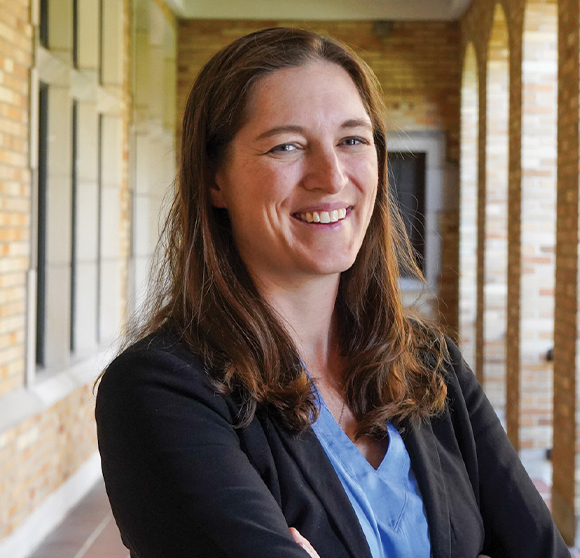
Hiroaki Kumano is a Professor at Waseda University's Faculty of Human Sciences, Department of Psychology, with expertise in clinical psychology, psychiatry, and cognitive brain science. Holding a PhD in Medical Science from The University of Tokyo (1985), he has established himself as a leading researcher with 158 publications and an h-index of 42 according to Google Scholar. PhD of Medical Science, The University of Tokyo Faculty of Medicine (1985) Professor Kumano's research focuses on the intersection of clinical psychology and neuroscience, particularly examining social anxiety, mindfulness interventions, self-compassion, and attentional processes. His work combines traditional psychological approaches with cutting-edge neuroscientific methods including fNIRS, EEG, and transcranial static magnetic field stimulation. He has made significant contributions to understanding self-focused attention as a maintenance factor in social anxiety disorder and has developed innovative interventions targeting procrastination in ADHD populations and headache management. His publication record shows consistent productivity with 15+ publications annually, demonstrating expertise across multiple domains including social anxiety treatment, mindfulness-based interventions, cognitive assessment tools, and the neural correlates of psychological processes. Recent work has explored how transcranial static magnetic field stimulation can reduce self-focused attention in socially anxious individuals and how procrastination interventions can benefit university students with ADHD tendencies. Professor Kumano actively mentors numerous researchers and clinicians, with several of his students becoming prominent contributors in their own right. His work bridges clinical practice and research, developing practical assessment tools like the Japanese versions of SAPAS and WAAQ that have direct clinical applications. His research has strong translational value, moving from basic mechanisms to clinical interventions. He has contributed significantly to clinical guidelines, including the Social Anxiety Disorder Treatment Guidelines, and has established collaborations across multiple institutions. His laboratory appears to focus on the integration of cognitive behavioral approaches with neuroscientific methods to develop more effective, mechanism-based interventions for anxiety and mood disorders.