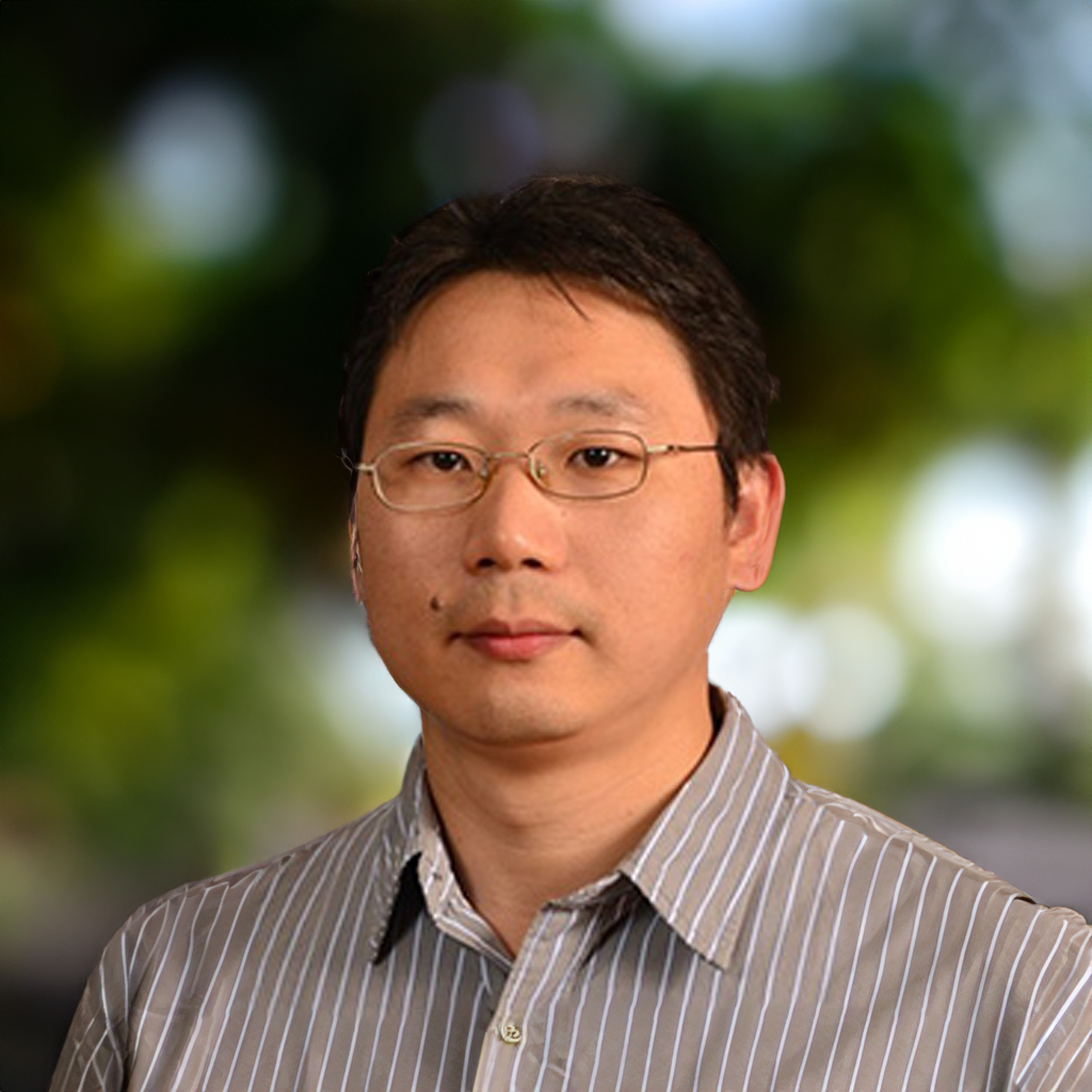
Gang Li, PhD, is an Associate Professor in the Department of Radiology at the University of North Carolina School of Medicine, affiliated with the UNC IDEA Group (BRIC). His research focuses on advancing computational methods for neuroimaging analysis, particularly in infant and pediatric brain development. He holds a PhD from Northwestern Polytechnical University (Xi’an, China) and completed research fellowships at Weill Medical College of Cornell University and The Methodist Hospital Research Institute. Dr. Li’s work integrates machine learning, artificial intelligence, and medical imaging to study brain development trajectories, functional connectivity, and the impact of environmental factors. His lab develops innovative algorithms for brain MRI analysis, including cortical surface reconstruction, functional connectivity prediction, and automated segmentation. Recent studies address topics such as prenatal phthalate exposure effects, maternal obesity influences on neonatal brain structure, and longitudinal cortical morphological changes in infants. Publications highlight his expertise in federated learning for limited-data scenarios, deep learning applications in fetal brain imaging, and the creation of 4D infant brain atlases. His work emphasizes translational research, aiming to improve early diagnosis of neurodevelopmental disorders and enhance clinical decision-making through advanced imaging analytics. Though no specific awards are listed, his extensive contributions to neuroimaging methodology and infant brain research reflect a high-impact academic profile. He advises students on cutting-edge projects at the intersection of AI and medical imaging, with a focus on reproducible and scalable solutions for neuroimaging challenges.
Hepsomali Piril is a prominent researcher in the fields of nutrition science, sleep medicine, and mental health. Their work focuses on the interplay between dietary patterns, neurochemical processes, and psychological outcomes. They have conducted cross-cultural studies comparing sleep and mental health in the UK and Japan, and explored the effects of prebiotics and Mediterranean-style diets on brain function. Piril has authored/co-authored over 20 peer-reviewed articles and edited a book on translational research in neurological and psychiatric diseases. Their research employs methodologies such as neuroimaging, systematic reviews, and randomized controlled trials, with particular emphasis on gut-brain axis interactions and the impact of childhood trauma on neurodevelopment. Key topics include dietary inflammation, sleep quality, emotion regulation in children, and the calming effects of herbal extracts like Melissa officinalis. Edited a 2024 book on translational research in neurology and psychiatry. Conducted pioneering work on prebiotics' cognitive resilience effects and GABA's role in sleep. Investigated socio-cultural factors influencing sleep patterns in diverse populations. Research interests span clinical trials, neurochemistry, and public health policy implications of dietary interventions.
PD Dr. Conny Kopp-Scheinpflug leads a research group in the Division of Neurobiology at Ludwig-Maximilians-Universität München's Faculty of Biology. Her laboratory investigates neuromodulation in the auditory system, examining how sensory stimulation influences neuronal processing through changes in membrane receptors, transporters, and ion channels. Research Focus: Her team employs electrophysiological techniques (in vivo single-cell recordings and patch-clamp in brain slices) combined with histological methods to study activity-dependent plasticity in the mammalian auditory pathway. Key interests include: Mechanisms of sound offset encoding Ion channel function in axonal conduction Recovery from noise-induced hearing loss Neuromodulator roles in auditory processing Funding and Collaborations: Supported by German Research Council (DFG) grants for projects on synaptic plasticity (KO2207/3-1) and ion channel function (SFB 870/A10), plus a Deafness Research UK studentship. Collaborates internationally with labs at Lehigh University, University of Edinburgh, Ben-Gurion University, and UCL. Training: Currently advises 5 researchers and has graduated 8 PhD students/alumni. Lab techniques include in vivo electrophysiology, optogenetics, and anatomical studies of auditory circuitry.
Professor Mark Good is Chair of the School of Psychology at Cardiff University, where he conducts extensive research on the medial temporal lobe and hippocampus in relation to memory function and neurodegenerative conditions. His academic credentials include a BSc and DPhil, and he has maintained an active research profile with publications spanning over three decades. Good's research interests focus on understanding the role of the hippocampus and associated brain structures in memory processes, and how neurodegenerative conditions like Alzheimer's disease and frontotemporal dementia influence hippocampal function. His work primarily utilizes preclinical models of brain pathology, including genetic models of heritable neurodegenerative conditions. Current projects include assessment of configural and episodic-like memory, characterization of transgenic Alzheimer's disease models, investigation of dietary supplements for Alzheimer's pathology, assessment of novel antibody treatments, and studying cannabinoid receptors in memory disorders. Analysis of his recent publications (2020-2025) reveals a strong focus on Alzheimer's disease models, with particular attention to amyloid pathology, hippocampal function, and potential therapeutic interventions. His work spans multiple disciplines including neuroscience, psychology, and molecular biology, with significant contributions to understanding the neural basis of cognitive impairment in neurodegenerative conditions. Many studies employ transgenic mouse models to investigate specific aspects of memory dysfunction and potential treatments. Professor Good teaches biological psychology to level 2 undergraduate students, delivers a complete level 3 module on the neuroscience of learning and memory, and provides specialized lectures to neuroscience and medical students on preclinical models of Alzheimer's disease and higher cortical function. His teaching directly reflects his research expertise in cognitive neuroscience and neurodegenerative disorders. His research team collaborates extensively with colleagues across neuroscience disciplines, investigating various aspects of cognitive impairment in neurodegenerative conditions. Current projects suggest active investigation of potential therapeutic approaches for Alzheimer's disease, including dietary interventions, probiotic effects, and novel antibody treatments targeting amyloid pathology.
Victor Ekuta is a lecturer at the University of Pennsylvania's Penn Memory Center and a physician-scientist-in-training with affiliations to multiple academic institutions. He holds a BA in biology and philosophy-neuroscience-psychology (PNP) from Washington University in St. Louis and has completed prestigious fellowships including the Clark Scholar program, Black Men’s Brain Health Fellowship, and Doris Duke Clinical Research Fellowship. His research focuses on intersecting neurology, health disparities, and STEM diversity initiatives. Key areas include Alzheimer's disease biomarkers, neurostimulation techniques, and medical technology validation for minority populations. His 2025 publications examine ASAH2 proteins in Alzheimer's pathology and equity-focused healthcare innovation. Scientific accolades include: Clark Scholar Black Men’s Brain Health Fellow MIT linQ Catalyst Healthcare Innovation Fellow Penn Memory Center Minority Scholar in Aging Research Doris Duke Clinical Research Fellow Ekuta actively promotes diversity in STEM through roles at MIT's Office of Engineering Outreach Programs and plans to specialize in academic neurology combining patient care, research, and advocacy to address brain health inequities.
Dr. Utku Norman is a Researcher at the Institute for Technology Assessment and Systems Analysis (ITAS), part of the Karlsruhe Institute of Technology (KIT) . His work focuses on Human-Robot Interaction and Artificial Intelligence applications in educational contexts, particularly through collaborative learning systems. Since 2023, he has contributed to projects like the Real-World Laboratory for Robotic Artificial Intelligence and JuBot , exploring the intersection of technology, cognition, and social impact. Ph.D. , Computer and Communication Sciences, EPFL, Switzerland (2023) M.Sc. , Computer Engineering, Bilkent University, Türkiye (2018) B.A. , Philosophy, Middle East Technical University, Türkiye (2018) B.Sc. , Electrical and Electronic Engineering, Middle East Technical University, Türkiye (2016) Norman's research integrates Technology Assessment and Systems Analysis to study how autonomous, self-learning AI systems interact with humans in practical settings. His work spans disciplines like Computational Thinking , Educational Robotics , and Machine Ethics , often combining empirical studies with algorithmic development. His publications highlight trends in Human-Robot Interaction , focusing on collaborative learning, robot perception in children, and ethical frameworks for autonomous systems. Notably, he contributed to establishing empirical methods for analyzing robot-mediated educational activities and developed tools like the ST-Steiner algorithm for genetic research in earlier career stages. Awards : Marie-Skłodowska-Curie PhD Fellowship (2018–2022) Norman has collaborated with institutions such as EPFL , Télécom Paris , and Bilkent University , participating in EU-funded projects like ANIMATAS . His current work involves analyzing social and psychological dimensions of robotics and developing empirical research methods in human-machine interaction. Contact: utku.norman@does-not-exist.kit.edu
Aree Widya Witoelar is a Researcher at the University of Oslo , affiliated with the Neural Systems department. Previously held positions include Researcher at Oslo University Hospital (2017-2018) and Postdoctoral Researcher roles at the University of Oslo and Kavli Institute for Systems Neuroscience, NTNU. Ph.D. in Machine Learning (2005-2010), M.Sc. in Physics (2002-2005) - both from University of Groningen Key research areas: Neural process modeling, statistical machine learning, genetic mechanisms in neurodegenerative diseases Her work applies machine learning to analyze neural data and genetic factors across conditions like Alzheimer's, Parkinson's, and schizophrenia. Articles span computational neuroscience, genetic epidemiology, and molecular psychiatry, with a focus on cross-disorder genetic analyses and cortical function modeling. Scientific Awards: Marie Curie Career Development of Researchers (2016) Ubbo Emmius doctoral scholarship (2005)
Athanasia Monika Mowinckel is a Researcher at the University of Oslo's Department of Psychology, affiliated with the Center for Lifespan Changes in Brain and Cognition (LCBC). She leads the Core Facility Capro and the Hub-Node project 'Capretto', developing technical solutions for neuroscience research. Her work includes data processing for the EU consortium Lifebrain, R package development for neuroimaging analysis, and improving research methodologies. Education PhD in Cognitive Neuroscience (University of Oslo, 2012-2017) Master in Cognitive Neuroscience (University of Oslo, 2009-2011) Bachelor in Cognitive Psychology (University of Oslo, 2005-2009) Research Focus Mowinckel's research bridges computational neuroscience and open science. She develops tools for analyzing lifespan brain changes, focusing on: 1) Neuroimaging pipelines for cognitive aging studies, 2) ADHD decision-making mechanisms, 3) R-based statistical frameworks for brain data, and 4) Population-level brain health surveys. Her work emphasizes reproducible research and data accessibility for social scientists. Recent publications demonstrate strong trends in multimodal neuroimaging of memory systems, with particular focus on hippocampal-cortical interactions in aging populations. Her collaborative work consistently integrates genetic, socioeconomic, and longitudinal factors in cognitive decline models. Projects & Leadership Technical lead for Core Facility Capro Principal investigator for Hub-Node project Capretto Data processing lead for EU Lifebrain consortium Co-founder of PsyDoc interest organization
Ashley Blackwell, Ph.D. is an Assistant Professor in the Department of Psychology at the University of Nevada, Las Vegas (UNLV), where she leads research in the Behavioural Research and Integrative Neuroscience (BRaIN) Laboratory. Affiliated with UNLV's Interdisciplinary Neuroscience Program, her work bridges sensorimotor control, cognitive neuroscience, and translational disease modeling. Her research focuses on the neural basis of naturally occurring behaviors like reach-to-grasp movements and spatial navigation, analyzing how these processes are disrupted by space flight stressors (deep space radiation, sleep fragmentation), aging, and neuropathologies (stroke, Alzheimer's, alcohol exposure). Using behavioral assays, electrophysiology, histology, and computational modeling in both rodent and human studies, she develops sensitive translational assessments for early disease detection and treatment optimization. Analysis of her publications reveals key expertise in Galactic Cosmic Radiation (GCR) effects on cognition, fine motor control in disease models, sex-specific neurobiology , and stressor-induced deficits . Her NASA-funded work on spaceflight stressors in rodent models directly informs astronaut health risks during Mars missions. Scientific Awards: NASA Funding for Space Radiation Research Dr. Blackwell's lab emphasizes inclusion and diversity in neuroscience education while developing interventions against radiation-induced neurodegeneration. Her team's work on string-pulling tasks as behavioral assays has become central to understanding sensorimotor-cognitive interactions under extreme conditions.
François-Laurent De Winter is a Lecturer at the Faculty of Medicine, KU Leuven, affiliated with the Department of Neuroscience and working within the Neuropsychiatry unit at UZ Leuven. He is a member of the LBI - KU Leuven Brain Institute and serves on both the Faculty Council of Medicine and the Departmental Council of Neurosciences as ZAP (Zelfstandig Academisch Personeel). His professional activities span teaching, research, and institutional governance within the university's medical faculty. Dr. De Winter's research focuses on neuropsychiatry and neuroscience, with particular emphasis on neurodegenerative diseases including Alzheimer's disease, Huntington's disease, and frontotemporal dementia. His work explores the intersection of sleep disorders, brain imaging techniques (particularly fNIRS and PET), and neuropsychiatric manifestations of neurological conditions. He is currently co-promoting a project on non-invasive measurement of brain activity in freely moving populations using functional near-infrared spectroscopy (fNIRS) running from 2023-2024. His recent publications demonstrate a strong focus on the relationship between neurodegenerative processes and clinical manifestations, with particular attention to sleep physiology in Alzheimer's disease, social cognition in Huntington's disease, and behavioral aspects of frontotemporal dementia. His work spans both fundamental neuroscience and clinical applications, often employing advanced neuroimaging techniques to bridge these domains. As an educator, Dr. De Winter contributes to numerous courses in adult psychiatry, including skills training, evidence-based medicine, problem-solving abilities, and communication skills. His teaching portfolio reflects a comprehensive approach to psychiatric education across multiple dimensions of clinical practice. His professional activities demonstrate significant engagement with interdisciplinary approaches to neuropsychiatric disorders, emphasizing the importance of bridging neurological and psychiatric perspectives in understanding complex brain disorders. His work on anti-NMDA receptor encephalitis specifically highlights the challenges of interdisciplinary recognition of neuropsychiatric conditions.
Sha Liu is a Lecturer at the Faculty of Medicine , KU Leuven , and heads the Laboratory for Sleep and Synaptic Plasticity (VIB-KU Leuven). They serve as promoter for multiple active research projects and are affiliated with the VIB-KU Leuven Center for Brain Research and the KU Leuven Brain Institute . Sha Liu's research focuses on: Glial regulation of sleep homeostasis and circadian rhythms Synaptic plasticity mechanisms during sleep Neurogenetic analysis of Drosophila sleep circuits Development of single-cell transcriptomic tools Neural encoding of sleep need Age-dependent spinal cord plasticity Their recent publications (2018–2025) demonstrate expertise in combining single-cell transcriptomics with Drosophila neurogenetics to investigate sleep regulation. Key findings include: Glia-integrated homeostatic/circadian signaling in sleep-wake cycles Astrocytic calcium dynamics as sleep need indicators 3D neuronal wiring patterns in proprioceptive processing Genetic tools for cell death mapping in Drosophila Research projects (2018–2029) emphasize sleep-dependent memory consolidation, glial contributions to neurodevelopmental disorders, and injury-induced plasticity. Advising : Supervised students include Jeroen Dopp, Hanne Bertels, and Alisson Ortega. Promoted projects like "Genetic targeting of astrocytes" (2025) and "Sleep-Dependent Memory Consolidation" (2024) show collaborative mentorship approach. Labs : Leads the Laboratory for Sleep and Synaptic Plasticity , developing Drosophila models for sleep research and producing high-impact publications in journals like Nature Neuroscience and Current Biology .
Zhaolan Zhou is a Professor of Genetics at the University of Pennsylvania School of Medicine and a Core Member of the Epigenetics Institute. His research focuses on understanding the epigenetic mechanisms underlying brain development and neurological disorders. Education: B.S. in Bioengineering from Nankai University (1991) M.S. in Genetics from Chinese Academy of Sciences (1994) Ph.D. in Molecular and Cellular Biology from Harvard University (2001) He completed postgraduate training as a Helen Hay Whitney Postdoctoral Fellow at Harvard Medical School and Children's Hospital Boston (2003-2008) and as an S.O. Mast Fellow at the Marine Biological Laboratory in Woods Hole (2002). Research Interests: Dr. Zhou's laboratory investigates the epigenetic control of genome function in brain development and disease, with particular focus on neurogenetics and neuroepigenetics. His team explores how DNA methylation, histone modification, and genomic editing mechanisms contribute to neurodevelopmental and neuropsychiatric disorders including Rett syndrome, CDKL5 deficiency disorder, autism spectrum disorder, and major depressive disorder. The lab employs cutting-edge genomic technologies, cellular and physiological assays, and genetically modified mouse and human induced pluripotent stem cell models to uncover pathophysiological mechanisms and develop therapeutic interventions. Three major research themes guide the Zhou laboratory: (1) Understanding the molecular basis of stress vulnerability and its relationship to major depressive disorder; (2) Gaining pathogenic insights into X-linked disorders like Rett syndrome and CDKL5 deficiency disorder by overcoming challenges posed by X chromosome inactivation; and (3) Investigating how epigenetic regulation controls synaptic gene expression in the brain, particularly how DNA methylation interacts with histone modifications in the context of autism spectrum disorders. Research Trends: Dr. Zhou's recent publications demonstrate a consistent focus on epigenetic mechanisms in neurodevelopmental disorders, particularly X-linked conditions. His work increasingly integrates advanced genomic technologies with sophisticated animal models to dissect disease mechanisms at cellular and circuit levels. There's a clear progression toward developing therapeutic strategies, with several recent papers exploring the reversibility of symptoms in disorder models. His research bridges basic molecular mechanisms with translational applications, as evidenced by studies identifying potential biomarkers and treatment-responsive endpoints for conditions like Rett syndrome. Scientific Contributions: Development of innovative models to overcome X-linked cellular mosaicism in studying disorders like Rett syndrome Pioneering work on the role of epigenetic regulation in stress vulnerability and depression Advancing understanding of how DNA methylation and histone modifications collaboratively regulate synaptic gene expression Developing CRISPR-based epigenomic editing approaches for locus-specific manipulation Training and Mentorship: Dr. Zhou has mentored numerous graduate students, postdoctoral fellows, and research specialists who have gone on to successful careers in academia, industry, and medicine. His lab currently includes postdoctoral fellows, PhD students from multiple graduate groups, research specialists, and undergraduate researchers. His former trainees have secured positions at prestigious institutions including Yale University, Stanford University, and the Children's Hospital of Philadelphia, with several receiving competitive fellowships and awards during their training. Research Environment: The Zhou laboratory is situated within the Department of Genetics at the University of Pennsylvania School of Medicine, with strong connections to the Epigenetics Institute and multiple graduate groups. The lab employs a multidisciplinary approach, combining "omics" technologies, epigenetic remodeling using adapted CRISPR systems, mouse phenotyping, confocal microscopy, electrophysiology, and biochemical characterization to address complex questions in neuroepigenetics.
Philippe Fossati is a Professor of Psychiatry at Sorbonne University and Pitié-Salpêtrière Hospital (AP-HP), serving as co-head of the Social and Affective Neuroscience team at the Institute of Brain and Spinal Cord (ICM) in Paris. His work bridges clinical psychiatry with cutting-edge neuroscience to investigate how social interactions modulate emotional brain circuits. His academic foundation includes a PhD (1993) and neuroscience thesis (2001), establishing expertise in both clinical practice and fundamental research. These credentials underpin his leadership in affective and social neuroscience. Dr. Fossati's research program centers on neural mechanisms of emotional regulation within social contexts, integrating human studies with model organism approaches. His work examines how social processes activate and modulate emotional brain networks, with implications for understanding psychiatric disorders through the lens of social cognition and affective processing. Publication analysis from 2002-2020 reveals consistent focus on neurodevelopmental and genetic mechanisms using Drosophila models, evolving toward complex investigations of emotional and social brain functions. This trajectory demonstrates methodological sophistication in linking molecular/cellular neuroscience to higher-order emotional and social behaviors. He actively contributes to scientific discourse as a member of the French Association of Biological Psychiatry and ECNP Brain Imaging Network, while serving as scientific editor for the International Journal of Methods in Psychiatric Research. As leader of the Study of Emotions and Social Interactions team at ICM, he directs an interdisciplinary research unit that unites affective neuroscience, social neuroscience, and clinical psychiatry to advance understanding of emotional brain regulation in social contexts.
Paul Eslinger, PhD, MS, is a tenured Professor at Penn State College of Medicine with joint appointments in Neurology, Public Health Sciences, Pediatrics, Neuroscience and Experimental Therapeutics, Radiology, and Medicine. He serves as Chief of the Division of Neuropsychology and is affiliated with the Penn State Neuroscience Institute. His research focuses on the frontal lobe's role in executive function, social cognition, and adaptation across the lifespan, with applications to Parkinson's disease, frontotemporal dementia, traumatic brain injury, and Alzheimer's disease. Education: PhD and MS in Neuropsychology & Chemistry of Behavior from Texas Christian University Postdoctoral: NINCDS Fellowship at University of Iowa Carver College of Medicine His work integrates behavioral, cognitive, and fMRI methodologies to characterize neurocognitive impairments and develop rehabilitative strategies. Over 45 years, he has led NIH/NSF-funded projects, published 166 research outputs, and contributed to textbooks on neurocognitive interventions. Recent publications examine metal exposure effects on brain microstructure and odor processing mechanisms. As a clinical neuropsychologist, Dr. Eslinger provides diagnostic testing for adults with cognitive/behavioral changes related to CNS conditions. He directs the clinical neuropsychology and cognitive neuroscience program in Neurology and serves as Editor for Social Neuroscience journal. Scientific honors include the 2019 Career Citation Milestone Award.
Paul Mathews is an Associate Professor of Neurology at the University of California, Los Angeles (UCLA) , affiliated with the Lundquist Institute for Biomedical Innovation . He serves as Co-Director of the Neurotherapeutics IWI, focusing on translational neuroscience and neurotherapeutic development. Research Themes: Cerebellar circuitry, synaptic timing, neurodegenerative diseases (ataxia telangiectasia, MPS III), and translational neurotherapeutics. Key Techniques: Optogenetic fMRI, electrophysiology, computational neuroscience, and ion channel dynamics. His publications highlight collaborations across institutions, with a focus on cerebellar mechanisms, neuroinflammation in HIV, and auditory processing. Recent work (2024) explores social behavior neural signatures, while earlier studies (2005-2018) cover synaptic integration, motor learning, and drug development.