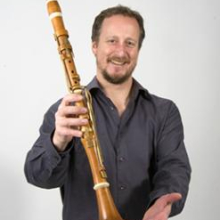
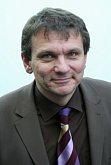
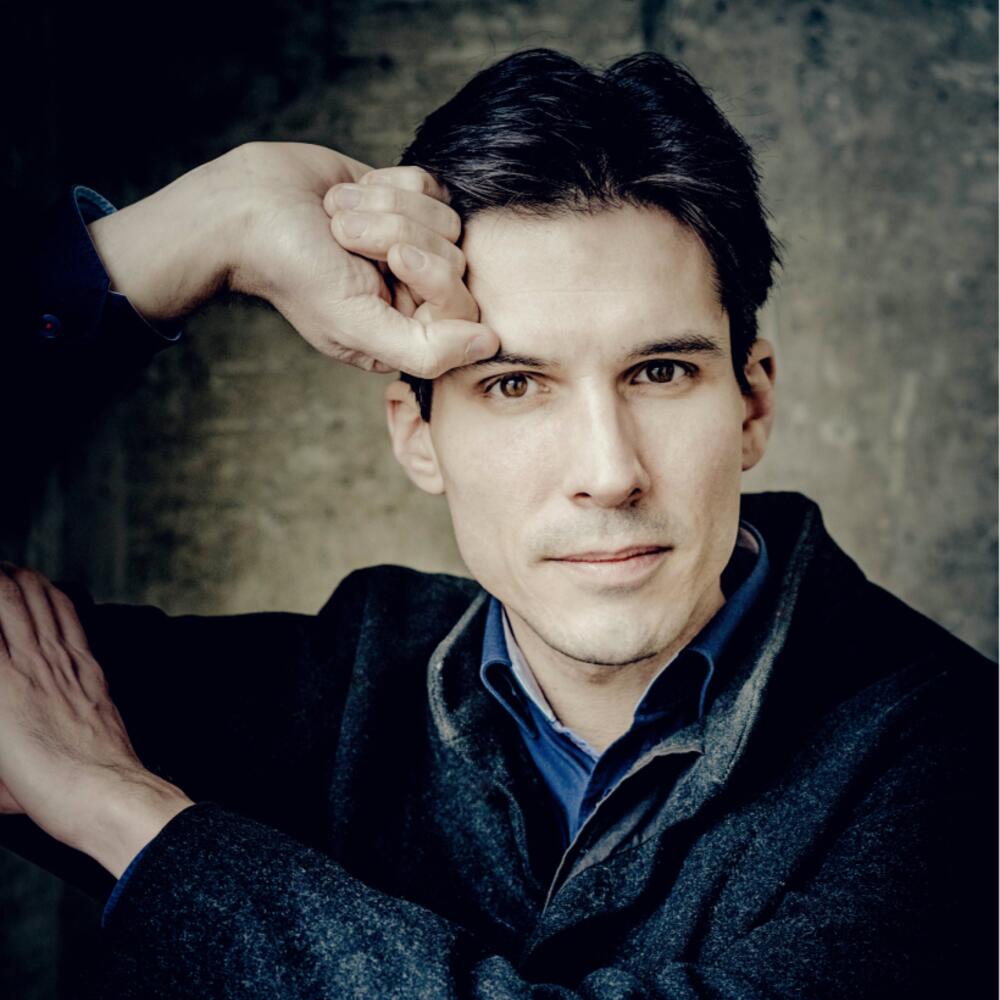
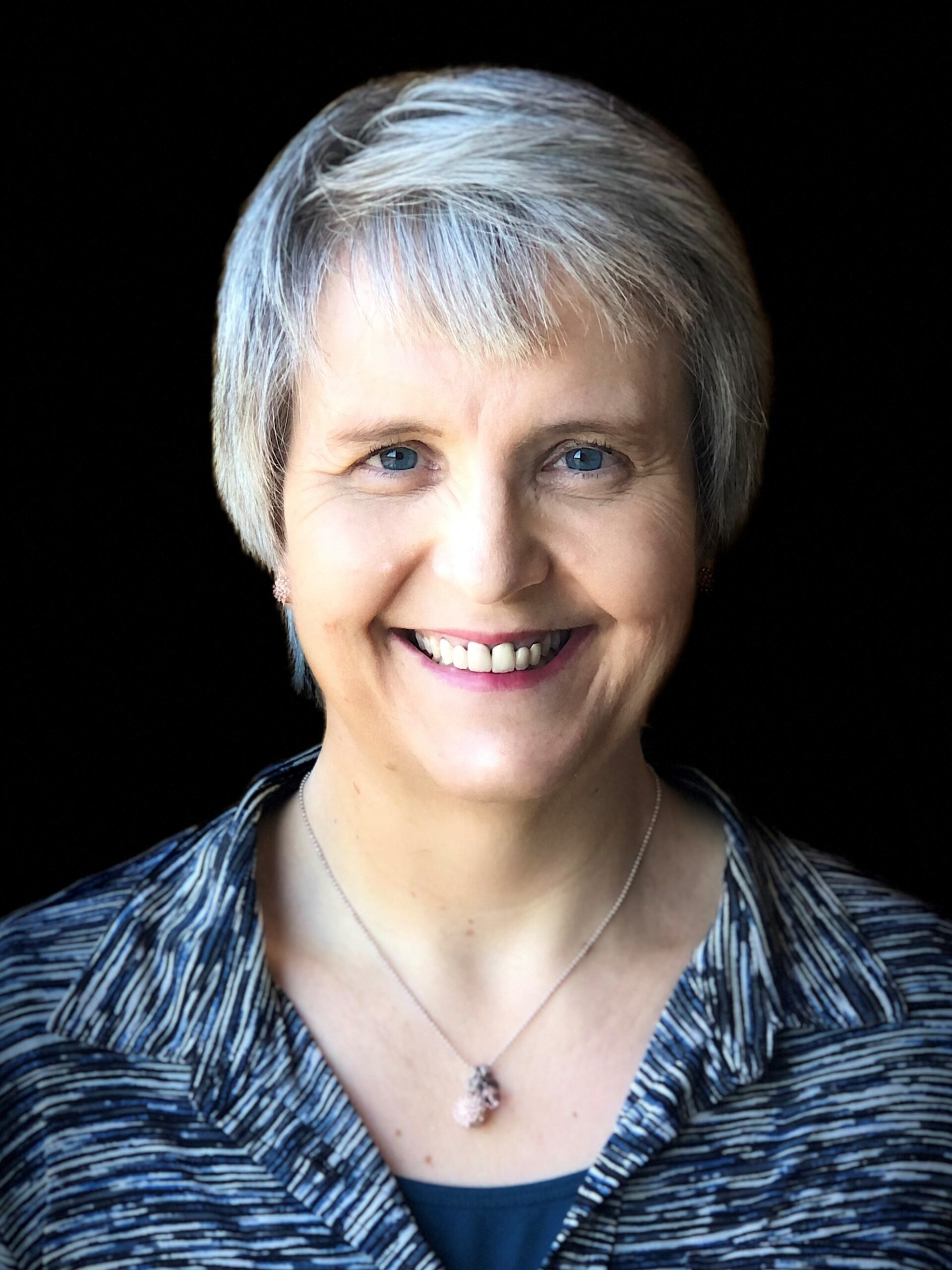
Mark Simons is an Early Clarinet Instructor at the Schulich School of Music, McGill University, and teaches at Marianopolis College. He specializes in early music performance on period instruments such as the chalumeau and classical clarinet. His expertise spans baroque, classical, jazz, and klezmer styles, with a focus on historical performance practices. Education: Studied at Marianopolis College, McGill University, and Temple University. Research interests include exploring sonorities of period instruments and chamber music collaborations. He has performed with renowned ensembles like Les Boréades, Arion Baroque Orchestra, and the Daponte String Quartet. Notable recordings include CDs on the Analekta label: Viole D’Amour and Telemann et les Gitans . No scientific awards listed. His advising and grants details are unspecified. Active in ensembles such as the Arthur Leblanc and Bozzini quartets, and regularly performs with l'Orchestre Symphonique de Québec and I Musici de Montréal.
Steven D. Zohn is the Laura H. Carnell Professor at Temple University’s Boyer College of Music and Dance. He holds a PhD and MA in musicology from Cornell University and an AB in music from Vassar College. As a leading Telemann scholar, his research spans intersections of style and genre, print culture, reception history, domestic music-making, historical performance practices, and music as intellectual property. PhD, Musicology, Cornell University MA, Musicology, Cornell University AB, Music, Vassar College Zohn’s research emphasizes Telemann’s instrumental works, sacred vocal music, and cultural contexts, as well as Bach family studies and Enlightenment-era salon culture. His publications include influential books like Music for a Mixed Taste and Telemann Studies , alongside critical editions and articles in Journal of the American Musicological Society and Oxford Handbooks Online . In 2022, he received the Georg Philipp Telemann Award from Magdeburg for his contributions to Telemann research. Other accolades include the Noah Greenberg Award and the William H. Scheide Prize. He co-edits the Bach Perspectives series and serves on editorial boards, including Telemann’s Musikalische Werke . Zohn also performs on historical flutes with ensembles like Night Music and Philadelphia Bach Collegium, with recordings on Acis, Avie, and Chandos labels. His courses explore domestic musicking, Bach’s cantatas, and unaccompanied instrumental works.
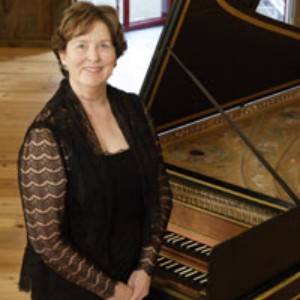
Karen Flint serves as an Adjunct Professor of Harpsichord at the University of Delaware’s School of Music, part of the College of Arts & Sciences. She is the founder and artistic director of Brandywine Baroque, Delaware’s leading early music ensemble, and established the Dumont Concerts—a festival showcasing harpsichord performances on antique instruments. Flint also created the recording label Plectra Music, which focuses on Baroque repertoire performed on period instruments. Her work includes acclaimed series like Le Clavecin Français and notable albums such as Les Pièces de Clavessin and Corelli Violin Sonatas . Her professional engagements include performances with the Delaware Symphony Orchestra, Baltimore Chamber Orchestra, and UD Chamber Orchestra. Brandywine Baroque’s annual concert series spans locations in Pennsylvania and Delaware, with guest appearances at major venues like the Boston Early Music Festival and Winterthur Museum. Flint’s recordings frequently highlight French Baroque composers and explore underappreciated works, demonstrating her commitment to historical performance practices. Flint’s contributions extend beyond performance to include educational outreach through the University of Delaware and community programs such as the Delaware Youth Wind Ensemble. Her discography reflects a dedication to preserving and revitalizing early music traditions, with projects ranging from Handel’s duets to Telemann’s lesser-known works. She remains an influential figure in the revival of 17th- and 18th-century music through both performance and scholarship.
Dr. hab. Klaudia Carlos-Machej is a Professor and has served as Dean of the Faculty of Dance at the Chopin Academy of Music in Warsaw (UMFC) since 2019. She holds dual doctorates as Doctor of Humanities and Doctor of Musical Arts, and is an accomplished dancer and choreographer specializing in Polish national dances. Her academic foundation includes a degree in ballet pedagogy from UMFC (1995), postgraduate studies in journalism at Adam Mickiewicz University in Poznań (2001), and Postgraduate Studies in Cultural Management at the Polish Academy of Sciences (2017). As a lecturer at UMFC since 1995, she served as Vice-Dean of the Faculty of Choral Conducting, Music Education, Church Music, Rhythm and Dance from 2012-2019 before becoming Dean. Professor Carlos-Machej's research focuses on dance education, Polish national dances, and the historical relationship between music and dance. Her work explores dance as cultural heritage, particularly during Poland's partition era, examining how traditional forms like polonaise, krakowiak, kujawiak, and oberek functioned as expressions of national identity. She has documented the influence of Russian classical dance traditions on Polish ballet education and investigated the philosophical dimensions of dance in antiquity. Her publications from 2014-2024 demonstrate consistent scholarly output, with her most recent work examining the relationship between dance and music during Poland's loss of statehood (1795-1918). She has also edited significant dance publications including comprehensive guides to Polish dances. As an educator and administrator, she has been conceptually responsible for the Polish Dance Forum since 2014, an important periodic event at UMFC that serves as a platform for dance scholarship and performance in Poland. Her professional background includes extensive performance experience as a dancer with the T. Sygietyński State Folk Song and Dance Ensemble 'Mazowsze' (1990-1995) and as a mime dancer and dance teacher at the Warsaw Chamber Opera (1996-2011), where she performed solo parts in numerous productions including works by Mozart, Telemann, Monteverdi, and Tchaikovsky. Additionally, Professor Carlos-Machej has maintained a parallel career in media since 1994 as a journalist and TV presenter across multiple Polish networks, creating programs that promote dance and music, including the Baletownik series on TVP Kultura featuring prominent Polish dancers.
Thierry Favier is a Professor at the University of Poitiers , France, since 2010. He holds academic affiliations with the Institut Universitaire de France (2023) and has held visiting positions at prestigious institutions including the University of Zurich , Oxford University , and Heidelberg University . His research focuses on Baroque music , with emphasis on sacred music , French cultural identity , and musical historiography . Doctorate (1997) and Habilitation (2009) from leading French institutions Co-directed major research programs funded by ANR, CNRS, and regional governments Editorial leadership in Eighteenth-Century Music (2017) His scholarly work analyzes the intersection of music and power , musical ethics , and cultural exchange in early modern Europe. Recent publications explore topics like the Italian motet’s influence in France and post-Lullian musical identity . He has received significant recognition for scientific excellence and mobility fellowships. Favier has served as Chair of the Commission of Scientific Expertise (2014–present) and Head of the Music Department (2014-2017) at Poitiers. He has presented at institutions such as the Ecole Normale Supérieure , Gulbenkian Foundation , and Cardiff University , contributing to global discourse on Baroque and Enlightenment-era music.
Wencke Ophaug is an Associate Professor Emerita at the University of Oslo's Faculty of Humanities, Department of Linguistics and Scandinavian Studies. Her research focuses on phonetics, particularly singing phonetics and German language studies. She has contributed extensively to understanding vowel articulation, consonant realization, and IPA transcription challenges in classical singing across German, Scandinavian, and Finnish languages. Ophaug is affiliated with the research group 'Phonetics Fanatics' and has been involved in projects like the Telemann Project. Her work bridges linguistics and musicology, addressing practical vocal performance issues and historical phonological developments. Key research interests include the interplay between speech and singing phonetics, vowel modification in classical singing, and cross-linguistic challenges in vocal performance. She has authored/co-authored articles on topics like laterals in singing, Scandinavian IPA transcription, and German rhotacism in vocal contexts. Her career spans over four decades, with contributions to academic reviews and pedagogical approaches in foreign language pronunciation.
Michael Fuerst is a Lecturer in Historical Performance Practice (Piano) and Early Music Coaching at the University of the Arts Bremen, and also teaches Continuo and Historical Keyboard Instruments at the Musikhochschule Lübeck. Born in the USA, he studied at Eastman School of Music with Arthur Haas and Paul O'Dette, later completing his studies as a Fulbright Scholar under Robert Hill at Freiburg's State Music Academy. His research includes a DFG-funded project on 17th-century German instrumental music. Professionally, he leads the European Hanse Ensemble's international courses and curates a concert series showcasing historical instruments from Hamburg's Museum of History. Since 2021, he serves as Secretary of the International Dietrich Buxtehude Society. His recordings include Echo Klassik-winning albums like Choralvariationen und Choralkonzerte (2010) and Lübecker Virtuosen (2006), featuring works by Telemann, Tunder, and others. He frequently performs internationally and organizes workshops like the International Winter Academy of Early Music. Education: Began studies in Madison, USA Eastman School of Music (USA) Staatliche Hochschule für Musik Freiburg (Germany) Awards: Two Echo Klassik Preises for discographies Key Roles: Dozent, European Hanse Ensemble Schriftführer, Dietrich Buxtehude Gesellschaft His teaching focuses on historical temperaments, baroque keyboard techniques, and collaborative performance practices. Recent performances include concerts at St. Nikolai Kirche and university venues interpreting Venetian influences in Northern European music.
Prof. Dr. Wolfgang Hirschmann is Professor of Historical Musicology at the Martin Luther University Halle-Wittenberg since March 2007. He is affiliated with the Faculty of Philosophy II and the Institute for Music, Media and Speech Sciences. His extensive institutional involvement includes membership in the Senate Commission for Budget and Structure (since 2010), Faculty Commission for Budget and Structure (since 2010), and the Board of Directors of the Interdisciplinary Center for the Study of the European Enlightenment (since 2008). Wolfgang Hirschmann's research focuses on Music history of the 17th and 18th centuries , with special emphasis on Handel and Telemann research . His scholarly work extends to Editorial Philology , Music-related cultural transfer research , Music in the Enlightenment thought movement , and the History of medieval music theory . His research profile is characterized by interdisciplinary approaches connecting musicology with cultural history and intellectual movements. Hirschmann has received significant recognition including the Handel Prize of the City of Halle in 2022 and the Telemann Prize of the state capital Magdeburg in 2025. His scholarly impact extends through major editorial projects including the Halle Handel Edition and the continuation of the Telemann Selection Edition. Handel Prize of the City of Halle (2022) Telemann Prize of Magdeburg (2025) Prof. Hirschmann maintains extensive committee work both within and outside the university. He serves as President of the Georg-Friedrich-Handel-Gesellschaft (International Association) since 2009 and President of the Central German Baroque Music Association. His external expertise is sought by prestigious organizations including the German Research Foundation, Volkswagen Foundation, and Swiss National Science Foundation. Hirschmann leads significant research projects including the Halle Handel Edition (until 2023), interdisciplinary DFG projects on Johann Mattheson, and research on the political instrumentalization of historical music in 20th century Germany. His research teams collaborate across international boundaries with institutions in Mainz, Hamburg, Magdeburg, Würzburg, and Graz.
Bernhard Klapprott is a German harpsichordist, clavichord player, organist, and professor at the Franz Liszt University of Music Weimar, where he leads the Institute for Early Music. He specializes in historical keyboard instruments and early music performance practice, teaching at both undergraduate and graduate levels. His roles include professor of harpsichord/historical keyboard instruments and organ (early music) in the Church Music/Organ program. Education: Studied with Hugo Ruf, Bob van Asperen, and Michael Schneider. Completed concert diplomas in harpsichord and organ in Cologne and Amsterdam. Founded the ensemble Cantus Thuringia & Capella (1999) to promote Central German Baroque repertoire. Initiated the 'Thuringia Music Heritage' project to revive forgotten vocal/instrumental works. Research focuses on clavichord's role in 18th-century vocal style, South German Renaissance keyboard practices, and Silbermann organ performance. Has recorded over 30 CDs on labels like Aeolus and cpo, winning ECHO Klassik and German Record Critics' Awards. Notable recordings include Bach's Complete Organ Works on Silbermann Organs and Thomas Tomkins' complete keyboard music. Teaching emphasizes 16th–18th century repertoires, historically informed performance practices, and contemporary works for early instruments. His students have won major competitions including the International Harpsichord Competition in Bruges and the Telemann Competition in Magdeburg.
Hanspeter Oggier is an Associate Lecturer at the Hochschule Luzern – Musik (Lucerne School of Music), specializing in Panflöte performance. He teaches the primary discipline of Panflöte since 2012/13 and actively engages in contemporary music composition collaborations, historical performance practices, and traditional instrumental techniques. His research bridges baroque music revival, modern adaptations, and traditional Swiss musical heritage. Education: Master of Arts in Music (Classical Performance) from Hochschule Luzern – Musik SMPV Lehr- und Konzertdiplom Long-term studies with Simion Stanciu «Syrinx» Research Interests: Reviving forgotten articulation forms on the pan flute, integrating spoken language characteristics into musical expression, and exploring historical tuning practices. Collaborates with instrument builders (e.g., Luc Breton) and period performers (e.g., Michel Kiener, Jean-Daniel Noir) to restore the pan flute's original voice. Artistic Work: Active as a soloist and chamber musician across Europe, performing with ensembles like Inversa, Duo Rythmosis (with cellist Mathieu Rouquié), and Ensemble Fratres. Launched the project «Syrinx & Orpheus» with lutenist Luca Pianca. Recordings include Vivaldi Pan Flute Concertos (2015, Brilliant Classics) and a Telemann album (2016). Awards: 2014 Kulturpreis, Raiffeisen Mischabel-Matterhorn 2007 Kiefer Hablitzel Stiftung Prize Ensembles & Projects: Maintains partnerships with instrument builders and composers to commission new works. Focuses on historical performance practices using period instruments, blending baroque and traditional music traditions.
Gordon Safari is a Lecturer in Oratorio at Mozarteum University's Department of Vocal Studies since 2020. He holds a MMag.art and MA/MA in conducting, music theory, composition, and church music from the HMTMH Hanover. His artistic directorship of Ensemble BachWerkVokal (founded 2015) focuses on historical performance practice, yielding acclaimed albums like Jauchzet & lobet (2024) and Genug (2022), which earned Opus Klassik and German Record Critics' Award nominations. He co-founded the Salzburg Chamber Opera in 2020, producing avant-garde digital operas such as Tag 47 and Im Westen nichts Neues , and initiated the MusiKunsTheater festival. Safari regularly conducts at international festivals including Mozartwoche Salzburg, Bachfest Leipzig, and Telemann-Tage Magdeburg. He also serves as Diözesankantor for the Protestant Superintendenz Salzburg & Tirol since 2014. Research interests include Baroque repertoire revival, avant-garde music theatre, and interdisciplinary performance. His grants include the Lower Saxony Culture Prize and 2023 City of Salzburg Cultural Promotion Prize. Collaborations with the Hanover Symphony Orchestra, Prussian Chamber Orchestra, and cellist Hannah Vinzens highlight his instrumental versatility.
Sabrina Frey is a distinguished lecturer at Kalaidos University of Music in Switzerland, specializing in recorder performance and historical performance practice. With over three decades of professional experience, she has established herself as a leading figure in the field of early music, particularly Baroque repertoire for the recorder. In addition to her academic role, she serves as the Artistic Director of the Ausseer Barocktage Festival in Austria and founder of the International Baroque Masterclasses at Kartause Gaming. Her educational background includes: Concert diploma (recorder) with Kees Boeke at the Zurich University of Music (2001-2003), graduating with distinction Artistic training (recorder) with Agnes Dorwarth at the Freiburg im Breisgau University of Music (1999-2002), graduating with distinction Music studies with a diploma in pedagogy at the University of Music and Performing Arts Vienna (1977-2001) CAS systemic coach certification from the Institute for Systemic Impulses, Zurich & Kalaidos University of Music (2020) Sabrina Frey's research and performance interests focus on the recorder repertoire from the Baroque period, with particular expertise in Italian and German compositions from the 17th and 18th centuries. She has dedicated her career to exploring the nuanced performance practices of historical music, specializing in works by composers such as Telemann, Graupner, and Corelli. Her innovative approach combines technical mastery with deep historical understanding, resulting in interpretations that are both authentic and expressive. Frey is especially known for her work with the Accademia dell'Arcadia Turicum ensemble, which she founded to bring Baroque chamber music to life on period instruments. Her extensive discography reveals a consistent focus on Baroque recorder repertoire, with particular emphasis on German and Italian compositions from the 17th and 18th centuries. The recordings demonstrate her commitment to historical performance practice while maintaining artistic innovation. Recent projects like 'Remembering Vienna - Hans Gál' showcase her versatility in exploring lesser-known repertoire, while her work with established ensembles like I Barocchisti and Europa Galante demonstrates her standing within the international early music community. Sabrina Frey has received numerous prestigious awards recognizing both her performance and teaching excellence: 'Best Teacher 2018' award from Kalaidos University of Music Nomination for the German Record Award Orpheus Concerts Award (Switzerland) Festa Special Award from the International Competition in Osaka, Japan Finalist at the Telemann Competition Magdeburg Finalist at the International ERTA Competition (Germany) Scholarship holder of the international 'Jeunesses Musicales' Scholarship holder and special prizes from the 'Deutsche Stiftung Musikleben' As an educator, Frey has supervised numerous Bachelor's and Master's projects at Zurich University of the Arts and serves as an expert examiner for recorder at the Bern University of the Arts. She founded and directs the International Baroque Masterclasses at Kartause Gaming, which has become an important annual meeting place for musicians from up to 24 countries. Her teaching philosophy integrates her certification as a systemic coach, allowing her to take a holistic approach to working with students. Frey also serves as a juror for the Swiss Youth Music Competition and other international competitions, actively contributing to talent development in the field. Frey founded and leads the Accademia dell'Arcadia Turicum, a Baroque ensemble consisting of outstanding musicians specializing in historical performance practice. She also directs the Barockmusik-Festival 'Ausseer Barocktage' in Austria, which has developed into an international jewel attracting renowned musicians from around the world. Additionally, she created the Turicum Blockflöten Ensemble (TUBE) in Zurich to meet growing regional demand for recorder ensemble performance.
Laura Jeppesen serves as Senior Music Performance Faculty in Viola da Gamba and Director of Collegium Musicum at Wellesley College, with additional teaching appointments at Harvard University and Boston University. She is a distinguished educator in historical performance practice, recognized with multiple teaching awards from Harvard's Derek Bok Center. Her educational background includes: B.A. from Wheaton College M.M. from Yale University Studies at Hamburg Hochschule and Brussels Conservatory Jeppesen specializes in early music string performance across medieval, Renaissance, and baroque eras, with expertise in viola da gamba repertoire. Her research examines historical performance aesthetics, particularly through noblewomen's musical practices, and encompasses composers including J.S. Bach, Marin Marais, Buxtehude, Rameau, Telemann, and Clerambault. She actively performs with leading ensembles such as Boston Baroque and Handel and Haydn Society. Her scholarly output demonstrates consistent focus on Renaissance performance traditions, culminating in her 2019 book chapter analyzing historical aesthetics through gendered perspectives in early European music. Jeppesen's accolades include Grammy Award (2015), Fulbright Scholarship, Woodrow Wilson Designate status, and Harvard's Bunting Institute Fellowship. She received Derek Bok Center Teaching Awards in 2015 and 2019, plus an Andrew W. Mellon grant (2017) for innovative pedagogy at Wellesley. As Collegium Musicum Director, she mentors students in historically informed performance while maintaining active professional engagements with Boston's early music community including Boston Early Music Festival, Aston Magna, and Boston Museum Trio. Her 2021 CD "Marais at Midnight" represents ongoing artistic contributions to the field.
Dr. Barbara Reul is a full professor of musicology at Luther College, University of Regina. Her expertise focuses on Baroque music, particularly musical life at the court of Anhalt-Zerbst and the works of Johann Friedrich Fasch. She has held leadership roles including President of the International Fasch Society (2008–2011) and Vice-President (2015–2019). Reul is an award-winning researcher, having received the International Fasch Prize (2005), and has contributed extensively to peer-reviewed journals like Discussing Bach and BACH: Journal of the Riemenschneider Bach Institute . Her teaching portfolio includes courses such as History of Canadian Music and Graduate Bibliography , reflecting her commitment to both undergraduate and graduate education. Beyond academia, she has served as head organist and choir accompanist at Our Savior’s Lutheran Church in Regina. Reul is also an open educational resource advocate, authoring memoirs Perfect Timing (2021) and Right on Time (2023) about her cancer journey, published as free digital texts. Research Interests: Baroque musicology, archival research, Fasch studies, performance practice Recent Publications: Co-edited volumes including Musik in Anhalt-Zerbst , contributions to Discussing Bach , and Grove Music Online entries Professional Service: Editorial roles in Discussing Bach , Bach Network initiatives
Catherine Martin is a Professor of Historical Performance at the Royal College of Music (RCM), specializing in baroque violin and historical string ensemble techniques. She is also affiliated with the Norwegian Academy of Music in Oslo. St Anne’s College, Oxford (BAHons) Guildhall School of Music and Drama (Advanced Solo Studies with David Takeno) Her research and practice focus on historical performance practices from the early 1600s to the 19th century, with expertise in baroque violin, classical repertoire, and Norwegian folk music. She leads projects ranging from chamber groups to large-scale orchestral works like Handel’s oratorios and Bach’s Passions. Notable recordings include collaborations with the Gabrieli Consort and Players (Deutsche Grammophon), Ensemble Galant (EMI), and I Fagiolini (Chandos). She won the 2019 Helpmann Award for her leadership in Purcell’s King Arthur with Gabrieli Consort. Leader of Gabrieli Consort and Players (since 2005) Concertmaster of Die Kölner Akademie (since 2010) Founding member of Early Opera Company (since 1994) Second violinist in Salomon String Quartet (since 2003) Collaborator with Collegium Musicum 90 She actively coaches amateur musicians and runs workshops on historical performance techniques for both baroque and modern instrument players.