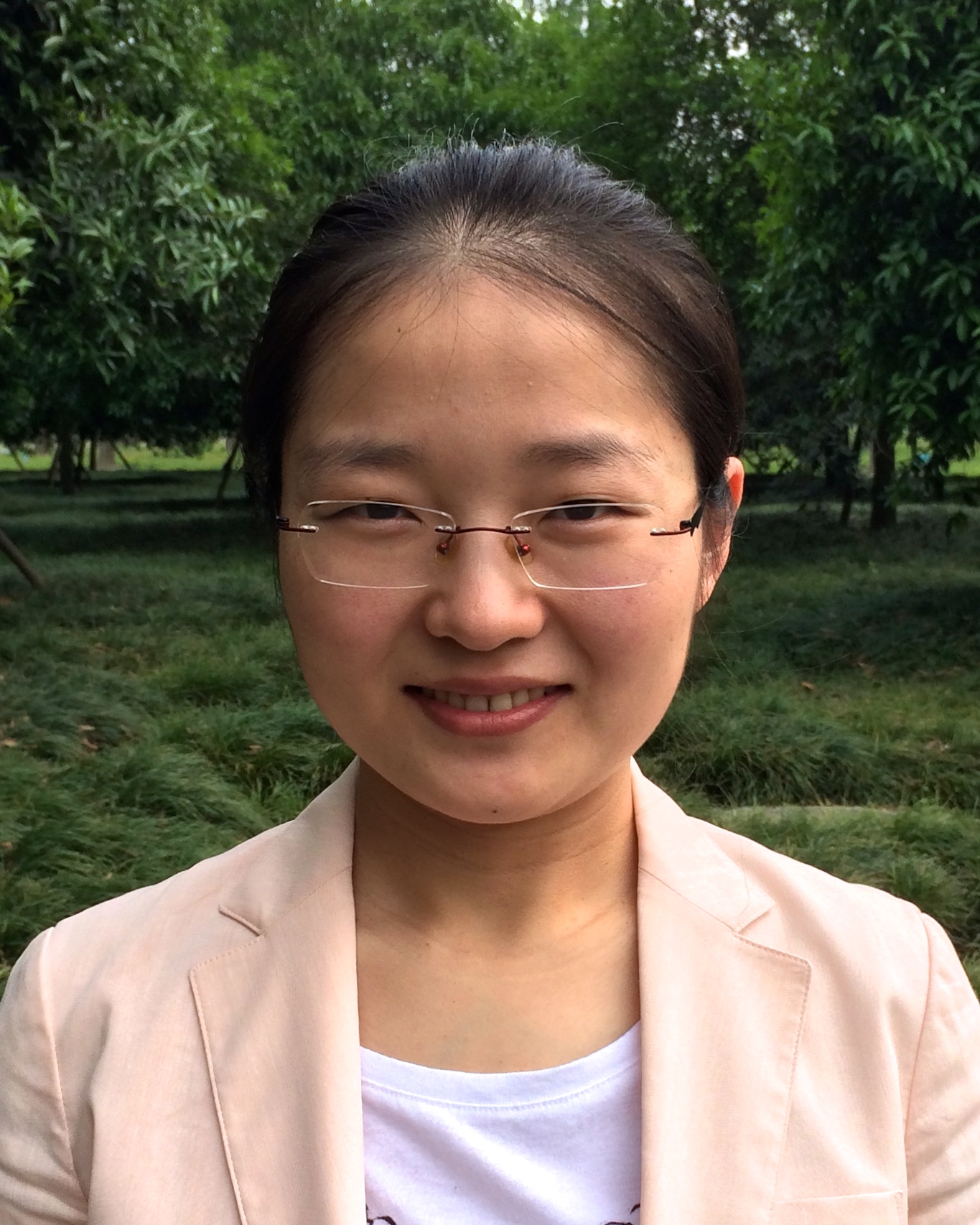
Dr. Emma Li is a Senior Lecturer in Responsible & Interactive Artificial Intelligence at the University of Glasgow's School of Computing Science. She directs the Interactive and Trustworthy AI Lab, developing secure human-robot collaboration frameworks for applications in healthcare, industry, and nuclear decommissioning. Her research pioneers behavioral biometric authentication methods that verify users through robotic motion patterns, enhancing security in teleoperation systems. Recent projects include cyber-physical teleoperation for nuclear decommissioning funded by the RAICo Programme. Li leads the Understandable Autonomous Systems research theme and contributes to the UKRI Centre for Doctor Training in Socially Intelligent Artificial Agents. Her publications demonstrate consistent innovation in human-robot trust establishment, adversarial robustness, and secure communication for robotic systems operating in sensitive environments.
Professor Kunal Mankodiya is a faculty member in the Department of Electrical, Computer and Biomedical Engineering at the University of Rhode Island. He holds the rank of Professor and is affiliated with the College of Engineering. His research focuses on wearable technologies, smart textiles, and medical IoT systems, with notable contributions in neural engineering and body sensor networks. Education Ph.D., University of Luebeck, Germany (2010) M.S., Biomedical Engineering, University of Luebeck, Germany (2007) B.S., Biomedical Engineering, Saurashtra University & C.U. Shah College (2003) Postdoctoral Researcher, Carnegie Mellon University (2011-2014) Postdoctoral Researcher, University of Pittsburgh (2011) Research Interests Mankodiya’s work emphasizes innovative wearable sensor systems for healthcare applications, including smart textiles for medical monitoring and IoT-enabled telemedicine solutions. His research integrates electrical engineering, biomedical engineering, and computer science to address challenges in neurological disorders, neonatal care, and movement disorders. Grants & Awards 2017 NSF CAREER Award 2017 40 under 40 Award, Providence Business News Lead PI on grants totaling over $5M, including NSF CAREER and NIH-funded projects Labs & Teams Mankodiya leads the Smart Wearable and IoT Lab at URI, focusing on interdisciplinary research in healthcare technology. His team collaborates with clinical partners on projects like neonatal monitoring systems and Parkinson’s disease tele-assessment tools.
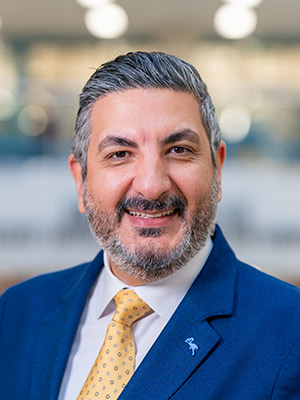
Prof. Dr. Eling de Bruin is a Lecturer at the Department of Health Sciences and Technology (D-HEST) at ETH Zurich. His research focuses on developing and evaluating exergame-based interventions targeting neurocognitive disorders, motor-cognitive training for aging populations, and stroke rehabilitation. He leads studies on personalized exergame protocols (e.g., PEMOCS framework) and their impact on cognitive function, gait recovery, and fall prevention. His work integrates wearable sensor technology, biofeedback systems, and clinical assessment tools to improve outcomes for chronic conditions like stroke, diabetes, and sarcopenia. Key areas include exergame design, hybrid training modalities, and biomarker validation (e.g., heart rate variability for neurocognitive screening). His research also explores sports biomechanics in youth athletes and injury prevention strategies for alpine skiers. Collaborative projects involve interdisciplinary teams from rehabilitation medicine, biomedical engineering, and computer science to create user-centered exergame solutions. Current initiatives emphasize home-based interventions and tele-rehabilitation to enhance accessibility for older adults and long-term care residents. Methodological contributions include validation of motor-cognitive assessment systems using virtual reality and inertial measurement units.
Dr. Eric Meyers is an Assistant Professor in the Department of Bioengineering at the Erik Jonsson School of Engineering and Computer Science, University of Texas at Dallas. He holds a Ph.D. in Biomedical Engineering and dual Bachelor's/Master's degrees in Electrical Engineering from the same institution. His research focuses on closed-loop neurotechnology, neuromodulation, and bioelectronic medicine to enhance recovery from nervous system injuries. Key projects include developing wearable EMG sleeves for stroke rehabilitation and closed-loop neuromodulation systems to restore motor function. Education: B.S. (2012), M.S. (2018), Electrical Engineering; Ph.D. (2017), Biomedical Engineering – all from UTD His research interests span machine learning applications in neurorehabilitation, biomarker discovery for neurological conditions, and clinical translation of bioelectronic therapies. Recent work emphasizes wearable devices for real-time motor function assessment and neuromodulation-driven recovery strategies. Publications highlight advancements in EMG-based neural interfaces, closed-loop algorithms for stroke therapy, and innovative FES systems. His lab actively collaborates on projects funded by NIH and industry partnerships, with a focus on translating technologies to clinical settings.
Dr. Farzan Sasangohar is an Associate Professor in the Department of Industrial & Systems Engineering at Texas A&M University, holding the Mike and Sugar Barnes Faculty Fellowship. He also serves as an Assistant Professor at Houston Methodist Hospital's Center for Outcomes Research and Department of Surgery. His academic roles include affiliations with the Environmental and Occupational Health, Biomedical Engineering, and multiple centers focused on health technologies and systems design. Education: PhD in Industrial Engineering (Human Factors Engineering), University of Toronto (2015) Research Interests: Human factors in healthcare delivery and telehealth systems Wearable technology for stress/health monitoring Crisis management team cognition and decision-making Remote patient monitoring systems Mental health self-management interventions Awards: Jack A. Kraft Innovator Award (HFES, 2023) Dr. Hamed K. Eldin Early Career Award (2022) William C. Howell Young Investigator Award (2021) TEES Young Faculty Fellow (2021) Nominated for Ergonomics Journal Best Paper (2021) Advising & Grants: Mentored over 15 graduate students including Dr. Mahnoosh Sadeghi (PhD 2023) Recipient of NSF PATHS-UP Engineering Research Center funding Active grants in offshore worker fatigue management and telehealth integration Labs/Teams: Director of the Applied Cognitive Ergonomics Lab (ACE-lab) , focusing on human-system interactions in healthcare, aviation, and disaster management. Current projects include: - Wearable stress monitoring systems - Telehealth integration frameworks - Crisis team cognition analysis
Chantal Mérette is a Professor at Laval University's Faculty of Medicine in the Department of Psychiatry and Neuroscience. She serves as a Researcher at the Quebec Mental Health Institute Research Center, Director of the Clinical and Cognitive Neuroscience division at CERVO Brain Research Center, and Director of the Neuroscience Biostatistics Platform. Her research focuses on developing and applying biostatistical methods for neuroscience data analysis. Key interests include biomarker discovery for neurodevelopmental disorders (schizophrenia, bipolar disorder, depression), genetic risk factors, clinical trial design, and prediction modeling. She leads a team specializing in database development, study power analysis, and advanced statistical methodologies for neuroscience research. Dr. Mérette's work spans multiple domains including insomnia treatment efficacy, neurodevelopmental trajectories in at-risk youth, childhood neglect impacts on psychosis development, and genetic variants in suicidal behavior. Her research has produced clinical trials on omega-3 supplementation, tele-rehabilitation, and exercise interventions for psychiatric conditions. She directs the Neuroscience Biostatistics Platform which provides end-to-end methodological support for neuroscience research, from study design to publication. The platform specializes in clinical trial conceptualization, confounding factor analysis, prediction modeling, and non-inferiority testing. Her collaborative work has advanced psychiatric knowledge through endophenotype and biomarker identification for neurodevelopmental diseases. Current projects include developing electroretinogram-based clinical decision tools and studying psychosocial impacts of pandemic restrictions through the MAVIPAN cohort study.
Thorsten A. Kern is Professor and Director of the Institute of Mechatronics in Mechanical Engineering at Hamburg University of Technology (TUHH). He joined TUHH in January 2019 after serving as R&D manager for interior components at Continental, leading a team of 300 engineers worldwide. From January 2023 to January 2025, he served as Dean of the Faculty of Mechanical Engineering, and is elected to serve as Vice President for Teaching and Learning from October 2025 to October 2028. Since 2022, he has been Vice President of the EuroHaptics Society. Dipl.-Ing. (2002), Darmstadt University of Technology Dr.-Ing. (2006), Darmstadt University of Technology Prof. Kern's research focuses on electromagnetic sensors and actuators, particularly their system integration in high-dynamic applications. His work spans human-machine interfaces, haptic devices, and the intersection of technology with arts. He has a strong interest in medical applications including robotic rehabilitation systems, wearable exoskeletons, and telemanipulation systems. His research also extends to maritime applications, including ship energy systems and ocean monitoring technologies. Prof. Kern's recent publications reveal a strong focus on haptic interfaces, rehabilitation robotics, and maritime energy systems. His work combines theoretical modeling with practical implementation, often involving interdisciplinary teams. There's a clear trajectory toward tele-rehabilitation systems with haptic feedback, maritime power systems optimization, and novel sensor development. His research demonstrates consistent integration of mechanical, electrical, and control engineering principles to solve complex real-world problems. Over 30 patent families with >120 patent applications worldwide Main editor of "Engineering Haptic Devices" (3rd edition) Vice President of EuroHaptics Society (since 2022) Prof. Kern shows a strong passion for entrepreneurship and mentors young people through the Impossible Founders network. He actively supports students in IP-oriented exploitation of research findings, leveraging his extensive patent experience. His research is supported by various projects in haptics, mechatronics, and rehabilitation engineering, with collaborations spanning academia and industry. Prof. Kern leads the Institute of Mechatronics in Mechanical Engineering (M-4) at TUHH, which houses specialized laboratories including the Haptics Lab, PHiLsLab (Power Hardware-in-the-Loop Laboratory), and Optics Lab (Goniometer Laboratory for Measuring Light Fields). His research team includes multiple research assistants and doctoral students working on electrical measuring systems, autonomous multi-sensor drifters, SMART Sensor Particles, and human-machine collaboration projects.
Yeltay Rakhmanov is an Instructor at the Nazarbayev University School of Medicine (NUSOM) in the Department of Medicine. He holds a PhD in Sports Medicine from Tongji Medical College, China, an MSc in Medicine and Surgery from the University of L’Aquila, Italy, and an MD from Western Kazakhstan Marat Ospanov State Medical University. PhD: Sports Medicine, Tongji Medical College, China MSc: Medicine and Surgery, University of L’Aquila, Italy MSc: Science and Techniques of Adaptive Physical Activities, University of L’Aquila, Italy MD: General Medicine, Western Kazakhstan Marat Ospanov State Medical University His research focuses on the Biomechanics and Epigenetics of athletes , Tele-Rehabilitation in isolated regions , and Community health initiatives in Central Asia . Recent projects include AIoT-enhanced health monitoring and stem cell therapies for cartilage defects. His work spans interdisciplinary collaborations between Europe and Central Asia. Scientific awards include the Lane Kirkland Fellowship and Erasmus Mundus TOSCA Scholarship , with grants from the European Commission and Autonomous Province of Trento. He has supervised educational programs at MAGI Group and contributed to developing rehabilitation systems in Kazakhstan. Lane Kirkland Fellowship Program Erasmus Mundus TOSCA Scholarship European Commission grants Autonomous Province of Trento grants Yeltay co-developed a Bachelor of Physiotherapy program for Kazakh universities and pioneered telerehabilitation practices in isolated regions. He actively contributes to conferences and journals on topics like genetic testing, hemodynamic forces in athletes, and environmental health impacts in the Aral Sea area.
Amir Ghalamzan is an Associate Professor at the University of Surrey's School of Computer Science and Electronic Engineering, leading the Intelligent Manipulation Lab. His research focuses on robot learning, robotic grasping, teleoperation, and agri-food robotics. Previously, he held roles at the University of Lincoln and University of Birmingham. Education: PhD in Robot Learning (Politecnico di Milano, 2015), M.Sc. in Mechanical Engineering (Iran University of Science and Technology, 2009). Research Interests: He addresses real-world challenges like labor shortages in agriculture through robots for extreme conditions, such as strawberry picking. His work integrates advanced perception, AI, and control systems. Notable projects include developing autonomous strawberry-picking robots and haptic-guided teleoperation systems. Key Projects: Led the £310K CERES Agtech project (2020-2021) for autonomous strawberry robots, and contributed to the £1.5M Agri Open-Core project (2023-2027) for open-source harvesting software. Collaborated with institutions like Imperial College London and companies like Saga Robotics. Labs/Teams: Directs the Intelligent Manipulation Lab, focusing on tactile sensors (e.g., AST Skin) and soft robotics innovations.
Professor James Taylor is a distinguished academic at Lancaster University where he holds a Personal Chair in Control Engineering within the School of Engineering . As Impact Champion for the School of Engineering and lead for Robotics & Control, he has been instrumental in advancing control engineering research. Previously, he served as group lead for Nuclear Science & Engineering (2019-24) and held senior administrative roles including Director of Teaching and Deputy Head of Engineering (2005-2018). Professor Taylor's research spans data-driven modelling and automatic control for challenging, uncertain systems with applications in Energy systems Healthcare Robotics Environmental monitoring His work has attracted over £10m in UK research council funding as co-investigator across 10+ projects. He has made significant contributions through his research on topics such as Electricity theft detection using machine learning Nuclear fuel analysis with hyperspectral imaging Digital twins for nuclear manufacturing Adaptive medical treatment systems Robotic plant phenotyping platforms Scientific recognition includes: Fellow of the Institution of Engineering & Technology (FIET) Member of IET Academic Accreditation Committee Editorial board member for three Elsevier journals Active participation in UK Automatic Control Council Professor Taylor has supervised numerous PhD students to successful completion and co-develops the internationally used CAPTAIN Toolbox (MATLAB) for system identification and control. He has been involved in developing control systems for Hydraulically actuated dual-arm robots Wave energy converters Assisted tele-operation systems Grow-cell agricultural facilities Motion planning algorithms
Dr. Nariman Sepehri is a Professor in the Department of Mechanical Engineering at the Price Faculty of Engineering, University of Manitoba, Canada. He has held significant administrative roles including Department Associate Head (Graduate Studies), Associate Dean of Engineering (Undergraduate Programs), and Acting Dean of Engineering. His research focuses on fluid power systems, robotics, and control with applications in rehabilitation and heavy machinery. Education: Post-Doctorate, Electrical & Computer Engineering, University of British Columbia, Canada (Tele-Robotics, Mechatronics) PhD, Mechanical Engineering, University of British Columbia, Canada (Control, Fluid Power Systems, Robotics) MSc, Mechanical Engineering, University of British Columbia, Canada (Computer-Aided Manufacturing Planning) BSc, Mechanical Engineering, Sharif University of Technology, Iran (Machine Design) Dr. Sepehri's research interests span Fluid Power Systems and Technology , Robotics and Teleoperation , Control Systems , Condition Monitoring , and Mechatronics of Rehabilitation Devices . His work integrates advanced control theory with practical applications in hydraulic and pneumatic systems, aiming to improve energy efficiency and reliability in robotics, manufacturing, aerospace, and healthcare. Notably, he has developed innovative rehabilitation devices using game-based interfaces for stroke and cerebral palsy patients. His recent publications (2022-2025) demonstrate a strong trend towards energy-efficient hydraulic systems, fault detection using machine learning, and the development of soft robotic actuators for rehabilitation. Key areas include electro-hydrostatic actuators, pump-controlled circuits, and the application of advanced algorithms for condition monitoring and control. Scientific Awards: Dean of Engineering’s Award for Superior Academic Performance University of Manitoba Rh Award for outstanding contributions to scholarships and research in Applied Sciences Fellow of the Canadian Academy of Engineering (CAE) Fellow of the American Society of Mechanical Engineers (ASME) Fellow of the Canadian Society for Mechanical Engineering (CSME) Dr. Sepehri has supervised over 100 graduate and postdoctoral students, contributing significantly to the field of fluid power and robotics. His research has been supported by major grants from the Natural Sciences and Engineering Research Council of Canada (NSERC) and other sources, enabling the establishment of the Fluid Power Research Laboratory. This lab features state-of-the-art equipment including a human-robot-in-the-loop simulator and hardware-in-the-loop test facilities for condition monitoring. The Fluid Power Research Laboratory at the University of Manitoba, under Dr. Sepehri's leadership, is a hub for innovation in fluid power technology. The lab collaborates internationally with researchers in USA, Brazil, China, Hungary, Romania, Denmark, Sweden and France, and has developed interdisciplinary projects bridging engineering with healthcare applications.
Robyn Choi is a Senior Lecturer in Audiology at the School of Human Sciences, The University of Western Australia, and an honorary researcher at the Telethon Kids Institute. She also serves as Senior Audiologist at Fiona Stanley Hospital, demonstrating strong connections between academic and clinical practice. Her educational background includes BSc, MAudSt, MAudA (CCP), and PhD qualifications, with Fellowship of the Higher Education Academy (FHEA). She coordinates and teaches in the Master of Clinical Audiology and Master of Hearing Sciences programs, with specific unit coordination responsibilities across multiple courses. PHYL5502 Basic Clinical Audiology Part 1 PHYL5512 Basic Clinical Audiology Part 2 PHYL5513 Speech, Language and Communication PHYL5515 Hearing Devices and Adult Aural Rehabilitation PHYL5610 Advanced Hearing Aids and Rehabilitation Part 1 PHYL5611 Advanced Clinical Audiology Part 2 PHYL5612 Community and Workplace Audiology PHYL5613 Audiology Practice Management PHYL5615 Advanced Clinical Audiology Part 1 PHYL5617 Advanced Hearing Aids and Rehabilitation Part 2 Dr. Choi's research spans several interconnected areas focused on improving pediatric hearing health outcomes. Her work examines the relationship between hearing loss, auditory processing disorders, and learning difficulties in school-aged children. She investigates novel diagnostic approaches for middle ear disorders using wideband absorbance technology and develops tele-audiology solutions to increase access to services. Her educational research focuses on simulation-based clinical training methods for audiology students. Her recent publications demonstrate consistent focus on pediatric audiology, with emphasis on learning difficulties, middle ear assessment, and telehealth applications. The research shows progression from foundational epidemiological work (like the 2017 systematic review on hearing loss rates) toward more specialized diagnostic and therapeutic interventions. School of Human Sciences Early-Career Research Award (2022) Citation for Outstanding Contribution to Student Learning (2021) Australian Research Training Program Scholarship (2015) QIMR Honours & Coursework Masters Scholarship (2013) Ko Awatea Scholarship (2009) Dr. Choi supervises Higher Degree Research students in the Master of Clinical Audiology program and PhD candidates. Her current research projects include evaluating auditory function in children with learning difficulties, exploring rehabilitative methods for auditory processing disorders, assessing young children's auditory processing abilities, and investigating multisensory signals for safety alerts. She has secured significant funding from sources including Channel 7 Telethon Trust, Medical Research Future Fund, and Defence Science Centre.
Ashley Parker is a Visiting Assistant Professor in the Department of Communication Science and Disorders at the University of Pittsburgh’s School of Health and Rehabilitation Sciences (SHRS), where she joined as a Postdoctoral Associate in 2022 and transitioned to a faculty role in 2024. She has extensive experience teaching hearing sciences at both the University of Pittsburgh and the University of Connecticut. Ph.D., Speech, Language and Hearing Sciences, University of Connecticut M.A., Linguistics, Indiana University B.A., English and Secondary Education Her research lies at the intersection of audiology and neuroscience, focusing on hearing loss , biomarkers of hearing , and auditory electrophysiology . She investigates physiological indicators such as prestin in blood and their correlation with functional measures like otoacoustic emissions and auditory brainstem responses. Her work bridges laboratory findings with real-world hearing environments. The recent publications reflect a strong trend in identifying non-invasive biomarkers for cochlear health, particularly serological prestin, and validating hearing assessment tools outside clinical settings. Her research contributes to early detection of noise-induced hearing damage and improves diagnostic accessibility through home-based testing paradigms. Dr. Parker has been recognized with competitive awards: National Institutes of Health Loan Repayment Program Awardee ASHFoundation Audiology Student Grant She actively contributes to academic training in hearing sciences and is involved in translational research aimed at improving audiological diagnostics and interventions. While no formal advisees are listed, her mentorship is evident through grant-funded research and collaborative publications. Her work is supported by federal and foundation-level recognition, indicating strong potential for future independent research.
Cindy C.A.G. Verstappen is a University Researcher at the Department of Electrical Engineering, Eindhoven University of Technology, and an active member of the Eindhoven MedTech Innovation Center. Her work focuses on non-contact physiological monitoring technologies and their clinical applications. Primary Affiliation: Eindhoven University of Technology Department: Electrical Engineering Research Focus: Signal Processing Systems for Medical Applications Her research interests center on biomedical signal processing, particularly video-based detection of cardiac arrhythmias and vital signs. Key areas include: Remote cardiac monitoring using RGB camera data Machine learning for arrhythmia classification Optic flow analysis in medical imaging Telemedicine applications for heart failure patients Non-contact respiration rate monitoring ICU patient safety systems Recent publications highlight advancements in camera-based vital sign monitoring (2025) and telemedicine protocols for heart failure rehabilitation (2023). Collaborations span multiple institutions including Maxima Medical Centre and SPIE conference participants. Research outputs demonstrate a clear trajectory toward integrating computer vision and clinical practice, with specific emphasis on: Detection of supraventricular tachycardia Continuous heart/respiration rate monitoring Optimizing cardiorespiratory diagnostics Validation of non-contact monitoring systems Tele-rehabilitation frameworks Clinical implementation challenges
Dr. Mirna Becevic is Assistant Professor in Dermatology at University of Missouri, focusing on telemedicine applications to improve healthcare access for rural and underserved populations. As lead evaluator for Show-Me ECHO, she develops virtual learning networks for primary care providers. Education includes doctoral training in health informatics. Research evaluates telehealth implementations for dermatology, pediatric care, and chronic disease management. Recent projects examine AI applications for skin lesion classification and telehealth impacts on opioid prescribing patterns. Awards include Ann K. Covington mentoring award (2021) and MU Top Faculty Achiever (2017). Research outcomes inform telehealth policy and implementation frameworks for improving specialty care access.