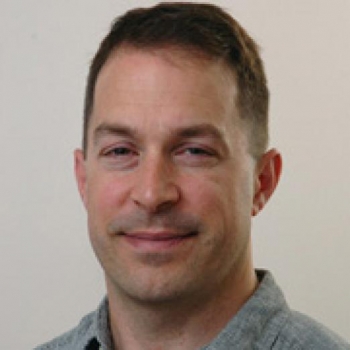
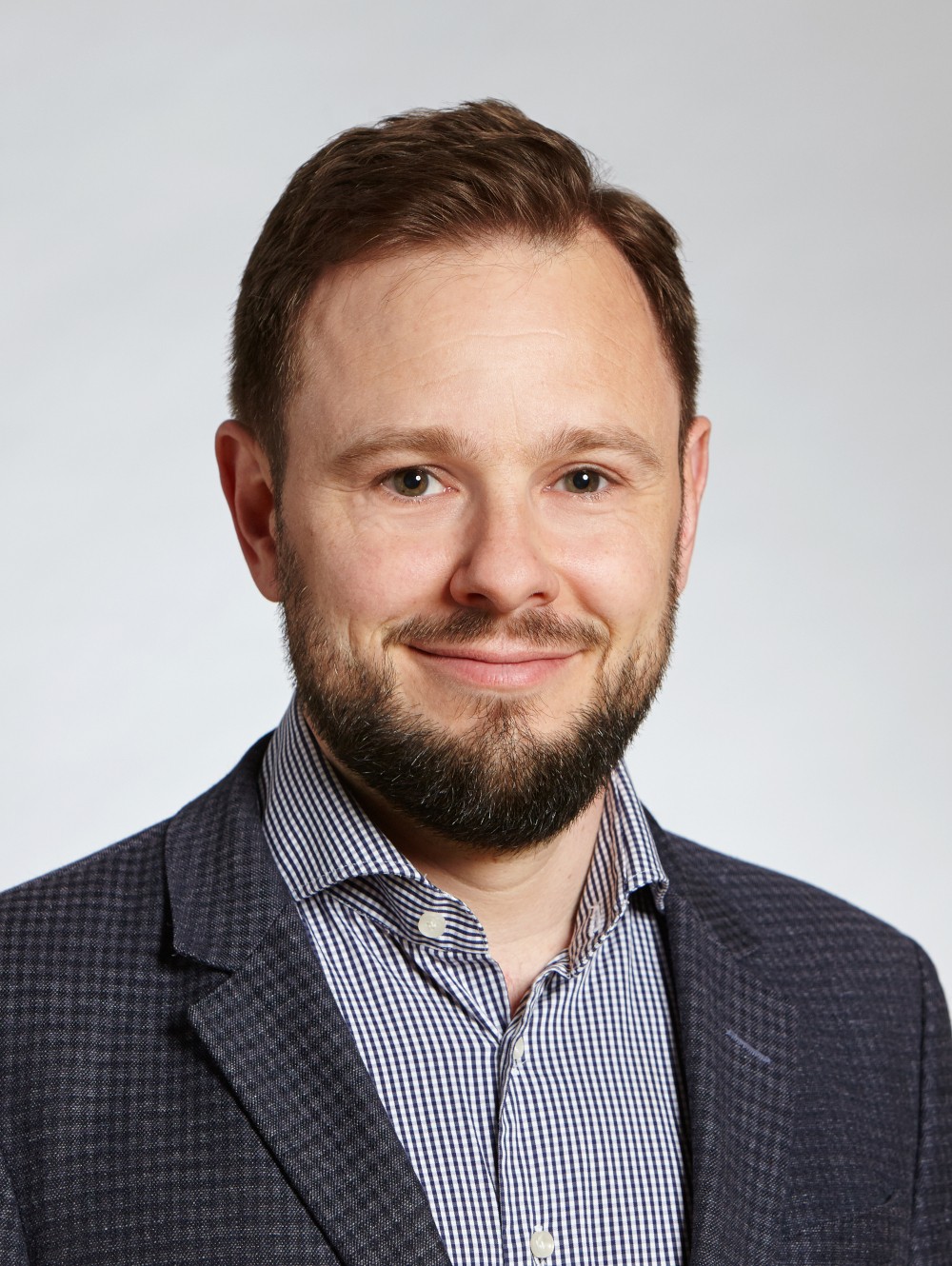
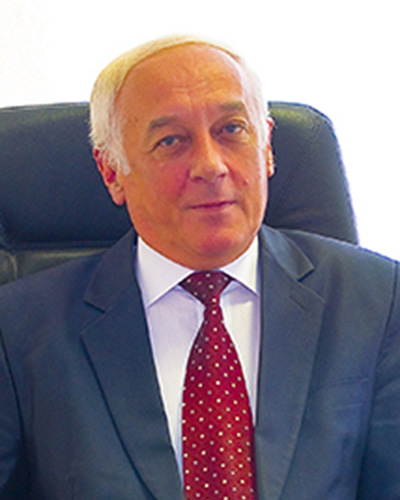
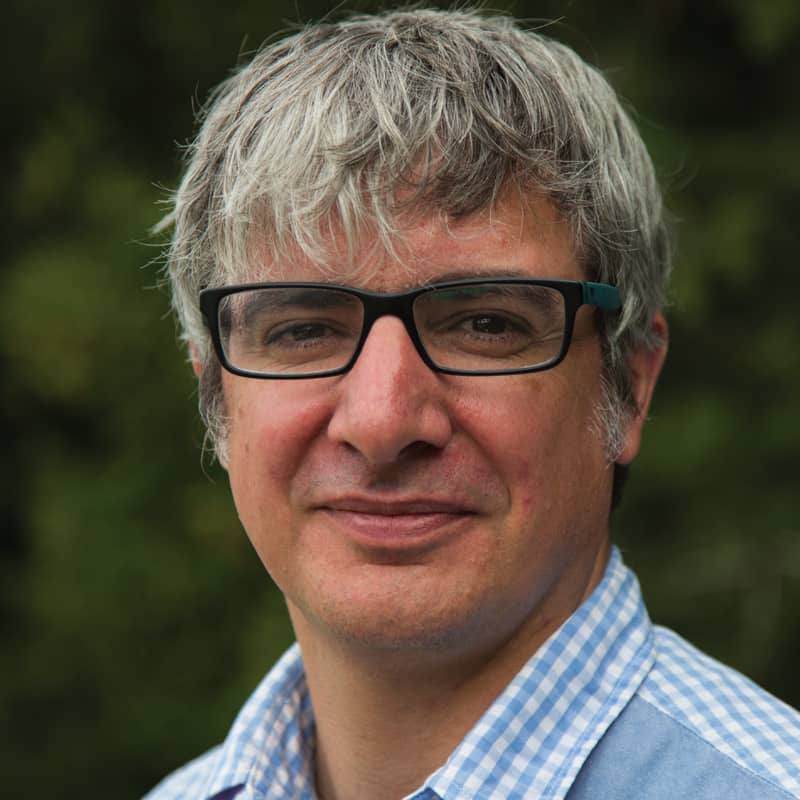
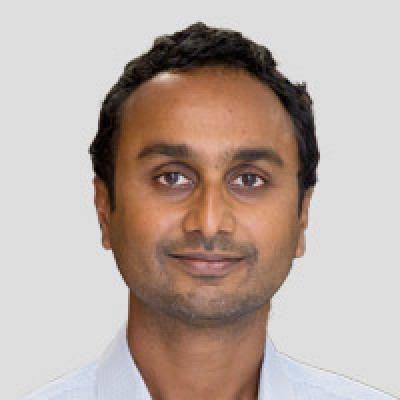
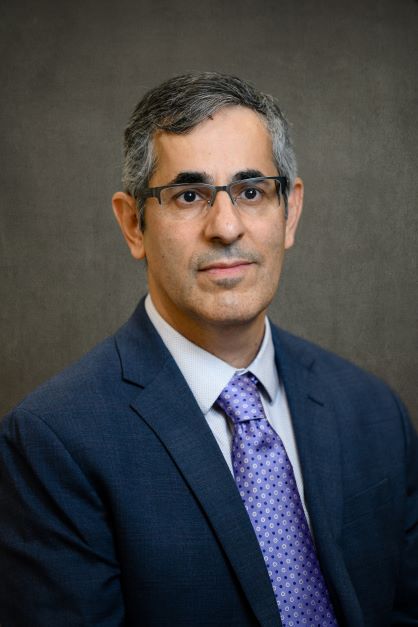
Robert Fletcher is a Researcher at the University of Cambridge, affiliated with the Department of Zoology and the C-CLEAR Doctoral Training Partnership . His work focuses on applied ecology and conservation science, utilizing landscape and population ecology to address biodiversity challenges globally. Research Areas : Conservation biology, population ecology, landscape ecology, environmental informatics Collaborations : Partners in North America, Europe, Africa, and Southeast Asia Key Themes : Species extinction prevention, landscape conservation prioritization, and rapid biodiversity data delivery Email : rf497@cam.ac.uk Fletcher's interdisciplinary approach integrates fieldwork (e.g., Everglades endangered species, African elephants) with advanced modeling of habitat loss, fragmentation, invasive species, and climate change impacts. His recent work emphasizes: Drivers of species decline and recovery strategies Landscape management and restoration techniques Interdisciplinary collaborations with engineers, social scientists, and computer scientists His publications span topics like savanna ecosystem dynamics, community science applications, and conservation forecasting, reflecting a commitment to actionable science for global biodiversity preservation.
Pablo Perez-Pinera is an Associate Professor in Biomedical and Translational Sciences at the Carle Illinois College of Medicine, University of Illinois. He leads the Genome Engineering and Transcriptional Regulation Laboratory, focusing on developing gene editing technologies for treating neurodegenerative and neuromuscular diseases. His research integrates cutting-edge genome engineering tools with innovative delivery systems to address previously incurable conditions. Dr. Perez-Pinera's research interests center on developing CRISPR-based genome editing technologies for therapeutic applications. His laboratory specializes in base editing approaches for exon skipping, particularly targeting diseases like Duchenne muscular dystrophy, Huntington's disease, Parkinson's disease, Alzheimer's disease, and ALS. His team develops novel delivery systems using AAV vectors to enable precise in vivo genome editing, with a particular focus on neurological and muscular disorders. The lab's work bridges fundamental molecular biology with translational applications, aiming to move promising technologies from bench to bedside. His laboratory has made significant contributions to the field of therapeutic genome editing, particularly in developing the SPLICER platform for efficient exon skipping through simultaneous splice site editing. His publications demonstrate expertise in base editing for neurodegenerative diseases, with multiple first-author and corresponding author papers in high-impact journals. His research has been supported by several NIH grants including R01 GM131272, UL1 TR001422, R01 GM141296, among others. Dr. Perez-Pinera actively mentors a diverse team of researchers including postdoctoral fellows, graduate students, and undergraduates. His laboratory includes researchers such as Devyani Swami (Postdoctoral Fellow), Michael Gapinske, Jackson Winter, Shraddha Shirguppe, Angelo Miskalis, and others who contribute to various aspects of genome engineering research. His grant funding supports both basic research on genome editing mechanisms and translational work toward therapeutic applications. The Genome Engineering and Transcriptional Regulation Laboratory maintains state-of-the-art facilities for molecular biology, cell culture, and in vivo studies. The team collaborates extensively with clinicians and researchers across the University of Illinois campus to translate genome editing discoveries into potential therapies for patients suffering from neurodegenerative and neuromuscular conditions.
Dr. Craig S. Levin is a Professor of Radiology at Stanford University's Molecular Imaging Program at Stanford (Nuclear Medicine), with courtesy appointments in Physics, Electrical Engineering, and Bioengineering. He also holds memberships in Bio-X, the Cardiovascular Institute, the Wu Tsai Human Performance Alliance, and the Stanford Cancer Institute. Dr. Levin received his B.S. Summa Cum Laude in Physics and Mathematics from UCLA in 1985, followed by M.S., M.Phil., and Ph.D. degrees in Physics from Yale University in 1987 and 1993. His educational achievements were recognized with multiple honors including Phi Beta Kappa, Sigma Pi Sigma, and various departmental awards at UCLA. Dr. Levin's research focuses on the development of novel instrumentation and software algorithms for molecular imaging. His work spans medical physics, biomedical engineering, and instrumentation development with specific emphasis on positron emission tomography (PET), gamma camera technology, and multimodal imaging systems. His laboratory explores new concepts in radiation detection, image reconstruction algorithms, and the application of these technologies to cancer, heart disease, and neurological disorders. A notable aspect of his research involves pushing the physical limits of sensitivity and spatial, spectral, and/or temporal resolutions in imaging systems. His recent publications demonstrate a strong focus on enhancing PET technology, particularly time-of-flight capabilities, with significant work on improving coincidence timing resolution, developing MR-compatible PET systems, and applying deep learning techniques to image reconstruction and normalization. His research shows a clear trajectory toward higher resolution imaging with improved quantitative accuracy for both clinical and preclinical applications. Dr. Levin's scientific achievements have been recognized with numerous awards: American Institute for Medical and Biological Engineering's College of Fellows Academy of Radiology Research Distinguished Investigator Recognition Award National Research Service Award from NIH (1993-5) Pilot Research Award from the Society of Nuclear Medicine (1996) Multiple honors from UCLA including Phi Beta Kappa and Sigma Pi Sigma Full Tuition and Research Fellowship and Bates Graduate Fellowship from Yale University As an educator and mentor, Dr. Levin directs the NIH-NCI funded T32 Stanford Molecular Imaging Scholars postdoctoral training program and serves as a Doctoral Dissertation Advisor for students in Bioengineering and Biophysics. He currently advises five postdoctoral scholars and three doctoral candidates. His laboratory, the Molecular Imaging Instrumentation Laboratory, comprises approximately 20 members who work on developing new imaging technologies and translating them into clinical applications. Dr. Levin has secured substantial NIH funding as Principal Investigator along with grants from other government agencies, industry partners, and private institutions to support his research program. Dr. Levin's Molecular Imaging Instrumentation Laboratory is at the forefront of developing new imaging technologies that bridge physics, engineering, and medicine. The lab focuses on creating instrumentation for in vivo imaging of cellular and molecular signatures of disease, with particular emphasis on pushing the physical limits of imaging performance. Their work spans computer modeling, sensor development, electronics design, data acquisition systems, and advanced image processing algorithms. The lab maintains strong industry partnerships to translate their innovations into products used for patient care worldwide.
Hsei Di Law is a Research Fellow at the National Centre for Epidemiology and Population Health (NCEPH), part of the Australian National University (ANU). She is concurrently pursuing an MSc in Computational Data Analytics at the Georgia Institute of Technology . Her work focuses on data linkage, machine learning, and epidemiological study design using whole-of-population linked datasets. Research Affiliations National Centre for Epidemiology and Population Health (ANU) Centre of Epidemiology for Policy and Practice Linked Data for Better Health group Health Experience and Health Services Research collaborator Research Interests : Hsei Di Law's work centers on large-scale linked administrative datasets and longitudinal data analysis , with applications in environmental contamination (PFAS, asbestos), healthcare economics (out-of-pocket costs), and epidemiology of diseases. She specializes in integrating machine learning techniques with epidemiological study design to address policy-relevant questions. Publication Trends : Her recent publications (2025–2023) analyze healthcare affordability in Australia, PFAS environmental health impacts , and data linkage methodologies . Over 2022–2015, she studied cardiovascular risk under-treatment , COVID-19 healthcare outcomes , and immune system disorders using mouse models. Projects Led : She is involved in multiple projects, including the ACT Asbestos Health Study II , PFAS Health Study , and Whole-of-population linked data project . These projects examine the health effects of asbestos and PFAS contamination , healthcare utilization, and epidemiological modeling . Contact : Email: hsei-di.law@anu.edu.au Phone: +61 2 6125 0547 Location: Building 62A, Room 2.56, ANU
Daniele Ielmini is a Professor at the Department of Electronics, Information and Bioengineering at Politecnico di Milano, Italy, where he leads research in non-volatile memory technologies and neuromorphic computing. He received his Laurea (with merit) and Ph.D. in Nuclear Engineering from Politecnico di Milano in 1995 and 2000, respectively, and has held visiting positions at Intel Corporation (2006), Stanford University (2006), and the University of Illinois at Urbana-Champaign (2010). His research focuses on the modeling and characterization of non-volatile memories, including nanocrystal memory, charge trap memory, phase change memory (PCM), resistive switching memory (RRAM), and spin-transfer torque magnetic memory (STT-MRAM). He has co-edited the book 'Resistive switching – from fundamental redox-processes to device applications' and published over 300 papers with more than 10,000 citations and an H-index of 69 (Scopus, September 2023). Prof. Ielmini's recent publications demonstrate a strong trend toward in-memory computing and neuromorphic applications, with particular emphasis on closed-loop analog computing architectures, reservoir computing with 2D materials, and hardware security implementations using emerging memory technologies. His work bridges fundamental device physics with practical computing applications, especially for energy-efficient AI acceleration. Intel Outstanding Researcher Award (2013) ERC Consolidator Grant (2014) IEEE-EDS Paul Rappaport Award (2015) Fellow of the IEEE Prof. Ielmini leads multiple ERC-funded projects including SHANNON (Secure Hardware with Advanced Nonvolatile memories), NEURO2D (neuromorphic systems based on reservoir computing in MoS2), and ANIMATE (closed-loop in-memory computing). His research group includes post-doctoral researchers, PhD students, and M.Sc. students working on various aspects of emerging memory technologies and their applications. He serves as Associate Editor for IEEE Trans. Nanotechnology and Semiconductor Science and Technology (IOP), and has served in several Technical Subcommittees of international conferences including IEEE-IEDM, IEEE-IRPS, and IEEE-ISCAS. His laboratory at Politecnico di Milano is equipped with advanced semiconductor device testing equipment including probe-stations, semiconductor parameter analyzers, high-speed waveform generators, and other specialized instruments for nano-electronic research. The lab collaborates with major semiconductor companies including Micron Technology Inc. and STMicroelectronics, as well as participating in national and international research projects.
Christoph Stadtfeld is Associate Professor of Social Networks at ETH Zurich's Department of Humanities, Social and Political Sciences and co-director of the ETH Social Networks Lab. His research examines social network dynamics, focusing on tie formation processes, network effects on individuals, and advanced statistical methodologies for longitudinal network analysis. Education: PhD from Karlsruhe Institute of Technology (2011) Postdoctoral researcher and Marie-Curie fellow at University of Groningen, University of Lugano, and MIT Media Lab (2011-2014) His work bridges sociology, statistics, and computer science to address fundamental questions about how social structures evolve and influence behavior. Key interests include relational event modeling, co-evolution of networks and attributes, and applications in mental health, political polarization, and scientific collaboration. He develops innovative methods for analyzing dynamic networks using cutting-edge computational approaches. Recent publications reveal strong emphasis on methodological rigor in temporal network analysis, with significant contributions to relational event modeling and dynamic network actor frameworks. His work increasingly addresses societal challenges including political polarization, mental health impacts of social isolation, and innovation dynamics in healthcare. Scientific awards: Raymond Boudon Award of the European Academy of Sociology (2017) Freeman Award of the International Network for Social Network Analysis (2021) As co-director of the ETH Social Networks Lab, Stadtfeld leads interdisciplinary research teams developing novel network methodologies. His work has been supported by prestigious fellowships including Marie-Curie funding, and he actively mentors graduate students in network science methodology and applications across diverse domains. The ETH Social Networks Lab serves as a hub for advancing network theory and methodology, with ongoing projects examining student networks during crises, scientific collaboration dynamics, and innovation ecosystems through the lens of network science.
Professor Vasyl Stepanovych Kravtsiv is a distinguished academic and researcher at the Institute of Regional Studies named after M. I. Dolishnyi, part of the National Academy of Sciences of Ukraine. He serves as both the Director of the Institute (from 2014 to July 2025) and Head of the Department of Regional Environmental Policy and Nature Management. With a career spanning over four decades in regional studies, environmental policy, and economic development, Professor Kravtsiv has established himself as a leading expert in regional economics and environmental management in Ukraine. Professor Kravtsiv's educational background includes a degree in Geography from Ivan Franko Lviv State University (1980). His academic achievements include becoming a Candidate of Economic Sciences (1987), Senior Researcher (1994), Doctor of Economic Sciences (2007), and Professor (2010). He has also been honored as a 'Honored Worker of Science and Technology of Ukraine' for his significant contributions to the field. His scholarly work examines the theoretical and practical aspects of regional environmental policy formation, particularly during Ukraine's transition to a market economy. Professor Kravtsiv's research primarily focuses on regional economics, environmental policy, spatial development, and cross-border cooperation. His work examines the intersection of economic development and environmental sustainability, with particular emphasis on the Carpathian region of Ukraine. He pioneered economic methods of environmental quality management in Ukraine, which now operate as pollution fees. Professor Kravtsiv has developed numerous regional environmental safety programs approved by Western Ukrainian authorities and contributed significantly to Ukraine's State Regional Policy Concept. His recent publications address contemporary challenges including the impact of the war and pandemic on tourism, spatial economic development amid European integration, and sustainable growth in decentralization contexts. His scholarly contributions include over 100 scientific works, with 18 monographs exploring regional development, environmental policy, and cross-border cooperation. Professor Kravtsiv's work demonstrates consistent evolution from theoretical foundations to practical policy implementation, with recent publications showing adaptation to Ukraine's wartime conditions and European integration requirements. Honored Worker of Science and Technology of Ukraine Editor-in-chief of the journal 'Regional Economy' Editor-in-chief of the collection 'Socio-economic problems of the modern period of Ukraine' Author of over 100 scientific works including 18 monographs Key contributor to Ukraine's environmental policy framework As Director of the Institute of Regional Studies, Professor Kravtsiv oversees extensive research activities, coordinates international collaborations through Erasmus+ and Visegrad Fund programs, and guides scholarly publication efforts. His leadership has positioned the Institute as a key contributor to Ukraine's regional development policies and environmental management strategies. He actively participates in developing Ukraine's adaptation to European standards and contributes to reconstruction planning amid wartime conditions, demonstrating both academic rigor and practical policy relevance.
Hisham Zerriffi is an Associate Professor at the University of British Columbia (UBC) in the Department of Forest Resources Management, Faculty of Forestry. He also serves as Associate Dean for Equity, Diversity, and Inclusion. His research intersects technology, energy, and the environment, focusing on rural areas in the Global South. Affiliation: BioProducts Institute Affiliation: Clean Energy Research Centre Affiliation: Institute for Resources, Environment and Sustainability His research examines institutional factors in technology diffusion, household energy choices, and welfare impacts of energy use. Current projects include analyzing forest density's ecological impact, clean cooking transitions in India, and decentralized energy systems. Recent publications address just transitions, biomass energy economics, and policy misalignments in Indigenous communities. He has authored works on climate change mitigation via forest carbon credits and rural electrification strategies. Scientific Award: Ivan Head South/North Research Chair As a PhD supervisor, he has guided Natalie Payer on urban energy poverty in the U.S. He collaborates on interdisciplinary grants and leads the Energy Resources, Development and Environment Lab (ERDELab).
Hossein Nami is an Associate Professor at the Department of Green Technology (IGT) and SDU Life Cycle Engineering at the University of Southern Denmark . His research focuses on Power-to-X , Hydrogen production , E-fuel , and system modeling for sustainable energy solutions. PhD, University of Tabriz (2018) Postdoc, Technical University of Denmark (2020-2022) Assistant Professor, University of Southern Denmark (2022-2025) Nami's research output includes 15 articles (2024-2026) on topics like ammonia-fueled fuel cells , geothermal cycles , chemical looping combustion , and electrolysis optimization . His work emphasizes techno-economic analysis, exergy efficiency, and multi-objective optimization for low-carbon energy systems. He leads the FLEX-ENVIRONMENT project (2024-2027) on electrolyzer integration and contributes to CARMA-Green Fuels (2023-2026) and GRACE (2025) for carbon management and grid-aware investment. His teaching includes supervision of MSc theses on renewable hydrocarbons and power-to-X technologies at SDU.
Carole Voulgaris is an Associate Professor of Urban Planning at Harvard University’s Graduate School of Design (GSD), where she teaches courses on transportation economics, urban analytics, and planning methods. She holds a PhD in Urban Planning from UCLA, an MBA from the University of Notre Dame, and Civil Engineering degrees from Brigham Young University. Her research focuses on travel behavior decision-making, transportation policy, and quantitative metrics for urban environments. She leads the Laboratory for Design Technologies at GSD and has professional experience in transportation planning, including roles at Utah Transit Authority and Transpo Group. Education: PhD in Urban Planning, UCLA MBA, University of Notre Dame Bachelor's and Master's in Civil Engineering, Brigham Young University Research Interests: Dr. Voulgaris explores how urban design influences travel choices and how transportation institutions use data to shape policy. Her work emphasizes equity in mobility access, sustainable infrastructure, and the accuracy of ridership forecasts for transit projects. She has pioneered methods to measure built environment impacts on travel behavior, including studies on school travel patterns and edge-lane road safety. Key Contributions: Her research has been recognized with prestigious awards, including the 2017 Barclay Gibbs Jones Dissertation Prize and the 2019 TRB Fred Burggraf Award. Her recent work examines pandemic-era transit equity, cycling safety disparities, and innovative approaches to urban satisfaction metrics. Teaching & Grants: She instructs core urban planning studios and advanced courses like Transportation Economics and Travel Behavior Forecasting. Her projects include the Highlands’ Harvest studio (Spring 2020) and collaborations with the Laboratory for Design Technologies. She has secured research funding from federal transportation agencies and the GSD. Labs/Teams: Affiliated with the Laboratory for Design Technologies, focusing on integrating technology into urban planning practices.
Professor Dhiraj Murthy holds appointments in the Moody College of Communication , Sociology , and School of Information at the University of Texas at Austin. He earned a Ph.D. in Sociology from the University of Cambridge. His research focuses on social media, digital methods, health communication, and disaster response. He directs the Computational Media Lab , a leading research group with over 20 students, and co-edits the journal Big Data & Society . Notably, he authored the seminal book Twitter: Social Communication in the Twitter Age (2013/2018), which won the ALA CHOICE Prize. Dr. Murthy's work has been funded by NIH, NSF, and other major grants, including studies on e-cigarette marketing, disaster informatics, and AI-driven disinformation detection. He also serves on advisory boards for MediaWell and chairs international social media conferences. Education : Ph.D. in Sociology, University of Cambridge. Grants : Over $5M from NIH, NSF, and UT Austin’s Good Systems initiative for projects like 'AI Technologies to Curb Disinformation' and 'E-cigarette Use Among Mexican American Students.' Labs/Teams : Computational Media Lab (UT Austin), focusing on AI, social media analytics, and health research. Awards : Stanford University’s 2023 Top 2% Global Scientists in Communication & Media Studies and Sociology, ALA CHOICE Prize (2018), and multiple NIH/NSF grants. His work bridges sociology, media studies, and computational methods to address societal challenges like health disparities and misinformation.
Libby Gerard is an Associate Adjunct Research Professor at the University of California, Berkeley School of Education and a Research Director for the Technology-Enhanced Learning in Science (TELS) Center. Her work focuses on leveraging innovative technologies to enhance science education through student idea capture, automated assessment, and teacher professional development. Doctorate in Educational Leadership (EdD), Mills College (2008) Bachelor’s in English Literature and Philosophy, Emory University (2000) Her research emphasizes: Automated scoring of student essays using NLP to improve science explanations Real-time instructional customization using embedded assessment data Technology-driven professional development for teachers and principals Social justice integration in science pedagogy Collaborative revision frameworks for inquiry-based learning K-12 education adaptation during the pandemic Recent publications highlight trends in educational technology for science learning, with a focus on NLP applications, interactive inquiry modules, and equitable teaching practices. She has authored studies in journals like Science , Review of Educational Research , and Computers & Education , often exploring how automated systems can enhance teacher-student dynamics. Scientific Awards : Best Paper Award at the AI4EDU Workshop (AAAI Conference, 2020) Libby leads funded projects such as: TIPS (NSF, 2021-2025): NLP for science education ARISE (Hewlett Foundation, 2020-2023): Anti-racism in science education STRIDES (NSF, 2018-2022): Responsive instruction for science teachers PLANS (NSF, 2015-2020): Automated learning support systems She contributes to teacher training through courses like Research Methods for Science Teachers and Apprentice Teaching in Science , emphasizing data-driven pedagogy and inquiry-based instruction.
Daniel Varon is the Boeing Assistant Professor in Aeronautics and Astronautics at MIT, joining in July 2025. He is also affiliated with the MIT Institute for Data, Systems, and Society (IDSS). His research focuses on atmospheric composition, satellite remote sensing of greenhouse gases, and air pollution. Varon holds a PhD in Atmospheric Chemistry from Harvard University (2020), an MSc in Applied Mathematics, and dual undergraduate degrees in English Literature and Physics from McGill University. He has held postdoctoral roles at Harvard and Princeton University. His work uses satellite data to quantify methane and nitrogen oxide emissions, with applications in climate policy and environmental monitoring. Notable contributions include developing methods for detecting methane super-emitters via hyperspectral satellites and quantifying emissions from oil/gas fields. Varon has received over 3,000 citations and an h-index of 24 as of 2025, with extensive media coverage for his Nord Stream pipeline leak analysis. Varon has secured grants totaling $785K, including NOAA funding for geostationary satellite methane monitoring. He mentors postdocs and graduate students in satellite data analysis and machine learning applications. His teaching includes Harvard’s Atmospheric Chemistry course, where he received the Harvard Certificate of Distinction in Teaching. Varon serves as an Associate Editor for Atmospheric Measurement Techniques and contributes to initiatives like the Methane Emissions Detection Using Satellites Assessment (MEDUSA) Advisory Board. His lab focuses on integrating machine learning with satellite data to advance climate science.
Agnieszka Leszczynski is an Associate Professor in the Department of Geography and Environment at Western University. Her research focuses on digital geographies, platform urbanism, and the intersections of technology with urban development. She leads a SSHRC-funded project examining the visual aesthetics of urban platformization across Canada, Poland, and South Africa. Additional projects include studying digital experimentation in small Canadian cities and analyzing spatial relationships between urban platforms and gentrification. She teaches courses on GIScience, digital technology, and spatial research methods. Leszczynski actively supervises graduate students exploring topics like smart cities, platform urbanism, and spatial equity. Her work bridges theoretical and applied GIScience with critical urban studies. Education details are not explicitly listed in the provided text, but her academic contributions include over two decades of research output, including co-editing Digital Geographies (SAGE, 2019) and publishing widely in leading journals. She collaborates internationally on projects like the Esri Canada GIS Centre of Excellence and engages with equity, diversity, and decolonization initiatives in academia. Her research methodologies emphasize digital-visual approaches, glitch studies, and critical analyses of spatial technologies. Recent work explores how cities use digital aesthetics to achieve 'world-class' status, while other projects assess micromobility equity and conservation mapping in Patagonia. Leszczynski’s teaching portfolio includes graduate supervision on topics such as dockless micromobility systems and smart home analysis. Key funding sources include SSHRC grants supporting comparative urban studies and technology experimentation. She mentors students through Western’s Geography People’s Society and collaborates with interdisciplinary teams on spatial equity and platform urbanism challenges.
Ardalan Vahidi is a Professor of Mechanical Engineering at Clemson University, joining in 2005 after receiving his Ph.D. from the University of Michigan. His research focuses on optimal control, energy-efficient mobility, connected and automated vehicles, and human bioenergetics during exercise. Education: Ph.D. Mechanical Engineering, University of Michigan, Ann Arbor, 2005 M.Sc. Transportation Safety, George Washington University, 2001 M.Sc. Structural Engineering, Sharif University of Technology, 1998 B.Sc. Civil Engineering, Sharif University of Technology, 1996 Research Interests: His work integrates control theory with transportation systems to reduce energy use and emissions. He explores eco-driving algorithms, vehicle connectivity, and human factors in cycling performance, leveraging both modeling and extensive vehicle-in-the-loop experimentation. Publications Trend: Recent articles emphasize validated experiments on energy-efficient automated driving, cyclist fatigue modeling, and cooperative control strategies, demonstrating a shift toward cyber-physical validation and interdisciplinary sports science applications. Scientific Awards: Best Paper Award, Road User Measurement and Evaluation Committee, TRB 2024 2nd Best Paper Award, IEEE International Automated Vehicle Validation Conference 2023 ASME Automotive and Transportation Systems Best Paper Award 2020 & 2018 IFAC Young Author Award 2019 Advising & Grants: He mentors numerous graduate researchers and postdocs; prospective students are directed to an online form for open positions. His research has been supported by NSF, DOE, DOT, and industry partners, although specific grant details are not listed here. Labs & Teams: He leads the Clemson Vehicle & Energy Systems Laboratory, conducting vehicle-in-the-loop experiments and collaborating with interdisciplinary teams across mechanical engineering, transportation, and sports science.