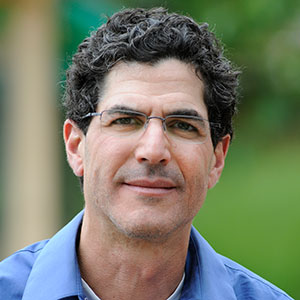
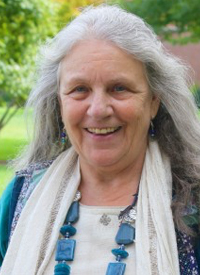
Maja KORICA is a Full Professor of Strategic Management at IÉSEG School of Management in France. She holds a DPhil in Management Studies from the University of Oxford. Her academic roles include previous positions as Reader in Management and Organisation at Warwick Business School (2021–2023), Assistant Dean (2017–2019), and earlier roles as Associate/Assistant Professor there (2013–2021). Her research focuses on strategy, sustainability, organizational behavior, healthcare management, and pedagogy in management education. She has contributed to understanding managerial work dynamics, knowledge mobilization in healthcare, and innovative teaching methodologies like structured shadowing. Her research spans topics such as CSR, creative industries, and the intersection of aesthetics and organizational style. She has published widely in journals like British Journal of Management , Organization Science , and Management Learning , emphasizing practical and theoretical contributions to management studies. Notable works include analyses of managerial mood work in creative settings and attentional practices of healthcare CEOs. KORICA’s teaching spans undergraduate and postgraduate programs, including Responsible Leadership and International Business Strategy. She has advised on organizational decline in alternative structures, such as coworking cooperatives.
Jenn Brophy is an Assistant Professor of Bioengineering at Stanford University, developing technologies for genetic engineering of plants and microbes to address environmental stress resilience and agricultural sustainability. Her lab focuses on synthetic genetic circuits for plant root reprogramming and stress response optimization. B.S. in Bioengineering, UC Berkeley (2010) Ph.D. in Biological Engineering, MIT (2016) Postdoctoral Fellow, Stanford University (Biology) Research spans synthetic biology, plant genetics, and microbiome engineering, emphasizing climate adaptation and sustainable biotechnology. Current projects include: Plant-microbe interaction engineering Stress-responsive biosensors High-throughput genetic tool development Plant cell atlas integration Sustainable laboratory practices Her recent publications highlight advances in recombinase circuits, root architecture engineering, and plant cell mapping, with applications in climate resilience and microbiome design. Collaborators include José Dinneny (Stanford) in plant synthetic biology research.
Courtney N. Reed is a Lecturer in Digital Technologies at Loughborough University London, where she joined in November 2023. She maintains a dual role as a visiting research fellow at the Max Planck Institute for Informatics. Her academic journey includes a BMus in Electronic Production and Design from Berklee College of Music (2016), followed by an MSc (2018) and PhD (2023) in Computer Science from Queen Mary University of London. Prior to her current position, she completed postdoctoral research at both the Max Planck Institute for Informatics and King's College London. Bachelor of Music: Electronic Production and Design, Berklee College of Music (2016) Master of Science: Computer Science, Queen Mary University of London (2018) Doctor of Philosophy: Computer Science, Queen Mary University of London (2023) Dr. Reed's research explores the entangled relationships between humans, bodies, instruments, and technology in music interaction, with particular focus on vocal electromyography (VoxEMG) and the vocalist-voice relationship. Her work incorporates feminist and post-human theories to examine sociopolitical contexts within arts technology, aiming to design for creativity while acknowledging individual, messy bodies in artistic practice. She has developed an open-source platform for vocal electromyography to investigate how biosignal feedback changes understanding and perception of the body in vocal performance. Her interdisciplinary approach bridges music technology, human-computer interaction, and embodied interaction studies. Analysis of Dr. Reed's recent publications (2023-2025) reveals a strong thematic focus on embodied interaction in music technology, with particular emphasis on vocal performance, biosignal feedback, and the philosophical underpinnings of digital instrument design. Her work consistently integrates theoretical frameworks like Karen Barad's agential realism with practical applications in digital musical instruments. Key trends include the exploration of ambiguity in data representation, the sociocultural dimensions of timbre in instrument design, and the development of novel methodologies for understanding embodied musical experiences through micro-phenomenology and ethnographic approaches. ACM SIGCHI Outstanding Dissertation Award (2024) for her thesis 'Imagining & Sensing: Understanding and Extending the Vocalist-Voice Relationship Through Biosignal Feedback' Best Newcomer Award at Loughborough University London's Community Awards Celebration (2024) Dr. Reed actively contributes to the academic community through conference organization and leadership roles. She serves as Member-at-Large on the NIME Board, previously chaired papers for NIME 2024, and co-organized the IBM SkillsBuild Sprint at Loughborough London. She has also chaired sessions at the ACM TEI Conference and co-chaired the Student Design Competition. Her collaborative work spans multiple institutions and includes significant contributions to interdisciplinary projects that bridge music, technology, and human experience. She has been instrumental in developing the senSInt research group and the RaveNET wearable network project. Dr. Reed leads the senSInt research group which focuses on sensorimotor interaction in music and performance contexts. The group develops innovative technologies including the VoxEMG platform for vocal electromyography, the Bones anti-corset for vocal performance, and the RaveNET network of wearable biosensing nodes. These projects explore the intersection of biosignals, embodied interaction, and musical expression, creating novel frameworks for understanding how technology mediates human creativity and performance. The group frequently collaborates with musicians, technologists, and theorists to develop and test these systems in real-world performance contexts.
Trista Vick-Majors is an Assistant Professor in the Department of Biological Sciences within the College of Sciences and Arts at Michigan Technological University. Her research bridges microbial ecology and biogeochemistry in aquatic ecosystems, with specialized focus on polar environments and ice-covered systems. Her educational background includes a PhD and MSc in Ecology and Environmental Sciences from Montana State University, and a BA in Biology from Colorado College. This foundation supports her investigation of microbial community interactions with elemental cycles in extreme environments. Research interests center on microbial ecology in cryosphere systems , examining how physical and chemical factors influence microbial metabolism in both seasonal ice environments and permanent Antarctic ice covers. Her work addresses critical questions about energetic constraints on microbial life during ecosystem transitions and seasonal changes, with implications for global biogeochemical cycles. Publication trends reveal consistent contributions to Antarctic subglacial lake research since 2016, with recent work focusing on Mercer Subglacial Lake sediment analysis, biogeochemical connectivity beneath ice sheets, and microbial responses to environmental change. Her research spans glaciology, limnology, and microbial ecology with strong interdisciplinary collaboration. Current research is supported through major Antarctic science initiatives including the Subglacial Antarctic Lakes Scientific Access project and Winter Network Project, providing field opportunities in extreme environments and access to specialized drilling and sampling technologies for subglacial exploration. Her laboratory work emphasizes environmentally clean access to pristine subglacial environments, with research groups focused on microbial community analysis in ice-covered aquatic systems and biogeochemical processes in polar sediments.
Dr. David Wright is a Professor in the Department of English and Technical Communication at Missouri University of Science and Technology (Missouri S&T). He joined the faculty in 2007 after prior roles at NASA’s Education Project, Oklahoma state government, and the software industry. He holds a Ph.D. in Technical Communication (Oklahoma State University, 2007), an M.S. in Higher Education Administration (1996), and a B.S. in Organizational Psychology (1993), all from Oklahoma State University. His research focuses on smart home technology and artificial intelligence, particularly examining human-AI interaction through usability and user experience (UX) testing. He also explores technology diffusion, technical communication practices in emerging technologies, and educational methodologies for technical fields. His work integrates interdisciplinary approaches, blending engineering, sociology, and computer science. Recent publications highlight his contributions to IoT usability, smart home adoption challenges, and the intersection of AI ethics with virtual assistants. He has also authored studies on knowledge graph design, technical documentation in software development, and educational initiatives in computer science and healthcare. Dr. Wright teaches courses in technical writing, usability studies, and web-based communication. His academic service includes curriculum development and advising on technical communication pedagogy. While no specific awards are listed, his extensive publication record reflects sustained scholarly impact in his fields.
Abraham D. Stroock is an Assistant Professor at the School of Chemical and Biomolecular Engineering, Cornell University, since 2003. He holds a B.A. in Physics (Cornell, 1995), M.S. in Solid State Physics (University of Paris, 1997), and Ph.D. in Chemical Engineering (Harvard, 2002). His research bridges microfluidics, biophysics, and sustainable energy. Education: B.A., Physics, Cornell University (1995) M.S., Solid State Physics, University of Paris VI/XI (1997) Ph.D., Chemical Engineering, Harvard University (2002) The Stroock Lab explores micrometer-scale chemical processes inspired by plant biology, focusing on liquid manipulation, negative-pressure water properties, vascular development in tissue engineering, and fluid mechanics in microsystems. Key technologies include microtensiometers and nanoporous membranes . His recent work (2025-2024) spans optical phenotyping using soft robotics, hydromechanical signaling in plants, tissue scaffolds for regenerative medicine, and advanced models for transpiration control. These studies integrate bioengineering, nanotechnology, and environmental science. Scientific Awards: Van Ness Lectureship (2010) Camille Dreyfus Teacher Scholar Award (2009) NSF CAREER Award (2008) MIT Technology Review TR35 (2007) ONR Young Investigator Award (2004) 3M Non-Tenured Faculty Award (2006) Beckman Young Investigator Award (2006) Dreyfus New Faculty Award (2003) He has led projects on superheated loop heat pipes , phosphorescent oxygen sensors , and synthetic tree-on-a-chip systems. His teaching includes advanced biomolecular engineering (ChemE 7770), and he contributes to policy through the Chemistry and Chemical Biology (CBE) Policy Committee.
Pan Xu is a tenure-track assistant professor with joint appointments in the Department of Biostatistics & Bioinformatics, Department of Computer Science, and Department of Electrical & Computer Engineering at Duke University's Pratt School of Engineering. Prior to joining Duke, he was a Postdoctoral Scholar Research Associate at the California Institute of Technology, and he earned his Ph.D. in Computer Science from UCLA. His research bridges theoretical foundations with practical applications in machine learning and artificial intelligence. Dr. Xu's research focuses on developing computationally- and data-efficient machine learning algorithms with strong theoretical guarantees, particularly in reinforcement learning, optimization, and high-dimensional statistics. His work addresses two fundamental challenges in sequential decision-making: efficient exploration with minimal interactions and robustness against distributional shifts. His research spans theoretical algorithm design, practical implementation, and real-world applications in bioinformatics and healthcare. His publication record demonstrates consistent high-impact contributions to top-tier conferences including ICML, NeurIPS, ICLR, AAAI, and AISTATS. The research trends show a progression from foundational work in non-convex optimization and multi-armed bandits toward increasingly sophisticated frameworks for robust reinforcement learning, with particular emphasis on distributional robustness, efficient exploration strategies, and practical applications. His work often bridges theoretical guarantees with empirical validation. NSF award on approximate sampling based exploration for sequential decision making Whitehead Scholar award from Duke University School of Medicine PIMCO Postdoctoral Fellowship in Data Science UCLA Outstanding Graduate Student Research Award Rising Stars in Data Science by University of Chicago Best Paper Award for Queer In AI: A Case Study in Community-Led Participatory AI at FAccT 2023 Featured Certification for Wasserstein Distributionally Robust Policy Evaluation and Learning for Contextual Bandits at TMLR Oral Presentation award at AAAI 2024 Dr. Xu actively mentors students and researchers, seeking highly motivated individuals with strong mathematical backgrounds for Ph.D. programs in Biostatistics & Bioinformatics, Computer Science, and Electrical & Computer Engineering at Duke. He has received multiple research grants including an NSF award on approximate sampling based exploration for sequential decision making. His service to the academic community includes roles as area chair for NeurIPS, ICML, ICLR, and AISTATS, as well as action editor for Transactions on Machine Learning Research. His research group develops algorithms that address fundamental challenges in sequential decision-making, with applications spanning healthcare, bioinformatics, and multi-agent systems. Current research directions include distributionally robust reinforcement learning, efficient exploration strategies, and applications of graph neural networks to biological problems.
Dr. Andrea K. Rorrer is a full-time Professor at the University of Utah's College of Education, Department of Educational Leadership and Policy, and serves as Director of the Utah Education Policy Center (UEPC). With 35 years of education experience, she has held roles as a teacher, principal, policy analyst, and researcher. Her academic career at the University of Utah includes promotions from Assistant Professor (2002-2009) to Associate Professor (2009-2014) and Professor since 2014, alongside serving as Associate Dean for Research from 2014-2023. PhD in Educational Leadership & Policy, University of Texas at Austin (2001) MS in Educational Leadership & Policy, University of Virginia (1995) Dr. Rorrer's research focuses on the intersection of educational leadership, policy implementation, and systemic change with equity as a central theme across early childhood, K-12, and higher education. Her work examines leadership preparation programs, charter school effectiveness, policy mediation, and institutional factors affecting educational outcomes. Recent publications highlight: Leadership preparation program features influencing career intentions (2025) Personalized learning software's impact on teacher-student dynamics (2024) Turnaround reform frameworks (2018) Charter school mobility patterns (2019) Homeschool policy analysis (2012) Scientific recognition includes: UCEA Master Professor Award (2020) College of Education Research Award AERA Dissertation Award (2001) Culbertson Award for early-career contributions Mentorship has been central to her career, with 35 doctoral chairs and 44 committee memberships since 2002. Current teaching activities include Thesis Research and Ed.D. Capstone Project courses.
Rachel Ruderman is a Clinical Associate Professor in the Department of Obstetrics and Gynecology-Generalists at the University of Chicago. Her research focuses on maternal health, postpartum care, and reproductive medicine, particularly addressing disparities in low-income populations and clinical outcomes in pregnancy-related interventions. Her recent work includes validation of patient-reported outcome measures for medication adherence in pregnant patients (2024) and analyses of postpartum care barriers in underserved communities (2023). She has contributed to studies on COVID-19 vaccination safety during pregnancy (2022), paternal genetic influences on embryonic aneuploidy (2022), and mental health impacts of recurrent pregnancy loss (2020). Her research spans Maternal Health Reproductive Medicine Public Health Equity Clinical Diagnostics Behavioral Sciences . Her collaborative publications highlight partnerships with researchers such as Premkumar, Ashish and McQueen, DB, addressing challenges in obstetric care delivery and translational genetics. Current projects explore patient navigation systems and equitable access to postpartum services.
Andrew Riseman serves as an Associate Professor in the Department of Applied Biology within the Faculty of Land and Food Systems at the University of British Columbia. His academic work bridges sustainable agricultural systems, plant breeding, and educational innovation, with particular emphasis on integrated crop-livestock models and urban farming applications. His educational background includes: PhD from Pennsylvania State University (1997) MSc from Pennsylvania State University (1990) BSc from Pennsylvania State University (1984) Riseman's research program investigates plant genetics for sustainable production systems, focusing on intercrop interactions, nutrient use efficiency, root physiology, and biotic/abiotic stress resistance. He develops germplasm specifically for multi-trophic production environments and urban agriculture contexts. Complementing his biological research, he actively engages in the Scholarship of Teaching and Learning and Community Based Action Research, with interests in critical thinking pedagogy and technology-enhanced educational environments. Analysis of his 2011-2015 publications reveals consistent investigation into intercropping dynamics (wheat-bean, barley-pea), nutrient cycling, and water management across diverse cropping systems. Key contributions include evaluations of organic production methods, root architecture variation, and sustainable rice intensification techniques, demonstrating a systems-oriented approach to agroecological challenges. No scientific awards or honors were documented in the provided source material. As a graduate supervisor, Riseman mentors students in UBC's Integrated Studies in Land and Food Systems and Plant Science programs. His research portfolio includes funded projects on bioactive agricultural formulations, plant genetics in intercropping systems, and nitrogen source evaluations in organic production. Educational grants have supported his development of computer simulations for plant breeding education and scaffolded experiential learning initiatives within Land and Food Systems curriculum. Riseman maintains active affiliation with the Centre for Sustainable Food Systems at UBC Farm and the Diversified Agroecosystem Cluster. He champions the UBC Farm as a vital academic resource for sustainable food system research, teaching, and community outreach, viewing its continued evolution as essential to advancing land and food systems scholarship.
Roni Berger, PhD, is a Professor at Adelphi University's School of Social Work with over 30 years of academic experience. Her research focuses on trauma in cross-cultural contexts, immigrant/refugee experiences, and posttraumatic growth. She holds clinical credentials as a Licensed Clinical Social Worker (NYS) and Clinical Family Therapist (AAMFT). Education includes: Ph.D. from The Hebrew University of Jerusalem (1994) Psychotherapy certification from Tel Aviv University (1977) MSW and BSW from The Hebrew University of Jerusalem (1974, 1969) Her research examines how sociopolitical environments shape trauma responses across diverse populations including immigrants, refugees, and religious communities. Current investigations explore cultural mediators of posttraumatic growth, trauma-informed pedagogy, and qualitative methodologies for marginalized groups. Publication analysis reveals consistent focus on: cultural competence in trauma care, immigrant mental health interventions, innovative qualitative methodologies, and social work education reform. Recent work addresses pandemic-related pedagogical challenges and cross-cultural manifestations of psychological distress. Awards include: Two Fulbright Awards (Hong Kong 2007, Tel Aviv 2011) President Research Award (2004) NATO Science for Peace sponsorship (2012) Notable advising includes chairing 20+ dissertations on trauma, cultural identity, and marginalized populations. Secured multiple grants including from Fulbright, NATO, and Adelphi University for studies on cultural trauma and community resilience. Leads international educational initiatives in Israel, Ghana, Nepal, and Hong Kong. Directs global trauma education programs, including intensive courses in Israel examining Holocaust intergenerational trauma, security stress, and immigrant experiences. Developed cross-university collaborations in Australia and Hong Kong to advance trauma-informed curriculum development.
Ciara Atkinson serves as an Assistant Professor of Practice in the Department of Psychology at the University of Arizona, where she teaches foundational and specialized undergraduate courses including Introduction to Psychology (PSY 101), Social Psychology (PSY 360), and Research Methods (PSY 290A). Her pedagogical philosophy centers on making psychological science accessible through real-world applications, hands-on activities, and critical thinking development that connects theory to students' everyday experiences. Her academic credentials include: B.S. in Psychology from Otterbein University (2017) M.A. in Psychology from the University of Arizona (2019) Ph.D. in Social & Personality Psychology from the University of Arizona (2022) Dr. Atkinson's research investigates how societal expectations and gender stereotypes shape roles and identities, with particular focus on inequalities in helping-oriented occupations. Her work examines the gender roles inhibiting prosociality (GRIP) model, masculinity threats as barriers to communal engagement, and cross-national analyses of gender norms in caregiving. She employs experimental and survey methodologies to explore how traditional gender expectations constrain prosocial behavior, especially among men in communal roles. Analysis of her 15 most recent publications (2017-2025) reveals a cohesive research trajectory centered on gender dynamics in social psychology. The majority examine how traditional gender roles inhibit prosocial behavior through mechanisms like perceived backlash, masculinity threats, and policy influences, with strong methodological emphasis on cross-national comparisons (across 37-48 countries) and controlled experiments. Key thematic threads include pandemic impacts on domestic equality, AI-generated gender bias, and interventions promoting men's emotional flexibility for gender equity. Prior to her faculty appointment, she worked as a research analyst and program evaluator with the Community Research, Evaluation and Development (CRED) Team in the Norton School of Family and Consumer Sciences, Student Affairs, and the UA Cancer Center. These collaborations demonstrate her applied approach to program evaluation and community-focused research on gender dynamics in institutional settings.
Pavel Panchekha is an Assistant Professor in the School of Computing at the University of Utah, where he holds the Warnock Chair for Junior Faculty. His research spans programming languages, web browsers, and numerical analysis, with a focus on developing programming language techniques to address challenges across computer science. Dr. Panchekha received his educational training at prestigious institutions: PhD in Computer Science from the Paul G. Allen School for Computer Science and Engineering at the University of Washington, advised by Michael D. Ernst and Zachary Tatlock BS in Mathematics from MIT Panchekha's research program has two major thrusts. First, he works on web browser internals , with projects including fuzzing layout invalidation, multi-tenant garbage collection, and optimizing 2D graphics. He is also authoring a textbook on web browsers that informs much of this research. Second, he focuses on automatic numerical analysis , with projects such as automatic accuracy improvement, synthesis via term rewriting, scalable static accuracy analysis, and math library implementation. He leads the FPBench and Herbie projects, which are major deployments of his research. His scholarly output demonstrates consistent contributions across programming languages, verification, and numerical methods. Recent work shows a growing emphasis on bidirectional typing systems, layout invalidation in browsers, and robust floating-point error analysis. His publications reveal a trajectory from foundational work on floating-point accuracy (notably the Herbie tool that won a Distinguished Paper Award at PLDI 2015) toward more comprehensive systems for program synthesis, verification, and browser optimization. Panchekha has received significant recognition for his research contributions: NSF Fellowship ARCS Foundation Fellowship Adobe Research Fellowship Wissner-Slivka Foundation Fellowship 2015 PLDI Distinguished Paper Award for work on the Herbie numerical analysis and repair tool As an advisor, Panchekha mentors a substantial group of students across multiple levels. He currently advises six students: Marisa Kirisame (PhD), Bhargav Kulkarni (PhD), Yumeng He (PhD), Artem Yadrov (MS), Jesus Ponce (BS), and Jonas Regehr (BS). Previously, he has advised over twenty students including PhD candidates like Ian Briggs and numerous MS and BS students. His advising spans theoretical topics in programming languages and practical applications in web browsers and numerical computing. Panchekha leads research groups focused on programming languages applications to web browsers and numerical analysis. His work on the Herbie tool for floating-point accuracy improvement has become influential in the programming languages community, and his more recent work on browser internals is shaping how researchers understand and optimize modern web rendering engines. He is currently developing a textbook on web browsers that aims to synthesize knowledge about browser architecture and implementation.
Dr. Yu Huang is an Assistant Professor in the Department of Computer Science at Vanderbilt University's School of Engineering, with a secondary appointment in the Department of Teaching and Learning at the Peabody School of Education. She is affiliated with the Institute for Software Integrated Systems, the Frist Center for Autism and Innovation, the Vanderbilt Lab for Immersive AI Translation (VALIANT), and the Vanderbilt LIVE Learning Innovation Incubator. Her academic journey began with a BS in Aerospace Engineering from Harbin Institute of Technology in China (2011), followed by an MS in Computer Engineering from the University of Virginia (2015), and culminated with a PhD in Computer Science and Engineering from the University of Michigan in 2021 under Professor Westley Weimer. Dr. Huang's research bridges human cognition and machine intelligence to enhance software development. Her work spans software, hardware, AI, medical imaging (fMRI/fNIRS), eye tracking, and mobile sensing through collaborations with Security, Education, Psychology, and Neuroscience researchers. She leads the MIND Lab (Mixed INtelligence Development for programming lab), investigating programming expertise formation, code comprehension processes, cognitive error patterns, and diversity in programming communities. Her innovative approach combines empirical human studies with AI model development to create more effective programming tools. Her recent publications reveal a growing emphasis on leveraging human attention data to improve code language models, analyzing cognitive biases in security contexts, and examining social factors in technical communication. The research shows strong interdisciplinary connections between neuroscience, psychology, and software engineering, with increasing applications of LLMs in developer tooling. Dr. Huang's work consistently demonstrates how understanding human cognition can inform better AI systems for programming tasks. Dr. Huang has received numerous prestigious recognitions including the 2025 ICPC Vaclav Rajlich Early Career Achievement Award and three ACM SIGSOFT Distinguished Paper Awards (ICSE 2019, FSE 2023, ICSE 2024). Her lab has earned the Best Presentation Award at GI2024, while her students have received the Richard Bennett/Dorothy Danforth Compton Prize scholarship and the C. F. Chen Best Paper award. She actively mentors a diverse team of graduate students (Yifan Zhang, Zach Karas, Zihan Fang, Yueke Zhang, Jiahao Zhang) and undergraduate researchers, with many former students advancing to top institutions (Stanford, Harvard, Duke, UC Berkeley) and organizations (NASA JPL). Her research is supported by a 4-year NSF grant, GitHub Tech for Social Good funding, and the Provost's Faculty Immersion Vanderbilt Grant, enabling comprehensive studies of human-AI collaboration in software engineering. The MIND Lab maintains a strong collaborative culture, frequently working with Professor Kevin Leach's research group and organizing retreats to locations like Radnor State Park and the Great Smoky Mountains. This environment fosters innovation at the intersection of human cognition and software engineering while supporting the professional development of emerging researchers in the field.
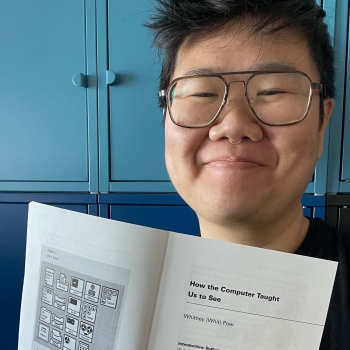
Whitney (Whit) Pow is an Assistant Professor of Media, Culture, and Communication at the Steinhardt School of Culture, Education, and Human Development, New York University. Their research focuses on transgender media studies, trans of color critique, queer theory, and the intersection of these fields with electronic art, video game history, and computer history. Pow’s current book project examines how trans programmers and game designers contested computational limitations to critique institutional systems. Their work analyzes how state surveillance and biopolitical processes—mediated through documents like birth certificates and diagnostic manuals—intersect with computational systems like AI and software. Research interests include: Reparative video game history Queer orientations in software interfaces Glitch studies as trans historiography Racialized surveillance in digital systems Recent articles highlight themes like computational metaphors’ entanglement with medical surveillance (Camera Obscura, 2024) and the necessity of software studies for critical game studies (Just Tech, 2024). Earlier work (Feminist Media Histories, 2021) explores glitches as trans resistance in digital art. A 2019 essay in ROMchip advocates for archival recovery of trans game designers like Dani Bunten Berry. No scientific awards listed. Research grants or advising roles are not detailed in available texts. Pow’s lab/team work centers reparative digital historiography and antiracist methodologies in media studies.