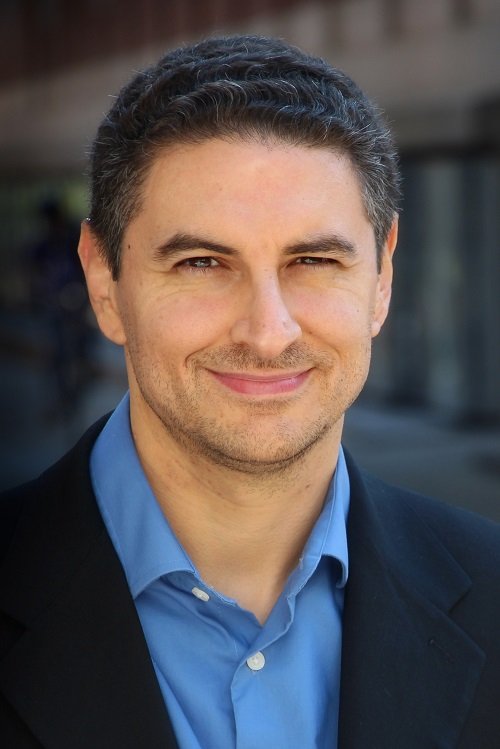
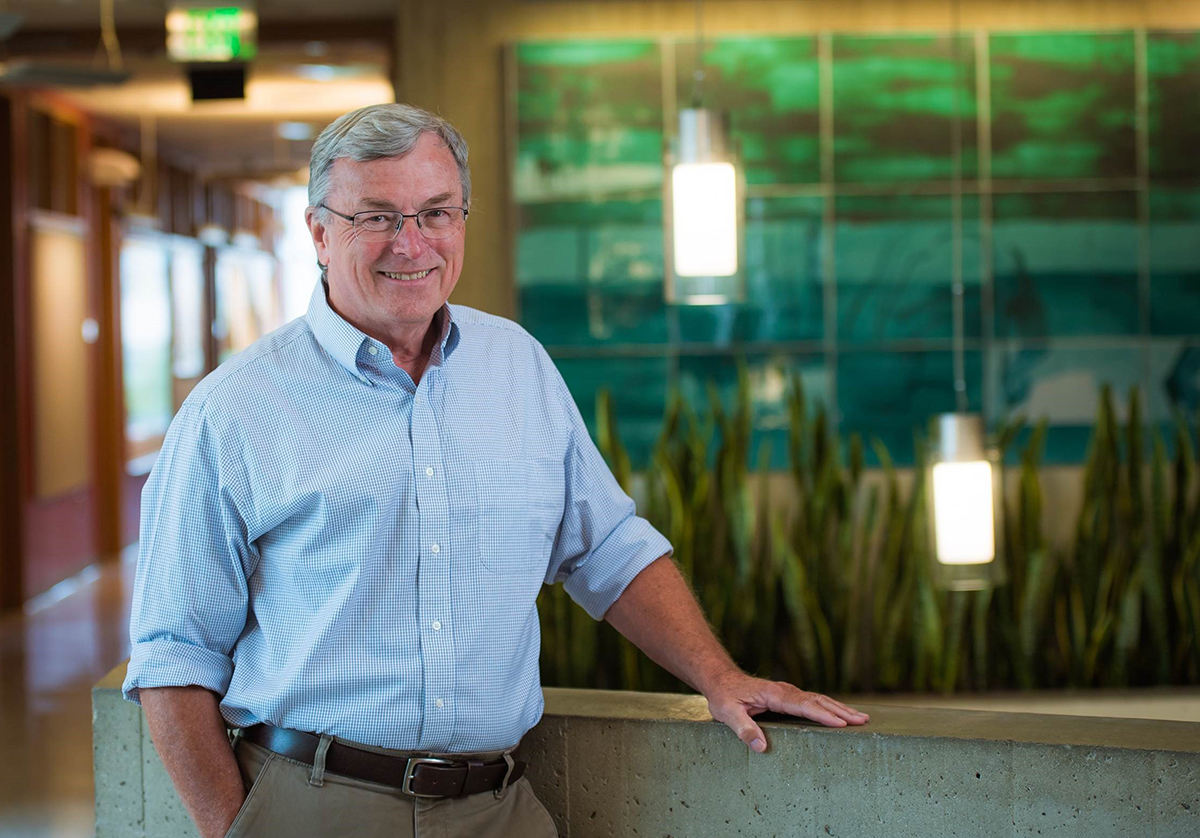
Michael McAlpine is a Professor in the Mechanical Engineering department at the University of Minnesota . He also holds affiliations with the Biomedical Engineering and Electrical and Computer Engineering departments. His research focuses on 3D printing functional materials & devices , Nanoscale inks , Biomedical devices , Bioelectronics , and Flexible Microsystems . Research Interests : 3D Printing, Biomedical Engineering, Nanotechnology, Flexible Electronics, Microfluidics Labs : ME 361/363 Contact : mcalpine@umn.edu , (612) 626-3303, ME 117 Recent Research Trends include 3D Printed Biomedical Devices , Flexible Electronics , and Bioprinting Applications . His work spans from Spinal Organoid Formation to Programmable Drug Release Capsules . Scientific Award : Circulation Research 2020 Best Manuscript Award
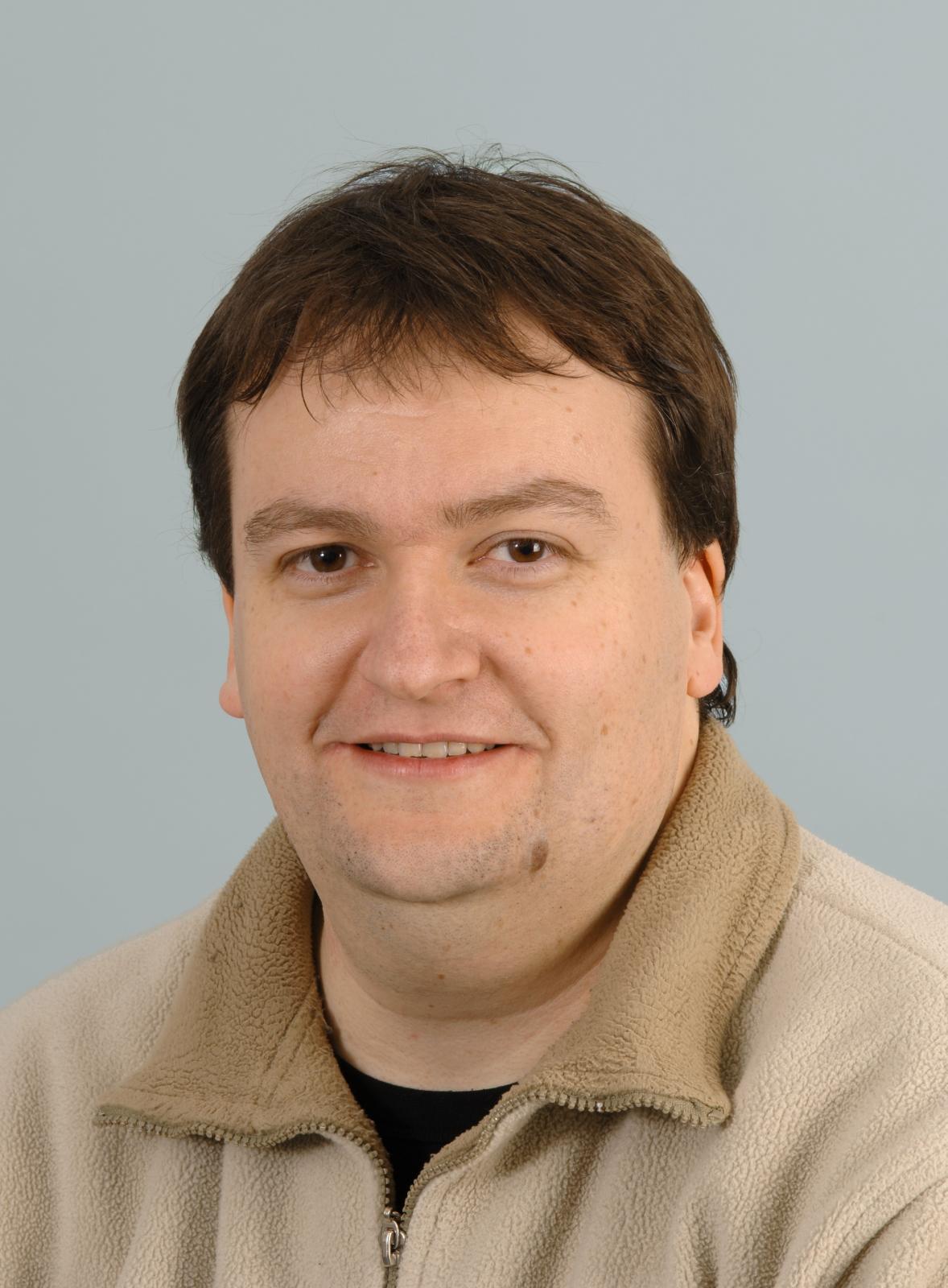
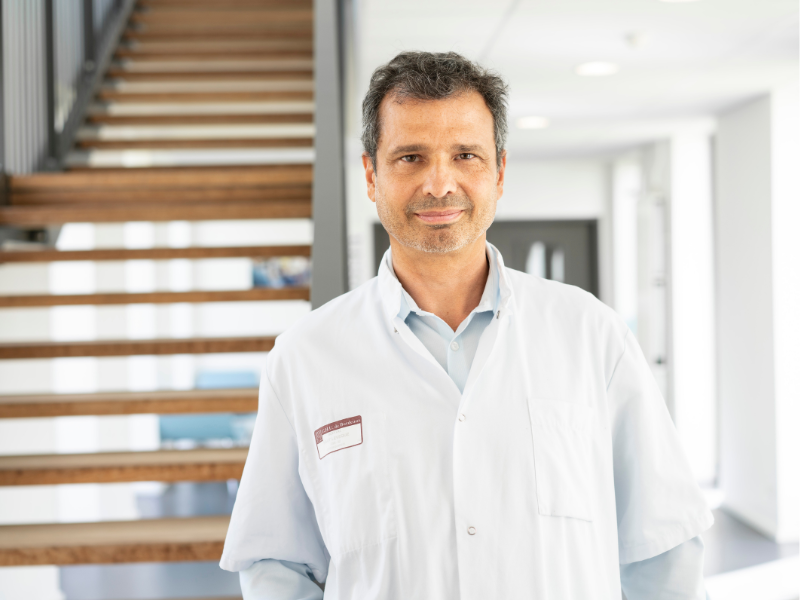
Prof. Dr. André Rubbia is a Full Professor of Experimental Physics at ETH Zurich's Department of Physics, holding this position since December 2003 after serving as Associate Professor from 1998. His research spans neutrino physics, astro-particle physics, and dark matter detection through major international collaborations including CERN, Gran Sasso National Laboratory, and Fermilab. He currently serves as Co-Spokesperson for the billion-dollar DUNE neutrino project at Fermilab, managing over 900 scientists. His educational background includes: Diploma in Physics from the University of Geneva (1990), with thesis work on the L3 experiment at CERN's LEP accelerator Ph.D. in Physics from MIT (1993) under Nobel Laureate S.C.C. Ting, focusing on high-energy electron-positron collisions Rubbia's research centers on fundamental particle interactions, particularly neutrino oscillations and physics beyond the Standard Model. He pioneered liquid Argon Time Projection Chamber (LAr TPC) technology and dual-phase detection systems, enabling breakthroughs in neutrino mass measurements and dark matter searches. His work spans underground laboratories (Gran Sasso, Canfranc), the LHC's CMS detector, and neutrino beam experiments like T2K. Recent explorations include antimatter gravity tests, electron-positron bound states, and dark hidden sector searches. His 2025 publications reveal intense focus on neutrino oscillation parameter precision (T2K, Hyper-Kamiokande), FASER's LHC neutrino program, and DarkSide-20k dark matter detector development. Key themes include cross-section measurements, advanced detector technologies (SiPMs, emulsion tracking), and statistical methods for oscillation analysis, reflecting integration of theoretical modeling with cutting-edge instrumentation. Scientific recognition includes: Breakthrough Prize for Fundamental Physics (2016) awarded to the international team for discovering matter-anti-matter asymmetry in neutrino oscillations APS Viewpoint selection for editing the paper announcing first electron neutrino appearance at accelerators Rubbia has supervised over fifty PhD and Master's theses while securing substantial research funding as Principal Investigator for 20+ Swiss National Science Foundation projects and Coordinator of two EU FP7 Design Studies. His DUNE leadership involves complex international grant management across 30+ countries. He leads ETH Zurich's experimental particle physics group across multiple facilities: the ICARUS neutrino detector at Gran Sasso, CMS at CERN, DUNE at Fermilab, and DarkSide-20k for direct dark matter detection. His team developed the first underground ton-scale liquid argon detector and maintains collaborations with Japanese (Super-Kamiokande) and American (Fermilab) institutions.
Assoc Prof Ng Teng Yong is an Associate Professor at the School of Mechanical & Aerospace Engineering (NTU), specializing in numerical modeling and simulation. With a background as Research Manager at A*STAR Institute of High Performance Computing, his work spans materials science, nanotechnology, and aerospace engineering. Current focus on graphene-based desalination membranes Expertise in molecular dynamics simulations Investigates nanoscale fluid mechanics and structural dynamics Recent publications highlight advancements in energy-efficient electrodialysis, smart robotics, and nonlinear vibration analysis. His interdisciplinary approach integrates computational methods with experimental validation in additive manufacturing and soft material mechanics.
Dr. Hongye Zhang serves as a Lecturer in Superconducting and Cryogenic Electric Machines at the School of Engineering, University of Edinburgh, while maintaining a Visiting Research Fellow position at the University of Manchester. He actively contributes to the European Society for Applied Superconductivity (ESAS) as a Board Member and chairs the international HTS 2026 workshop. His educational foundation includes: BSc and MSc in Electrical Engineering from Xi’an Jiaotong University (2015, 2018) Diplôme d’ingénieur (MEng) from École Centrale de Lyon (2018) PhD in Applied Superconductivity from the University of Edinburgh (2021) Dr. Zhang’s research centers on decarbonizing transport through superconducting/cryogenic electric machines for hydrogen-powered aircraft, integrating artificial intelligence with superconductor technology and cryogenic techniques. His work targets net zero emissions by developing high-power-density propulsion systems that leverage hydrogen energy and advanced numerical modeling of superconductors. Analysis of his 2022-2025 publications reveals dominant themes in superconducting machine design for wind energy and electric aviation, with significant contributions to loss mitigation, flux pump technology, and trapped field magnet applications. His research bridges fundamental superconductor characterization with practical system integration for renewable energy. Recognized with the 2021 IEEE Council on Superconductivity Graduate Study Fellowship, his professional engagements include: Early Career Editorial Board Member for Elsevier’s Superconductivity journal Technical Editor for IEEE Transactions on Applied Superconductivity Program Committee Member for SMT 2023 He leads critical research within the £54-million H2GEAR project developing hydrogen-electric aircraft propulsion, while teaching Power Engineering 2 and Electrical Machines courses. His advisory roles span doctoral supervision and industry collaboration through Energy Systems research institute. Based at the University of Edinburgh’s Faraday Building, Dr. Zhang directs a research group focused on hydrogen energy applications and superconducting machine testing, with strong ties to the H2GEAR consortium and ESAS working groups.
Sanna Syri is a Professor at Aalto University's School of Engineering , specifically within the Department of Energy and Mechanical Engineering . Her research focuses on large-scale energy systems, emphasizing climate change mitigation through innovative electricity market strategies and sustainable district heating solutions. Research Interests : Climate-resilient energy systems Electrification of district heating Data center waste heat utilization Renewable energy integration Green hydrogen production Recent Work examines Nordic electricity market dynamics, cold climate energy challenges in Finland and Japan, and the economic implications of electrified district heating systems. Her publications address critical energy transition issues through experimental and modeling approaches. Contact : sanna.syri@aalto.fi
Professor Lorraine Maltby , OBE, is a distinguished academic at the University of Sheffield , specifically within the School of Biosciences and the Department of Animal and Plant Sciences . She currently serves as the Deputy Vice-President for Research at the university (2017–2022). With a career spanning over three decades at the University of Sheffield, she has held various significant roles including Head of the Department of Animal and Plant Sciences (2008-2012) and progression from Lecturer to Professor of Environmental Biology (2004). PhD – University of Glasgow (1984) BSc – University of Newcastle (1981) Research Interests: Professor Maltby is a leading expert in freshwater ecology and ecotoxicology , focusing on the impacts of anthropogenic activities on freshwater ecosystems. Her research examines how pollution and climate change affect these delicate environments and the ecosystem services they provide. She aims to develop a mechanistic understanding of key ecosystem services and the ecological processes that underpin them, particularly how they are affected by human inputs and activities. Her recent publications reflect her research focus on topics such as spatial variation in macroinvertebrate sensitivity to chemicals, linking ecotoxicity to ecosystem service damage , and heterogeneity in biological assemblages for chemical risk assessment. Scientific Awards and Recognition: Officer of the Most Excellent Order of the British Empire (OBE) for services to Environmental Biology and Animal and Plant Sciences (2020) Elected Fellow of the Royal Society of Biology (2021) Elected Fellow of the Freshwater Biological Association (2019) Portrait of a Woman Exhibition (2017) Elected Fellow of the Society of Environmental Toxicology and Chemistry (2016) Society of Environmental Toxicology and Chemistry Environmental Education Award (2009) Society of Environmental Toxicology and Chemistry Exceptional Service Award (2005) Professional Activities: Professor Maltby has significant leadership and service roles in her field, including: Chair of UK-SCAPE Programme Advisory Board Chair of Irish Research Council COALESCE International Review Panel Member of NERC peer review panels Member of European Centre for Ecotoxicology and Toxicology of Chemicals Scientific Committee (2010-) Member of European Food Safety Authority Stakeholder Bureau (2023-) Member of SETAC Panel on Chemicals Management (2023 - )
Akhil Khosla, MD is an Assistant Professor in the Pulmonary, Critical Care & Sleep Medicine department at Yale School of Medicine. He serves as Director of the Pulmonary Embolism Response Team (PERT) and leads resuscitation programs at Yale New Haven Health System. His expertise spans critical care medicine, pulmonary vascular disease, and emergency respiratory conditions. Dr. Khosla’s research focuses on acute cardiovascular emergencies including pulmonary embolism management, post-cardiac arrest care, and temperature control strategies. He has authored over 20 peer-reviewed publications and contributes to clinical trials evaluating outcomes in critical care patients. Key roles include: Director, PERT Program Chair, Cardiac Arrest & Rapid Response Committee Member, American College of Chest Physicians & American Thoracic Society He completed residency and fellowship training at Norwalk Hospital and Yale School of Medicine, specializing in pulmonary and critical care medicine.
Navroz K. Dubash is a Professor at Princeton University's School of Public and International Affairs and High Meadows Environmental Institute. His career spans 25 years of climate policy research and advisory roles, including founding the Sustainable Futures Collaborative in India and serving as IPCC Coordinating Lead Author. Climate governance in development contexts Energy transitions and air quality Indian federalism in climate policy Global climate legal frameworks His recent research focuses on non-incremental climate strategies, co-benefits in low-carbon transitions, and institutional design for climate resilience. He has published over 40 peer-reviewed articles and serves as Co-Editor in Chief of Climate Policy . India's climate policy evolution Global South climate advocacy Climate-Development synergies Multi-objective policy analysis As chair of SFC's Advisory Council and former Indian government advisor, he bridges academic research with real-world climate strategy implementation.
Chen Ran, PhD, is an Assistant Professor in the Department of Neuroscience at Scripps Research in San Diego. His laboratory focuses on understanding how the brain processes internal sensory signals from visceral organs, such as hunger, satiety, nausea, and visceral pain. Using advanced techniques like in vivo two-photon calcium imaging, optogenetics, and circuit tracing, his team maps the functional architecture of brainstem circuits responsible for interoceptive processing. Key contributions include the discovery of a 'visceral homunculus' in the brainstem and the development of novel calcium indicators for high-resolution neuronal activity tracking. Education : PhD in Biology, Stanford University (2017) Bachelor of Science in Biology, Peking University (2011) Research Interests : Dr. Ran’s work integrates experimental and analytical approaches to decode how visceral stimuli are transduced into conscious sensations. Current projects investigate the coding logic of mechanical, chemical, and thermal signals from internal organs, with implications for developing therapies for obesity, diabetes, visceral pain, and eating disorders. The lab employs cutting-edge tools to visualize and manipulate neural circuits in awake behaving mice, linking circuit-level activity to physiological states. Awards & Honors : NARSAD Young Investigator Award (2022) NIH K01 Career Development Award (2023) Simons Collaboration on the Global Brain Award (2022) Harvard Brain Science Initiative Award (2021) Grants & Funding : Supported by NIH, Simons Foundation, and private philanthropy, his research bridges basic science and translational medicine. Current grants focus on brainstem circuit mapping and developing therapeutic targets for interoceptive disorders. Labs & Affiliations : Dr. Ran leads an interdisciplinary team at Scripps Research’s Neuroscience Department, collaborating with engineers, geneticists, and clinicians to advance interoceptive neuroscience.
Professor Mirko Trajkovski leads the Laboratory of Metabolic Diseases at the Faculty of Medicine, University of Geneva. He completed his PhD at the International Max Planck School in Dresden (2005), followed by postdoctoral research at ETH Zurich, before establishing his lab at University College London (2012) and moving to Geneva (2013). His work focuses on adipose tissue plasticity , gut microbiota , and their roles in obesity , diabetes , and insulin resistance . Swiss National Science Foundation Professor (2014) ERC Starting Grant (2014) & Consolidator Grant (2019) Dr Walter Seipp Prize & Carl Gustav Carus Prize (2005) His lab investigates fat browning mechanisms , microbiota-host communication , and multi-tissue metabolic regulation using in vivo , in vitro , and human cohort approaches. Recent publications emphasize microbiome-based therapies , temperature effects on metabolism , and gut-bone-adipose crosstalk . Current advisees include PhD student Silas Kieser, with past members like Jing Xue, Salvatore Fabbiano, and Claire Chevalier contributing to immuno-metabolism and microbial engineering projects.
T. Alan Hatton is a distinguished Professor in the Department of Chemical Engineering within the School of Engineering at the Massachusetts Institute of Technology (MIT). His career spans over four decades with significant contributions to electrochemical separation processes and sustainable engineering solutions. Current research focuses on developing next-generation electrochemical systems for critical environmental challenges. Education: Ph.D., University of Wisconsin, 1981 M.Sc. Eng, University of Natal, Durban, South Africa, 1976 B.Sc. Eng, University of Natal, Durban, South Africa, 1972 Professor Hatton's research centers on electrochemically-mediated separation processes , specifically targeting carbon capture from diverse sources (post-combustion flue gas, ambient air, and ocean water) and advanced water purification systems. His work integrates fundamental transport phenomena with innovative electrochemical engineering to create energy-efficient solutions. Key methodologies include redox-active materials, electro-swing adsorption, and molten salt electrochemistry, with strong emphasis on scalability and real-world implementation. Recent breakthroughs involve oxygen-stable quinone systems for direct air capture and marine carbon dioxide removal technologies. Analysis of his 15 most recent publications (2024-2025) reveals a concentrated focus on electrochemical CO 2 capture and conversion , with 87% of works directly addressing carbon management. Dominant themes include redox-active material design (particularly quinones and iron complexes), process thermodynamics optimization, and novel reactor architectures like fiber sorbents and photoelectrochemical systems. The research demonstrates consistent progression toward practical implementation, with increasing attention to marine carbon removal and integration with renewable energy sources. Scientific Awards: Founding Fellow, AIMBE, 1992 Merck Faculty Development Award, 1989 Class of '22 Career Development Chair, 1988 Presidential Young Investigator Award, NSF, 1985 Everett Moore Baker Award for Excellence in UG Teaching, MIT, 1983 Professor Hatton leads an active research group developing electrochemical separation technologies with significant industry and environmental impact. His laboratory operates at the intersection of fundamental electrochemistry and applied environmental engineering, securing sustained funding for projects targeting carbon capture scalability and water purification innovation. Current efforts focus on translating electro-swing adsorption technology to commercial applications through startup ventures, while maintaining strong educational contributions through MIT's chemical engineering curriculum. The research team maintains collaborations with national laboratories and industry partners to accelerate technology deployment.
Gianfranco Anfora is a Full Professor at the University of Trento, affiliated with both the Department of Civil, Environmental and Mechanical Engineering and the Center Agriculture Food Environment (C3A), where he serves as Deputy Dean. His research focuses on agricultural entomology, biological control, and sustainable pest management. Key expertise areas include integrated pest control, semiochemicals, and viticulture-related challenges. Anfora teaches courses on biopesticides, vine protection, and eco-sustainable management of invasive species. His research emphasizes vibrational communication in pests like Halyomorpha halys and Drosophila suzukii, exploring non-chemical control strategies such as sterile insect techniques and biological control agents. Collaborative projects include classical biological control programs targeting invasive species in vineyards and果园. Anfora’s work often bridges ecology and applied pest management, addressing climate and landscape impacts on agricultural practices. Recent studies highlight innovations in vibrational mating disruption, substrate-borne signaling, and radiation effects on pest behavior. His contributions aim to balance productivity, environmental sustainability, and regulatory compliance within agri-food systems. No scientific awards are explicitly mentioned, but his extensive publication record reflects significant contributions to entomological and agricultural research.
Prof. Pierre Jaïs serves as University Professor in Cardiology and Cardiac Electrophysiology at the University of Bordeaux and Head of the Electrophysiology Unit at Bordeaux University Hospital. He concurrently leads the Electrophysiology and Heart Modeling Institute (LIRYC) as CEO since 2021, driving innovation in cardiac rhythm disorder treatments through multidisciplinary research. His research revolutionized cardiac electrophysiology by identifying pulmonary veins as primary sources of atrial fibrillation, establishing pulmonary vein isolation as the global treatment standard. Current work focuses on pulsed field ablation—a non-thermal technique with potential to replace conventional ablation—and developing advanced imaging for precise arrhythmia targeting, reflecting his commitment to translating scientific discovery into clinical solutions. Analysis of recent publications (2017-2021) reveals dominant trends in pulsed field ablation optimization, comparative ablation techniques, and AI integration in cardiovascular imaging. These works consistently address atrial fibrillation treatment efficacy, safety profiles, and technological innovation, positioning him at the forefront of electrophysiology advancement. His distinguished contributions are recognized through prestigious awards including: 2019: Eli S. Gang Most Innovative Abstract Award (Heart Rhythm Society) 2018: Eric N. Prystowsky Lectureship Award 2012: Academy of Medicine Membership (Paris) 2009: Circulation Best Paper Award Multiple National Academy of Medicine honors Prof. Jaïs actively mentors electrophysiology trainees and secures substantial research funding, notably leading an EU-funded randomized trial comparing pulsed field versus thermal ablation. His LIRYC institute integrates cardiology, engineering, and computational expertise to accelerate therapeutic innovation. The LIRYC institute operates as a collaborative hub where clinicians, biomedical engineers, and data scientists develop next-generation electrophysiology tools. Current projects include real-time arrhythmia mapping systems, tissue-selective ablation protocols, and AI-driven predictive models for treatment personalization, fostering seamless translation from bench to bedside.
Ulrich Vogt is a Professor in Applied Physics at Kungliga Tekniska Högskolan (KTH) and leads the X-ray Optics and Nanoimaging group within the Bio-Opto-Nano unit. He serves as Vice-head of the Applied Physics department for undergraduate education. His research focuses on developing advanced X-ray microscopy techniques, particularly at synchrotron facilities like MAX IV’s NanoMAX beamline. He specializes in X-ray optics, nanoimaging, and diffractive optical elements for applications in materials science, biology, and medicine. Key contributions include the design of the NanoMAX beamline, optimization of X-ray zone plates via metal-assisted chemical etching, and advancements in multi-beam ptychography. Vogt has pioneered compact X-ray microscopy systems using laser-plasma sources and liquid-jet targets. His work integrates nanofabrication, computational imaging, and synchrotron instrumentation to achieve sub-100 nm resolution in hard and soft X-ray regimes. Teaching responsibilities include courses on experimental physics, photonics, and X-ray applications. His lab collaborates internationally on projects like the European XFEL, emphasizing high-brightness sources and radiation-resistant optics. Recent innovations include adaptive multi-beam ptychography and stereo X-ray imaging for 3D nanoscale visualization. Research highlights span over 100 peer-reviewed articles, with a focus on coherence characterization, beamline instrumentation, and nanostructured materials. Vogt’s grants include a Röntgen-Ångström Cluster award supporting multi-beam ptychography and cryo-microscopy advancements.
Carsten Sievers serves as Adjunct Professor in the Department of Chemical and Biomolecular Engineering at Georgia Institute of Technology, where he leads research in sustainable catalytic processes for fuel and chemical production from alternative resources. His work bridges fundamental spectroscopy with industrial reactor design to address petroleum dependence. Education: Diploma, Technical University of Munich, Germany (2003) D.Sc., Technical University of Munich, Germany (2006) Research Focus: Sievers' program integrates fundamental studies using IR, NMR, XAS, and Raman spectroscopy to probe catalyst structure-reactivity relationships with applied research on flow reactor systems for biomass conversion (hydrodeoxygenation, sugar upgrading) and mechanocatalytic polymer depolymerization. Key initiatives target CO 2 -neutral chemical production from biomass and waste plastics, emphasizing catalyst stability and regeneration. Publication Trends: Recent work (2023-2025) reveals a strategic pivot toward mechanocatalysis for plastic recycling (polyethylene, polystyrene) and ammonia synthesis, while maintaining expertise in hydrocarbon catalysis. Dominant themes include reaction environment engineering in ball mills, metastable surface characterization, and process intensification for CO 2 electrolysis. Scientific Recognition: 2012 Young Scientist Award, International Congress on Catalysis 2023 ACS Fellow designation Academic Leadership: As Director and Past President of the Southeastern Catalysis Society, former ACS Division Director, and Editor of Applied Catalysis A: General , Sievers shapes catalysis research direction. His Sievers Group has secured competitive fellowships for students like Yuchen George Change (Eastman Chemical Fellowship) and Victor Brandão (Ziegler Award), reflecting strong mentorship in sustainable reaction engineering. Research Infrastructure: The group operates advanced flow reactors, spectroscopic characterization suites, and mechanochemical systems for in-situ catalyst analysis, supporting collaborations with industry partners on technology translation.