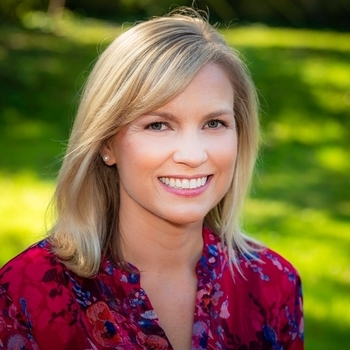
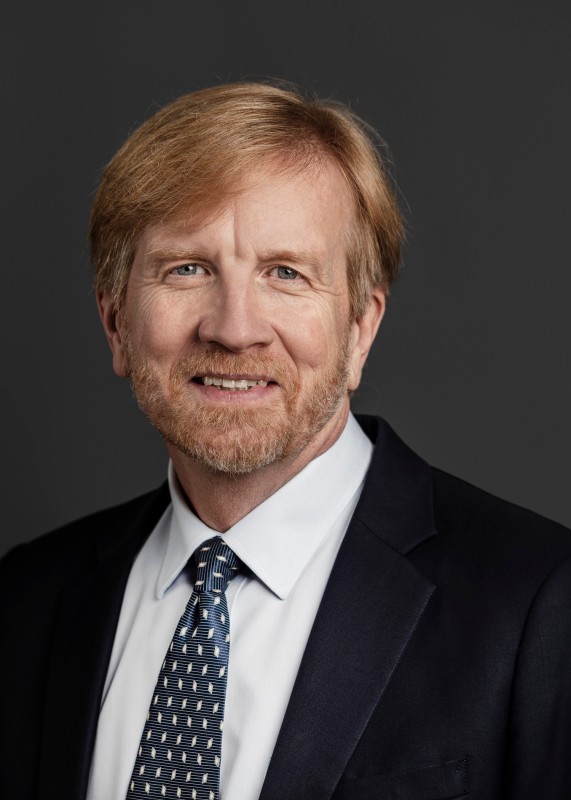
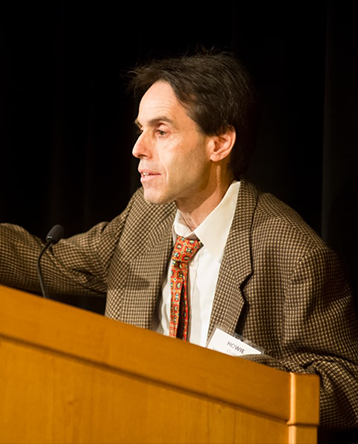
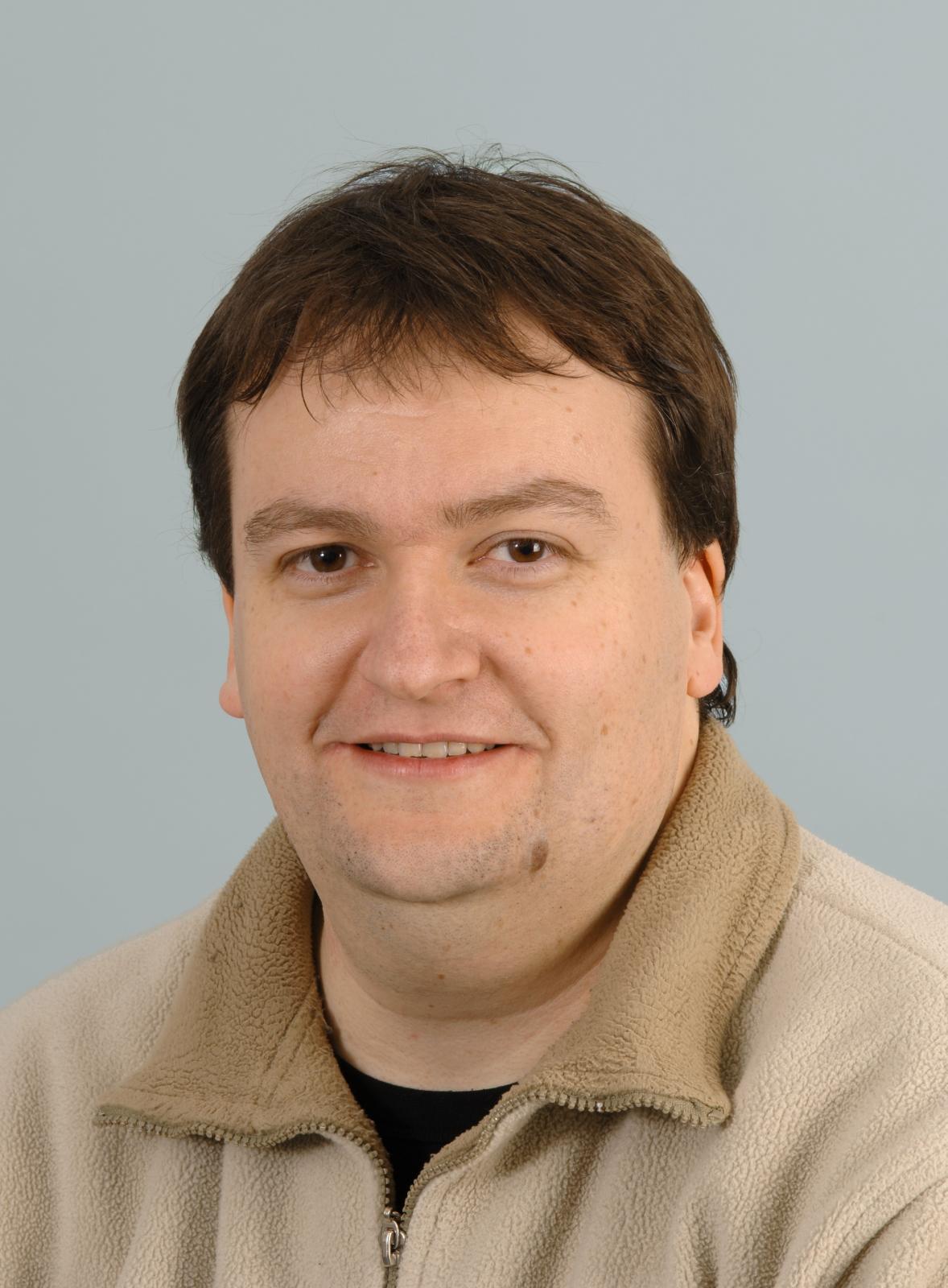
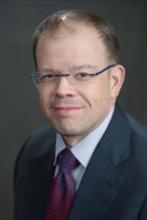
Kelly Arnold is an Associate Professor in the Department of Biomedical Engineering at the University of Michigan. Her research integrates systems engineering principles with immunology to investigate variability in immune responses across infection, vaccination, and injury, with a focus on computational modeling and clinical translation. Research Focus Systems-level immune response modeling Vaccination and antibody functionality Vaginal microbiome-host interactions Chronic lung disease progression Computational serology and proteomics Recent Work Her 2025 studies examine SARS-CoV-2 vaccination responses in cancer patients and computational frameworks for vaginal probiotics. Earlier works (2024-2007) span COPD progression, lupus fibrosis, HIV susceptibility, and tissue engineering for fertility preservation. Methodologies include proteomic profiling, network modeling, and microfluidic systems.
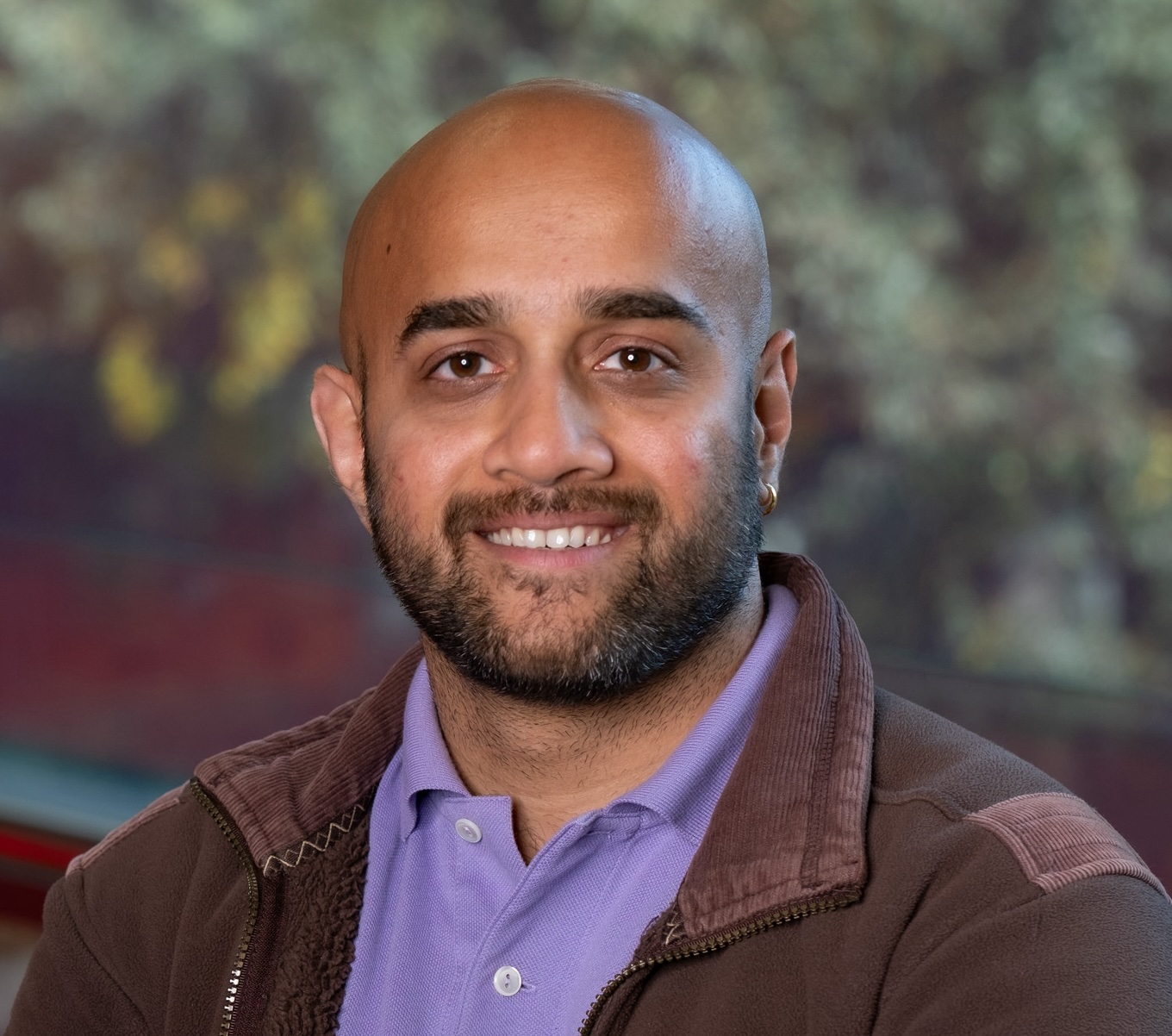
Roberto Manduchi is a Professor of Computer Science and Engineering at the University of California, Santa Cruz, within the Baskin School of Engineering. His primary affiliation is with the Computer Science and Engineering department where he leads research in assistive technology for visual impairments. He holds a Dottorato di ricerca in Electrical Engineering from the University of Padova, Italy, and previously worked at Apple and NASA JPL before joining UCSC in 2001. His research focuses on mobile computer vision, inertial sensors, and location-aware systems to enhance spatial awareness and information access for blind and low-vision individuals. Key research areas include indoor navigation systems, screen magnification for low-vision readers, obstacle detection using augmented reality, and text accessibility assessment through specialized OCR pipelines. His work bridges computer vision, human-computer interaction, and accessibility design. Analysis of his recent publications (2022-2025) reveals strong emphasis on inertial-based indoor navigation (e.g., PALMS localization system, backtracking algorithms), screen magnification usability studies, and novel approaches to scene text access for blind users. His research consistently targets practical applications for visual impairment, with significant contributions to pedestrian dead reckoning, magnetic signature localization, and gaze-contingent interfaces. Manduchi serves on the scientific advisory board of Aira and is a board member of the Vista Center for the Blind and Visually Impaired. He leads the UCSC Computer Vision Lab where his team develops accessible computing solutions. His work includes both theoretical contributions to computer vision and tangible assistive applications, with recent projects focusing on smartphone-based inertial odometry, multi-scale tactile maps, and real-time obstacle cueing systems.
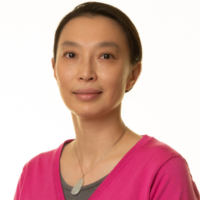
Rong Zheng is a Professor in the Department of Computing and Software and a member of the School of Biomedical Engineering at McMaster University, Canada. She holds a Tier-1 Canada Research Chair in Mobile Computing and serves as Acting Chair of the Computing and Software department from July to December 2025. She is also an Associate Member of the Electrical & Computer Engineering department. Education: Ph.D. in Computer Science, University of Illinois, Urbana-Champaign, USA Master of Engineering (thesis) in Electrical Engineering, Tsinghua University, Beijing, China Bachelor of Engineering in Electrical Engineering, Tsinghua University, Beijing, China Dr. Zheng's research lies at the intersection of mobile computing, wireless networking, and machine learning, with a strong focus on applications for aging populations. She directs the NSERC Smart Mobility for the Aging Population CREATE program. Her work encompasses sensor development, wireless network design, and mobile data analytics to address real-world challenges in healthcare, mobility, and data center monitoring. She has developed innovative solutions like the MacQuest campus navigation app and has captured first prize in indoor localization competitions. Her recent publications demonstrate a clear trajectory toward applying wireless sensing technologies (particularly acoustic, Wi-Fi, and mmWave) to health monitoring and mobility assessment for older adults. There's a strong emphasis on developing efficient edge computing solutions that can process data in real-time on resource-constrained devices, as exemplified by her TeamNet framework for collaborative inference on the edge. Her work bridges theoretical advances with practical applications that have social impact. Scientific Awards: Tier-1 Canada Research Chair in Mobile Computing US National Science Foundation CAREER Award (2006) Joseph Ip Distinguished Engineering Fellow (2015-2018) Dr. Zheng leads the Wireless System Research Group (WiSeR) at McMaster University, which has secured significant funding including a $1.65M NSERC CREATE grant for smart mobility research for older adults. Her research has been supported by multiple funding agencies including NSERC, NSF, UH GEAR, and DURIP. She actively mentors graduate students and has developed specialized courses including CAS 772 (Mobile Data Analytics) and CAS 781 (Mobility in the Aging Population). The WiSeR group conducts impactful research on communication, networking, and data analytics issues in Cyber Physical Systems, with applications spanning healthcare, smart infrastructure, and data center monitoring. Their work on data center infrastructure monitoring networks has been featured in EurekAlert and Data Center Dynamics, and they've made significant contributions to indoor localization technology.
Dr. Aditya Joshi is a Senior Lecturer in the School of Computer Science & Engineering at the University of New South Wales (UNSW). He specializes in Natural Language Processing (NLP), with a focus on sarcasm detection, dialectal NLP, and ethical AI applications in public health and cybersecurity. He joined UNSW in 2023 following industry roles at SEEK, Notiv, and Fractal Analytics, where he developed NLP systems for recommendation engines and meeting analytics. His research has garnered over 3,000 citations (h-index 26) and secured $3.1M in grants, including Defence Trailblazer and Google exploreCSR awards. Education: Joint PhD (2018) from IIT Bombay (India) and Monash University (Australia); MTech in CSE (2011) from IIT Bombay. Research Interests: Making NLP models robust for non-native English speakers and the LGBTI+ community, algorithmic enhancements to transformers, and applications in public health, cybersecurity, and societal issues. His work spans epidemic intelligence (collaborations with EPIWATCH and IFCYBER), cybersecurity tools like AuditNet, and inclusive AI initiatives such as queer-inclusive workshops funded by Google. He designed UNSW's new NLP course (COMP6713) and co-authored a Wiley textbook on NLP. Notable grants include the A$1.4M 'Comprehensive Defence Data Platform' (Lead CI) and A$92K Google exploreCSR grant for benchmarking dialectal sentiment. His awards include the Best PhD Thesis from IITB-Monash and Best Paper accolades at FAccT 2023 and MoMM 2020. He supervises projects on kernel-based attention reformulation, prompt-based sarcasm detection, and multilingual small-scale LLMs. His service roles include Executive Committee Member at ALTA and arXiv moderator for computational linguistics.
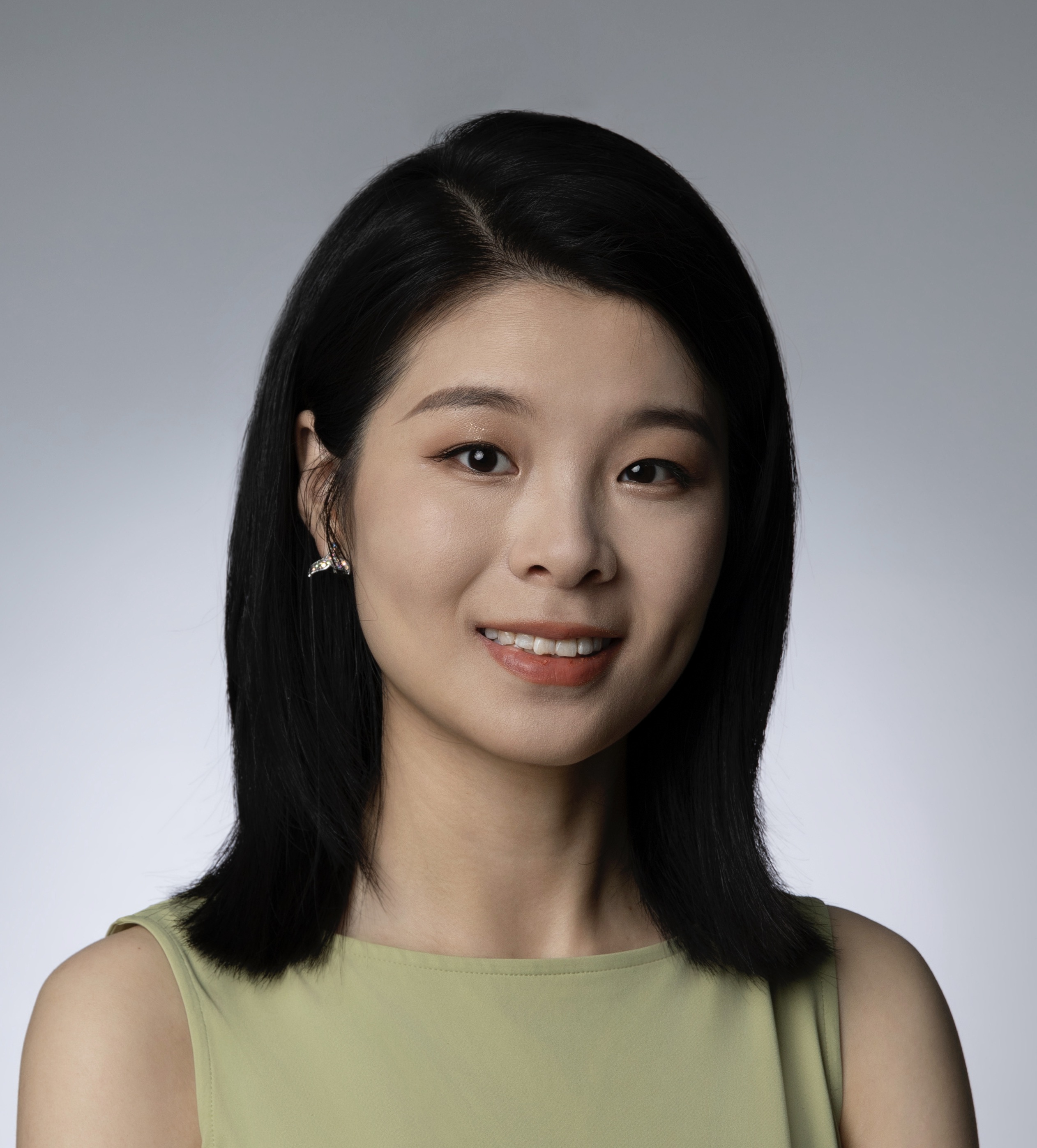
Dr. Binbin Xie is an Assistant Professor in the Department of Computer Science and Engineering at The University of Texas at Arlington (UTA). She holds a Ph.D. from the Manning College of Information and Computer Sciences at the University of Massachusetts Amherst, where she was a recipient of the prestigious Google PhD Fellowship in Mobile Computing. Her research focuses on wireless sensing, mobile health, cyber-physical systems, smart IoT, and wireless networking. Dr. Xie’s academic journey includes a tenure-track position at UTA since September 2024. She has received notable awards such as the Emerging Rockstar (IEEE Pervasive Computing, 2025), Rising STARs Award (UT System, 2024), and multiple scholarships including the Krithi Ramamritham Computer Science Scholarship (2023). Her work spans innovative applications in wireless sensing, leveraging LoRa, mmWave radar, and RFID technologies for real-world challenges like in-vehicle sensing and indoor localization. Her recent publications highlight advancements in LoRa sensing coexistence with communication, mmWave radar human sensing using secondary reflections, and combating interference in multi-target localization. She actively contributes to the academic community through service roles, including Technical Program Committee memberships for MobiSys 2025 and EWSN 2025, and as a reviewer for top-tier conferences like IMWUT/UbiComp and journals such as ACM Transactions on Sensor Networks. Dr. Xie’s teaching includes courses like CSE 4321 (Software Testing & Maintenance). Her research and educational efforts aim to bridge theoretical innovations with practical implementations in wireless and IoT systems.
Bradley Nelson is a Full Professor of Robotics and Intelligent Systems at ETH Zürich since 2002, leading the Institute for Robotics and Intelligent Systems. He holds a Ph.D. in Robotics from Carnegie Mellon University (1995), with prior roles as Assistant Professor at the University of Illinois at Chicago (1995-1998) and Associate Professor at the University of Minnesota (1998-2002). His research focuses on microrobotics and nanorobotics for biomedical applications, including targeted drug delivery and medical robotics. He leads the Microrobotics Lab (MSRL) and chairs international workshops/conferences. Awards include IEEE and ASME Fellowships, and Best Paper accolades at major robotics venues. Research interests emphasize magnetic microrobot navigation, smart materials, and clinical translation of robotic systems. His work bridges engineering and medicine, addressing challenges like cerebral vasculature navigation for drug delivery. He has developed electromagnetically controllable catheters and telesurgery frameworks. Leadership roles include Head of the ETH Department of Mechanical and Process Engineering and Chairman of the ETH Electron Microscopy Center (EMEZ). Notable contributions include magnetically guided microcatheters, variable-stiffness catheters, and clinical-ready navigation systems. Ongoing projects explore magnetoelectric effects and biodegradable micromotors for environmental and biomedical uses. His lab collaborates with industry and academic partners globally to advance robotic solutions for healthcare challenges.
Howie Choset is a Professor of Robotics at the Robotics Institute, Carnegie Mellon University. He directs the Undergraduate Robotics Minor and leads the Biorobotics Laboratory, where his research focuses on snake robots, motion planning, and medical robotics. He is also affiliated with the Manufacturing Futures Institute. Ph.D., Mechanical Engineering, California Institute of Technology (1996) M.S., Mechanical Engineering, California Institute of Technology (1995) B.S.E., Computer Science and Engineering, University of Pennsylvania (1990) B.S., Economics, The Wharton School of Business (1990) Choset's research centers on robotics for confined and complex environments, particularly through the development of snake robots. His work integrates mechanism design, path and motion planning, and estimation to enable applications in surgery, manufacturing, infrastructure inspection, and search and rescue. He is a pioneer in medical robotics and has co-founded Medrobotics to commercialize minimally invasive surgical robots. His recent publications highlight a strong focus on ergodic exploration, multi-agent systems, motion planning under uncertainty, and medical robotics. Themes include optimizing robot trajectories for information gathering, solving complex path planning problems with dynamic obstacles, and advancing autonomous systems for disaster response and space exploration (e.g., the EELS robot for Enceladus). MIT Technology Review Top 100 Innovators under 35 (2002) Best Paper Award, RIA (1999) Best Paper Award, ICRA (2003) Best Paper, IEEE Bio Rob (2006) Best Video, ICRA (2011) Nominations for best papers at ICRA, IROS, and CLAWAR Choset has advised numerous students, many of whom have won top awards. His lab has received significant funding for robotics research, including projects in surgical robotics, additive manufacturing, and autonomous exploration. He is the lead author of the textbook Principles of Robot Motion and is actively involved in educational innovation through custom robotics labs. He leads the Biorobotics Laboratory at CMU, which develops advanced robotic systems like snake robots and the EELS (Exobiology Extant Life Surveyor) robot for NASA missions. The lab collaborates with industry and government agencies on applications ranging from surgery to space exploration.
Prof. Dr. André Rubbia is a Full Professor of Experimental Physics at ETH Zurich's Department of Physics, holding this position since December 2003 after serving as Associate Professor from 1998. His research spans neutrino physics, astro-particle physics, and dark matter detection through major international collaborations including CERN, Gran Sasso National Laboratory, and Fermilab. He currently serves as Co-Spokesperson for the billion-dollar DUNE neutrino project at Fermilab, managing over 900 scientists. His educational background includes: Diploma in Physics from the University of Geneva (1990), with thesis work on the L3 experiment at CERN's LEP accelerator Ph.D. in Physics from MIT (1993) under Nobel Laureate S.C.C. Ting, focusing on high-energy electron-positron collisions Rubbia's research centers on fundamental particle interactions, particularly neutrino oscillations and physics beyond the Standard Model. He pioneered liquid Argon Time Projection Chamber (LAr TPC) technology and dual-phase detection systems, enabling breakthroughs in neutrino mass measurements and dark matter searches. His work spans underground laboratories (Gran Sasso, Canfranc), the LHC's CMS detector, and neutrino beam experiments like T2K. Recent explorations include antimatter gravity tests, electron-positron bound states, and dark hidden sector searches. His 2025 publications reveal intense focus on neutrino oscillation parameter precision (T2K, Hyper-Kamiokande), FASER's LHC neutrino program, and DarkSide-20k dark matter detector development. Key themes include cross-section measurements, advanced detector technologies (SiPMs, emulsion tracking), and statistical methods for oscillation analysis, reflecting integration of theoretical modeling with cutting-edge instrumentation. Scientific recognition includes: Breakthrough Prize for Fundamental Physics (2016) awarded to the international team for discovering matter-anti-matter asymmetry in neutrino oscillations APS Viewpoint selection for editing the paper announcing first electron neutrino appearance at accelerators Rubbia has supervised over fifty PhD and Master's theses while securing substantial research funding as Principal Investigator for 20+ Swiss National Science Foundation projects and Coordinator of two EU FP7 Design Studies. His DUNE leadership involves complex international grant management across 30+ countries. He leads ETH Zurich's experimental particle physics group across multiple facilities: the ICARUS neutrino detector at Gran Sasso, CMS at CERN, DUNE at Fermilab, and DarkSide-20k for direct dark matter detection. His team developed the first underground ton-scale liquid argon detector and maintains collaborations with Japanese (Super-Kamiokande) and American (Fermilab) institutions.
Sara Gallini is an Assistant Professor at EPFL, leading the Gallini Lab within the ISREC Department of the School of Engineering (SV). Her research focuses on understanding how healthy and oncogenic cells compete in skin epithelium, aiming to identify therapeutic targets for skin cancer prevention. She holds a Tenure Track position and teaches in the Life Sciences Engineering program. Her lab employs advanced in vivo imaging and single-cell analysis techniques. Education details are not explicitly provided, but her career includes a postdoctoral fellowship with the HFSP. Her research integrates molecular, cellular, and systems-level approaches to study cancer initiation and tissue homeostasis, particularly in injury-driven dynamics. Lab Members: Includes PhD student Mustafa Öztürk and technical staff Mélanie Sipion. Key Research Themes: Oncogenic cell competition, epidermal regeneration, EGFR/ERK signaling, and therapeutic target discovery. Her lab collaborates with clinical teams and uses models like mouse skin to study tumor suppression mechanisms. Future work aims to leverage healthy cell dynamics for cancer treatment strategies. Contact: SV 2527 office, +41216936764, sara.gallini@epfl.ch .
Noah J. Cowan is a Professor of Mechanical Engineering at Johns Hopkins University's Whiting School of Engineering, with secondary appointments in Computer Science, Electrical & Computer Engineering, and Neuroscience. He is the founder and director of the Locomotion in Mechanical and Biological Systems (LIMBS) Laboratory, part of the Laboratory for Computational Sensing and Robotics. His research focuses on neuromechanics, robotics, and control theory, bridging neuroscience, biomechanics, and engineering. Cowan's work investigates how organisms achieve precise locomotion and applies these insights to advance robotics, neuroprosthetics, and rehabilitation technologies. Education: B.S. Electrical Engineering (Ohio State, 1995), M.S. and Ph.D. Electrical Engineering & Computer Science (University of Michigan, 1997/2001). Postdoctoral fellowship at UC Berkeley (2001–2003) before joining Johns Hopkins. Research Interests: Neuromechanics of motion, bio-inspired robotics, multisensory integration in animals (e.g., electric fish, Drosophila), and sensorimotor control in clinical contexts like cerebellar ataxia. His lab studies how neural circuits interact with biomechanics to produce movement, with applications to robotic design and neurological disorder treatments. Awards & Recognition: Presidential Early Career Award for Scientists and Engineers (2010), IEEE Fellow, NSF CAREER Award (2009), and multiple teaching and research excellence awards at Johns Hopkins. His work has been published in top journals like Nature , Proceedings of the National Academy of Sciences , and IEEE Transactions on Robotics . Outreach & Mentorship: Longtime mentor for high school and undergraduate students in STEM, leading programs like the Baltimore Ingenuity Project and WISE. Served as team leader for the STEM Achievement in Baltimore Elementary Schools (SABES) initiative. Key Projects: Development of the LIMBS Lab’s VR systems for animal studies, bioelectric navigation technologies for medical devices, and collaborations with clinicians on upper limb movement disorders. His team’s research on electric fish and fruit flies has revealed principles of adaptive control applicable to robotics and AI.
Yali Tang is an Assistant Professor in the Department of Mechanical Engineering at Eindhoven University of Technology (TU/e), specializing in fluid dynamics and transport phenomena within multiphase flows and physicochemical conversions . Her work targets Iron Power technology , green steel production , and alkaline water electrolysis for hydrogen generation, combining advanced computational models with experimental validation . Education: Master's in Chemical Engineering from Sichuan University (2011) PhD in Mechanical Engineering at TU/e (2015) with Prof. Hans Kuipers Research Interests: She focuses on interphase interactions , interfacial transport mechanisms , and high-resolution simulations (down to 40 nm mesh) to predict bubble coalescence and film dynamics. Her studies on hydrogen bubble growth , dendritic iron formation , and gas distribution in electrolyzers aim to refine reactor design and industrial processes. Collaborations with industrial partners ensure practical applicability of her computational models. Recent Publications: Her 2025 work includes dimensional analysis of liquid film formation, solutal Marangoni effects in electrolysis, and X-ray validation of gas distribution models. Earlier studies (2020–2023) cover defluidization behavior of iron fines, CFD-DEM modeling of raceways, and acoustic field applications in particle dynamics. Labs & Collaborations: She leads computational efforts within the Power & Flow group under Prof. Niels Deen, contributing to the EIRES Research cluster. Her work bridges academic research with industrial innovation in fluid dynamics and energy transition technologies.
Claudia R. Binder is Full Professor at EPFL's School of Architecture, Civil and Environmental Engineering, leading the Laboratory for Human-Environment Relations in Urban Systems (HERUS) since 2016. Previously, she held professorships at the University of Munich (2011-2016), University of Graz (2009-2011), and University of Zurich (2006-2009). She served as Dean of EPFL's ENAC School from 2020-2023 and holds advisory roles with Swiss federal institutions including the Mercator Foundation since 2024. Her academic foundation includes a Biochemistry degree and PhD in Environmental Sciences from ETH Zurich, followed by postdoctoral research at the University of Maryland. This interdisciplinary background underpins her research approach spanning natural and social sciences. Professor Binder's work centers on urban sustainability transitions, examining urban metabolism dynamics through systems science frameworks. She investigates energy-food-transport interdependencies in cities using transdisciplinary methods that integrate material flow analysis, spatial modeling, and socio-technical assessments. Her research particularly emphasizes regulatory mechanisms and transformation drivers in human-environment systems, with case studies across Swiss and global urban contexts. Recent publications reveal evolving focus from foundational urban metabolism studies toward actionable transition strategies. Her 2024-2025 work increasingly addresses social tipping dynamics, circular decarbonization, and spatially explicit waste management, demonstrating methodological innovation through geo-referenced material flow analysis and participatory backcasting frameworks. Key thematic clusters include energy innovation diffusion, plastic waste governance, and demand-side flexibility in residential systems. She actively mentors 7 current PhD candidates while supervising 11 graduates since 2018, with research spanning urban metabolism modeling, sustainability assessment, and transition governance. Her leadership extends to Swiss National Science Foundation committees and National Research Program 71 on energy consumption management. At EPFL, she directs the HERUS laboratory which develops the Sustainability Solution Space methodology for urban assessment. The lab operates at the intersection of data science, environmental engineering, and social theory, maintaining strong field connections in Switzerland, Indonesia, and Germany for empirical validation of transition models.
Dr. Aaron Logan is a Clinical Associate Professor of Medicine at the University of California, San Francisco (UCSF). He specializes in the clinical management of acute leukemias, myelodysplastic syndromes, aplastic anemia, and hemophagocytic lymphohistiocytosis. Additionally, he directs a research laboratory focused on immune repertoire profiling following hematopoietic cell transplantation. MD and PhD in Molecular Microbiology and Immunology from Keck School of Medicine (2006) MPhil in History of Medicine from University of Cambridge (2005) Internal Medicine Residency and Hematology Fellowship at Stanford University Dr. Logan's research explores clonotypic diversity in B and T lymphocyte repertoires, utilizing techniques like TREC/KREC quantification, high-throughput sequencing, and mixed lymphocyte reactions. His work has significant applications in tracking immune responses post-transplantation and quantifying measurable residual disease in lymphoid cancers. Notable scientific contributions include advancements in CAR T-cell therapy and immune profiling for blood malignancies. His publications cover topics in B-cell ALL , AML , and measurable residual disease monitoring. 2020 - UCSF Hematology-Oncology Fellowship Teaching Award 2011 - ASH Abstract Award and Research Training Award 2003 - Keck School of Medicine Outstanding Teaching Award As director of the UCSF Hematologic Malignancies Tissue Bank, Dr. Logan provides deidentified patient samples to support collaborative research on blood cancers and post-transplantation immune dynamics.
Dr. Abdullah Bal is a researcher at Georgia State University's College of Arts & Sciences, Department of Computer Science, with over 25 years of academic experience. He holds a Ph.D. in Electrical Engineering from Yildiz Technical University (2002) and has taught graduate and undergraduate courses in algorithms, machine learning, and optical pattern recognition. B.Sc., Electronics and Communication Engineering, Istanbul Technical University (1993) M.Sc., Electrical Engineering, Yildiz Technical University (1997) Ph.D., Electrical Engineering, Yildiz Technical University (2002) His research focuses on data science, machine learning, and hyperspectral imaging applications in fields ranging from forensic analysis to historical structure preservation. He has led projects funded by the U.S. Army Research Office and the Scientific and Technological Research Council of Turkey, including real-time target detection systems and digital imaging for historical structures. Recent publications demonstrate his expertise in kernel-based transforms, ensemble learning, and hyperspectral data analysis. His work spans food safety inspection, infrared target tracking, and biometric verification systems. Faculty Outstanding Research Publication Award (2006) Turkish Air Force Academy Science Competition Winner (2009) Best Paper Award at ICFCT (2016) Previously, he chaired YTU's Informatics Department (2009-2016) and participated in academic governance through the Electrical and Electronics College Executive Committee (2012-2015). You can contact him at abal@gsu.edu in room 739, 25 Park Place.
Pan Xu is a tenure-track assistant professor with joint appointments in the Department of Biostatistics & Bioinformatics, Department of Computer Science, and Department of Electrical & Computer Engineering at Duke University. Previously, Xu was a Postdoctoral Scholar Research Associate at Caltech's Department of Computing and Mathematical Science and earned a Ph.D. in Computer Science from UCLA. Xu's research focuses on developing computationally- and data-efficient machine learning algorithms with strong empirical performance and theoretical guarantees. Xu's research interests center around Machine Learning with broad applications in Artificial Intelligence, Data Science, Optimization, Reinforcement Learning, and High Dimensional Statistics. The research specifically targets real-world problems in Bioinformatics and Healthcare, with recent work emphasizing distributionally robust decision making, efficient exploration strategies, and multi-agent systems. Xu has developed novel algorithms that address the challenges of exploration in sequential decision making and robustness to distributional shifts between training and deployment environments. Xu's recent publications demonstrate a strong trend toward developing theoretically grounded yet practical algorithms for reinforcement learning and bandit problems, with particular emphasis on distributionally robust methods, efficient exploration techniques, and applications to healthcare. The work spans both theoretical analysis (providing minimax optimal regret bounds) and practical implementations (validated on benchmarks like Atari games and real healthcare datasets). Whitehead Scholar award from Duke University School of Medicine (2023) Best Paper Award at ACM FAccT 2023 for Queer In AI paper PIMCO Postdoctoral Fellowship in Data Science (2022) TMLR Featured Certification (2023) NSF award on approximate sampling based exploration (2023) Xu actively mentors multiple Ph.D. students across Duke's Biostatistics & Bioinformatics, Computer Science, and Electrical & Computer Engineering programs, with several alumni now pursuing doctoral studies at top institutions. The research group has secured competitive funding including an NSF award for approximate sampling based exploration for sequential decision making. Xu serves as an action editor for TMLR and as an area chair for major conferences including ICML, NeurIPS, AAAI, ICLR, and AISTATS. Xu leads a dynamic research group focused on sequential decision making, with projects spanning theoretical algorithm development, implementation of practical systems, and applications to healthcare and bioinformatics. The group maintains active collaborations across Duke's medical and engineering schools, with recent work applying machine learning to epidemic forecasting during the pandemic.