Eva Swinnen is a researcher at the Vrije Universiteit Brussel within the Brubotics Rehabilitation Research Center, focusing on physiotherapy, human physiology, and anatomy. Her work bridges robotics and rehabilitation medicine. Key research areas: Walking (100%), Gait Analysis (86%), Systematic Reviews (59%), Orthotic Devices (51%) Recent Publications (2025): Explore AI applications in stroke rehabilitation, virtual twin technology, and electrotherapy effects on muscle recovery. Notable collaborations include projects with KU Leuven and Radboud University Medical Center. 2022 Kuka Innovation Award Finalist 2019 Phase I & II App Development Competition Winner Supervision: Guided master's theses on topics like Kinect™ system validation, volleyball spike biomechanics, and EMG patterning in motor tasks. Currently involved in EU-funded TARGET consortium initiatives for stroke management.
Koyal Garg is an Associate Professor of Biomedical Engineering at Saint Louis University (SLU), where she leads research in skeletal muscle regeneration, tissue engineering, and biomaterials. Her work focuses on enhancing muscle function and reducing fibrosis following injury, disease, or aging. Dr. Garg is affiliated with SLU's College of Engineering and Department of Biomedical Engineering, leveraging interdisciplinary approaches to bridge preclinical and clinical applications. Her research emphasizes biomimetic scaffolds, stem cell therapies, and nanotechnology for regenerative medicine. Recent studies explore 3D bioprinting, gelatin nanoparticles for drug delivery, and electrostatic biomaterials to address volumetric muscle loss. She actively collaborates on translational projects to translate lab findings into clinical solutions. Dr. Garg's lab investigates muscle regeneration pathways, immune responses in tissue repair, and the role of mechanical stimulation in rehabilitation. Her work has advanced understanding of fibrosis mechanisms and developed novel materials to promote functional recovery. Key contributions include biosponge-encased stem cells and laminin-enriched hydrogels for muscle repair. Publications span biomaterial design, stem cell biology, and musculoskeletal rehabilitation. Her research is supported by grants focused on translational regenerative medicine. Dr. Garg is committed to advancing therapies for muscle trauma and aging-related degeneration through innovative biomaterial strategies and interdisciplinary collaboration.
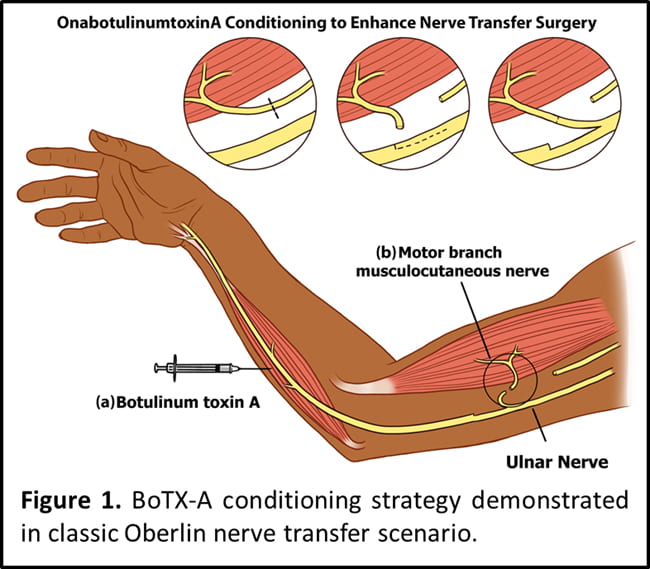
David A. Brown, M.D., Ph.D. is Associate Professor of Surgery and Vice Chief of Research at Duke University in the Division of Plastic, Maxillofacial, and Oral Surgery. He serves as Medical Director of the Duke Wound Healing Clinic and Co-Director of the Duke Regeneration Center. His academic journey began with a B.S. in engineering from University of Colorado (1999), followed by a Ph.D. in biomedical engineering at UCLA (2008), M.D. from UC Irvine (2009), and surgical training at University of Washington Medical Center (2009-2014) and Duke University (2014-2017). Research Interests Dr. Brown's work focuses on limb and digit regeneration , targeted muscle reinnervation , and advanced wound healing . His research bridges regenerative medicine , biomedical engineering , and clinical plastic surgery to develop novel therapies for complex surgical wounds and tissue defects. Recent studies analyze cellular mechanisms in hidradenitis suppurativa , biodegradable scaffold applications , and photothermal cancer ablation using nanotechnology. Publications & Grants His 15 most recent publications span topics from prophylactic muscle flap techniques to computational analysis of cleft lip deformities . Current grants include National Institutes of Health funding (2024-2029) for Enhancing limb regeneration with gene therapy and multiple The Plastic Surgery Foundation awards. Fellow of the American College of Surgeons Board-certified in Surgery, Plastic Surgery, and Wound Management ASCI PSSF Fellowship recipient Clinical Leadership As Vice Chief of Research (2023-present) and Medical Director of Duke Wound Clinic, he directs regenerative medicine initiatives and advanced wound care programs at Duke University Medical Center.
Dr. Colin K Franz, MD, PhD, is an Associate Professor in the Department of Physical Medicine and Rehabilitation and the Neurology - Ken and Ruth Davee Department at Northwestern University's Feinberg School of Medicine. He is board certified in neuromuscular medicine, electrodiagnostic medicine, and physical medicine and rehabilitation. Dr. Franz serves as Director of both the Electrodiagnostic Laboratory and the Regenerative Neurorehabilitation Laboratory at Shirley Ryan AbilityLab and co-directs the Collaborative Clinic for Ability Restoration and Excellence in Nerve Injury Care (C-CARE). He is also a member of the clinical team for Northwestern Medicine's Diaphragm Pacing Program. Dr. Franz's research focuses on regenerative neurorehabilitation, with particular emphasis on developing therapeutic electrical stimulation protocols, bioresorbable neural implants, and bioengineered nerve grafts to accelerate reinnervation. His laboratory utilizes neuromuscular ultrasound, electrodiagnostic testing, and patient-derived organoid models to investigate mechanisms of nerve regeneration and motor system vulnerability following injury or disease. His work integrates preclinical models with therapeutic electrical stimulation, bioengineered implants, and electrodiagnostic tools to study neurotrauma, neural degeneration, and regeneration. Analysis of Dr. Franz's recent publications reveals a strong focus on peripheral nerve injuries, particularly those associated with COVID-19 and spinal cord injuries. His research spans multiple disciplines including regenerative medicine, neurotechnology, and rehabilitation science, with consistent emphasis on translational applications. A notable trend is his collaboration with engineers to develop bioresorbable implants and wireless monitoring systems for nerve repair and drug delivery. Scientific Impact Award, American Association of Neuromuscular and Electrodiagnostic Medicine (2023) Sarah Baskin Award for Junior Physician or Scientist Research, Shirley Ryan AbilityLab (2019) Richard S. Materson Education Research Fund New Investigator Award (2018) Helen Cooper Award, Rehabilitation Institute of Chicago (2016) Dr. Franz is deeply committed to mentoring the next generation of rehabilitation researchers and clinician-scientists. His laboratory includes several graduate students and research technicians working on projects related to peripheral nerve injury, spinal cord injury, and ALS. His research is supported by multiple grants from the National Institutes of Health (NIH), the National Science Foundation (NSF), the American Neuromuscular Foundation, and the Belle Carnell Regenerative Neurorehabilitation Fund. The Regenerative Neurorehabilitation Laboratory employs both in vivo and in vitro models of nerve degeneration and regeneration, with particular focus on developing personalized approaches to nerve repair and recovery.
Jane Lubischer is a Teaching Professor and Associate Department Head in the Department of Integrative Physiology and Neurobiology at North Carolina State University (NCSU). Her affiliations include roles in the Biology Education and Public Outreach Faculty, as well as the Biological Sciences and affiliated graduate programs. She is based in Thomas Hall 3510 and active in interdisciplinary research. Her research interests span Biology Education , Neuroscience , Cell Biology , and Developmental Biology , with a focus on neuromuscular systems, hormone-neuron interactions, and cellular regeneration. Recent work includes studies on amphibian behavior, neuroimaging techniques, and transcriptomic profiling of neural cells. Her scholarly contributions highlight advancements in Muscle reinnervation dynamics Steroid-regulated neuronal survival Electrical field effects on osteogenesis In 2015, she received the prestigious Outstanding Teacher Award , reflecting her dedication to education. While no student advisees are listed, her work underscores contributions to interdisciplinary collaborations in neurobiology and physiology.
Robert D Lipschutz is an Assistant Professor in the Department of Physical Medicine and Rehabilitation at the Feinberg School of Medicine and a certified prosthetist/orthotist at the Mary Free Bed Rehabilitation Hospital 's Orthotics & Prosthetics + Bionics Division. He also serves as a Clinical Instructor at the Northwestern University Prosthetics-Orthotics Center . Education : BS from Drexel University (1988), CP from New York University (1990). Dr. Lipschutz's research focuses on prosthetics, orthotics, and clinical biomechanics , particularly on the effects of prosthetic devices on gait, function, and correction. His work spans applications for both upper and lower limb amputations, including osseointegration and myoelectric technologies. His publications reveal a focus on prosthetic knee alignment , microprocessor-assisted devices , and emerging technologies like 3D printing. These studies often integrate clinical trials and biomechanical analysis to improve amputation rehabilitation. Professional affiliations include long-term membership in the Association of Children's Prosthetic-Orthotic Clinics (ACPOC) since 1995. While no specific awards are listed, his role in advancing clinical practices through technologies like targeted muscle reinnervation and implanted electrodes underscores his impact. Dr. Lipschutz's clinical work involves fitting prostheses to patients of all ages, ranging from lower limb amputations (including osseointegration) to upper limb prosthetics such as body-powered and externally powered devices. He has contributed significantly to understanding how prosthetic design influences mobility and patient outcomes.
Gwendolyn Hoben, MD, PhD is an Assistant Professor at the Medical College of Wisconsin (MCW), affiliated with Froedtert Hospital, Children's Wisconsin, and other institutions. Her clinical specialties include plastic and reconstructive surgery with a focus on peripheral nerve injuries, brachial plexus reconstruction, and microsurgery. She completed her MD at Baylor College of Medicine (2009), residency in plastic surgery at Washington University (2009–2017), and a fellowship in hand surgery at MCW (2017–2018). Her research emphasizes nerve regeneration, targeted muscle reinnervation, and surgical innovations for traumatic injuries. Key areas include pediatric digital replantation, ulnar nerve denervation patterns, and pain management strategies. She has contributed to over 10 peer-reviewed articles since 2016, addressing topics like spinal cord injury recovery and vascular challenges in surgical patients. Dr. Hoben’s clinical practice integrates advanced surgical techniques with patient-centered care, offering treatments for conditions such as carpal tunnel syndrome, nerve compression disorders, and tetraplegia. She actively participates in multidisciplinary teams to optimize outcomes for complex cases.
Gwendolyn M B Hoben MD is an Assistant Professor in the Department of Plastic Surgery at the Medical College of Wisconsin, with concurrent membership in the Neuroscience Research Center. Her clinical practice focuses on hand surgery and peripheral nerve reconstruction through the Plastic-Orthopedic Surgery Combined Hand Fellowship (2017-2018). Bachelor of Science in Chemistry (Rice University, 2001) Doctorate in Medicine (Baylor College of Medicine, 2009) PhD in Bioengineering (Rice University, 2007) Her research investigates peripheral nerve regeneration mechanisms, with particular emphasis on Schwann cell senescence in nerve autografts, targeted muscle reinnervation for pain control, and acellular nerve allograft modification using cellular and biochemical approaches. Current work explores nerve transfer applications in spinal cord injury and surgical interventions for complex hand trauma. Scientific contributions include 15+ peer-reviewed publications and multiple research grants from plastic surgery foundations. Key awards include Phi Beta Kappa and Alpha Omega Alpha society memberships, Fulbright Enterprise Award, and multiple surgical presentation accolades.
Dr. James Clune is an Associate Professor of Surgery at Yale School of Medicine and a member of the Yale Cancer Center. He specializes in plastic and reconstructive surgery for complex malignancies, focusing on melanoma, Merkel cell carcinoma, and sarcoma. His multidisciplinary collaborations include surgical oncology, orthopedic oncology, neurosurgery, and dermatology. Bachelor’s degree from Wesleyan University (1999) MD from George Washington University School of Medicine (2008) Postdoctoral research in craniofacial reconstruction at Children's Hospital Boston/Harvard (2009) Plastic surgery residency at Yale (2015) Fellowship in upper extremity surgery at University of California/Shriners Hospital (2016) Additional training in brachial plexus reconstruction in Spain (2016) His research integrates oncoplastic reconstruction and targeted muscle reinnervation to improve prosthetic functionality and quality of life for cancer patients. Recent work explores immunotherapy resistance in melanoma, global surgery education , and anatomical variations in extremity tumors. Key trends in his 15 most recent publications (2025–2020) span melanoma immunology , reconstructive surgical outcomes , global surgery training , and peripheral nerve anatomy . These studies appear in journals like Surgical Oncology Insight , Journal of Surgical Education , and Pigment Cell & Melanoma Research . Notable scientific awards include: Top Doctors for Reconstructive Oncology (Connecticut Magazine, 3 years) Yale Cancer Center Clinician of the Year (2024) Teaching Award in Plastic Surgery (2017–2018) He leads the Multidisciplinary Care for Melanoma at Yale and has performed over 800 annual procedures. His clinical focus includes skin cancer, soft tissue tumors, and peripheral nerve reconstruction, with expertise in toe-to-finger transfers and brachial plexus surgery.
Jonathon Schofield is an Assistant Professor in the Department of Mechanical and Aerospace Engineering at the University of California, Davis. His research focuses on improving assistive medical devices through interdisciplinary approaches combining robotics, neural engineering, and clinical translation. He leads the BEAR Lab, which develops technologies like neural-integrated prosthetic limbs and wearable haptic interfaces to enhance user acceptance and integration with human physiology. Dr. Schofield’s work emphasizes pediatric applications, particularly for children with congenital limb deficiencies. His team investigates motor intent decoding, sensory feedback systems, and embodiment mechanisms to create more intuitive prosthetic control. Key areas include signal processing (EMG, force myography), haptic sleeve interfaces for space robotics, and standardized testing protocols for upper-limb prostheses. He has received a prestigious NSF CAREER Award (2024) to advance prosthesis embodiment in children. His research bridges engineering and clinical medicine, with collaborations spanning rehabilitation, neuroscience, and aerospace engineering. The lab also develops open-source prosthetic platforms and low-cost wearable systems for broader accessibility. Notable contributions include studies on muscle actuation in congenital deficiencies, multi-articulate pediatric prosthetic hands, and vibration-based movement illusions. His work aims to address unmet clinical needs while fostering human-technology symbiosis through principles of embodied cooperation and cognitive-perceptual neurosciences.
Ivan Vujaklija is an Associate Professor at the Department of Electrical Engineering and Automation at Aalto University. His research focuses on bionic and rehabilitation engineering, particularly in developing advanced prosthetic systems and neural interfaces for amputees and individuals with neuromuscular disorders. He leads projects integrating targeted muscle reinnervation, osseointegration, and high-density electromyography (HD-EMG) to enhance prosthetic control and clinical outcomes. Key research areas include: Neural prosthetics and bionic limb design Motor unit analysis and neural signal decoding Rehabilitation robotics and gait analysis Myoelectric control systems Recent work emphasizes improving prosthetic intuitiveness through adaptive algorithms and unsupervised learning, with applications in upper and lower limb prosthetics. His team collaborates internationally to translate laboratory innovations into clinical solutions, focusing on long-term functional outcomes for patients. Publications explore topics like blood flow restriction effects on motoneurons, high-fidelity EMG-based interfaces, and metabolic efficiency in exosuit-assisted walking for cerebral palsy patients. Research consistently bridges electrical engineering principles with clinical rehabilitation needs. Teaching responsibilities include advanced courses in biomedical engineering and neural interfaces. His group actively partners with medical institutions to validate technologies in real-world settings.
Xiangxia Liu is an Associate Professor in the Department of Plastic Surgery at the University of Tennessee Health Science Center. Their academic journey includes a Doctor of Medical Science and a Master of Medicine in Plastic and Reconstructive Surgery from Sun Yat-sen University, China. Research Interests: Dr. Liu specializes in Breast Reconstruction Surgery , Lymphedema , Microsurgery , Peripheral Nerve Surgery , and Target Muscle Reinnervation . Their work focuses on advanced surgical techniques in reconstructive and oncological contexts. Education Doctor of Medical Science (Breast Surgery), Sun Yat-sen University, Guangzhou, China Master of Medicine (Plastic and Reconstructive Surgery), Sun Yat-sen University, Guangzhou, China Fellowships Department of Plastic Surgery, University of Tennessee Health Science Center, Memphis, TN Department of Plastic and Reconstructive Surgery, Shanghai Ninth People’s Hospital, Shanghai, China Publications : Dr. Liu has contributed to journals such as the Annals of Plastic Surgery , Chinese Journal of Microsurgery , and Journal of Plastic and Reconstructive Surgery .
Juan C. Sáez is a Visiting Professor at the Dominick P. Purpura Department of Neuroscience, Albert Einstein College of Medicine. His research focuses on membrane channels (gap junctions and hemichannels) composed of connexins and pannexins, with emphasis on their roles in physiological and pathophysiological processes, particularly inflammation. He investigates how hemichannel opening contributes to tissue dysfunction in chronic inflammatory diseases and seeks therapeutic blockers for these conditions. Key research areas include the regulation of Cx43 and Pannexin-1 channels in endothelial dysfunction, mast cell degranulation, skeletal muscle pathology, and neurodegenerative diseases like Alzheimer’s. He employs primary cells from nervous/immune systems and exogenous expression systems to study channel dynamics under stress, inflammation, and metabolic disorders (e.g., high glucose conditions). His recent work highlights the role of pannexin channels in immune cell migration (dendritic cells) and the impact of glucocorticoids on oligodendrocyte inflammasomes. Collaborations span muscle biology (skeletal myofiber apoptosis in dystrophy models) and stress-induced neuroinflammation (hippocampal glial/neuronal hemichannel activation). Publications emphasize mechanistic insights into channelopathies and translational efforts toward anti-inflammatory therapies. Current projects aim to develop selective channel blockers targeting chronic inflammatory diseases.
Prof. Dr. Matthias Vorgerd is a Professor at the Clinic of Neurology, Faculty of Medicine, Bergmannsheil University Hospital, Ruhr-Universität Bochum. He serves as the head of the Heimer Institute for Muscle Research at Bergmannsheil, established in 2014 through a partnership between the Heimer Foundation and Bergmannsheil University Hospital. His work bridges clinical neurology with molecular research on muscle disorders. Prof. Vorgerd's research focuses on clinical phenotypes and pathogenesis of hereditary and acquired myopathies, particularly limb girdle muscular dystrophy (LGMD), myofibrillar myopathy (MFM), and inclusion body myositis (IBM). His laboratory conducts detailed investigations of Filamin C-associated molecular pathology, examining mutations and impairments in protein degradation systems. For IBM research, his team identifies proteomic signatures to develop specific diagnostic markers. His methodological approaches include histopathology of muscle tissue, specialized staining techniques, immunofluorescence analysis, laser micro-dissection, and proteomic analysis, complemented by cell-culture systems with primary and iPSC-derived muscle cells. His publication record spans over two decades, with recent work emphasizing proteomic studies of muscle disorders, genetic mutations, and advanced imaging techniques. The publications reveal strong collaborative networks across multiple institutions, particularly in neurology, genetics, and proteomics, demonstrating a consistent trajectory toward understanding molecular mechanisms while developing improved diagnostics. As head of the Heimer Institute for Muscle Research, Prof. Vorgerd leads several major research projects including 'LiBi-NME: Liquid Biopsy for Neuromuscular Diseases,' 'Pathophysiology of myofibrillar myopathies,' 'Therapeutic strategies for the treatment of myofibrillar myopathies,' 'Quantitative MRI imaging of muscles,' and 'Pathophysiology of sporadic inclusion body myositis.' His laboratory represents a significant center for muscle research in Germany with particular expertise in filamin-related myopathies.
Dr. Michael Hendry is an Assistant Professor at Queen's University's Faculty of Health Sciences, Department of Surgery, and an Attending Surgeon in Plastic Surgery at Kingston Health Sciences Centre. He earned his MD from the University of Toronto and completed a fellowship at Harvard Medical School. Specializes in Plastic and Reconstructive Surgery Clinical focus: complex hand, wrist, and peripheral nerve surgery Research focus: peripheral nerve regeneration, molecular biology, and nerve transfer techniques His research explores: Basic science of peripheral nerve transfers Molecular mechanisms in nerve regeneration Development of transgenic mouse models for nerve injury Creation of unified clinical metrics for nerve recovery assessment Key trends in his publications include pharmacological interventions (e.g., Herceptin's role in nerve repair), comparative histomorphometry techniques, and surgical innovations like cross-face nerve grafting. The Hendry Lab includes members such as Martina Heinelt (clinical metrics development) and Stefania Spano (transgenic mouse models). Collaborations with Drs. Gregory Borschel and Tessa Gordon highlight interdisciplinary research efforts.