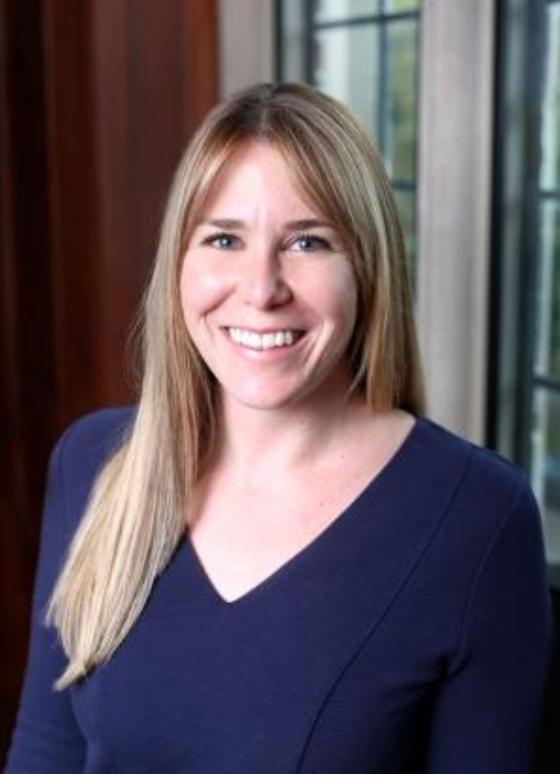
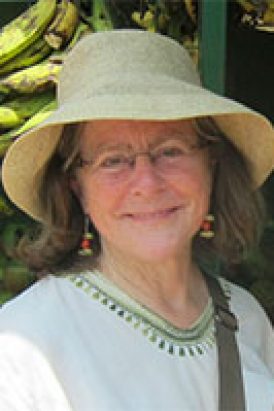
Sarah Newman is an Assistant Professor of Anthropology and Social Sciences at the University of Chicago's College and serves as Director of Undergraduate Studies. She holds a PhD from Brown University (2015). Her research integrates archaeological, historical, and art historical methods to examine themes such as waste, human-animal relationships, and long-term landscape transformations in Mesoamerica and beyond. Key projects include the Invisible Landscapes initiative, co-directed with Felipe Rojas and Eduardo Góes Neves, which explores anthropogenic landscapes through multidisciplinary collaboration. Newman’s fieldwork in Jordan investigates water management systems near Petra, while her Maya-focused studies address zooarchaeology, sensory experiences, and knowledge systems. Her monograph Unmaking Waste: New Histories of Old Things (2023) redefines waste as a culturally contingent concept, challenging Eurocentric narratives through cross-cultural comparisons. A current book project, Animal Archaeology , extends archaeological methodologies to non-human histories. Newman’s affiliations include the Committee on Environment, Geography, and Urbanization, the Institute for the Formation of Knowledge, and the Center for Latin American Studies. Publications span topics from Classic Maya animal categories to Neolithic sites in Jordan. Her work emphasizes interdisciplinary approaches, including remote sensing and 3D imaging technologies. Recent research explores sensory archaeology, particularly olfactory practices in Mesoamerica, and critiques traditional archaeological frameworks through comparative global perspectives.
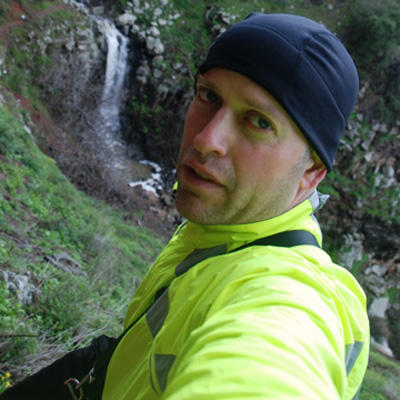
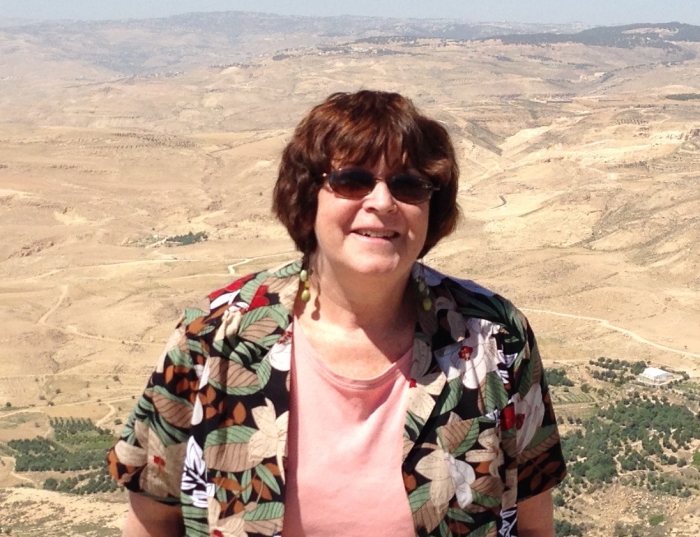
Gideon Hartman is an Associate Professor in the Anthropology Department at the University of Connecticut, where he conducts interdisciplinary research at the intersection of paleoenvironmental reconstruction, plant and animal eco-physiology, anthropology, and archaeology. His work primarily employs stable isotope methods to reconstruct past environments, human mobility patterns, paleodiets, and ancient economic systems. Dr. Hartman received his Ph.D. from Harvard University in 2008. His educational foundation in anthropology and archaeological science has enabled his innovative approach to stable isotope analysis. Rather than treating isotopic values as static markers, he investigates the mechanisms causing variability in stable isotope ratios as they move along foodwebs from soil and atmosphere to plants and then to animals and humans. Hartman's research program uniquely begins in the contemporary world to establish principles that can be reliably applied to archaeological settings. His work spans diverse geographical regions including the Eastern Mediterranean, Levant, Jordan Valley, and Armenian Highlands, with temporal coverage from the Middle Pleistocene to the Early Bronze Age. He has made significant contributions to understanding how environmental factors like water availability, temperature, and soil conditions affect isotopic signatures in modern ecosystems, creating robust models for archaeological interpretation. His publication record demonstrates consistent productivity in high-impact journals, with research trends showing increasing sophistication in multi-isotope approaches applied to complex archaeological questions about pastoralism, trade networks, human migration, and human-environment interactions. His work increasingly integrates zooarchaeological, archaeobotanical, and geochemical evidence to build comprehensive pictures of past societies. As director of the Stable Isotope Preparation Lab at UConn, Hartman leads a research team that processes and analyzes samples from archaeological sites worldwide. His laboratory serves as a hub for interdisciplinary collaboration between archaeologists, anthropologists, geoscientists, and biologists seeking to apply isotopic methods to their research questions. His work has been instrumental in refining methodologies for interpreting strontium, carbon, nitrogen, and oxygen isotope data in archaeological contexts, particularly regarding animal and human mobility patterns in the Eastern Mediterranean region.
Professor Shanlin Fu is a distinguished academic at the University of Technology Sydney (UTS), holding the position of Professor in the School of Mathematical and Physical Sciences and affiliated with the Centre for Forensic Science. He serves as the Program Director for the Bachelor of Forensic Science program and is a Research Integrity Adviser for the Faculty of Science. With over $10 million in competitive research funding from ARC, NHMRC, and other national and international schemes since 2008, Professor Fu leads the Drugs and Toxicology Group, focusing on developing sensitive methods for clinical diagnosis, therapeutic drug monitoring, and drugs of abuse testing. Professor, UTS School of Mathematical and Physical Sciences (2019-present) Associate Professor, UTS School of Chemistry and Forensic Science (2015-2019) Senior Lecturer, UTS School of Chemistry and Forensic Science (2008-2014) Professor Fu earned his PhD in Medicinal and Pharmaceutical Chemistry from the University of Sydney (1989-1992), an MSc in Phytochemistry from Peking Union Medical College (1982-1985), and a BSc in Biology from Nanjing Normal University (1978-1982). Prior to his academic career at UTS, he served as a Senior Hospital Scientist at the Northern Sydney Area Health Service (2000-2008) and as a Senior Research Scientist at The Heart Research Institute (1993-2000). Professor Fu's research spans analytical chemistry, forensic chemistry, medical biochemistry, pharmacology, pharmaceutical sciences, forensic toxicology, and clinical toxicology. His work focuses on three main areas: Forensic Chemistry concerning identification of drugs of abuse including new psychoactive substances; Forensic Toxicology focusing on detection of drugs in biological matrices for clinical and medico-legal purposes; and Clinical Toxicology aiming to understand mechanisms of substance abuse harms. His research has strong real-world applications, with his patented 'Cathinone Test' already commercialized for law enforcement and potential healthcare settings. Analysis of Professor Fu's recent publications reveals a strong emphasis on developing innovative analytical methods for drug detection, particularly for new psychoactive substances. His work increasingly incorporates multi-omics approaches (metabolomics, lipidomics, proteomics) and machine learning techniques to enhance detection capabilities. There's a clear trend toward translating laboratory research into practical field applications, with numerous color spot tests and portable detection methods being developed for law enforcement use. His research also shows expanding applications in equine doping control and postmortem analysis. Vice-Chancellor's Medal for Research Excellence through Collaboration or Partnership (2023) UTS Teaching and Learning Award for Team Teaching (2022) MAPS Research Translation Award (2022) As a member of the HDR Panel since 2022, Professor Fu actively supervises Masters Research and PhD students in forensic science. His extensive grant portfolio includes leadership of the ARC Research Hub for Integrated Device for End-user Analysis at Low-levels and the Australian Centre for cannabinoid clinical and research excellence (ACRE). He has established key collaborations with Australian Federal Police, NSW Forensic and Analytical Science Service, Racing NSW, and international institutions including University of Copenhagen and University of Dundee. His research impact extends beyond academia through commercialization of detection technologies that improve efficiency and accuracy of illicit drug detection. Professor Fu heads the Drugs and Toxicology Group at the Centre for Forensic Science, which maintains strong industry partnerships with forensic laboratories and law enforcement agencies. His group is currently developing a multiplexer device that can simultaneously detect multiple new psychoactive substances including cathinones, NBOMEs, piperazines, and fentanyl analogues. The group's work bridges fundamental research with practical applications, with several technologies moving from the laboratory to real-world implementation in forensic and healthcare settings.
Dr. Cesare Andrea Papazzoni serves as Associate Professor at the Department of Chemical and Geological Sciences, University of Modena and Reggio Emilia. His expertise spans vertebrate paleontology , biostratigraphy , and paleoenvironmental reconstructions with a focus on foraminifera and carbonate systems . Teaching responsibilities include courses on Paleontology and Evolution of Vertebrates (Master's in Science Teaching and Communication) and Applied Biostratigraphy (Geosciences program), where students engage in fossil identification, gamma-ray stratigraphy, and paleoclimatic analysis. Research interests center on climate change impacts on marine calcifiers during Paleogene thermal events (EECO, MECO). His work examines resilient coral reef ecosystems , nummulitid foraminifera , and shallow-water carbonate factories through integrated biostratigraphic, isotopic, and sedimentological methods. Recent studies include iron ooid genesis in Eocene basins and taxonomic revisions of historical fossil collections. Publications (2021–2025) reveal expertise in benthic community dynamics during MECO , taphonomic analysis of vertebrate fossils , and biostratigraphic correlation between SBZ and CN zones . Collaborative work spans ichthyosaur morphology , coral diversification patterns , and microfacies analysis of Paleogene successions. Current projects integrate multidisciplinary approaches to sedimentary systems affected by tectonic-climatic coupling.
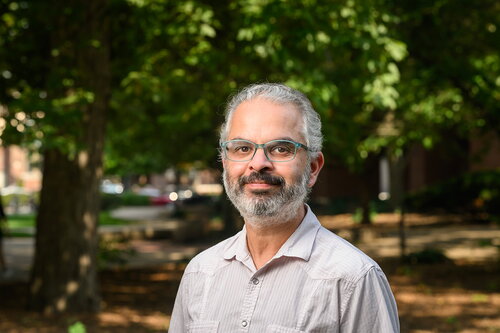
Ripan S. Malhi is a Professor in the Department of Anthropology at the University of Illinois at Urbana-Champaign, with additional affiliations in Evolution, Ecology, and Behavior; American Indian Studies Program; and the Carl R. Woese Institute for Genomic Biology. His research integrates molecular anthropology and genomics to study human and animal evolutionary history. Primary Affiliation : Department of Anthropology, College of Liberal Arts & Sciences Collaborative Roles : Carl R. Woese Institute for Genomic Biology, American Indian Studies Program Malhi's work focuses on ancient DNA analysis, mutualistic human-animal relationships, and Indigenous population genomics. Recent studies include genomic investigations of historic lion populations, Pleistocene human-canid interactions in Alaska, and genetic continuity in the Blackfoot Confederacy. His lab employs interdisciplinary approaches combining archaeology, biology, and Indigenous community partnerships. Recent publications highlight collaborations with colleagues in genomics, ecology, and archaeology. Key themes include biomarker analysis, colonial-era biodiversity impacts, and prehistoric human migration patterns. The Malhi Molecular Anthropology Laboratory serves as a hub for these investigations. Contact: Department of Anthropology, 607 S. Mathews Ave., Urbana, IL 61801 | Phone: 217-265-0721 | Email: malhi@illinois.edu
Ping Wang is a Professor in the School of Geosciences at the University of South Florida. His research focuses on coastal geology, sedimentary processes, and coastal engineering. He holds a Ph.D. from the University of South Florida (1995). His expertise includes coastal sediment transport, hurricane impacts, and beach nourishment strategies. Education: Ph.D., University of South Florida, 1995 Research Interests: Coastal morphodynamics and sediment transport mechanisms Impact of hurricanes on barrier island systems Beach nourishment performance and coastal resilience Geoarchaeology of coastal sites Recent Work: Analyzing hurricane-induced sediment transport patterns (2025) Evaluating long-term effects of cyclic beach nourishment (2025) Investigating tidal circulation modifications in McKay Bay (2025) Advising: Current advisees include Jacob Adam, Kirsten Bendik, and others Focus on training students in field and remote sensing techniques Labs/Teams: Engaged in USF's coastal research initiatives, leveraging UAVs and numerical modeling for coastal monitoring.
Dr. Giovanna Vidoli is a Research Associate Professor of Anthropology and Director of the Forensic Anthropology Center (FAC) at the University of Tennessee, Knoxville. Her primary role involves generating and facilitating research using FAC resources including the Bass Donated Skeletal Collection and Anthropological Research Facility, with focus on novel technological applications in forensic anthropology. Education Ph.D. in Anthropology from Binghamton University, New York (2012) M.S.c in Forensic and Biological Anthropology from Bournemouth University, England (2003) B.A. in Anthropology from College of William and Mary, Williamsburg VA (1998) Research Focus Dr. Vidoli's research spans forensic anthropology, decomposition studies, and trauma analysis. Her work includes: comparative decomposition rates between humans/pigs/rabbits; fracture pattern documentation in aviation disasters; and developing identification methodologies for skeletal remains. She specializes in error rate assessment for craniofacial superimposition and ancestry estimation techniques, with field experience across global mass fatality contexts. Professional Experience Directed mortuary operations for World Trade Center attacks (as Assistant Director of WTC Operations) Managed victim identification during 2004 Thailand Tsunami Forensic Anthropology Foundation of Guatemala (FAFG) field volunteer JPAC-CIL Recovery Team Fellow in Laos International instructor in osteology and archaeology (Bogotá, Colombia) As FAC Director, she oversees one of North America's premier human decomposition research facilities and skeletal collections.
G. Evelyn Hutchinson Professor of Earth & Planetary Sciences at Yale University and Curator of the Yale Peabody Museum of Natural History. Research focuses on exceptional fossil preservation and its evolutionary significance. Investigates decay processes, mineralization mechanisms, and fossilization conditions through experimental approaches and field studies. Major discoveries include insights into Burgess Shale-type preservation and color reconstruction in fossils. Recipient of the Paleontological Society Medal. Current research explores molecular preservation in ancient tissues and biophotonic structures in fossil insects. Supervises large team of postdoctoral researchers and graduate students at Yale Paleobiology Group.
Michael Coates is a Professor in the Department of Organismal Biology and Anatomy at the University of Chicago, focusing on early vertebrate diversity and evolution. His research integrates paleontology, evolutionary developmental biology, and phylogenetics, with ongoing projects on tetrapod origins, shark-like fish evolution, and ray-finned fish radiation. He was elected a 2021 AAAS Fellow for his contributions to vertebrate paleontology. Education: B.Sc. (1982) and Ph.D. (1988) in Vertebrate Paleontology from the University of Newcastle upon Tyne, UK Research Interests: Coates explores evolutionary transitions such as the fin-to-limb transformation, early gnathostome phylogeny, and the role of fossils in developmental evolution. His work often combines large datasets, molecular data, and advanced imaging techniques like CT scanning. Article Trends: Recent publications emphasize vertebrate phylogeny, fossil record completeness, and developmental evolution. Subfields include tetrapod origins, shark morphology, fish brain evolution, and evo-devo mechanisms. Scientific Awards: 2021 AAAS Fellow Advising & Collaborations: Coates has mentored notable alumni including Dr. Lauren Sallan (OIST Marine Macroevolution Unit) and Dr. Tom Stewart (Penn State University). He collaborates extensively with labs like Prince and Ho, integrating fossils and molecular data in evolutionary studies. Labs & Teams: The Coates Lab promotes integrative research at the intersection of paleobiology, anatomy, and developmental biology, utilizing technologies like 3D printing and CT scanning to study vertebrate historical biodiversity.
Tina Treude is a Professor at the University of California, Los Angeles (UCLA), affiliated with the Department of Earth, Planetary, and Space Sciences and the Department of Atmospheric and Oceanic Sciences. She serves as Director of UCLA’s Marine Center at the Institute for the Environment and Sustainability (IoES), fostering interdisciplinary marine science collaboration. Her research spans geomicrobiology, biogeochemical cycles, and climate change impacts on marine ecosystems. Diploma in Biology (1999) from University of Kiel PhD in Biogeochemistry (2004) from Max Planck Institute for Marine Microbiology and University of Bremen Treude’s research focuses on microbial methane cycling in marine sediments, biogeochemical processes in oxygen minimum zones, and geomicrobiological responses to environmental changes. Her work combines field studies, laboratory experiments, and geochemical analyses to understand ecosystem dynamics. Notable trends in her publications include methane oxidation mechanisms, sulfur and nitrogen cycling in anoxic environments, and microbial adaptation to extreme marine conditions. Recent articles emphasize Santa Barbara Basin and Arctic Ocean studies. Scientific Awards: Pritzker Emerging Environmental Genius Award As a principal investigator, she collaborates on projects like the USC Sea Grant study of oxygen deficiency in Santa Monica Basin. Her lab trains students in radiotracer incubations, molecular methods, and sediment analysis. Treude has spent over two years at sea, conducting fieldwork via submersibles and research vessels globally.
Catherine Badgley is a Professor in the Department of Ecology and Evolutionary Biology at the University of Michigan. She serves as a Research Scientist at the Museum of Paleontology and the Residential College, with a career spanning over four decades since joining as a Michigan Fellow in 1982. Her work bridges paleoecology, biogeography, and sustainable agriculture, focusing on biodiversity responses to global change across deep time scales. Ph.D. in Geology from Yale (1982) MFS from Yale School of Forestry and Environmental Studies (1974) B.A. in Geology from Radcliffe College (Harvard) Her research integrates four major themes: Paleoecology: Quantitative analysis of fossil assemblages, taphonomy, and Cenozoic mammal community dynamics Climate Change: Using mammal databases to link modern ecological patterns with paleoclimatic inference Spatiotemporal Biodiversity: Tracking mammal-plant co-evolution since the Last Glacial Maximum using isotopic and morphological proxies Agricultural Sustainability: Pioneering studies demonstrating organic agriculture's capacity to meet global food demands Recent publications reveal trends combining 4D geodynamic modeling , C3/C4 vegetation transitions , and functional morphology across Neogene records in Pakistan, Spain, and North America. Her fieldwork spans the Siwalik sequence, Mojave Desert, and Great Basin regions. She leads the NSF-funded NARLEE (North American Rodent Landscapes Evolution & Ecology) Research Coordination Network and teaches courses like EEB 318/319 on Food Systems and EEB 445 Biogeography, featuring immersive fieldwork and interdisciplinary analysis of agricultural impacts on biodiversity.
Lars Vilhelmsen is an Associate Professor and Curator at the Zoological Museum, Natural History Museum of Denmark (University of Copenhagen). He earned his M.Sc. (1995), Ph.D. (1999), and Dr. scient. (2004) from the University of Copenhagen, specializing in hymenopteran morphology and systematics. His career includes postdoctoral research at Uppsala University (2000-2002) and continuous employment at Copenhagen since 2002. His research focuses on: Higher-level phylogeny and evolutionary history of Hymenoptera Comparative anatomy and functional morphology of parasitic wasps Systematics and biogeography of the Orussidae family Cretaceous fossil insects and amber preservation He participates in the NSF-funded HymAToL project reconstructing hymenopteran phylogeny. Teaching activities include coordinating 'Entomology' (terrestrial arthropod biology) and 'Summer Course in Terrestrial Zoology' field studies. He serves as Co-Editor of Systematic Entomology and maintains international research collaborations across biogeographic regions.
Margaret Judd is an Associate Professor and Chair of Anthropology at the University of Pittsburgh, Dietrich School of Arts and Sciences. She received her PhD from the University of Alberta (2000), an MSc from the University of Bradford (1994), and a BA from Wilfrid Laurier University (1993). Prior to joining Pittsburgh in 2004, she served as Special Collections Curator in the Department of Ancient Egypt & Sudan at The British Museum. Her research focuses on bioarchaeology, with emphasis on how sociocultural and resource stress affects the human body. She specializes in forensic anthropology and paleopathology, with extensive fieldwork in Jordan, northern Sudan, Russia, Egypt, Italy, and Canada. Current projects investigate multi-resource subsistence among ancient Jordanian pastoralists using bioarchaeological evidence. Dr. Judd teaches courses including Forensic Anthropology and Paleopathology. She has advised graduate students such as Alysha Lieurance and Gretchen Zoeller but is no longer accepting new advisees.
Dr. Viola C. Schmid is a postdoctoral researcher in the Quaternary Archaeology research group at the Austrian Academy of Sciences (ÖAI) in Vienna, with additional teaching roles at the University of Tübingen and University of Vienna. She earned her master's degree in 2013 and completed a binational PhD magna cum laude in 2019 through a joint program between the Universities of Tübingen and Paris Nanterre. Her career includes research positions at the University of Geneva (2019), ÖAI (2020-2021), and Leiden University (2021-2022), before returning to ÖAI in October 2022. Her research explores prehistoric archaeology across Africa and Europe, focusing on human evolution during the Pleistocene. Key interests include: Population dynamics and knowledge transfer in hunter-gatherer societies Technological systems development in Paleolithic and Mesolithic contexts Middle and Later Stone Age site excavations Reanalysis of archaeological collections using modern methods Schmid's publications primarily investigate lithic technology evolution, site formation processes, and Middle Stone Age adaptations in Africa and Europe. Her work frequently employs experimental approaches and interdisciplinary methods to analyze raw material sourcing, tool production techniques, and cultural transitions. Research sites span South Africa (Umhlatuzana, Diepkloof), Senegal (Toumboura III), Austria (Csaterberg), and Germany (Swabian Jura caves). While no scientific awards are documented, she actively contributes to international projects like the South African Middle Stone Age research during MIS 5 and the Peuplement humain et paléoenvironnement en Afrique program. Her grants and students are not specified in available materials. At ÖAI, she collaborates within the Quaternary Archaeology research group, focusing on Pleistocene human-environment interactions. She maintains academic networks through co-authorships with researchers across Europe and Africa, particularly in lithic technology and Paleolithic site analysis.
Eileen Murphy is a Professor in the School of Natural and Built Environment at Queen's University Belfast, where she is a leading figure in bioarchaeology and community archaeology. She is actively involved in research, teaching, and public engagement, with a focus on human remains, burial practices, and the archaeology of childhood and the Irish diaspora. She is Co-Director of the Centre for Community Archaeology and Chair of the University's Scholarships and Awards Group. Education: PhD in Archaeology (specific institution and year not provided in text) Additional degrees inferred through academic rank and research output, though not explicitly stated Her research interests center on bioarchaeology , particularly the biocultural analysis of Irish and Eurasian populations, deviant and minority burial practices, children's burial grounds (cillini), and the archaeology of childhood and the Irish diaspora. She is deeply committed to community archaeology , exemplified by her leadership in the Community Archaeology Programme Northern Ireland (CAPNI). Her work bridges scientific analysis and public engagement, contributing to sustainable development goals related to inclusive heritage and education. The 15 most recent publications reflect a consistent trajectory in osteoarchaeology , palaeopathology , and ethical archaeology , with increasing interdisciplinary work in medical geology and biomechanics. Themes include disability in the past, environmental health impacts, and the social dimensions of burial. Her outputs span scholarly journals, books, and public-facing media, demonstrating a strong commitment to knowledge dissemination. Scientific Awards and Recognitions: QUB Staff Excellence Award for Community Impact (2020) British Archaeological Award for Best Scholarly Book (2008) County Heritage Award (2021) Listowel Writer’s Week Nilsson Local Heritage Writing Award (2023) QUB Students' Union Most Involved Teaching Staff Member (2017) Fellow of the Society of Antiquaries of London Vice-President, Ulster Archaeological Society Chair, EAA Belfast 2023 Scientific Committee Elected Member, Royal Irish Academy (2025) Eileen Murphy has supervised numerous PhD students, both currently and in the past, covering diverse topics from Neolithic mortuary rites to medical geology. She has secured significant research output and public engagement through projects like the Ballyhanna and Ranelagh excavations. Her administrative roles include co-directing research centers and leading university committees, reflecting her leadership in both research and institutional service. She is actively involved in public outreach, including podcasts, media interviews, and science festivals, particularly through CAPNI. Her work with the Belfast Mummy (Takabuti) and the Forgotten Cemetery project highlights her ability to connect academic research with public interest. She leads major collaborative efforts across Ireland and internationally, fostering networks in archaeological research and education.