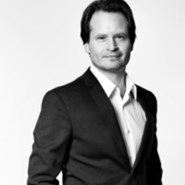
Mikael Wiberg is full Professor of Informatics at Umeå University, Sweden, where he leads research groups in Design Informatics and Digital Interaction & Design. He is co Editor-in-Chief of ACM Interactions and has held chaired and guest professorships at Uppsala, Södertörn and Chalmers universities. His work sits at the intersection of human-computer interaction, materiality, architecture and emerging technologies. Education: PhD in Informatics, Umeå University, 2001 Docent (Associate Professor) in Informatics, Umeå University, 2004 Research interests revolve around interactivity, mobility, materiality and architecture . Wiberg coined the notion of “materiality of interaction” to study how digital resources merge with physical materials, spaces and artefacts. Recent strands include more-than-human design, human-building interaction, autonomous systems UX, and social justice in HCI, all interrogating how interactive technologies shape—and are shaped by—human and non-human actors. Across more than two decades he has published in top venues such as ACM TOCHI, Design Issues, Int. Journal of Design, Human-Computer Interaction journal and the magazine ACM Interactions . His 2018 MIT Press monograph The Materiality of Interaction consolidates his theoretical stance and has become a touchstone for architectural and material HCI discourse. Editorial & scientific awards: Co Editor-in-Chief, ACM Interactions (2019-) Member, Royal Skyttean Society (Kungliga Skytteanska Samfundet) Board member, Professors’ Association, Umeå University He currently leads interdisciplinary projects on digital heritage archives, autonomous vehicle experiences for children with intellectual disabilities, and sustainable interaction infrastructures. Although the provided text does not enumerate specific grants or doctoral students, his continuous project leadership and editorial roles evidence sustained funding and supervisory activity. Wiberg directs the Design Informatics research environment and is a core member of Umeå’s Internet of Things group, fostering collaboration between informatics, architecture, design and social sciences. His overarching agenda asks how interactive technologies can support just, sustainable and aesthetically rich futures at architectural and urban scale.