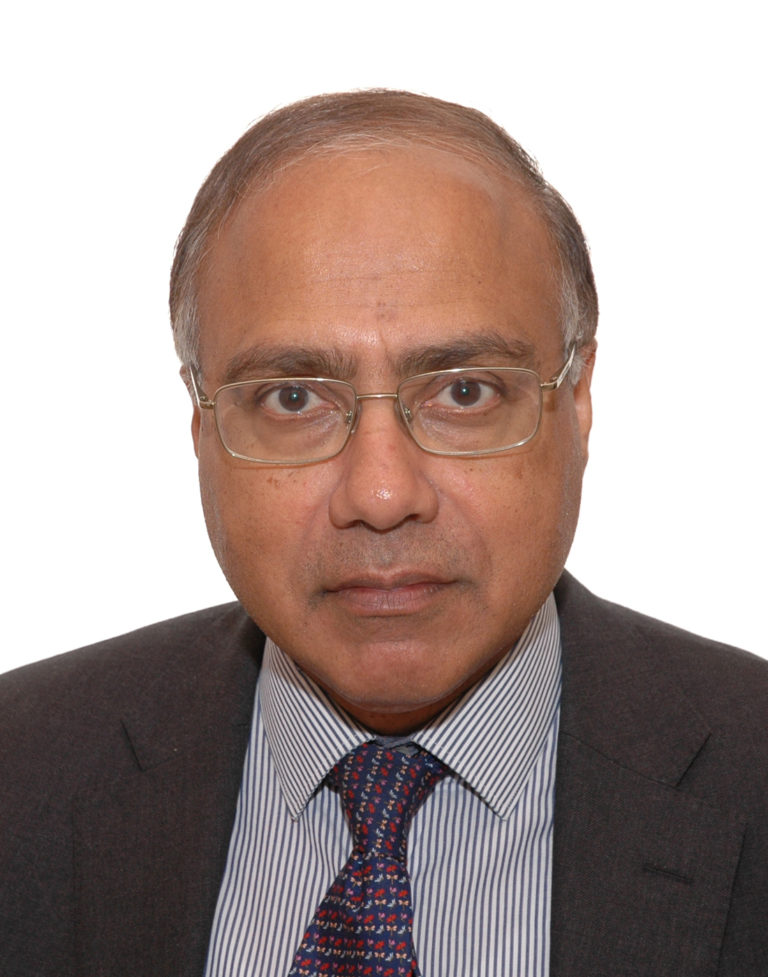
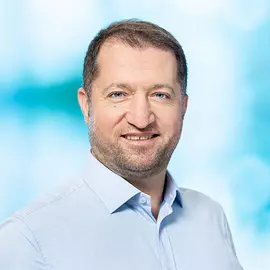
Amar Bhattacharya is a Visiting Professor in Practice at the Grantham Research Institute, London School of Economics and Political Science (LSE), specializing in international finance, climate action, and sustainable growth. His work focuses on economic and climate policies in India and global sustainable development frameworks. University of Delhi (undergraduate) Brandeis University (undergraduate) Princeton University (graduate) His research spans the global economy, development finance, global governance, and the intersection of climate and development. Amar collaborates extensively with institutions like the Brookings Institution and organizations led by Lord Stern, contributing to climate finance frameworks and international policy recommendations. Amar's recent publications (2020–2025) emphasize investment-driven sustainable development models, climate finance delivery mechanisms, and global cooperation strategies. These works address critical challenges in emerging markets and developing economies, including post-pandemic recovery and systemic integration of climate funding. He has held leadership roles at the World Bank, the Group of 24 (G24) as Director, and currently serves as a Senior Fellow in the Center for Sustainable Development at the Brookings Institution. His collaborations with experts like Nicholas Stern, Vera Songwe, and Danae Kyriakopoulou shape global climate finance discourse.
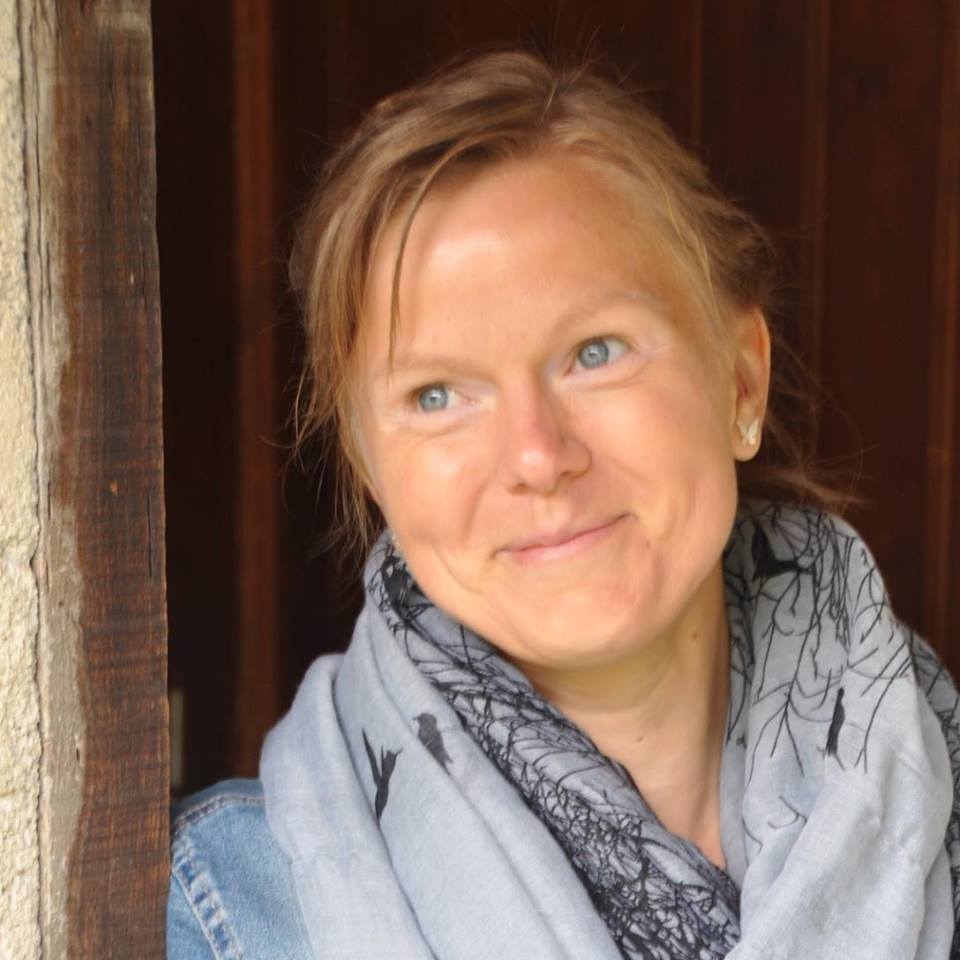
Marie Vandewalle is a Research Fellow at the Department of Conservation Biology and Social-Ecological Systems within the Helmholtz Centre for Environmental Research - UFZ . She leads the Biodiversity Science-Policy Interface Working Group and contributes to the UFZ Science Policy Expert Group. Current Roles : Expert for EU Biodiversity Platform (2024-present) Scientific Co-coordinator of BioAgora (Horizon Europe, 2022-present) Work Package Lead in EmpowerUs (Horizon Europe) Task Lead in Eco-Ready (Horizon Europe) Partner in RESTOREID (Horizon Europe) Leadership Roles : Head of Eklipse Management Body (2020-present) ALTER-Net Management Board Member (2017-present) Convener of ALTER-Net Summer School (2016-present) Research Focus : Vandewalle specializes in Biodiversity , Ecosystem Services , and Science-Policy-Society Interface . Her work emphasizes: Transformative science-policy frameworks Stakeholder engagement in conservation Nature-based solutions for sustainability Network-of-networks approaches Knowledge synthesis for policy briefs Scientific Contributions span 15+ years, with key publications on: Science-policy interface mechanisms Global biodiversity knowledge synthesis Functional trait ecology Ecosystem service quantification Land use impacts on biodiversity Participatory environmental governance
Kihong Heo is an Associate Professor at the School of Computing and Graduate School of Information Security, KAIST, Republic of Korea. He leads the Programming Systems Laboratory and has held academic positions since 2017, including Assistant Professor (2017-2020) and Associate Professor (2020-2024). His research focuses on developing program reasoning systems for safe and reliable software, with key contributions in AI-based program analysis, program simplification, and scalable synthesis systems. His educational background includes a Ph.D. and B.S. in Computer Science & Engineering from Seoul National University (2009 and 2005 respectively). He has served as a post-doctoral researcher at the University of Pennsylvania (2009-2017) before transitioning to KAIST. Research interests span AI-driven program analysis for deep semantic bug detection, program debloating systems for security optimization, and synthesis frameworks using probabilistic models. His work bridges undecidability in static analysis with external information integration. Recent publications analyze logic-based verification for mobile agents, compiler fuzzing , and data dependency guided fuzzing . Trends show a focus on security-critical systems, reinforcement learning for code reduction, and probabilistic models. Scientific awards include the ACM SIGSOFT Distinguished Paper Award (FSE 2025) , Amazon Research Award (2024) , and multiple KAIST teaching honors . He has also received ACM SIGPLAN Distinguished Paper (PLDI 2019) and Best Artifact Awards. He has mentored numerous Ph.D. and Master’s students and contributes to program committees for leading conferences like SOAP (PC Co-Chair) , ICSE , and SAS . His work is supported by grants and collaborations with institutions including Facebook and Seoul National University.
Pham Bach Viet is a lecturer at the University of Social Sciences and Humanities, Ho Chi Minh City (USSH-HCMC) and collaborator with the Center for Remote Sensing and Geographic Information Systems (GIRS) and Geomatics Center (GeoC) – ITP/VNU-HCMC . His work focuses on integrating Vietnamese data, remote sensing data, and validating flood and land cover products for the WISDOM project. Diploma in Geography (Cartography) from University of HoChiMinh City (1984) MSc in Natural Resources Conservation from Asian Institute of Technology (AIT), Thailand (1999) Research Interests : Pham Bach Viet specializes in Remote Sensing (RS) and GIS applications, particularly spatial analysis and geostatistics . His work includes optical RS data processing for land cover classification, forest monitoring, and flood vulnerability assessments in the Mekong Delta. Project Contributions : In the WISDOM project, he contributed to work packages related to data integration (WP 6120, WP 6140) and product validation (WP 6213, WP 6214). His expertise bridges geospatial analysis with environmental management challenges in Vietnam.
Hans van Trijp is a Full Professor in Marketing and Consumer Behaviour at Wageningen University & Research, focusing on food-related decision-making, sustainability, and packaging innovation. He leads interdisciplinary projects addressing food waste reduction , green packaging , and cultured meat acceptance , bridging behavioral science with market transitions. Key Research Areas: Food waste, sustainable packaging, consumer neuroscience, dietary transitions Collaborations: Partnerships with Dutch supermarkets (Albert Heijn, Aldi), Vietnamese agricultural institutions, and EU policy bodies His recent work explores social norms and implicit cues in shaping food choices, with a focus on experimental designs and virtual reality applications . A 2021 prize recognized his team’s insights into agricultural export integration for Vietnamese farmers. Notable Contributions: Pioneering food swap recommendation systems in online supermarkets Meta-analyses on social norms and emotional regulation in consumption Advocacy for FAIR data in sensory and consumer research As a promotor for 10+ PhD projects, he mentors researchers in topics spanning mindfulness interventions , market orientation for smallholder farmers, and neural responses to food cues. His work emphasizes collaborative innovation across supply chains and policy frameworks.
Dr. Branko Suvajdžić serves as an Associate Professor at the Department of Hygiene and Technology of Animal-Origin Foods within the Faculty of Veterinary Medicine at the University of Belgrade. His academic responsibilities include teaching courses in Basics of Hygiene of Animal-Origin Foods (14I4O08), Hygiene and Meat Technology (14I5O05), and Control of Animal-Origin Foods (14I6O05). Dr. Suvajdžić's research focuses on meat science, food safety, and quality assessment of animal-origin foods with particular emphasis on meat products. His scholarly work demonstrates extensive expertise in pork quality assessment, traditional meat products like Sremski kulen, and alternative meats including rabbit and horse meat. He frequently investigates how production conditions, transport, and processing impact meat quality and safety parameters. His research often addresses food safety concerns such as biogenic amine formation, heavy metal contamination, and microbial safety in meat products. Analysis of his publication record from 2017-2024 reveals a consistent research trajectory in meat science with evolving focus areas. Early work centered on traditional Serbian meat products and food safety parameters, while recent publications (2022-2024) show expanded interest in alternative protein sources (rabbit, horse), seafood quality, and comprehensive food safety assessments including heavy metal analysis through the One Health framework. His work frequently appears in journals like Animals (Basel), Meat Technology, and Acta Veterinaria-Beograd, demonstrating strong regional and international scholarly recognition. Dr. Suvajdžić maintains an active research profile with consistent publication output, primarily collaborating with colleagues from the University of Belgrade's veterinary and food science departments. His research demonstrates practical applications for meat industry quality control and food safety protocols.
Audrey Fu is an Associate Professor of Family Medicine and Public Health Sciences and of Molecular Medicine and Genetics at Wayne State University School of Medicine, located at Scott Hall, 540 E. Canfield Street, Detroit, MI 48201. Her interdisciplinary work bridges computational methods with biomedical applications, particularly in genomics and medical imaging fields. Her educational background includes a PhD from the University of Washington (2008), followed by postdoctoral training at the University of Chicago (2008-2014) and a Visiting Postdoctoral Scholar position at Stanford University (2014-2015). This strong foundation in statistics and computational biology has enabled her to develop innovative approaches to complex biomedical data analysis. Dr. Fu specializes in developing statistical methods and algorithms for analyzing high-dimensional biomedical data, with particular expertise in causal network inference using Mendelian randomization, deep learning for single-cell RNA-sequencing data, and methods for identifying disease-relevant cell types through integration of genomic data. Her research group actively practices open science, distributing open-source software packages in R and Python through GitHub and CRAN. Her publication record reveals a clear progression from fundamental statistical methodology development toward increasingly translational biomedical applications. While her earlier work focused on DNA methylation patterns, statistical inference of gene expression noise, and Bayesian clustering methods, her recent publications demonstrate expansion into medical imaging analysis, particularly in space medicine applications and neurological conditions like Chiari malformation. This evolution shows her ability to adapt statistical frameworks to address diverse biomedical challenges. NIH Pathway to Independence Award (K99/R00; 2014-2019) International Society for Bayesian Analysis Travel Award (2010) Dorothy and Leon Gilford Fellowship, Department of Statistics, University of Washington (2003) Dr. Fu is currently accepting new M.S. students for 2025-2026 but not new Ph.D. students. Her NIH K99/R00 award indicates successful transition from postdoctoral research to independent investigator status. Her lab develops multiple open-source software packages including MethylHMM, MRPC, LATE, and rolypoly, reflecting her commitment to making computational tools accessible to the broader research community. Her collaborative work spans multiple institutions and disciplines, from basic molecular biology to clinical applications in ophthalmology and neurosurgery.
Prof. Simon Adrian holds the Chair of Theoretical Electrical Engineering at the Institute of General Electrical Engineering, University of Rostock, Germany. His research focuses on computational electromagnetics with critical applications in antenna design, electromagnetic compatibility, and medical technology. He serves as Associate Editor for the IEEE Transactions on Antennas and Propagation and contributes to the IEEE Antennas and Propagation Society Education Committee, demonstrating significant academic leadership in the global electromagnetics community. His primary research addresses low-frequency instability challenges in electromagnetic integral equations through innovative numerical techniques. Key areas include Calderón preconditioners, quasi-Helmholtz projectors, B-spline discretizations, and adaptive cross approximation methods. These approaches enable robust simulations across diverse applications from radar systems and antenna design to biomedical problems like deep brain stimulation and electroencephalography. Recent work emphasizes broadband stability and efficient solvers for multiply-connected geometries. Analysis of Prof. Adrian's publication trends (2023-2025) reveals a concentrated effort on overcoming fundamental limitations in electromagnetic modeling. His work consistently targets low-frequency regimes where traditional methods fail, developing mathematically rigorous stabilization techniques while expanding into biomedical applications. The integration of isogeometric analysis with specialized discretization strategies represents a cutting-edge direction in computational electromagnetics. Professional engagement includes active membership in the Institute of Electrical and Electronics Engineers (IEEE), IEEE Antennas and Propagation Society, and Union Radio-Scientifique Internationale (URSI), reflecting his commitment to advancing the field through collaborative research and scholarly communication.
Dr. Onet-Marian Zsuzsanna is a Lecturer in the Department of Computer Science at Babes-Bolyai University in Cluj-Napoca, Romania. Her research focuses on applying machine learning techniques to software engineering challenges, particularly software defect prediction and restructuring. Academic Rank: Lecturer Affiliation: Babes-Bolyai University Department: Computer Science Email: zsuzsanna.onet@ubbcluj.ro Research Interests : Dr. Marian specializes in developing machine learning models (clustering, association rules, reinforcement learning) for software defect detection, package-level restructuring, and test order optimization. She also explores applications of Formal Concept Analysis in text summarization and music pattern discovery. Recent Publications highlight her work in source-code embeddings, unsupervised learning for software analysis, and comparative studies of online/traditional learning environments. Her methods often integrate domain-specific metrics and AI-driven optimization. Contact : zsuzsanna.onet@ubbcluj.ro | Office: Teodor Mihaly street, Room 440
Harald Augustin is a Professor at Reutlingen University's ESB Business School, specializing in Industrial Engineering and Logistics. He leads the Virtual Engineering and Training Center (VETC) and the Steinbeis Transfer Center for Process Management in Product Development, Production, and Logistics. Current roles: Professor for "Fabriksysteme und Logistik", Director of VETC Research focus: Digital Manufacturing, Lean Logistics, Virtual Reality in Factory Planning Education Diplom-Ingenieur (Maschinenbau, Production Engineering), Karlsruhe Institute of Technology (KIT) Dr.-Ing. (Promotion) in Mechanical Engineering, TU Kaiserslautern Research stays in France, Canada, and Australia Research Interests center on optimizing logistics and production systems through digitalization, lean methodologies, and virtual collaboration. His work includes developing immersive planning systems, risk management frameworks, and agile engineering processes. Lab Affiliations : VETC (Virtual Engineering and Training Center) at ESB Business School Steinbeis Transfer Center for Process Management in Product Development, Production, and Logistics
Professor David A Ritchie is a Fellow in Natural Sciences (Physics) and Professor of Experimental Physics at the University of Cambridge. He leads the Semiconductor Physics Group at the Cavendish Laboratory, focusing on quantum physics and semiconductor technology. Education: MA in Physics (University of Oxford, 1980), DPhil in Low-Temperature Liquid Helium Physics (University of Sussex, 1985) His research explores semiconductor physics, quantum dots, and terahertz technology, with contributions to spintronics and low-dimensional electron systems. Recent work addresses quantum entanglement and artificial bandstructures in GaAs heterostructures. He has published extensively on THz modulation, quantum cascade lasers, and electron correlation effects. His awards include the 2008 Tabor Medal and Prize from the Institute of Physics. Current publications analyze quantum Hall systems, spin-resolved magnetic focusing, and scalable entangled photon generation. Ritchie’s group develops cryogenic THz delivery systems and hybrid superconducting-semiconducting nanostructures.
Cliff B Jones is Professor of Computing Science at Newcastle University, where he has been faculty since August 1999. His distinguished career spans academia and industry, including positions at Harlequin (1996-1999) as Technical Director, The University of Manchester (1981-1996) as Professor of Computing Science, and IBM (1965-1979) where he worked in Hursley (UK), Vienna and Brussels. Dr. Jones earned his DPhil from Oxford University in 1981 under the supervision of Tony Hoare at Wolfson College. His doctoral research laid the foundation for his lifelong work on formal methods for software development and verification. His fifteen years at IBM included the creation of VDM (Vienna Development Method) with colleagues in the Vienna Lab. Prof. Jones is best known for his research into formal methods for the design and verification of computer systems. His current research focuses on concurrency, support systems, and logics, with particular emphasis on applying formal methods to wider issues of dependability. He is a pioneer of Rely/Guarantee reasoning for concurrent systems, with his Oxford research showing how interference could be handled in specifications and design verification. His work bridges theoretical foundations with practical applications, informed by his extensive industry experience. Prof. Jones' recent publications demonstrate a continued focus on concurrency verification through Rely/Guarantee reasoning, with increasing attention to real-time and mixed-criticality systems. His work shows a strong historical perspective on formal methods while addressing current challenges in concurrent programming, dependable systems, and the integration of AI techniques for proof automation. The research spans theoretical foundations, practical applications, and historical analysis of the field. His scientific achievements have been widely recognized: Fellow of the ACM (elected 1995) Fellow of the Royal Academy of Engineering (FREng, elected 2003) Fellow of IET (was IEE) Fellow of BCS Chartered Engineer (CEng) Senior Fellowship from the research council (5-year) Visiting Fellowship at Gonville & Caius College Prof. Jones has supervised numerous PhD students who have made significant contributions to formal methods. His research has been supported by substantial grants including EPSRC-funded projects (AI4FM, Taming Concurrency), an ARC grant DP130102901, and the Platform Grant 'Trustworthy Ambient Systems' (TrAmS). He served as Project Director for the five-university Interdisciplinary Research Collaboration (IRC) on 'Dependability of Computer-Based Systems' (2000-2007) and coordinated methodology work packages in the DEPLOY project. Prof. Jones leads the AI4FM project team at Newcastle University, which focuses on developing systems that can learn strategic ideas from interactive proofs to increase automation of similar proofs. Earlier in his career, he built a world-class Formal Methods group at Manchester University that was the academic lead in the largest Software Engineering project funded by the Alvey programme (IPSE 2.5), which created the mural theorem proving assistant.
Prof. Dr. Selçuk Yildirim is a leading researcher in sustainable food packaging technologies at the ZHAW School of Life Sciences and Facility Management . His work focuses on developing innovative solutions to extend food shelf life while minimizing environmental impact through biopolymer composites, oxygen scavenging systems, and valorization of food industry side streams. Current Projects : Sustainable Food & Packaging Knowledge Hub, Valorization of Swiss Agri-Food Side Streams, Calcium Carbonate-Based Active Packaging Research Themes : Biopolymer Films, Oxygen Scavenging, Antimicrobial Packaging, Modified Atmosphere Packaging Research Trends in his publications span Food Chemistry , Material Science , and Environmental Sustainability . Key subfields include Biopolymer Composites Active/Intelligent Packaging Essential Oil Applications Palladium Catalysts Nanomaterial Integration Waste Valorization Patents include Antimicrobial Coatings (WO2021224317A1) and Compostable Capsules (WO2021044024A1). Collaboration Networks involve institutions like ETH Zurich, Victoria University, and COST Action FA0904. He has presented at 21st IAPRI World Conference, EuroFoodChem XX, and Baltic Polymer Symposium.
Dr. Frank Bergmann is a Researcher at BioQuant (Center for Quantitative Analysis of Molecular and Cellular Biosystems) within the Faculty of Biosciences at Heidelberg University. His work focuses on computational systems biology with particular emphasis on developing simulation tools and standards for biochemical network modeling. He maintains an active research profile with numerous publications spanning from 2011 to 2018 and teaches programming courses including Python and C++. His research interests center around computational systems biology, with specific expertise in biochemical network modeling, simulation software development, and systems biology standards. Dr. Bergmann has made significant contributions to the development of COPASI (Complex Pathway Simulator) and SBML (Systems Biology Markup Language), which are widely used tools and standards in the field. His work enables researchers to create, simulate, and share computational models of biological processes. Analysis of his publication record reveals a consistent focus on developing standards and infrastructure for reproducible computational biology. His work spans model representation (SBML), simulation experiment description (SED-ML), data exchange formats (SBtab), and model archiving (COMBINE). These contributions have helped establish frameworks that enable collaborative, reproducible research in systems biology across international boundaries. Dr. Bergmann actively collaborates with researchers worldwide, as evidenced by his extensive co-authorship network across multiple publications. His work bridges computer science, mathematics, and biological sciences, contributing to Heidelberg University's strong presence in molecular life sciences research.
Kamran Rousta is a researcher at the University of Borås , affiliated with the Academy of Textiles, Technology and Economics and the Department of Resource Recycling and Community Development . His academic work focuses on waste management, circular economy, and sustainable practices in urban and institutional settings. Research Interests Waste segregation and behavioral interventions Upcycled food production and consumer acceptance Life cycle assessment of food waste Design strategies for sustainable packaging Fungi-based food systems and ecoethics Doctoral Supervision Rousta serves as the main supervisor for doctoral students Zisen Liu and Samira Syed at the University of Borås. Publications His recent work (2023–2025) emphasizes global-local dynamics in waste management, food waste reduction technologies, and behavioral drivers for sustainable consumption, particularly in Sweden, Brazil, and India.