Lorenzo Cavallaro is a Full Professor of Computer Science at University College London (UCL), specializing in Trustworthy AI for Systems Security. His research focuses on developing learning-based methods that are robust against adversaries by understanding the interplay between program analysis, representations, and machine learning models. His research interests span multiple critical areas in cybersecurity, including adversarial machine learning, malware detection, program analysis, and security evaluation. Cavallaro's work particularly emphasizes the challenges of concept drift in security systems and the development of robust defenses against evolving threats. His research has significant implications for Android security, binary analysis, and memory safety in embedded systems. Analysis of his recent publications (2024-2025) reveals a strong focus on addressing fundamental challenges in ML-based security systems. His work spans malware detection systems that maintain reliability under distribution shifts, adversarial attacks in the problem space, context-driven approaches using LLMs for security applications, and temporal invariance in malware detection. A recurring theme is the critical examination of whether ML-based security systems are truly robust and reliable in real-world scenarios. Cavallaro serves in significant editorial and advisory roles including the NDSS Steering Group (2023-2026), Associate Editor for Computer & Security and ACM TOPS, and Scientific Advisory Board for SERICS. He has been actively involved in program committees for top security conferences including IEEE S&P, USENIX Security, CCS, and NDSS from 2021-2025. He teaches Malware (COMP0060; 2022—ongoing), Research in Information Security (COMP0057; 2021—23), and Computer Security 2 (COMP0055; 2021—ongoing) at UCL, contributing to the next generation of security researchers and practitioners.
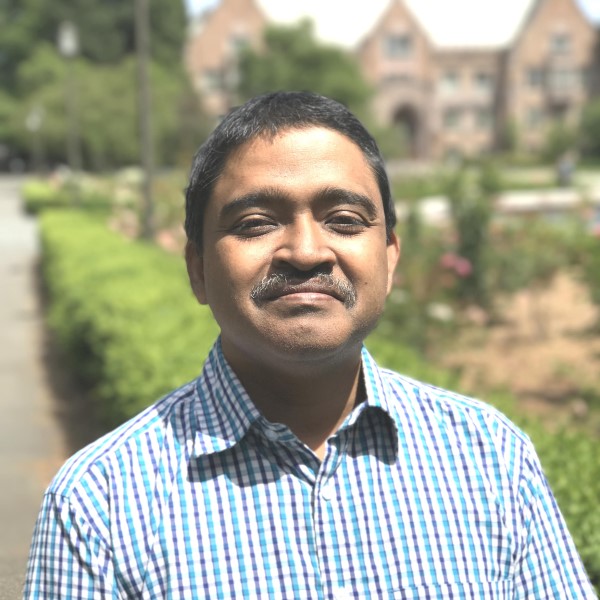
Vandana Rao is a Professor of Business Management and Chair of the Business Division at Marymount Manhattan College, where she is affiliated with the Department of Business in the School of Business. She teaches a wide range of courses in finance, economics, international business, and management. Educational Background: M.A., Bombay University, India M.A. and Ph.D., State University of New York at Stony Brook Research Interests: Her research focuses on economic development, risk management, Basel II regulations, operational risk, economic capital, financial systems, and the role of women in globalization and development. She employs econometric and financial modeling techniques to analyze risk and policy implications in financial institutions. Recent Research Trends: Her recent publications and presentations show a sustained focus on financial risk management, particularly around Basel II compliance, economic capital allocation, and operational risk. In recent years, her work has expanded into cybersecurity risk quantification and the systemic impacts of financial innovation and securitization, reflecting evolving challenges in global finance. Scientific Awards: No scientific awards mentioned in the provided text. Advising and Grants: While no formal graduate students are listed, Dr. Rao has been deeply involved in educational innovation and community-based research. She has secured multiple grants for the Collaborative Data Center, including a $32,200 SDC grant from Indiana University, a $10,000 cooperative grant for economic development, $8,640 from EIHRA, and a $10,000 grant for an agricultural survey. These projects supported internships and local economic development through data-driven strategic planning. Labs and Teams: Dr. Rao founded and led the Collaborative Data Center, a multidisciplinary initiative involving partnerships with local governments, development corporations, and academic institutions like IU East. This center conducted wage surveys, retail business analyses, and agricultural studies, serving as a hub for applied economic research and student engagement.
Andrew Head is an Assistant Professor at the University of Pennsylvania's Department of Computer Science, specializing in Human-Computer Interaction (HCI) and Programming. His work bridges interactive reading , math notation accessibility , and AI-assisted code comprehension . Affiliated with Penn HCI, PLClub, and MindCORE, he co-leads research with Danaé Metaxa and Benjamin Pierce. University of Pennsylvania Assistant Professor, Computer Science Affiliations: Penn HCI, PLClub, MindCORE His research focuses on interactive reading interfaces , AI-powered programming tools , and math notation analysis . Recent projects include: FreeForm : Interactive math notation editor Tyche : Property-based testing tools Explainable Notes : Medical note interpretation systems Publications in CHI , UIST , and ICSE demonstrate his systems-centric approach combining user studies with working prototypes. Notable awards include Best Paper at UIST 2024 and CHI 2022. Advising: Ph.D. Students: Alyssa Hwang, Litao Yan, Hita Kambhamettu, Jeff Tao, Jessica Shi Grants: $1M NSF grant for Property-based Testing Tools (2024) Teaching: Spring 2025: CIS 4120/5120 - Human-Computer Interaction Fall 2024: CIS 7000 - Interactive Reading
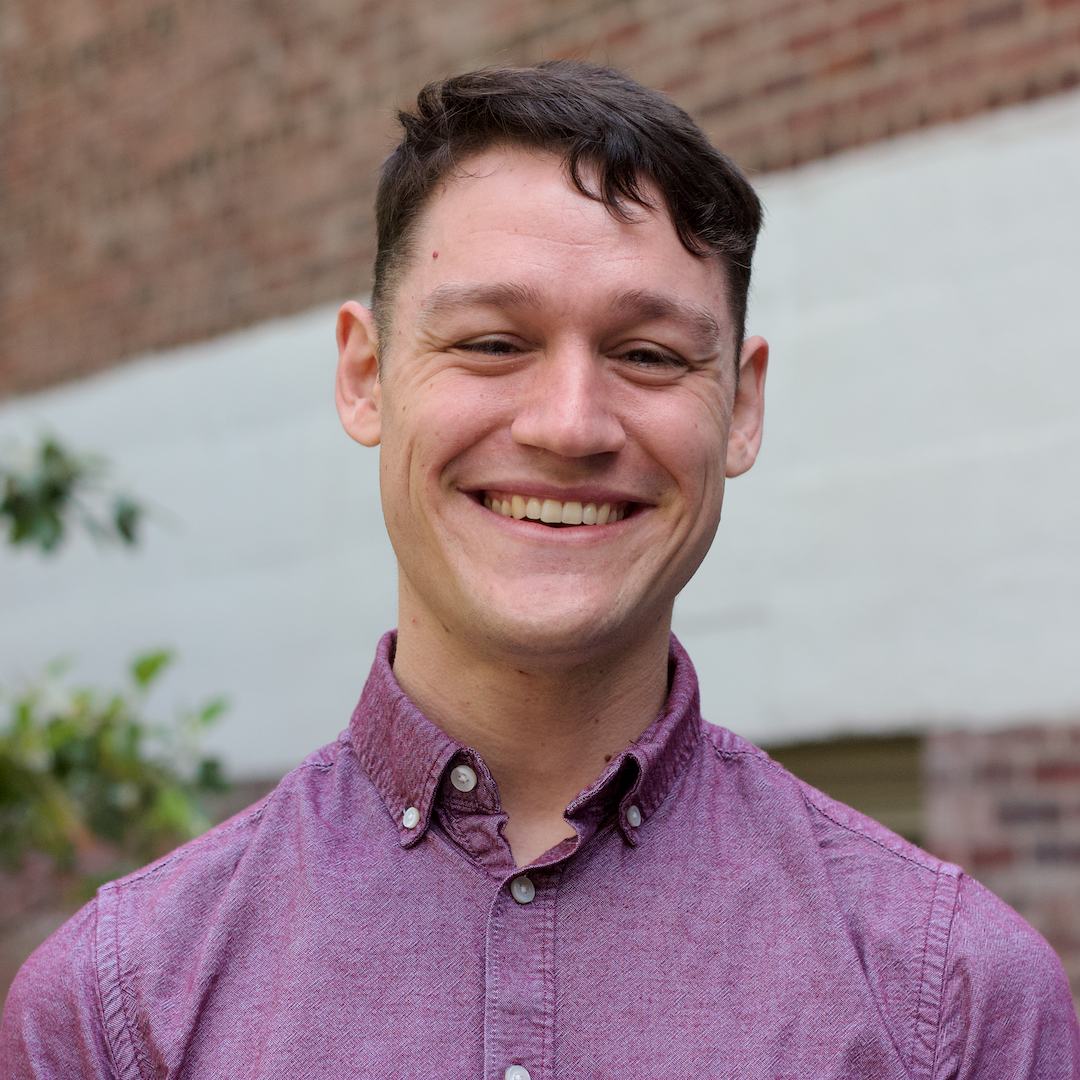
Yong-Bin Kang is a Senior Data Science Research Fellow at the ARC Centre of Excellence for Automated Decision Making and Society (ADM+S) at Swinburne University of Technology, affiliated with the School of Social Sciences, Media, Film and Education. He holds a PhD in AI from Monash University and leads numerous transdisciplinary research projects applying artificial intelligence to address complex societal challenges. Education: PhD in Faculty of IT, Monash University, Australia Dr. Kang's research focuses on Responsible AI and Society, with specific interests in developing Societal-AI platforms that integrate social data with ethical principles. His work spans healthcare, humanitech, education, financial planning, environmental health, and justice domains. He investigates how AI can enhance decision-making processes while promoting societal well-being, with particular attention to ethical implementation and human-centered approaches. His expertise encompasses AI, natural language processing, machine learning, and decision-making optimization. Analysis of Dr. Kang's recent publications reveals a strong trajectory toward socially responsible AI applications across diverse domains. His work consistently bridges technical AI capabilities with social implications, particularly focusing on ethical frameworks, community-centered design, and addressing societal inequalities through technology. The publications demonstrate increasing collaboration across disciplines including criminology, environmental science, mental health, and education. Dr. Kang is actively involved in significant research funding initiatives, with multiple ongoing projects that address critical societal challenges through AI. His supervision availability includes Doctorate (PhD) candidates, indicating his commitment to mentoring the next generation of researchers in AI and data science fields. Current Flagship Areas: Digital Capability Innovative Society Manufacturing Futures Sustainable Development Goals: Good Health and Well Being (SDG 3) Industry, Innovation and Infrastructure (SDG 9) Affordable and Clean Energy (SDG 7)
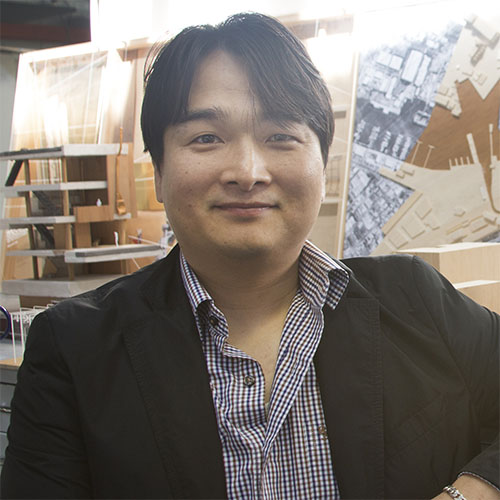
JuHyun Lee is an Associate Professor of Architecture and Computational Design in the School of Built Environment at the Faculty of Arts, Design and Architecture (ADA), University of New South Wales (UNSW) Sydney, where they also hold the prestigious title of Scientia Academic. With a professional background in architecture and construction (1998-2002), they have held academic positions across Australia including a five-year post-doctoral fellowship at the University of Newcastle (2012-2017) and a senior research fellowship at the University of South Australia (2018), following earlier research and teaching roles in South Korea (2003-2011). Lee specializes in architectural design computing, design cognition, and urban complexity, integrating computational methods, cognitive science, and architectural theory to advance architectural intelligence and human-centered design. Their research spans architectural visualization, analysis and design methods, algorithm/protocol design, and data visualization with computational approaches. They have established a strong research program examining the intersection of language, culture, and design cognition, particularly focusing on cross-cultural design communication between Australia and Korea. Lee's recent publications demonstrate a clear trajectory toward increasingly sophisticated integration of computational methods with architectural design theory, particularly in the areas of shape grammar, space syntax, and machine learning applications. Their work shows consistent focus on practical applications of computational design methods to real-world architectural problems, with growing emphasis on cross-cultural collaboration and intelligent design systems. The research portfolio reveals a deepening engagement with AI and machine learning techniques applied to architectural design assessment and generation. Scientia Academic at UNSW Sydney Associate Fellow of the Higher Education Academy (AFHEA, 2020) As an educator, Lee develops cutting-edge courses in computational design and Building Information Modeling (BIM), integrating experiential learning and industry engagement. They have secured over $11 million in research funding, including multiple ARC Discovery Projects and an Australia-Korea Foundation grant. Lee co-directs the Advanced Architectural Analytics Laboratory (A 3 LAB), leading interdisciplinary research on design automation, spatial analysis, and machine learning applications in architecture, while also leading cross-cultural initiatives like the Australia-Korea Architects' Network (AKAN). Lee supervises multiple HDR students working on culturally sustainable urban design, socio-spatial patterns in public housing, and computational layout generation. Their research has significant implications for improving design communication across cultural boundaries and developing more coherent, clear, and accessible built environments through computational design approaches.
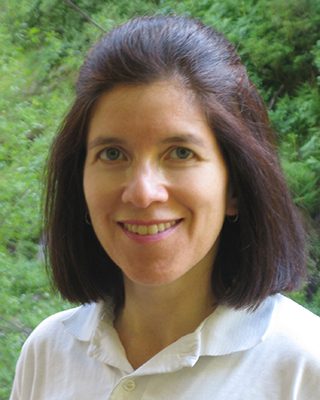
Cecilia R. Aragon is a Professor in the Department of Human Centered Design & Engineering at the University of Washington, where she also serves as an Adjunct Professor in Computer Science & Engineering, Electrical and Computer Engineering, and the Information School. She is additionally a Senior Data Science Fellow at the eScience Institute. Aragon directs the Human-Centered Data Science Lab and has made significant contributions at the intersection of human-computer interaction and data science. Her research interests focus on human-centered data science, human-centered artificial intelligence, human-centered machine learning, human-computer interaction (HCI), computer-supported cooperative work (CSCW), visual analytics, aviation and astronautics sociotechnical systems, and emotion in informal text communication. Aragon's work bridges technical and social aspects of data science, particularly examining how humans interact with and gain insight from large datasets through both quantitative and qualitative methods. Aragon's recent publications demonstrate a strong focus on understanding online communities, sentiment analysis, distributed mentoring systems, and the ethical implications of AI. Her work spans multiple disciplines including social computing, data visualization, and astrophysics data analysis, showing her interdisciplinary approach to human-centered data science. Presidential Early Career Award for Scientists and Engineers (PECASE) 2008 Fulbright Fellowship 2017-18 HCDE Faculty Innovator in Research Award, University of Washington, 2015 Distinguished Alumni Award, Computer Science, University of California, Berkeley, 2013 Top 25 Women of the Year, Hispanic Business Magazine, 2009 Aragon has secured over $28 million in research funding from organizations including the National Science Foundation, National Institute of Standards and Technology, Department of Energy, Gordon and Betty Moore Foundation, Alfred P. Sloan Foundation, Washington Research Foundation, and industry partners like Microsoft and Intel. Her educational background includes a Ph.D. in Computer Science from UC Berkeley (2004), an M.S. in Computer Science from UC Berkeley, and a B.S. with Honors in Mathematics from Caltech. She leads the Human-Centered Data Science Lab and is affiliated with the eScience Institute, the Nearby Supernova Factory, and various research groups focused on data-intensive scientific collaborations. Her work on collaborative visual analytics systems like Sunfall has had significant impact in both academic and applied settings.
Professor Roland J. Pieters is a distinguished academic at Utrecht University's Faculty of Science, where he serves as a full Professor in the Department of Chemical Biology and Drug Discovery. With over two decades of experience at the institution, he has progressed from Assistant Professor (1998) to Associate Professor (2005) and ultimately to Full Professor (2010-present). His research group is internationally recognized for groundbreaking work at the intersection of carbohydrate chemistry, chemical biology, and drug discovery, with particular emphasis on developing novel therapeutic approaches against bacterial infections and pathogenic mechanisms. Full Professor, Utrecht University (2010-present) Associate Professor, Utrecht University (2005-2010) Assistant Professor, Utrecht University (1998-2005) NWO Talent Post-doctoral Fellow, ETH-Zürich (1995-1996) Postdoctoral Researcher, University of Groningen (1996-1998) Professor Pieters earned his M.Sc. in Organic Chemistry from the University of Groningen in 1990, where he worked with Professor Ben Feringa, and completed his Ph.D. at MIT in 1995 under the supervision of Professor Julius Rebek Jr. His doctoral research focused on molecular recognition and template effects in bisubstrate systems, establishing the foundation for his lifelong interest in molecular interactions. Professor Pieters' research primarily centers on glycodrugs and the strategic interference with protein-carbohydrate interactions using multivalent systems of varying architectures. His laboratory has made significant contributions to understanding how rigid spacers in multivalent ligands can dramatically enhance binding affinity to target proteins, with applications against viral and bacterial adhesion proteins, toxins, galectins, and glycosidases. A particular focus has been on developing inhibitors for Pseudomonas aeruginosa lectin LecA, cholera toxin, influenza virus hemagglutinin, and more recently, SARS-CoV-2 spike protein interactions with host cell receptors. His group also pioneered the use of glyco- and peptide-microarrays for high-throughput screening of carbohydrate-protein interactions and drug discovery, particularly in the area of O-GlcNAcylation research. The publication record of Professor Pieters demonstrates consistent innovation in the field of multivalent carbohydrate-based therapeutics. His recent work (2020-2024) shows a strategic expansion into viral pathogenesis (particularly influenza and SARS-CoV-2), immune modulation through glycan recognition, and novel approaches to vaccine development. A notable trend is the increasing sophistication of multivalent architectures, moving from simple divalent systems to tetra- and hexavalent ligands with precisely engineered spatial arrangements. His research bridges fundamental chemical principles with practical therapeutic applications, maintaining strong connections to pharmaceutical development while advancing basic science understanding of carbohydrate-mediated biological processes. Professor Pieters' scientific achievements have been recognized with prestigious awards including a Fellowship from the Royal Netherlands Academy of Arts and Sciences (KNAW) in 1999 and a VICI personal grant from the Netherlands Organisation for Scientific Research (NWO) in 2008. These competitive awards reflect the significance and innovation of his research program. He has also served on editorial advisory boards, notably as Section Editor-in-Chief for Chemical Biology in the journal Molecules (2018-2022), contributing to the scholarly community through peer review and academic leadership. Fellowship of Royal Netherlands Academy of Sciences (KNAW), 1999 VICI, personal grant, NWO, 2008 Section Editor-in-Chief Chemical Biology for Molecules (2018-2022) Throughout his career, Professor Pieters has coordinated significant research projects including the EU project POLYCARB and secured competitive funding that has sustained his innovative research program. His laboratory has fostered numerous collaborations across Europe and internationally, creating a vibrant research environment that has trained many scientists now working in academia and industry. His research on multivalent carbohydrate systems represents a sustained intellectual contribution to chemical biology with direct relevance to developing new anti-infective strategies and therapeutic approaches. Professor Pieters leads an active research group within Utrecht University's Department of Chemical Biology and Drug Discovery, situated in the David de Wied Building. His laboratory maintains strong connections with other research groups both within Utrecht University and internationally, particularly in the fields of glycobiology, infectious diseases, and drug discovery. The research environment he has cultivated emphasizes interdisciplinary approaches, combining synthetic chemistry, biophysical analysis, and biological testing to address fundamental questions in carbohydrate-mediated biological processes with therapeutic applications.
Daniel Schnurr holds the Chair of Machine Learning, especially Uncertainty Quantification at the University of Regensburg since August 2022, where he conducts research at the intersection of artificial intelligence, data economics, and digital market regulation. Previously, he headed the Data Policies research group at the University of Passau, building his expertise in the economic and regulatory aspects of digital markets. His educational background includes a doctorate in business informatics from the Karlsruhe Institute of Technology (2016), where he also worked for three years as a research associate at the Institute for Information Systems and Marketing. He completed his undergraduate and master's studies in Information Systems at KIT (2007-2013), with international experience at Concordia University in Canada and Singapore Management University. Professor Schnurr's research focuses on the technical, economic, and social implications of new machine learning methods and data as a decisive competitive factor and driver of innovation in digital markets. His work examines how data functions as both an economic asset and regulatory challenge, particularly in contexts of market power, competition policy, and AI governance. He investigates uncertainty quantification in machine learning systems while considering their broader economic and societal impacts. His publication portfolio demonstrates consistent output in top-tier journals including Management Science, Journal of Information Technology, and Journal of Competition Law & Economics, with recent work increasingly focusing on AI regulation, data access remedies, and uncertainty-aware AI systems. The trajectory shows evolution from telecommunications infrastructure research to contemporary digital market and AI regulation issues. As a Research Fellow at the Centre on Regulation in Europe (CERRE) since 2022, he has authored numerous policy reports addressing regulation of cloud computing services, digital platforms, and data economy frameworks. His policy contributions bridge academic research with practical regulatory implementation, particularly regarding the European AI Act and Digital Services Act. His research program involves experimental approaches to understanding data markets, human-AI interaction dynamics, and regulatory effectiveness. Through his work at CERRE and collaborations with international scholars, he contributes to shaping evidence-based digital policy in the European context while maintaining strong connections to academic research communities in information systems and economics.
Max H. Bazerman is the Jesse Isidor Straus Professor of Business Administration at Harvard Business School, specializing in negotiation, decision making, and behavioral ethics. His academic career spans several decades during which he has become a leading authority on how cognitive biases and ethical considerations influence organizational decision processes. Professor Bazerman's primary research interests include negotiation strategies, ethical decision making, judgment heuristics, and bounded awareness. His work explores how individuals and organizations can recognize and overcome cognitive limitations to make more ethical and effective decisions. He has pioneered research on blind spots in ethical judgment, the psychology of complicity, and decision architectures that promote better choices. His publications reveal a consistent focus on practical applications of behavioral science to real-world business challenges. Recent work examines resource allocation during crises, ethical leadership frameworks, and the role of experimentation in improving organizational decision making. The research shows increasing emphasis on systemic ethical failures and how individuals contribute to complicity in unethical behavior. Honorary doctorate from the University of London Life Achievement Award from the Aspen Institute's Business and Society Program Distinguished Educator Award from the Academy of Management Academy of Management Career Award for Scholarly Contributions to Management Lifetime Achievement Award from the Organizational Behavior Division of the Academy of Management Ethisphere's 100 Most Influential in Business Ethics Daily Kos' Heroes recognition for whistleblowing on the Bush Administration's corruption of the RICO Tobacco trial Bazerman has advised numerous organizations including Abbott, Aetna, AIG, Alcoa, Allstate, Amgen, and many others across 30 countries. His work bridges academic research and practical application, with significant influence on how businesses approach ethical decision making and negotiation strategy. He has trained doctoral students who now hold positions at leading business schools worldwide, including Harvard, Wharton, Kellogg, and Stanford.
Francesco Maisano, MD , is Full Professor of Cardiac Surgery at Vita-Salute San Raffaele University (Milan) since 2021, where he also serves as Director of the Cardiac Surgery Clinic and of the Valve Center at IRCCS San Raffaele Hospital. From 2014 to 2020 he held the Chair of Cardiac Surgery and directed the Department at University Hospital Zurich. Education & Training 1990 – MD, Catholic University of Rome 1994 – Clinical Fellowship, University of Alabama at Birmingham 1995 – Specialization in Cardiac Surgery, La Sapienza University of Rome Research Interests Professor Maisano’s work centres on innovative therapies for heart-valve disease, spanning surgical reconstruction, catheter-based interventions (TAVI, MitraClip, transcatheter tricuspid devices), and hybrid approaches. He leads translational programmes in biomedical engineering, multimodality cardiac imaging, and artificial-intelligence-guided interventions, with emphasis on the multidisciplinary “Heart Team” model for complex cardiovascular disease. His recent publications (2024-2025) demonstrate intense activity in transcatheter mitral and tricuspid repair, long-term durability of surgical mitral repair, AI-driven procedural guidance, and renal protection strategies during mechanical circulatory support. A dominant theme is translating imaging innovations and device concepts into first-in-human studies and large-scale registries. Scientific Awards & Recognitions European Society of Cardiology Silver Medal (2018) ICI Lifetime Achievement in Research & Teaching (2018) ICI Best Technology Parade Presentation (2010) C. Walton Lillehei Young Investigator Award (1999) Leadership & Grants He directs multiple postgraduate programmes, including Certificate of Advanced Studies (CAS) tracks at the University of Zurich in multimodality imaging, aortic valve, and mitral–tricuspid interventions. He is principal investigator on investigator-initiated grants, coordinates industry-partnered device trials, and mentors numerous doctoral and post-doctoral researchers. His team has filed >24 patents and spun off several cardiovascular start-ups. Labs & Teams At IRCCS San Raffaele he leads the Valve Science Center , a multidisciplinary hub integrating cardiac surgeons, interventional cardiologists, imaging specialists, biomedical engineers, and data scientists focused on next-generation valve repair/replacement technologies and personalised cardiovascular medicine.
Kishalay Mitra is a Professor at the Indian Institute of Technology Hyderabad , with affiliations to the Department of Chemical Engineering , Department of Climate Change , and Department of Artificial Intelligence . He also holds visiting professorships at Washington University in St. Louis and University of Washington, Seattle . His work in the Global Optimization & Knowledge Unearthing Laboratory (GOKUL) spans interdisciplinary optimization, machine learning, and their applications in industrial-scale engineering problems. Education : Ph.D. from IIT Bombay. Research Interests : Mitra's research focuses on optimization under uncertainty , surrogate modeling , multi-objective optimization , and integrating machine learning with physics-based models . His work addresses real-world challenges in wind energy , bioenergy supply chains , chemical process control , nanoscience , and environmental modeling (e.g., PM10 spatiotemporal analysis, forest fire prediction, and carbon capture). Article Trends : His recent publications emphasize wind energy systems (layout optimization, yaw control, forecasting), materials science (precipitate growth prediction, polymerization), and industrial processes (crystallization, grinding circuits). Techniques include neural operators , Bayesian optimization , generative adversarial networks (GANs) , and explainable AI .
Kumar Vaibhav Srivastava is a Professor in the Department of Electrical Engineering at the Indian Institute of Technology Kanpur (IIT Kanpur). His research focuses on electromagnetic theory, meta-materials, and antenna design, with significant contributions to the field of computational electromagnetics and microwave engineering. Dr. Srivastava received his B.Tech from Kamla Nehru Institute of Technology, Sultanpur U.P. in 2002, followed by an M.Tech from IIT Kanpur in 2004. He completed his PhD at IIT Kanpur in 2008 with a thesis titled "Studies on Inhomogeneous Dielectric Resonators for Improved Mode Separation in MIC Environment using Efficient FDTD Algorithm and its Application to Band-pass Filter" under the supervision of Prof. Animesh Biswas. His research interests span a wide range of topics in electromagnetics, with particular expertise in Meta-Materials , Microwave Antennas , Microwave Absorbers , Microwave Cloaking , and the Finite-Difference Time-Domain (FD-TD) Technique . Dr. Srivastava's work has significant applications in wireless communications, radar systems, and electromagnetic compatibility. His innovative approaches to meta-material absorbers and antenna design have garnered attention in both academic and industrial circles. Dr. Srivastava's recent publications demonstrate a strong focus on advancing meta-material absorber technology and antenna design. His work shows consistent innovation in bandwidth enhancement techniques, polarization independence, and compact antenna designs for ultra-wideband applications. His research bridges theoretical electromagnetic principles with practical engineering solutions. Cadence Gold Medal-2005 for Best M.Tech. Thesis Best Teaching Assistantship Award (2005-06) Appreciation Letter from GE Global Research Centre Young Research Fellowship (Class of 1979) Best Paper Award at ATMS Conference (2013) IEI Young Engineer Award 2014 Dr. Srivastava has supervised numerous research projects and students in the field of electromagnetics and antenna design. His work with industry partners, including GE Global Research Centre, demonstrates his ability to translate theoretical research into practical applications. He maintains active collaborations with researchers both within IIT Kanpur and internationally. Based in the Advanced Centre for Electronic Systems (ACES) at IIT Kanpur, Dr. Srivastava works within a vibrant research ecosystem that supports cutting-edge work in electronic systems and electromagnetic applications. His laboratory focuses on computational electromagnetic simulations and experimental validation of novel meta-material structures and antenna designs.
Lieselotte Ahnert serves as a Visiting Professor for Developmental Psychology at the Free University of Berlin's Department of Education and Psychology, specifically within the Department of Developmental Science and Applied Developmental Psychology. Her academic journey began at Humboldt University in East Berlin, where she studied psychology during a period of significant political change in the GDR. After completing her doctorate in 1982, she held various research positions including director of the Interdisciplinary Center for Applied Socialization Research (IZAS e.V.) from 1991-1996 and a visiting scientist position at the National Institutes of Health in Washington from 1996-1999. Prior to her current position at FU Berlin (since 2019), she was a Professor of Developmental Psychology at the University of Vienna from 2008-2019. Professor Ahnert's research focuses on early childhood development, attachment theory, and the specific contributions of fathers to child development. Her work examines how children develop within various caregiving contexts, including the transition from home to childcare settings, the effects of socioeconomic disadvantage on attachment security, and the unique role fathers play in children's language development and emotional regulation. She has conducted extensive research on stress responses in infants during childcare transitions and how care providers influence these responses. Her interdisciplinary approach draws from behavioral biology, genetics, neuroscience, pediatrics, and education to understand the complex interplay between genetic and environmental influences in early development. Ahnert's publication record demonstrates significant contributions to understanding father-child relationships, with recent work exploring how fathers' attachment security and education contribute to early child language skills beyond mothers' influence. Her research has also examined the 'terrible twos' phase, investigating how children cope with frustration and tantrums and how parents support them through these developmental challenges. She has published extensively in high-impact journals including Child Development, Developmental Psychobiology, and Attachment and Human Development. Professor Ahnert has received recognition for her expertise, including being commissioned to provide expertise for the Federal Chancellery of Austria in 2021. Her work has practical applications in early childhood education and intervention programs, particularly in understanding how public childcare can compensate for developmental risks in socioeconomically disadvantaged children. In addition to her research, Ahnert has made significant contributions to academic training and supervision. Her book publications, including 'It's the fathers who matter' (2023) and 'How much mother does a child need?' (2020), bridge the gap between academic research and public understanding of child development. Her work continues to influence both academic discourse and practical approaches to early childhood care and education.
Mapuana Antonio is an Associate Professor and head of the Native Hawaiian and Indigenous Health Program at the University of Hawai'i at Manoa. A Native Hawaiian scholar, she conducts community-based participatory research with Native Hawaiian communities to improve holistic health and wellbeing through a focus on resilience and cultural alignment. Her educational background includes: DrPH in Community-Based and Translational Research from the University of Hawai‘i at Mānoa Certificate in Measurement and Statistics (EDEP) from the University of Hawai‘i at Mānoa MA in Counseling Psychology from Washington State University BS in Psychology from Washington State University Dr. Antonio's research takes a strengths-based approach to enhance the physical, mental, and spiritual health of Native Hawaiians. She redefines health and resilience through Native Hawaiian worldviews, addressing structural and socio-cultural determinants. Her work emphasizes community-based participatory research, cultural practices, and the role of 'Āina (land) connectedness in fostering resilience and optimal wellbeing (Mauli Ola). Her recent publications (2017-2024) demonstrate a consistent focus on developing culturally grounded measures for Native Hawaiian health and resilience. Key projects include the Ke Ola O Ka ‘Āina study on 'Āina connectedness and the adaptation of historical loss scales. Her research integrates qualitative and quantitative methods, often co-developed with community partners, to address health disparities and promote culturally relevant interventions. Dr. Antonio has not been mentioned to have received specific scientific awards in the provided information. She secures significant research funding, including as PI for the Ola HAWAII and PIKO pilot studies and co-PI for Project Mōkiha funded by the Robert Wood Johnson Foundation. Her grants support community-driven initiatives in Indigenous health, resilience, and environmental restoration. She mentors students and community members through the NHIH Summer Health Academy and collaborative research projects. Dr. Antonio leads the Native Hawaiian and Indigenous Health Program and collaborates with community research groups such as the Pono Research Hui and Limu Hui. Her work is deeply embedded in partnerships with Native Hawaiian communities, ensuring that research is conducted with and for the community to restore cultural practices and health sovereignty.
Philip Zelazo is the Nancy M. and John E. Lindahl Professor at the University of Minnesota's Institute of Child Development, where he investigates the development and neural bases of executive function. Previously, he held the Canada Research Chair in Developmental Neuroscience at the University of Toronto. His educational background includes: Honors BA from McGill University (1988) PhD with distinction from Yale University (1993) Zelazo's research centers on executive function—the conscious control of thought, action, and emotion—with emphasis on cognitive complexity, consciousness development through thalamo-cortical circuits, and the distinction between "cool" (dorsolateral prefrontal cortex-associated) and "hot" (orbitofrontal cortex-associated) aspects. His methodologies span experimental, cross-cultural, and electrophysiological (EEG/ERP) approaches, integrating theoretical frameworks like the Cognitive Complexity & Control theory and Levels of Consciousness model. Analysis of his 2017-2024 publications reveals consistent focus on executive function development across childhood, mindfulness-based interventions, socioeconomic impacts on cognitive development, and translational applications for education and mental health. His work increasingly addresses real-world implementation through NIH Toolbox measures and school readiness programs. His major recognitions include: Fellow of the American Psychological Association (APA) Fellow of the Association for Psychological Science (APS) Fellow of the American Association for the Advancement of Science (AAAS) Fellow of the Mind and Life Institute Boyd McCandless Young Scientist Award (APA, 1996) Canada’s Top 40 Under 40 Award 2025 Award for Distinguished Contributions to Developmental Psychology (APA) Zelazo actively mentors doctoral students (open to new advisees in fall 2026) and leads significant grant initiatives, including development of the NIH Toolbox Executive Function measures and NIH Infant and Toddler Toolbox "Cognition and Executive Function" assessments. His interventions target EF promotion in high-risk populations, such as preschoolers experiencing homelessness. He directs the Developmental Social Cognitive Neuroscience Lab, which examines neural mechanisms of executive function using EEG/ERP and behavioral paradigms, with recent projects on mindfulness training effects and socioeconomic adversity impacts.