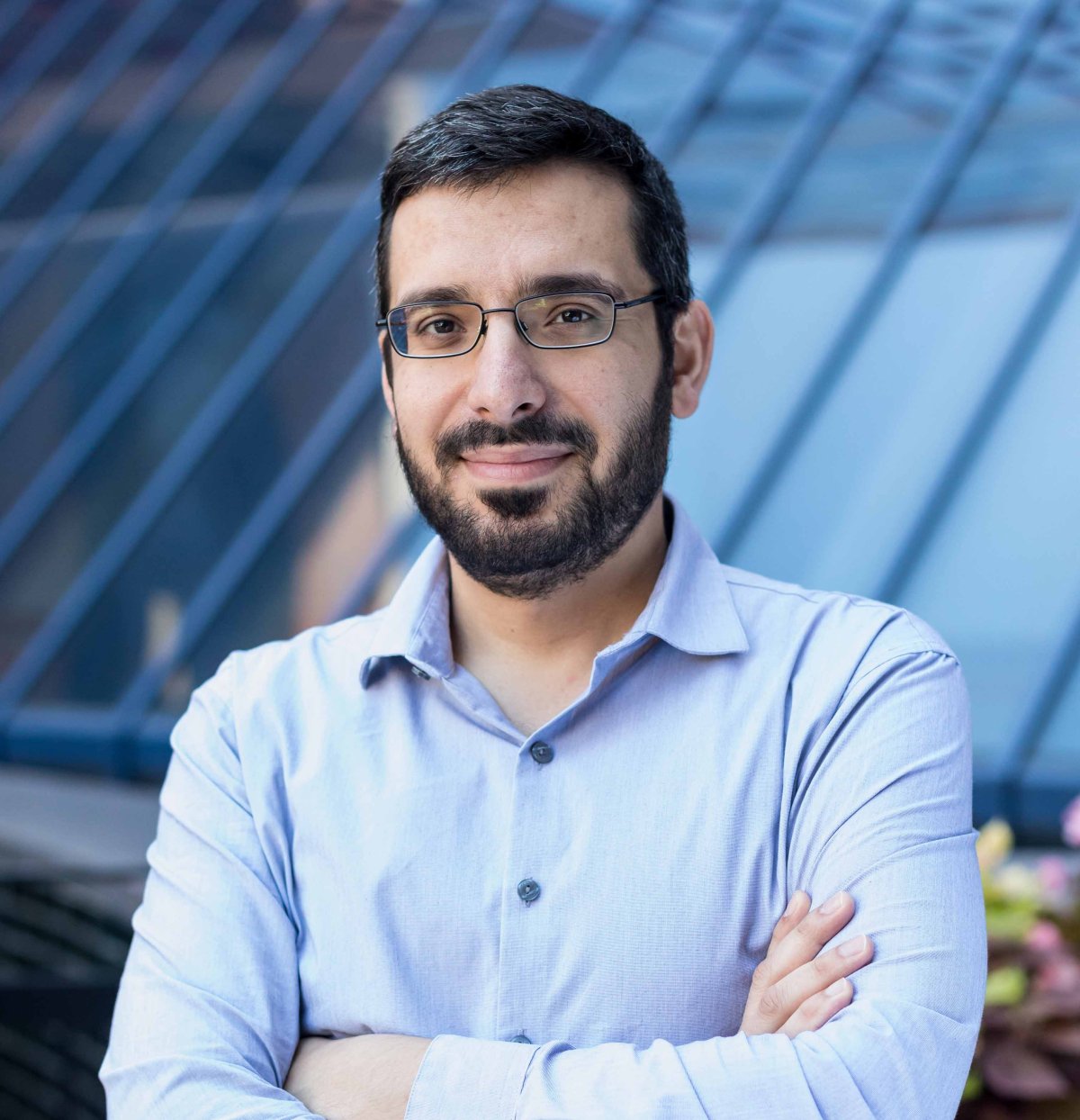
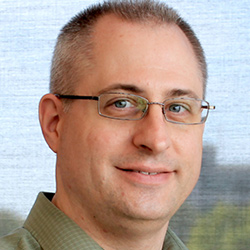
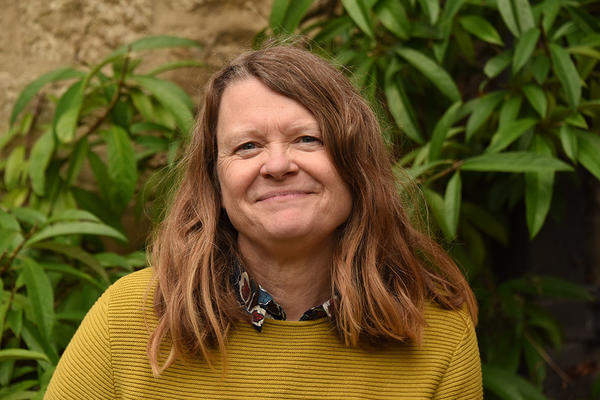
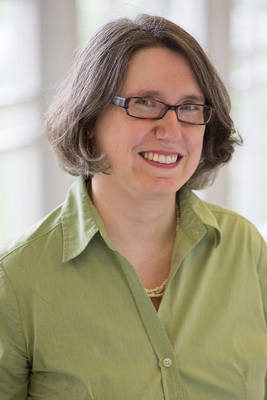
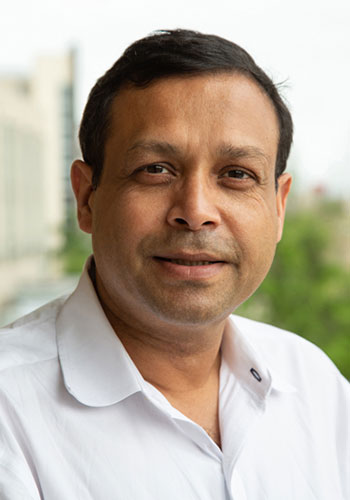
Michel Versluis is a Full Professor at the University of Twente, Netherlands, specializing in Physical and Medical Acoustics within the Physics of Fluids group. His work focuses on microbubbles and microdroplets for medical imaging and therapy, as well as microfluidic applications in medicine and nanotechnology. University of Twente, Physics of Fluids group His research bridges physics and biomedical engineering, with publications in high-impact journals like PNAS and IEEE Transactions. Recent work emphasizes ultrasound-driven microbubble dynamics, additive manufacturing of flow phantoms, and deep learning for super-resolution imaging. 2025 publications: vascular phantoms, PROTEUS simulator, acoustic microbubble control 2024 innovations: 3D-printed medical devices, immunogenic cell death optimization Contact: m.versluis@utwente.nl
David L. Henann serves as the James R. Rice Associate Professor of Solid Mechanics in the Department of Engineering at Brown University's School of Engineering. His research focuses on continuum-level constitutive modeling of engineering materials, with particular expertise in granular materials, viscoelastic foams, and bubble dynamics in soft solids. Henann leads an active research group developing computational frameworks for material behavior prediction through numerical simulation. PhD, Massachusetts Institute of Technology (2011) SM, Massachusetts Institute of Technology (2008) BS, State University of New York at Binghamton (2006) Henann's research spans constitutive theory development and computational implementation for complex material systems. His group pioneers nonlocal continuum models for granular flows, large-deformation viscoelastic theories for elastomeric foams, and high-strain-rate characterization of microcavitation phenomena. Current projects include modeling size segregation in granular media, bubble dynamics in viscoelastic hydrogels, and electromechanical instabilities in dielectric elastomers. His publication record reveals consistent focus on material instability phenomena , constitutive model validation , and experimental-computational synergy . Henann frequently collaborates with experimental groups to validate theoretical frameworks, particularly in soft matter mechanics and cavitation dynamics. Eshelby Mechanics Award for Young Faculty (2020) NSF CAREER Award (2016) Pi Tau Sigma Gold Medal (ASME, 2016) Brown University Teaching Awards (2015-2016) Henann maintains an active teaching portfolio covering continuum mechanics, solid mechanics, and plasticity at both undergraduate and graduate levels. His research group operates a computational mechanics laboratory with extensive Fortran-based simulation capabilities, evidenced by multiple open-source repositories on GitHub for granular rheology, foam modeling, and dielectric elastomer analysis. Current work focuses on extending nonlocal granular models to industrial applications and developing predictive frameworks for soft material failure under extreme loading conditions.
Turan Birol is an Associate Professor in the Department of Chemical Engineering and Materials Science at the University of Minnesota, with a secondary appointment in the School of Physics. He leads the Theoretical Materials Physics Group , focusing on computational materials design to discover exotic condensed matter phenomena. Education: PhD in Physics (Cornell University), Postdoc (Rutgers University) Research Areas: Ferroelectricity, Charge Density Waves, Multiferroics, Strongly Correlated Systems, Kagome Metals His work combines Density Functional Theory with Dynamical Mean Field Theory to study materials like perovskites, layered antiperovskites, and 2D/3D compounds. Recent projects include Office of Naval Research -funded ferroelectric design and NSF Discovery File -featured transparent conductors. Scientific contributions include 15+ recent articles on topics spanning structural chirality in superconductors, strain-tuned magnetism, and catalytic resonance theory. Former advisees include PhD graduates in Physics and Materials Science.
Alin Coman is a Professor at Princeton University 's School of Public and International Affairs, leading the Cognition in Collectives Lab . His research explores how cognition emerges and evolves within social contexts, focusing on collective memory, belief dynamics, and emotion regulation through interactions. Education: Ph.D. from the New School for Social Research Research Focus: Integrating laboratory experiments, field studies, social network analysis, and agent-based simulations, his work demonstrates how macro-level phenomena like collective memories and synchronized beliefs arise from micro-level cognitive processes. Key themes include memory convergence, belief propagation in networks, and socially triggered prediction errors. Article Trends: His recent publications address vicarious memory frameworks, emotion regulation contagion, moral narratives, political belief change, pandemic-related belief dynamics, and the role of social norms in cognitive processes. Methodologies often involve network science and experimental paradigms. Advising: Mentors graduate researchers including Ari Dyckovsky, Gracielle Li, and Naomi Vaida. Lab: The Cognition in Collectives Lab employs a social-interactionist approach to study emergent psychological phenomena across groups and networks.
Dr. King Man Siu is an Assistant Professor in the Department of Electrical Engineering at the University of North Texas, College of Engineering. He established the Power Electronics and Renewable Energy (PERE) Lab in February 2022, focusing on power electronics technologies for renewable energy, smart grids, and electric vehicle applications. University: University of North Texas School: College of Engineering Department: Electrical Engineering Research Interests: Dr. Siu specializes in power electronics, renewable energy systems, and smart grid technologies. His work addresses challenges in: Efficient energy conversion for solar and battery systems Grid integration of electric vehicles and renewable sources Advanced inverter design for residential and industrial applications Reduction of magnetic components in power converters Reactive power management and circuit breaker development Modular solutions for DC distribution and rural electrification Publication Trends: His research emphasizes optimizing power electronics through innovative topologies (e.g., Manitoba inverters, interleaved totem-pole converters) and materials (e.g., SiC MOSFETs). Key areas include energy efficiency in photovoltaic systems, smart grid stability, and DC microgrid interconnection strategies. Contact: Email: Kingman.Siu@unt.edu Office: Discovery Park B233
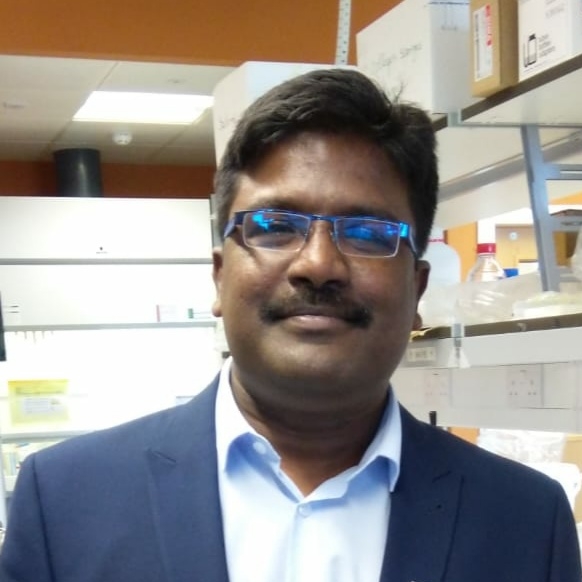
Dr. Rajendra Kurapati is an Assistant Professor at the School of Chemistry , Indian Institute of Science Education and Research Thiruvananthapuram (IISER TVM) . His research focuses on biodegradable 2D materials for biomedical applications, addressing nanomaterial biopersistence issues through enzymatic degradation studies. He leads the Biomaterials Lab and collaborates with institutions across France, Ireland, Portugal, and the UK. Born in Andhra Pradesh, India B.Sc. & M.Sc. in Chemistry (Acharya Nagarjuna University, University of Hyderabad) Ph.D. in Materials Engineering (Indian Institute of Science, 2014) Postdoc: CNRS Strasbourg (2014-2017), CÚRAM Galway (2018-2020) His research explores 2D material-biopolymer hybrids for drug/gene delivery , nanotheranostics , and antimicrobial coatings . Key article trends include: Graphene/MoS2 biodegradation by human enzymes Antibacterial coatings for medical implants Microplastics' environmental impact Lipid nanoparticles for mRNA vaccines ZnO quantum dots for bioimaging Polymer multilayer drug delivery systems Major scientific awards : DBT Ramalingaswami Fellowship (INR 40 lakhs over 5 years) SERB Start-up Grant (32 lakhs over 2 years) SERB Special Grant (45 lakhs over 3 years) DBT Mission Innovation Grant (18 lakhs over 6 months) His academic contributions span 15+ high-impact publications in journals like Advanced Materials , Nanoscale , and Chemical Communications , covering topics from graphene biodegradation to antimicrobial coatings and bioimaging . 10+ alumni students have graduated from his lab, with placements at institutions including University of Strasbourg and Dublin City University.
Prof. Peter Müller-Buschbaum is a Full Professor and Head of the Chair of Functional Materials at the Physics Department of the Technical University of Munich (TUM). He has held this position since April 2018 and also served as Scientific Director of the Research Neutron Source Heinz Maier-Leibnitz (FRM-II) and the Heinz Maier-Leibnitz Center (MLZ) from 2018 to 2023. His leadership extends to multiple roles including Core Member of the Integrated Research Institute Munich Institute of Integrated Materials, Energy and Process Engineering (MEP) since 2021, and Head of the Renewable Energies Network (NRG) at MEP. Full Professor (W3), Head of the Chair of Functional Materials at TUM School of Natural Sciences (since 04/2018) Deputy Editor of "ACS Applied Materials & Interfaces" (since 01/2024) Supervising Professor "Electronics Laboratory" at TUM School of Natural Sciences (since 11/2023) Member of TUM Sustainability Board (since 05/2023) Core Member of MEP Institute (since 10/2021) Head of Renewable Energies Network at MEP (since 10/2021) Prof. Müller-Buschbaum's research spans energy materials for photovoltaics and battery technologies, smart responsive materials that adapt to environmental stimuli, and nanocomposite materials with tailored properties. His group employs advanced scattering techniques to characterize materials at the nanoscale, providing insights into structure-property relationships critical for developing next-generation energy technologies. His extensive publication record demonstrates particular expertise in perovskite solar cells, lithium-ion battery technologies, and polymer-based functional materials, with recent work focusing on improving device stability and efficiency while understanding fundamental degradation mechanisms. His publications reveal a strong emphasis on energy conversion and storage technologies, with particular attention to interfacial engineering in both photovoltaic and battery systems. The research shows sophisticated integration of materials synthesis, advanced characterization, and device engineering to address critical challenges in renewable energy technologies. His work bridges fundamental science with practical applications through collaborations with major international research facilities. Scientific Service and Recognition Member of the Council of the Cluster of Excellence "ORIGINS" (since 01/2019) Spokesperson of the Chemical Physics and Polymer Physics Association of DPG (03/2021-10/2022) Member of the European Spallation Source Scientific Advisory Panel (since 03/2011) German representative at the European Polymer Federation for polymer physics (since 03/2011) Chairman of the Keylab "TUM.solar" in the Bavarian research project "Solar Technologies Go Hybrid" (since 03/2012) Prof. Müller-Buschbaum actively contributes to academic community through editorial work, having served as Associate Editor (2012-2022), Executive Editor (2023), and currently Deputy Editor (2024-present) of "ACS Applied Materials & Interfaces". He maintains strong international collaborations with synchrotron and neutron facilities worldwide, reflecting his expertise in advanced materials characterization techniques essential for cutting-edge materials research.
William Anderson is a Professor in the School of Aeronautics and Astronautics at Purdue University since 2001. He holds a Ph.D. in Mechanical Engineering (Pennsylvania State University, 1996), M.S. in Chemical Engineering (University of Arizona, 1984), and B.S. in Chemistry (Arizona State University, 1979). His research focuses on chemical propulsion systems, combustion dynamics, and rocket engine design methodologies. Key research areas include measurement and modeling of combustion instabilities, rocket combustor stability, and liquid propulsion systems. His work spans experimental and computational studies of thermoacoustic behavior, injector design, and hypergolic reaction mechanisms. He has led projects on resonance igniters, hydrogen peroxide/kerosene combustors, and multi-fidelity modeling frameworks. Anderson has been recognized with the C.T. Sun Research Award (2005) and multiple Best Paper Awards from AIAA conferences. He served as Global Engineering Program Director (2011–2014) and is an Associate Fellow of AIAA. His expertise is showcased in invited lectures at institutions worldwide, including Technical University of Munich and Harbin Institute of Technology. He has authored/co-authored books on rocket propulsion and combustion instability, including Rocket Propulsion (Cambridge University Press, 2018) and edited volumes such as Liquid Rocket Engine Combustion Instability (AIAA, 1995). His lab collaborates internationally on advanced propulsion technologies, emphasizing design, build, and test methodologies.
Randy Freeman is a Professor of Electrical and Computer Engineering at Northwestern University's McCormick School of Engineering. He joined the university in 1996 after earning his Ph.D. from the University of California, Santa Barbara. His research focuses on nonlinear control theory, robust control, multi-agent systems, and distributed control systems. Freeman has been recognized with the NSF CAREER Award (1997) and has held editorial roles in prominent journals like the IEEE Transactions on Automatic Control. Education: Ph.D., Electrical Engineering, University of California, Santa Barbara (1996) M.S., Electrical Engineering, University of Illinois at Urbana-Champaign B.S., Electrical Engineering, Cornell University His research explores advanced control strategies for complex systems, including nonlinear feedback systems, distributed averaging, and multi-agent coordination. Key contributions include work on self-healing swarm control, distributed environmental monitoring, and privacy-preserving consensus algorithms. His publications span journals like IEEE Transactions on Robotics and IEEE Control Systems Letters . Scientific Awards: NSF CAREER Award (1997) Advising and Grants: Freeman has contributed to collaborative robotics projects and sensor network research, supported by grants from NSF and other agencies. His work bridges theoretical control systems with practical applications like robotics and environmental monitoring. Labs and Teams: Affiliated with the Master of Science in Robotics Program and collaborates on multi-agent systems and distributed control initiatives.
Professor Lindsay Turnbull is a Professor of Plant Ecology at the University of Oxford's Department of Biology. Her research focuses on understanding the evolutionary and ecological basis of plant trait diversity and its consequences for ecosystems. Key interests include seed size variation, plant-soil interactions, and the impact of organic farming on biodiversity. She leads a research group exploring topics such as mutualism stability, species coexistence, and island conservation genetics. Turnbull's work integrates experimental, observational, and computational approaches to address fundamental questions in ecology. Her lab, based at the Department of Biology (Mansfield Road and South Parks Road campuses), has contributed to global understanding of biodiversity-ecosystem functioning relationships and plant-microbe symbioses. Notable projects include studies on Aldabra giant tortoises and coral reef connectivity in the Seychelles, highlighting her commitment to applied conservation science. Her research spans multiple scales—from molecular interactions in legume-rhizobia systems to large-scale biodiversity patterns in grasslands and tropical ecosystems. Recent work emphasizes the role of trait-based approaches in predicting ecological responses to environmental changes such as eutrophication and climate variability. Her publications frequently bridge theoretical and applied ecology, offering insights into both natural and human-managed ecosystems.
Buyung Kosasih is a Professor in the School of Mechanical, Materials, Mechatronic and Biomedical Engineering at the University of Wollongong. He has held this position since 2000 and focuses on teaching and research in mechanical engineering, including Machine Dynamics, Finite Element Methods, and Renewable Energy Technology. His research spans fluid dynamics in industrial processes, renewable energy systems, and aqueous lubrication. Key projects include 3D-printed surfboard fin optimization and steel coating dynamics. Research interests emphasize experimental and computational fluid dynamics, particularly in renewable energy turbines and tribological systems. Notable awards include the 2013 Outstanding Contribution to Teaching and Learning Award. He has supervised numerous students and led over 20 funded projects, including ARC grants for steel innovation and renewable energy. Collaborative work includes the Steel Research Hub and HVAC/cool roof efficiency studies.
Dr. Vikas Srivastava is an Associate Professor of Engineering and Director of the Graduate Program in Biomedical Engineering at Brown University's School of Engineering. His research focuses on solid mechanics, continuum biomechanics, and cell mechanics, with applications in materials under extreme environments and biomedical science. He leads the Srivastava Lab for Solid Mechanics and Biomechanics, which integrates computational models with experimental techniques to address interdisciplinary challenges. Dr. Srivastava holds a Ph.D. in Mechanical Engineering from MIT (2010) and previously held senior roles at ExxonMobil, including leadership in materials mechanics and deepwater drilling engineering. His academic career at Brown began in 2018, during which he has directed over 15 graduate students and secured notable funding. His research interests span mechanobiology, hydrogel-based drug delivery systems, AI-driven predictive modeling, and biomaterial innovations for cancer therapies. He has pioneered physics-informed neural networks for material characterization and developed novel hydrogels to enhance chemotherapy efficacy. Recent articles highlight advancements in polymer fracture modeling, machine learning for non-destructive evaluation, and predictive epidemiological modeling for pandemics. Dr. Srivastava has received the Dean’s Award in Bioengineering and was promoted to tenured Associate Professor in 2023. He actively mentors students through grants like the NSF Graduate Research Fellowship and leads initiatives in biomedical technology translation. The Srivastava Lab collaborates extensively across engineering, biology, and medicine to advance translational research in materials science and clinical applications.
Dr. Silu Wang is an Assistant Professor in the Department of Biological Sciences at the University at Buffalo. Her research focuses on speciation, adaptation, and forest evolutionary genomics, particularly in avian species. She leads the Forest Speciation Lab, studying the genomic and ecological mechanisms underlying species divergence in North American and global forest ecosystems. Her work integrates field studies, genomic analyses, and computational modeling to address biodiversity conservation challenges under climate change. Education: BS in Behavior Genetics and Neurobiology, University of Toronto MA in Ecology, Evolution and Behavior, University of Texas, Austin PhD in Zoology, University of British Columbia Postdoctoral Research at University of California Berkeley and UC Davis Research Interests: Dr. Wang investigates how hybridization, climate adaptation, and reproductive isolation shape avian biodiversity. Her lab uses old-growth forest bird species as models to study early-stage speciation processes, including mate choice, genetic incompatibilities, and mitochondrial-nuclear interactions. Key themes include understanding organismal responses to environmental changes and developing genomic tools for conservation prioritization. Lab and Teams: The Forest Speciation Lab collaborates with institutions globally, focusing on fieldwork in temperate and tropical forests. Current projects include studies on warbler hybrid zones, tinamou speciation, and the genomic architecture of mitonuclear coevolution. Teaching: Dr. Wang teaches courses on Speciation, Tropical Ecology, and Evolutionary Biology, emphasizing hands-on research training for students.
Nicole C. Riddle is a Professor and Associate Chair for Research and Facilities in the Department of Biology at the University of Alabama at Birmingham (UAB). She holds a B.S. in Biology from the University of Missouri Columbia and a Ph.D. in Evolutionary and Population Biology from Washington University in St. Louis. Her research focuses on epigenetics and chromatin dynamics, particularly in the context of aging and sex differences using Drosophila melanogaster as a model system. Dr. Riddle's work explores how epigenetic mechanisms influence lifespan, genome stability, and phenotypic variation. She has pioneered the use of Drosophila to study exercise-induced physiological changes and their genetic underpinnings. Her lab investigates the roles of HP1 proteins in transcriptional regulation and chromatin organization, with recent studies emphasizing cross-species comparisons of aging mechanisms. Her research has been supported by grants including the BII: IISAGE project on sex-specific aging mechanisms. Notable contributions include developing novel tools like the Rotating Exercise Quantification System (REQS) to measure Drosophila activity levels. Dr. Riddle actively mentors students and postdoctoral researchers, inviting inquiries via riddlenc@uab.edu to join her lab.
Dr. Alamgir Karim is the Dow Chair and Welch Foundation Professor at the University of Houston, leading the International Polymer & Soft Matter Center (IPSMC) and the Doctoral Materials Program. His research focuses on polymer nanotechnology, thin films, and interfaces for energy, sustainability, and health applications. He holds a Ph.D. in Physics from Northwestern University and a B.S. from St. Stephen's College, Delhi. Key contributions include polymer nanocomposites, block copolymer thin films, and graphene oxide membranes for desalination. He is a Fellow of the American Physical Society and AAAS, and a Keck Foundation Award recipient. Research interests span polymer nanotechnology, dielectric materials, and sustainable nanocomposites. Recent work explores MXene-based biomedical composites, CO₂ capture membranes, and high-energy-density dielectrics. His lab develops functional materials for energy storage, environmental remediation, and biomedicine. Education: Ph.D., Physics (Northwestern University, 1991); B.S., Physics (St. Stephen's College, 1985) Leadership: Director of IPSMC; former Goodyear Chair Professor at University of Akron Awards: AAAS Fellowship, APS Fellowship, Keck Foundation Award Advances in block copolymer self-assembly and nanocomposite design have enabled scalable filtration membranes and high-performance dielectrics. His group collaborates on protocell models and sustainable materials processing.