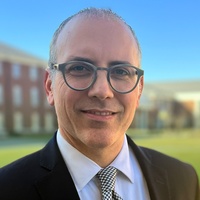
Matthew McAffee is Provost, Dean, and Professor of Old Testament at Welch Divinity School (Gallatin, TN), affiliated with Welch College. His expertise spans Hebrew Bible studies, Ancient Near Eastern literature, and Northwest Semitic languages. He holds a PhD from the University of Chicago. Roles: Provost, Dean, Professor of Old Testament Affiliations: Welch Divinity School, Welch College Research Interests: Hebrew Bible language/literature, Ugaritic studies, ancient mortuary practices, covenant theology, and Iron Age archaeology His research focuses on narrative cohesion in Genesis, Ugaritic mythology (e.g., Rāpi'u parallels), and covenantal frameworks in Hebrews. He has authored textbooks on Biblical Hebrew and edited volumes on Northwest Semitic languages. Recent work includes studies on death in the Hebrew Bible and Judahite afterlife beliefs. Publications highlight interdisciplinary approaches, blending textual analysis with archaeological and linguistic insights. His book Life and Mortality in Ugaritic (2019) explores lexical frameworks of ancient life/death concepts. Reviews engage with translations, Semitic grammar, and theological debates.
Nadir Alvarez is a Full Professor at the Department of Ecology and Evolution, University of Lausanne (UNIL). He holds a Master's in Evolutionary Biology (University of Montpellier) and a joint PhD from the Universities of Montpellier and Neuchâtel. His research focuses on evolutionary mechanisms underlying ecological diversification and species adaptation, particularly through genomic and museomics approaches analyzing historical/ancient DNA. He has held roles including Chief Curator at the Geneva Natural History Museum and Director of the Naturéum in Vaud. His work combines population genomics, environmental DNA (eDNA), and museum specimen analysis to study biodiversity dynamics. Key contributions include developing methods for capturing nuclear environmental DNA and exploring genetic responses to climate change. He serves as Director of the Naturéum, emphasizing applied conservation through genomic insights. Education & Career 2001: Master's, University of Montpellier 2004: PhD, Universities of Montpellier and Neuchâtel 2010–2017: Assistant Professorships at UNIL and University of Neuchâtel 2024–Present: Full Professor, UNIL Research Interests Museomics and ancient DNA analysis Ecological and evolutionary responses to environmental changes Population genomics of plants and insects Conservation genomics for biodiversity management Recent Article Trends Recent work emphasizes genomic approaches in biodiversity monitoring, combining eDNA and museum specimens to study population dynamics and adaptation. Topics include glacial refugia effects on megafauna, postglacial radiations in whitefish, and genetic strategies for conserving endangered species like Phengaris butterflies. As Director of the Naturéum, he bridges academic research with public engagement in natural sciences, promoting applied conservation through genomic insights.
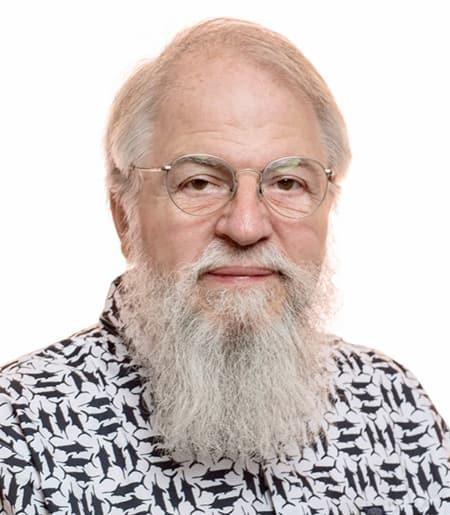
William E. Bemis is a Professor of Ecology and Evolutionary Biology and Faculty Curator of Ichthyology at Cornell University's Museum of Vertebrates. He holds a B.A. from Cornell (1976), M.S. from University of Michigan (1978), and Ph.D. from UC Berkeley (1983). His research focuses on vertebrate anatomy, evolutionary patterns, and organismal biology, with specializations in teleost fishes, fossil records, and comparative morphology. He has extensively studied sharks, lungfishes, coelacanths, and sturgeon conservation. Bemis teaches courses in vertebrate biology, anatomy, and paleontology, and co-developed an edX MOOC on shark biology. His work employs advanced imaging techniques like micro-CT and histology. Research highlights include investigations into suction feeding mechanisms, tooth development, and functional morphology of aquatic organisms. He has conducted fieldwork in over 50 global collections and served as director of Shoals Marine Laboratory. His lab focuses on integrating anatomical studies with evolutionary questions, emphasizing specimen-based research. Bemis collaborates internationally and has contributed to major textbooks like Vertebrate Life . Current projects explore morphological adaptations in deep-sea species and evolutionary innovations in fish feeding systems. Key academic contributions include over 100 peer-reviewed publications, mentoring numerous graduate students, and preserving biodiversity through museum curation. His research bridges paleontology and modern ecology, shaping understanding of fish evolution and conservation strategies.
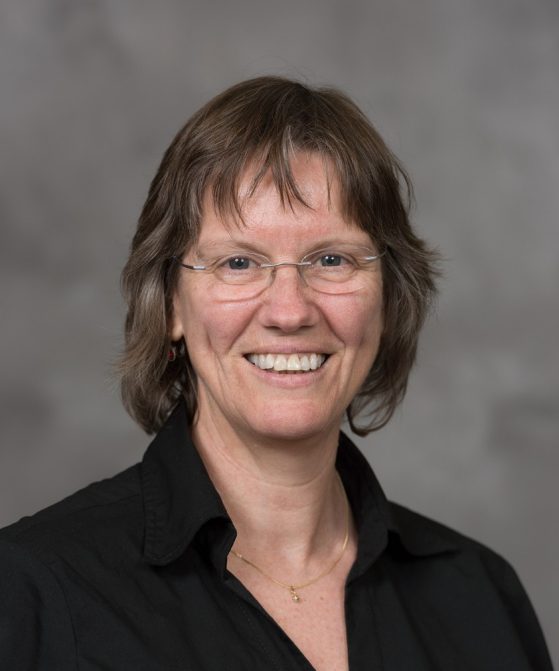
Prof. Dr. Silke Werth is a Professor at the University of Munich , affiliated with the Faculty of Biology and the Systematics and Ecology of Fungi and Algae department. She holds a PhD from the University of Berne and a Diploma from the University of Tromsø, Norway. Current research bridges genomic data with traditional ecological datasets , focusing on population genetics and ecological genomics of lichens and higher plants. Key projects investigate how gene expression and genetic polymorphism influence fitness along climatic gradients , with a focus on environmental stress responses . Teaching includes botany , mycology , and courses on terrestrial ecosystems . Recent publications highlight her work on lichen symbiosis genetics , biogeography , and environmental adaptation across diverse ecosystems from the Himalayas to urban settings. She has received the Marie Curie IEF Advanced Post-doctoral Fellowship and serves as Associate Editor for the American Journal of Botany and Herzogia .
Professor Carmel O'Shannessy is a faculty member in the Department of Linguistics at the University of Michigan. She specializes in sociolinguistics, language contact, and the emergence of mixed languages. Her work focuses on Light Warlpiri, an Australian mixed language formed through conventionalized code-switching between Warlpiri, English, and Kriol. In 2017, she delivered a keynote address at the From Language Mixing to Fused Lects colloquium at the Freiburg Institute for Advanced Studies (FRIAS), University of Freiburg, Germany. Her research investigates the structural and sociolinguistic processes underlying language fusion, emphasizing children’s role in systematizing mixed codes. She employs apparent-time analysis to trace generational contributions to Light Warlpiri’s evolution, highlighting typological influences and structural innovations. Her findings challenge traditional views on mixed-language formation by demonstrating how child-driven reanalysis of adult code-switching can generate novel grammatical systems. No awards or grants are explicitly mentioned in the provided text. She maintains affiliations with the University of Michigan Linguistics Department, reachable via linguistics@umich.edu .
Christopher Baker-Beall is a Senior Lecturer in Crisis and Disaster Management at Bournemouth University's Disaster Management Centre, where he serves as Programme Leader for the MSc in Disaster Management. He teaches units including Management of Man-Made Disasters, Foreign Policy Analysis, and Crisis Management. His research examines EU counter-terrorism policies, radicalization processes, and crisis management frameworks, with current projects analyzing pandemic responses for cyber crisis preparedness and counter-terrorism strategy evolution. Core interests include security discourse, border control securitization, and disaster governance. Baker-Beall's publications demonstrate consistent focus on terrorism studies and crisis management, with recent work emphasizing: Empirical analyses of terrorist perpetrator profiles and online radicalization pathways Critical discourse studies of EU security frameworks Policy evaluations of UK counter-terrorism strategies He has supervised 7 PhD students to completion including Dr. Katerina Krulisova (sexual violence discourse) and Dr. Gareth Mott (cyberterrorism securitization), and currently mentors 3 doctoral candidates researching disaster risk reduction and public policy. As co-convenor of the BISA Critical Terrorism Studies Working Group (2011-2015), he helped shape interdisciplinary security discourse. His grant involvement includes the AFTERCAB project (GCRF, 2020) examining crisis response systems.
Kasey Garrison is a Senior Lecturer and Associate Head of School-Research at the School of Information and Communication Studies, Charles Sturt University. She specializes in Teacher Librarianship and coordinates the Children's Specialisation for the Master of Information Studies. With a PhD in Education from Old Dominion University, her research focuses on social justice in children’s and young adult literature, inquiry-based learning, and culturally diverse library collections. She has extensive experience in school libraries, special archives, and teaching exceptional learners. Her research interests include the role of school libraries in supporting metacognition, global literature for teaching, and the availability of multicultural literature. She is actively involved in professional organizations like the International Association of School Librarianship and serves on editorial boards for journals such as School Libraries Worldwide . Kasey has received awards including the Bridgewater College Young Alumna Award (2017), Academic Excellence Award (2016), and the 2024 Charles Sturt Excellence Award for Social Responsibility. She leads initiatives like the Knowledge Bank of Australian and New Zealand School Libraries (KBANZSL) and has contributed to projects on social work integration in libraries and sustainability practices.
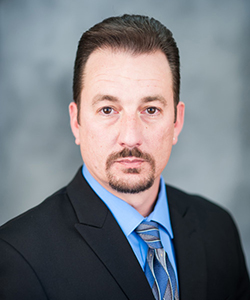
Gene Paoline, Ph.D., is a Professor and Chair in the Department of Criminal Justice at the University of Central Florida's College of Community Innovation and Education. His research focuses on police culture, use of force, criminal justice theory, and systemic observation methods. He has held significant academic leadership roles within the university's criminal justice program. Key research interests include police mentorship dynamics, gender disparities in policing environments, and the intersection of technology (e.g., body-worn cameras) with officer attitudes. His work often examines how institutional culture impacts decision-making, training outcomes, and occupational stressors. Recent articles highlight trends such as the impact of media scrutiny on policing behavior, racial/ethnic disparities in police academy completion rates, and the psychological effects of workplace environments on officers. These studies emphasize systemic challenges within law enforcement structures and potential solutions for cultural reform. Paoline has contributed to national-level analyses of police training curricula and jail staff perceptions of safety. His interdisciplinary approach bridges criminal justice theory with practical applications, addressing both academic and practitioner audiences through collaborative research initiatives.
Abdul-Akeem Sadiq is a Professor and Public Policy Academic Program Coordinator at the School of Public Administration within the College of Community Innovation and Education at the University of Central Florida. His research focuses on disaster management, emergency management, and community resilience, with particular emphasis on equity and human trafficking in disaster contexts. Dr. Sadiq's educational background includes: Joint Ph.D. in Public Policy from Georgia Institute of Technology and Georgia State University (2009) Albany State University (degree not specified) His research interests span disaster management, emergency management, public policy, community resilience, flood risk management, mass fatality management, and human trafficking in disasters. He has conducted significant work on equity in disaster response, including FEMA's COVID-19 funeral assistance funds and flood mitigation funding distribution. His studies often employ network analysis and collaborative governance frameworks to enhance community resilience, with fieldwork in Haiti, Nigeria, and Zimbabwe. Analysis of Dr. Sadiq's recent publications reveals a dominant focus on disaster-related human trafficking patterns linked to major events like hurricanes and the Super Bowl, alongside critical examinations of infrastructure vulnerability (particularly Florida hospitals during floods) and equity gaps in disaster policies. His work consistently integrates network governance perspectives to address systemic resilience challenges. Scientific awards and recognitions: National Science Foundation Enabling the Next Generation of Hazards and Disasters Researchers Fellowship (2014) Dr. Sadiq has secured significant research funding including a National Science Foundation grant (2016) as Principal Investigator studying community flood resilience, and NSF-funded mass fatality management research after the 2010 Haiti earthquake. His collaborative projects frequently involve cross-sector partnerships examining organizational preparedness, policy diffusion, and intergovernmental coordination in crisis contexts. While specific laboratory structures aren't detailed, his research methodology emphasizes network analysis of collaborative governance arrangements, suggesting active engagement with interdisciplinary teams involving emergency managers, floodplain coordinators, and community stakeholders across multiple countries.
Marjaana Gunkel is a tenured full professor and dean of the Faculty of Economics and Management at the Free University of Bozen-Bolzano since 2015. Previously, she held professorships at Otto-von-Guericke-Universität Magdeburg and Leuphana Universität Lüneburg in Germany. She earned her PhD from Otto-von-Guericke-Universität Magdeburg, examining country differences in employee motivation. Her academic background includes: PhD from Otto-von-Guericke-Universität Magdeburg, Germany Professor Gunkel specializes in International Human Resource Management and International Organizational Behavior , investigating cross-cultural variations in HR practices and employee behavior. Her research explores how emotional intelligence, cultural intelligence, and multiple intelligences influence team dynamics and performance across borders, with publications in top journals including Journal of Applied Psychology and Journal of International Business Studies. Analysis of her 2022-2025 publications reveals a dominant focus on global virtual teams, examining the interplay between emotional/cultural intelligence and team performance. Her work addresses contemporary challenges including data-driven decision-making, pandemic impacts on virtual collaboration, and alternative workplace arrangements, demonstrating consistent evolution toward understanding modern organizational complexities. As dean and active researcher, she contributes to academic leadership and public discourse on workplace well-being, emphasizing her mission to impact people's work lives as stated in her 2023 video: "I became a scientist because I want to have an impact on peoples’ well-being at work."
Qingjin Peng is a Professor in the Department of Mechanical Engineering at the University of Manitoba’s Price Faculty of Engineering. His work focuses on Product Design and Manufacturing, with expertise in Digital Manufacturing, Design Methodology, and Virtual Reality applications. He holds a PhD from the University of Birmingham (1998) and master’s and bachelor’s degrees from Xi’an Jiaotong University (1988, 1982). Education: PhD in Mechanical and Manufacturing Engineering, University of Birmingham (1998) M.Sc. Mechanical and Manufacturing Engineering, Xi’an Jiaotong University (1988) B.Sc. Mechanical and Manufacturing Engineering, Xi’an Jiaotong University (1982) Research Interests: His research spans Digital Manufacturing, Product Assembly/Disassembly Planning, CAD/CAM systems, and System Modeling. He pioneered methods integrating AI (e.g., Reinforcement Learning, Machine Learning) into product design and manufacturing processes. Notable contributions include optimizing Additive Manufacturing parameters using Taguchi methods and developing VR-based training systems for Coordinate Measuring Machines. Publications: Recent work emphasizes AI-driven innovation in manufacturing, with focus areas including sustainability in Additive Manufacturing, fault diagnosis of rotating machinery, and multi-agent systems for concept evaluation. His 2024 studies highlight advancements in product design through radical problem-solving frameworks, causal chain analysis, and genetic algorithm optimization. Advising & Grants: Currently no graduate student opportunities are listed, but his past collaborations include projects funded by national grants. Research teams often involve interdisciplinary partnerships, leveraging AI and data-driven approaches. Labs/Teams: His lab focuses on Digital Manufacturing and AI applications, though specific team names are not explicitly mentioned in the provided text.
Professor John Paterson is a leading palaeontologist at the University of New England , serving as Professor of Earth Sciences within the School of Environmental and Rural Science since 2016. His academic journey began with a B.Sc. (Hons) and Ph.D. from Macquarie University, focusing on Cambrian-Ordovician trilobites. He has held leadership roles, including Head of Earth Sciences (2008–2020) and ARC Future Fellow (2014–2018) , and remains an active member of the International Subcommission on Cambrian Stratigraphy . Research Interests center on documenting the palaeo-biodiversity of Australian Cambrian and Ordovician biotas (444–541 million years ago), using fossils to address evolutionary, biogeographic, and palaeoecological questions. His work spans taxonomy, phylogeny, biostratigraphy, and the refinement of the geologic timescale through global strata correlation. Recent publications highlight his focus on the Emu Bay Shale Lagerstätte , including studies on trilobite predator-prey dynamics , radiodont vision , and arthropod biomechanics . These works integrate finite-element analysis , laser micropyrolysis , and multi-proxy stratigraphy to explore evolutionary drivers during the Cambrian Explosion. Scientific Awards include the Anton Hales Medal (2016), UNE Vice Chancellor’s Award for Excellence in Research (2009), and the Charles Marshall Award (2001). He has secured major grants such as ARC Discovery Projects and National Geographic Society grants , totaling over AUD $350,000. Academic Leadership includes editorial roles at Alcheringa and Zootaxa , organizing international conferences like Palaeo Down Under 2 , and coordinating multidisciplinary teams for projects on the Flinders Ranges and Georgina Basin . His work bridges fieldwork, lab analysis, and global collaborations to unravel the complexities of early animal evolution.
Dr. Mark Clements is a distinguished Australian botanist and orchidologist affiliated with CSIRO's Australian National Herbarium. Over four decades, he discovered ~250 new orchid species and curated thousands of specimens. His research focuses on orchid taxonomy, mycorrhizal symbiosis, and conservation. He pioneered molecular systematics in Australian orchids and restored the UK's extinct lady slipper orchid. In 2016, he received the Westonbirt Orchid Medal for lifetime contributions. Education: Agricultural High School (Adelaide), later pursuing PhD studies on orchid embryology. Career milestones include roles at the Australian National Botanic Gardens and Kew Gardens. Research Interests: Orchid phylogenetics, mycorrhizal relationships, endangered species conservation, and taxonomic revisions. Key contributions include the Checklist of Australian Orchids and molecular analyses of orchid diversification. Publications: Over 100 articles on orchid systematics, phylogenomics, and conservation strategies. Recent work emphasizes Australasian orchid evolution and threats from pathogens like myrtle rust. Awards: Westonbirt Orchid Medal (2016), recognition for global orchid research and conservation efforts. Labs/Teams: Collaborated with institutions like the Royal Botanic Gardens, Kew, and CSIRO's biodiversity research centers.
Jennifer M. Connelly, MD is a Professor of Neurology at the Medical College of Wisconsin (MCW), specializing in Neuro-Oncology. She serves as Co-Director of the Neuro-Oncology Program and CNS DOT Chair at Froedtert Cancer Center. Dr. Connelly is board certified in Internal Medicine, Neurology, and Neuro-Oncology, with clinical expertise in brain tumors, metastases to the nervous system, neurofibromatosis, and neurologic complications of cancer therapies. Dr. Connelly received her MD from the Medical College of Wisconsin in 2003 and completed her combined Internal Medicine-Neurology residency and Neuro-Oncology fellowship at MCW-affiliated hospitals. A native of the Milwaukee area, she has built her entire academic career at MCW, progressing from Instructor (2008-2009) to Assistant Professor (2009-2014), Associate Professor (2014-2022), and ultimately Professor (2022-present). Her research focuses on molecular pathology and advanced MRI imaging techniques for diagnosing and treating brain and spinal cord tumors. Dr. Connelly's work centers on radio-pathomic mapping, glioma invasion beyond traditional MRI-defined margins, and novel therapeutic approaches for treatment-resistant glioblastoma. She has pioneered the development of fractional brain tumor burden mapping and has conducted significant research on gallium maltolate as a potential treatment for glioblastoma. Her holistic patient-centered approach emphasizes not only tumor management and life prolongation but also maintaining quality of life. Analysis of Dr. Connelly's recent publications reveals a strong focus on integrating advanced imaging techniques with tumor biology to improve diagnosis, treatment planning, and outcome prediction in neuro-oncology. Her work spans radio-pathomic mapping, glioma invasion patterns, novel therapeutics like gallium maltolate, and optimization of radiation therapy approaches, demonstrating a consistent commitment to translating research into clinical practice. Top Doctors 2023 Award, Milwaukee Magazine Distinguished Alumna of the Year Award - College of Engineering, Marquette University (2023) Lee A. Biblo Excellence in Professionalism Award (2022) Medical College of Wisconsin Outstanding Medical Student Teaching Award (multiple years) Edward J. Lennon Endowed Clinical Teaching Award Young Alumna of the Year Award - College of Engineering, Marquette University (2014) Dr. Connelly has been instrumental in developing educational programs for residents and medical students, including "Card Rounds" and "Neuropictionary." She established the inpatient neuro-oncology consult service and developed the first community-based neuro-oncology clinic at Menomonee Falls. As Co-Director of the Neuro-Oncology Program, she leads the weekly Brain Tumor Board where cases are documented in real-time in the EMR. Dr. Connelly also created a comprehensive Glioma Database containing treatment histories and outcomes for nearly 900 patients. Her laboratory and research team work within the Wisconsin Institute of Neuroscience (WINS) and collaborate extensively with the MCW Cancer Center. Current research focuses on radio-pathomic mapping, gallium maltolate efficacy, and advanced imaging techniques to identify tumor invasion beyond traditional MRI-defined margins. Dr. Connelly serves as Neuro-oncology Fellowship Program Director and continues to expand her research into novel therapeutic approaches for treatment-resistant brain tumors.
Jessica E. Garb is an Associate Professor in the Department of Biological Sciences at the University of Massachusetts Lowell, College of Sciences. Her research focuses on molecular evolution , systematic biology , genomics , and ecology , primarily using spiders as model organisms to study evolutionary processes. Education: BS in Natural Resources, Cornell University MS in Ecology, Evolution and Conservation Biology, University of Hawaii Manoa PhD in Environmental Science, Policy and Management, University of California Berkeley Garb’s lab investigates the evolution of venom proteins and spider silk genes , exploring how genomic changes underpin ecological adaptations like prey capture and silk production. Recent research trends include chromosome-level genome assembly , transcriptomic analyses , and biomechanical characterization of spider silks. Key collaborative projects involve multi-tissue transcriptomics , phylogenetic studies , and biomaterial engineering , with applications in biomedical research and material science. The lab’s work spans functional genomics , protein evolution , and taxonomic diversification of arachnids. The Garb Lab maintains affiliations with institutions and researchers worldwide, focusing on spider systematics , venom complexity , and silk gland evolution . Current activities include investigating cryptic diversity in Caerostris spiders and mechanical properties of dragline silk .