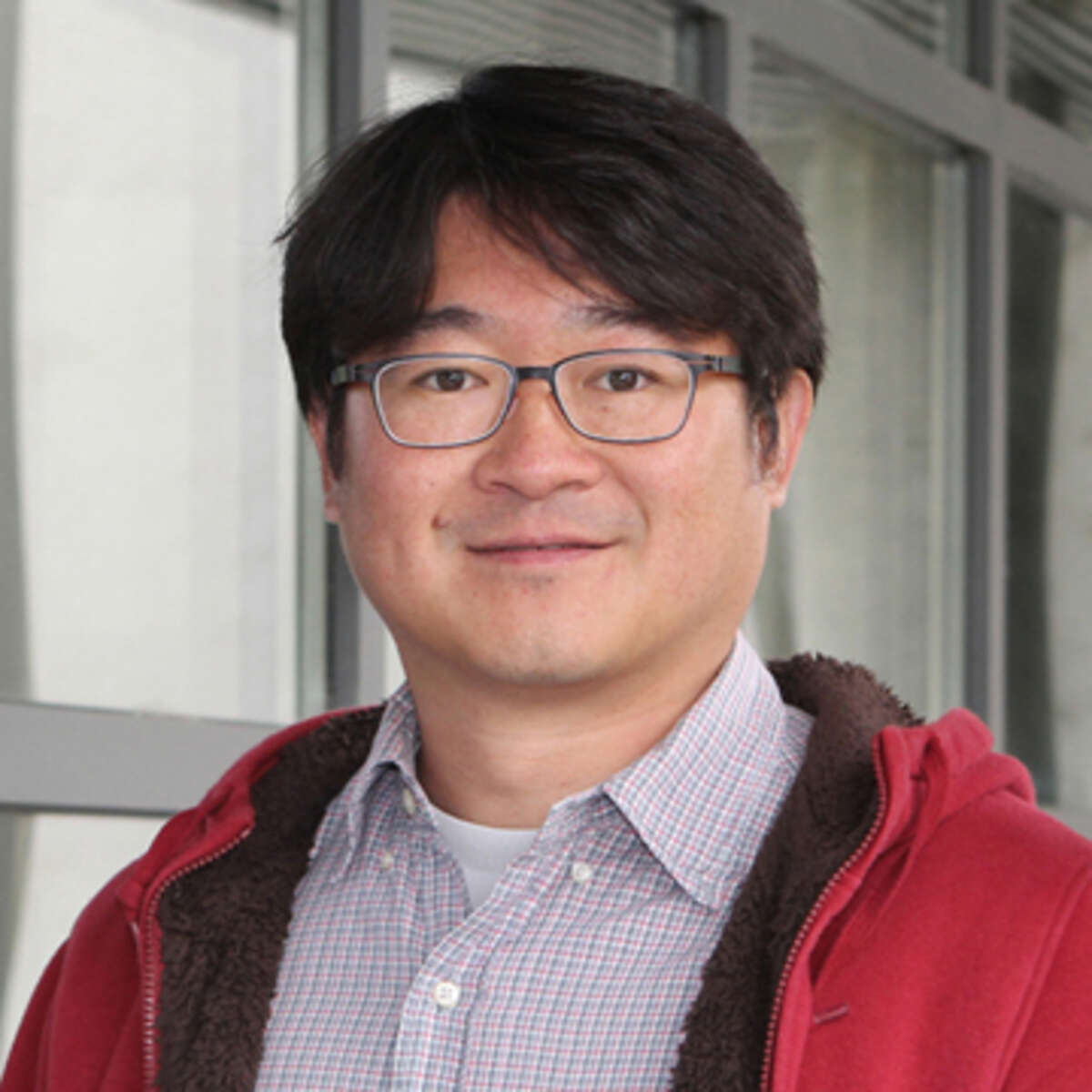
Fanny Yang is an Assistant Professor in the Computer Science Department at ETH Zurich . She previously held postdoctoral positions at Stanford University and a Junior Fellowship at the Institute for Theoretical Studies at ETH Zurich, advised by Nicolai Meinshausen . Her PhD was completed at the EECS Department of UC Berkeley , supervised by Martin Wainwright . Research Interests : Theoretical foundations of machine learning and statistics , particularly focusing on overparameterized models and high-dimensional data . Developing trustworthy ML models with emphasis on distributional robustness , domain generalization , and interpretability . Applications in medical diagnostics and treatment effect analysis , aiming to address reliability issues in real-world domains. Recent Work Trends : 2025 Articles : Theoretical analysis of semi-supervised multi-objective learning , test-time scaling with verifiers, and foundation models for efficient randomized experiments . 2024 Articles : Studies on robust mixture learning , privacy-preserving data synthesis via optimal transport , confounding quantification in causal inference , and semi-private learning frameworks. 2023 Articles : Investigations into active vs. passive learning in high dimensions, inductive bias in noisy interpolation , and semi-supervised novelty detection using model ensembles .
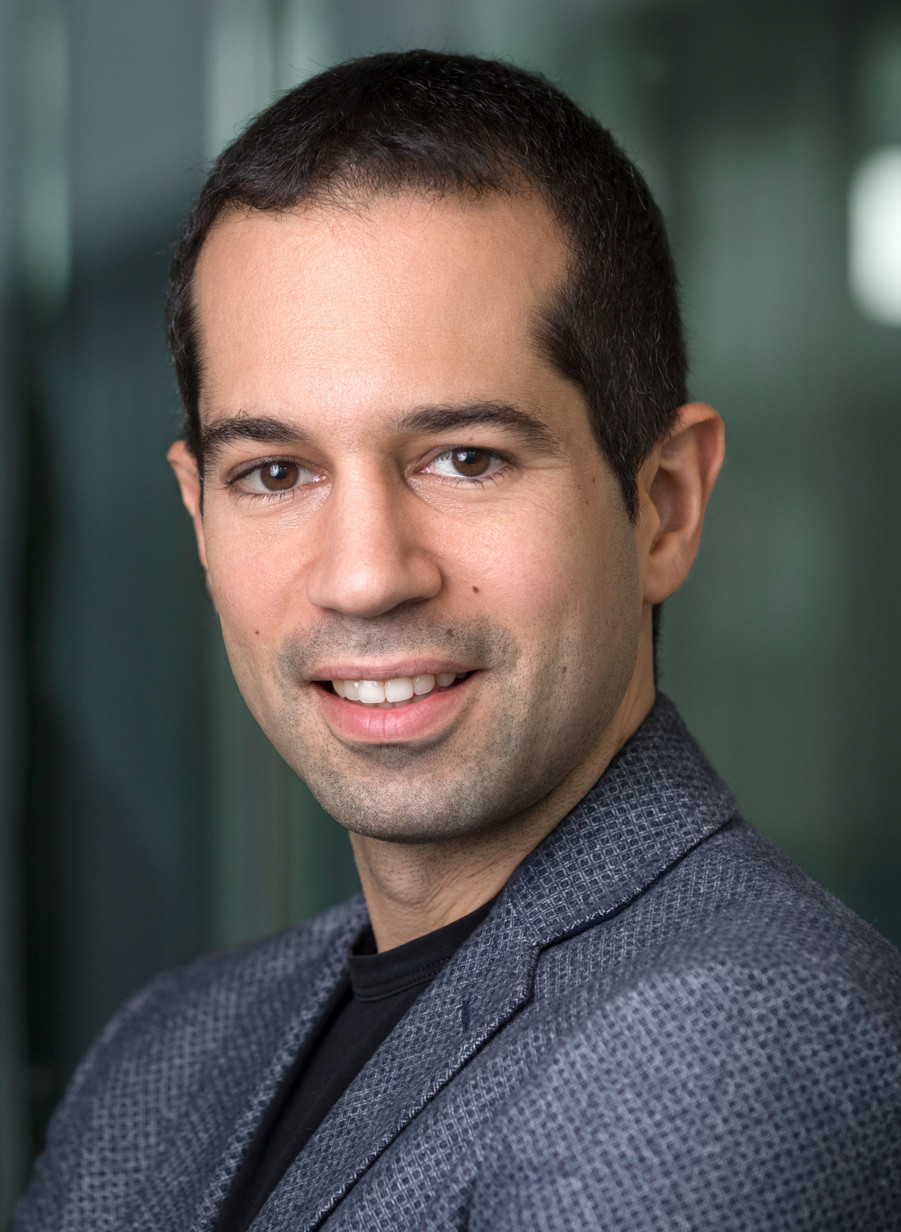
Peter Bühlmann is a Professor at ETH Zürich within the Seminar für Statistik , focusing on high-dimensional statistics, causal inference, and machine learning. His work bridges theoretical advancements with practical software implementations in R packages like pcalg , mboost , and glmmlasso , impacting fields such as genomics, proteomics, and intensive care analytics. Key Contributions : Causal structure learning, stability selection, anchor regression, and deconfounding. Software : Developed widely used R packages for statistical modeling and causal inference. Teaching : Courses on high-dimensional statistics at ETH Zürich and international institutions. Research Trends : Recent articles emphasize causal robustness, domain adaptation, and applications in medicine. His work addresses challenges in heterogeneous data, missing values, and covariate shifts using methods like spectral deconfounding and residual prediction tests. Scientific Recognition : Co-author of a paper designated as a New Hot Paper (Meinshausen and Bühlmann, 2006) by Essential Science Indicators, indicating significant impact in high-dimensional multiple testing.
Prof. Jean-Philippe Thiran is a Full Professor at École Polytechnique Fédérale de Lausanne (EPFL), where he serves as Director of the Signal Processing Laboratory (LTS5) and Director of the Institute of Electrical and Micro Engineering. He also maintains a part-time Associate Professor position with the Department of Radiology of the University Hospital Center (CHUV) and University of Lausanne (UNIL). Born in Namur, Belgium in 1970, he received his Electrical Engineering degree and PhD from the Université catholique de Louvain (UCL), Belgium, in 1993 and 1997 respectively. He joined EPFL in 1998 and has established himself as a leading researcher in computational imaging. His research focuses on computational imaging , with significant contributions to medical image analysis (particularly diffusion MRI, ultrasound imaging, and digital pathology) and computer vision . His recent work integrates advanced modeling, simulation, and machine learning techniques to extract microscopic tissue information from macroscopic MRI signals. This approach combines hyper-realistic synthetic tissue models, advanced Monte-Carlo simulations, and ML-based estimation techniques for brain microstructure analysis with potential applications to other tissues. Senior Member of IEEE Fellow of the European Association for Signal Processing (EURASIP) Prof. Thiran has authored or co-authored 1 book, 9 book chapters, 250 journal papers and over 270 peer-reviewed conference papers, and holds 12 international patents. He previously served as Co-Editor-in-Chief of the Signal Processing journal (2001-2005) and associate editor of IEEE Transactions on Image Processing. He has chaired major conferences including EUSIPCO 2008 and IEEE ICIP 2015. His laboratory at EPFL brings together interdisciplinary researchers to develop innovative imaging techniques that bridge macroscopic measurements and microscopic tissue properties, with significant potential for medical diagnostics and treatment planning applications.
Dr. Vakil Takhaveev is a Lecturer at ETH Zurich's Department of Health Sciences and Technology, within the Institute of Food, Nutrition and Health. His research focuses on DNA damage mechanisms, aging, cancer, and neurodegeneration, with particular emphasis on developing novel DNA-damage-sequencing methods like click-code-seq and TRABI-Seq . He investigates anticancer drug action (e.g., trabectedin), aging clocks using DNA oxidation profiling, and stress-induced carcinogenesis. His work integrates multi-omics approaches and advanced sequencing techniques. Research Directions: Novel DNA-Damage-Sequencing Methods: Developed click-code-seq and TRABI-Seq for genomic mapping of DNA lesions and repair dynamics. Anticancer Drug Action: Explored mechanisms of trabectedin and other chemotherapeutics, linking DNA repair vulnerabilities to therapy resistance. Aging Clocks: Created DNA oxidation-based biomarkers for biological aging using genome-wide profiling in human and mouse models. Stress-Induced Pathologies: Studies metabolic and DNA damage links to early tumorigenesis and neurodegeneration. Awards & Recognition: 2025 Public Award Winner in PIs of Tomorrow competition 2024 ETH Zurich Career Seed Award Best presentation awards (Swiss Chemical Society, American Chemical Society) Grants & Collaborations: Impetus grants for aging clock development Swiss Chemical Society and American Chemical Society fellowships Labs & Teams: Leads research on DNA damage and aging mechanisms at ETH Zurich, collaborating with international groups in oncology and toxicology.
Marc Pollefeys is a Full Professor at the Department of Computer Science, ETH Zurich, and Director of the Microsoft Mixed Reality and AI Lab. His work focuses on advanced perception systems for HoloLens, 3D computer vision, robotics, and machine learning. Key contributions include automated 3D modeling from video, real-time reconstruction pipelines, and vision-based autonomous systems. Education: PhD from KU Leuven (1999) Previous Affiliation: Professor at UNC Chapel Hill Research interests span 3D reconstruction , computer vision , robotics , SLAM , augmented reality , and privacy-preserving mapping . His work often integrates geometric modeling , feature matching , and deep learning . Recent projects emphasize implicit 3D representations , open-vocabulary scene understanding , and robust estimation using neural-guided algorithms. Recent publications highlight advancements in neural implicit fields , line-based correspondence , and vision-language integration . Trends include hybrid point-line methods, differentiable RANSAC, and privacy-aware localization frameworks. Scientific recognition includes: IEEE Fellow (2012) David Marr Prize (ICCV 1998) DAGM Best Paper Award (1999) Advisees include current and alumni PhD students such as Yagız Aksoy, Federico Camposeco, and Sudipta Sinha. Collaborations span institutions like UNC Chapel Hill, ETH Zurich, and Microsoft Zurich. Research sponsors include Microsoft, Google, and European research initiatives.
Li Tang is an Associate Professor with tenure at École polytechnique fédérale de Lausanne (EPFL), affiliated with the Institute of Bioengineering (IBI) and the Institute of Materials Science and Engineering (IMX) within the School of Engineering (STI). She leads the Laboratory of Biomaterials for Immunoengineering, focusing on developing innovative strategies at the intersection of immunology, materials science, and cancer therapy. Her work bridges fundamental research and clinical translation, with multiple ongoing clinical trials based on CAR-T cell therapies developed in her lab. B.S. in Chemistry, Peking University (2003–2007) Ph.D. in Materials Science and Engineering, University of Illinois at Urbana-Champaign (2007–2012) Postdoctoral Fellow, MIT (2013–2016) Her research lies at the forefront of immunoengineering, integrating chemical, metabolic, and mechanical approaches to modulate immune responses. Key areas include cancer immunotherapy, immune metabolism, mechano-immunology, and biomaterials. She investigates how physical and biochemical cues can reprogram T cells, overcome exhaustion, and enhance tumor targeting. Her work emphasizes multidimensional immunity-disease interactions, aiming to develop safer and more effective therapies for cancer and autoimmune diseases. The recent publications highlight a strong trend in engineering immune cells (especially CAR-T) for enhanced durability and function, using advanced biomaterials and metabolic reprogramming. There is a clear focus on overcoming challenges in solid tumors, modulating the tumor microenvironment, and translating findings into clinical applications. The use of nanoparticle delivery, single-cell analysis, and biomechanical cues are recurring themes across her work. Notable scientific awards include: Friedrich Miescher Award (2025) ERC Starting Grant (2018) MIT TR35 Innovators Under 35 (China Region, 2020) Nano Research Young Innovator Award (2018) Biomaterials Science Emerging Investigator (2019) Materials Horizons Emerging Investigator (2020) Li Tang actively mentors PhD students across multiple doctoral programs (EDBB, EDMS, EDMX) and has advised numerous graduates who have gone on to prestigious postdoctoral and faculty positions. She is involved in significant research grants, including an Innosuisse project with Novochizol SA, and her lab is supported by competitive funding. She teaches core courses such as Immunoengineering and Next-Generation Biomaterials, shaping the next generation of scientists. Her lab fosters interdisciplinary collaboration and innovation, with active projects in chemical, metabolic, and mechanical immunoengineering, as well as CAR-T cell development. She is the Principal Investigator of the Tang Lab, which includes postdoctoral fellows, PhD students, and technical staff. The lab is actively recruiting and has a strong publication and clinical translation record. Tang Lab is also involved in multiple MA/BA training projects and promotes student engagement in cutting-edge research. The lab’s discoveries are being translated into clinical trials, reflecting a strong commitment to translational science.
Kathrin Lang is a Full Professor at the Department of Chemistry and Applied Biosciences, ETH Zurich, and Head of the Organic Chemistry Laboratory. Her research focuses on chemical biology, particularly the development of tools for genetic code expansion to incorporate non-canonical amino acids into proteins and advance bioorthogonal chemistries for studying biological processes. Keywords: Genetic Code Expansion, Bioorthogonal Chemistry, Protein Engineering, Ubiquitylation Networks, Post-Translational Modifications. Lang’s work emphasizes proximity-triggered crosslinking reactions, bioorthogonal labeling, and in vivo chemistries to address challenges in protein interaction mapping and structural elucidation. Her group’s recent publications highlight methodologies for dual protein labeling, deciphering ubiquitin code, and enhancing cycloaddition reactivity. Current projects include exploring cyclopropene-fused dibenzocyclooctynes for improved labeling and investigating methylated lysine as a conformational regulator in Hsp90. Funding sources include the ERC (Ubl-tool), DFG (SFB1035, SPP1926), and ETH Zurich. She contributes to education through courses like Genetic Code Expansion for Studying Posttranslational Modifications and Chemical Biology and Synthetic Biochemistry . Collaborative efforts span structural biology, microbiology, and synthetic biochemistry, with applications in ubiquitin research and cellular imaging.
Thomas Demeester is an Associate Professor at the Internet Technology and Data Science Lab (IDLab), Ghent University - imec, Belgium. Appointed as Assistant Professor in 2019, he leads an AI research group focused on health applications and drug design, co-directing the Text-to-Knowledge research cluster with Prof. Chris Develder. His educational background includes: M.Sc. in Electrical Engineering from Ghent University (2005), completed with thesis work at ETH Zurich Ph.D. in Computational Electromagnetics from Ghent University (2009), funded by Research Foundation - Flanders (FWO) Demeester's research spans artificial intelligence with emphasis on deep learning and neuro-symbolic methods. Current tracks include energy-based models (Hopfield Networks, Deep Equilibrium Models), diffusion models for drug design, and clinical reasoning systems. His work bridges NLP, healthcare informatics, and generative AI with strong industry partnerships. Recent publications (2023-2025) reveal strategic expansion from NLP into health-centric AI: BioLORD biomedical encoders (2023), synthetic medical data frameworks (UAI/NeurIPS 2024), and novel diffusion model guidance (ICLR 2025). This evolution demonstrates convergence of generative modeling, clinical data analysis, and protein design. He actively mentors 24 PhD students across diverse AI domains: Current Research: Conversational agents, emotion analysis, clinical reasoning, antibody design, and diffusion model optimization Recent Graduates: Interpretable language models, biomedical semantics, task-oriented dialogue, and social media knowledge extraction Research is supported by imec funding and collaborations with Flemish biotech companies, building on his post-doctoral experience securing media-sector projects. Within IDLab, he co-leads the Text-to-Knowledge cluster driving NLP innovations for healthcare, legal, and economic applications.
Sai Reddy is an Associate Professor of Systems and Synthetic Immunology at ETH Zurich's Department of Biosystems Science and Engineering (D-BSSE) in Basel, Switzerland, where he leads the Laboratory for Systems and Synthetic Immunology. Since September 2018, he has served as Vice Director of the Botnar Research Centre for Child Health (BRCCH), driving child health innovation through interdisciplinary research. Education: Bachelor of Science (Biomedical Engineering) from Northwestern University (2003) Master of Science (Biomedical Engineering) from Northwestern University (2004) Ph.D. (Bioengineering and Biotechnology) from École Polytechnique Fédérale de Lausanne (EPFL) (2008), supervised by Prof. Melody Swartz and Prof. Jeffrey Hubbell Post-doctoral fellowship under Prof. George Georgiou at the University of Texas, Austin (2008) His research pioneers the integration of computational modeling and cellular engineering to decode immune complexity. Systems Immunology employs quantitative measurements and machine learning to analyze adaptive immunity through antibody repertoire sequencing, while Synthetic Immunology reprograms immune cells via molecular engineering for cellular immunotherapy and directed evolution applications. Both fields converge on immunogenome manipulation to advance therapeutic design. Scientific Awards: KPMG tomorrow’s market award (2007) for nanoparticle vaccine technology As principal investigator, Prof. Reddy mentors graduate researchers in his laboratory; no specific advisees or grant awards are detailed in the text. His leadership at BRCCH amplifies translational impact on child health, though operational grant mechanisms remain undisclosed. The Laboratory for Systems and Synthetic Immunology operates from ETH Zurich's Basel campus at Klingelbergstrasse 48, Switzerland, focusing on high-throughput sequencing and synthetic biology methods to engineer immune responses.
Daniel Sage is a Lecturer and Scientific Advisor at École polytechnique fédérale de Lausanne (EPFL) , affiliated with the Biomedical Imaging Laboratory (LIB) under the College of Engineering (STI) and School of Life Sciences (SV) . He specializes in bioimage informatics , structured-illumination microscopy , and deep learning applications for biomedical imaging. His work spans algorithm development for single-molecule localization microscopy (SMLM) , fluorescence imaging , and 3D reconstruction . His research group has developed open-source tools like FlexSIM for light inhomogeneity correction, DeepImageJ for integrating deep learning in ImageJ, and Steer'n'Detect for orientation-accurate template detection. His publications focus on correcting multiple-blinking artifacts in PALM, optimal transport metrics for SMLM evaluation, and contextual feature analysis for xenograft cell classification. He mentors PhD students and contributes to interdisciplinary education through courses such as Bioimage Informatics and Fundamentals of Image Analysis , emphasizing practical software solutions and Java programming for bioimage processing. His collaborations include institutions like Howard Hughes Medical Institute and Centre National de la Recherche Scientifique (CNRS) .
Kjell Jorner is an Assistant Professor of Digital Chemistry in the Institute for Chemical and Bioengineering at ETH Zurich's Department of Chemistry and Applied Biosciences. His research group focuses on integrating computational methods and machine learning to address challenges in chemical synthesis, materials design, and reaction prediction. Education: PhD from Uppsala University (Photochemistry of aromatic compounds) Postdoctoral studies at AstraZeneca UK (Reaction prediction using computational chemistry and ML) Postdoctoral studies at University of Toronto (Molecular design of catalysts and organic electronic materials) Research Interests: Professor Jorner's work bridges computational chemistry, machine learning, and experimental design. Key areas include: Development of quantum mechanics-machine learning hybrid approaches for reaction feasibility prediction Inverse molecular design of functional materials (e.g., singlet-fission systems) Computational catalyst optimization and high-throughput screening methods Digital tools for chemical education and cheminformatics Publication Trends (2023-2025): Recent articles demonstrate a strong focus on machine learning applications in chemistry, including reaction prediction algorithms, catalyst design frameworks, and automated molecular generation. A recurring theme is the development of computational tools to accelerate materials discovery and optimize chemical processes. Laboratory & Team: Leads the Digital Chemistry research group at ETH Zurich (HCI E 137) exploring computational approaches to chemical challenges.
Beat Fierz is an Associate Professor at École Polytechnique Fédérale de Lausanne (EPFL) in the School of Basic Sciences (SB), affiliated with the Institute of Chemical Sciences and Engineering (ISIC) and the Laboratory of Biophysical Chemistry of Macromolecules (LCBM). He holds additional roles as Director of the Doctoral Program in Chemistry and Chemical Engineering (EDCH) and oversees doctoral education within the SCGC teaching unit. His research focuses on chromatin dynamics, epigenetic regulation, and chemical biology approaches to study histone modifications and protein interactions. He has supervised over 14 PhD students and teaches courses in advanced chemistry and chemical biology. His work bridges molecular mechanisms of chromatin structure with cellular processes like DNA repair and transcriptional regulation. Research Interests: Dr. Fierz investigates how post-translational modifications of histones (e.g., ubiquitylation, acetylation) regulate chromatin compaction, silencing, and accessibility. He employs single-molecule techniques and chemical synthesis to reconstitute and analyze chromatin states, with applications in understanding epigenetic diseases, aging, and CRISPR-Cas9 genome editing dynamics. Recent studies highlight mechanisms of HP1α-mediated heterochromatin assembly and pioneer transcription factor invasion into compact chromatin. Doctoral Program Leadership: As Director of the EDCH program, he oversees training in chemistry and chemical engineering, ensuring academic rigor and interdisciplinary collaboration. His lab collaborates extensively with EPFL's Chemical Biology NCCR and contributes to initiatives like the Chemical Biology Seminar Series. Lab & Teams: The LCBM lab uses innovative tools like 'MagIC beads' and semisynthetic nucleosomes to study chromatin modifications. Current projects include exploring how ubiquitin signals modulate DNA repair proteins and how histone aging impacts chromatin stability. Collaborations span biophysics, biochemistry, and synthetic chemistry.
Lena Jäger is a Professor in the Department of Computational Linguistics at the University of Zurich (UZH). Her research focuses on the intersection of linguistics, computational cognitive science, and machine learning, particularly analyzing cognitive mechanisms underlying human language processing through experimental psycholinguistics, computational modeling, and NLP methods. She holds an MA in Chinese Language and Culture, an MSc in Experimental and Clinical Linguistics, a PhD in Cognitive Science, and a BSc in Computer Science. Prior to UZH, she led a Machine Learning Junior Research Group funded by the German Federal Ministry of Education and Research (2020) and conducted postdoctoral research at the University of Potsdam. Her work emphasizes developing machine learning methods for analyzing eye-tracking data to uncover cognitive processes reflected in eye movements. Notable contributions include creating multilingual eye-tracking corpora (e.g., MultiplEYE, PoTeC) and advancing tools like pymovements for data processing. Her research spans applications in language comprehension, biometric identification, and clinical diagnostics (e.g., ADHD detection via eye movements). Education: BA/MA: Chinese Language and Culture (University of Freiburg, Tongji University, Beijing Language and Culture University, Université Paris 7) MSc: Experimental and Clinical Linguistics (University of Potsdam) PhD: Cognitive Science (University of Potsdam) BSc: Computer Science (concurrent with PhD) Awards: Machine Learning Junior Research Group Grant (2020). Labs/Teams: Leads computational linguistics and machine learning research groups at UZH, collaborating on projects like ScanDL and CoLAGaze. Her recent work bridges AI and cognitive science, exploring how language models emulate human reading behaviors and developing frameworks for ethical AI applications. Ongoing projects include improving fairness in biometric identification systems and analyzing individual differences in reading through synthetic data.
Prof. Dr. Roderick Lim is an Associate Professor at the Biozentrum, University of Basel , where he leads a research group since 2014. His work bridges biophysics, nanotechnology, and molecular biology , focusing on the nuclear pore complex (NPC) and mechanobiology of cells . He develops biomimetic systems for selective molecular transport and ARTIDIS , a nanomechanical tissue diagnostic platform commercialized for breast cancer prognosis . Education : BSc (UNC Chapel Hill), PhD (NUS/IMRE Singapore), Postdoc (Swiss Nanoscience Institute) Positions : Argovia Professor (2014–present), Tenure Track Asst. Prof. (2009–2013), Postdoc (2004–2008) His research on NPC transport selectivity reveals how karyopherins modulate the FG Nup barrier via multivalent interactions, with implications for viral entry and Alzheimer’s disease . His ARTIDIS platform uses atomic force microscopy to detect cancer via tissue softness, linking hypoxia to metastasis . Recent 2025 publications explore bacterial nanoharpoon defense mechanisms and DNA origami-based NPC mimics . Scientific Awards : Pierre-Gilles de Gennes Prize (2008), A*STAR Fellowship (2004) Collaborations : NCCR Molecular Systems Engineering, NanoTera, KTI He mentors PhD students in institutions across Switzerland, Singapore, Sweden, and the UK , with alumni working on polymersome delivery, mechanotransduction, and pathogen transport . His lab pioneered high-speed atomic force microscopy for real-time NPC dynamics and plasmonic nanopores for synthetic biology applications.
Davide Scaramuzza is a Professor and Director of the Robotics and Perception Group at the University of Zurich. He holds a Ph.D. from ETH Zurich and has conducted postdoctoral research at the University of Pennsylvania and Stanford. His research focuses on autonomous drone navigation using visual and event-based sensors, leading to breakthroughs like AI drones outperforming human pilots in racing (Nature 2023). He pioneered algorithms for Mars helicopter navigation and developed the PX4 autopilot system. Key awards include the Kiyo-Tomiyasu IEEE Technical Field Award (2024), ERC Consolidator Grant (2019), and multiple best paper awards. His entrepreneurial ventures include co-founding Zurich-Eye (later Meta Zurich) and SUIND for agricultural drones. He co-authored the textbook Introduction to Autonomous Mobile Robots , widely used in academia. Research spans event camera algorithms, visual-inertial SLAM, and reinforcement learning for agile flight. His lab's work is featured in IEEE Spectrum, The Guardian, and Forbes. He advises UN initiatives on AI for disaster response and nuclear safety. Current projects include Graph-Generating State Space Models (CVPR 2024) and event-based vision for automotive systems (Nature 2024).