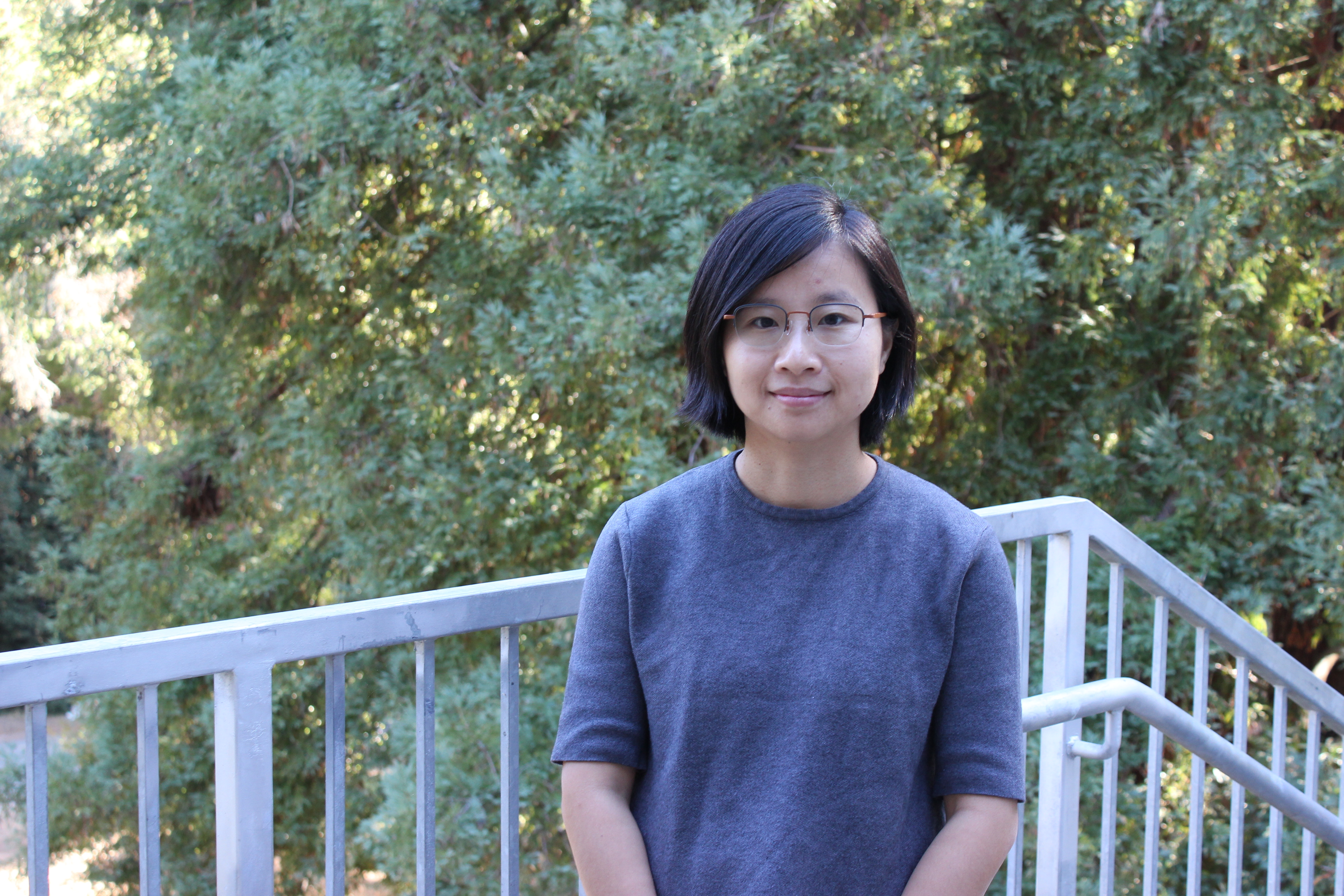
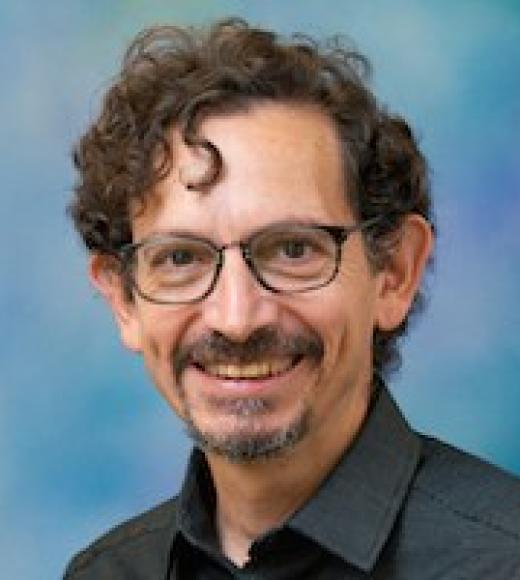
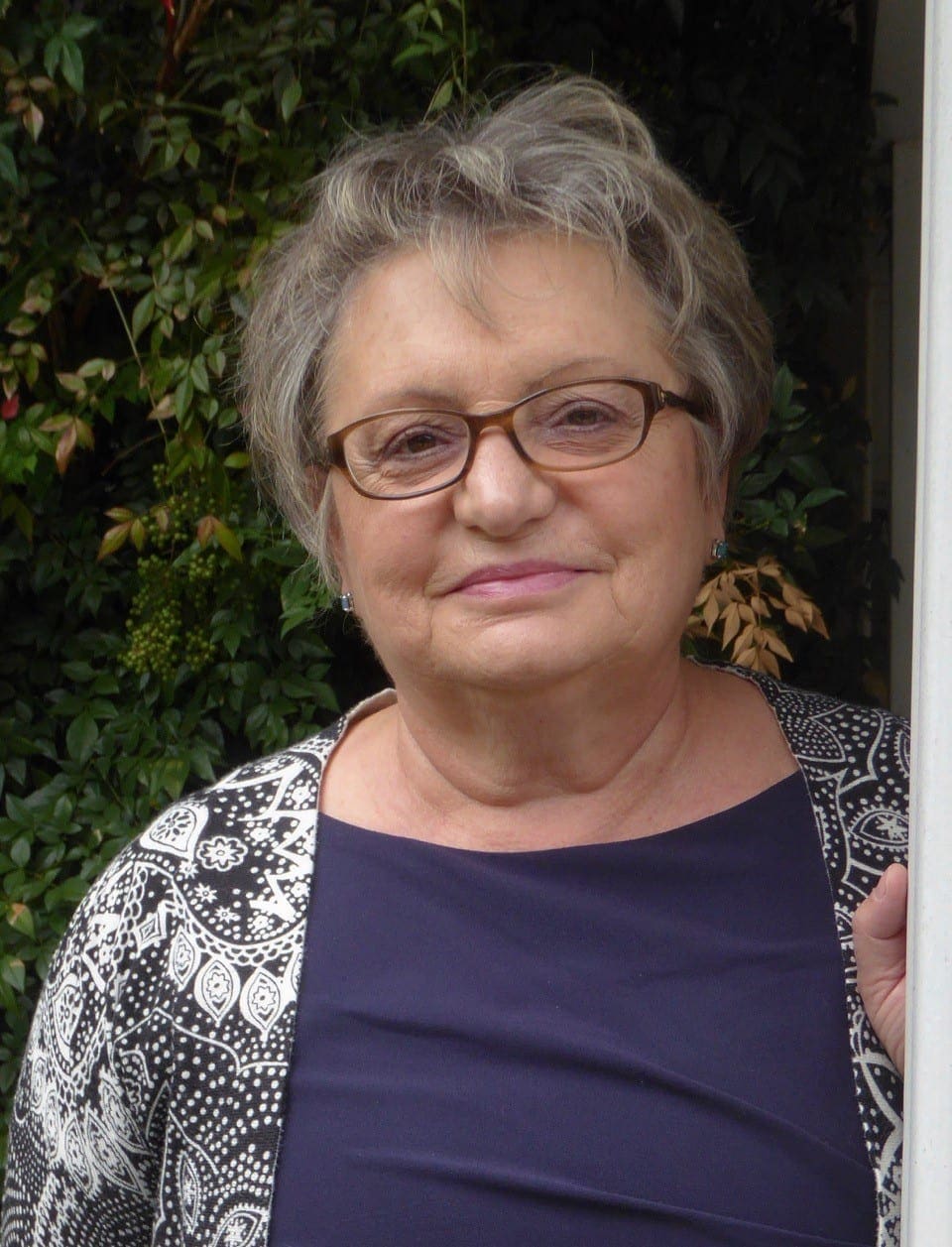
Hongming Zhang is a Professor of Chinese Linguistics and Head of the Chinese Language and Linguistics Program at the University of Wisconsin–Madison, where he has been a faculty member since 1994. He also directs the UW-Tianjin Summer Chinese Program and holds editorial leadership roles in major journals and book series in Chinese linguistics. Ph.D., University of California at San Diego, Linguistics (1992) M.A., University of California at San Diego, Linguistics (1990) M.A., Fudan University, Chinese Linguistics (1984) B.A., Fudan University, Chinese Language (1981) His research focuses on the syntax-phonology interface, prosodic phonology, poetic prosody, and the history of the Chinese language. He has made significant contributions to the understanding of tone sandhi, tonal representation in dialects, and the linguistic structure of classical Chinese poetry. His work bridges theoretical linguistics and literary analysis, particularly in the context of historical and dialectal variation. The most recent articles highlight a strong trend in prosodic studies across Chinese dialects, historical phonology, and the linguistic analysis of classical poetry. His publications consistently emphasize empirical data from understudied dialects and integrate formal linguistic theory with philological insights. Vilas Associate Award (UW-Madison, 2003–05) Chiang Ching Kuo Research Grants (1997–99, 2005–06) Chern Shiing-shen Chair Professor (Nankai University, 2006) Chang Jiang Scholar Chair Professor (China MOE, 2009) Teacher of the Year 2015 (Wisconsin Association of Chinese Language Teachers) Distinguished Guest Professor (multiple Chinese universities) Professor Zhang has advised numerous students and led curriculum development in Chinese language and linguistics. He has secured research grants from prestigious foundations and has held leadership roles in international scholarly organizations. He is currently executive editor of the International Journal of Chinese Linguistics and series editor for Routledge Studies in Chinese Linguistics . He leads a research group focused on prosodic theory and Chinese linguistic analysis, contributing to interdisciplinary projects connecting linguistics, literature, and language education.