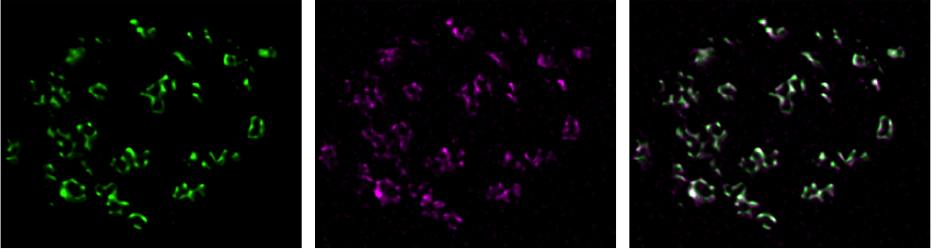
Prof. Stephan J. Sigrist is a Full Professor of Genetics at the Institute of Biology, Free University of Berlin. His lab focuses on synaptic active zone architecture, neuroplasticity, and aging-related neurodegeneration. He leads the Collaborative Research Center 958 on Membrane Scaffolding and co-directs NeuroCure, a DFG Cluster of Excellence at Charité. Education: PhD in Molecular Genetics (1997) and Habilitation (2005) from the University of Göttingen. Positions: Einstein Professor (2014–present), Spokesperson CRC 958 (2012–present), and Co-Director NeuroCure (2009–present). Research explores presynaptic mechanisms using Drosophila and mouse models, combined with STED microscopy. Key contributions include discoveries of Bruchpilot's role in active zones and spermidine's protective effects against age-related synapse decline. Grants: Over €6 million in funding, including DFG CRCs, Einstein Foundation, and ERC Advanced Grant (2025). Awards: Einstein Professorship, Best Habilitation Award, EMBO/HFSP Fellowships. Collaborations span structural biology (e.g., Stefan Hell), neurophysiology (David DiGregorio), and aging research (Frank Madeo).
Dr. Philippe Campeau is an Associate Clinical Professor in the Department of Pediatrics at the Faculty of Medicine, Université de Montréal. He is affiliated with CHU Sainte-Justine, a major pediatric hospital in Montreal, Quebec, where he works in the Medical Genetics Service. His clinical and research work focuses on genetic disorders affecting children, particularly in the areas of skeletal development and neurogenetics. Dr. Campeau obtained his Doctorate in Medicine from Laval University in Quebec (1998-2003) followed by specialty training in medical genetics at McGill University (2003-2008). He completed postdoctoral training at Baylor College of Medicine (2008-2013), which further developed his expertise in genetic research methodologies. His primary research interests include bone dysplasias , skeletal dysplasias , epilepsy , and epigenetic diseases . Dr. Campeau's laboratory identifies disease-causing genes, deciphers disease pathophysiology, and works to improve the management of children affected by these conditions. His work encompasses exome analysis , functional studies with cell lines and mouse models , and investigations into urea cycle abnormalities . He has made significant contributions to understanding genetic causes of conditions such as Genitopatellar syndrome (KAT6B), osteopetrosis, dysosteosclerosis (SLC29A3), osteogenesis imperfecta, early-onset osteoporosis (WNT1), Yunis-Varón syndrome (FIG4), and DOORS syndrome (TBC1D24). Dr. Campeau's publication record demonstrates a strong trajectory in medical genetics research, with numerous high-impact publications spanning from fundamental genetic discovery to translational research. His work spans skeletal disorders, neurodevelopmental conditions, and epigenetic mechanisms. Recent publications indicate an expanding focus on chromatin modifiers, DNA methylation patterns, and spliceosome function in neurodevelopmental conditions, reflecting the evolution of his research interests toward more complex molecular mechanisms. Dr. Campeau has received several research grants in recent years (6 starting in 2014) from organizations including the Fonds de la recherche en santé du Québec, Canadian Institutes of Health Research, and Fondation Grand Défi Pierre Lavoie. While specific students are not mentioned in the available information, as a clinical professor, he mentors medical students, residents, and research trainees in the Department of Pediatrics. His research is conducted as part of the 'Musculoskeletal Diseases and Rehabilitation' axis at CHU Sainte-Justine Research Center, where he collaborates with international research teams to identify disease-causing genes and develop better management strategies for children with genetic disorders.
Manu Sharma is an Associate Professor of Neuroscience at the Brain and Mind Research Institute , Weill Cornell Medical College (2024–present). His research focuses on the molecular mechanisms underlying neurodegenerative diseases, particularly tauopathies and synucleinopathies (e.g., Alzheimer’s and Parkinson’s diseases), synaptic transmission, and protein aggregation. Education: Ph.D., University of Toronto (2005) B.Sc., University of Toronto (1998) Research Interests: Dr. Sharma investigates how physiological and pathological modifications of tau and α-synuclein proteins contribute to neurodegeneration. His work explores synaptic vesicle dynamics, chaperone-mediated protein stabilization, and the role of lysosomal pathways in disease progression. Grants: He has secured major funding as Principal Investigator and Co-Investigator from the National Institute on Aging and National Institute of Neurological Disorders & Stroke (2024–2029) for studies on tau proteostasis, synucleinopathies, and small molecule inhibitors targeting neurodegenerative pathways. Labs & Teams: Affiliated with the Brain and Mind Research Institute, Dr. Sharma collaborates on multidisciplinary projects involving synaptic biology, protein quality control, and neurodegeneration models.
Prof. Dr. med. Franz Lennard Ricklefs is a Senior Physician and Head of the Working Group at the Department of Neurosurgery, University of Hamburg Faculty of Medicine. He is a Medical Specialist in Neurosurgery with cross-disciplinary expertise in neuro-oncology, molecular pathology, and extracellular vesicle research. Affiliations: University Medical Center Hamburg-Eppendorf (UKE), European Liquid Biopsy Society (ELBS), International Consortium on Meningiomas (ICOM) Research Interests: His work focuses on neurosurgical oncology, particularly glioblastoma and meningioma pathobiology. He investigates DNA methylation patterns, extracellular vesicle biomarkers, and liquid biopsy implementation in clinical neuro-oncology. Additional interests include surgical outcomes for epilepsy and aneurysm management. Article Trends: Over the last decade, Dr. Ricklefs has published extensively on: Extracellular vesicle applications as liquid biopsy markers DNA methylation subclasses for glioblastoma and meningioma Multicenter surgical outcome benchmarking Immune evasion mechanisms in neuro-oncology Technological innovations in neurosurgical visualization Molecular characterization of rare CNS tumors Professional Contributions: He co-authored the MISEV2023 guidelines for extracellular vesicle studies and participates in international consensus reviews for meningioma classification. His collaborations span institutions across Europe and North America.
Professor Tim Denison FREng holds a joint appointment in the Department of Engineering Science and Nuffield Department of Clinical Neurosciences at the University of Oxford, where he serves as the Royal Academy of Engineering Chair in Emerging Technologies and an MRC Investigator. His research focuses on the fundamentals of physiologic closed-loop systems and developing next-generation neural interface technologies for treating chronic neurological diseases. Professor Denison received his A.B. in Physics from The University of Chicago, followed by M.S. and Ph.D. degrees in Electrical Engineering from MIT. He later completed an MBA at The University of Chicago, where he was named a Wallman Scholar. His research spans neural engineering, closed-loop neuromodulation systems, and computational neuroscience, with particular emphasis on deep brain stimulation, neural oscillations, and adaptive neurostimulation techniques. His work integrates engineering principles with clinical neuroscience to develop innovative treatments for neurological disorders. Professor Denison's approach combines computational modeling with experimental validation to optimize brain stimulation parameters for individual patients. Professor Denison has received numerous prestigious awards, including membership in the Bakken Society (2012, Medtronic's highest technical honor), the Wallin leadership award (2014), election to the College of Fellows for the American Institute of Medical and Biological Engineering (2015), and recognition as a Fellow of the Royal Academy of Engineering (FREng). As a former Technical Fellow at Medtronic PLC and Vice President of Research & Core Technology for the Restorative Therapies Group, Professor Denison brings significant industry experience to his academic work. His research group focuses on developing advanced neurostimulation technologies that incorporate chronobiology principles and adaptive algorithms to improve treatment outcomes for neurological conditions.
Magnus Richardson is a Professor at the University of Warwick, affiliated with the Mathematics for Real-World Systems Centre for Doctoral Training (CDT), where he previously served as Director (2016–2020) and currently acts as Deputy Director. His research focuses on theoretical neuroscience, mathematical modeling of neural systems, and neurodegenerative diseases. He has led significant grants, including the UKRI-funded £5M renewal for the CDT, extending its operations until 2028. Richardson has supervised numerous doctoral students, including Alice Wang, Ivana Del Popolo, and alumni such as Dr. Emily Hill and Dr. Robert Gowers. His work bridges computational neuroscience and experimental biology, investigating topics like synaptic plasticity, adenosine signaling, and the impact of protein aggregates (e.g., tau, α-synuclein) on neuronal function. Richardson’s teaching includes modules on mathematical biology and machine learning. His GitHub repositories reflect his computational contributions, including neural modeling frameworks for integrate-and-fire neurons. Key research themes include understanding how synaptic inputs and neuromodulators influence neuronal dynamics, and developing mathematical tools to analyze neural systems under pathological conditions. Richardson’s grants and collaborations highlight his role in advancing interdisciplinary research at the intersection of mathematics, neuroscience, and computational biology.
Prof. Thomas Kuner is a Professor and Director of the Department of Functional Neuroanatomy at the University of Heidelberg's Medical Faculty. He holds a medical degree (MD) from Heidelberg (1998) and completed postdoctoral work at Duke University and the Marine Biological Laboratory. Since 2000, he has led a research group at the Max Planck Institute for Medical Research, followed by habilitation in Physiology (2003) and appointment as Professor of Anatomy and Cell Biology (2006). Research Focus: His work focuses on neuroanatomy, synaptic transmission mechanisms, and pain research. Key projects include investigations into the structural and functional properties of synapses (e.g., calyx of Held), the role of presynaptic proteins like Mover, and the molecular basis of pain signaling via the SFB 1158 consortium. His lab uses advanced imaging techniques (e.g., STED microscopy) and genetic models to study neuronal circuits and synaptic plasticity. Funding & Collaborations: Kuner's research is supported by grants from the DFG (e.g., SFB 1158), the Baden-Württemberg Foundation, and other national/international bodies. His interdisciplinary approach bridges cellular neuroscience, molecular biology, and clinical applications in pain management. Teaching & Leadership: He oversees the Institute of Anatomy and Cell Biology, contributing to graduate programs in medical education and anatomy. His team includes postdocs and technicians, with collaborations extending to imaging technology development and medical education innovation.
Lief Fenno, MD, PhD, is an Assistant Professor at The University of Texas at Austin, affiliated with Dell Medical School’s Department of Psychiatry and Behavioral Sciences and the College of Natural Sciences’ Department of Neurology. He is a board-certified psychiatrist specializing in addiction medicine, particularly medication-assisted treatment (MAT) for opioid use disorder. His research focuses on molecular and viral tools to study neuron circuitry and behavior, with applications in precision medicine for neurological and psychiatric conditions. Fenno earned his MD and PhD from Stanford University and a BA in neurobiology from Harvard University. His research integrates neuroscience, bioengineering, and clinical medicine to develop novel tools for understanding neural circuits. Key interests include optogenetics, chemogenetics, and optical imaging of neuronal activity in awake subjects. The Fenno Lab explores mechanisms of neurological diseases, particularly addiction, and aims to translate findings into clinical treatments. Recent work emphasizes brain-wide mapping of neural circuits, including studies on glutamate neuron subtypes and VTA-lateral habenula interactions. His lab also develops sono-optogenetic technologies and nanotransducers for deep brain stimulation. Fenno’s educational background includes residency in psychiatry and a bioengineering fellowship at Stanford, underscoring his interdisciplinary approach to neuroscientific challenges.
David S. Cafiso is a Professor in the Department of Molecular Physiology and Biological Physics at the University of Virginia. His research focuses on the molecular mechanisms of membrane transport and cell signaling, utilizing advanced techniques such as EPR spectroscopy, high-resolution NMR, and solid-state NMR. He has made significant contributions to understanding membrane protein structure and function, particularly in relation to synaptic vesicle exocytosis and bacterial nutrient transport. Education: AB, PhD in Biophysics from the University of California, Berkeley; Postdoctoral training at UC Berkeley and Stanford University His research interests span Biochemistry, Biophysics, Structural Biology, Neuroscience, and Microbiology. Recent work highlights conformational dynamics in membrane proteins, lipid-protein interactions, and the role of electrostatics in signaling. Publications emphasize PIP2 regulation, C2 domain function, and TonB-dependent transport systems, with applications in both bacterial physiology and neurosecretion. Professor Cafiso's laboratory investigates two primary areas: (1) Membrane protein attachment mechanisms critical for cell signaling, and (2) Solute transport across lipid bilayers in gram-negative bacteria. His studies often integrate biochemical, structural, and biophysical approaches to probe dynamic processes in membrane biology.
Dr. Dragomir Milovanovic is a Group Leader at the German Center for Neurodegenerative Diseases (DZNE) , affiliated with Charité CrossOver Berlin. His research focuses on understanding how intrinsically disordered regions (IDRs) in presynaptic proteins regulate synaptic vesicle (SV) clustering and cytosol solubility in the crowded nerve terminal environment. Key Themes: Phase separation, biomolecular condensates, neuronal metabolism, and implications for neurodegenerative diseases like Parkinson's and Alzheimer's. The lab investigates how IDRs balance solubility and spatial organization in nerve terminals, using techniques such as confocal imaging and single-molecule tracking . Their work has shown that synapsin 1 forms liquid-like condensates that sequester lipid vesicles, maintaining SV mobility while enabling clustering. Notable findings include the discovery of electric potential at condensate interfaces and the development of the Dipping Contacts model for studying condensate-organelle interactions. These studies provide insights into normal synaptic function and pathological protein aggregation in neurodegenerative diseases.
Felix Schweizer is Professor of Neurobiology at the David Geffen School of Medicine, University of California, Los Angeles, and concurrently serves as Interim Director of the Brain Research Institute and Chair of the Graduate Interdepartmental Program for Neuroscience, reflecting his leadership in both research and graduate training. Education Ph.D. in Biochemistry (summa cum laude), University of Basel, 1989 Research Interests Schweizer’s laboratory focuses on the molecular mechanisms of synaptic transmission and neuronal communication. Using electrophysiology, optical imaging, and quantitative proteomics, his group investigates how protein ubiquitination dynamically regulates neurotransmitter release and neuronal excitability. Recent projects explore microbial metabolite sensing by vagal afferents, the synaptic impact of environmental toxicants linked to Parkinson’s disease, and how gravitational load alters vestibular synaptic architecture. Collaborations with Drs. James Wohlschlegel (multiplexed SILAC proteomics), David Krantz (pesticide neurotoxicology), and Larry Hoffman (vestibular biology in altered gravity) extend the lab’s reach from molecular mechanisms to systems-level neuroscience. Scientific Awards No specific awards are listed in the provided text. Advising & Grants As Chair of the Graduate Interdepartmental Program for Neuroscience, Schweizer oversees interdisciplinary Ph.D. training across UCLA. The laboratory continuously hosts post-doctoral fellows and graduate students, and recent funding supports work on ubiquitin-mediated synaptic modulation, pesticide-induced neurodegeneration, and spaceflight-induced synaptic plasticity in the vestibular system. Labs & Teams The Schweizer laboratory, located in the Center for Health Sciences at UCLA, integrates electrophysiology, advanced imaging (serial EM and EM tomography), and biochemical approaches to dissect synaptic function across rodent, Drosophila, and human tissue models.
Michael Dustin is the Kennedy Trust Professor of Molecular Immunology and Director of Research at the Kennedy Institute of Rheumatology , University of Oxford. His career spans leadership roles at Washington University School of Medicine (1993–2000) and Skirball Institute of Biomolecular Medicine at NYU School of Medicine (2001–2013). Education : B.A. in Biology, Boston University (1984) Ph.D. in Cell and Developmental Biology, Harvard University (1990) Prof. Dustin's research focuses on the immunological synapse , a specialized interface between T cells and antigen-presenting cells. His work has revealed supramolecular attack particles as autonomous killing entities, synaptic ectosomes for TCR cargo transfer, and mechanistic insights into T cell signaling pathways. His recent publications highlight advancements in vaccine adjuvant response , T cell receptor dynamics , and glycosphingolipid synthesis in immune cells. Collaborations span neuroscience, cancer immunology, and rheumatology. Scientific Awards : Wellcome Trust Principal Research Fellowship European Research Council Advanced Grant (SYNECT) As Director of the NIH-funded Nanomedicine Center for Mechanobiology (2009–2014), he pioneered mechanobiology applications in immunology. Current projects integrate intravital microscopy and clinical translation for human diseases. His laboratory at Oxford investigates T cell regulation in autoimmune and inflammatory diseases, supported by an international network of collaborators including Wenbiao Gan, Dan Littman, and Dorian McGavern.
Martin Müller serves as Associate Professor at the Department of Molecular Life Sciences, University of Zurich, where he leads the Müller Lab investigating synaptic mechanisms since 2013. His research focuses on molecular underpinnings of neural circuit stability through homeostatic compensation. His academic trajectory includes: Master Program in Neural and Behavioral Sciences, University of Tübingen (2001-2004) PhD research on short-term synaptic plasticity at Max Planck Institute for Biophysical Chemistry (Göttingen) and EPFL (Lausanne) (2004-2008) Postdoctoral fellowship on homeostatic plasticity with Grae Davis at UCSF (2008-2013) Müller's work centers on presynaptic mechanisms in homeostatic plasticity, utilizing Drosophila and mammalian models to dissect molecular pathways governing neurotransmitter release. His lab employs electrophysiology, genetics, and imaging to study active zone organization, vesicle dynamics, and transsynaptic signaling. Key contributions include identifying roles for RIM-binding proteins, E3 ligases, and ion channels in synaptic stabilization. Analysis of his 2011-2022 publications reveals progressive molecular dissection of homeostatic plasticity, evolving from foundational mechanisms to human-relevant mutations like CORD7. His work consistently bridges synaptic physiology with neurodegenerative implications , demonstrating how proteasome function, vesicle pools, and nanodomain organization maintain neural circuit function. His scientific recognition includes: SNSF Professorship (2013-2022) Müller's independent research program, established through SNSF funding, directs the Müller Lab's investigations into synaptic homeostasis. His group trains graduate students and postdocs in molecular neuroscience techniques while securing competitive grants for ongoing studies of presynaptic function. Current work explores nanoscale synaptic architecture and its relevance to cognitive disorders. The Müller Lab operates within the University of Zurich's Department of Molecular Life Sciences, maintaining active collaborations with international neuroscience groups. The team combines in vivo and in vitro approaches to investigate how synapses achieve functional stability through molecular compensation mechanisms.
Michael Wallace serves as an Assistant Professor at Boston University, leading research at the intersection of basal ganglia circuitry, motivated behavior, and synaptic transmission mechanisms. His work addresses fundamental questions about neural control of goal-directed actions and their disruption in neurological disorders. Education: Ph.D. in Neurobiology from the University of North Carolina at Chapel Hill Dr. Wallace's research program centers on genetically defined circuits within the basal ganglia, investigating how these structures guide motivated behaviors and motor control. His laboratory employs a sophisticated multidisciplinary toolkit including in vivo electrophysiology, optogenetics, molecular genetics, computational modeling, and behavioral assays. Key research themes encompass neurotransmitter cotransmission (particularly GABA/glutamate interactions), synaptic vesicle dynamics, and circuit-level pathophysiology in conditions ranging from Parkinson's disease to addiction. The lab's long-term mission targets therapeutic interventions through mechanistic understanding of neural circuit dysfunction. Analysis of his publication record reveals consistent focus on multitransmitter neurons and basal ganglia microcircuitry since 2011, with increasing emphasis on entopeduncular nucleus function and neurotransmitter co-packaging mechanisms. His work demonstrates methodological evolution from anatomical and transcriptional profiling toward real-time circuit interrogation using optogenetic and electrophysiological approaches. The Wallace Lab operates as a dynamic neuroscience research hub, integrating expertise across molecular, cellular, and systems levels. Current investigations leverage cutting-edge techniques to dissect how specific basal ganglia pathways process motivational signals and motor commands, with particular attention to disease-relevant perturbations. This systems neuroscience approach bridges fundamental circuit mechanisms with translational applications for neurological and psychiatric disorders.
Prof. Dr. Fred Wolf is a leading scientist affiliated with the Campus Institute for Dynamics of Biological Networks (CIDBN) at Georg-August-Universität Göttingen. His research focuses on the intersection of neuroscience, computational biology, and epithelial morphogenesis, utilizing advanced imaging techniques and theoretical models to study neural circuits and tissue dynamics.