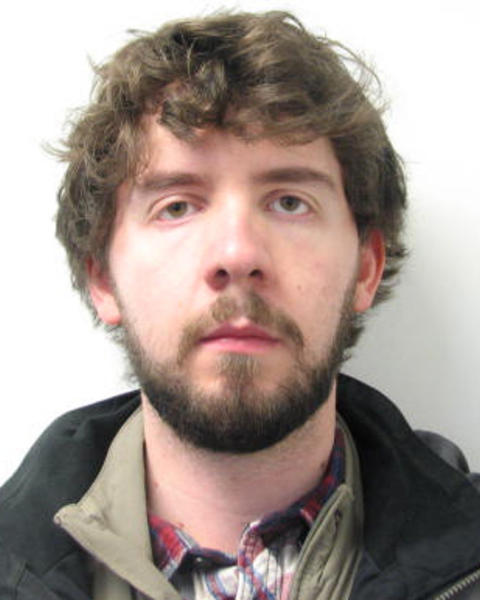
Vojtěch Nosek serves as an Assistant Professor at the Institute of Archaeology and Museology within the Faculty of Arts at Masaryk University in Brno, Czech Republic. His office is located at Joštova 220/13 in building M/M01, where he conducts research and teaching activities focused on advanced archaeological documentation methods and material analysis. With over 66 publications to his name, Nosek has established himself as a specialist in digital archaeological techniques and ceramic studies. Dr. Nosek's research interests center on archaeological methodology, particularly the application of 3D modeling, photogrammetry, and multi-analytical approaches to archaeological materials. His work bridges traditional archaeological analysis with cutting-edge digital techniques, with special emphasis on Neolithic ceramic figurines and Early Medieval pottery. His research frequently employs μCT scanning, petrographic analysis, and use-wear studies to extract maximum information from archaeological artifacts. Nosek has developed specialized tools like the MeshSection Toolset for Blender and the NEOFIG database to advance digital documentation standards in archaeology. Analysis of his recent publications reveals a strong trend toward interdisciplinary collaboration and methodological innovation. His work spans from the Neolithic period through the Early Medieval era, with particular focus on Central European contexts. Nosek frequently collaborates with international researchers across diverse fields including material science, paleontology, and computer science. His publications demonstrate a consistent emphasis on developing and applying rigorous analytical frameworks to understand artifact production, use, and deposition patterns. Dr. Nosek actively participates in major research projects including the FORMOR project analyzing the formation of complex societies in Early Medieval Moravia. His collaborative network includes prominent researchers such as Ludmila Kaňáková Hladiková, Martin Kostal, and Jiří Macháček. While specific grant information isn't detailed in the provided text, his extensive publication record across high-impact journals suggests successful funding acquisition for his research initiatives. Nosek's laboratory work focuses on digital documentation and material analysis, utilizing 3D modeling software, photogrammetry equipment, and various analytical techniques to study archaeological materials. His research group appears to specialize in creating digital archives and developing analytical tools for archaeological applications, with particular attention to making methodologies accessible through open-source platforms like Blender.