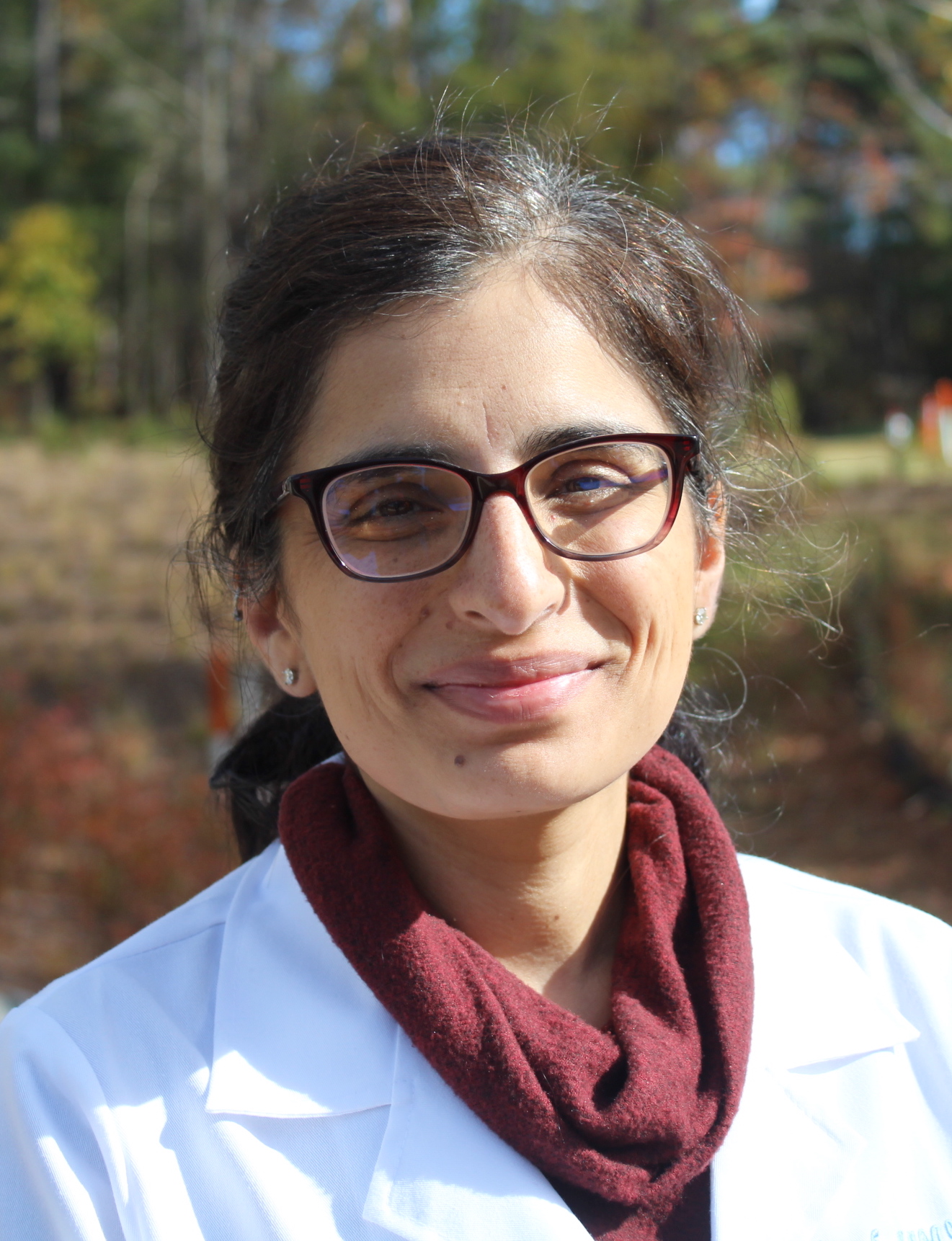
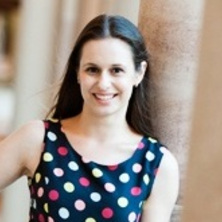
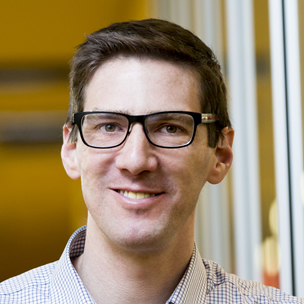
Shifali Arora, MD is an Assistant Professor of Medicine at the UNC School of Medicine , currently serving as Vice Chief of Clinical Operations for the Division of Gastroenterology and Hepatology. She also holds the position of Medical Director of Gastroenterology Clinics at UNC. Completed AAAS Policy Fellowship and NIH Mobile Health Training Key affiliations: Center for Esophageal Diseases and Swallowing , UNC Hospitals Value Care Action Group , UNC Clinician Leadership Program Research Focus spans three main areas: Quality Improvement in GI care through electronic health record optimization and standardized clinical templates Esophageal Motility Disorders and GI manifestations of systemic diseases Health Policy and Health Informatics including mHealth security and Affordable Care Act implications Scientific Contributions include: Operational innovations in endoscopy scheduling and patient education Clinical research on bowel preparation, pharmacological effects on GI function, and rare disease presentations Education & Training : Undergraduate : University of Illinois at Chicago (Biology & Psychology) Medical School : University of Illinois at Chicago Residency : Duke University Fellowship : Rush University (Gastroenterology & Hepatology) Policy Training : American Association for the Advancement of Science
Satoru Hayamizu is a Professor at Waseda University 's Green Computing Systems Research Organization , with a career spanning over four decades. His research focuses on Audio-Visual Speech Recognition , Machine Learning , and Medical Informatics , as evidenced by 126 publications and an h-index of 18. Education: The University of Tokyo (PhD in Mechanical Engineering) Prior affiliations: Gifu University (2002-), National Institute of Advanced Industrial Science and Technology (1981-2001) Research Interests include: Audio-visual speech recognition with sparse representation and DNN techniques Development of low-cost CNN-based road condition detection systems Swallowing function evaluation using acoustic and image processing Human behavior analysis for service operation estimation Research Trends reveal consistent work in multimodal signal processing (2006-2024), deep learning applications (2012-2024), and medical diagnostic systems (2006-2017). His publications show integration of sparsity modeling (2012-2021), industrial equipment diagnostics (2018-2021), and social impact technologies (2013-2024). Research Projects funded by Japan Society for the Promotion of Science include: Swallowing timing estimation (2018-2021) Multimodal silent speech recognition (2016-2020) ICT-based piano learning systems (2013-2016) Keyword display mechanisms (2010-2012) Labs & Collaborations include partnerships with Satoshi Tamura (co-author on 12+ papers), Hidekazu Fukai , and Chiyomi Miyajima . His work bridges academic research and industrial applications , particularly in manufacturing AI (2024 book) and Timor-Leste infrastructure monitoring.
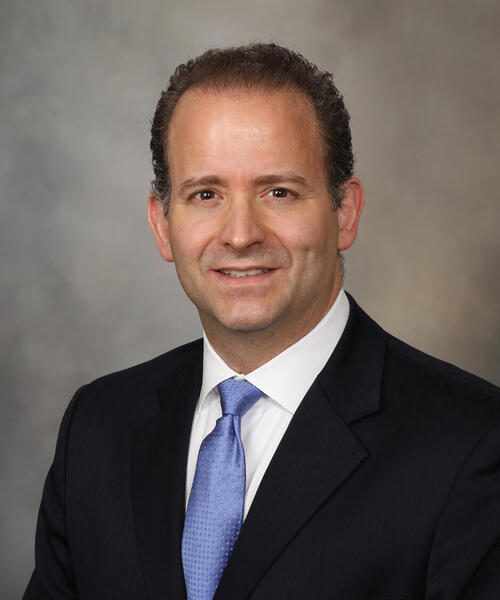
Dr. Samir Mardini is Chair of the Division of Plastic and Reconstructive Surgery at Mayo Clinic in Rochester, Minnesota, where he leads a team of fourteen plastic surgeons and hundreds of providers and Allied Health staff. A globally recognized expert in craniofacial surgery and facial paralysis and reanimation, Dr. Mardini was instrumental in establishing Mayo Clinic's groundbreaking face transplant program and led the team that performed the institution's first face transplant. Dr. Mardini completed his plastic surgery residency at Georgetown University Medical Center, followed by specialized craniofacial and reconstructive microsurgery fellowships at Chang Gung Memorial Hospital in Taiwan, where he also worked as an academic surgeon for two years before joining Mayo Clinic. His educational journey reflects a commitment to mastering advanced techniques across international settings. Dr. Mardini's research focuses on facial nerve studies, facial allotransplantation, facial anatomy, regenerative medicine, cleft and craniofacial diseases, and 3D imaging/virtual surgery planning. His clinical work spans craniofacial surgery for children and adults, cleft lip and palate repair, facial reanimation, facial plastic surgery, facial trauma, and complex reconstructive procedures. He has particular expertise in restoring function and aesthetics for patients with facial paralysis. Analysis of Dr. Mardini's recent publications reveals a strong emphasis on innovation in facial transplantation, virtual surgical planning, and craniofacial reconstruction. His scholarly output demonstrates consistent productivity with significant contributions across plastic surgery, transplant medicine, and medical imaging disciplines. The thematic continuity in his work shows a sustained focus on improving outcomes for patients with complex facial conditions. Teacher of the Year for Plastic Surgery (two consecutive years) Teacher of the Year for Surgery and Surgical Sub-Specialties at Mayo Clinic 2025 Gold Telly Award for Derek Pfaff Face Transplant documentary 2025 Small Grands Program Award from Mayo Clinic's Division of Surgical Research 2024 William ReMine Lectureship Award from the Priestley Society 2019 Skoog Lectureship 2011 Godina Traveling Fellowship Award As an educator, Dr. Mardini served as Program Director for the Plastic Surgery Residency for eight years, establishing Mayo Clinic's first Integrated Plastic Surgery Residency program that graduates four residents annually. He has edited six peer-reviewed journals and authored over 190 peer-reviewed articles. His humanitarian commitment is evident through over 30 international volunteer missions where he performed surgery for more than 700 children with cleft and craniofacial conditions. Dr. Mardini leads the Mayo Clinic Face Transplant Program, which represents the culmination of his expertise in craniofacial surgery, microsurgery, and facial reanimation. His approach emphasizes holistic, respectful, and attentive care that addresses both functional and aesthetic concerns, regularly collaborating with physicians across specialties to provide comprehensive treatment for patients with facial differences.
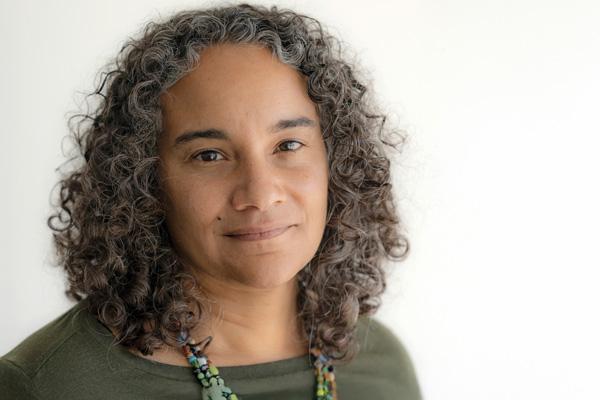
Susan Williams is a Professor of Anatomy and Associate Dean of Faculty at the Ohio University Heritage College of Osteopathic Medicine (OU-HCOM), where she leads the Williams Lab in the Department of Biomedical Sciences. She is also affiliated with the Ohio Center for Ecology and Evolutionary Studies (OCEES) and the Ohio Musculoskeletal and Neurological Institute, and serves as graduate faculty in the College of Arts and Sciences Biological Sciences Graduate Program. PhD, Duke University, 2004 Promoted to Professor, Ohio University, 2012 Active Principal Investigator with continuous funding from NSF and NIH Dr. Williams' research lies at the intersection of anatomy, functional morphology, physiology, and biomechanics, focusing on the motor control and sensorimotor integration underlying mammalian feeding and swallowing. Her lab investigates how complex behaviors like chewing, lapping, and swallowing are coordinated across more than 30 pairs of head and neck muscles, with particular interest in the development of mastication, the dynamics of soft tissues like the tongue, and the evolution of the hyoid apparatus. Her work employs cutting-edge methodologies such as XROMM, electromyography, and microCT imaging to study both evolutionary patterns and clinical implications, including oropharyngeal dysphagia in infants and lingual nerve injury. Her recent publications focus on the biomechanics of feeding, with a highlighted 2024 paper on tongue function in skunks, reflecting her lab's use of diverse animal models to uncover fundamental principles of oral motor control. The research consistently integrates comparative and clinical perspectives to address both evolutionary questions and rehabilitation strategies. Scientific recognition includes: Fellow, American Association for the Advancement of Science (2022) Presidential Research Scholar, Ohio University (2020) Outstanding Graduate Faculty Award (2020) Outstanding Honors Tutorial Thesis Mentor Award (2019, 2020) Dr. Williams is a dedicated mentor and active researcher, serving on the NIH Motor Function, Speech, and Rehabilitation Study Section. Her lab is supported by multiple grants from the National Science Foundation and the National Institutes of Health, including projects on hyoid biomechanics, development of mastication, and the effects of lingual nerve injuries. She has advised numerous students, including PhD candidates like Jacob George and Ani Smith, and has successfully mentored MS theses such as Hannah Baker's. The Williams Lab is a collaborative, interdisciplinary team utilizing XROMM technology and experimental physiology to study feeding across species and developmental stages. The lab collaborates with experts such as Dr. Callum Ross, Dr. Zhe-Xi Luo, Dr. Rachel Olson, and Dr. Donna Scarborough, and maintains strong ties with Miami University and other institutions.
Mike Butler is a Professor in the Department of Biology at Lafayette College. He holds a B.A. from Bowdoin College (2002), M.S. from Boise State University (2006), and Ph.D. from Arizona State University (2012). His research focuses on how animals adapt to environmental challenges through physiological and behavioral mechanisms, including immune system responses, oxidative stress management, and ecological adaptation. He actively involves undergraduate students in his research through Lafayette's EXCEL program, leveraging summer fieldwork to study avian and reptilian systems. Teaching emphasizes applying scientific principles to real-world scenarios, integrating experimental design and hands-on research in courses like BIOL 251 and 275. His work bridges basic biology with practical insights into animal survival strategies, emphasizing interdisciplinary approaches to ecological and physiological questions. Research Highlights: Animal immunity, oxidative stress, avian behavior, thermal physiology Awards: Fellow of the American Ornithological Society (2021), Marion Jenkinson Service Award (2020) His research program heavily relies on student collaboration, with over a decade of fieldwork and laboratory studies published in journals like Journal of Experimental Biology and Functional Ecology . Current projects explore avian immune responses to parasitism and the role of biliverdin in stress mitigation.
Catiele Antunes, MD, is an Assistant Professor of Medicine in the Department of Medicine (Digestive Diseases) at Yale University School of Medicine. She specializes in gastroenterology, focusing on esophageal diseases such as complex swallowing disorders, achalasia, refractory GERD, and eosinophilic esophagitis. She directs the Refractory GERD Clinic and is board-certified in both Internal Medicine and Gastroenterology. Dr. Antunes completed her MD at Federal University of Rio Grande do Sul (2011) and trained at Albert Einstein Medical Center for internship (2014), residency (2016), and chief residency (2017). She then pursued a gastroenterology fellowship at Johns Hopkins Hospital (2020). Her clinical expertise spans esophageal motility disorders and health equity initiatives. Her research interests include esophageal diseases and their management, with publications on radiography interpretation, esophageal lichen planus, and inpatient manometry practices. She has received awards for professionalism, teaching, and clinical excellence, including the Benjamin Gouley MD Award (2017) and ACP Professionalism Award (2015). Dr. Antunes is active in academic service as a reviewer for Foregut journal and contributor to educational initiatives like the Digestive Health CME Series. She speaks English, Portuguese, and Spanish.
Lawrence Sue, MD, FACS, is an Assistant Clinical Professor in the Department of Surgery at the University of California San Francisco (UCSF) Fresno Center for Medical Education and Research. He completed his BS in Biology at UCLA (1989) and earned his MD from the University of Health Sciences/The Chicago Medical School (1993), where he was inducted into the Alpha Omega Alpha Medical Honor Society. After completing General Surgery Internship (1994), Residency (1998), and dual Fellowships in Surgical Critical Care and Trauma Surgery (1999), all at UCSF Fresno, he has served as core faculty since 2007. Specialties: General Surgery, Critical Care Surgery Teaching: Medical students, residents, and fellows in Surgical Critical Care and Acute Care Surgery Research Interests: Trauma, surgical critical care, medical education, trauma prevention, laparoscopy, tactical medicine, prehospital trauma care His publications focus on trauma patient management, including studies on hypotension, base deficit, obesity impacts, and triage protocols. Articles often address clinical decision-making in abdominal trauma, rib fractures, and stress responses. Collaborations include James Davis, Krista Kaups, and Amy Kwok across institutions. Professional memberships include the American College of Surgeons, Eastern Association for the Surgery of Trauma, and Fresno Madera Medical Society.
Per Östberg is a Professor of Speech and Language Pathology at Karolinska Institutet's Department of Clinical Science, Intervention and Technology. He holds a PhD (2008) and Docent title (2013) from Karolinska Institutet. His research focuses on language dysfunction in neurological disorders, including aphasia, apraxia of speech, and dysphagia, with emphasis on stroke and neurodegenerative diseases like Parkinson's. He co-authored the textbook Klinisk neurovetenskap (2015) and leads projects on patient-reported outcomes and speech-language rehabilitation. Education: Doctor of Philosophy, Karolinska Institutet, 2008 Docent, Karolinska Institutet, 2013 Research Interests: His work spans speech disorders in acquired brain injury, longitudinal studies of apraxia recovery post-stroke, and validating clinical tools like the Eating Assessment Tool. He collaborates internationally on registries for stroke aphasia (I-PRAISE) and investigates neuroimaging correlates of speech motor recovery. Publications Trends: Recent work includes comparative studies of anomia in neurological conditions, randomized trials of aphasia treatments, and eye-tracking analysis in reading disorders. Key themes are interdisciplinary approaches to language assessment and rehabilitation efficacy. Advising: Supervised Martin Cederlöf's thesis on psychosis phenotype risks. Affiliated with Karolinska University Hospital and the Enheten för logopedi F67 unit.
Cate d'Este is a Conjoint Professor and Honorary Professor at the University of Newcastle's School of Medicine and Public Health, specializing in Biostatistics. She has accumulated approximately 18 years of experience in health research and teaching in national and international arenas, primarily within the Faculty of Health and Discipline of Statistics at the University of Newcastle. She also maintains an Honorary Research Consultant position at the Centre for Military and Veterans Health at the University of Queensland. Professor d'Este holds the following qualifications: Doctor of Philosophy, University of Newcastle Graduate Diploma in Medical Statistics, University of Newcastle Diploma in Education, University of Newcastle Bachelor of Mathematics, University of Newcastle (majoring in statistics) As a biostatistician and methodologist, Professor d'Este's research spans various health domains with common themes including cardiovascular disease, randomized controlled trials, longitudinal studies, and meta-analysis. Her work emphasizes multidisciplinary research and capacity building in biostatistical methodology. She has extensive consulting experience nationally and internationally, providing quantitative and methodological input to numerous state and national committees, government agencies, and non-government organizations. Her recent publications demonstrate a strong focus on implementation science in stroke care, dementia prevention, cancer care, and public health interventions across multiple countries. There's a clear pattern of applying biostatistical expertise to complex health problems, particularly in the areas of stroke management, dementia risk reduction, and cancer care. Her work frequently involves cluster randomized trials, process evaluations, and multi-country comparative studies, reflecting her expertise in challenging methodological areas. Professor d'Este has received the following scientific recognition: Faculty of Health, University of Newcastle, Excellence in Teaching Award (2003) Professor d'Este has been an investigator on over 35 grants totaling more than $17 million and has co-authored nearly 100 peer-reviewed journal articles, book chapters, and commissioned reports. She has successfully supervised or co-supervised to completion six research masters students and six PhD students, with additional PhD students currently under supervision. Her supervisory approach encompasses a range of content areas and study designs with varying statistical complexity, including off-campus and international students. Her administrative roles, including Deans Representative for Research Higher Degree and Research Development Manager, have provided her with substantial understanding of the research higher degree process across the Faculty of Health. Professor d'Este has played key roles in several research centers and initiatives, including the Centre for Clinical Epidemiology and Biostatistics (CCEB), where she served on multiple committees. Her national and international committee work demonstrates her integration into broader research networks focused on health services research, clinical epidemiology, and biostatistics methodology. She has been instrumental in developing and coordinating distance learning programs in biostatistics, including managing cohorts of international students from Zimbabwe and Japan.
Dr. Anna Rumbach is a Senior Lecturer in Speech Pathology at the School of Health and Rehabilitation Sciences within the Faculty of Health, Medicine and Behavioural Sciences at The University of Queensland. She maintains an active research program while contributing significantly to speech pathology education and clinical practice. Dr. Rumbach completed all her academic qualifications at The University of Queensland, including a Bachelor of Science, Masters (Coursework) of Speech Pathology Studies, Postgraduate Diploma in Higher Education, and a Doctor of Philosophy. Her research spans multiple critical areas in speech pathology with particular emphasis on voice disorders (especially among professional voice users like fitness instructors and video game voice actors), dysphagia management across various clinical contexts including stroke recovery, subarachnoid hemorrhage, and thermal burn injuries, and innovative approaches for maintaining speech in Parkinson's disease through her PD Check-In program. Her work consistently bridges clinical practice with evidence-based approaches to improve patient outcomes in communication and swallowing disorders. Analysis of Dr. Rumbach's recent publications reveals a strong trajectory of impactful research addressing emerging clinical challenges. Her work demonstrates increasing focus on innovative areas such as video game voice actors' vocal health, advanced treatments for laryngeal dystonia, and longitudinal studies of recovery following neurological events. Her research methodology spans systematic reviews, prospective cohort studies, clinical trials, and program development, with strong interdisciplinary collaboration across neurology, rehabilitation medicine, and speech pathology. Advance Queensland Women's Research Assistance Program (2021-2023) Queensland Legacy Board Grant for food service industry workers' perspectives of dysphagia (2020-2022) UQ Early Career Researcher grant for developing an asynchronous telepractice application for vocal rehabilitation (2018-2024) As a dedicated educator and supervisor, Dr. Rumbach currently mentors PhD students working on voice disorders in daily life and video game voice actors, while having successfully guided numerous students through research on dysphagia following subarachnoid hemorrhage, pediatric chemical ingestion injuries, Parkinson's disease communication, and other critical areas. She is recognized as a media expert in burn injury, swallowing disorders, and professional voice use, contributing her expertise to public understanding of these important health issues.
Adam R Szymanowski is an Assistant Professor in Otolaryngology - Head and Neck Surgery at Baylor College of Medicine. He holds dual degrees in Biology and Spanish from the University of North Carolina at Chapel Hill, a Master's in Education from Pace University, and an MD from Drexel University College of Medicine. Education: BS (UNC Chapel Hill), MS (Pace University), MD (Drexel University College of Medicine) Certifications: American Board of Otolaryngology - Head and Neck Surgery Research Interests: Dr. Szymanowski specializes in laryngeal surgery and professional voice care, with expertise in conditions such as: Early Glottic Cancer and Vocal Fold Dysplasia Benign Vocal Fold Lesions Recurrent Respiratory Papillomatosis Post-COVID-19 Airway Disorders Vocal Fold Immobility Functional Voice Disorders His recent publications focus on airway reconstruction, pediatric otolaryngology, and endoscopic surgical techniques. Dr. Szymanowski also has a background in medical education research and thermoregulation studies. Professional Memberships: American Academy of Otolaryngology - Head and Neck Surgery
Jesse D Hoffmeister serves as an Assistant Professor in the Department of Otolaryngology at the University of Minnesota. His academic appointment focuses on laryngology and voice disorders, with particular expertise in spasmodic dysphonia and related movement disorders affecting voice production. Dr. Hoffmeister's research interests center on the physiological mechanisms of voice production and swallowing disorders. His work investigates upper esophageal sphincter function in relation to vocal acoustics, stress effects on pharyngeal pressure during phonation, and the biomechanics of laryngeal dystonia. He has developed expertise in high-resolution manometry techniques for quantifying adductor spasmodic dysphonia and is exploring innovative treatments including vibrotactile stimulation for chronic cough and myofunctional therapy for sleep apnea. His recent publications (2024-2025) demonstrate a cohesive research trajectory focused on objective measurement of voice and swallowing disorders. These works combine clinical assessment with precise physiological measurements to better understand conditions like spasmodic dysphonia, Parkinson's-related voice disorders, and chronic cough. Several studies examine novel treatment approaches and the comparative effectiveness of virtual versus in-person voice therapy. As Principal Investigator, Dr. Hoffmeister leads multiple significant research projects including: Development of Physiologically-Based Measures of Disease Severity in Adductor Laryngeal Dystonia (2024-2026) Myofunctional Therapy for Obstructive Sleep Apnea in U.S. Service Members With and Without Traumatic Brain Injury (2024-2027) Direct Quantification of Adductor Spasmodic Dysphonia with High-Resolution Manometry (2019-2024) These grants, funded by organizations including the Dr. Ralph & Marian Falk Medical Research Trust, The Geneva Foundation, and the National Institutes of Health, demonstrate substantial research support for his work in voice and swallowing disorders. Dr. Hoffmeister collaborates extensively with researchers across disciplines including Konczak, Misono, Ciucci, McCulloch, and Howell, forming a multidisciplinary team that bridges otolaryngology, neurology, speech pathology, and physiology to address complex voice and swallowing disorders.
Dr. Louise Cahill is a Research Fellow at The University of Queensland's School of Health and Rehabilitation Sciences, specializing in speech-language pathology with expertise in motor speech disorders and telehealth applications. Her work focuses on neurogenic communication impairments across diverse populations including pediatric traumatic brain injury, Friedreich's ataxia, and spinal cord injury survivors. Education: PhD in Health and Rehabilitation Sciences, The University of Queensland (2003) Her research examines dysarthria pathophysiology, telehealth assessment validity, and rehabilitation efficacy. Key contributions include instrumental analysis of speech in neurodegenerative conditions, development of evidence-based clinical guidelines for pediatric brain injury, and pioneering telerehabilitation protocols for community-based services. She employs multimodal methodologies including acoustic analysis, kinematic measurements, and qualitative usability studies. Analysis of her 41+ journal articles reveals three dominant trends: (1) Progressive shift toward telerehabilitation solutions for speech disorders, (2) Increasing focus on community integration and usability of rehabilitation technologies, and (3) Methodological evolution from case studies to multi-center guideline development. Her work consistently bridges clinical practice with technological innovation, particularly in resource-limited settings. Dr. Cahill maintains extensive collaborations across Australian healthcare institutions and contributes to national clinical practice standards. Her research directly informs evidence-based protocols for speech-language pathologists managing complex neurogenic communication disorders.
Dr. Albert Yoon-Kyu Han is an Assistant Professor of Clinical Otolaryngology-Head and Neck Surgery at the Keck School of Medicine of the University of Southern California. He is a fellowship-trained head and neck surgical oncologist and board-certified otolaryngologist at Keck Medicine of USC, where he provides expert care for benign and malignant tumors of the head and neck at the USC Norris Comprehensive Cancer Center. Dr. Han completed his MD-PhD through the UCLA-Caltech Medical Scientist Training Program. His educational background includes undergraduate studies in computer science at UC Berkeley, reflecting his early recognition of technology's critical role across future domains. Dr. Han's research focuses on the molecular mechanisms driving head and neck cancer formation and recurrence, with particular emphasis on the tumor microenvironment. His work explores how fibroblasts and other non-cancerous cells interact with tumors to support cancer growth and treatment resistance. He investigates the "ecosystem" in which cancer cells live, studying how to reprogram fibroblasts to deprive tumors of their supportive environment. His research also examines the role of viruses (particularly HPV) and bacteria in cancer progression, as well as biomarkers for early, noninvasive cancer detection. Analysis of Dr. Han's recent publications reveals a strong focus on head and neck oncology with particular attention to surgical outcomes, tumor biology, and translational applications. His work spans basic science investigations of tumor microenvironment mechanisms, clinical studies of surgical techniques and outcomes, epidemiological analyses of cancer patterns, and innovative approaches to cancer detection and treatment. A notable trend is his growing interest in the interplay between microbiome, viruses, and cancer development. Mentored Career Development in Clinical and Translational Science Scholar through the Southern California Clinical and Translational Science Institute (SC CTSI) Dr. Han is deeply committed to mentorship, designing research projects that align with trainees' interests and timelines to facilitate lead-author publications. He provides immediate access to equipment, reagents, and patient-derived samples to minimize logistical barriers for medical students and residents spending limited time in his lab. His mentorship philosophy emphasizes equipping trainees with both scientific judgment and practical skills, guiding them through the entire research process from hypothesis development to publication. Dr. Han credits the mentorship of Dr. Yang Chai (Interim Dean of the Herman Ostrow School of Dentistry) and Dr. Uttam K. Sinha (Division Chief of Head and Neck Surgery) as pivotal to his development as a physician-scientist. Dr. Han leads the Han Lab at USC, where his research team investigates molecular mechanisms of head and neck cancers. He collaborates with leaders in cancer biology, population science, and translational medicine within the USC research ecosystem. His lab focuses on innovative approaches to cancer therapy that target the tumor microenvironment rather than cancer cells directly, representing a paradigm shift in cancer treatment strategy.
Jason Steffener is an Associate Professor at the University of Ottawa’s Faculty of Health Sciences. His research focuses on neuroplastic changes in aging brains, cognitive reserve mechanisms, and neuroimaging techniques. He holds a PhD in Biomedical Engineering from NJIT and has held academic positions at Columbia University Medical Center, Concordia University, and now Ottawa. His work integrates neuroimaging (fMRI, structural MRI), statistical modeling, and computational approaches to study brain adaptability. Education: BS (1997), MS (2002), PhD (2005) in Biomedical Engineering from NJIT Postdoctoral training (2006–2009): Columbia University under Dr. Yaakov Stern Research emphasizes how education, physical activity, and lifetime exposures influence brain resilience against aging and disease. Key methodologies include moderated-mediation analysis, neurovascular coupling studies, and high-performance computing. He develops open-source tools for neuroimaging data standardization (e.g., NIDM framework). Recent work investigates semantic memory networks in aging, trigeminal sensory processing, and olfactory training effects on brain structure. His grants likely support interdisciplinary projects combining clinical neuroscience with big data analysis. Labs/Teams: Likely leads neuroimaging research groups focused on aging and cognitive reserve at University of Ottawa. Collaborates internationally on projects like the SABE Study and Canadian Longitudinal Study on Aging.