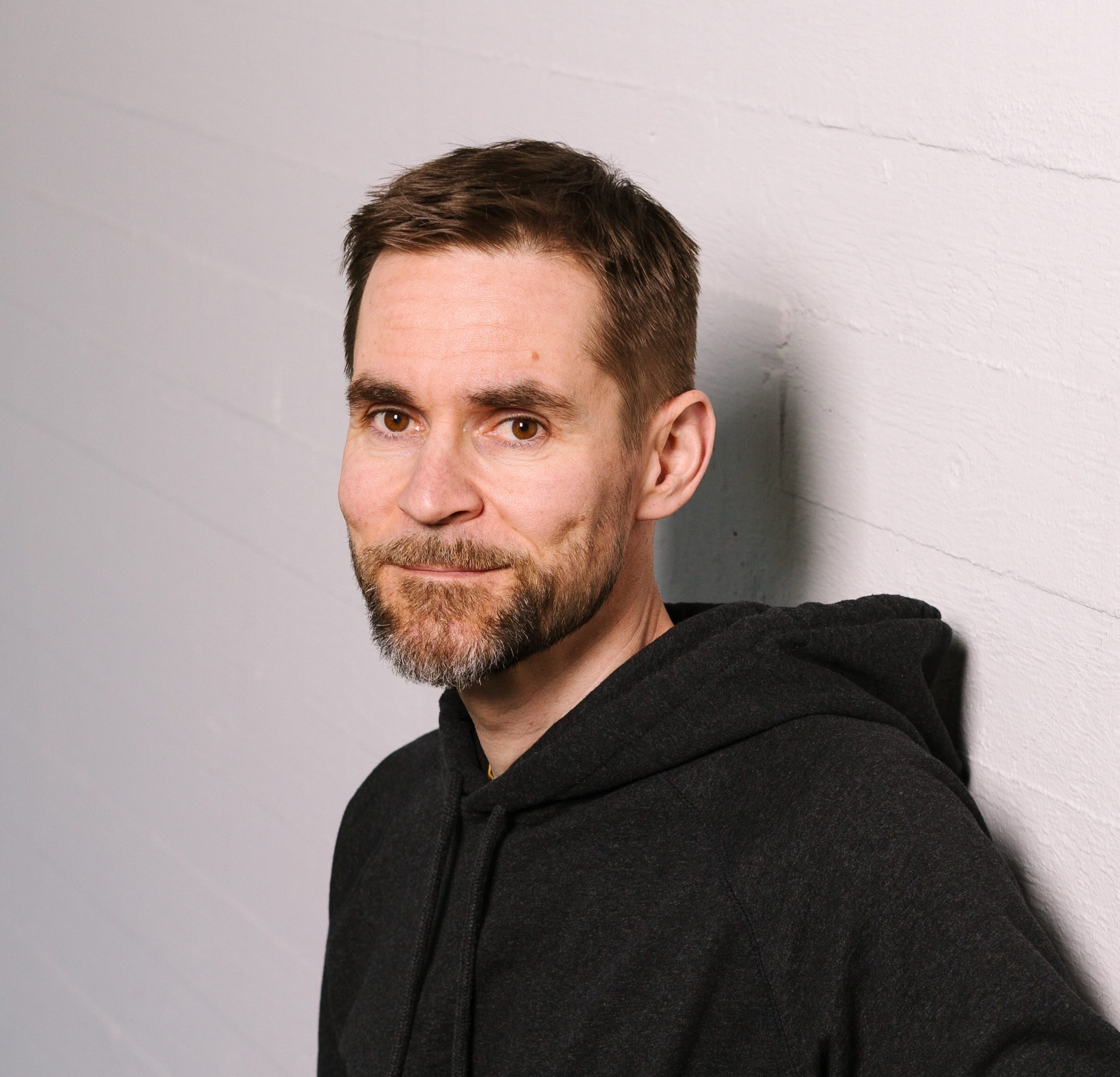
Harri Lähdesmäki is an Associate Professor (tenured) at the Department of Computer Science, Aalto University, where he leads the Computational Systems Biology research group. His work focuses on probabilistic machine learning and deep generative models with applications in biomedicine and molecular biology. Key Research Interests: Probabilistic machine learning, deep generative models, computational biology, bioinformatics, longitudinal data modeling Contact: harri.lahdesmaki@aalto.fi | Konemiehentie 2, 02150 Espoo, Finland His recent publications highlight advancements in: Gaussian process priors for scalable deep generative models Single-cell analysis of immune repertoires in leukemia and diabetes Probabilistic deconvolution methods for RNA-seq data Epigenetic analysis using hidden Markov and mixed models Transformer-based survival prediction and missing data handling Harri’s work integrates mechanistic modeling with Bayesian inference, particularly applied to immunology, cancer biology, and early disease prediction.
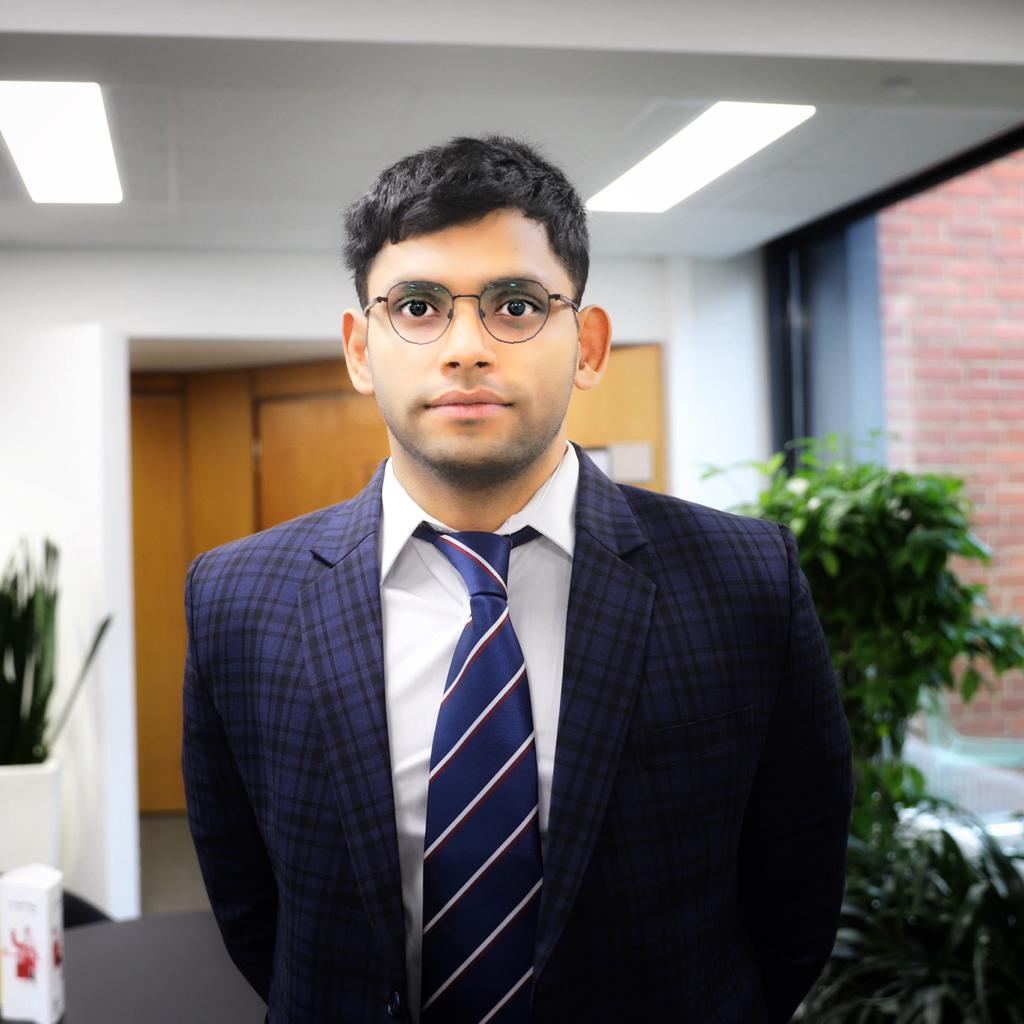
Dr. Sanandam Bordoloi is an Assistant Professor at the Department of Civil Engineering, Aalto University's School of Engineering, specializing in Geotechnical and Geo-environmental Engineering. He earned his PhD from Indian Institute of Technology (IIT) Guwahati and has held postdoctoral positions at Hong Kong University of Science and Technology (HKUST) and University of Illinois at Urbana-Champaign (UIUC). Expertise in unsaturated soil mechanics Specializing in biochar applications for geotechnical systems Focus on carbon capture and waste valorization Developed novel techniques for soft clay remediation Recipient of Telford Premium Prize His recent publications highlight trends in biochar-amended composites , CO2 mineralization , landfill restoration , and soil-hydrological interactions . Key subfields include contaminant transport mechanisms, cementitious material innovation, and root-soil feedback systems. Scientific Awards: Telford Premium Prize for exceptional civil engineering research
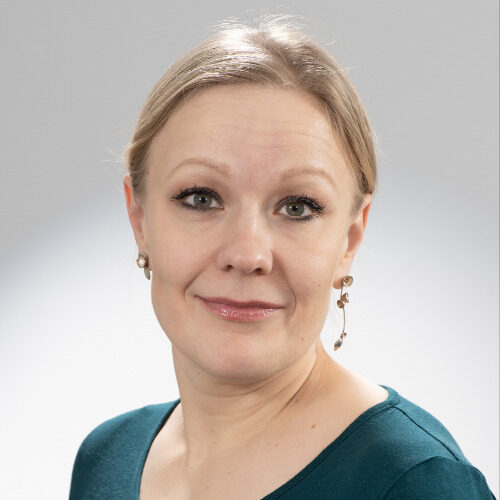
Jouni Taskinen is a Professor in the Department of Biological and Environmental Science at the University of Jyväskylä, affiliated with the School of Resource Wisdom. His research focuses on aquatic parasites and diseases, particularly their impacts on fisheries and conservation of endangered species like the freshwater pearl mussel (Margaritifera margaritifera). He leads projects addressing mussel population conservation, habitat restoration, and parasite dynamics in aquatic ecosystems. Taskinen's work integrates ecological, evolutionary, and applied approaches to understand host-parasite interactions, parasite virulence evolution, and conservation strategies for threatened species. His projects include captive breeding programs for freshwater mussels, studies on juvenile habitat requirements, and assessments of environmental stressors like nutrient enrichment and invasive species. He has secured funding from the Ministry of the Environment, the European Commission, and foundations for initiatives such as the LIFE Revives project, which aims to revive freshwater pearl mussel populations. Taskinen also collaborates on international projects, including studies in Lake Prespa (N. Macedonia) and European lake systems to explore parasite prevalence and host specificity. His research activities include lectures and presentations on topics like trematode parasitism, mussel growth dynamics, and the effects of environmental parameters (e.g., pH, temperature) on endangered species survival. Taskinen’s contributions bridge fundamental science and conservation practice, emphasizing the role of parasites in ecosystem health and biodiversity preservation.
Jari Eloranta is a Professor at the University of Helsinki , affiliated with the Faculty of Social Sciences and the Department of Economic and Social History . His work bridges economic history, cliometrics, and the analysis of warfare and state formation. Eloranta holds a Ph.D. in Economic History and has served in various external roles, including as President of the Economic and Business History Society (2018–2019) and as a member of the International Economic History Association (2014–2021) . He has edited journals like Configurações and book series for Routledge. Research Focus His research spans the economic history of warfare , Nordic economic convergence , and quantitative methods in business history . Notable projects include Nordic Fiscal States from the 16th to the 21st Centuries and Suomen innovaatioiden historia . Publications and Collaborations Eloranta has published extensively, with recent works appearing in The Routledge Economic History of War and Handbook of Cliometrics . His collaborations span universities in Finland, the US, and Europe, focusing on themes like war economies , state capacity , and security policy . Scientific Awards Recipient of the Eino Jutikkala historiapalkinto (2022). Awarded the Jonathan Hughes Prize for Excellence in Teaching Economic History (2021). Supervision and Editorial Roles Eloranta supervises doctoral candidates in the Doctoral Programme in Political, Societal and Regional Change and serves as an editor for research journals and anthologies, including Small and Medium Powers in Global History (2019) and Economic History Review (2009).
Anna Kuparinen is a Professor at the University of Jyväskylä's Faculty of Mathematics and Science, Department of Biological and Environmental Science. Her research group, EcoEvoAqua, focuses on aquatic species and their ecosystems, particularly eco-evolutionary dynamics. Key research areas include ecological modeling, fisheries-induced evolution, food web stability, and environmental impacts on species survival. Recent work examines predator reintroduction effects, climate-driven selection pressures, and parasite-host interactions in aquatic systems. Publications span theoretical ecology, conservation biology, and fisheries management. Her research emphasizes interdisciplinary approaches to address complex ecological challenges. Education details are not explicitly listed, but her academic career reflects extensive contributions to aquatic ecology and conservation. Awards are not mentioned in the text, though her prolific publication record indicates recognition in her field. She leads the EcoEvoAqua research team, which integrates computational models with empirical data to study ecosystem resilience and biodiversity. Ongoing projects include modeling Lake Oulujärvi dynamics and exploring manganese toxicity in fish populations.
Heini Kujala serves as Research Director at the Finnish Natural History Museum (LUOMUS), which is part of the University of Helsinki's Faculty of Biological and Environmental Sciences. She leads the Biodiversity Informatics Unit and Conservation Informatics Research Group, and serves as Supervisor in the Doctoral Programme in Wildlife Biology. Her research focuses on systematic conservation planning, climate change impacts, and decision-making under uncertainty. Dr. Kujala's research interests center on spatial conservation optimization, spanning from reserve network design to cost-efficient management and biodiversity offsetting. She specializes in computational approaches to conservation problems, with particular expertise in how uncertainty affects conservation outcomes. While not specializing in any particular taxonomic group, her work frequently involves bird species as indicators. Her scientific fields include ecology, evolutionary biology, climate change, biodiversity conservation, conservation area planning, and modeling species distribution areas. Her recent publications demonstrate a strong focus on practical conservation applications, particularly examining how biodiversity offsetting can be made credible through transparent accounting systems, how species distribution modeling affects conservation outcomes, and how data quality influences spatial conservation prioritization. Her work bridges theoretical conservation science with practical policy implementation. Among her scientific recognition are the Olli's prize (2010) and the Young Influential Woman in Society Award (2008). She has secured significant research funding through multiple projects including BOOST II, NaturaConnect, and No Net Loss City. Dr. Kujala actively engages in academic service through board memberships with the Ministry of the Environment, USGS Patuxent Wildlife Research Center, and IUCN. She regularly hosts visiting researchers at the University of Helsinki and participates in peer review activities. Her work has received media attention for findings on the importance of small and isolated habitat patches for species survival.
Miia Lindström is a Professor at the University of Helsinki's Faculty of Veterinary Medicine, specializing in Food Hygiene and Environmental Health. She serves as a Supervisor for the Doctoral Programme in Clinical Veterinary Medicine and the Doctoral Programme in Food Chain and Health, and is a key member of Helsinki One Health (HOH), which aims to make the University of Helsinki one of the world's most recognized institutions in One Health research by 2025. Her research primarily focuses on veterinary science, particularly Clostridium botulinum and botulinum neurotoxins, food safety, microbiology, and food hygiene. Her work spans fundamental research on bacterial pathogenesis, sporulation mechanisms, and neurotoxin production, as well as practical applications in food safety and public health. She has contributed significantly to understanding how bacterial pathogens contaminate food sources and how they can be controlled. Analysis of her recent publications reveals a strong trend toward molecular and genomic approaches to understanding bacterial pathogenesis, particularly focusing on Clostridium botulinum. Her research increasingly integrates structural biology, genomics, and microbiome analysis to understand bacterial adaptation, toxin mechanisms, and host-pathogen interactions. She has also expanded her research to include insect vectors of bacterial pathogens and the role of mobile genetic elements in bacterial adaptation. As an active member of Helsinki One Health, Professor Lindström has contributed to profiling One Health research at the University of Helsinki, focusing on food safety, antimicrobial resistance, and risk management. Her research has substantial societal impact, particularly evident during the COVID-19 pandemic where HOH researchers were frequently featured in Finnish and international media. Professor Lindström has supervised numerous Master's and doctoral students, including Sirja Koskensalo, Anna Mertaoja, Tinja Toikka, and Hanna Castro. She has been involved in multiple significant research projects, including 'Understanding the Clostridium Spore' (CLOSPORE) and 'A Clostridal Biology Network' (CLOSTNET), which have received substantial funding and involved international collaborations. Her professional activities include extensive conference participation, peer reviewing for journals like Food Control and Research in Microbiology, and numerous public engagements. She has been particularly active in the Annual Finnish Veterinary Congress and various international conferences on botulism research and food microbiology.
Aleksi Niittymies is an Assistant Professor in the Department of Management Studies . His research focuses on organizational dynamics, international business strategies, and cognitive foundations of decision-making. Key areas include coopetition frameworks, firm internationalization challenges, and gamification in contextual analysis. Research Interests: Coopetition strategies and managerial paradoxes SME internationalization and institutional support Cognitive adaptations in cross-cultural environments Decision-making processes under uncertainty Recent work explores how firms navigate regulatory changes (e.g., Guinness’s political activity) and the role of mental models in foreign market entry. His 2024 publications emphasize paradox theory and strategic framing in coopetition contexts. Earlier studies (2020-2022) analyze heuristic decision-making and temporal dimensions of de-internationalization. No scientific awards or grants are explicitly mentioned. He advises no listed PhD/Master’s students. Collaborations include scholars like Reijo Luostarinen (internationalization models) and Kibler/Pajunen (regulatory impact studies).
Sangita Kulathinal is a Professor in the Department of Mathematics and Statistics at the University of Helsinki and holds an Associate Professor position at Tampere University since 2008. Her research integrates statistics, public health, and sociology, focusing on survival analysis, multistate models, and health outcomes. Statistics Public health, environmental and occupational health Sociology Bayesian methods Health informatics Recent publications highlight her work on: Medical statistics for age-related macular degeneration Gestational weight trajectories in Indian populations Longitudinal studies of marital stability and well-being Colorectal cancer modeling with misclassified data Statistics communication in postgraduate education She has received the Excellence in Doctoral Supervision Award (2024) and leads two major projects: Mathematical and statistical modeling of communicable/noncommunicable diseases (2025-2027) Algebraic statistics and multistate models (2025)
Katharina Kunter is Professor of Contemporary Church History at the Faculty of Theology, University of Helsinki since 2020. She holds a Docent title at the same faculty and supervises doctoral students in theology and religious studies. Her contact details include email katharina.kunter@helsinki.fi and phone +358294123064. Fields of Research: Christianity and European Geopolitics Churches under Communism Ecumenical Movement History Christianity and Human Rights Her recent publications focus on 20th/21st century church-state dynamics , particularly analyzing Ukrainian War theological responses , Cold War religious networks , and missionary transloyalty shifts . She actively participates in international conferences and serves on doctoral committees, including at Utrecht University. Kunter's academic career includes fellowships at University of Aarhus (2004-2005), University of Tartu (2012), and University of Helsinki (2018) prior to her current professorship. Her methodological approach combines political history , religious studies , and cultural analysis to examine European Christianity's role in global conflicts and social transformations.
Juho Kanniainen is a Professor of Computing Sciences at Tampere University (Finland), leading the Financial Computing and Data Analytics research group. He has directed large EU projects like HPCFinance and BigDataFinance, securing €7.5M in funding. He heads the international MSc program in Computing Sciences at Tampere University. His research focuses on machine learning, statistical computing, and mathematical modeling applied to time-series analysis, graphs, and financial markets (e.g., limit order books, information cascades). He has published in top journals including IEEE Transactions on Neural Networks and Learning Systems, Pattern Recognition, and the Review of Finance. He has supervised/co-supervised 10 PhD students and organized conferences. His work bridges computational methods with finance, healthcare, and sustainability, exemplified by recent projects in emergency department crowding prediction and circular bioeconomy logistics.
Sabrina Nykänen is a Researcher at the University of Jyväskylä , affiliated with the Department of Biological and Environmental Science within the Faculty of Mathematics and Science . She contributes to the EcoEvoAqua research group, which investigates eco-evolutionary dynamics in aquatic systems. Her research focuses on conservation biology and freshwater ecology, particularly the endangered freshwater pearl mussel ( Margaritifera margaritifera ). Key areas include species longevity, population dynamics, environmental variables affecting population health, and ecosystem management strategies. Her publications analyze mussel growth patterns and dietary influences, contributing to conservation science. She actively participates in interdisciplinary research addressing aquatic biodiversity challenges.
Daria Krivonos is a Researcher at the Swedish School of Social Science, University of Helsinki, and a supervisor for the Doctoral Programme in Social Sciences. She leads the LIFEMAKE project (2023–2026) funded by the Kone Foundation, focusing on social reproduction during displacement, and participates in the EuroStorie Centre of Excellence in Law, Identity and European Narratives. Education: PhD in Sociology (Pass with Distinction, University of Helsinki, 2019) Key Collaborations: University of Sheffield (academic visits), Manchester University Press (book editor), Nordic Journal of Migration Research (peer reviewer) Her research explores how race, class, and gender shape East-West migration dynamics, particularly post-Soviet youth and Ukrainian labor migrants. She analyzes whiteness claims, racial capitalism, and migrant participation in global hierarchies through fieldwork in Helsinki and Warsaw. Her recent works examine Europeanisation as structural violence and life-making strategies during crises. Project trends include: (1) Ukrainian migration (post-2022 labor/care work in Warsaw), (2) Racial capitalism (historical continuities in labor exploitation), (3) Postsocialist identity (whiteness performance in Helsinki), and (4) Border politics (critiques of EU migration securitization). Scientific contributions include: PhD with Distinction (2019) Editorial roles for Manchester University Press (2025) and Kontur Magazine Peer-review for Nordic Journal of Migration Research She supervises PhD committees (Ali Ali, Larisa Shpakovskaya) and teaches postgraduate courses including: Europe, Migration and Global Coloniality (2020–2022) Subversive Soviologies (2018–2020) Sociology of Migration Key Concepts in Sociology Her academic network spans Finland, UK (University of Sheffield), and international conferences, with media engagement in outlets like Al Jazeera, Le Monde, and Yle. She actively contributes to anti-racist discourse through Raster.fi and public talks.
Raimo Mikkola is a Senior Scientist at Aalto University's Department of Civil and Structural Engineering, specializing in indoor air quality and building microbiology since 1997. His work focuses on mycotoxin toxicity , microbial emissions , and ventilation systems in educational and public buildings. Key affiliations: Aalto University (current), IDAEA-CSIC (visiting researcher 2018) Education: Doctoral degree in Agriculture and Forestry from University of Helsinki Research Themes : Identification of Stachybotrys-like fungal growth in buildings through case studies Assessment of cleaning protocols and their microbiological/chemical impacts Development of real-time aerosol monitoring techniques Analysis of toxic emissions from cooktop fires Investigation of wooden building materials in low-energy structures Creation of indoor air quality assessment frameworks Scientific Contributions : 133+ publications across 28 years 14 active and completed projects (e.g., INCHILDHEALTH Horizon, SustainSchool) Key collaborations with European institutions Focus on UN Sustainable Development Goals: Quality Education and Sustainable Cities
Anna-Maija Tolppanen is a tenured Professor at the University of Eastern Finland (UEF), affiliated with the School of Pharmacy within the Faculty of Health Sciences. Her research focuses on pharmacoepidemiology, clinical epidemiology, and real-world evidence generation for healthcare effectiveness. She holds a MSc in bioinformatics and PhD in genetic epidemiology, with over 15 years of experience in epidemiological research. Education: - MSc in Bioinformatics - PhD in Genetic Epidemiology Research Interests: Her work emphasizes evaluating treatment effectiveness and safety using real-world data (e.g., national registers, electronic health records). Key areas include drug safety, neurodegenerative disorders (Alzheimer’s, Parkinson’s), and health inequalities. She leads projects like the MEDALZ Real-world Evidence Team and the EU-funded Real4Reg initiative, which integrate AI-driven approaches to enhance regulatory science and healthcare outcomes. Publications: Over 150 peer-reviewed articles focus on topics such as drug exposure risks, disease comorbidities, and environmental factors. Recent studies highlight associations between sensory impairments and Alzheimer’s risk, opioid use patterns in neurodegenerative patients, and PM2.5 pollution’s role in Parkinson’s diagnosis. Awards/Grants: - Academy of Finland Research Fellowship - Michael J. Fox Foundation Grants (3×) - EU Horizon Project Real4Reg (Work Package Leader) Grants/Advising: Funded by national and international bodies, her work bridges epidemiology and clinical practice. She advises on drug safety, public health policy, and interdisciplinary data collaboration. Labs/Teams: Leads the MEDALZ and House of Effectiveness teams, collaborating globally on projects like the Neurological and Mental Health Global Epidemiology Network (NeuroGEN).