
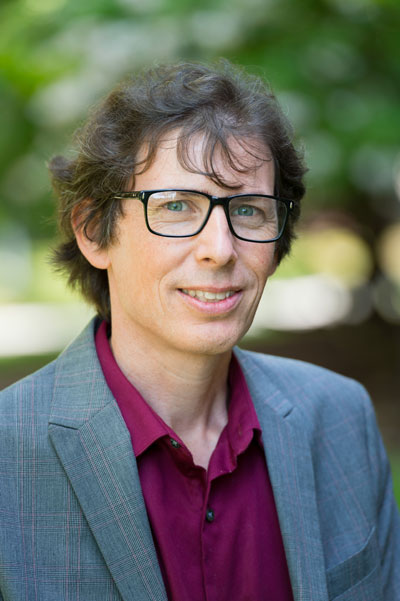
Steven Rogak is a Professor in the Department of Mechanical Engineering at the University of British Columbia's Faculty of Applied Science. He holds a P.Eng. license and degrees including a B.A.Sc. in Mechanical Engineering from UBC, and M.Sc. and Ph.D. from Caltech. P.Eng., University of British Columbia B.A.Sc., University of British Columbia M.Sc., Ph.D., California Institute of Technology His research focuses on aerosol science, particularly solid nanoparticles from combustion processes, their climate and health impacts, and mitigation strategies. Key areas include: Soot morphology and transport properties Engine emission reduction via fuel injectors Indoor air filtration systems Membrane-based energy exchangers Atmospheric particulate analysis The 15 most recent articles span experimental and theoretical studies on soot characterization, membrane technologies, and aerosol dynamics, with applications in climate modeling, healthcare ventilation, and sustainable materials. Collaborations include Westport Innovations and interdisciplinary teams. Rogak leads the Aerosol Laboratory at UBC, where he applies fluid mechanics and heat transfer fundamentals to address environmental and health challenges. He emphasizes experimental rigor and welcomes graduate students with expertise in these areas.
جستجوی استاد راهنمای دانشگاهی
برای مسیر پژوهشیتان، استاد راهنما، استاد دانشگاه و پژوهشگر مناسب را پیدا کنید و با آنها ارتباط بگیرید.
نمایش ۱-۱۵ از ۳۲۳ استاد راهنما
اطلاعات پروفایلها از صفحات عمومی دانشگاهها گرفته شده و ممکن است بهروز نباشد.
John Davis is a Professor in the Department of Physics at the University of Alberta, Faculty of Science. He holds a PhD and MSc from Northwestern University and a Bachelor’s from Washington University. His research focuses on nanomechanics, superfluidity, and superconductivity, particularly in confined geometries and quantum properties of nanomechanical systems. His lab develops superfluid-based technologies for dark matter detection and precision measurement. He has held academic positions since 2010, including roles at the Canadian Institute for Advanced Research and postdoctoral training at the University of Alberta with Prof. Mark R. Freeman. Education: PhD in Physics (2008), Northwestern University MSc in Physics (2003), Northwestern University Bachelor’s in Physics with Honors (2001), Washington University Research Interests: Superfluid nanomechanical resonators Ultralow-temperature superfluid 3He Nanofluidic cavity quantum electrodynamics Quantum-limited torque magnetometry Applications in dark matter detection and gravitational wave sensing His recent work emphasizes magnomechanics and optomechanical transduction , integrating superfluid systems with quantum sensors. Articles highlight advancements in cryogenic devices, nonlinear dynamics, and hybrid quantum systems. Ongoing projects include the HElium-based Light Operated Superfluid (HELIOS) dark matter detector. Grants & Labs: His lab operates a cryogen-efficient low-temperature facility, focusing on microfluidic quantum fluid experiments. Collaborations involve advanced photonic crystal cavities and diamond-based optomechanical platforms.
- Superfluidity
- Nanomechanics
- Quantum Nanofluidics
- +۴ مورد دیگر

David Chester Upham is an Assistant Professor in the Department of Chemical & Biological Engineering within the Faculty of Applied Science at the University of British Columbia (UBC). He leads the Upham Lab, which focuses on developing catalysts and processes for sustainable energy production, greenhouse gas mitigation, and CO 2 -free chemical conversion. Dr. Upham received his education from prestigious institutions: Postdoctoral Scholar, Stanford University (2019) Ph.D., University of California Santa Barbara (2017) B.Eng., McGill University (2010) Dr. Upham's research focuses on heterogeneous catalysis for sustainable energy applications. His work centers on developing catalysts and processes that enable CO 2 -free production of chemicals, power, and materials. He specializes in liquid heterogeneous catalysts , particularly molten metal alloys, for methane conversion, CO 2 utilization, and hydrogen production. His lab employs advanced techniques including operando IR spectroscopy, pulsed and transient analysis of reaction mechanisms, isotopic labeling studies, and in-situ X-ray absorption spectroscopy. A key aspect of his research is understanding how liquid heterogeneous catalysts behave under reaction conditions, with applications in methane pyrolysis, dry reforming, and carbon fiber synthesis. Analysis of Dr. Upham's recent publications reveals a strong focus on CO 2 mitigation and clean energy production . His work spans multiple domains including methane conversion technologies, CO 2 -to-fuels processes, and carbon-negative fuel production. A significant portion of his research investigates molten metal catalysts for methane pyrolysis and dry reforming, with applications in hydrogen production and carbon capture. His publications demonstrate an interdisciplinary approach combining chemical engineering, materials science, and environmental engineering to address climate change challenges through innovative catalytic processes. Dr. Upham actively mentors a diverse group of graduate students and researchers. His lab currently includes multiple PhD and MASc students working on various aspects of catalysis and clean energy: PhD Students: Mark Tabbara, Genpei Cai, Natascha Miederhoff MASc Students: Michael Byun, Sawyer d'Entremont, Rami Jubeili, Wyatt Schnare Postdoctoral researcher: Sonit Balyan Multiple undergraduate and visiting students from institutions worldwide The Upham Lab operates within UBC's Catalysis Labs, utilizing advanced experimental techniques to study reaction mechanisms and develop new catalysts. The lab's research has significant implications for decarbonizing the energy and chemical sectors, with potential applications in hydrogen production, carbon fiber manufacturing, and CO 2 -to-fuels technologies.
John Capobianco, PhD, is a Professor in the Department of Chemistry and Biochemistry at Concordia University and holds the Honorary Concordia University Research Chair in Nanoscience. His research focuses on lanthanide-doped nanoparticles, upconversion luminescence, and biomedical applications. PhD, University of Geneva Key research areas include: Nanomaterials synthesis and spectroscopy Upconversion for biomedical imaging Drug delivery systems Photodynamic therapy for cancer treatment Optical thermometry and sensing Recent publications highlight advancements in: X-ray detection via photochromic nanoparticles Lipid-coated nanoparticles for lung permeation Cooperative energy transfer in Yb3+/Eu3+ complexes Biocompatible nanomaterials for secure information storage Pr3+-doped radiosensitizers for glioblastoma therapy Scientific recognitions: Honorary Concordia University Research Chair in Nanoscience Teaching includes undergraduate and graduate courses in inorganic chemistry and spectroscopy. His work bridges fundamental material science with applied biomedical engineering, emphasizing optical properties and therapeutic applications of lanthanide-based nanomaterials.
- Nanoscience
- Inorganic Chemistry
- Materials Science
- +۷ مورد دیگر
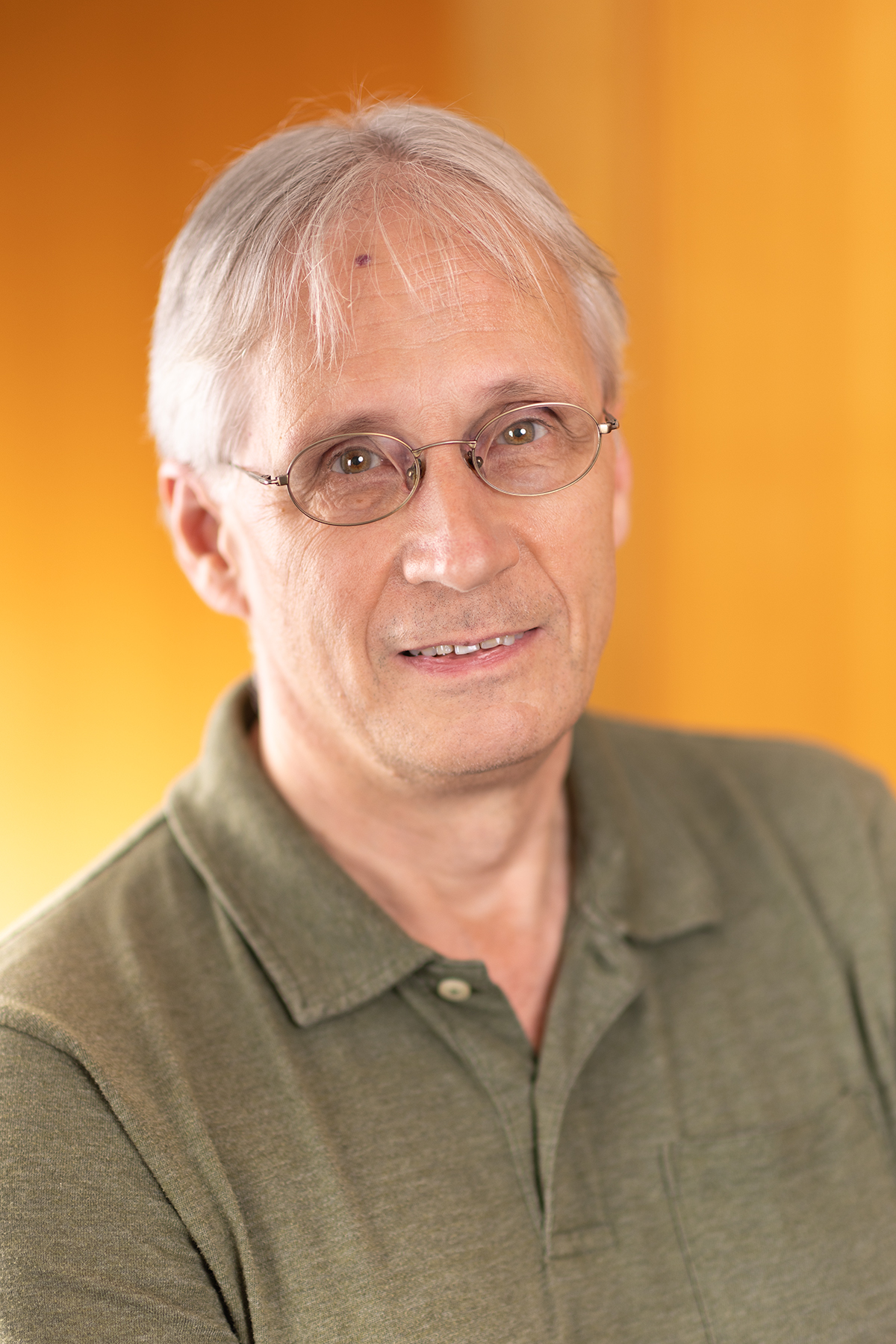
Jonathan Abbatt is a Professor of Chemistry at the University of Toronto, specializing in environmental chemistry with a focus on atmospheric processes. His research examines multiphase chemistry in indoor and outdoor environments, particularly aerosol particle interactions and their impacts on climate and air quality. He leads the Abbatt Group, which investigates topics such as Arctic chemistry, indoor chemical transformations, and brown carbon aging. Research interests span indoor/outdoor chemical reactions, aerosol physics, and environmental modeling. Notable projects include studies on ozone deposition on indoor surfaces, biomass burning emissions, and reactive chlorine sources in urban areas. His work integrates lab experiments, field measurements, and computational models. Recent studies highlight indoor surface reactivity, wildfire impacts on ozone, and multiphase oxidation mechanisms. Collaborations with institutions like Environment and Climate Change Canada ensure practical applications of his findings. Students and postdocs in his lab contribute to advancing knowledge in air quality and climate change mitigation.
Boxin Zhao is a Professor and University of Waterloo Endowed Chair in Nanotechnology in the Department of Chemical Engineering at the University of Waterloo. His research spans surface science, bionanomaterials, and biomimetic adhesion, with a focus on advanced polymers, hydrogels, and smart materials for biomedical and industrial applications. He leads the Surface Science and Bio-nanomaterials Laboratory Group, which develops innovative materials such as self-cleaning surfaces and antimicrobial coatings. Education: Doctorate in Chemical Engineering, McMaster University (2004); Master's from Chinese Academy of Sciences (1999); Bachelor's in Mineral Engineering from Central South University (1996). He has held prestigious fellowships, including the NSERC Postdoctoral Fellowship and IMMS Research Fellow at UC Santa Barbara and Los Alamos Lab. Research Interests: Biomimetic adhesion, soft robotics, polymer composites, and advanced manufacturing. Notable contributions include gecko-inspired adhesives, self-healing hydrogels, and conductive polymers for electronics. Recent work focuses on 3D-printed medical hydrogels, soft robotic devices, and microplastic degradation. His lab collaborates with industries like Proctor & Gamble and 3M, addressing real-world challenges in materials science and biomedical engineering. Awards: 1996 IET Scholarship, 2005 NSERC Postdoctoral Fellowship, 2007 IMMS Research Fellow. Teaching: CHE 313 (Heat/Mass Transfer), CHE 612 (Interfacial Phenomena). Lab Facilities: Advanced equipment for nanomaterial synthesis, surface characterization, and soft robotics prototyping.
Dr. Jayshri Sabarinathan is an Associate Professor in the Department of Electrical and Computer Engineering at Western University's Faculty of Engineering, and a Faculty Member with the Institute for Earth and Space Exploration. She joined Western University in Fall 2003, received the NSERC University Faculty Award in 2004, and was promoted to Associate Professor in 2010. She previously served as Associate Director of Training (2019-2022) with the Institute for Earth and Space Exploration. Education: Ph.D. in Electrical Engineering, University of Michigan, Ann Arbor (2003) M.S.E. in Electrical Engineering, University of Michigan, Ann Arbor (1999) B.S.E. in Electrical Engineering and Engineering Physics, University of Michigan, Ann Arbor (1997) Her research focuses on developing novel nano-photonic sensors and miniature remote sensing instrumentation, with expertise spanning photonic crystals, plasmonic sensors, and CubeSat technology. Her work integrates nanofabrication techniques with practical applications in precision agriculture, geology, and space exploration. She has extensive experience with nanofabrication facilities including the University of Michigan Solid State Electronics Laboratory and Western's nanofabrication facility. Analysis of her 15 most recent publications reveals strong emphasis on plasmonic sensing technologies, photonic crystal applications, and nanoscale optical phenomena. Her research consistently bridges fundamental photonics with practical sensor development, particularly for environmental monitoring and space applications. The publications demonstrate progression from basic photonic crystal research to applied space instrumentation. Scientific Awards: NSERC University Faculty Award (2004) US Patent 8839683 for Photonic Crystal Pressure Sensors (2014) OSA (Optica) Senior Member Co-founder of LightSail Ltd space startup Dr. Sabarinathan actively mentors graduate students through her Nanophotonic Sensors Engineering (NPSE) and Remote Sensing Instrumentation (RSI) research groups. She has secured significant funding including Canadian Space Agency projects, notably as PI for the Western University-Nunavut Arctic College CubeSat Project Ukpik-1. Her research has resulted in three patents for micro photonic-sensors and multi-spectral camera innovations. Her labs focus on two primary research thrusts: the NPSE group developing hybrid photonics micro/nano-sensors including IR/THz plasmonic sensors and bio-photonic sensors, and the RSI group creating multispectral camera imagers for UAV/mobile robots with XRD instrumentation miniaturization for Mars rovers.
Michael Organ is a Full Professor at the University of Ottawa's Department of Chemistry and Biomolecular Sciences, affiliated with the Faculty of Science. He also serves as Director of the Centre for Research and Innovation in Catalysis. His research focuses on catalysis, flow chemistry, and medicinal chemistry, emphasizing sustainable and efficient synthesis methods. Organ has held adjunct roles at the University of Toronto and has extensive industry collaborations, including with GlaxoSmithKline and Abbvie. Education: PhD (University of Guelph, 1992), MSc (University of Guelph, 1988), Hons. BSc (University of Guelph, 1986). Research Interests: Catalysis, microwave-assisted continuous synthesis, reactive intermediates in flow systems, and drug discovery methodologies. His work bridges organic chemistry with engineering, developing scalable and green processes. Publications & Impact: Over 200 publications, including seminal works in Journal of the American Chemical Society and Chemistry – A European Journal . Key contributions include the Pd-PEPPSI-IPent catalyst and the MACOS flow chemistry platform. Awards: NSERC John C. Polanyi Award (2018), Encyclopedia of Reagents Best Reagent Award (2017), Raymond Lemieux Award (2016). Recognized internationally for catalytic innovations. Grants & Funding: Over $45M in research funding, including NSERC Discovery Grants and industry partnerships. Notable projects include CFI JELF grants for sustainable manufacturing and pandemic-related flow chemistry for SARS-CoV-2 diagnostics. Labs & Teams: Leads the Organ Group, collaborating with chemical engineers and industry partners. Specializes in reactor design, catalyst development, and continuous processing systems.
Ken Oakesمشاهده پروفایل
دانشیار
Ken Oakes is an Associate Professor in the Biology Department at Cape Breton University (CBU) and holds the Industrial Research Chair in Environmental Remediation. He specializes in environmental toxicology, nanotechnology, and aquatic ecosystems. With a Ph.D. from the University of Guelph and postdoctoral training at the University of Waterloo, his research focuses on reactive oxygen species, water treatment, and pollution mitigation. He has over 60 peer-reviewed publications and supervised numerous graduate/undergraduate theses. Key research areas include photocatalytic water treatment using TiO₂ composites, surface-enhanced Raman spectroscopy (SERS) for contaminant detection, and transdermal drug delivery via polymeric microneedles. His work addresses industrial effluent impacts on marine ecosystems and sustainable antifouling technologies. Recent studies investigate nanomaterials for environmental remediation and biomedical applications. Dr. Oakes has contributed to projects assessing pulp mill effluent effects on coastal ecosystems, copper-based Fenton chemistry for biofilm removal, and uranium extraction from water. His lab develops innovative solutions for environmental challenges, combining engineering, chemistry, and biology disciplines. Funding sources include industrial partnerships and academic grants focused on clean technologies.
Tsun-Kong (T.K.) Sham is a Distinguished University Professor in the Department of Chemistry at Western University. His research focuses on materials science, synchrotron radiation techniques, and energy materials. He has contributed significantly to the development of synchrotron-based methodologies for studying nanomaterials and catalytic systems. Education: B.Sc. from Chinese University of Hong Kong (1971), Ph.D. from Western University (1975). Research interests include nanomaterial synthesis, bimetallic materials, and advanced spectroscopic techniques like X-ray absorption and emission. He has directed initiatives such as the Soochow University-Western University Centre for Synchrotron Radiation Research and contributed to international collaborations. Awards include the Chemical Institute of Canada Montreal Medal (2023), Officer of the Order of Canada (2016), and Fellow of the Royal Society of Canada (2012). His work spans over 100 students and collaborators, many of whom hold key academic and industrial roles. Teaching includes courses like Physical Chemistry of Materials and Synchrotron Radiation-based analysis. His recent publications highlight advancements in solid-state electrolytes and catalytic systems.
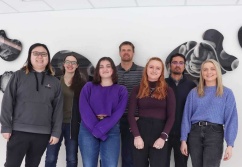
David N. Langelaan is an Associate Professor in the Department of Biochemistry and Molecular Biology at Dalhousie University, within the Faculty of Medicine. He holds a PhD from Dalhousie University and has been a department member since 2016. His research focuses on structural biology, protein-protein interactions, cellular signaling, and protein engineering. Key projects include hydrophobin characterization and engineering, studying MITF's role in melanoma and development, and analyzing rhodoquinone biosynthesis in anaerobic environments. Education: PhD, Dalhousie University. Research Themes: Structural biology, protein assemblies, microbial biochemistry, cancer biology. His lab employs techniques like NMR spectroscopy, X-ray crystallography, and isothermal titration calorimetry. Current lab members include graduate students (Raymond He, Trilok Neupane) and honours students (Alex Bouchard, Janani Venkat). Funding is provided by agencies such as NSERC, CFI, and the Dalhousie Medical Research Foundation. Publications highlight contributions to antimicrobial mechanisms, transcription factor signaling, and hydrophobin self-assembly. Recent work examines MITF coactivator interactions and rhodoquinone biosynthesis pathways in bacteria.
David Latulippe is a Professor in the Department of Chemical Engineering at McMaster University. He joined McMaster in 2012 after postdoctoral work at Cornell University and a PhD at Penn State University, focusing on membrane filtration for DNA purification. His industrial experience includes roles at ZENON Environmental (now GE Water) in hollow-fiber membrane design for water treatment. Research interests include Membrane science and technology Bioprocessing of therapeutic viruses Microscale systems for biological applications Environmental engineering solutions for water treatment Current projects involve collaborations with industry partners like Ceapro and Aevitas, and the development of a biomanufacturing automation lab with Sartorius. Recent publications highlight advancements in Nanofiltration and microfiltration for viral vectors Conductive membranes for electrochemical applications Microfluidic systems for DNA analysis Environmental monitoring of biocides and microplastics Scientific recognition includes the Young Membrane Scientist Award (2014). Teaching activities focus on Fluid Mechanics (CHEMENG 2O04) and Industrial Separation Processes (CHEMENG 4M03).
- Membrane Science
- Bioprocessing
- DNA Purification
- +۴ مورد دیگر

Patrick Hayes is a Full Professor in the Department of Chemistry at Université de Montréal. His research focuses on atmospheric chemistry of air pollution and climate-forcing agents, with expertise in aerosol chemistry, mineral dust dynamics, and analytical spectroscopy. He collaborates with Environment and Climate Change Canada, Quebec’s Ministry of the Environment, and private sector partners like Glencore. Education & Roles: PhD in Chemistry (not explicitly stated, inferred from academic rank) Director of the Hayes Group conducting Arctic fieldwork and computational modeling Teaches courses in environmental chemistry across multiple programs Research Interests: Chemical characterization of atmospheric particles and their climate impacts Mineral surface chemistry and dust emission processes Development of advanced analytical tools for environmental monitoring Study of Arctic aerosol dynamics and transboundary pollution Recent Trends in Publications: Focus on Arctic aerosol behavior and dust dynamics Analysis of urban pollution sources (Beirut/Montreal comparisons) Integration of remote sensing with ground-based measurements Health risk assessments of particulate matter components Awards & Recognition: 2021 Perkin-Elmer Award (CSASS) RSC Analyst Emerging Investigator Award Advising & Grants: Supervised 8+ graduate students since 2016 Lead researcher on 20+ projects, including $2.5M+ in funding from CRSNG, FRQNT, and industry Key roles in networks like EcotoQ and MOACC Labs & Teams: Hayes Group at UdeM with advanced instrumentation capabilities Partnerships with federal/provincial agencies and international collaborators
Eva Enkelmannمشاهده پروفایل
دانشیار
Eva Enkelmann is an Associate Professor at the University of Calgary's Department of Earth, Energy, and Environment. She leads research on orogenic systems evolution using geo- and thermochronology methods. Educational Background: PhD Geology, TU Bergakademie Freiberg, 2005 MSc Geology and Paleontology, University of Freiberg, 2001 Her research examines mountain belt evolution across spatial scales, focusing on interactions between tectonic forces and surface processes. She specializes in multi-method dating of mineral grains and thermochronologic method development. Current projects include geothermal potential assessment in the Liard Basin (NWT), Cu-porphyry exploration in British Columbia, and rock exhumation studies in Yukon. Recent publications focus on methodological advances in detrital thermochronology, including laser ablation (U-Th-Sm)/He dating, zircon triple-dating, and novel data analysis techniques for complex thermal histories. Scientific Awards: Fellow, Geological Society of America (2022) Outstanding Achievements Award, Faculty of Science, University of Calgary (2023) She teaches courses on global tectonics, structural geology, and field methods, including the Canadian Cordillera Field School.
- Tectonics
- Landscape Evolution
- Geo-Thermochronology
- +۲ مورد دیگر
Jennifer Chenمشاهده پروفایل
دانشیار
Jennifer Chen is an Associate Professor in the Department of Chemistry at York University's Faculty of Science. She leads a research group focused on designing nanomaterials for optical sensing, biomedical diagnostics, and solar energy conversion , with an emphasis on plasmonic nanostructures and hybrid materials. Research spans analytical, inorganic, and physical chemistry Eligible supervisor for Physics and Astronomy graduate students Key funding: CFI, NSERC, Ontario Research Fund Her work bridges fundamental studies of materials interfaces with applications in healthcare and sustainability. Recent publications explore charge transfer mechanisms and DNA-nanoparticle interactions for biosensing. 2022: J. Mater. Chem. A on Mn-doped quantum dots 2020: Analyst and ACS Appl. Nano Mater. on DNA-based sensing 2018: JPCC on interfacial charge dynamics 2013: JACS on plasmonic microRNA detection Major awards include the Canadian Society for Chemistry Fred Beamish Award (2019), Nano Ontario Early-Career Award (2018), and Top 40 Under 40 Analytical Scientist (2018). Her group has trained 15+ graduate students, including PhD graduates Brian and Anthony.