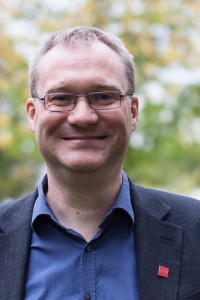
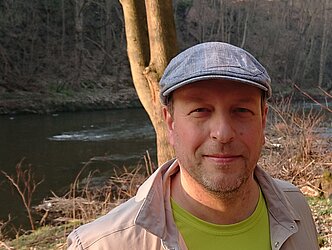
Matthew Allen Bishop is a Professor in the Department of Computer Science at the University of California, Davis. His primary affiliation is with the College of Engineering. Bishop's research focuses on cybersecurity, including secure programming, insider threat detection, malware analysis, and cybersecurity education. He has contributed extensively to curricular guidelines (e.g., CSEC 2017) and frameworks for cyber defense. His work spans theoretical advancements (e.g., intrusion detection models) and applied systems (e.g., secure voting platforms). Notable research areas include: Cybersecurity Education: Developing curricula and pedagogical frameworks for secure coding and ethical practices. Insider Threat Mitigation: Declarative approaches and behavioral analysis for detecting and preventing attacks. Malware Mitigation: Techniques leveraging uncertainty principles and defensive programming. Election Security: Analyzing vulnerabilities and designing secure voting systems. Bishop has collaborated with institutions like the Department of Homeland Security (DHS) and National Security Agency (NSA) on critical infrastructure protection. His publications span conferences like IEEE Security & Privacy, HICSS, and NSPW, emphasizing real-world applications of cybersecurity principles.
Li Wei is a distinguished academic affiliated with Tsinghua University, with a focus on interdisciplinary research spanning artificial intelligence, machine learning, and computer vision. His work often intersects with medical informatics, remote sensing, and signal processing, demonstrating a commitment to advancing technological solutions in healthcare, environmental monitoring, and engineering systems. Research interests include deep learning applications in clinical diagnostics, satellite data analysis for climate modeling, and optimization of energy storage systems. He has contributed to innovative solutions in areas such as UAV-enabled edge computing, privacy-preserving blockchain protocols, and thermal-based surveillance systems. His collaborative projects often involve multidisciplinary teams across institutions. Publications reflect a strong emphasis on practical applications, such as mobile health tools for tumor recognition, transformer-based super-resolution techniques for oceanography, and AI-driven risk classification models for respiratory diseases. While no specific awards or grants are listed, his prolific output across top-tier journals indicates sustained research impact. Professional activities include contributions to conferences like RecSys, MICCAI, and AAAI, and editorial roles are implied through his extensive publication record. Collaborations with industry partners (e.g., in energy systems and medical imaging) suggest engagement with real-world problem-solving.
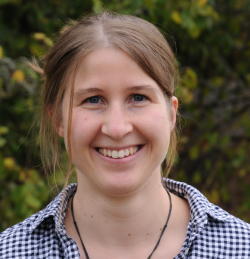
Eva Glasmachers is a Lecturer and Managing Director of the Faculty of Mathematics at Ruhr University Bochum. She holds a PhD in Differential Geometry (2010) and has been actively involved in academic leadership since 2008. Her roles include student advising, curriculum development, and managing faculty operations. Her research focuses on university-level mathematics education, emphasizing interactive teaching methods, digital learning tools (e.g., STACK), and student motivation strategies. She leads projects like VORsprung for digital study preparation and trains tutorial group instructors. She is a founding member of HDM@RUB (Center for Higher Mathematics Education) and serves on the Ruhr University Senate and the Excellence Network for Teaching. Notable publications include works on gamification in education, adaptive learning systems, and dropout prevention strategies. She collaborates extensively with educational technology centers and contributes to national didactics conferences.
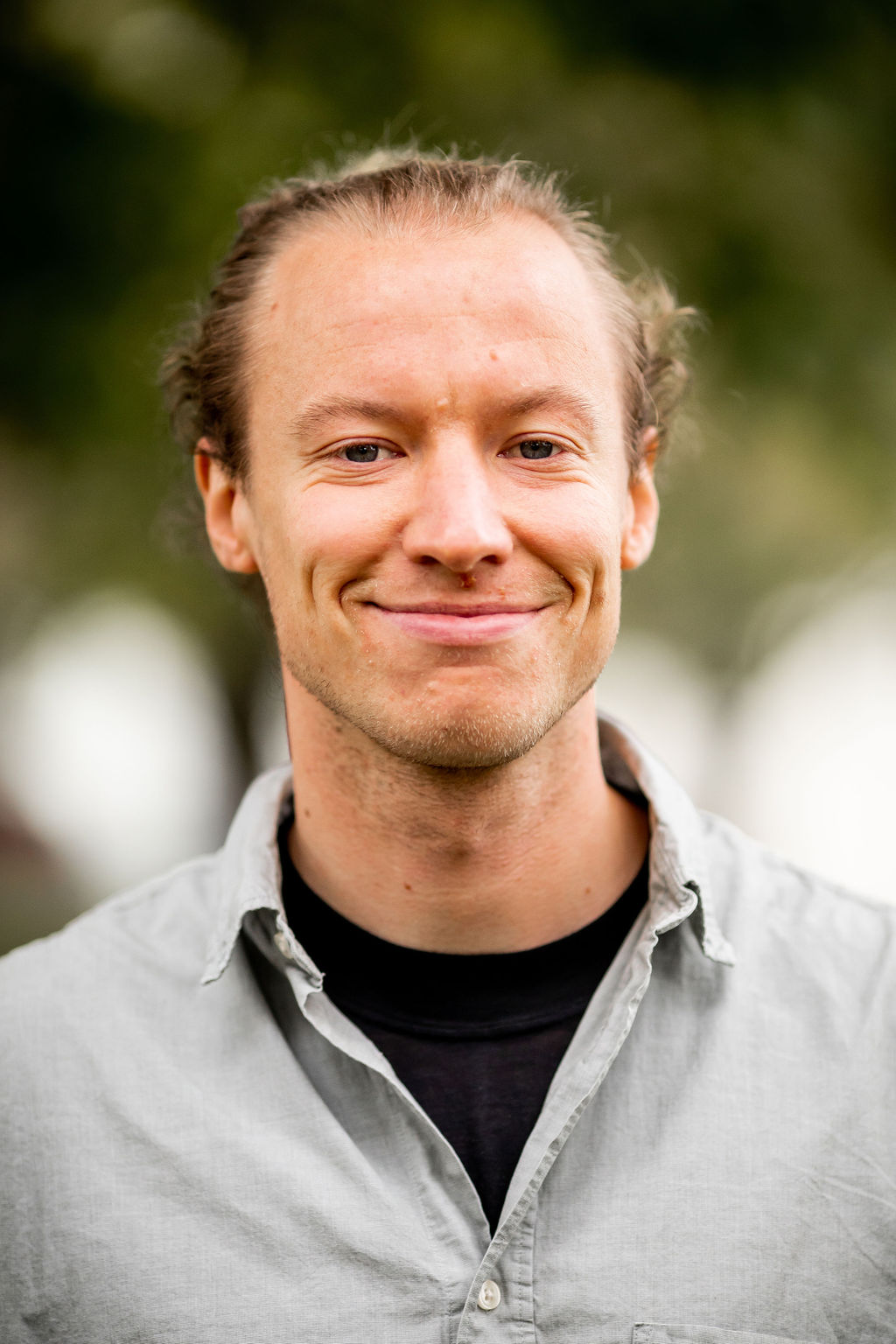
Prof. Dirk Schneider is a Full Professor (W3) of Biochemistry at Johannes Gutenberg University Mainz since 2010, with previous appointments at the University of Freiburg (2003-2009) and postdoctoral training at Yale University. His research spans membrane biochemistry, biophysics, and transmembrane protein folding/assembly, focusing on thylakoid membrane biogenesis and protein-lipid interactions in cyanobacteria and chloroplasts. Current roles: Full Professor, University Mainz Previous roles: Assistant Professor (W1), University of Freiburg Education: PhD (summa cum laude) from Ruhr-University Bochum His research interests include: Membrane protein folding and stability ESCRT-III/Vipp1/PspA family structural dynamics ABC transporter activity regulation (e.g., BmrA) Protein-lipid interaction mechanisms Thylakoid membrane remodeling Comparative membrane biology between prokaryotes and eukaryotes Development of spectroscopic and computational methods Recent publications reveal trends in bacterial membrane remodeling (SynDLP, PspA), lipid effects on transporter activity (BmrA), and IM30/Vipp1-mediated membrane fusion. His work combines structural biology, biophysics, and functional assays to elucidate membrane dynamics. Awarded the Dr. Heinrich Kost Award (2001) and Leopoldina Fellowship (2001) , he has held leadership roles including Study Section Speaker (2010-2014) , Director of Institute of Pharmacy and Biochemistry (2013-2015) , and Dean of Faculty of Chemistry (2015-2020) . His scientific advisory roles include editorial board memberships and study section leadership.
Prof. Dr. Haris Gačanin is a faculty member at RWTH Aachen University, affiliated with the Institute for Distributed Signal Processing under the College of Electrical Engineering. His research focuses on integrating machine learning with wireless communication systems, particularly in industrial IoT, edge computing, and network optimization. Current academic rank: Professor Contact: harisg@dsp.rwth-aachen.de Research Interests: Wireless systems, machine learning, signal processing, and network optimization. Key contributions include: Adaptive resource allocation in IIoT and vehicular networks AI-driven channel estimation and feedback mechanisms Security-oriented emitter identification via metric learning Federated/transfer learning for edge environments Hardware-efficient deep learning models for mmWave and THz communications Methodological Focus: Combines reinforcement learning, attention mechanisms, and robust neural architectures with practical implementations on FPGA and vehicular systems.
Bianca Santoro is an Investigator in Mathematics Münster and a member of the Collaborative Research Center (CRC) 1442 'Geometry: Deformations and Rigidity' at the University of Münster. She is affiliated with the Mathematisches Institut within the Faculty of Mathematics and Computer Science. Her research focuses on differential geometry, geometric analysis, and related areas such as Riemannian geometry and partial differential equations. She has contributed to topics including Ricci-flat metrics, Hamiltonian stationary Lagrangian submanifolds, and singularities in geometric problems. Education and career highlights include her work at the Instituto Nacional de Matemática Pura e Aplicada (IMPA), where she authored foundational texts like Introduction to evolution equations in geometry (2009) and Holonomy Groups in Riemannian Geometry (2012). Her research spans projects such as 'Curvature, shape, and global analysis' (T5) and 'Singularities and PDEs' (T6) under Mathematics Münster’s framework. Her publications reflect expertise in geometric PDEs, bifurcation theory, and complex geometry, with contributions to both theoretical developments and applied methodologies. Santoro’s work is supported through collaborative initiatives like the CRC 1442, emphasizing interdisciplinary approaches to geometric deformations and rigidity phenomena.
Dr. Arie Levit is a Senior Lecturer (tenure track) in the Department of Theoretical Mathematics at Tel Aviv University's School of Mathematics, a position he has held since 2021. Previously, he served as a Gibbs Assistant Professor at Yale University from 2017. His academic career centers on pure mathematics with emphasis on structural properties of discrete groups and dynamical systems. His educational background includes: B.A in Mathematics from the Hebrew University of Jerusalem (2004) M.A in Mathematics from the Hebrew University of Jerusalem (2012) Ph.D. in Mathematics from the Weizmann Institute of Science (2017) under Prof. Tsachik Gelander Levit's research spans discrete groups, geometric and analytic group theory, and ergodic theory, with significant contributions to lattice theory, invariant random subgroups, character rigidity, and group stability. His work integrates algebraic, geometric, and probabilistic frameworks to solve fundamental problems in classification and rigidity of group actions, particularly in non-Archimedean and hyperbolic settings. Analysis of his 14 publications (2014-2024) reveals evolving focus from foundational lattice theory toward contemporary stability phenomena and character theory, with 60% of recent work (2022-2024) addressing permutation stability, Hilbert-Schmidt representations, and ergodic properties of group actions. Key methodological threads include the application of ergodic theory to group-theoretic classification and the development of analytical tools for stability problems. His scholarly recognition includes: Klein Prize (2017) ISF-BSF research grant (2020) As principal investigator of the ISF-BSF grant, Levit leads research on group stability and ergodic theory. His extensive collaborations with Gelander, Lubotzky, and Lazarovich demonstrate active mentorship within the global mathematics community. His work is conducted within Tel Aviv University's Theoretical Mathematics department, which maintains strong international partnerships in geometric group theory and dynamics.
Dr. Yun Qian is a distinguished Earth Scientist and Lab Fellow at Pacific Northwest National Laboratory (PNNL), where he leads the Earth System Modeling Group with over 80 scientists and staff within the Atmospheric, Climate, and Earth Sciences (ACES) Division. He joined PNNL in 2000 and has established himself as a renowned expert in climate modeling, particularly in regional climate systems, aerosol-climate interactions, and urban climate effects. Dr. Qian is also an AMS Fellow with significant contributions to understanding human influences on the Earth system. Dr. Qian received his academic training in China: Ph.D. in Atmospheric Science from Nanjing University, Nanjing, China B.S. in Atmospheric Science from Nanjing University, Nanjing, China Dr. Qian's research focuses on advancing our understanding of climate systems through sophisticated modeling approaches. His work spans regional and global climate modeling, aerosol-climate interactions, snow and glacier impurities and their climatic impacts, land-atmosphere-water interactions, urban and coastal environment modeling, and uncertainty quantification in climate modeling. His pioneering work on Asian aerosols revealed their dominant role in shaping climatic trends in East Asia, while his research on snow and ice impurities provided new insights into changes in snowpacks in the western United States and the Himalayas. Dr. Qian has also made significant contributions to understanding how atmosphere-land-water interactions modulate the influence of human activities on the environment. Analysis of Dr. Qian's recent publications shows a strong focus on urban climate effects, regional climate modeling, and the impacts of human activities on climate systems. His work increasingly incorporates advanced computational methods including machine learning for weather pattern identification. There's a clear trend toward studying the interactions between urban environments and climate systems, with particular attention to heat stress, precipitation patterns, and regional warming effects. His research also shows growing interest in extreme weather events and their changing patterns under climate change scenarios. Dr. Qian has received numerous prestigious awards and recognitions: Fellow of American Meteorological Society Chair of AMS Coastal Environment Committee Program Chair for Annual AMS Coastal Environment Symposium Editor of JGR-Atmospheres, Atmospheric Chemistry and Physics, and Advances in Atmospheric Sciences Director of international workshop on Uncertainty Quantification in Climate Modeling and Projection Member of Scientific Steering Committee for IPCC CMIP6 Global Monsoons Modeling Inter-comparison Project NSR 2020 Best Paper AAS Esteemed Review Paper Award PNNL Exceptional Contribution Program Award PNNL EBSD Mentor of the Year Editors' Citation for Excellence in Refereeing at AGU (2015, 2019) Contributing Author of IPCC Assessment Report Fellowship Award of International Council for Science (ICSU), 1997 Xue-Du-Feng-Zheng Award in Chinese Academy of Sciences, 1998 With over 200 peer-reviewed articles and 20,000 citations (h-index of 74), Dr. Qian has made substantial contributions to climate science. His work has garnered significant media attention, with features in top-tier scientific publications like Nature and Science, as well as major news outlets including the Associated Press, New York Times, Washington Post, BBC, NBC, and NPR. He has served as chair of the AMS Coastal Environment Committee, Program Chair for the Annual AMS Coastal Environment Symposium, and as a member of the Scientific Steering Committee for the IPCC CMIP6 Global Monsoons Modeling Inter-comparison Project. Dr. Qian has also directed international workshops on uncertainty quantification in climate modeling and served as an editor for three prestigious journals. Dr. Qian leads the Earth System Modeling Group at PNNL, which comprises over 80 scientists and staff. His team focuses on developing and applying atmospheric and land surface models to advance understanding of human influence on the Earth system. The group's work spans regional climate modeling, aerosol-climate interactions, snow and glacier impurities, land-atmosphere-water interactions, urban and coastal environment modeling, and uncertainty quantification. Their research has significant implications for understanding climate change impacts and developing adaptation strategies.
Carolin Röding is a postdoctoral researcher at the University of Tübingen, affiliated with the Senckenberg Center for Human Evolution and Paleoecology and the Department of Geosciences. Her work focuses on paleoanthropology through the FIRSTSTEPS project (2022-2027) and earlier CROSSROADS project (2015-2017). BSc in Biology (University of Duisburg-Essen, 2011-2015) MSc in Archaeological Sciences with Paleoanthropology specialization (University of Tübingen, 2015-2017) PhD in Archaeological Sciences and Human Evolution (University of Tübingen, 2018-2022) Her research explores: Brain evolution and braincase interaction through geometric morphometrics Virtual cranial reconstructions of fragmented fossils Dental morphology analysis in hominin identification Cranial integration and modularity in evolutionary contexts Methodological advancements in 3D imaging and surface registration Regional focus on Mediterranean hominin dispersals Scientific contributions include methodological innovations for fragmented fossils and key findings about Aterian maxillary fragments and Homo sapiens dispersal timelines. Recent publications focus on dental evolution, frontal sinuses, and paleopathological reanalysis. Universitäts Bund travel grant (EAA 2022) Universitäts Bund conference grant (EAA 2021) iNEAL STSM grant for Zagreb research visit (2021) DAAD Kongressreisen Stipendium (AAPA 2021) Active in virtual anthropology and collaborating with the Senckenberg Center, she continues advancing methodologies for studying fragmentary hominin remains and evolutionary patterns.
Eva-Maria Ahrer is a postdoctoral researcher in the Atmospheric Physics of Exoplanets department, focusing on exoplanetary atmospheres and data analysis techniques for space-based telescopes like JWST and HST. Her work bridges observational astronomy with computational methods to advance planetary science. Her research spans exoplanet atmospheric characterization , planetary formation models , and JWST spectroscopic data analysis . Key projects include the BOWIE-ALIGN comparative survey and the KRONOS initiative, emphasizing the link between migration history and atmospheric composition. Recent publications highlight her contributions to understanding hot Jupiter alignment , metallicity , and chemical signatures using JWST’s NIRSpec and NIRISS instruments. She co-developed the open-source Eureka! pipeline for time-series observations and advocates for equity in STEM through the Equitea forum.
Prof. Dr. Hanna Meyer is a Professor of Remote Sensing and Spatial Modeling at the Institute of Landscape Ecology, University of Münster (WWU). She leads the Remote Sensing and Spatial Modeling Group and is actively involved in teaching and research in geospatial data science, machine learning, and environmental monitoring. Her work is supported by multiple national and international funding bodies including the DFG, EU Horizon Europe, and internal university grants. B.Sc. Geography, Philipps University Marburg (2007–2010) M.Sc. Environmental Geography, Philipps University Marburg (2010–2013) Ph.D., Philipps University Marburg (2014–2018) Her research focuses on machine learning methods for spatial data, optical remote sensing, environmental monitoring, and spatio-temporal modeling. She develops and applies advanced statistical and machine learning techniques to satellite and drone-based data for mapping ecological variables, land cover, and environmental change. Her work emphasizes methodological rigor, model transferability, and uncertainty quantification in spatial predictions. The recent publications reflect a strong trend in developing and validating machine learning models for environmental mapping, with applications in soil science, peatland hydrology, forest ecology, and polar climatology. She contributes both to theoretical advancements in spatial model validation and to practical software tools in R for geospatial analysis. She has secured competitive research funding for projects such as PRISM, Carbon4D, Uebersat, and BEyond, focusing on spatial pattern recognition, carbon modeling, AI model transferability, and biodiversity prediction. She teaches courses on remote sensing, spatial data analysis with R, and environmental modeling, and supervises students and early-career researchers. She collaborates widely with researchers across institutions and leads a dynamic research group including postdoctoral researchers and students. Her open-source contributions, particularly R packages like CAST and uavRst, support reproducible research in geospatial machine learning.
Professor Patrick Rinke leads the Chair of AI-based Materials Science at the Technical University of Munich (TUM), within the TUM School of Natural Sciences and Department of Physics. His research group develops advanced electronic structure and machine learning methods to address critical challenges in materials science, surface science, physics, chemistry, and nanoscience. Professor Rinke's research spans multiple cutting-edge domains including electronic structure theory development, machine learning applications for materials science, data-driven materials discovery, biomaterials engineering, atmospheric science applications, clean energy materials, and hybrid materials systems. His work integrates advanced computational methods with practical applications across diverse scientific fields, particularly focusing on how artificial intelligence can transform traditional materials research. Analyzing his recent publications reveals strong trends in applying machine learning techniques to materials discovery, with particular emphasis on Bayesian optimization methods, active learning approaches for molecular data, and efficient dataset generation strategies. His research spans from fundamental electronic structure theory to practical applications in biomaterials, atmospheric science, and renewable energy technologies. Professor Rinke has received several prestigious awards including the August-Wilhelm Scheer visiting professorship (2017), a German Science Foundation research scholarship (2007), the Outstanding Postdoctoral Research Achievement Award from UC Santa Barbara (2009), recognition as an Outstanding Referee for Physical Review journals (2014), and the Institute of Physics Computational Physics Group Thesis Prize (2003). Professor Rinke actively contributes to the academic community through teaching and supervision. For the Winter term 2025/26, he is teaching courses including Academic Writing Skills, Introduction to Machine Learning for Materials Science, Current Topics in AI-Based Materials Science, and Machine Learning for Natural Sciences. His research group includes several team members working on diverse projects spanning the intersection of AI and materials science.
Dr. Jonas Stelzig is a Senior Lecturer in the School of Mathematics at Ludwig Maximilian University of Munich (LMU). He is currently on leave during the summer term 25 to substitute a position at Johannes Gutenberg University Mainz, where he teaches Riemann surfaces and a seminar on topological K-theory. In 2026, he will assume a Heisenberg-position funded by the German Research Foundation (DFG). Current Role: Senior Lecturer (Privatdozent) at LMU Leave Status: Substituting a position at Mainz (2024) Future Role: DFG Heisenberg-position (2026) Stelzig's research lies at the intersection of Geometry, Topology, and Number Theory. He specializes in (almost-)complex manifolds, particularly their cohomology and rational homotopy theory. His work explores the interplay between algebraic structures and geometric properties, such as Massey products, formality, and bigraded cohomological notions. Recent publications focus on cohomological properties of Kähler and non-Kähler manifolds, rational homotopy theory, and spectral sequences. He collaborates with researchers like G. Placini, L. Zoller, and A. Milivojevic, contributing to journals like Advances in Mathematics and Mathematical Research Letters . Teaching highlights include courses on complex geometry, topology, and homotopy theory. He co-organizes workshops like Geometry and TACoS and participates in international conferences, including Luminy (2024), Osaka (2022), and Banff (2019).
Prof. Dr. Isabel Stenger is an Assistant Professor at the Institute of Algebraic Geometry, Faculty of Mathematics and Physics, Leibniz University Hannover. She holds a Junior Professorship and is a member of the Riemann Center for Geometry and Physics. Her research focuses on advanced topics in algebraic geometry, including birational geometry, Calabi-Yau manifolds, and the Morrison-Kawamata cone conjecture. She also explores experimental methods in algebraic geometry and commutative algebra, construction and moduli of surfaces, and syzygy-related constructions of algebraic varieties. Her work integrates theoretical and computational approaches to address foundational questions in geometry. Recent publications (2020–2024) reflect her contributions to understanding Godeaux surfaces, Calabi-Yau 3-folds, and divisor cones in algebraic varieties. She maintains an active research agenda with a focus on geometric structures and their numerical properties. Stenger’s academic profile includes affiliations with the Institute of Algebraic Geometry and Riemann Center, where she collaborates on interdisciplinary projects at the intersection of geometry and physics. Her contact details are available on her homepage .
Dr. Michael Thiel is a Senior Scientist at the Chair of Remote Sensing at Julius-Maximilians-Universität Würzburg, affiliated with the Philosophische Fakultät and the Department of Remote Sensing within the Institute of Geography and Geology. His academic career includes leadership roles in projects like WASCAL, TelePAtH, and AgriSens DEMMIN 4.0, focusing on climate change impacts in West Africa, remote sensing applications for agriculture, and urban development analysis. He holds a PhD in Remote Sensing from the University of Trier (2013), specializing in SAR data texture analysis for urban area characterization. His research integrates satellite data with geospatial tools to study land use dynamics, climate adaptation strategies, and environmental conservation across Africa and Central Asia. Key research areas include: Climate change impacts on agriculture and urban systems Remote sensing of land cover/land use changes Satellite-based monitoring of soil sealing and impervious surfaces GIS applications for sustainable resource management Decision support systems for climate-resilient agriculture His 2025 publications highlight advancements in spatial decision support systems for West African agriculture, climate adaptation strategies in urban areas, and the use of Earth observations to assess maize cropping systems' vulnerability to climate variability. Recent work also addresses rural industrialization effects on migration patterns and biodiversity conservation. Dr. Thiel is affiliated with organizations like the African Studies Association Germany and serves on the advisory board of the AWARD - One Planet Fellowship. He contributes to international collaborations such as the Climate Change and Land Use Graduate School at Kwame Nkrumah University of Science and Technology (Ghana). His research outputs include over 50 peer-reviewed articles since 2007, focusing on remote sensing techniques for environmental monitoring, urban dynamics analysis, and agricultural sustainability in developing regions.