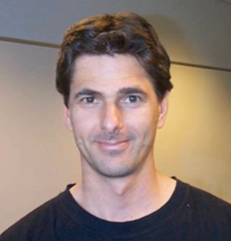
Professor Brett Harris is a faculty member at Curtin University, affiliated with the School of Earth and Planetary Sciences (EPS) within the Faculty of Science and Engineering. He holds a prominent role in the Office of the Provost. His research focuses on subsurface resource technologies, including mineral exploration, CO2 sequestration, and geothermal energy. He has led major initiatives like the DET CRC and MinEx CRC projects, advancing in-hole electromagnetic sensing and distributed acoustic sensing techniques. His expertise spans hydrogeology, geophysics, and environmental geoscience, with notable contributions to aquifer characterization, fault zone dynamics, and CO2 storage monitoring. He coordinates undergraduate courses in electromagnetism, potential fields, and environmental geophysics, while supervising multiple PhD students. Key collaborations include work with government agencies on fractured aquifer detection and geothermal systems. Recent research emphasizes innovative sensor technologies for subsurface imaging, CO2 leakage monitoring, and groundwater sustainability. His work bridges geophysics with applied engineering solutions for resource exploration and environmental stewardship.
John Dolbow is a Professor in the Thomas Lord Department of Mechanical Engineering and Materials Science at Duke University, with secondary appointments in Civil and Environmental Engineering and Mathematics. He is a Bass Fellow and holds leadership roles as Associate Vice President for Research & Innovation since 2024. Education: B.S.M.E. (University of New Hampshire, 1995), M.S. (Northwestern, 1998), Ph.D. (Northwestern, 1999) Research Focus: Computational fracture mechanics, phase-field modeling, hydrogels, and multiphysics problems in geomechanics and biomedical engineering His recent work advances phase-field methods for fracture nucleation, hydraulic fracturing in geothermal systems, and laser lithotripsy simulations. Dolbow leads Duke's Computational Mechanics Laboratory, integrating civil, mechanical, and materials science approaches. Key contributions include: Erratum corrections for computational mechanics frameworks Nitsche-stabilized methods for interface constraints Phase-field models for surfactant-driven particle raft fracture Multi-resolution approaches for hydraulic fracture simulation Embedded FEM techniques for moving boundary problems Scientific Recognition: R. H. Gallagher Young Investigator Award (2005) Robert J. Melosh Medal for Finite Element Analysis (1999) DOE Computational Science Graduate Fellowship (1997) DOE CSGF Steering Committee Chair
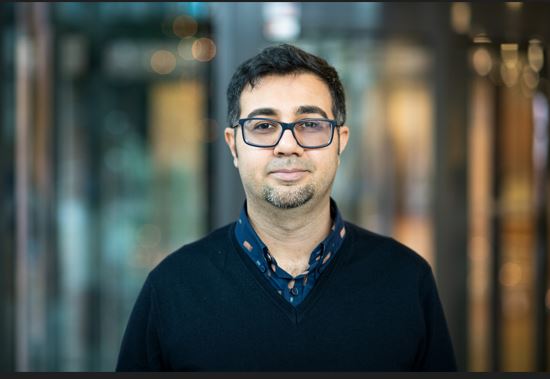
Dr. Pouyan Ahmadi is a Researcher in the Department of Hydrogeology at the Helmholtz Centre for Environmental Research - UFZ, focusing on computational fluid dynamics (CFD), microplastic transport, and multiphase flow in porous media. He holds a PhD in Hydrogeology (2023) and M.Sc. in Reservoir Engineering (2017) from institutions including UFZ and Shiraz University. His research addresses environmental challenges such as microplastic distribution in lakes and the hyporheic zone, supported by projects like the TRACER PhD college and Helmholtz International Research School. Education: 2024–current: Researcher, UFZ Hydrogeology 2019–2023: PhD in Hydrogeology, UFZ & University of Bayreuth 2017–2018: Reservoir Engineer, Shiraz University 2014–2017: M.Sc., Reservoir Engineering, Shiraz University Research interests span CFD modeling, microplastic fate, and rock-fluid interactions. His work contributes to initiatives like the Sonderforschungsbereich 1357 on microplastics, emphasizing interdisciplinary approaches to environmental sustainability.
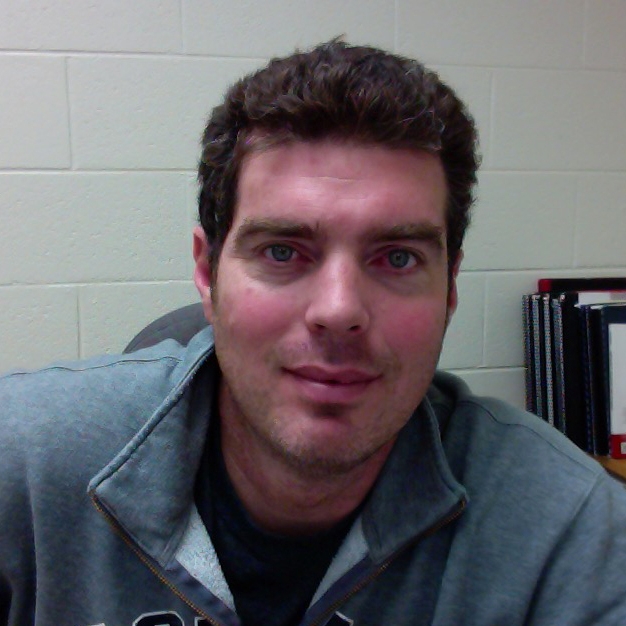
Ryan M. Pollyea is an Associate Professor in the Department of Geosciences at Virginia Tech’s College of Science. His research focuses on geofluids, energy resources, and geologic CO2 sequestration, with expertise in numerical modeling of fluid flow in porous media and geospatial analysis. He leads the VT Hydrogeosciences Lab, investigating processes like CO2 sequestration in basalt reservoirs and fluid-induced seismicity linked to wastewater injection. Education: Ph.D., University of Idaho (2012); B.S., University of Dayton (1999). His team includes PhD student Wu Hao and MS student Gradyon Konzen, studying topics like capillary pressure uncertainty and hydraulic effects of wastewater injection. Research interests span coupled thermal-hydro-chemical-mechanical modeling, fracture network characterization via LiDAR, and reservoir-scale permeability changes. He emphasizes applying computational methods to address energy and environmental challenges, with a focus on carbon storage and induced seismicity mitigation. Teaching includes courses like Groundwater Hydrology, Reactive Transport Modeling, and Engineering Geology. His work integrates high-performance computing and machine learning to analyze large datasets, exemplified by collaborations on exascale simulation frameworks and semantic interaction tools for ensemble analysis. Current projects include the Virginia SWIFT initiative, assessing aquifer recharge risks, and evaluating carbon storage potential in basaltic formations. His lab’s research underscores the interplay between subsurface fluid dynamics and geological processes, with applications to sustainable energy and environmental management.
Dr. Lateef Akanji is a Senior Lecturer in the Department of Petroleum Engineering at the School of Engineering, University of Aberdeen, where he has been contributing since 2014. He previously served as Lecturer and Head of the Petroleum Technology Research Group at the University of Salford, Assistant Professor at King Saud University, and Visiting Lecturer at the University of Leoben. His academic journey includes a PhD from Imperial College London and degrees from the University of Ibadan. University: University of Aberdeen School: School of Engineering Position: Senior Lecturer, Petroleum Engineering Email: l.akanji@abdn.ac.uk Education: PhD, Petroleum Engineering, Imperial College London M.Sc., Petroleum Engineering, University of Ibadan B.Sc. (Honours), Petroleum Engineering, University of Ibadan DIC (Diploma of Imperial College) Research Interests: Dr. Akanji's research centers on multiphase flow in porous and permeable media, with applications in enhanced oil recovery (EOR) in clastic, carbonate, and unconventional shale reservoirs. His work integrates theoretical, experimental, and computational fluid dynamics, utilizing platforms like Python, C++, and Fortran. He is pioneering the application of artificial intelligence in petroleum engineering, particularly in EOR screening and production optimization. His research includes pore-scale modeling, gas-lift systems, and nuclear reactor flow dynamics. Publication Trends: His recent publications (2025–2021) reflect a strong focus on fluid displacement in porous media, shale reservoir characterization, AI applications in energy, and nuclear safety. Notable themes include computational modeling of multiphase flow, biosurfactant EOR, and advanced numerical methods for reservoir simulation. Scientific Awards and Honors: Fellow of the Higher Education Academy (FHEA) Chartered Engineer (CEng) Chartered Petroleum Engineer European Engineer (Eur Ing) Member of the Energy Institute (MEI) Advising and Grants: Dr. Akanji supervises numerous PhD students in areas such as AI-based production optimization, permeability upscaling, and biosurfactant EOR. He leads research funded by PTDF, TETFUND, Sonangol, and Elphinstone, focusing on high-pressure high-temperature flow loops, gas-lift pilot rigs, and neuro-fuzzy screening systems. His collaborative projects involve institutions in the UK, Austria, and Australia. Laboratories and Research Platforms: He contributes to the development of the Complex System Modelling Platform (CSMP++), a C++-based API for simulating multi-physics flow in porous systems, co-developed with ETH Zurich and Montanuniversität Leoben. He also leads a technology innovation platform for EOR, including experimental rigs for biosurfactant screening and gas-lift stability testing.
Boya Xiong is an Assistant Professor at the University of Minnesota in the Department of Civil, Environmental, and Geo-Engineering . Her research bridges polymer science , environmental chemistry , and membrane material science to address global environmental challenges. Research Interests: Elucidating polymer degradation mechanisms under environmental stressors Designing nature-inspired antimicrobial membranes Advancing plastic circularity and waste management Mitigating biofouling and pathogenic contamination Assessing environmental fate of industrial polymers Developing sustainable resource recovery systems Recent Publications analyze polymer behavior in hydraulic fracturing, plastic degradation pathways, and biofouling solutions, with keywords spanning polymer chemistry , environmental toxicology , and membrane technology . Scientific Awards: NSF CAREER award (2025) McKnight Land-Grant Professorship (2025) 40 Under 40 (2024) Young Engineer of the Year (2023) NSF ACADEME fellow (2018) Mentorship includes advising current PhD students (Phoebe Keyes, Ehsanur Rahman), alumni (Tariq Bastawisy, Rebeca Loss), and interdisciplinary teams focused on environmental sustainability.
Ameya Jagtap is an Assistant Professor (Tenure-Track) in the Department of Aerospace Engineering at Worcester Polytechnic Institute (WPI), USA. Prior to this, he served as an Assistant Professor of Applied Mathematics (Research) at Brown University from 2021 to 2024. He holds a Ph.D. and M.E. in Aerospace Engineering from the Indian Institute of Science (IISc), and completed postdoctoral research at TIFR-CAM (India) and Brown University's Division of Applied Mathematics. His research bridges mechanical/aerospace engineering, applied mathematics, and computation, focusing on scientific machine learning algorithms that integrate data and physics. Key areas include physics-driven deep learning, uncertainty quantification, multi-scale simulations, and novel neural network architectures like quantum and graph networks. He serves on editorial boards for Neural Networks , Neurocomputing , and others. His work emphasizes interpretable neural operators for PDE solutions, domain decomposition methods, and adaptive activation functions to enhance PINN convergence. Notable contributions include XPINNs (extended physics-informed neural networks) and causal sweeping frameworks for PDEs. His research has been widely cited, particularly for PINN applications in supersonic flows and high-dimensional PDEs. Jagtap has delivered invited talks at institutions like Los Alamos National Laboratory, Tsinghua University, and the Alan Turing Institute. He is also recognized as a Top 2% World Scientist by Stanford University.
Katherine Romanak is a Research Professor at the Bureau of Economic Geology, The University of Texas at Austin, specializing in geochemistry and carbon capture/storage (CCS) technologies. She pioneered the process-based soil gas monitoring approach for detecting CO2 leakage, which has become a global standard. Her work bridges scientific research and policy, with contributions to UNFCCC COPs and U.S. Class VI CCS regulations. Ph.D. in Geology (1997), UT Austin M.S. in Geology (1988), UT Arlington B.S. in Geology (1984), Southern Methodist University Her research focuses on: Geochemistry of carbon cycling in vadose zones and aquifers Development of environmental monitoring protocols for CCS sites CO2 leakage attribution and stakeholder engagement Integration of machine learning with field monitoring techniques Recent publications emphasize simplifying monitoring complexity, offshore CCS applications, and machine learning for anomaly detection. She holds two U.S. patents and collaborates globally on projects in Japan, Australia, Canada, and the U.S. Gulf Coast. Scientific awards include: 2015 BEG publication award 2017 U.S. patents for CO2 leakage detection Her team seeks partnerships with vadose zone modelers and microbiologists to advance industrial-scale monitoring systems. Romanak also co-developed UT Austin’s online CCS certification program and provides technical training for petroleum professionals transitioning to CCS roles.
Hugo N. Ulloa is an Assistant Professor in the Department of Earth & Environmental at the University of Pennsylvania School of Arts & Sciences . His research focuses on geophysical and environmental fluid dynamics, particularly transport and mixing processes in natural waters such as lakes and coastal seas. He integrates theory, numerical modeling, laboratory experiments, and field observations to develop mathematical models explaining aquatic environment dynamics. Education: Ph.D. (2015): Fluid Dynamics, Universidad de Chile Civil Engineer Diploma (2011), Universidad de Chile B.Sc. Engineering Sciences & Geophysics (2010), Universidad de Chile Research Interests: Study of mechanically and buoyancy-driven flows in rotating/stratified environments, confinement effects on fluid dynamics, suspended/dissolved tracer behavior, and thermal siphon dynamics in stratified basins. His work emphasizes practical applications to climate change impacts on waterbodies and cryospheric systems. Teaching: Hydrology (EESC 4630/5630) Environmental Fluid Dynamics (4360/6360) Independent Study: Geophysical/Environmental Fluid Dynamics Affiliations: Regular member of AGU, EGU, IAHR, and EUROMECH. Key Research Themes: Thermal convection in ice-covered lakes, buoyancy-driven flows in superconfined systems, and hydrodynamic interactions in aquatic ecosystems. His computational models address both fundamental physics and real-world environmental challenges.
Bo Guo is Associate Professor of Hydrology and Atmospheric Sciences at the University of Arizona, with joint appointment in Applied Mathematics. His research develops computational models for fluid flow and contaminant transport in geological systems. Research focuses on subsurface hydrology, particularly PFAS contamination mechanisms, multiscale porous media flow, and environmental remediation strategies. Recent work advances machine learning approaches for flow simulation and interfacial contaminant behavior in vadose zones. Publications address practical environmental challenges including groundwater contamination, carbon sequestration, and shale gas production. Research integrates experimental validation with computational modeling across scales from pore-level to field applications.
Roger Beckie is a Professor in the Department of Earth, Ocean & Atmospheric Sciences at the University of British Columbia (UBC), part of the Faculty of Science. His research focuses on physical, geochemical, and biological processes in environmental systems, particularly in hydrogeology, mine drainage, and groundwater contamination. He holds a B.A.Sc. from the University of Waterloo and a Ph.D. from Princeton University, and is a Professional Engineer (P.Eng.). Key research areas include fugitive gas migration from energy wells, mine waste rock geochemistry, and groundwater hydrology. His work addresses challenges such as acid rock drainage prediction, metal attenuation mechanisms, and the impacts of subsurface gas migration in petroleum development regions. He collaborates with industry and government to advance environmental management strategies and has contributed to large-scale field experiments, including controlled gas release studies in northeastern British Columbia. Beckie supervises graduate students in interdisciplinary projects, emphasizing field investigations and numerical modeling. He is affiliated with UBC's Institute of Applied Mathematics and teaches advanced courses in groundwater hydrology and contamination. His research integrates hydrological, geochemical, and isotopic tools to address complex environmental systems, with applications in mining, oil and gas, and groundwater sustainability.
Dr Bartosz Kurjanski is a Research Fellow at the School of Geosciences, University of Aberdeen. With a PhD in Geology from the University of Aberdeen, his work bridges marine geology, glaciogenic sediment analysis, and geophysical methods. BSc in Geology - University of Gdansk MSc in Integrated Petroleum Geoscience - University of Aberdeen PhD in Geology - University of Aberdeen His research focuses on glaciogenic reservoirs, offshore wind energy, and subsurface hydrogen storage. He integrates ultra-high-resolution seismic data with sedimentological and geomorphological analysis to address challenges in deglaciated continental margins and energy transition projects. Recent publications highlight his expertise in seismic geomorphology, sediment mobility, and uncertainty quantification. Key projects include studies of the Barents Sea, Baltic Sea, and Greenlandic glacial systems. 2018 EGU Outstanding Student PICO and Poster Prize Dr Kurjanski teaches courses on seismic data interpretation, remote sensing, and geophysics while supervising PhDs in Geology, Geophysics, and Geography. His work supports offshore infrastructure development through advanced geological modeling.
Professor Nick Schofield is a leading academic in Igneous and Petroleum Geology at the University of Aberdeen's School of Geosciences . His research focuses on seismic and field interpretation of volcanic terranes, with particular emphasis on igneous-hydrocarbon system interactions. He serves on the UK-IODP program advisory group and is currently on 80% secondment to Pulsar Helium as Chief Geologist. Research Themes : Igneous Systems in Sedimentary Basins, Volcanic-Hydrocarbon Interaction, Sub-Basalt Exploration, Seismic Stratigraphy, Sill Complex Analysis Geographic Scope : North Atlantic Margin, Australian North West Shelf, East African Rift, Norwegian Atlantic Margin Recent publications demonstrate his expertise in: Quantifying volcanic-sedimentary interactions through 3D seismic analysis Advancing sub-basalt imaging techniques for hydrocarbon exploration Characterizing alkaline sill emplacement in sedimentary basins Understanding magma plumbing systems' impact on petroleum geology His work bridges academic research with industry applications, particularly in volcanic terrane characterization for energy resource exploration.
Tieyuan Zhu is an Associate Professor in the Department of Geosciences at Pennsylvania State University, where he leads the Environmental Geophysics Group (EGG). His work focuses on advancing geophysical data resolution through seismic and ground-penetrating radar (GPR) methods to address environmental and energy challenges such as geohazards and CO2 sequestration. Research interests include: Near-surface and critical zone seismology Fiber optics seismology Wave physics (seismic, GPR) CO2 sequestration and geothermal exploration Permafrost degradation monitoring Martian subsurface water detection Recent publications emphasize distributed acoustic sensing (DAS), full-waveform inversion, and machine learning applications for subsurface imaging. His projects span urban geohazard monitoring, Arctic permafrost studies, and planetary geophysics. Scientific awards include the Karcher Award (2018) from the Society of Exploration Geophysicists. Collaborative efforts with institutions like NASA, NSF, and CMU highlight his impact on environmental hazard studies and carbon capture research.
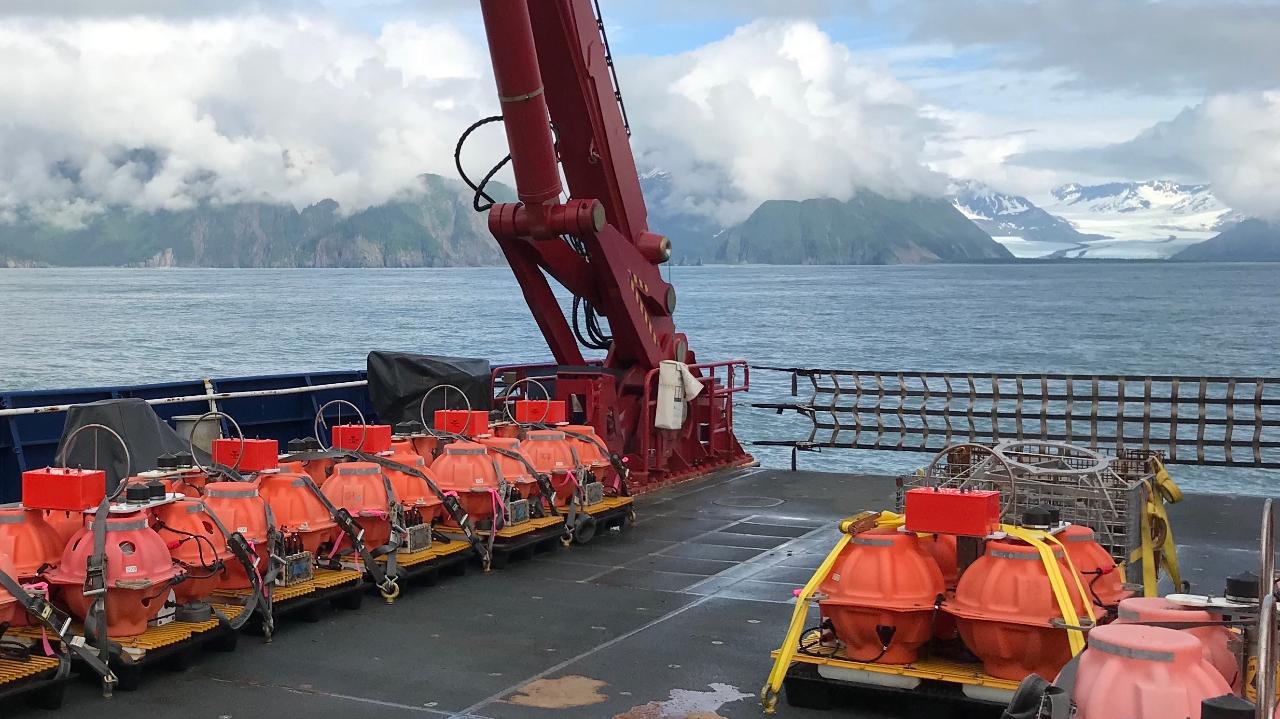
Anne Sheehan is Professor of Geological Sciences at the University of Colorado Boulder and a Fellow of the Cooperative Institute for Research in Environmental Sciences (CIRES). Her research integrates seismology, geodesy and electromagnetics to investigate earthquake sources, subduction-zone dynamics, tsunami generation and human-induced seismicity. Education Ph.D., Massachusetts Institute of Technology, 1991 B.S., University of Kansas, 1984 Research Interests Sheehan’s group pursues field and computational studies of earthquake seismology , tsunami processes , active tectonics and geophysical imaging . Major themes include: Deep structure and tectonics of mountain belts (Rockies, Himalaya, Southern Alps) Subduction-zone seismicity, slow-slip events and tsunami hazards Induced seismicity linked to wastewater injection in Colorado Novel seafloor instrumentation (ocean-bottom seismometers, pressure gauges) and satellite-based tsunami detection from ships Advanced computational techniques such as data assimilation, interferometry and machine-learning phase detection Scientific Awards Erasmus Haworth Distinguished Alumni Award, University of Kansas (2009) EarthScope Distinguished Lecturer (2013) College Scholar Award, University of Colorado (2014) New Zealand Geophysics Prize (2016, 2019) President, Seismology Section, American Geophysical Union (2020) Leadership, Grants & Teams Sheehan is Principal Investigator on major NSF experiments such as the Alaska Amphibious Community Seismic Experiment (AACSE) and the Hikurangi Ocean Bottom Investigation of Tremor and Slow Slip (HOBITSS) . She collaborates closely with the hydrogeology group of Prof. Shemin Ge and geodesist Prof. Kristy Tiampo, and mentors graduate students and post-docs in the Sheehan Geophysics Group . The group maintains real-time seismic data access for Colorado at earthquake.colorado.edu and hosts weekly seminars and reading groups.