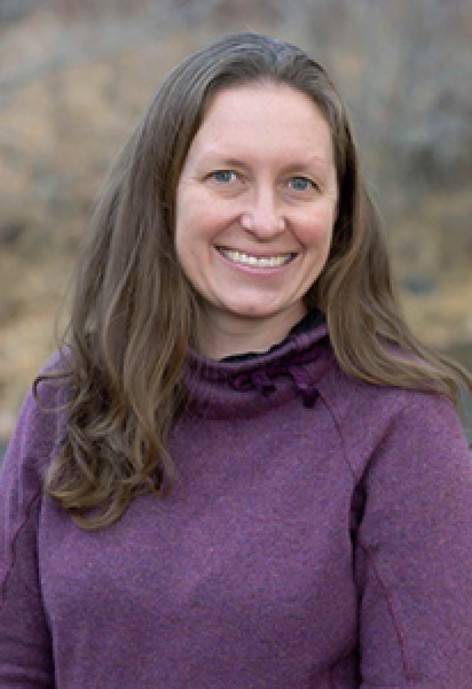
Diego Riveros-Iregui is a Professor of Geography at the University of North Carolina at Chapel Hill, holding the prestigious Bowman & Gordon Gray Distinguished Professorship. He leads the Carbonshed Lab, which focuses on watershed hydrology, ecohydrology, and critical zone science. His research spans from single plots to watershed and regional scales, examining interactions among the geosphere, hydrosphere, biosphere, and atmosphere. Education: B.S. in Geosciences, Universidad Nacional de Colombia (1999) M.S. in Geology, University of Minnesota (2004) Ph.D. in Ecology and Environmental Sciences, Montana State University (2008) Professor Riveros-Iregui's research centers on watershed science, forest and soil processes, ecosystem ecology, and human-water-environment interactions. His work particularly focuses on water and carbon cycles, as well as the fate and transport of nutrients and pollutants in watersheds. He investigates feedbacks among Earth's major spheres using field-based and modeling approaches, with special emphasis on how landscape morphology mediates physical and biological processes. His research often takes place in tropical environments, particularly the Andean Páramos of Ecuador, where carbon stocks are among the highest on the planet. His recent publications reveal a strong focus on greenhouse gas emissions from tropical freshwater systems, particularly in high-altitude peatland ecosystems. There's a clear trend toward examining the impacts of climate change on water-carbon interactions, with increasing incorporation of machine learning approaches for water resource analysis. His work spans hydrology, environmental engineering, biogeochemistry, and environmental justice, reflecting the interdisciplinary nature of modern environmental science. Scientific Awards: Presidential Early Career Award for Scientists and Engineers (PECASE) Bowman & Gordon Gray Distinguished Professor of Geography NSF CAREER Award Faculty Award for Global Excellence Fulbright U.S. Scholar Award to Ecuador J. Carlyle Sitterson Award for Teaching First-Year Students Professor Riveros-Iregui has successfully mentored numerous graduate and undergraduate students, many of whom have gone on to prestigious positions in academia, government, and industry. His lab has secured significant funding from the National Science Foundation, including Frontier Research in Earth Sciences (FRES) grants, Hydrologic Sciences grants, and CAREER awards. Current projects include studying glacierized volcanoes in Ecuador, urban beaver pond hydrology, and the role of wetland connectivity in carbon cycling. His research combines field observations with modeling approaches to address pressing environmental challenges, with particular attention to vulnerable populations and environmental justice issues. The Carbonshed Lab at UNC-Chapel Hill serves as a hub for interdisciplinary research on watershed processes. The lab maintains active collaborations with institutions across the United States and internationally, particularly in Ecuador. Current team members include multiple Ph.D. candidates, master's students, and undergraduates working on diverse projects related to hydrology, biogeochemistry, and environmental sustainability. The lab's research has been featured in numerous media outlets including UNC News, Endeavors Magazine, and The Well.